 Tulsa Country Club: Field Notes on a 1908 Club
The Jones Assembly, Oklahoma City: Restaurant, Music Room, Patio
A dining room, a music room and a patio are three different lighting problems in one building. Treat them as three.
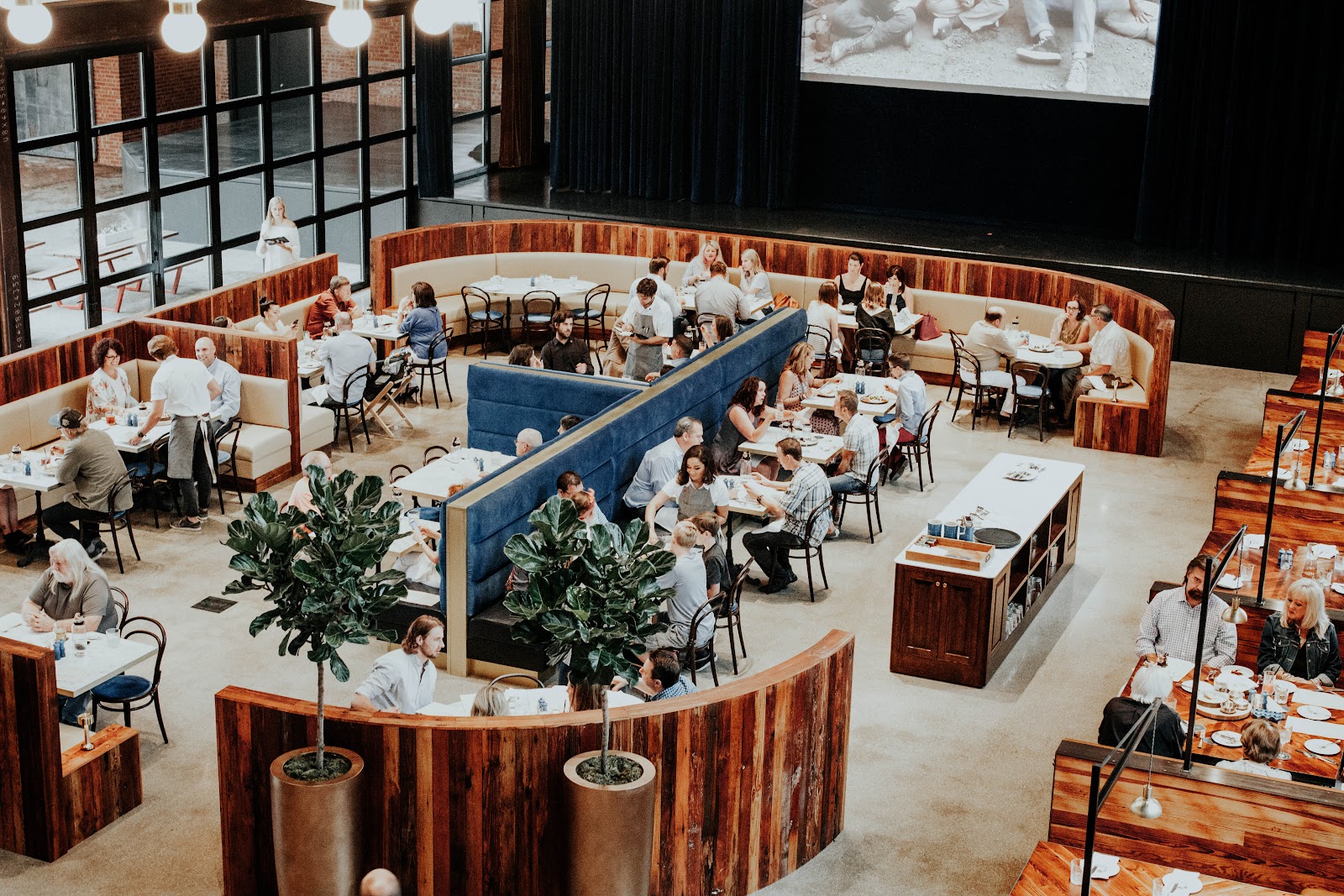
The Jones Assembly in Oklahoma City combines a restaurant, a live music space and an outdoor patio in one building — three rooms built for three genuinely different purposes.
That combination is the venue’s logic and it is worth taking literally, because the three spaces have almost nothing in common photographically. A dining room is lit low and warm to be comfortable. A performance space is lit dark and coloured to make a stage legible. A patio is lit by the sky. They want three different exposures, three different white balances and, honestly, three different mental modes — and the frequent failure at hybrid venues is carrying one approach through all three and producing a set that only works in one of them.
Following the venue’s own logic then. We have not photographed a wedding at the Jones Assembly; restaurant-and-music-room venues behave consistently. Which spaces a wedding gets, whether the stage rig is available and how late the patio runs are questions for their events team.
The Jones Assembly at a glance
| Where | Oklahoma City, Oklahoma |
| Character | Restaurant, live music space and outdoor patio in one building |
| The logic | Three rooms built for three purposes — three lighting problems |
| The patio | Where the daylight is, and the ceremony option |
| Ask first | Which spaces you get, stage rig access, how late the patio runs |
The patio: the daylight, and the only outdoor decision
The patio is where the light comes from the sky, which makes it the daytime space regardless of what else is happening. It is also the ceremony option in the digest’s own description, and the questions about it are the usual outdoor ones asked in a specific climate.
Overhead cover is the first thing to establish, because it decides the character. An open patio under a clear Oklahoma sky at midday gives a high hard sun with no relief; under partial cover it gives an edge-of-shade condition, which is the most useful outdoor light there is — soft, directional, and pointing the same way all afternoon. If there is a covered edge, that edge is the portrait position and it takes no equipment.
If the patio is fully open, the building’s own shadow is the resource. Every building casts a long shade line at some point in the afternoon, and that line is a soft directional source moving slowly across the ground; learn where it will be at the ceremony hour rather than at the site visit hour, because they are not the same place.
Two Oklahoma specifics govern everything outdoors here. Summer heat is severe and a patio ceremony in July at three in the afternoon is a real welfare question as much as a photographic one, which argues for late rather than mid afternoon. And wind on the southern plains is close to constant — a patio takes it less than an open lawn, but light stands still need weighting and a veil still needs a plan.
The last ninety minutes on a patio are the reason to use it. Low sun coming in under any cover, raking along the ground and the walls, at an hour when the heat has broken: that is the same window every outdoor venue in the state shares, and it is worth protecting in the schedule even when the rest of the day is indoors.
The dining room and the music room
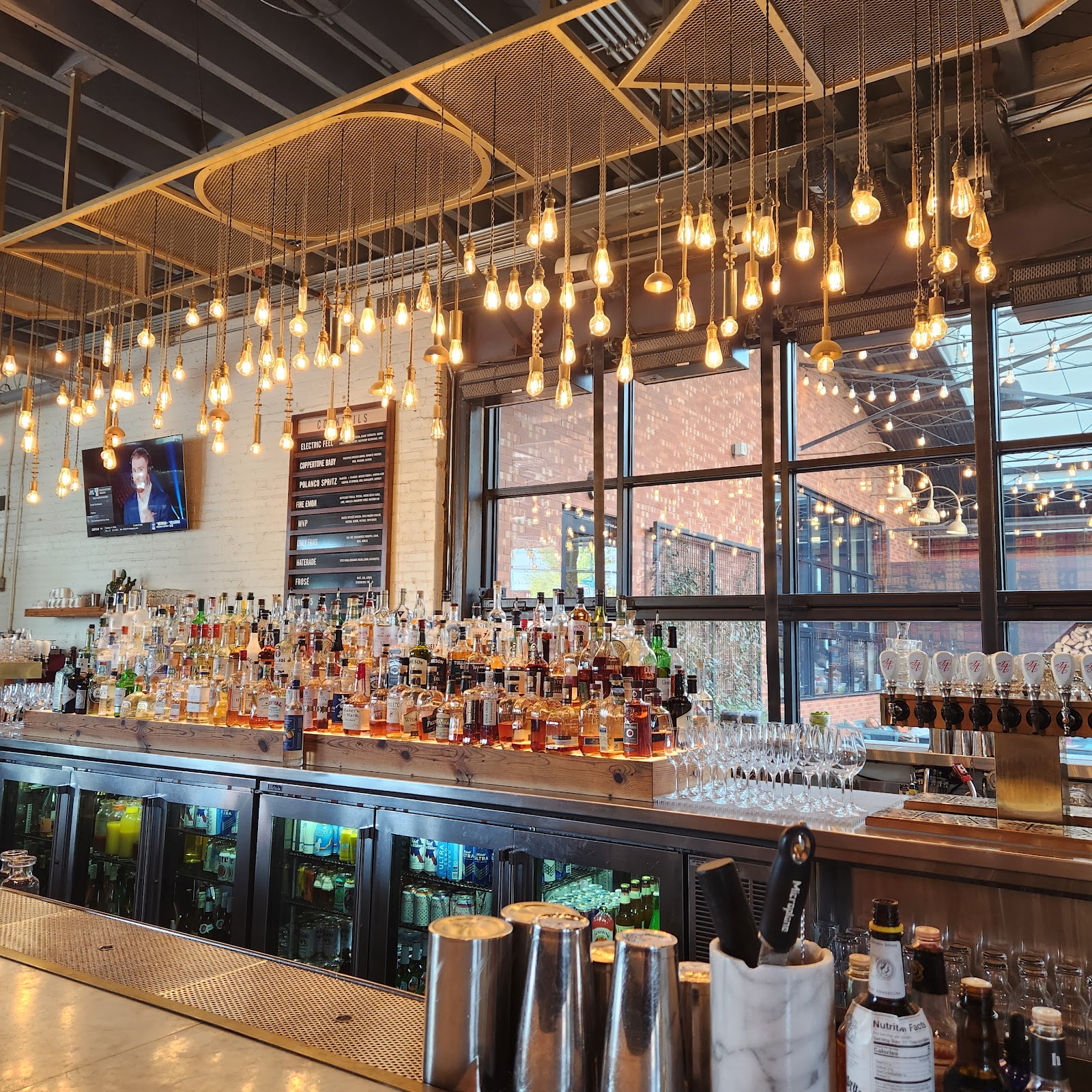
Restaurant lighting is designed to make people comfortable, which means it is low, warm, and usually from small overhead fittings — pendants, downlights, a scatter of decorative sources. That produces two problems at once: the level is low enough to force a raised ISO, and the direction is from above, which darkens eyes and draws shadows down the face.
The solution is deliberately modest. Set white balance to the room’s tungsten rather than letting it drift, expose so the room reads as the warm low-lit space it is, and add one small source at face height — off-axis, gelled to match, modified enough that it does not look added. The aim is a frame that looks like the room with faces that read, not a frame that looks lit.
Decorative sources in shot are an asset rather than a problem if they are treated as composition. Pendants and filament bulbs behind a subject at a wide aperture become a field of warm points, which is why this kind of room photographs so well on a fast lens; the mistake is placing a bright fitting immediately beside a head, where it pulls the eye straight off the face.
The music room is a different building. A performance space is dark by design, with a rig that produces hard, coloured, directional light aimed at a stage — and coloured stage light renders skin in whatever colour it is, unrecoverably. So under a live wash, either commit to shape and silhouette deliberately, or put a neutral source on the faces and let the wash do the room behind.
If the rig is available outside a performance, it becomes an asset instead. A single pool of light on an otherwise dark stage, with a couple standing in it, is one of the strongest frames any venue with a stage can give — and it needs a board operator rather than equipment, which makes it a question for the contract.
Dark rooms also swallow flash. A performance space has black walls and a high dark ceiling, so bounce does nothing at all and every source has to be direct and modified. Establish that on arrival, not when a bounced flash appears to have failed.
- Restaurant light is overhead and low — one face-height source fixes both
- Set white balance to the room’s tungsten and hold it through the block
- Pendants behind a subject at wide aperture are composition, not a problem
- Coloured stage wash is unrecoverable on skin — silhouette or add neutral light
- Bounce does nothing in a black performance room; go direct and modified
Moving between the three, and outside
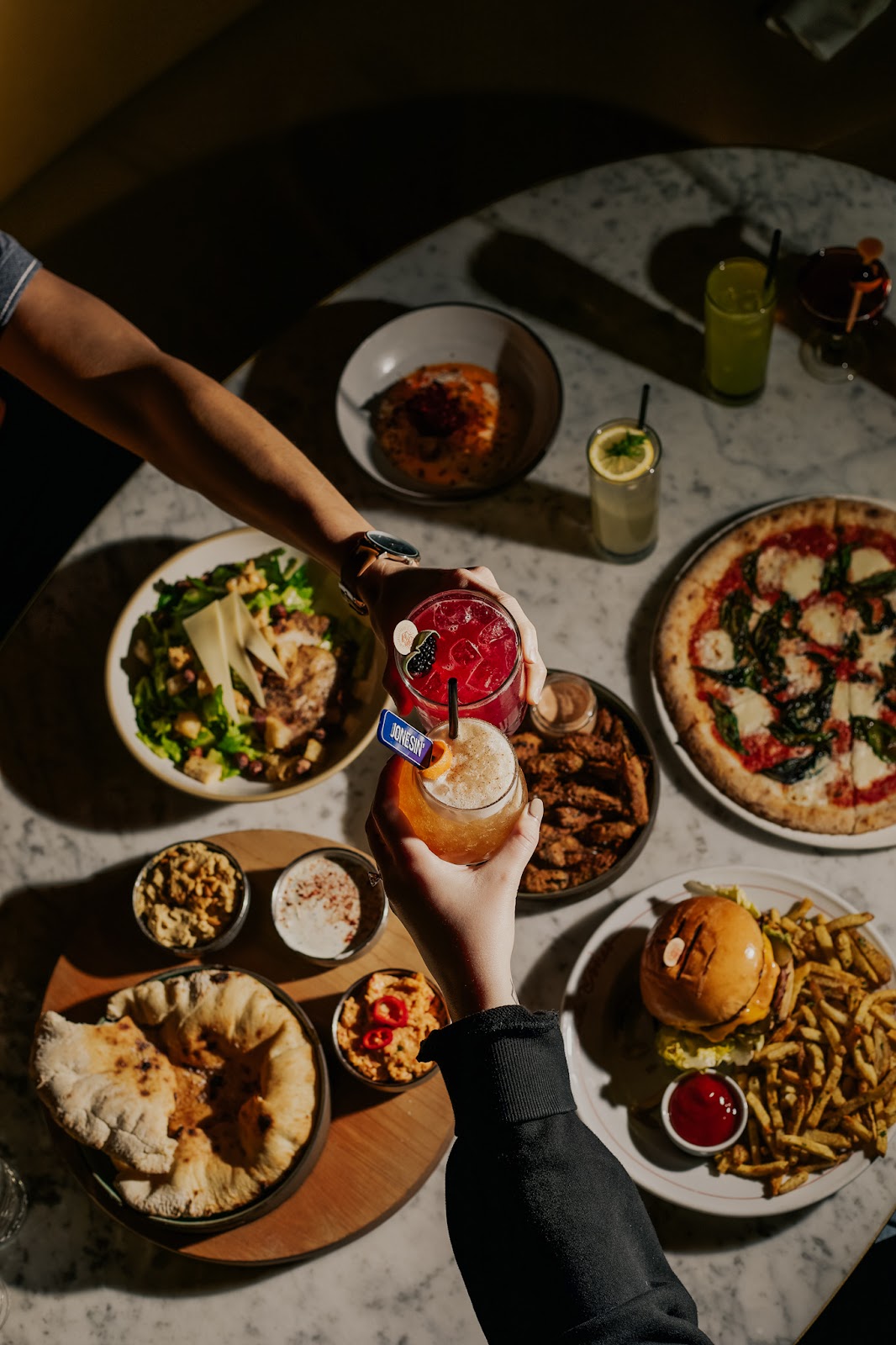
The practical skill at a hybrid venue is the transition. Going from a sunlit patio to a dark music room is four or five stops and a large shift in colour, and the way to make it painless is to decide the settings for each space before the day rather than discovering them under pressure — a saved custom setting per room, checked on arrival, removes the only real risk in the building.
It also pays to plan the order so the transitions run one way. Patio in the daylight, dining room as the light drops, music room after dark, is the sequence the building wants; jumping back and forth costs time in adaptation for both the camera and the eye.
Dusk is the one moment that uses two spaces at once. For roughly twenty minutes the patio falls to the brightness of the interior lighting, and a frame taken from inside looking out — or from the patio looking into a lit room — holds both in one exposure. Take the clock time from sunset and treat it as an appointment; it does not come back.
Outside, Oklahoma City’s low-rise districts and regular street grid mean low evening sun reaches street level and runs the length of a block, which is the frame that locates the venue in its city. Brick commercial frontages are forgiving mid-tones that need raking light to show texture, and alleys are the most dependable positions — walls both sides give directional light, a contained background, and shelter from the wind.
Spring and early summer bring fast-building convective storms, so the patio needs a stated indoor fallback and a time by which the call gets made. A venue with two indoor rooms handles that better than most, which is the practical argument for this kind of building in this climate.
More frames from The Jones Assembly
The Jones Assembly wedding photography: common questions
Why treat the three spaces separately?
Because they have nothing in common photographically. A dining room is lit low and warm for comfort, a music room dark and coloured for a stage, a patio by the sky — three exposures, three white balances, three approaches.
What makes the patio work?
Any overhead cover. A covered edge gives soft directional light pointing the same way all afternoon, which is the most useful outdoor light there is. If the patio is fully open, the building’s own shadow line is the resource.
When should a patio ceremony be scheduled in summer?
Late rather than mid afternoon. Oklahoma summer heat makes a three o’clock July ceremony a welfare question as much as a photographic one, and the last ninety minutes give better light anyway.
How do you light a restaurant room without ruining it?
One small face-height source, off-axis, gelled to the room’s tungsten, exposed so the room still reads as warm and low-lit. The aim is a frame that looks like the room with faces that read — not a frame that looks lit.
Can you shoot under the stage rig?
Only deliberately. A coloured wash renders skin in its own colour unrecoverably, so either commit to silhouette and shape or add a neutral source on the faces. Bounce is useless in a black room, so go direct.
What is the one moment that uses two spaces?
Dusk. For about twenty minutes the patio matches the interior lighting, so one exposure holds a lit room and the outside together. Take the clock time from sunset and treat it as an appointment.
More Oklahoma venue guides
We are writing a photographer’s guide to every venue we would happily shoot in Oklahoma. Here are three more, plus the full index:
- The Myriad Botanical Gardens: One Decision About the Conservatory
- The National Cowboy Museum: Four Ways Out of the Sculpture-Gallery Problem
- Oklahoma City Farmers Market: One Frame and How It Is Made
Planning a wedding at The Jones Assembly?
Three spaces need three plans and one running order. Tell us your date and we will build it.