 Choctaw Hall: What a Gazebo Ceremony Does to the Photographs
The Hard Rock Casino, Biloxi: Field Notes, Problem and Solution
The gaming floor is probably off limits. Plan from there.
These are field notes, because a casino resort is a set of specific rules and conditions rather than one idea, and the first of them is a rule rather than a condition.
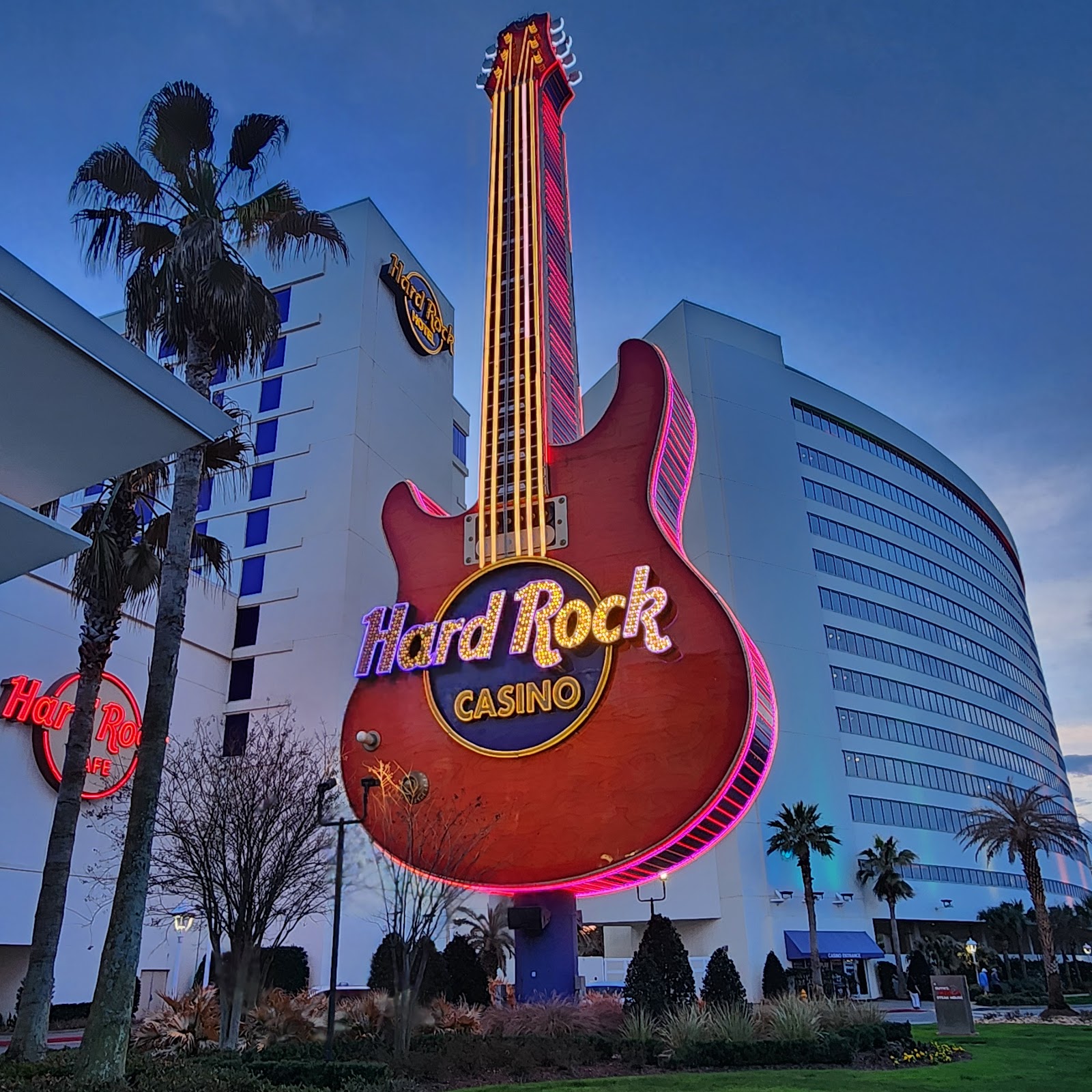
The Hard Rock Casino is a beachfront resort at Biloxi, on the Mississippi Gulf coast, with a hotel, gaming, restaurants, function space and a pool deck, sitting on the shore side of the coast highway.
The rule to establish before anything else is photography on the gaming floor, and the answer is very likely to be no. Casinos generally prohibit photography and filming of gaming areas, for reasons of security and of other patrons’ privacy, and that prohibition is enforced by staff who are watching a floor professionally. It is not a policy that bends for a wedding.
So assume the gaming floor is not available, ask anyway and in writing, and plan the day on the assumption that the answer is no. A photographer who arrives intending to use the most visually distinctive space in the building will be redirected, politely and immediately.
That leaves the rest of the resort, and it comes with a second condition that is architectural rather than regulatory. A casino is deliberately designed to exclude daylight. There are very few windows on a gaming floor and often none at all, there are no clocks, and the lighting is entirely artificial and constant — the intention being that a person inside has no sense of the hour.
For a photographer that means large parts of the building have no natural light whatsoever, and the light they do have is artificial, mixed, saturated and unchanging. There is no good hour and no bad hour indoors here, because there is no hour at all.
That is a constraint with one genuine advantage attached: nothing indoors depends on the weather or the time of day, so the interior coverage can be scheduled entirely around the wedding. And one genuine disadvantage: every interior frame is made with light you brought, and the colour is a problem you will spend real time on.
The third condition is the location. The resort is on the beach side of a busy highway, facing the Mississippi Sound, which means there is water and sky immediately available — and both need expectations corrected, because this is not the Gulf coast people imagine.
Notes follow, grouped by where you are standing: the public interiors, the function rooms, the guest floors, the pool deck, and the shore. Then the year.
One number for the schedule. Biloxi sits at about thirty degrees north, which gives a midsummer noon sun near eighty-three degrees, civil twilight of about twenty-two minutes, and a usable balance point of roughly ten. The end of the day is brief and it belongs outdoors.
The Hard Rock Casino at a glance
| Where | A beachfront casino resort at Biloxi, on the shore side of the coast highway |
| The rule | Gaming-floor photography is very likely prohibited. Ask, and plan for no. |
| The condition | A casino is designed to exclude daylight — no windows, no clocks, constant light |
| The consequence | No good or bad hour indoors; every interior frame is lit by you |
| Ask first | Gaming policy, which function room you have and whether it has glazing |
What you meet, and what each one needs
The gaming floor. Problem: you almost certainly cannot photograph it. Solution: ask in writing, accept the answer, and do not attempt to work around it — a photographer arguing with security on a wedding day is the worst possible use of twenty minutes. If a limited exception is offered, it will come with conditions about angles, other patrons and equipment, and those conditions are the point rather than an obstacle.
The gaming floor, second note. Problem: even if you are permitted a frame, the space is difficult — low ceilings over the machines, dense patterned carpet, saturated and mixed lighting, and a great many other people. Solution: go long and tight, expose for the brightest practical lights rather than for the room, and treat the frame as an environment shot with the couple small in it. A wide frame of a gaming floor is an inventory of slot machines.
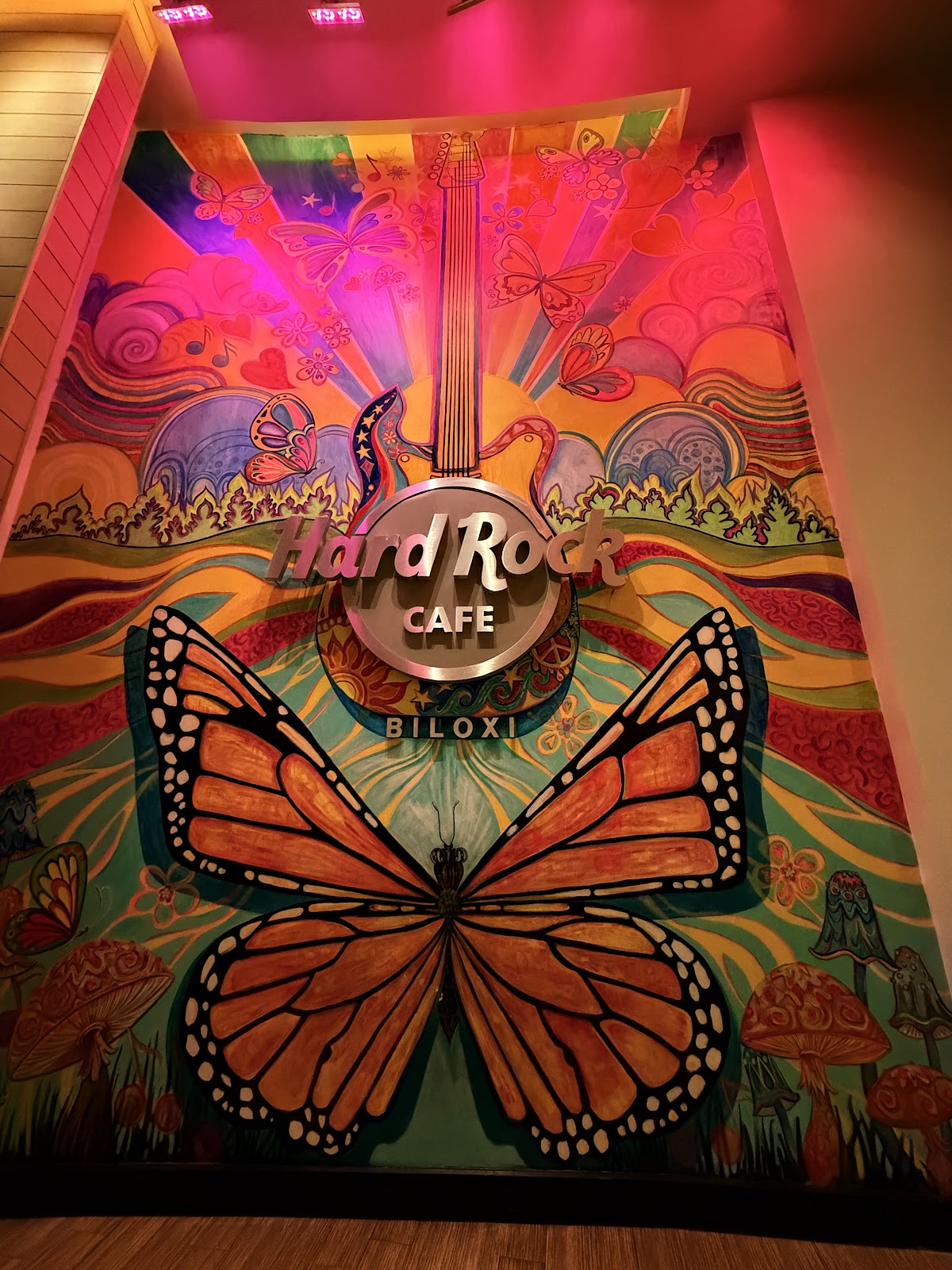
The public interiors and the branded areas. Problem: a themed resort is designed with strong graphic identity — bold colour, signage, memorabilia cases, feature lighting — and every surface is doing something. Solution: this is the same discipline as any maximalist interior. Either find the plainest wall and isolate the subject against it, or commit and use a large continuous field of the design deliberately, square to it, stopped down, with the subject small and off centre. The middle — a mid-distance frame with half a display case and some signage in it — is what most casino wedding photographs look like.
The public interiors, second note. Problem: memorabilia and display cases are behind glass, lit from inside, and reflective. Solution: treat them as coloured light sources rather than objects, keep faces two or three metres clear of anything saturated, and if you shoot toward a case, get the lens close to the glass and kill any light behind you. Also be aware that displayed items may be subject to their own photography restrictions — worth asking.
The function rooms. Problem: unknown until you ask, and at a resort they vary enormously. Solution: establish which room you have and whether it has any exterior glazing, because a daylit ballroom on a beachfront and a windowless internal one are two completely different photographic days. Get it in writing months ahead.
The function rooms, second note. Problem: if windowless — likely — the room has no reference light at all and a dimmable coloured scheme that may be set to whatever the event designer chose. Solution: plan the whole block. Two lights bounced into opposite corners for ambient if the ceiling is pale, one directional source for the key, and a single white balance for the sequence. Ask what colour the uplighting will be, because a room washed in deep blue or magenta changes every skin tone in it and it is easier to gel your key to match than to fight it.
Mixed and saturated light, anywhere in the building. Problem: a resort accumulates lighting across renovations and event schemes, so one space may carry warm downlights, cool LED wash, neon or signage, and feature colour simultaneously — different temperatures with different and sometimes spiky spectra that no single white balance reconciles. Solution: choose the dominant source, balance for that, gel your own light to match, and let the rest fall. Do not average. Averaging is what makes these interiors look grey and dead.
The guest floors. Problem: hotel corridors in a resort are long, dark, carpeted and patterned, and guest rooms may face inland at a highway or seaward at the Sound. Solution: ask which way your rooms face, because at a beachfront hotel that is the difference between a window with sky and water in it and a window with a car park in it. A seaward room gives the best natural light in the building by a wide margin: a large opening onto a broad open horizon, with bounce coming up off pale sand and water, which fills eye sockets from below in a way no inland room does.
The guest floors, second note. Problem: the corridors. Solution: use them as tunnels rather than avoiding them. One light on the floor at the far end aimed back, subject on ambient plus a touch of fill, camera low and central, and the perspective and the carpet pattern converging do all the composing. A patterned carpet is a liability in a room and an asset in a corridor.
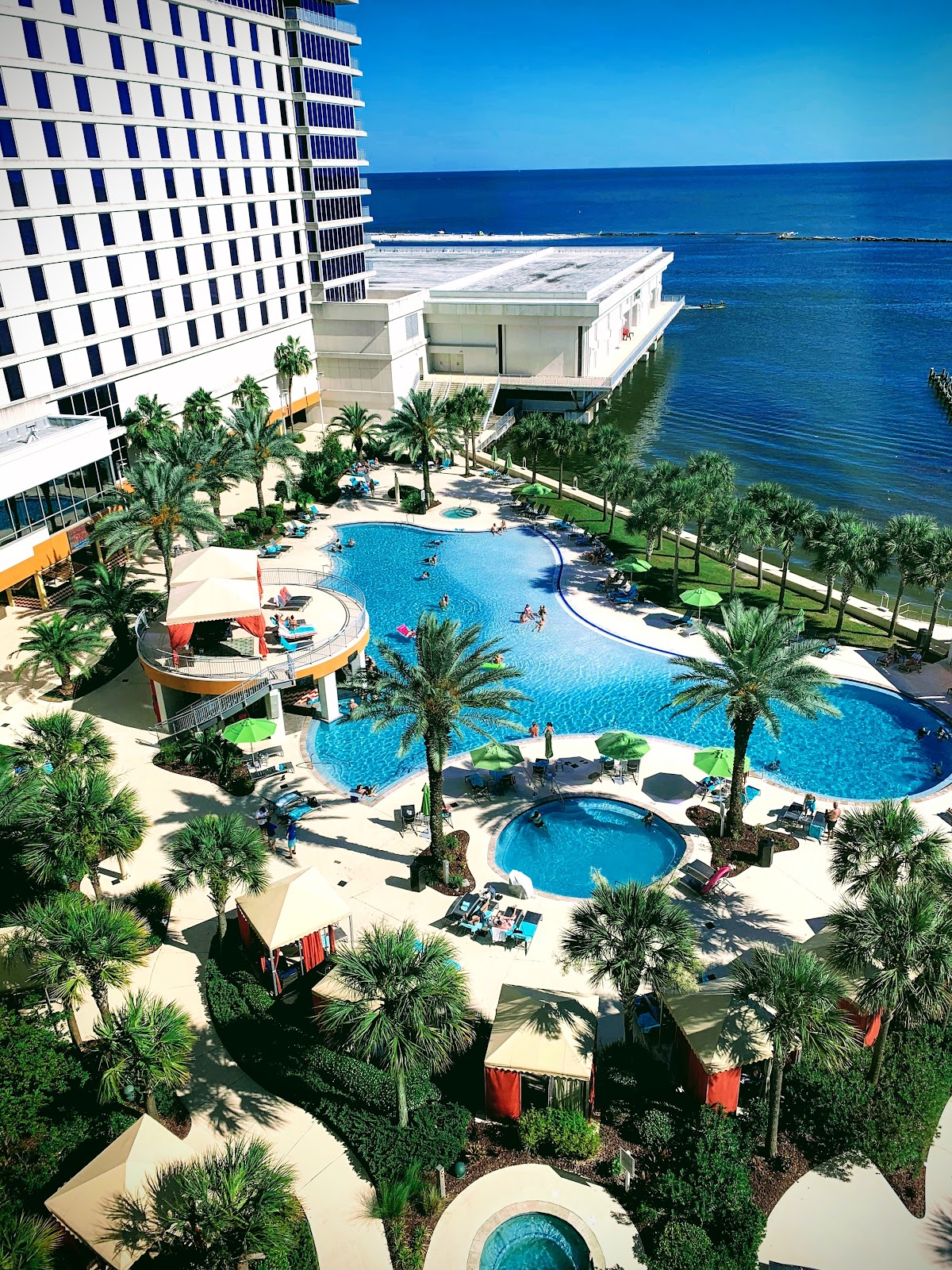
The pool deck. Problem: exposed, hard-surfaced, and under a near-overhead sun for most of a summer day. Solution: it is an ends-of-the-day space only. What it gives that nothing else does is water as a low reflector — light bouncing up off a pool surface fills under a chin, which is the one direction the rest of the building never provides — and a clear view of the sky, which matters because the balance point belongs outdoors here. Establish what a wedding actually gets on a shared amenity deck, in writing.
Everything indoors, one general note. Problem: there is no daylight reference anywhere, so a whole day’s interior coverage can drift in colour and in feel without your noticing. Solution: set a white balance deliberately per space and check frames against each other rather than judging them individually. A consistent decision applied across a windowless block matters more than getting any single frame perfect.
Outside: the shore, the highway and the night
The exterior is where the balance point belongs and it has three elements, two of which need expectations corrected.
The water first. This shoreline faces the Mississippi Sound, which is shallow and brackish and sheltered from the open Gulf by barrier islands some distance offshore, carrying enough suspended sediment to read green-brown rather than turquoise, with essentially no surf. Nobody should be promised Caribbean water or a breaking wave.
What it gives instead is genuinely useful: a very broad open horizon, a great deal of sky, and water calm enough to reflect properly on a still morning. A calm Sound at first light, with the sky doubled in it, is the best water frame available on this coast and it is a morning phenomenon.
The beach second, and it is man-made. The long sand strip along this shoreline was created in the middle of the twentieth century and it is one of the longest artificial beaches anywhere — flat, wide, pale and largely featureless.
At midday that is a difficult surface: bright, contrasty, and reflecting upward into faces. At the ends of the day it is excellent. And the single most useful thing about it is wet sand at low water, which is a genuine mirror — a couple reflected in flat wet sand with a low sun behind them, camera at ground level, is the frame this shoreline is for. Go at the bottom of the tide and work from the ground.
The highway third, and it is the practical constraint. The coast road runs along this shoreline, and at most properties the beach is on the far side of it from the building. That means crossing a busy road with a wedding party, traffic noise in any ceremony near the water, and vehicles in the background of any frame looking landward. Establish how the crossing works and how long it takes, because it is usually longer than it looks.
Then the night, which is this venue’s unexpected strength.
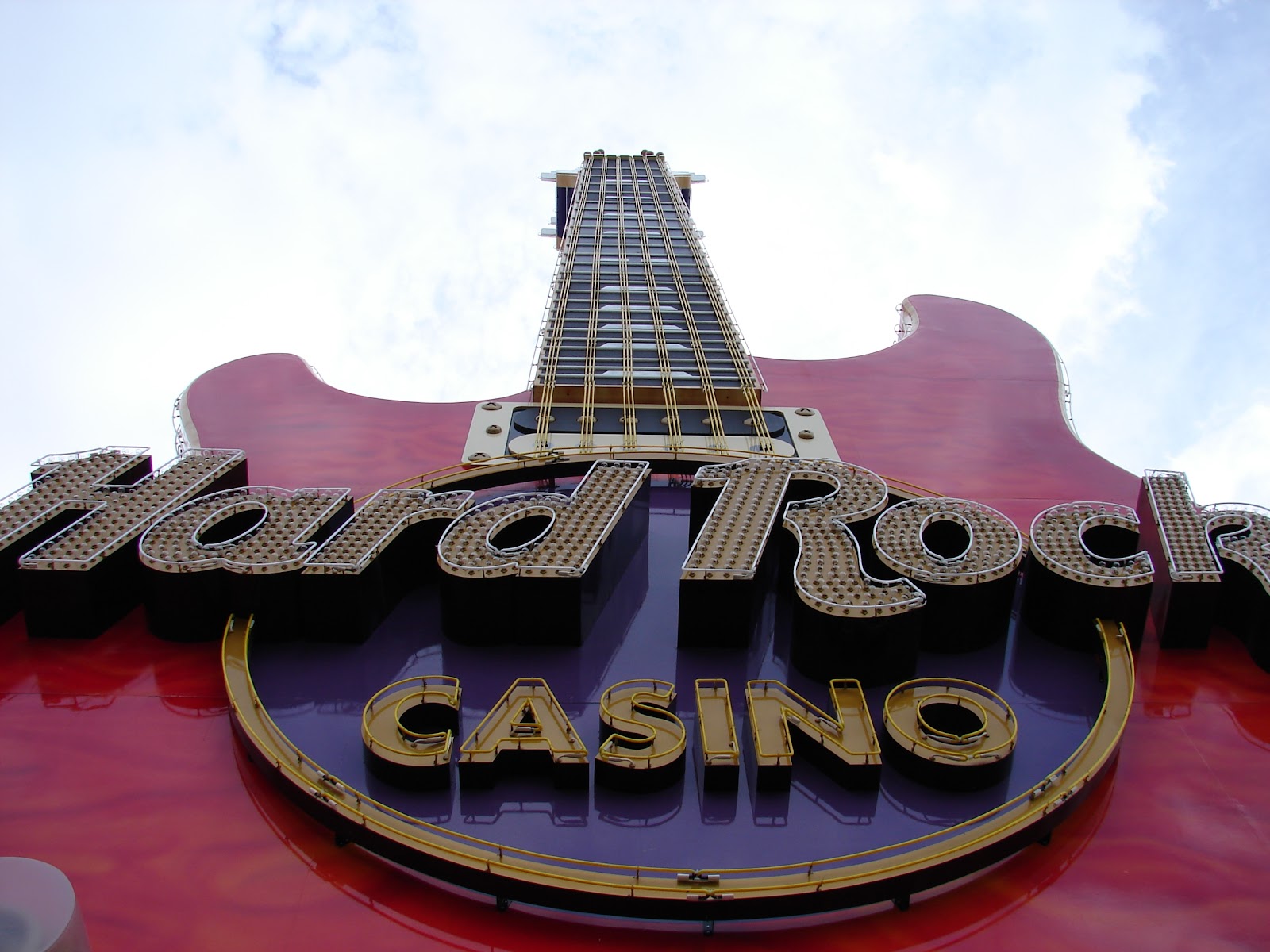
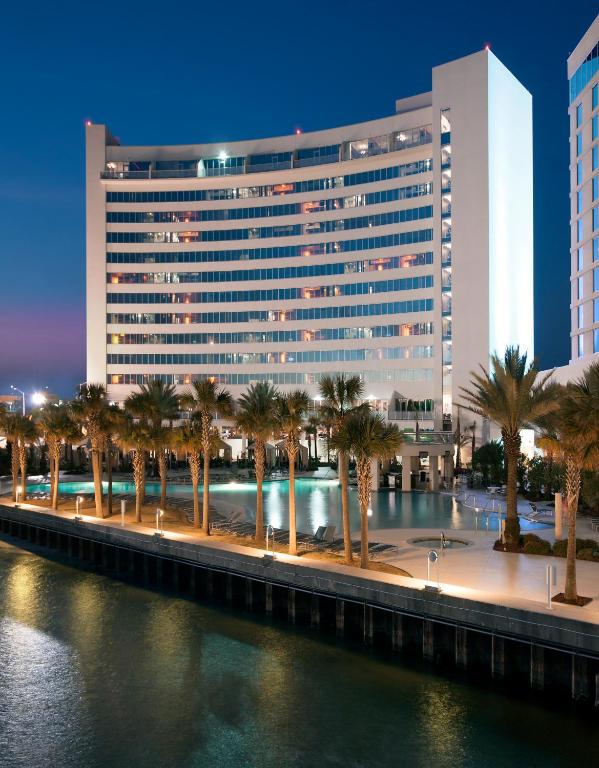
A casino resort is lit, comprehensively and brightly, and after dark the beachfront becomes a field of saturated artificial light along the shore — signage, facade lighting, feature colour. That is a genuine asset rather than a problem: it gives you a foreground of practical lights between the camera and the sky, which most coastlines do not have, and it is unmistakably this place.
It will not white-balance. The sources are mixed technologies with different and sometimes spiky spectra, and correcting toward any one of them turns the others a complementary colour. So balance for your subject, light them with a small warmed source so their skin is correct, and let the shore be as lurid as it actually is. A frame with correct skin and saturated signage is the picture; a frame with neutralised signage is a mistake.
Wet ground doubles it, which is worth waiting for. Rain, or a hosed deck, or wet sand turns a strip of coloured light into a much richer frame, and from a low camera those reflections run the depth of the picture.
One frame worth walking for: the resort itself from along the beach, at the balance point, lit, with the couple small in the foreground. Couples rarely think to ask for the building in the picture and they value it afterwards — and at a resort whose identity is strongly branded and strongly lit, it is a photograph that says exactly where they were.
Two practical notes about working outside here. The beach is public, which means strangers in frame unless a booking closes an area, and on a fine evening there will be plenty. Work tight. And the shore is exposed with no shelter at all, so wind is a real consideration for a veil and for a lightstand, and there is nothing to break it.
The Gulf coast, and the year
Two numbers from the latitude shape every hour, and one weather fact shapes the whole calendar.
At about thirty degrees north the midsummer noon sun reaches about eighty-three degrees — within seven of directly overhead — which on a pale beach, a pool deck and a hard-surfaced frontage is the worst possible outdoor condition, with no shade anywhere. Between roughly eleven and four in summer, the outdoors here has little to offer and the building has everything, which is a convenient division given that the building does not care what hour it is.
And civil twilight runs about twenty-two minutes, of which the usable balance point is around ten. That is one frame made properly, and at this venue it belongs outdoors — either on the beach or looking back at the lit resort. Decide which in advance, because ten minutes does not allow both.
Humidity is the compensator and here it is among the strongest in this collection. Summer dewpoints in the mid to high seventies mean water vapour fills shadows by something like two and a half stops against a dry climate, so shadow edges are soft, eye sockets hold detail, and open shade at midday is workable rather than hopeless.
The costs are a pale washed sky that adds nothing to a wide frame, visible haze on long lenses, and — acutely at this venue — a lens that fogs within seconds moving from a heavily air-conditioned interior into Gulf air. A casino resort is cooled hard, and a photographer moving repeatedly between the building and the beach will meet this on every transition. Keep the body warm rather than cool, or plan the exterior work as a single block rather than as several trips.
The land is coastal plain and dead level, with no relief at all, so there is no elevated viewpoint except the hotel itself, no slope to separate a subject from a background, and a level horizon in every direction — which makes any camera tilt immediately obvious. Use a level outdoors.
December through April is the season on this coast and the reversal against most of this library is emphatic. Mild, comparatively dry, sunny, with a February noon sun near forty-five degrees that models a face rather than flattening it, and a deeply coloured sky rather than a washed one — which matters because a wide frame of a beach and a resort depends on the sky having something in it. Sunset around half past five in February puts the balance point at a civil hour.
May through September is the constraint. Nineties heat with high-seventies dewpoints, no shade on the frontage, mosquitoes, and biting flies on the beach in season. The practical shape is the two ends of the day outdoors and the middle indoors — which at this venue is genuinely fine, since the interiors are the venue and they are unaffected. The gift is a later sunset, after seven in June, which puts the balance point comfortably inside an evening reception.
Afternoon convection is near-daily in the wet season and this coast receives a great deal of lightning, so any outdoor element in summer needs a covered alternative that genuinely exists and is reachable in minutes. At this venue that is not a problem — the building is right there — which is a real and under-stated advantage of a large resort over a small outdoor property on this coast.
Hurricane season runs June through November and peaks in August and September, and on this shoreline it is not a remote consideration. This coast has been struck hard within living memory, and a named storm in the Gulf a week out disrupts travel, suppliers and accommodation whether or not it makes landfall nearby. A summer or early-autumn date here deserves a genuine contingency and a conversation about insurance. The one consolation is that a large modern beachfront resort is built to a standard that reflects that history, and it will have procedures.
The compensation for any storm is the half hour after it clears, which on this coast is the best light of the year: washed air so the Sound and the barrier islands finally resolve on the horizon, wet sand at its most mirror-like, wet paving and wet frontage reflecting the resort’s own lighting, and a low sun under a broken ceiling. At a venue whose night frames depend on coloured light on a wet surface, a storm at six is an opportunity rather than a setback.
Two closing notes. Fog is worth watching for in late winter and early spring, when warm moist air moves over cooler water — a lit resort frontage seen through fog, with the signage as diffuse coloured glows rather than defined sources, is an unusual and rather beautiful frame that cannot be planned. Work immediately if it happens, because coastal fog lifts.
And establish what else is happening at the property on the date. A large resort hosts multiple events, concerts and busy gaming weekends, and that affects crowds, noise, access to public areas and the availability of the spaces you were counting on. It is a question nobody thinks to ask and the answer occasionally changes the plan.
More frames from The Hard Rock Casino
The Hard Rock Casino wedding photography: common questions
Can we photograph on the gaming floor?
Almost certainly not. Casinos generally prohibit photography and filming of gaming areas for reasons of security and of other patrons’ privacy, and it is enforced by staff watching the floor professionally — it is not a policy that bends for a wedding. Ask in writing, accept the answer, and plan the day assuming no. If a limited exception is offered it will come with conditions about angles, patrons and equipment, and those conditions are the point rather than an obstacle.
Why does the building have no daylight?
Because it is designed that way. A casino deliberately excludes daylight and clocks — very few windows on a gaming floor and often none, with entirely artificial and constant lighting — so that a person inside has no sense of the hour. For a photographer that means large parts of the building have no natural light at all, and no good hour and no bad hour indoors. The advantage is that interior coverage can be scheduled entirely around the wedding rather than the sun; the disadvantage is that every interior frame is lit by you.
How do you handle the colour?
Choose a dominant source per space, balance for that, gel your own light to match it, and let everything else fall where it falls. A resort accumulates lighting across renovations and event schemes, so a single room may carry warm downlights, cool LED wash, signage and feature colour at once, with spectra no single white balance reconciles. Do not average — averaging is what makes these interiors grey and dead. And ask what colour the ballroom uplighting will be, because it changes every skin tone in the room and gelling to match is easier than fighting it.
Which guest rooms should we ask for?
Seaward. At a beachfront hotel the difference between a room facing the water and one facing inland is the difference between a large opening onto a broad open horizon — with bounce coming up off pale sand and water that fills eye sockets from below — and a window with a car park in it. It is the best natural light in the building by a wide margin and it is a question the hotel can answer in a sentence.
What is the water and beach like?
Not what people picture. This shoreline faces the Mississippi Sound, which is shallow, brackish and sheltered by barrier islands well offshore, carrying enough sediment to read green-brown rather than turquoise, with essentially no surf. The beach is man-made — a long artificial strip created in the mid-twentieth century, flat, wide, pale and largely featureless. Its one great asset is wet sand at low water, which is a genuine mirror, so go at the bottom of the tide and work from ground level.
What is the best frame at this venue?
After dark, outside. A casino resort is comprehensively lit, so the beachfront becomes a field of saturated artificial light — which gives a foreground of practical lights between the camera and the sky that most coastlines simply do not have, and it is unmistakably this place. Do not white-balance it: balance for your subject, light them with a small warmed source, and let the shore be as lurid as it is. Wet ground doubles all of it, which is why a storm clearing at six is an opportunity rather than a setback.
More Biloxi, MS venue guides
We are writing a photographer’s guide to every venue we would happily shoot in Biloxi, MS. Here are three more, plus the full index:
- The Beauvoir, Biloxi: A Walk Through the Building
- The Biloxi Lighthouse, Biloxi: One Frame, and How It Is Made
Planning a wedding at The Hard Rock Casino?
Ask about the gaming floor, then plan the evening outside. Tell us your date.