 The Hoxton Chicago: Photographing a Wedding in Fulton Market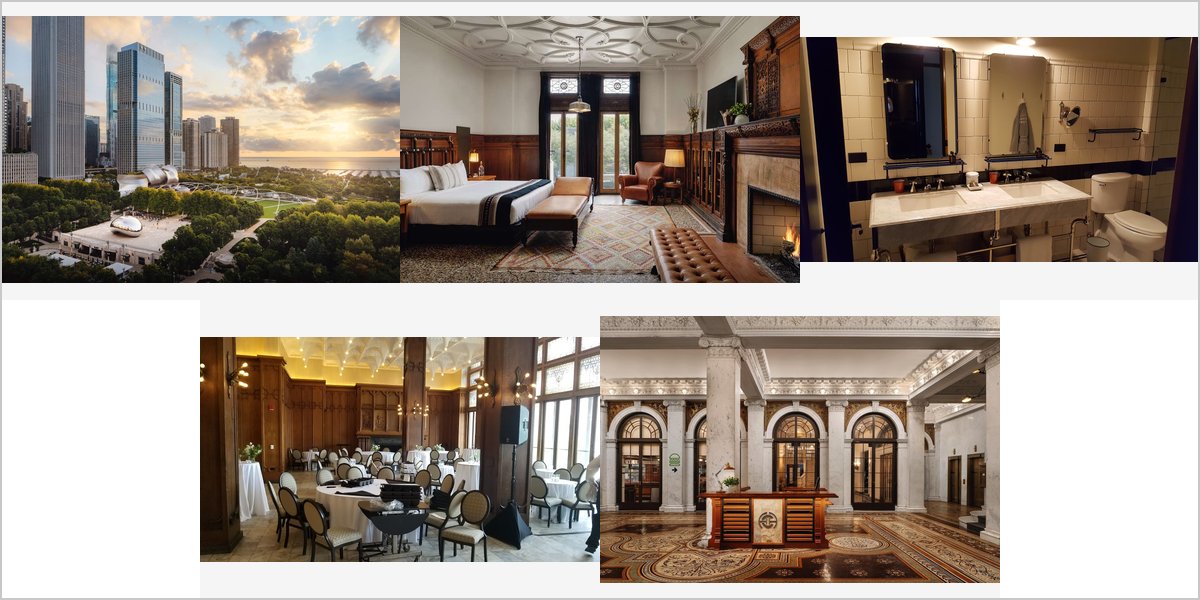
July 27, 2026
The Chicago Athletic Association: Dark Wood and Stained Glass
Panelling and stained glass together create one specific problem, and solving it is most of the work here.
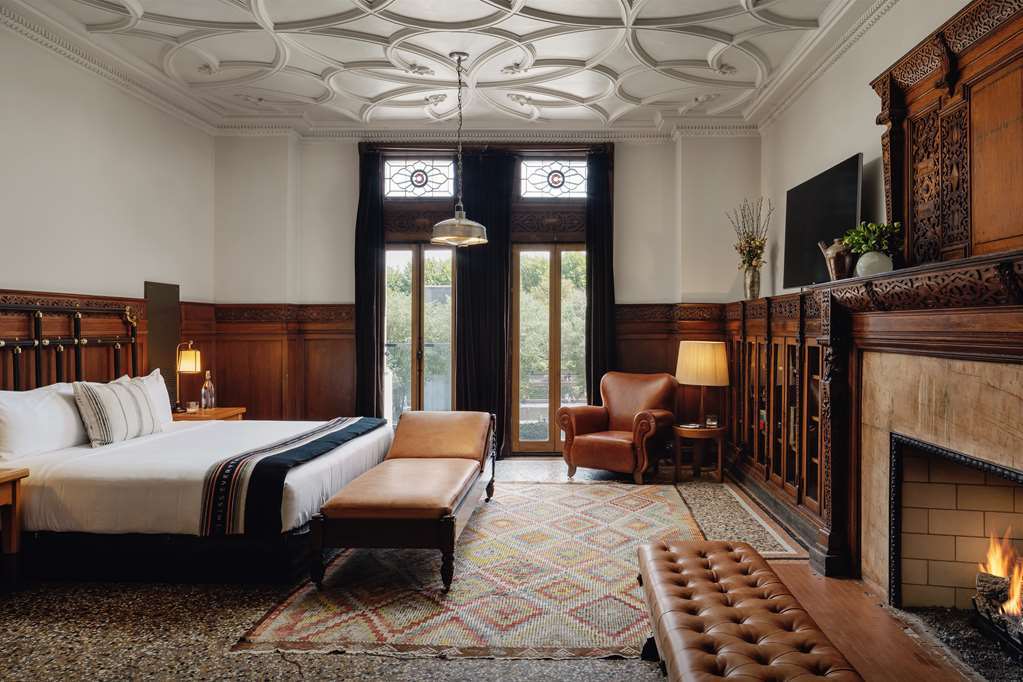
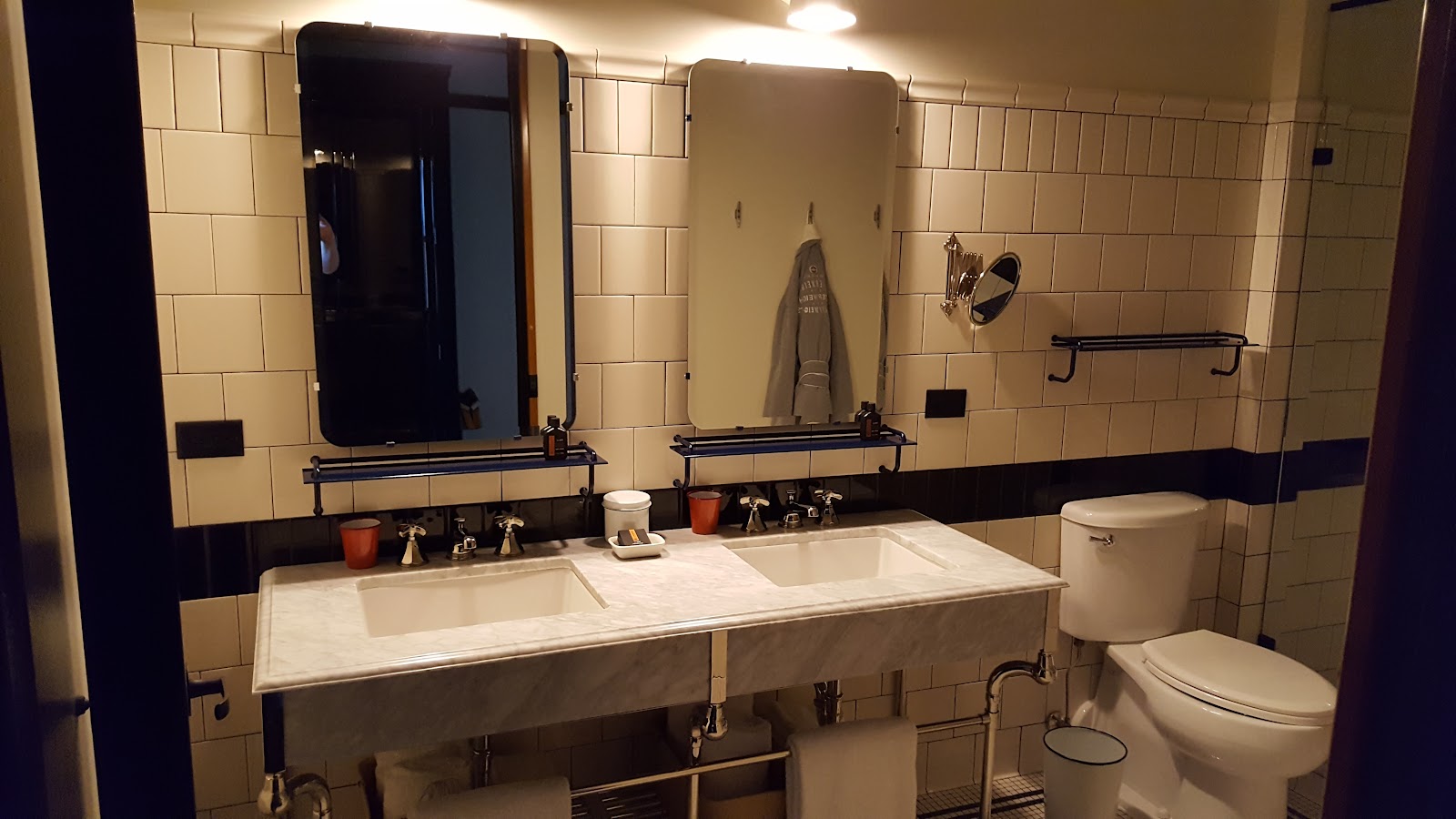
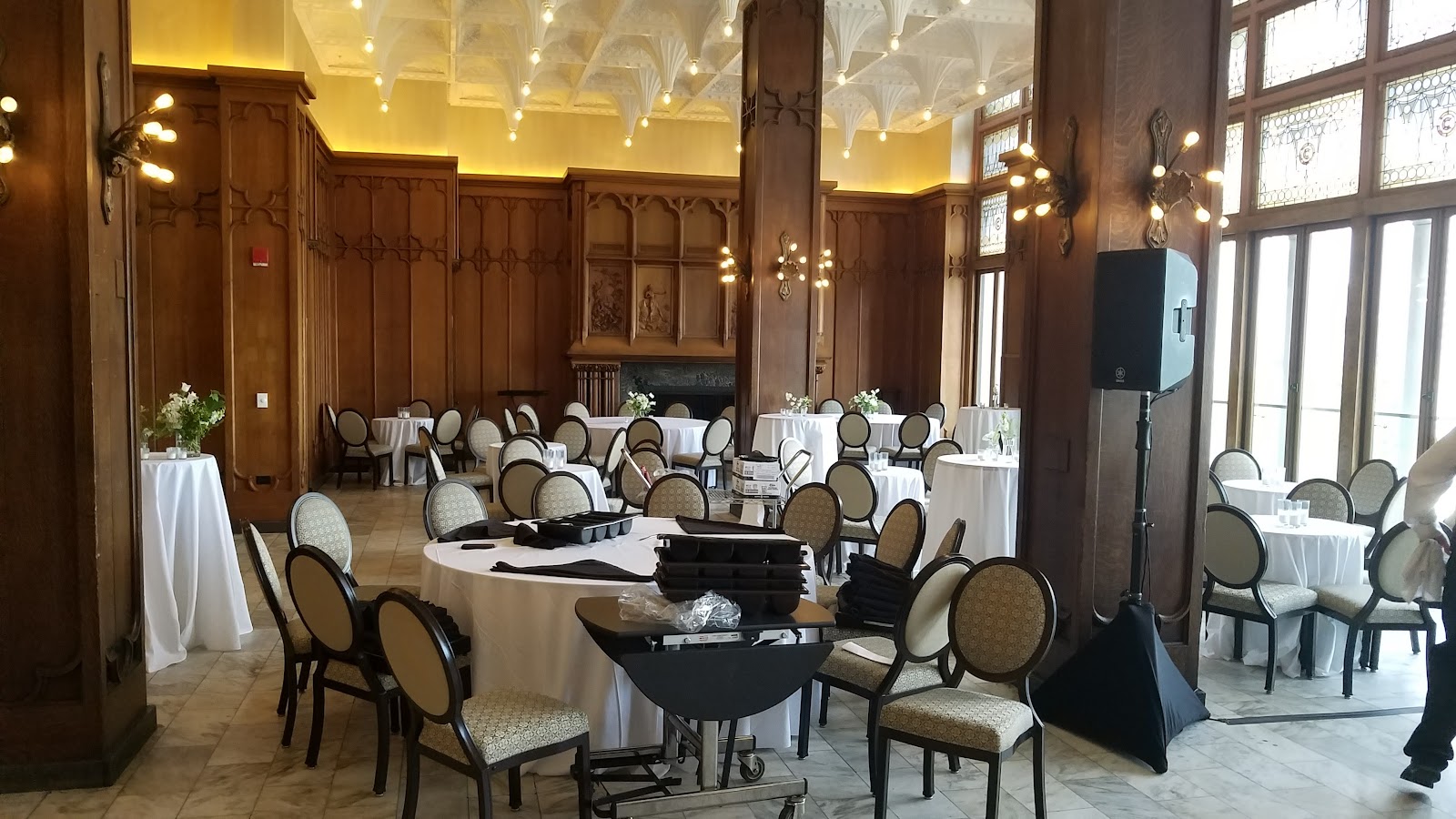
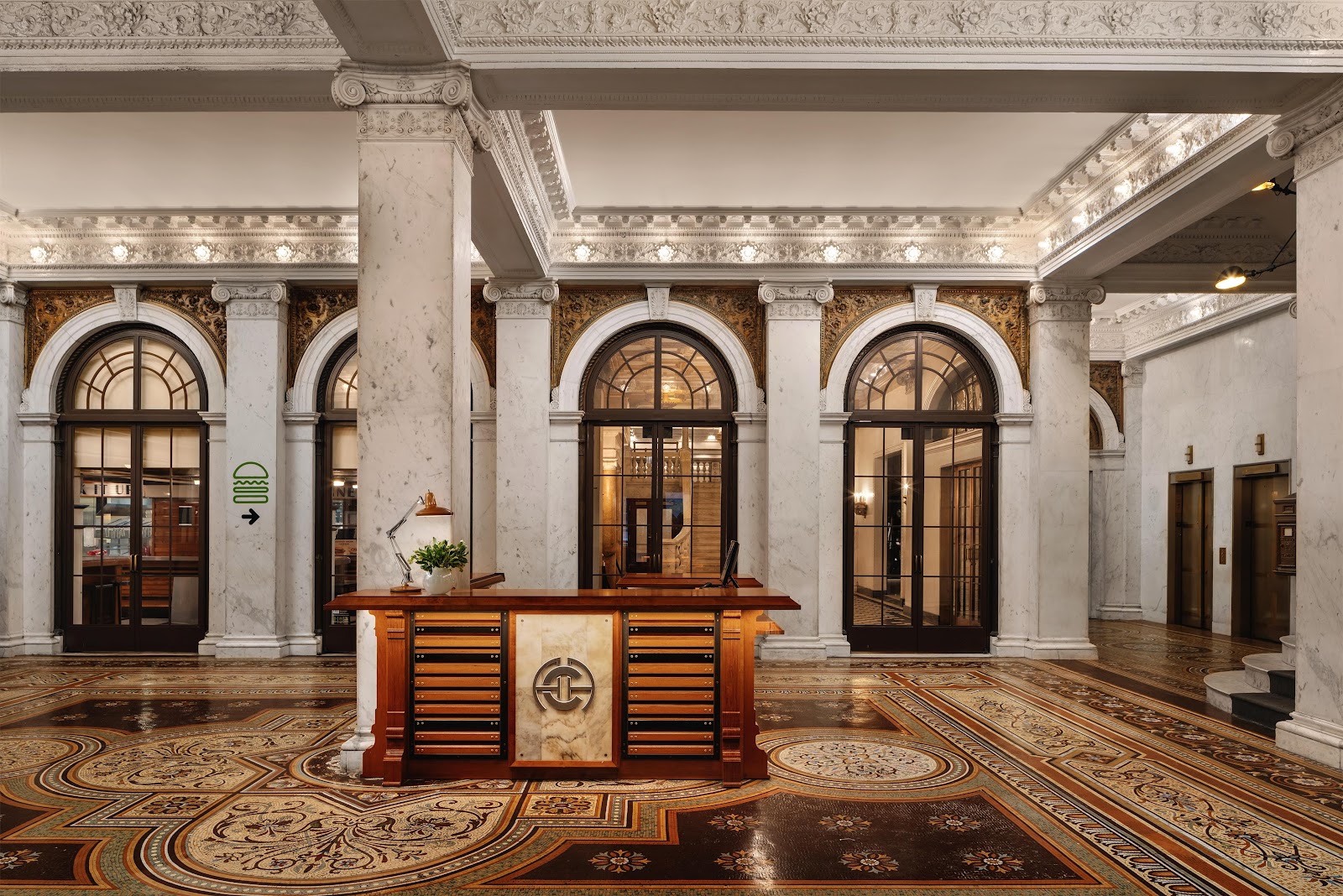
The Chicago Athletic Association occupies a Venetian Gothic building on Michigan Avenue facing Millennium Park, built in the 1890s as a gentlemen’s athletic club and later converted to a hotel. Its interiors kept the club register: dark wood panelling, heavy joinery, intricate woodwork and stained glass windows.
Those two materials — dark panelling and stained glass — are the photographic story, and together they create a condition that neither creates alone. The panelling absorbs light, so the room is dim and bounce barely works. The stained glass is by far the brightest thing in the room and it is coloured. Put those together and you have a very dark space with a small number of intensely bright, intensely saturated light sources in it, which is a dynamic range and a colour problem at the same time.
This is an honest account of who that combination suits and who it fights. We have not photographed a wedding here; panelled rooms and stained glass behave the same in any building of this period. Which rooms host ceremonies and receptions, and what the club’s photography arrangements are, are questions for their events team.
The Chicago Athletic Association at a glance
| Where | Michigan Avenue facing Millennium Park, Chicago, Illinois |
| Character | 1890s Venetian Gothic club, now a hotel — panelling and stained glass |
| The problem | A dark room with a few intensely bright, intensely coloured windows |
| The gift | Period texture and warmth that no modern venue can manufacture |
| Ask first | Which rooms are available, and whether the upper floors face the park |
Why panelling plus stained glass is harder than either alone
Dark-stained wood absorbs light rather than returning it. Every pale-walled room you have worked in has been bouncing light back into the space for free, filling shadows and wrapping faces; panelling does the opposite, so ambient levels are low, fall-off from any source is steep, and bounce flash aimed at a timber ceiling sends almost nothing back.
Stained glass, meanwhile, is the brightest object in the room by a wide margin — often five or six stops above the panelling beside it. Expose for the panelled interior and the window is a blown white rectangle with no colour in it at all, which throws away the best thing in the room. Expose for the glass and everything else in the frame is black.
The resolution is to light the room up towards the window rather than exposing down towards it. Add enough of your own light on the couple and the panelling that the interior sits within two or three stops of the glass, then expose for the glass. Now the window keeps its colour, the room reads as warm wood rather than a black void, and you have the frame the building is actually for. This is the single technique that matters in a building like this, and it needs real light rather than a speedlight bounced hopefully at a dark ceiling.
The colour half is more forgiving than it looks. Stained glass throws saturated patches of red, gold and blue onto whatever is beneath it, and the instinct is to correct them out. Do not: those patches are the signature of the room, and skin lit by a warm gold pane is flattering. What matters is that your own key light is a sensible neutral-to-warm, so faces have a reliable base and the coloured light reads as an accent rather than as the whole exposure.
Who this venue suits
The building rewards a specific set of intentions:
- Couples who want warmth, depth and period gravitas rather than brightness and air
- Anyone drawn to texture — carved woodwork, leaded glass, old joinery, worn brass
- Autumn and winter weddings, where a dark interior is the right answer to the season
- Couples happy for the photographer to bring lights, since the rooms genuinely require them
- Anyone who wants Millennium Park and the Loop across the street without a transfer
Who should look elsewhere
And it fights other briefs from the first frame:
- Couples whose reference images are bright, white and airy — achievable here only by overpowering the room, and it will look overpowered
- Anyone set on a pale, low-contrast edit, since wood casts warm colour onto everything
- Large formal groups, which want ceiling height and even light rather than panelled intimacy
- A natural-light-only brief; there is not enough ambient here to carry an evening
- Midsummer middays, when the gap between a panelled room and Michigan Avenue outside is at its most extreme
Michigan Avenue, Millennium Park, and the rest of the day
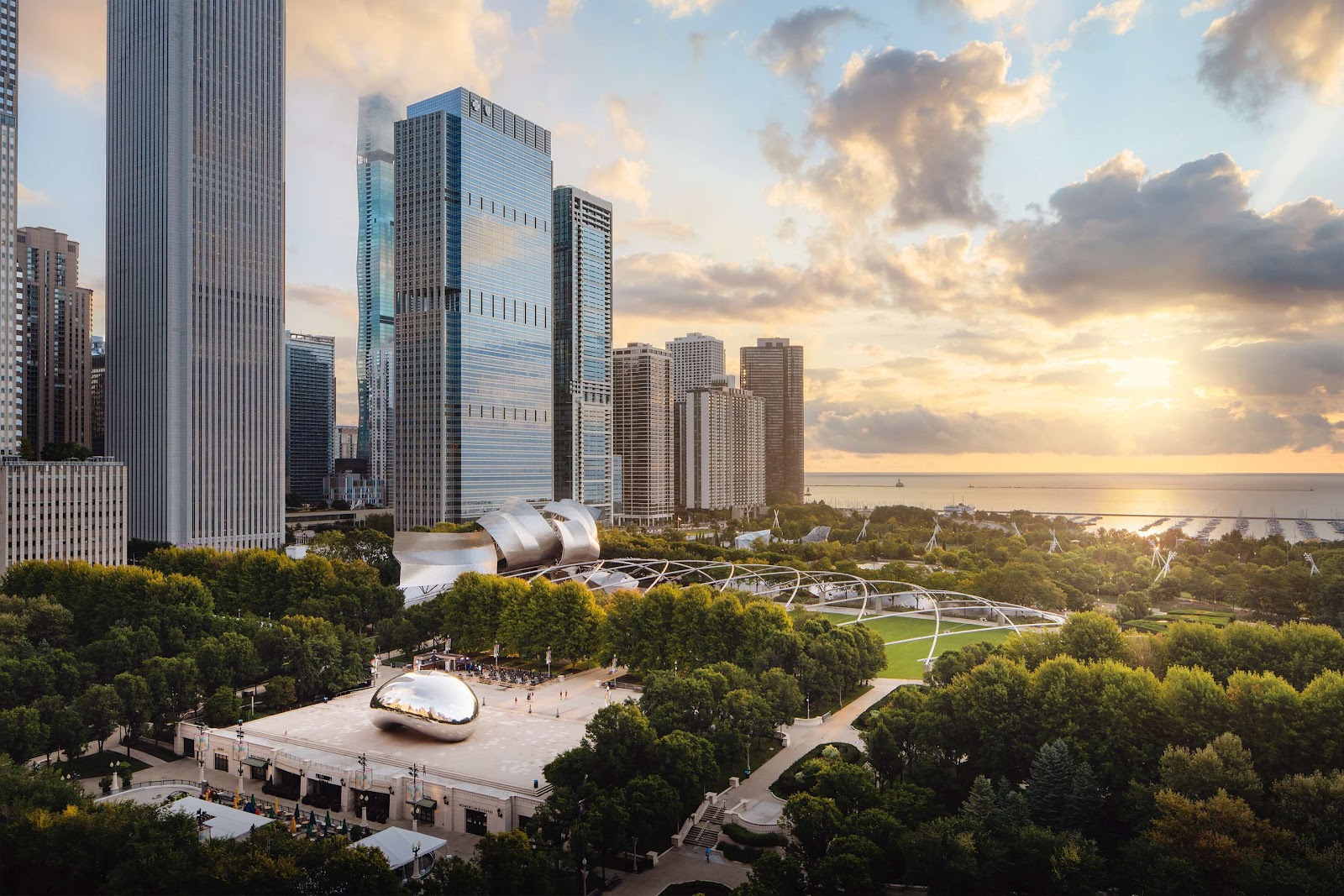
The location does real work. Millennium Park is directly across the street, which puts Cloud Gate, the Pritzker Pavilion’s steel ribbons and a large open lawn within a two-minute walk — a set of modern, bright, reflective, geometric backdrops that are the exact opposite of the club’s interiors. A gallery that holds both has range that neither gives alone, and it costs no transit time at all.
Cloud Gate deserves a specific note because it behaves unlike any other backdrop: a mirrored surface reflects the skyline, the sky, the crowd and you. Shoot it obliquely and use the distortion deliberately, or get close enough that the reflection becomes abstract. What does not work is standing back and treating it as a silver wall, which produces a frame containing forty strangers and a photographer.
The park is public and busy from morning to night in every season, so the same discipline applies as at any downtown venue: long lens to compress the crowd into unreadable background, tight framing, and an early or late slot rather than the middle of the afternoon. On a summer Saturday the lawn is a festival; plan accordingly.
Back inside, the evening resolves easily once the daylight goes, because the problem simplifies. With no bright windows to balance against, you are simply lighting a warm dark room, and a single off-camera source with a warm cast gives you deep, rich, period frames with very little effort. The hard hour at this venue is the bright afternoon, not the night.
What works in your favour
- Period texture — carved wood, leaded glass, old brass — that cannot be faked
- Stained glass gives coloured accent light that flatters skin when used, not corrected
- Millennium Park and Cloud Gate two minutes away for bright modern contrast
- Evenings are easy: no windows to balance, just a warm room to light
- A Loop address, so guests and crew need no transfers at all
What to plan around
- Panelling absorbs light and makes bounce flash largely ineffective
- Stained glass runs five or six stops above the room beside it
- Bright, airy or pale-edit briefs fight the building continuously
- Not a natural-light venue; an evening here needs lights brought in
- Millennium Park is crowded from morning to night, year round
More frames from The Chicago Athletic Association
The Chicago Athletic Association wedding photography: common questions
How do you photograph stained glass without blowing it out?
Light the room up towards the window instead of exposing down towards it. Add enough of your own light on the couple and the panelling that the interior sits within two or three stops of the glass, then expose for the glass. The window keeps its colour and the room still reads.
Why does my flash seem underpowered here?
You are probably bouncing it off dark wood, which absorbs light instead of returning it. Panelled ceilings send almost nothing back. Light directly with your own modifier and expect to need real power rather than an on-camera pop.
Should the coloured light from the glass be corrected out?
No. Saturated patches of gold, red and blue are the signature of a room like this, and skin lit through a warm pane is flattering. What matters is that your own key is a sensible neutral-to-warm, so faces have a reliable base and the colour reads as accent.
Is this a good venue for a light and airy style?
Honestly, no. You can get bright and white here only by overpowering the room, and the result looks overpowered. The building excels at warm, deep and textured. If the couple’s references are all pale and airy, this is a fight from the first frame.
How do you use Cloud Gate across the street?
Obliquely, or close enough that the reflection becomes abstract. It is a mirror, so standing back and treating it as a silver wall gives you a frame containing forty strangers and your own reflection. Use the distortion deliberately.
What is the hardest hour here?
A bright afternoon, when the gap between a dark panelled room and Michigan Avenue outside is at its most extreme. The evening is easy by comparison: with no windows to balance, you are just lighting a warm room, and one off-camera source does it.
More Chicago, IL venue guides
We are writing a photographer’s guide to every venue we would happily shoot in Chicago, IL. Here are three more, plus the full index:
- The Chicago History Museum: Making the Glass-Dome Frame
- The Field Museum: Four Ways Out of the Big-Room Problem
- The Four Seasons Chicago: Four Ways Out of the Vertical Venue Problem
All Chicago, IL Wedding Venues →
Planning a wedding at The Chicago Athletic Association?
Panelling and stained glass need real light and one specific technique. Tell us your date and we will tell you exactly how we would light each room.