 The Hoxton Chicago: Photographing a Wedding in Fulton Market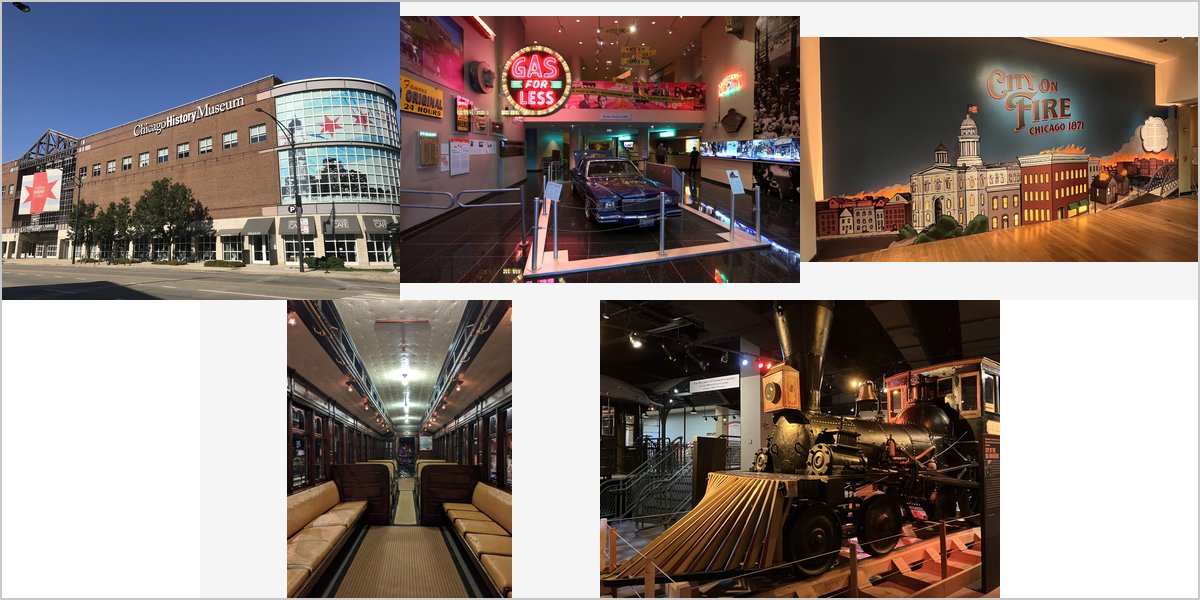
August 20, 2026
The Chicago History Museum: Making the Glass-Dome Frame
A stained glass dome overhead is the frame people come here for. It is made by ignoring what your meter says.
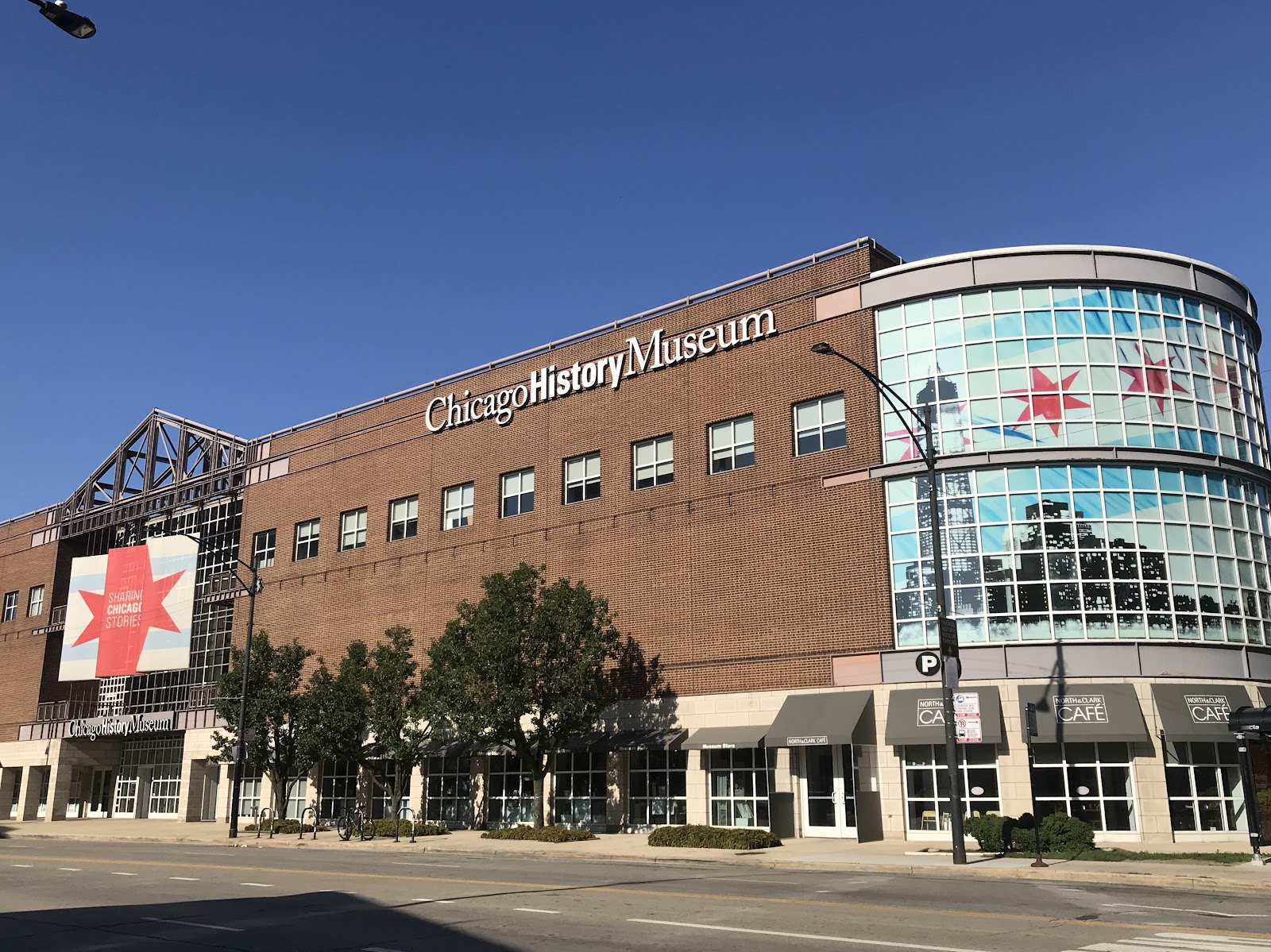
The Chicago History Museum stands at the southern edge of Lincoln Park at Clark Street, a red brick and limestone building whose interior rooms include a space set under a stained glass dome with mosaic floors beneath it.
That dome is the venue’s signature frame and the one worth understanding in advance, because it is a specific technical situation rather than a general one. Coloured glass overhead, lit from outside, above a patterned floor, in a room otherwise lit by ordinary interior fixtures: that arrangement defeats an automatic exposure, defeats an automatic white balance, and rewards a photographer who has decided what to do before walking in.
So this is an account of building that one frame, followed by what the rest of the building and the park give you. We have not photographed a wedding at the Chicago History Museum; stained glass domes and mosaic floors behave the same in any building of this kind. Which rooms are available and what the gallery photography rules are are questions for their events team.
The Chicago History Museum at a glance
| Where | Clark Street at the south end of Lincoln Park, Chicago, Illinois |
| Character | Brick and limestone museum with a stained glass dome and mosaic floors |
| The frame | Couple below, coloured dome above, both holding their colour |
| Why it fails | The dome is far brighter than the room and reads as white |
| Nearby | Lincoln Park immediately outside — lawns, trees, a lagoon |
Step one: understand what the dome actually is
A stained glass dome is a window, not a light fitting. It is lit from outside by daylight, which means three things follow. Its brightness varies with the weather and the hour, not with anything in the room. It is far brighter than the interior beneath it — typically four to six stops on a sunny day. And the colour it transmits is saturated and narrow-band, so it will not correct to neutral and should not be asked to.
The consequence is that an exposure metered off the room renders the dome as a white blank with faint colour at its edges, which throws away the reason for the frame. And an exposure metered for the dome renders the room and the couple as near-black. Neither is a photograph; both are what a camera does when left to decide.
It also means the dome is best on a bright day and disappointing on a dull one, in exactly the way a conservatory roof is. Worth telling a couple in advance: the signature frame here has a weather dependency, and if their date is grey, the alternative frames need to carry the set.
Step two: light the room up to the glass
The technique is the same one every grand interior demands, and it is worth stating as a rule: when the brightest thing in the frame is a window, raise the room rather than lowering the window. Add your own light on the couple until they sit within two or three stops of the dome’s brightness, then expose for the dome. Now the glass keeps its saturation, the floor pattern reads, and the couple are properly exposed in a room that looks like itself.
Two or three stops rather than one. Matching them exactly flattens the frame and removes the sense that light is coming from above, which is the whole character of a domed room. You want the dome clearly brighter — just not so much brighter that it clips.
Direction matters more than power here. A dome puts light straight down, so faces lit by it alone have shadowed eye sockets and heavy shadow under nose and chin. Your added source should come from the side at roughly forty-five degrees, which restores the modelling that overhead light removes, and gives catchlights that a dome never will.
On white balance: set for your own light, so skin is right, and let the dome’s colour stay saturated as an accent above. Trying to neutralise coloured glass drags everything else towards its complement, and the frame ends up with green stone or magenta skin. The colour is the point.
- Raise the room to within two or three stops of the dome, then expose for the dome
- Do not match them exactly; the dome should stay clearly the brightest thing
- Add light from the side at about forty-five degrees to counter overhead shadow
- Set white balance for your own light and let the glass stay saturated
- Shoot on a bright day if the dome is the priority — it is a window, not a fitting
Step three: the floor, the symmetry and the camera position
A mosaic floor under a dome is a gift that most photographers ignore because they are looking up. The pattern is almost always centred on the same axis as the dome, which means there is one exact position where floor and dome align concentrically — and a frame taken from that position has a formal inevitability that an approximate one does not. Find the centre, mark it, and use it.
Two compositions come from there. Looking up with the couple at the frame edge gives you dome and pattern together with people as scale. Looking level with the dome visible above gives you a portrait anchored in an extraordinary room. Both are worth taking; they are different photographs, not variants.
A wide lens is necessary and needs handling. Anything close to the frame edge stretches, and in a domed room the frame edge is where people naturally end up. Keep the couple near the centre, or accept that the dome is the subject and shoot them small. What does not work is a person in the corner of a 16mm frame — the distortion is obvious and unflattering and cannot be corrected afterwards without cropping away the dome.
A tripod helps more than usual, because the exposure for a dome on a dull day is slower than handheld tolerances at the aperture you need to hold both floor and glass sharp. If a tripod is not permitted in the space, that changes the aperture, which changes what is achievable — worth confirming in advance rather than discovering.
What else the building and the park give
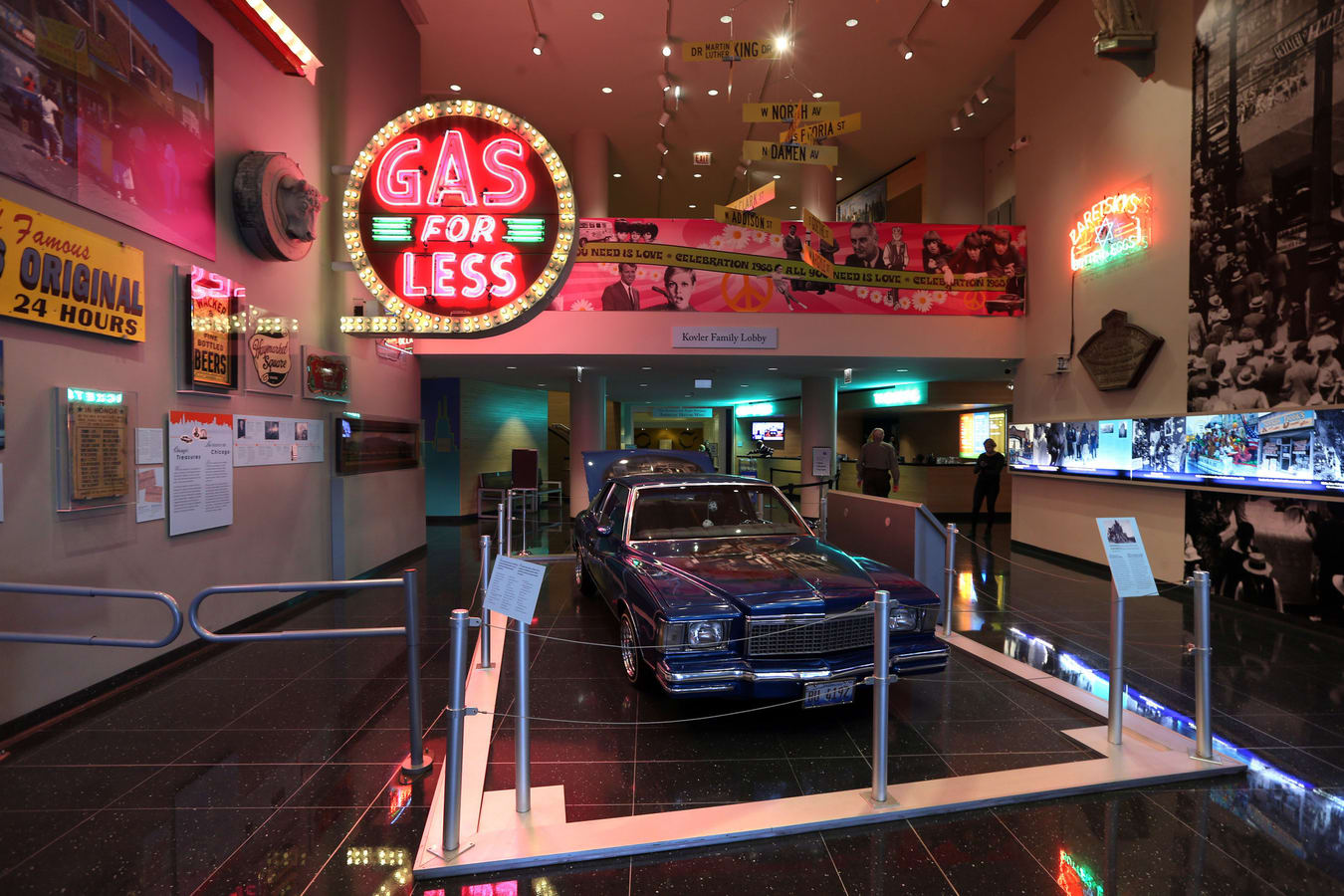
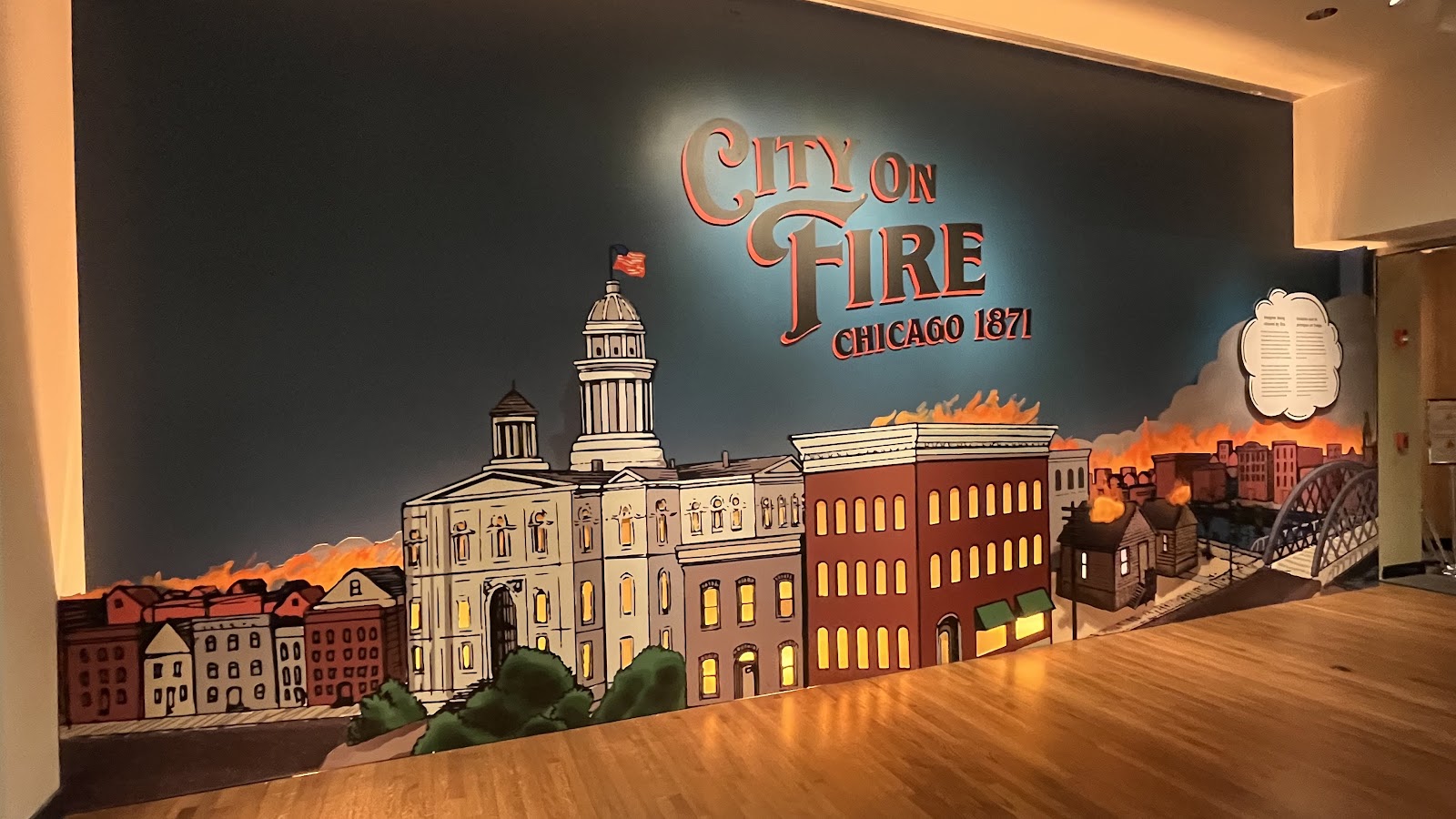
The rest of the museum is a conventional and rather good museum problem: galleries with exhibit lighting, high ceilings, and a limestone-and-brick register that photographs cleanly. Exhibit spaces tend to be dim and mixed in colour, so the same discipline applies — bring a light, let it own the faces, and use the exhibits as background rather than as illumination.
Lincoln Park immediately outside is the real counterweight and the reason this venue does not depend on its interior. Open lawns, mature trees, a lagoon, and the skyline visible to the south give you daylight, neutral colour, greenery and a city view within a few minutes on foot. A gallery that pairs a saturated coloured dome with open park light has genuine range.
The park is at its best at either end of the day, for the usual reasons: low sun through mature trees produces backlit foliage and long raking light across grass, while midday under the same trees gives dappled light that is the least manageable natural condition there is. If the timeline has any flexibility, put the park block in the last ninety minutes of daylight.
One practical note about the location: this is a busy corner of a busy park, with cyclists, runners and traffic on Clark Street, and no part of it is private. The usual public-space method applies — long lenses, tight framing, short decisive blocks. And in winter the park is bare and the light is low and raking, which is not worse, only different; a bare-tree park frame in January has a graphic quality the summer version cannot match.
What works in your favour
- A stained glass dome over a mosaic floor, aligned on one axis
- A centre position where floor and dome compose concentrically
- Lincoln Park immediately outside for neutral daylight and greenery
- Limestone and brick interiors that photograph cleanly
- The skyline visible to the south for a city frame without a transfer
What to plan around
- The dome runs four to six stops above the room beneath it
- Its quality depends entirely on the weather, being a window
- Overhead light alone gives shadowed eyes and heavy chin shadow
- Wide lenses distort anyone who drifts to the frame edge
- A busy public park corner with traffic, cyclists and runners
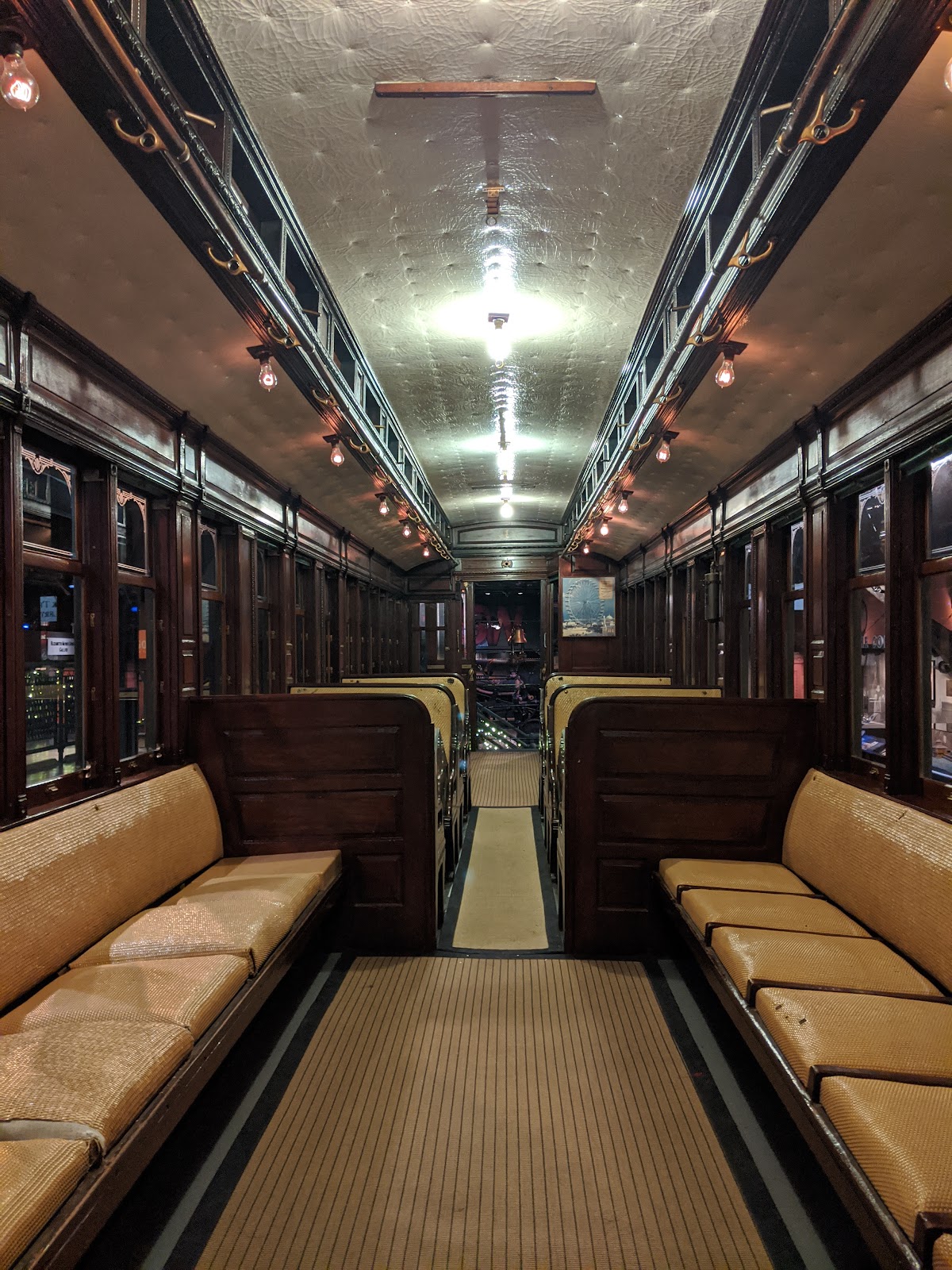
More frames from The Chicago History Museum
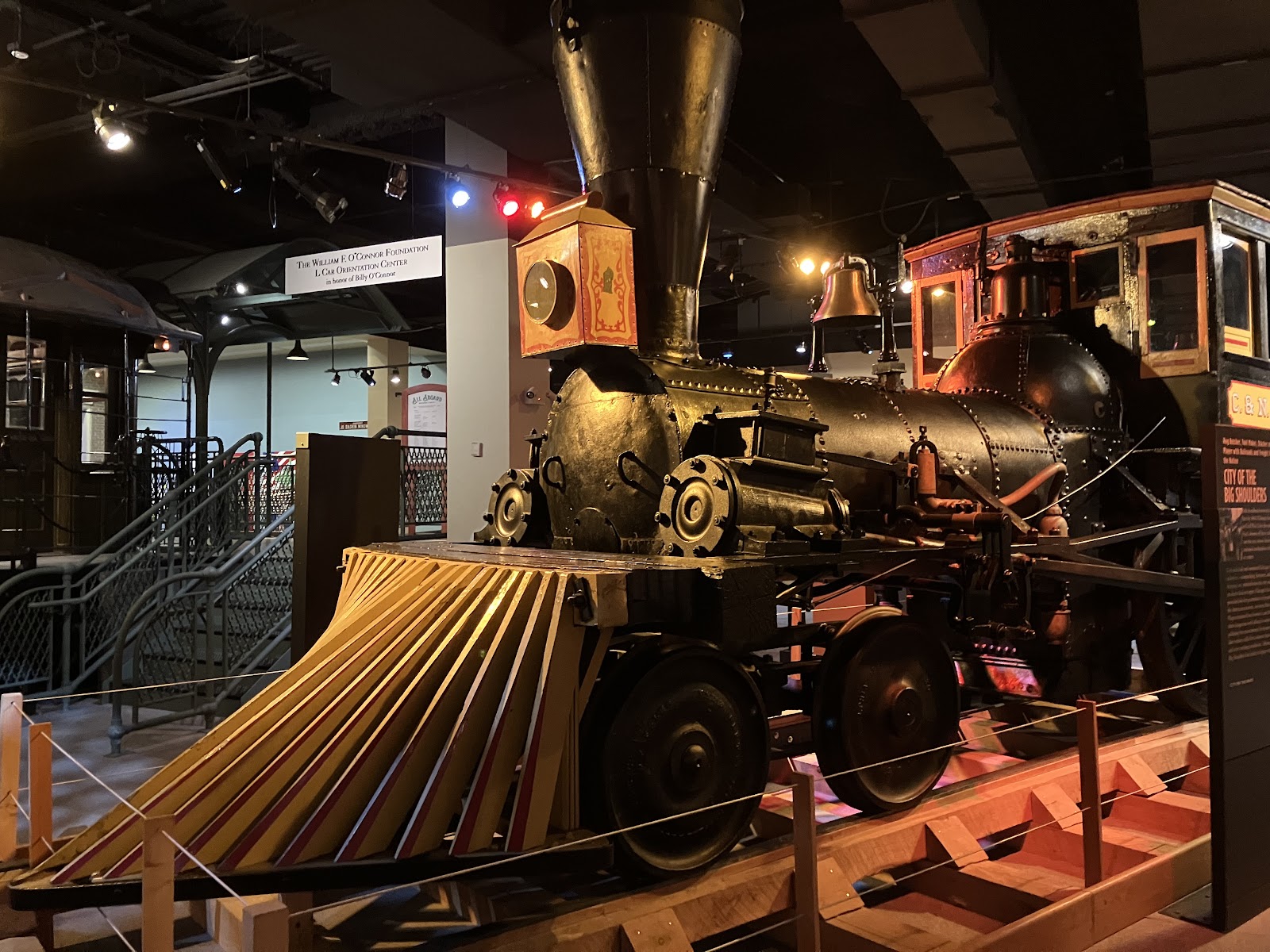
The Chicago History Museum wedding photography: common questions
Why does the stained glass dome come out white?
Because it is a window rather than a light fitting, lit from outside, and typically four to six stops brighter than the room below. An exposure metered off the room blows it out. Raise the room with your own light to within two or three stops, then expose for the dome.
Should the dome and the room match in brightness?
No. Match them exactly and the frame flattens, losing the sense of light coming from above, which is the character of a domed room. Keep the dome clearly the brightest thing in the frame — just not clipped.
Why do faces look bad under the dome?
Because a dome throws light straight down, which shadows the eye sockets and puts heavy shadow under the nose and chin. Add a source from the side at about forty-five degrees. That restores the modelling and gives catchlights a dome will never provide.
Where exactly should the camera go?
On the axis. A mosaic floor under a dome is almost always centred on the same axis, so there is one position where floor and dome align concentrically — and a frame from there has a formality an approximate position cannot match. Find the centre and use it.
Does the weather matter for the dome frame?
Yes, completely. It is a window, so it is brilliant on a sunny day and flat on a grey one, exactly like a conservatory roof. Worth telling a couple in advance, so the other frames are planned to carry the set if their date is dull.
What does Lincoln Park add?
Neutral daylight, lawns, mature trees, a lagoon and a southward skyline view, minutes away on foot. It is the counterweight to a saturated interior. Put the park block in the last ninety minutes of daylight and avoid midday dapple under the trees.
More Chicago, IL venue guides
We are writing a photographer’s guide to every venue we would happily shoot in Chicago, IL. Here are three more, plus the full index:
- The Field Museum: Four Ways Out of the Big-Room Problem
- The Four Seasons Chicago: Four Ways Out of the Vertical Venue Problem
- Garfield Park Conservatory: Field Notes on Photographing Under Glass
All Chicago, IL Wedding Venues →
Planning a wedding at The Chicago History Museum?
The dome frame is made before you walk in, not after. Tell us your date and we will plan it around the weather and the axis.