 The Blue Ball Barn, Wilmington: A Walk Through a Converted Barn
Bethany Beach Ocean Suites: What It Suits and What It Does Not
Certainty and weather independence, on a coast that faces the wrong way for sunset.
A modern beachfront hotel is a particular proposition and the honest way to describe it is by what a contemporary building on an east-facing coast suits and does not suit.
The shape of it is a hotel with function rooms, glazing facing the ocean, and direct access to the beach at Bethany Beach on Delaware’s Atlantic shore. It was built to accommodate people comfortably in controlled conditions with a view of the water, and everything about it follows from that.
What it supplies is certainty. The rooms are the right size, the floors are level, the power is where it is needed, the temperature is controlled, and none of it depends on the weather — which on a mid-Atlantic barrier coast, where spring is foggy, summer afternoons bring thunderstorms and winter brings onshore gales, is a substantial practical asset.
What it does not supply is material. A modern hotel has no period detail, no weathered surface and no distinctive natural light indoors; the walls are painted, the carpet is patterned, the ceiling is a grid.
And there is one thing about the setting that has to be said early because it reverses a common expectation: this coast faces east. The sun rises out of the Atlantic and sets over the land behind. The sunset-over-the-sea frame is not available here in the evening at any price.
What is available at sunset instead is an east-facing beach lit entirely by the afterglow in the sky — soft, even, slightly cool, completely shadowless, with a pink band above the horizon opposite the sunset. That is a real and underrated light and it is not the picture in the brochure. And what is available at sunrise is the frame everybody wanted, in better light than the evening could give: a low warm sun coming straight off the water into the subjects’ faces, on an empty beach.
Bethany Beach sits at about thirty-eight and a half degrees north. The June noon sun reaches around seventy-five degrees, the December noon sun about twenty-eight, days run from about nine hours thirty to fourteen hours fifty, and civil twilight is around twenty-nine minutes.
We have not photographed a wedding at this hotel. Which spaces are included, what beach access and setup allow, what covered alternatives exist and what the permitted hours are, are questions for their team.
Bethany Beach Ocean Suites at a glance
| Where | A modern beachfront hotel at Bethany Beach on Delaware’s Atlantic shore |
| Suits | Certainty, weather independence, sand-bounced glazing, groups, and dawn |
| Does not suit | A sunset over the sea, material interest, or an unplanned midday |
| The reversal | An east-facing coast: sun out of the water at dawn, afterglow at dusk |
| Ask first | Included spaces, beach access and setup, covered alternatives, hours |
What it suits
It suits dawn, and on an east-facing coast that is not a consolation for the missing sunset but a genuine advantage.
A low, direct, strongly warm sun coming straight off the Atlantic into the subjects’ faces, with a clean unbroken horizon behind them and nothing between the sun and the sand, is a condition a west-facing coast cannot produce — there, the low light at the same angle comes from behind the subject and has to be fought with a flash.
The beach is also empty at that hour, the air is at its calmest of the day, and the humidity that will haze everything by afternoon has not yet built. At midsummer that means being there before half past five; in December it means a civilised hour after seven. If a couple will get up for it — a first look, a portrait session, a session the morning after — it is the strongest photographic asset the property has.
It suits the afterglow at dusk, which is the part people do not anticipate. When the sun goes down behind the hotel, the beach is lit by the whole eastern sky: a very large, very soft, slightly cool source with no direction at all. Faces have no shadows, groups need no arranging for the light, and a pink band sits above the sea horizon opposite the sunset.
That is a forgiving light and it is unusually good for large groups and for people who do not want to be posed. Its limit is that it is brief — civil twilight here is around twenty-nine minutes.
It suits groups generally. Groomed beach sand is level, clean and generous, and the sand itself is a very large low reflector: Delaware’s is pale quartz with a high albedo, which fills under brows and chins where a high sun leaves people dark. A group on the beach in flat overcast, in the afterglow, or with the sun behind the camera is as easy as group photography gets.
The exposure caution runs through all of it: a frame containing much pale sand and bright sky underexposes by a stop or more unless the compensation is deliberate and checked on skin, re-checked whenever the framing changes.
It suits the glazing, and at a beachfront hotel that is better than at an inland one. A large ocean-facing window is a room-sized softbox, and the light coming through it has bounced off pale sand and bright sea rather than off grass — which makes it brighter, cleaner and more neutral than any inland window. A subject at forty-five degrees to it gets a lit side and a shadow side with the distance from the glass setting the ratio.
The caution is colour: sand-and-sea light is noticeably cool, so the white balance goes on a face rather than on a preset.
It suits control indoors, which for a photographer who builds light rather than finding it is the venue’s real advantage. Flat walls, predictable dimensions, level floors and power where it is needed mean a setup can be constructed and will look identical at four in the afternoon and eleven at night.
And it suits weather independence, which on this coast matters more than at most venues. Spring brings advection fog when warm air crosses a cold ocean; summer afternoons bring thunderstorms; and a barrier coast in winter is exposed to onshore gales. A February wedding here is the same event as a September one.
What it does not suit
It does not suit a sunset over the ocean, and no amount of planning changes it. The honest thing is to say so early and offer the three alternatives: the dawn version, the afterglow version, or the inland bays a short distance west, which face the other way and take the sunset over water.
That last is worth naming as a real option rather than a consolation. Delaware’s inland bays are a few miles from this coast and their eastern shores look west across the water, which means the classic backlit sunset frame is available on the same day as an east-facing beach ceremony if the transit is planned.
It does not suit midday, and at seventy-five degrees of June elevation on pale sand that is emphatic. A high sun puts eyes in shadow and foreheads in light, the bright sand fills from below without softening, and the result is a face lit from above and below with nothing modelling it. There is no natural cover on a beach.
The answers are all architectural: a covered terrace, a porte-cochère, the deep side of the building, a doorway, or indoors. Depth back from any covered edge is the whole lighting control, and two or three metres in gives a dramatic ratio with the sunlit sand beyond four or five stops down.
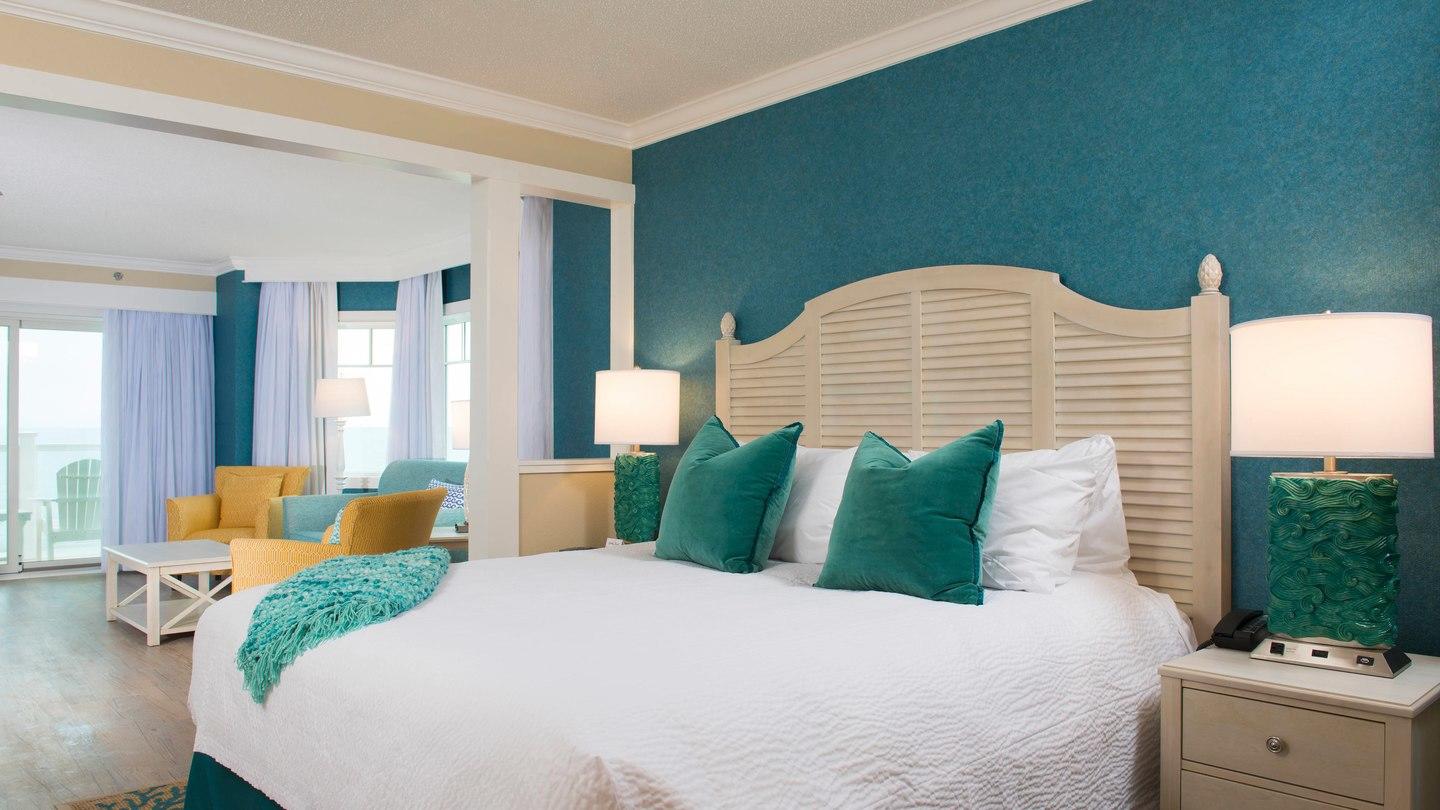
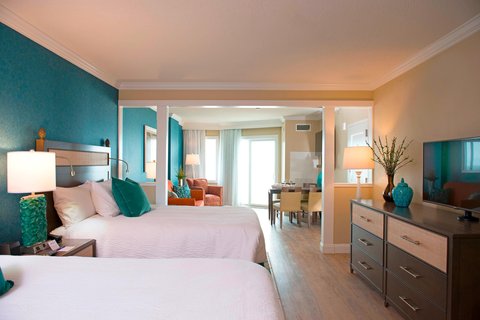
It does not suit anyone looking for material interest. Every surface indoors is new and functional: painted walls, patterned carpet, a ceiling grid. A photographer who works by responding to a place has little to respond to, and the work shifts entirely to the people and the light.
It does not suit an unmodified frame. A modern function room photographed as it is — flat overhead lighting, patterned carpet, painted walls — produces a picture that looks like a conference. Every frame needs something done: a light introduced, a shallow depth of field, a tight crop, a level change, or a move to the glazing or the circulation spaces.
The specific hazards are the ceiling grid and the carpet pattern, both strong repeating fields that draw the eye. A lower camera angle, a tighter crop or a longer lens removes either. And a bounced flash off a pale ceiling reproduces exactly the top-heavy light the fittings already give — an off-axis source close to the subject is the better approach.
It does not suit privacy on the shoreline. Delaware’s beaches are public and busy in season, which means a frame that reads as an empty beach has to be composed to exclude what is beside it: a longer lens, a lower camera with sand across the bottom, or a tighter crop.
The low camera is the answer to more than that. With the camera below the subjects and sand across the base of the frame, everything behind them is above the horizon — sky — which removes the hotel, the boardwalk, the beach furniture and every other person in one move. On a public beach in season it is the only reliable way to make a clean frame.
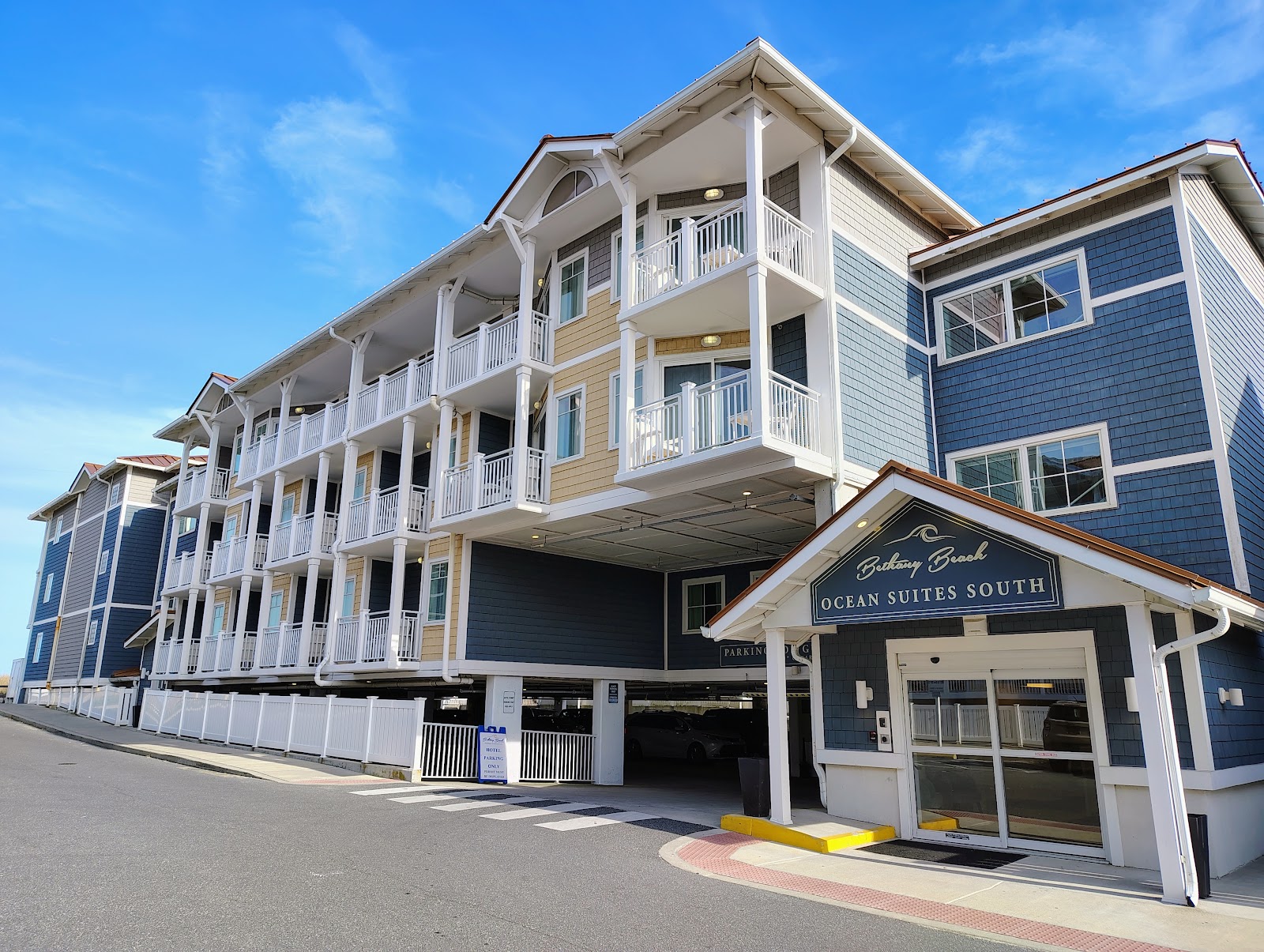
It does not suit an exterior of itself. A modern hotel frontage with parking and signage gives nothing to place people against, and the useful exterior frames are the beach, the low camera, and at dusk a frame using the building’s own lighting against a deep blue sky — which crosses within about a stop for roughly ten minutes and needs scouting in daylight.
Two practical matters. Salt aerosol on an exposed beach settles on front elements within minutes rather than hours, softening contrast in a way that looks like haze but is on the glass. And an onshore breeze is close to constant on a barrier coast, which makes a lightstand a liability and means every source is handheld or weighted.
- Suits dawn, the afterglow, groups, sand-bounced glazing and certainty
- Does not suit a sunset over the sea, material interest, or an unplanned midday
- The inland bays a few miles west face the other way — plan the transit
- Compensate a stop for pale sand and re-check as the framing changes
- A low camera with sand across the base removes the whole resort
The Delaware coast year
Four real seasons on a barrier coast, and an indoor venue that is largely indifferent to them — which is the argument for choosing it.
Nothing about the interior work changes between January and July: the rooms are the same, the setups are the same, the exposures are the same. On a coast whose spring is foggy, whose summer is crowded and whose winter is exposed, a building that does not care is worth something real.
What the season changes is the glazing and the beach.
Winter improves the glazing, which is counter-intuitive. A low sun at around twenty-eight degrees in December enters an ocean-facing window obliquely rather than from overhead, which means the room briefly has genuine directional side light — a lit side and a shaded side, and modelling without help. That is the best interior light of the year and it belongs to the winter months.
Winter also brings the earliest dusk, sunset just after half past four in December, which puts any exterior sequence in the late afternoon rather than after eight — and it empties the beach entirely, which removes the one problem a Delaware shore has in season.
A low sun across pale sand throws every ripple into relief, which turns a flat bright surface into a textured one, and the sea runs grey-green under it. Snow on a beach is uncommon here and remarkable when it happens.
The costs are cold and, more importantly, wind: a barrier coast in winter is exposed to onshore gales, which makes an outdoor ceremony a genuinely exposed proposition.
Spring is the fog season, because warm air moving over an ocean still cold from winter condenses. Advection fog is common in April and May and it erases the horizon, which turns every seaward frame into a subject against white — beautiful once, monotonous five times.
Late spring brings the horseshoe crab and shorebird season to the Delaware Bay beaches a short distance north, around the new and full moons of May and June — a globally significant event and a reason to check access in those weeks.
Summer is the season for the beach and the worst for the light. Days run to nearly fifteen hours at the solstice, and the middle of one at seventy-five degrees of elevation on pale sand with no shade is the hardest light in this state. Dew points in the low twenties Celsius put haze in the air, which softens the ocean horizon, and the beaches are busy.
What summer gives is warmth, a long evening, and the afterglow at its most reliable.
Early autumn is the strongest window on this coast and it is emphatic. September and October bring drier, clearer air than August, the end of the fog season, the crowds gone, an ocean still warm enough that the light over it is stable, and the calmest conditions of the year — which on an exposed coast is worth more than anything else.
The Delaware coastal plain turns late — the second half of October into early November — with sweetgum purple-red, red maple scarlet and oak russet against dark loblolly pine and evergreen holly, behind the dunes and inland. Warm colour against near-black conifer is the state’s best autumn background.
November empties the coast completely, the sun is low all day, the air is at its clearest of the year, and the dusk arrives at a civilised hour. On the light and the conditions together it is the best month here, and on the temperature it is the last one that works outdoors.
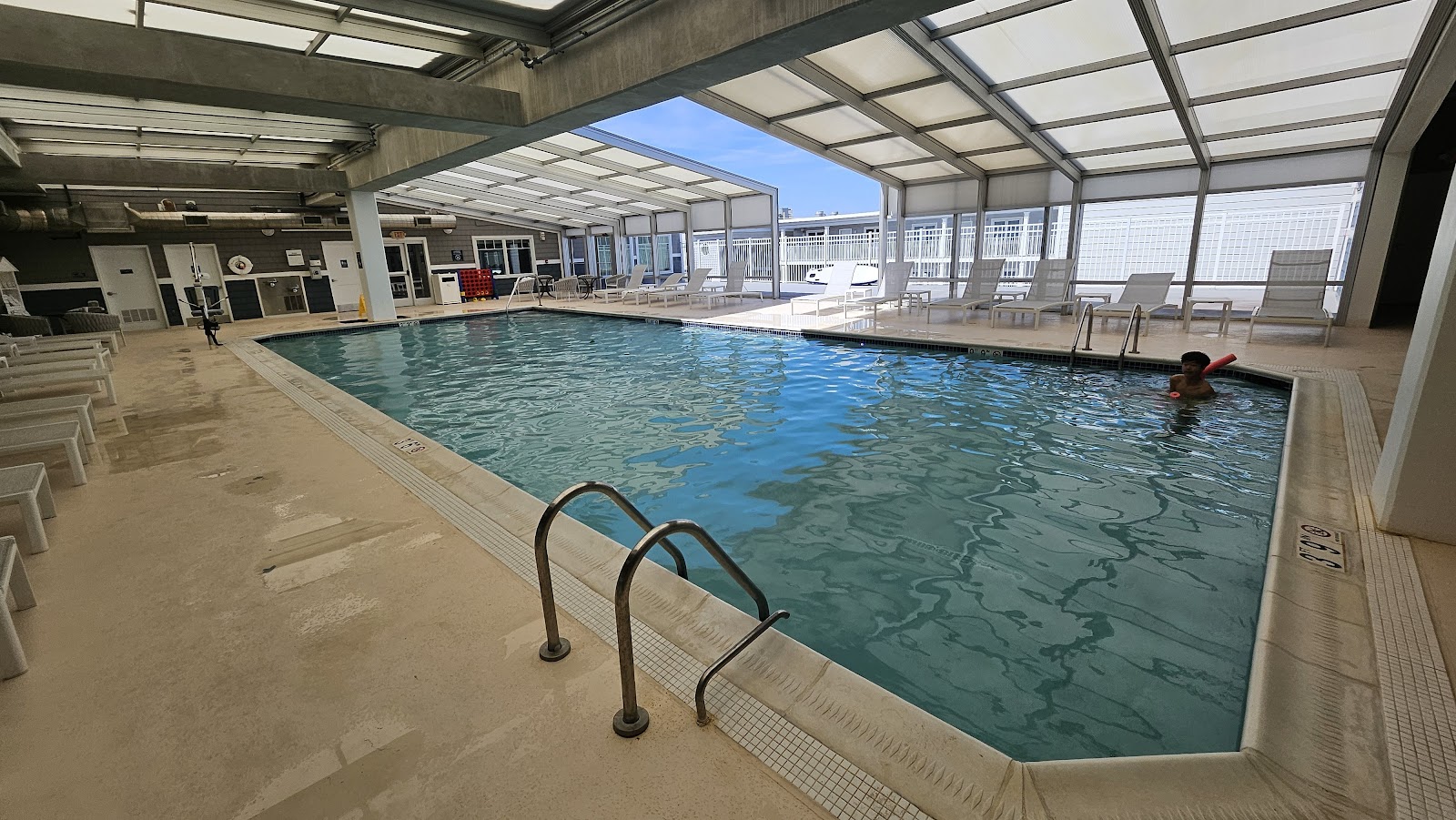
More frames from Bethany Beach Ocean Suites
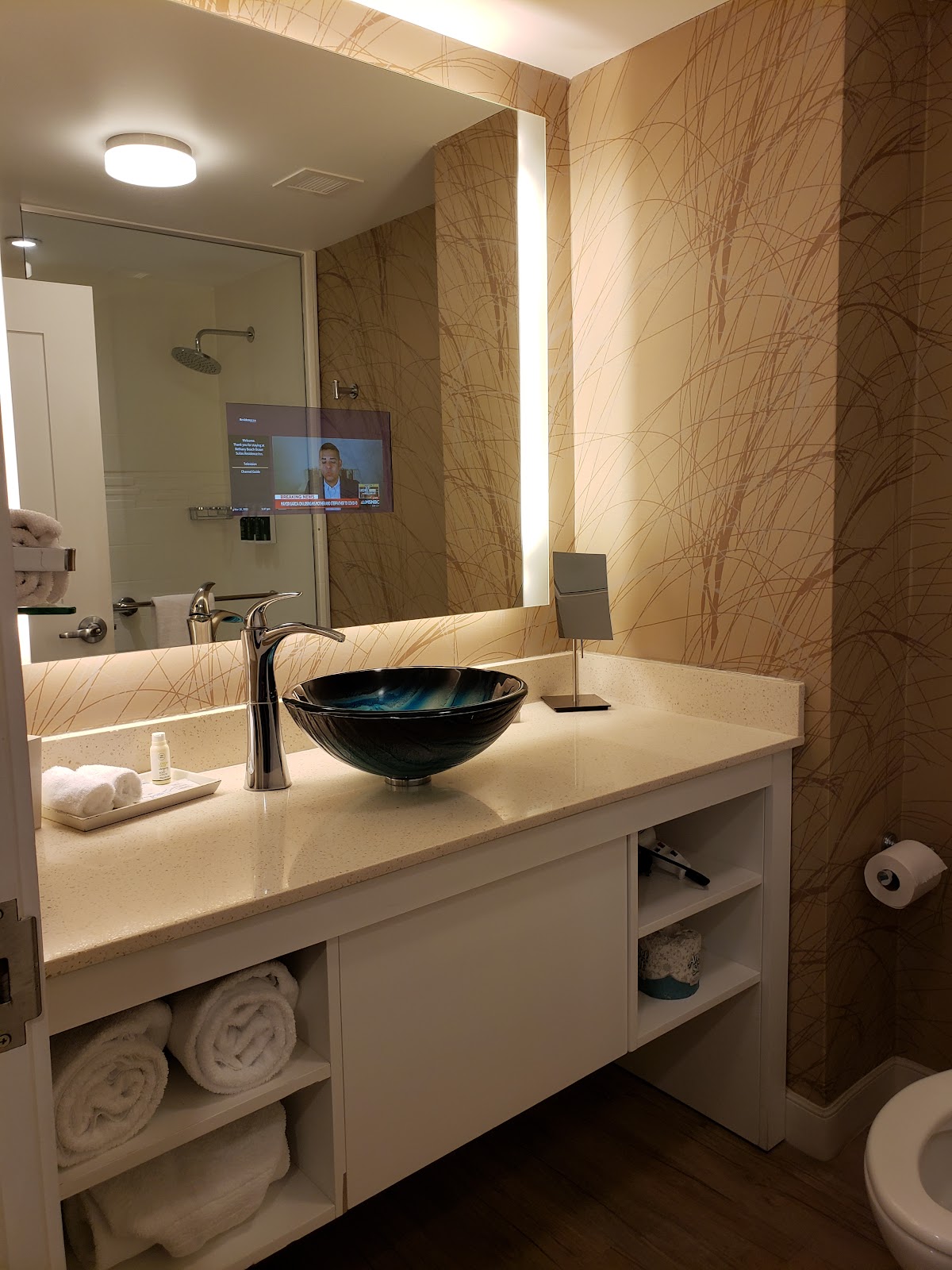
Bethany Beach Ocean Suites wedding photography: common questions
Can we have a sunset over the ocean?
No — this coast faces east. The sun rises out of the water and sets over the land, so the sun-over-water frame belongs to dawn.
What is the evening light like then?
The whole eastern sky becomes one enormous soft shadowless source, with a pink band above the sea horizon. Forgiving, good for groups, and about twenty-nine minutes long.
Is there a way to get a sunset over water?
Yes — the inland bays a few miles west face the other way. It needs the transit planned, but it is a real option on the same day.
Why is my exposure wrong on the beach?
Pale quartz sand has a high albedo. Compensate deliberately and re-check whenever the proportion of sand in the frame changes.
What is the best interior light?
An ocean-facing window at forty-five degrees. The light has bounced off pale sand and bright sea rather than grass, which makes it brighter and more neutral than inland.
When is the coast at its best?
September and October: clear air, empty beaches, the end of the fog season and the calmest conditions of the year.
More Delaware venue guides
We are writing a photographer’s guide to every venue we would happily shoot in Delaware. Here are three more, plus the full index:
- Big Chill Beach Club, Bethany Beach: The Problem and Four Ways Out of It
- Buena Vista, New Castle: How the Light Moves on a Greek Revival House
- The Cape May–Lewes Ferry, Lewes: The One Decision That Governs Everything
Planning a wedding at Bethany Beach Ocean Suites?
An east-facing coast rewards an early start. Tell us your date and we will plan the dawn.