 The Hotel Indigo Madison: What It Suits, and What It Does Not
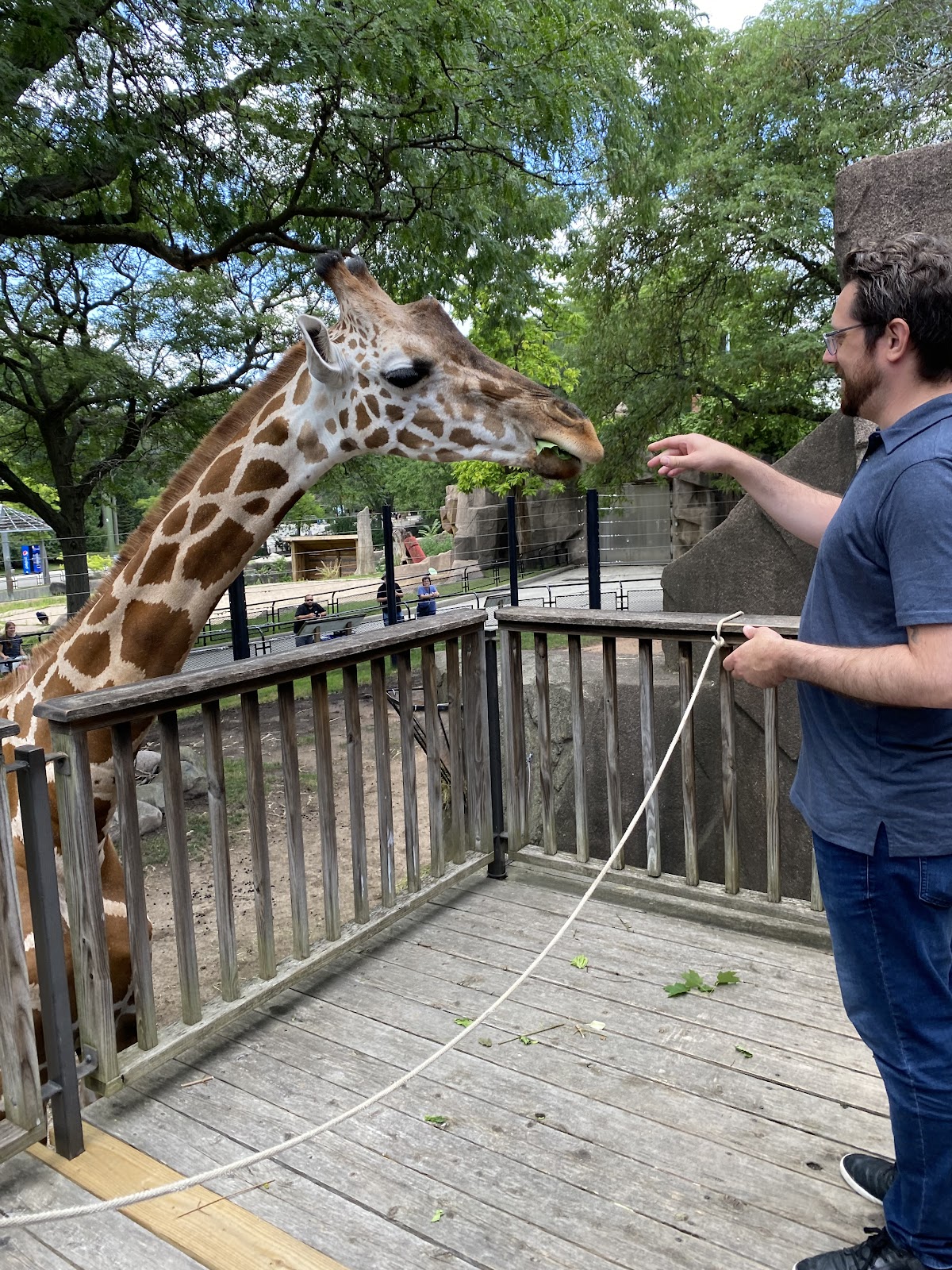
The Milwaukee Zoo: Field Notes
A northern zoo. The season is shorter than the barriers are difficult.
At most zoos in this library the first problem is barriers. At a northern one it is the calendar, because the outdoor season is genuinely short.
Milwaukee sits at about forty-three degrees north beside Lake Michigan, and that combination produces a compressed year: late spring because the lake keeps the shore cold into May, a warm but humid summer, a fine long autumn because the lake holds heat into November, and a hard cold winter of about eight hours fifty-five of daylight in December.
For a walking outdoor venue that means roughly five months in which the grounds are pleasant — mid-May to mid-October — and seven in which they are not. That is the first planning fact and it outranks every technical consideration.
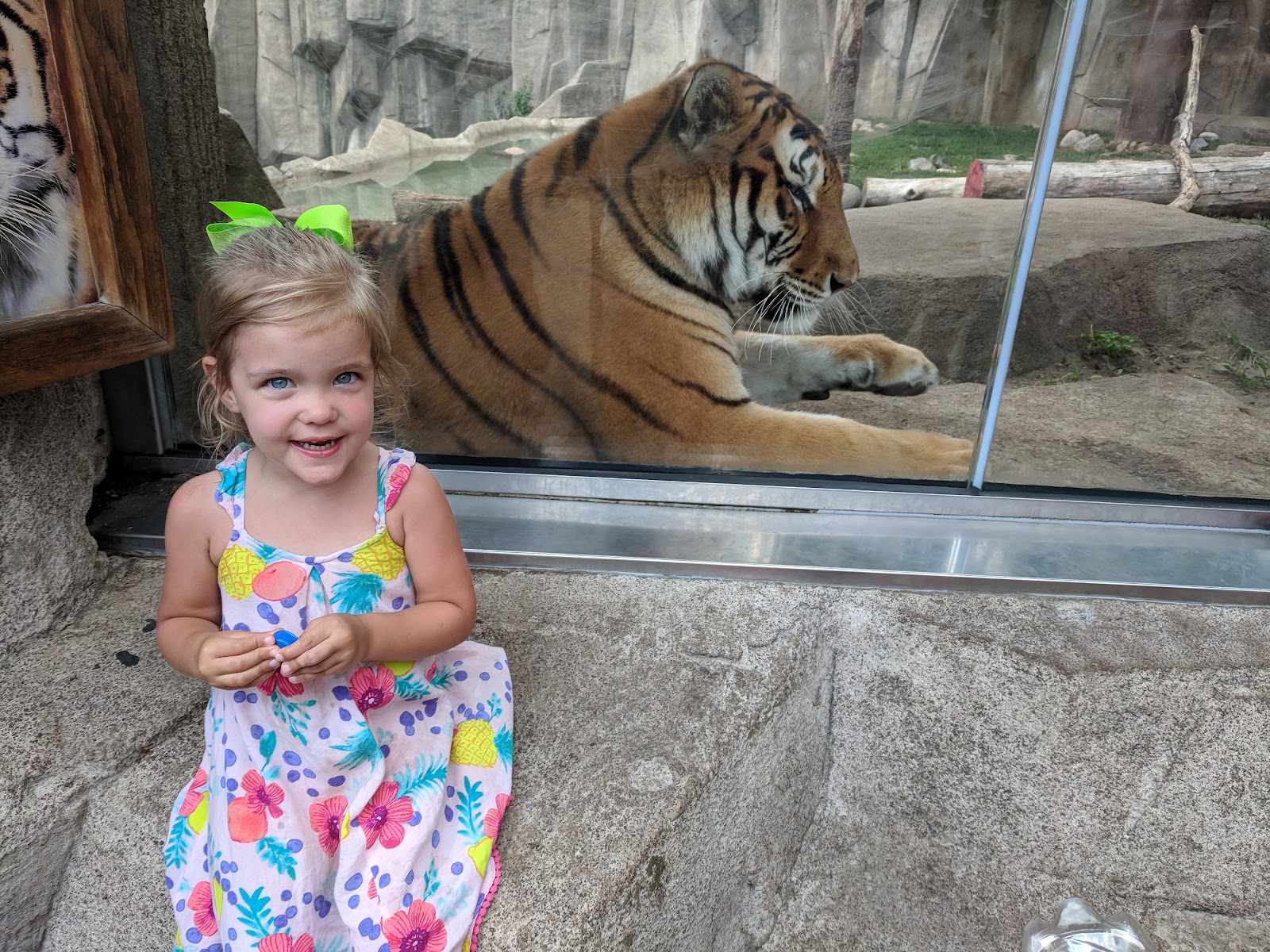
The second problem is the one every zoo shares: barriers. Glass, mesh, bars, moats, wires and hidden fences all exist for good reasons and all of them fight a camera. The frame everyone imagines — a couple with an animal behind them — is the hardest on the property and it rarely works as pictured.
The third is crowds, because a major metropolitan zoo is busy in a way a small one is not.
And the fourth is scale. A large zoo covers substantial ground organised as regions connected by long paths, which means a wedding party in formal clothing cannot cover it and a photographer planning frames at opposite ends will spend the day walking.
The compensations are real. A northern zoo has a substantial indoor component — because it has to, for the animals as much as the visitors — which means aviaries, aquariums, primate houses and conservatories that are climate-controlled, artificially lit and therefore identical in any weather of any month.
That is the honest strength here: a zoo in Wisconsin is a partly indoor venue, and the indoor half is what makes a shoulder-season or winter date possible at all.
The June noon sun reaches around seventy and a half degrees, the December noon sun about twenty-three and a half, days run from about eight hours fifty-five to fifteen hours twenty-five, and civil twilight is roughly thirty-three minutes — generous.
What follows is four problems and what solves each. We have not photographed a wedding here; which areas are bookable, whether after-hours access exists and the permitted hours are questions for their team.
The Milwaukee Zoo at a glance
| Where | A large zoo in Milwaukee, Wisconsin, near Lake Michigan |
| Problem one | A short outdoor season — roughly mid-May to mid-October |
| Problem two | Barriers: glass, mesh, bars, moats and overhead wires |
| Problem three | Crowds at a major metropolitan attraction |
| The compensation | A substantial indoor component, identical in any month |
Problem one: the season, and the indoor half
The calendar is the decision and it is worth making honestly rather than optimistically.
From mid-May to mid-October the grounds are genuinely good: mature planting, mown lawns, and the northern hardwood species that do well at this latitude — sugar maple, basswood, oak, hackberry — all of which carry dense rounded crowns and cast solid shade with no dapple to manage.
That last point is worth stating because it is the opposite of the arid regions elsewhere in this library. Under a Wisconsin hardwood at noon a face is evenly lit and a portrait is straightforward, which means the middle of a summer day is workable rather than lost.
Outside that window the outdoor half largely goes. A November or March date finds bare trees, brown grass and cold, and a January one finds snow, eight hours of daylight and temperatures that make a walking venue untenable for a party in formal clothing.
The indoor buildings are what remain, and at a northern zoo they are substantial. Aviaries, aquariums, primate and reptile houses and any conservatory or tropical dome are heated, lit and running on artificial cycles — which makes them identical at any hour in any weather in any month.
That consistency is genuinely valuable. It means a winter wedding here is not a compromised summer one but a different and perfectly coherent day: interiors, controlled light, and whatever the snow offers outside for ten minutes.
The tropical dome or conservatory, where one exists, is the best of them. A glazed volume kept warm and humid for planting is optically superb — light arriving from all sides and above, diffused by glass and foliage — and it is the one place in a northern zoo where an outdoor-feeling frame is available in February.
It also has the two glasshouse problems. The light comes largely from above, which gives shadowed eye sockets, and the fix is to find the brightest patch of floor and turn the subject toward it. And a warm humid interior fogs a cold lens instantly on entry, which takes several minutes to clear — so the camera needs to acclimatise rather than be carried straight in from a January car park.
The aquarium is the other reliable interior and it is the darkest. Tank lighting is coloured, directional and low, which means a fast lens, a high ISO, and a shutter held at a hundred and twenty-fifth minimum. A lit tank is a large soft source at close range, and a subject standing beside one with their face turned into it gets a defined blue-green key with rapid falloff — which is atmospheric and needs no equipment.
Gel to match if you add anything, because correcting a tank’s colour toward neutral kills the effect that made the position worth using.
Problems two and three: barriers, and crowds
Each barrier type has one technique that works and everything else is wasted effort.
Glass: press the lens hood against it. That eliminates reflections completely, because no light from behind the camera can reach the surface at that point. Shoot wide open so surface marks blur out, and accept lower contrast — enclosure glass is thick and rarely optically clean.
At a northern zoo there is an additional glass problem worth anticipating: condensation. A warm humid interior against a cold exterior, or the reverse, puts moisture on the glass — and a fogged panel cannot be shot through at all. In a Wisconsin winter that is common rather than occasional.
Mesh: get close, use the longest lens and the widest aperture available. Mesh disappears when it is far inside the near limit of depth of field, because the wires blur into nothing. The failure mode is a partly resolved wire reading as a grey veil, and the fix is always closer and wider rather than further and stopped down. It also needs the sun off the mesh, because a sunlit wire registers even when badly out of focus.
Bars do not disappear. Compose them deliberately, or move to a glazed section.
Moats and distance mean the animal and the people are two separate photographs — a long lens for one, a normal lens for the other, and no attempt to force both into a frame. The composite everyone wants almost never works and the two separate frames always do.
And overhead wires: look up before every frame. An aviary tension cable crossing the top of an otherwise clean composition is the commonest single fault in zoo photography, invisible in a viewfinder and glaring in an edit.
The crowds are the third problem and scheduling is the only real answer.
Establish whether the booking includes access after public closing. An open zoo on a summer Saturday has very large numbers of visitors, which means strangers in every frame, crowded paths, and a photographer waiting for gaps rather than choosing positions. After closing it becomes a private landscaped park with nobody in it — a materially different venue and worth paying for.
The hour also governs the animals. Most species are least active in the middle of a warm day and most active early and late, so the hours that suit photography also suit the animals doing something. A midday summer zoo is largely a zoo of animals lying in shade.
The indoor houses reverse that entirely, running on artificial cycles regardless of the time of day.
If the event falls in opening hours, the practical approach is to work tight and low. A long lens at a wide aperture compresses the background and throws passing visitors into unrecognisable colour, and a low camera puts planting rather than crowds behind a subject’s head. Both are habits rather than tricks, and both work.
The fourth problem, scale, has the same answer as any large site: choose one working area in advance — two or three hundred metres across, containing the ceremony space, a range of backgrounds and a route that does not double back — and give up the rest deliberately.
The area worth choosing is the one with mature trees, water and buildings rather than the one with the most interesting animals, because the animals will not appear in most frames and the trees and water will appear in all of them.
- The outdoor season is roughly mid-May to mid-October; plan around it honestly
- Press the lens hood to glass — and expect fogged panels in a northern winter
- Close, long and wide open for mesh, on the shaded side
- Look up before every frame: overhead wires are the commonest fault
- Choose one working area and give up the rest of the site
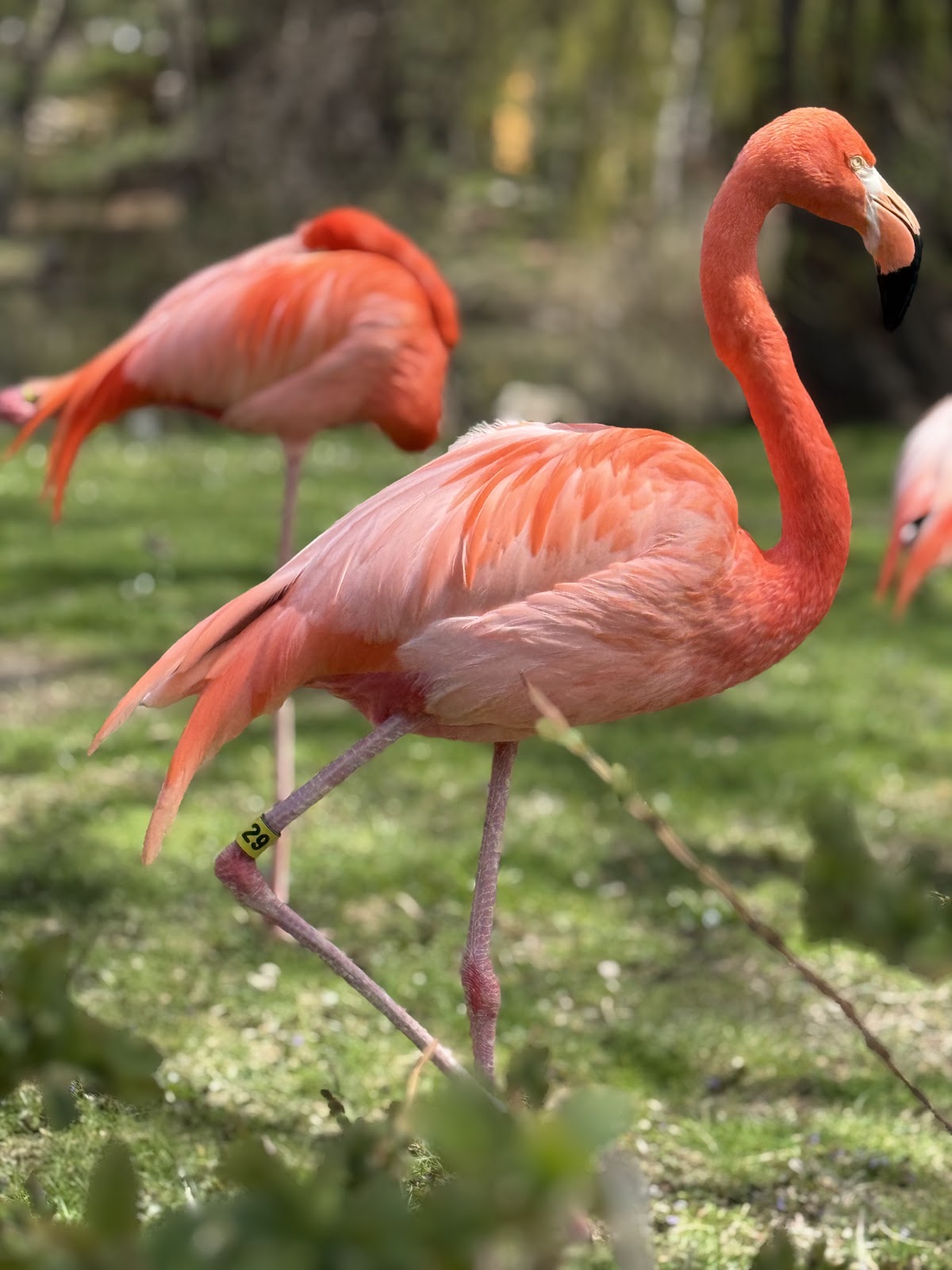
The lake, and the year in detail
Lake Michigan is close enough to shape this venue’s weather, and the effects are worth planning around rather than discovering.
The lake is a thermal mass on an enormous scale and it lags the seasons in both directions. Spring is late and cool because the water is near freezing into May — which delays leaf-out, delays blossom, and means a May date here is several weeks behind the same latitude inland. Autumn is mild and extended because the water holds summer heat into November, which pushes the colour later and keeps the grounds pleasant longer.
That asymmetry is the single most useful thing to know about a Milwaukee date: spring arrives late and autumn stays late, so the season is shifted rather than simply short.
The lake also produces fog in spring and early summer, when warm air moves over cold water and condenses. Fog drifting through a zoo’s mature planting is an extraordinary condition and entirely unplannable.
And it produces the lake breeze: on a warm day the water-land temperature difference drives an onshore flow that builds through the afternoon, which makes the whole east side of the city breezier than inland. No unweighted light stands, and a five-hundredth for hair and fabric.
Ranking the year for a zoo specifically:
Late September into mid-October is the best window and it is not close. The hardwoods turn properly — sugar maple to scarlet and orange, oak to russet, basswood and hickory to yellow — the crowds thin sharply after the summer, the air reaches its clearest of the year, and the lake keeps temperatures mild. Animals are also more active in cool weather than in July heat.
The timing moves with the year: a warm dry autumn delays and dulls the colour, a cool wet one brings it forward and intensifies it. Plan a fortnight either side of the first week of October rather than a specific weekend.
Summer is long-lit at fifteen hours twenty-five — the most schedule room of any season — and humid enough to fill shadows: a sunlit path in July carries perhaps a stop and a half less contrast than the same sun angle in a dry climate. It is also the busiest time, which makes after-hours access more valuable rather than less.
Spring is the weakest season at this latitude and worth saying so: cold, late, grey, with the lake at its coldest and leaf-out delayed into May. April in Milwaukee is a difficult date for an outdoor venue.
The one spring asset is the fortnight before the canopy closes in early May, when light reaches the woodland floor and spring ephemerals appear in any wooded part of the grounds — Virginia bluebells, trillium, spring beauty in quantity.
Winter is a genuine limitation outdoors and the indoor houses become the whole venue. That is workable and it is narrower: an aquarium, a primate house and a tropical dome are three good spaces rather than thirty, and a wedding planned around them is a coherent day.
Snow does give one good exterior frame and it is worth ten minutes. A zoo’s mature trees bare and snow-covered, with the paths cleared and nobody on them, reads as a quiet park rather than an attraction — and bare hardwoods against a grey sky are fine black branch structure, a graphic frame no leafed tree can make.
Civil twilight here runs about thirty-three minutes, among the longer figures in this library. In December it arrives around five in the afternoon, which puts any lit exterior frame comfortably before a reception; in June near nine-thirty, which puts it after dinner and well after the zoo has closed to the public — which for a summer evening booking is the best possible combination of empty paths and good light.
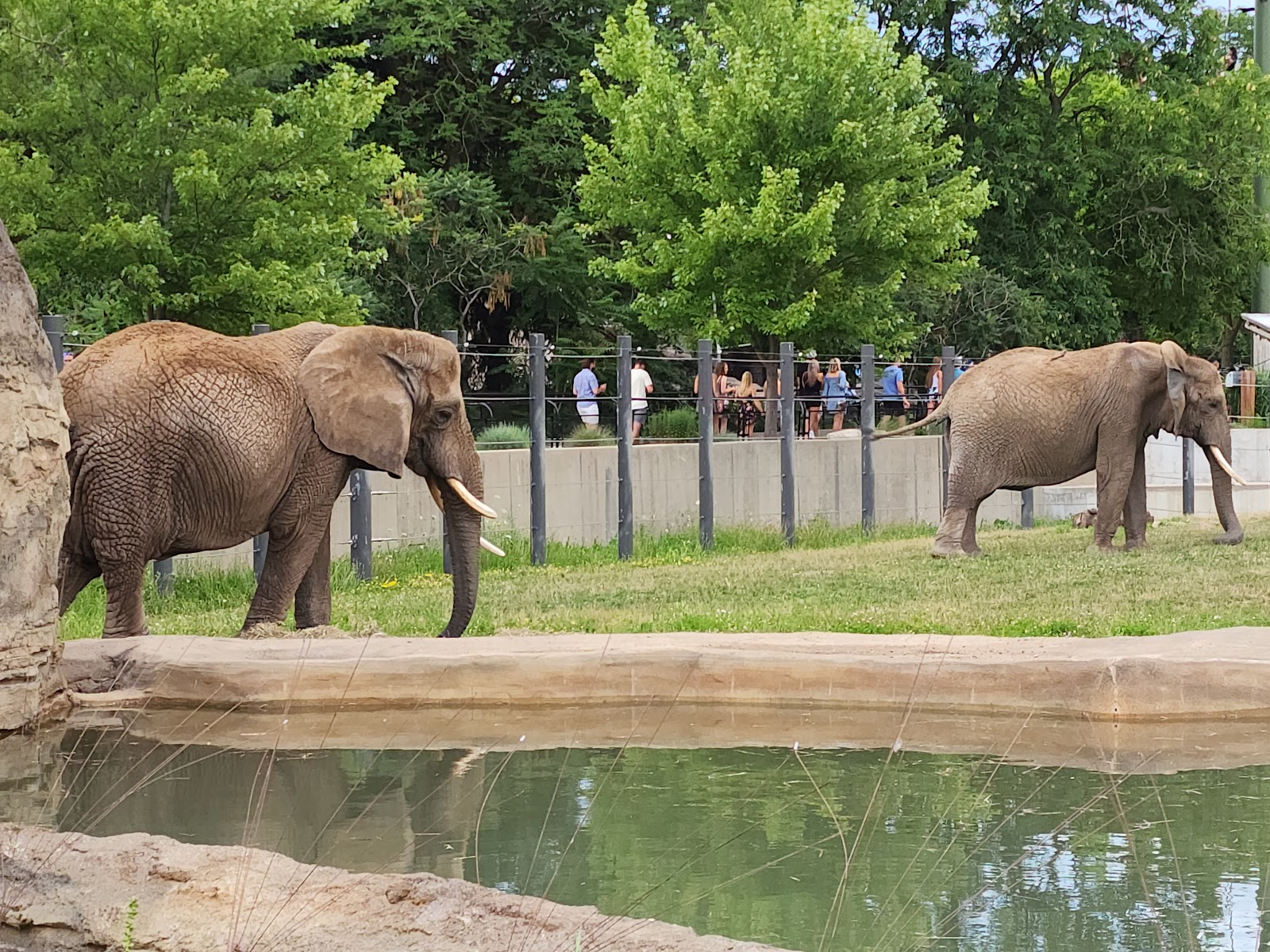
More frames from The Milwaukee Zoo
The Milwaukee Zoo wedding photography: common questions
What is the first problem at a northern zoo?
The season. The outdoor grounds are pleasant roughly mid-May to mid-October, and a walking venue outside that window is difficult or untenable.
What makes a winter date possible?
The indoor buildings. Aquariums, primate houses and any tropical dome are heated, lit and on artificial cycles, so they are identical in any month.
Is there a northern-specific glass problem?
Condensation. A warm humid interior against a cold exterior fogs the panel, and a fogged panel cannot be shot through at all.
How do I make mesh disappear?
Close, longest lens, widest aperture, and on the shaded side. A sunlit wire registers even when badly out of focus.
Is after-hours access worth it?
Substantially. It turns a crowded metropolitan attraction into a private landscaped park — and in June it coincides with the best light of the day.
How does the lake change the calendar?
It shifts it. Spring runs several weeks late because the water is near freezing into May; autumn stays mild into November.
More Milwaukee, WI venue guides
We are writing a photographer’s guide to every venue we would happily shoot in Milwaukee, WI. Here are three more, plus the full index:
- The Milwaukee Art Museum: One Frame, and How It Is Made
- The Milwaukee Public Museum: The Problem, and Four Ways Out of It
- The Milwaukee Repertory Theater: A Walk Through the Building
Planning a wedding at The Milwaukee Zoo?
A zoo with a real indoor half. Tell us your date.