 The JW Marriott Austin: What It Suits, and What It Does Not
The Dallas Museum of Art: The Problem, and Four Ways Out of It
The light protects paintings. That is the problem, precisely stated.
The problem in an art museum is a single technical fact, and stating it precisely is most of the solution.
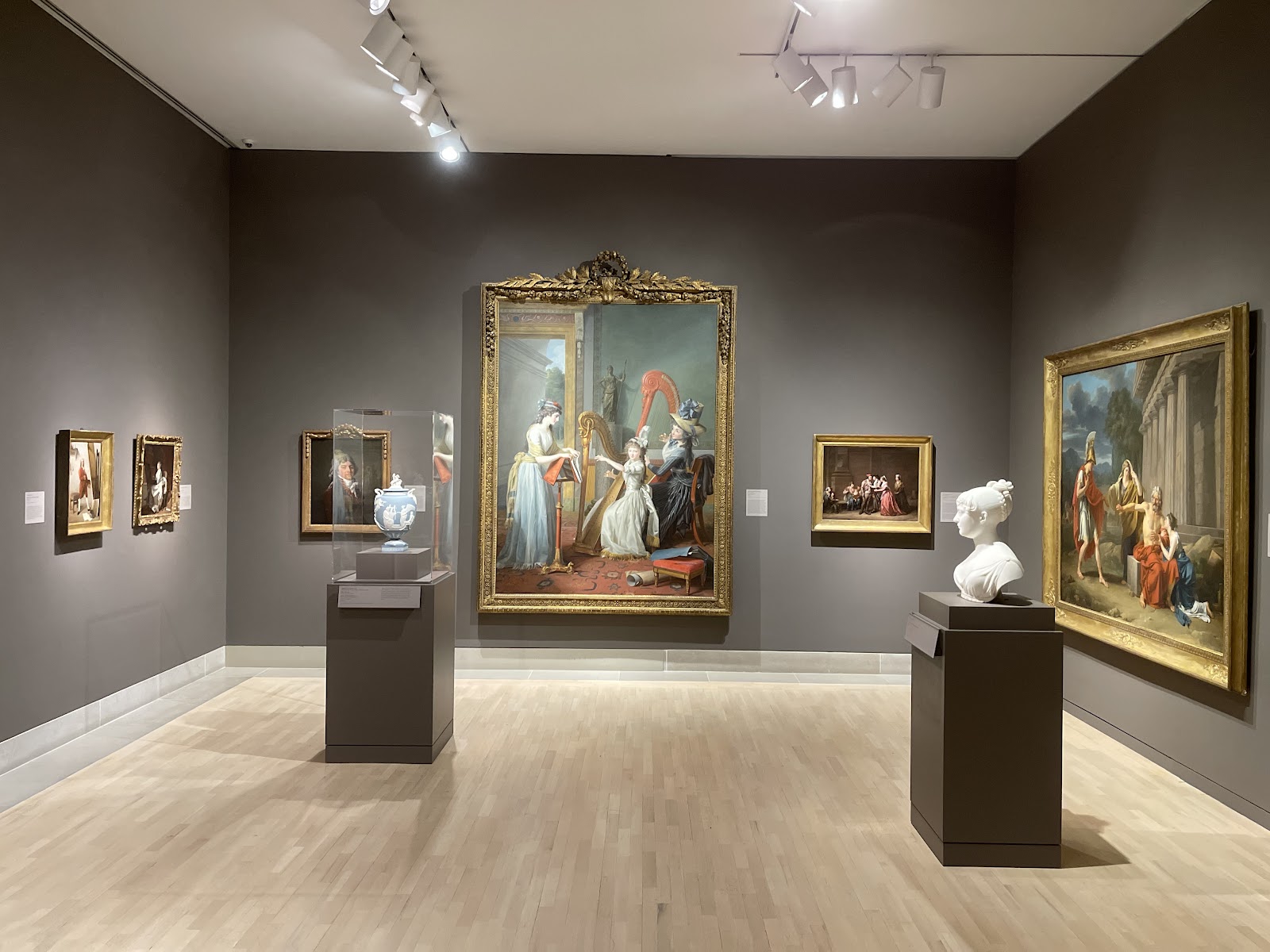
A painting requires even illumination across its surface, no specular glare, and minimal ultraviolet and infrared — heat and UV degrade pigment, varnish and support. So gallery lighting is diffuse, indirect, filtered, and deliberately low in level. Direct sun is excluded absolutely.
For a face, that produces light with almost no direction. It is flattering in the sense that it hides nothing and emphasises nothing, and it is difficult in the sense that a portrait needs a shadow somewhere to describe a shape — and a properly lit gallery has none to offer.
The second half of the problem is level. Sensitive works are often held at fifty lux or less, which is far darker than it appears once the eye has adapted. A camera reads it honestly: a wide aperture, a high ISO, and a shutter speed that will not freeze a subject who breathes.
The third is colour. Museum lighting is heavily controlled and frequently warm and narrow in spectrum, which means skin can render oddly — and galleries lit for one collection will not match galleries lit for another, so no single white balance serves the building.
And the fourth is policy. Many museums prohibit flash among works entirely. The reason is genuine rather than bureaucratic: cumulative exposure fades pigment, and a rule has to be absolute to be enforceable. Others permit it in atria and function spaces but not in galleries.
That policy question is the one to settle first, in writing, room by room — because a photographer who plans a lit portrait in the European galleries and discovers on arrival that it is forbidden has lost the frames the day was built around.
Dallas sits at about thirty-two and three-quarter degrees north at roughly four hundred and thirty feet, on the Blackland Prairie. The June noon sun reaches around eighty and a half degrees, the December noon sun about thirty-four, and civil twilight is roughly twenty-five minutes — all of which matters only for the time spent outside.
What follows is that problem and four ways out of it. We have not photographed a wedding here; the flash policy, which spaces are bookable and the permitted hours are questions for the museum.
The Dallas Museum of Art at a glance
| Where | A major art museum in the Dallas Arts District, Texas |
| The problem | Conservation light is diffuse, low-level and deliberately directionless |
| The level | Often fifty lux or less — far darker than it looks once your eyes adapt |
| The policy | Flash is frequently prohibited among works. Settle it in writing, room by room |
| Ask first | Flash policy per space; which rooms are bookable; permitted hours |
Way one: find the direction that already exists
Where flash is forbidden, the light has to be found rather than made — and in every gallery there is more direction available than a first glance suggests.
The method is to look for the local brightest thing and place the subject so it falls on one side of the face. Every gallery has one: a skylight or light well, an uplit wall, a brighter adjoining room seen through a doorway, a window in a circulation space, a lit display case.
That converts flat light into modelled light by position alone, and it is the single most useful habit in museum work.
A lit vitrine is the best version. A glass case with internal lighting is a small bright source at close range, which means a face turned toward one picks up a defined key with rapid falloff — genuinely dramatic in a dim gallery, and it puts a collection object in frame, which is the point of being here.
Doorways are the second-best. A gallery opening into a brighter space is effectively a large soft source with a hard mask, and a subject standing a metre inside the darker room, turned toward the opening, is lit exactly as they would be by a window. The falloff into the dark gallery behind them supplies the separation.
Top-lit galleries need the opposite move. Where a museum uses roof louvres or diffusing panels — common in twentieth-century wings, because it is the cleanest way to light a wall evenly — the light comes from above, which gives shadowed eye sockets and a chin shadow.
The fix is the floor. Galleries are usually finished in pale terrazzo, polished concrete or light stone, all of which are efficient reflectors, so a subject standing on a bright patch of floor is filled from below. Turning them so the brightest floor is in front rather than behind lifts the sockets noticeably, and it costs nothing.
The shutter is the discipline that matters most. Gallery light tempts a photographer down to a thirtieth or a fifteenth, and at those speeds a standing subject who breathes is soft. Hold a hundred and twenty-fifth as a hard floor and pay for it in ISO — grain in a dim ornate room is a far smaller problem than motion blur, and this is the commonest mistake in museum coverage.
Tripods are frequently restricted even where flash is not, usually for egress and public-safety reasons rather than conservation ones. So a fast lens and a high ISO is the plan rather than the fallback, and it is worth confirming rather than assuming.
Ways two and three: use the architecture, and use the permitted rooms
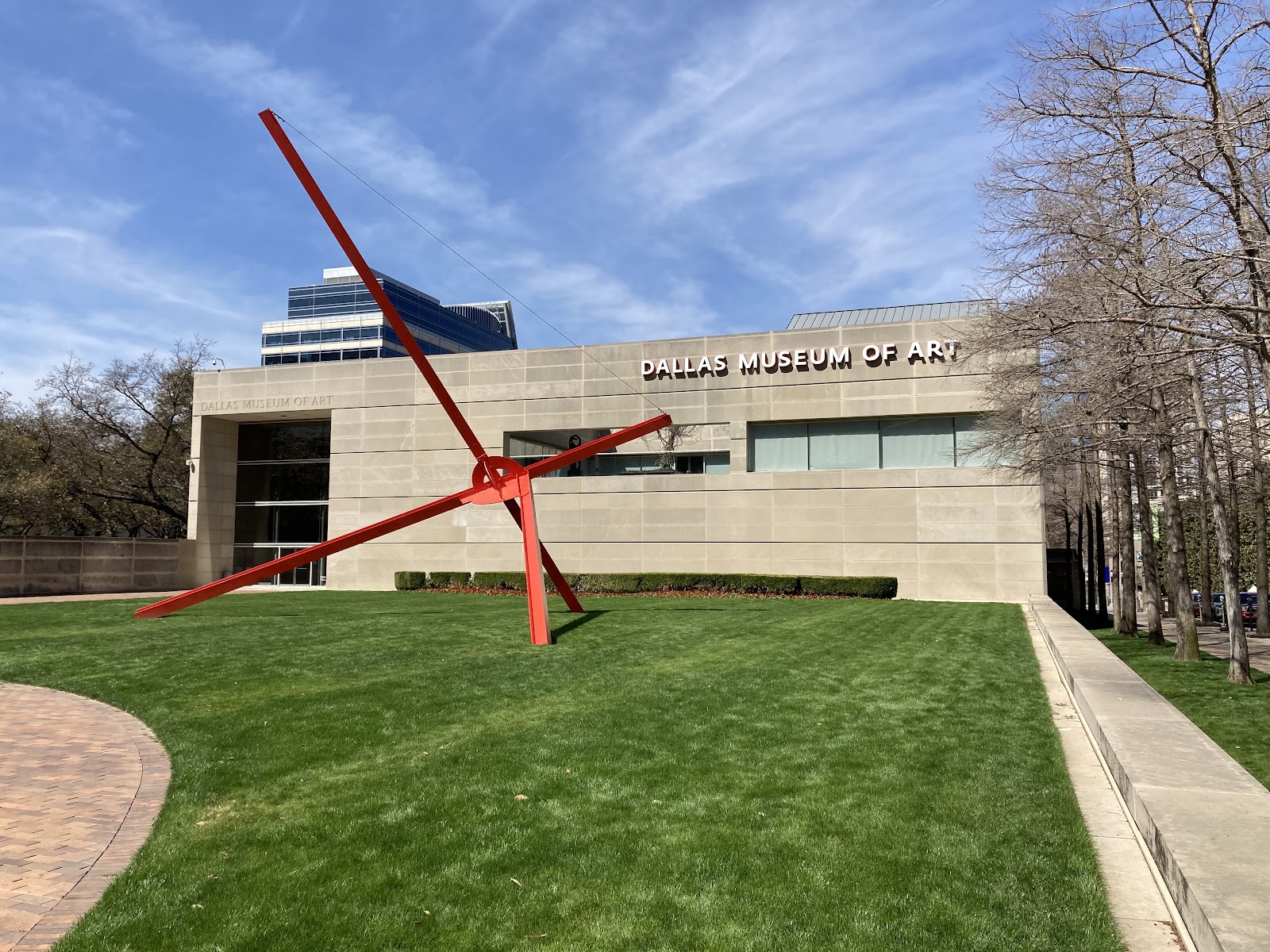
The second way out is to stop photographing in the galleries and to photograph the building, because a major art museum’s architecture is usually better than its gallery light.
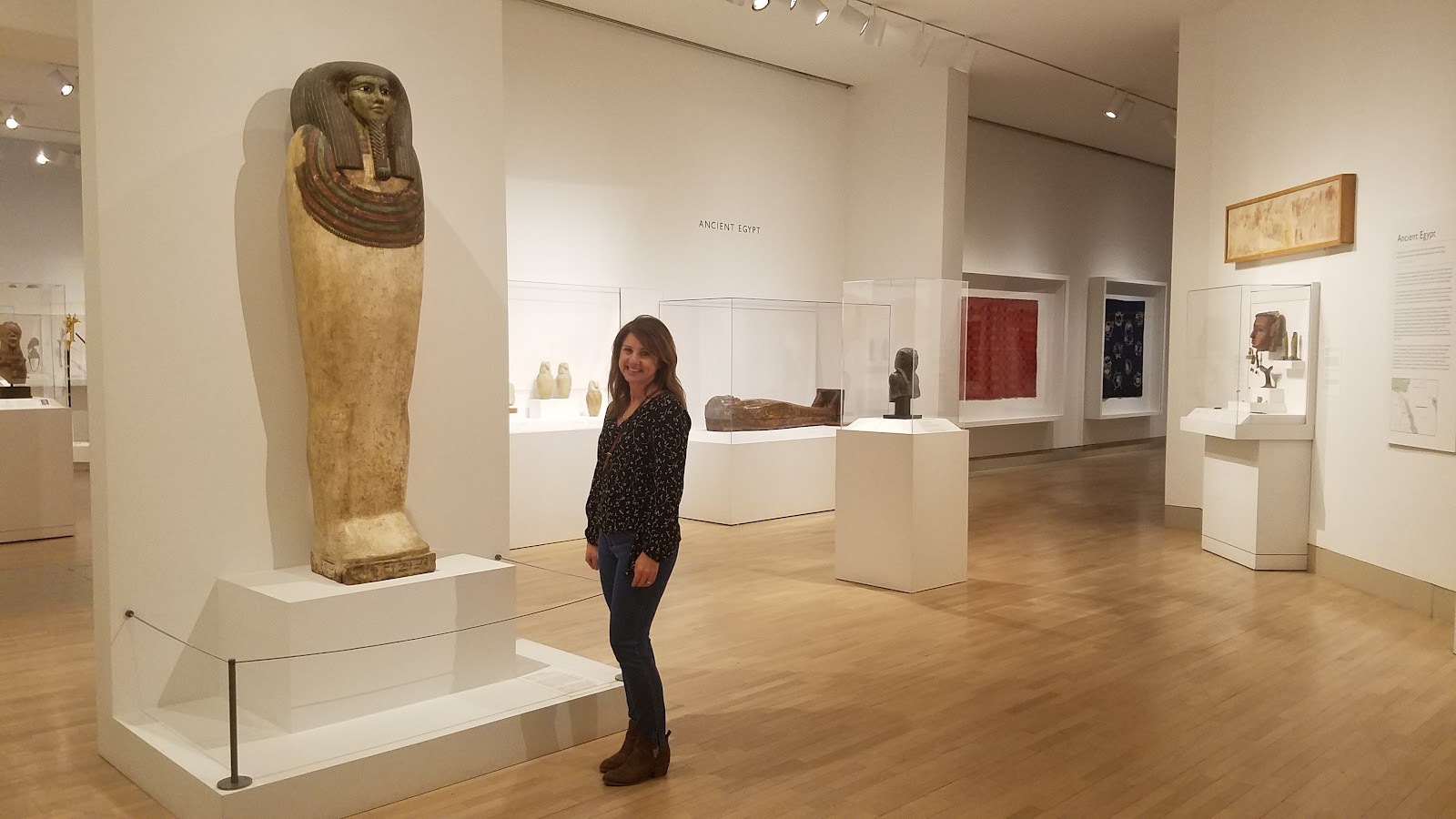
The atrium or entrance hall is the obvious one and it is the one space designed for people rather than objects — so it is lit brighter, finished paler, and often daylit from above. That makes it the easiest space in the building and the sensible location for large group photographs, which galleries cannot take anyway because the works are in the way and the distances are wrong.
The same top-light caveat applies and the same fix works: turn them toward the brightest floor.
The enfilade is the museum’s signature frame and it exists nowhere else. A sequence of galleries with aligned doorways gives frames within frames, and a couple placed three rooms deep with a moderate telephoto compressing the openings is a picture only this building type produces. It requires the doorways to genuinely align, so walking the floor to find where they do is worth the time.
Stairs are the third architectural asset. A major museum stair is usually a designed object — a sculptural form, a clean balustrade, a strong diagonal — and it gives the reliable three frames: from below looking up, which makes the subjects dominant; from a landing looking down, which suits a group on the treads; and from across the space at landing height, which shows the stair as architecture and is the one most people skip.
The third way out is to identify which rooms permit what and to build the day around them rather than against them.
Almost every museum has spaces that are not galleries: a barrel-vaulted hall, a courtyard, a restaurant, a sculpture court, a function room, a loading area with good light. Those are typically unrestricted for flash, uncluttered by works, and available for real lighting setups.
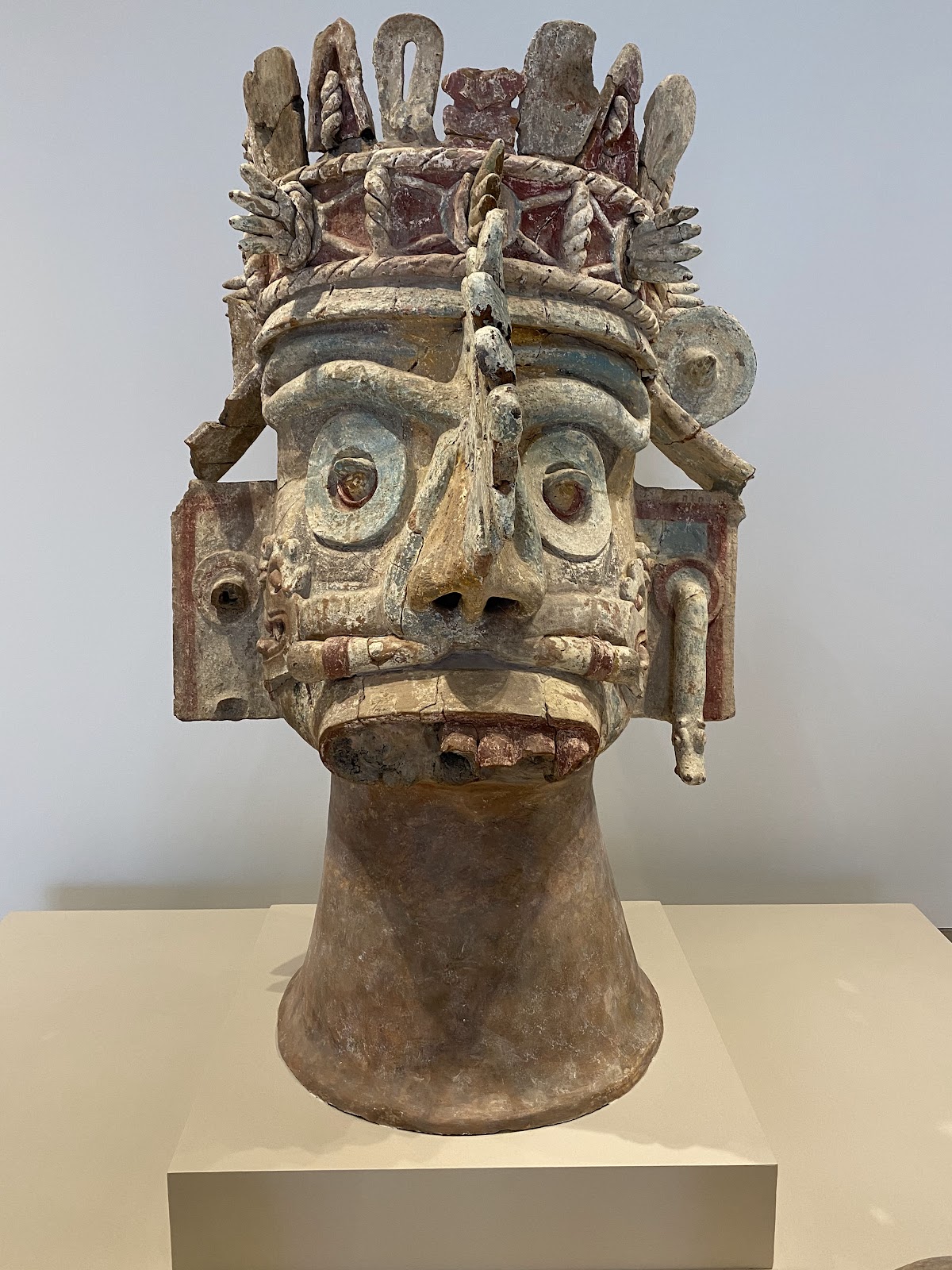
A sculpture court is the best of them, where one exists. Sculpture is less light-sensitive than paintings, which means such spaces are often brighter and sometimes daylit — and a large work gives a subject something substantial to be placed against.
The composition rule with sculpture is that it competes. A work interesting enough to be in the collection is more arresting than two people beside it, so the two solutions are couple small with the work dominant, giving it scale, or couple close with only a portion of the work behind them. Both mid-size fails, because the eye has nowhere to settle.
And where flash is permitted, the wall colour decides the method. Contemporary curatorial practice favours strong colours, and a room painted deep green or oxblood will tint every bounced frame taken in it — so in strongly coloured galleries, direct light through a modifier is cleaner than bounce.
Never bounce toward a glazed work under any circumstances. A framed painting under glass is a mirror, and a flash anywhere near its axis returns a bright rectangle across it — which ruins the frame and is precisely what the policy exists to prevent.
- Find the local brightest thing and put it on one side of the face
- A hundred and twenty-fifth is the shutter floor; pay for it in ISO
- Turn subjects toward the brightest floor in any top-lit gallery
- Build the day around the non-gallery spaces, where flash is usually permitted
- Never bounce toward a glazed work — it is a mirror
Way four: the hours, the district and the year
The fourth way out is scheduling, and at a public museum it does more than any technique.
Establish whether the booking is within opening hours or after them. A museum open to the public has visitors in the background of every gallery frame, paths that cannot be cleared, and a photographer waiting for gaps rather than choosing positions.
An after-hours booking is a materially different product: empty galleries, the whole floor, and the freedom to place people where the light is rather than where the crowd is not. Where a museum offers it, it is worth the difference.
There will also be a firm finish time, because the building must be secured, and constraints on food, drink and what may be moved. Those are absolute and reasonable.
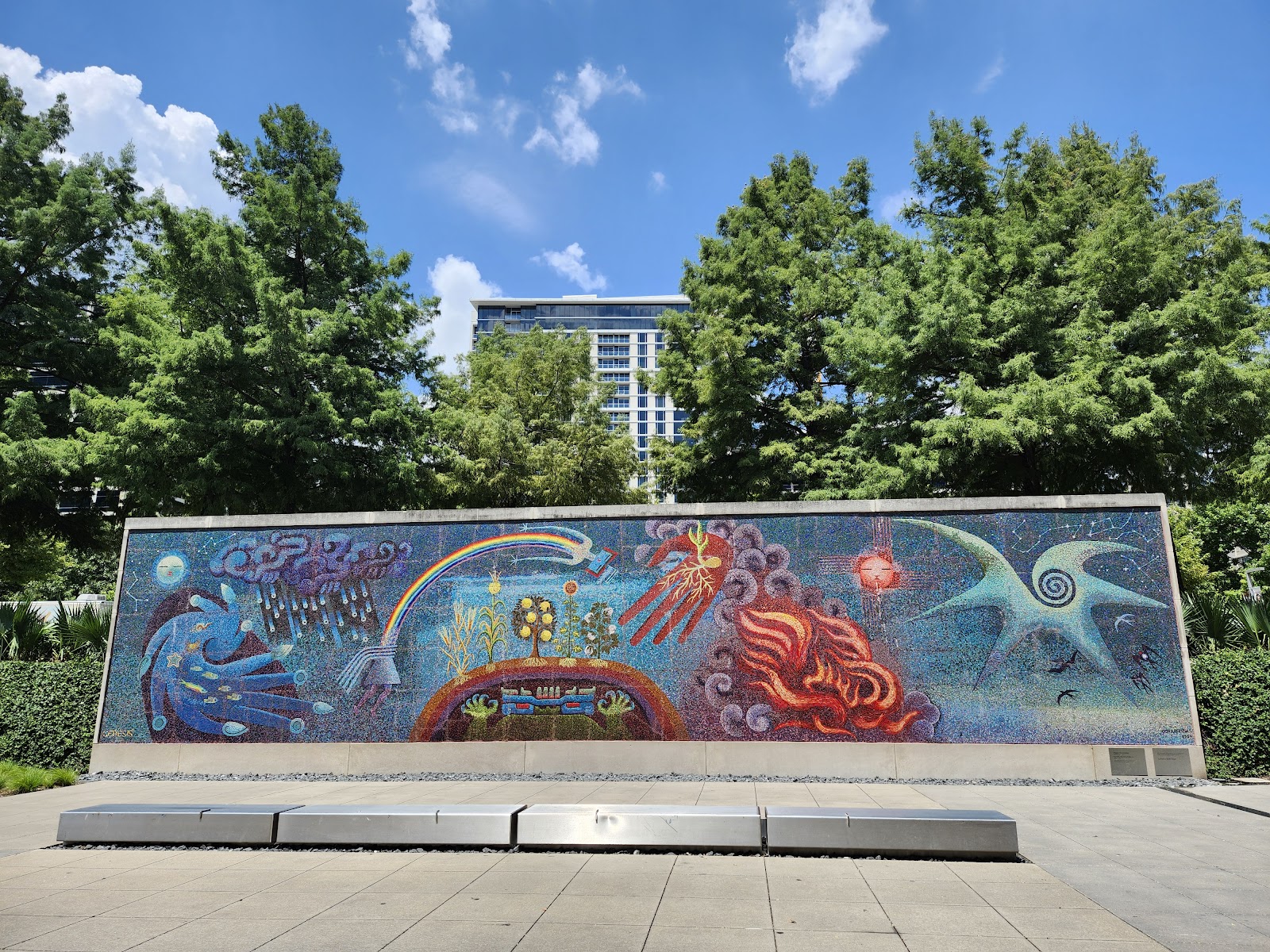
Outside, the Dallas Arts District is the setting and it is unusually good for a museum quarter. It is a concentration of significant contemporary buildings within walking distance of each other, which means the exteriors are architecturally interesting in a way most museum surroundings are not — hard modern forms, large planes of stone and glass, and deliberate public spaces between them.
Those want raking light. A large plane of stone or concrete renders as a flat field under a frontal midday sun and shows its texture and its edges only at a low angle, which makes the exteriors a first-hour or last-hour subject and a poor midday one.
Keep the camera square. Contemporary architecture’s clean lines demand a level horizon and parallel verticals — half a degree of tilt that would pass unnoticed on a rustic building is glaring against a stone and glass grid.
Glass is the district’s other material and it behaves as glass does: no texture of its own, borrowing its appearance entirely from what it reflects. That means it is flat and grey under an even sky and genuinely spectacular under a broken one, so the exterior frames want structure overhead, the ends of the day, or darkness.
Civil twilight here runs about twenty-five minutes, and the balance point where the sky and the building lighting are equal lasts perhaps ten minutes of that. A contemporary museum exterior, uplit, against a deep blue sky is the best exterior frame the location offers — better than anything daylight provides, because the architecture was designed to be lit.
The north Texas year governs the outdoor half. October through April is the comfortable season and it is long: Dallas winters are mild, the December noon sun at thirty-four degrees models rather than flattens, and the district is walkable throughout.
Late March through May is the severe-weather season — this is the southern end of Tornado Alley — which for an indoor venue is a non-event and which gives the city its best skies. The half hour after a front passes, with washed air and wet plazas reflecting the buildings, is the best urban light of the year.
Summer is the constraint: June through September brings sustained heat above a hundred degrees with a sun reaching eighty and a half degrees at noon, and a walk between buildings in formal clothing is a welfare matter. The humidity does fill shadows — perhaps a stop and a half less contrast than the desert at the same angle — which makes midday more workable than desert rules suggest, and it hazes distance.
Autumn has almost no deciduous colour in north Texas, so nothing in an October frame says autumn. What October and November give instead is the clearest air of the year and the first comfortable temperatures — which for a district of hard-edged modern buildings matters considerably more than foliage would.
More frames from The Dallas Museum of Art
The Dallas Museum of Art wedding photography: common questions
Why is gallery light hostile to portraits?
It is designed to protect paintings: diffuse, indirect, filtered and low-level, with no direction anywhere. A portrait needs a shadow to describe a shape.
How dim is it really?
Often fifty lux or less on sensitive works. Hold a hundred and twenty-fifth as a shutter floor and pay for it in ISO — motion blur is worse than grain.
How do I find direction without flash?
Look for the local brightest thing — a skylight, an uplit wall, a lit vitrine, a doorway into a brighter room — and put it on one side of the face.
What is the museum's signature frame?
The enfilade: aligned doorways compressed with a moderate telephoto so the couple sit three rooms deep in frames within frames.
Where should large groups go?
The atrium or a non-gallery space. Galleries cannot take a big group — the works are in the way and the distances are wrong.
Is after-hours access worth it?
Substantially. Empty galleries and freedom to place people where the light is, rather than where the public is not.
More Texas venue guides
We are writing a photographer’s guide to every venue we would happily shoot in Texas. Here are three more, plus the full index:
Planning a wedding at The Dallas Museum of Art?
Light built for paintings, worked for people. Tell us your date.