 The House of Blues, Cleveland: What It Suits and What It Does Not
The Columbus Museum of Art: The Venue’s Own Logic
Two buildings, eighty years apart, lighting people in opposite ways.
This venue is really two buildings, and the eighty years between them is the organising fact.
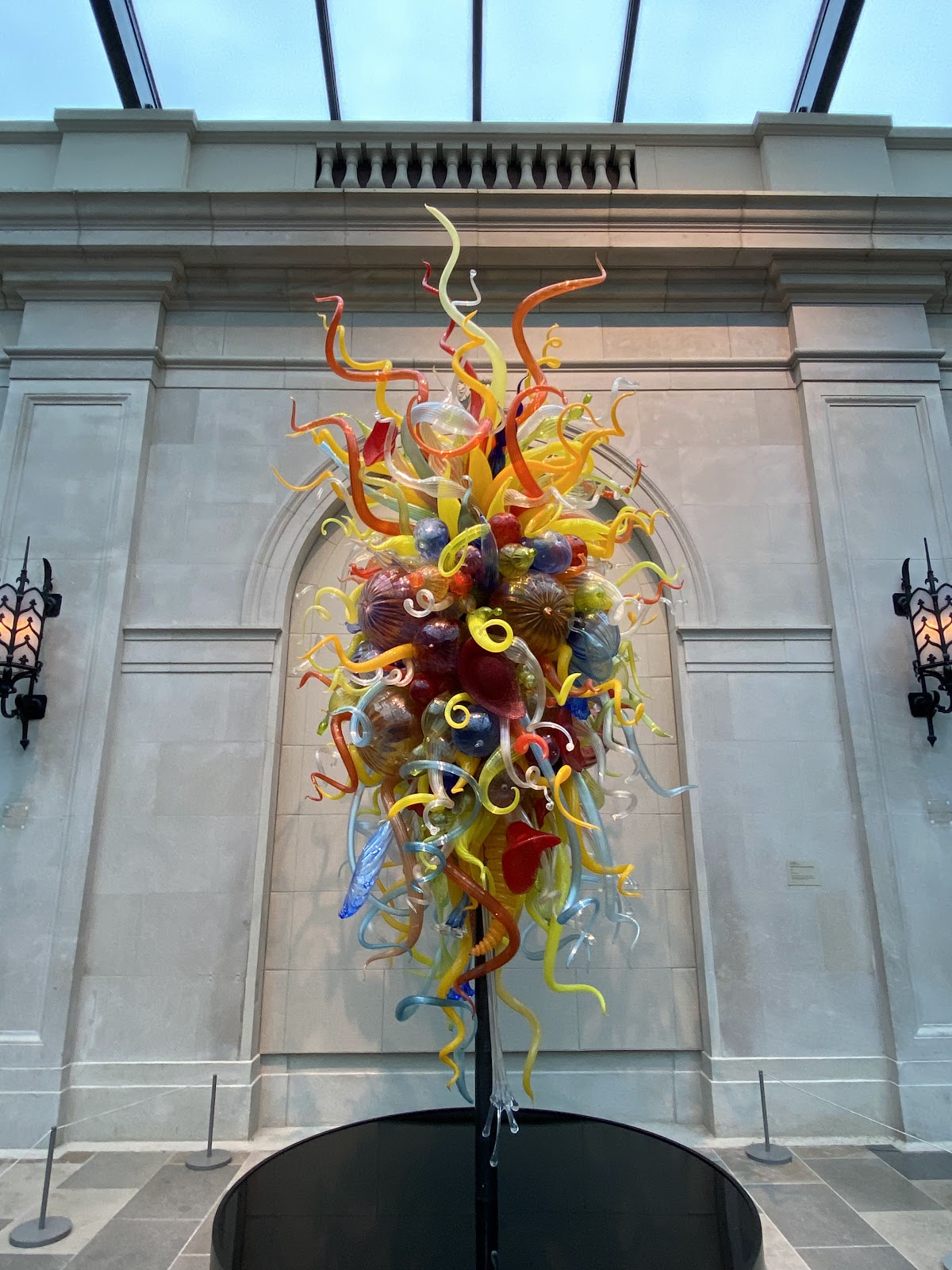
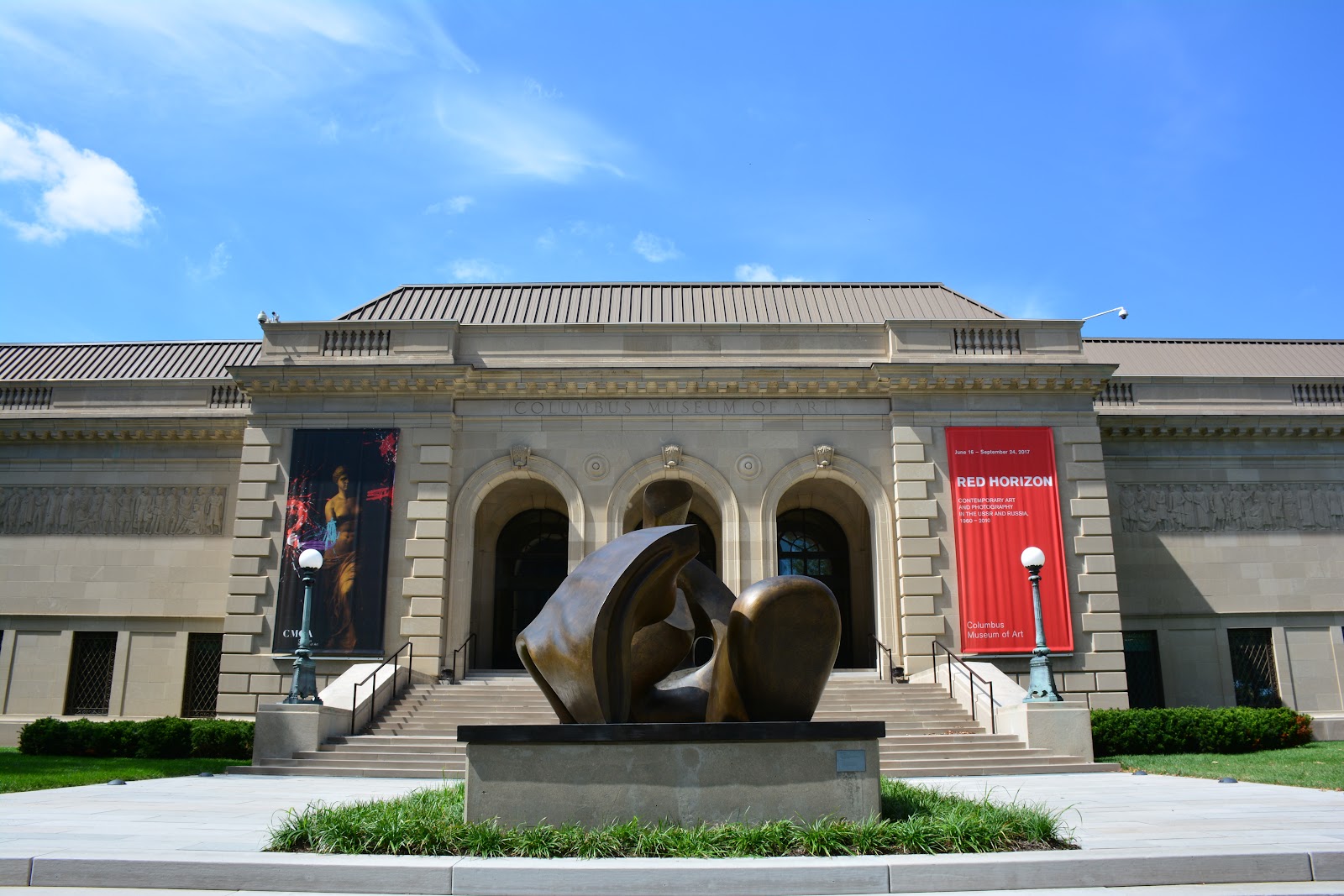
The original is 1931, Italian Renaissance Revival — a symmetrical masonry block with round-arched openings, a loggia, and the restrained classicism that American civic architecture used between the wars. Small windows, thick walls, heavy materials, and interiors organised as a sequence of connected rooms.
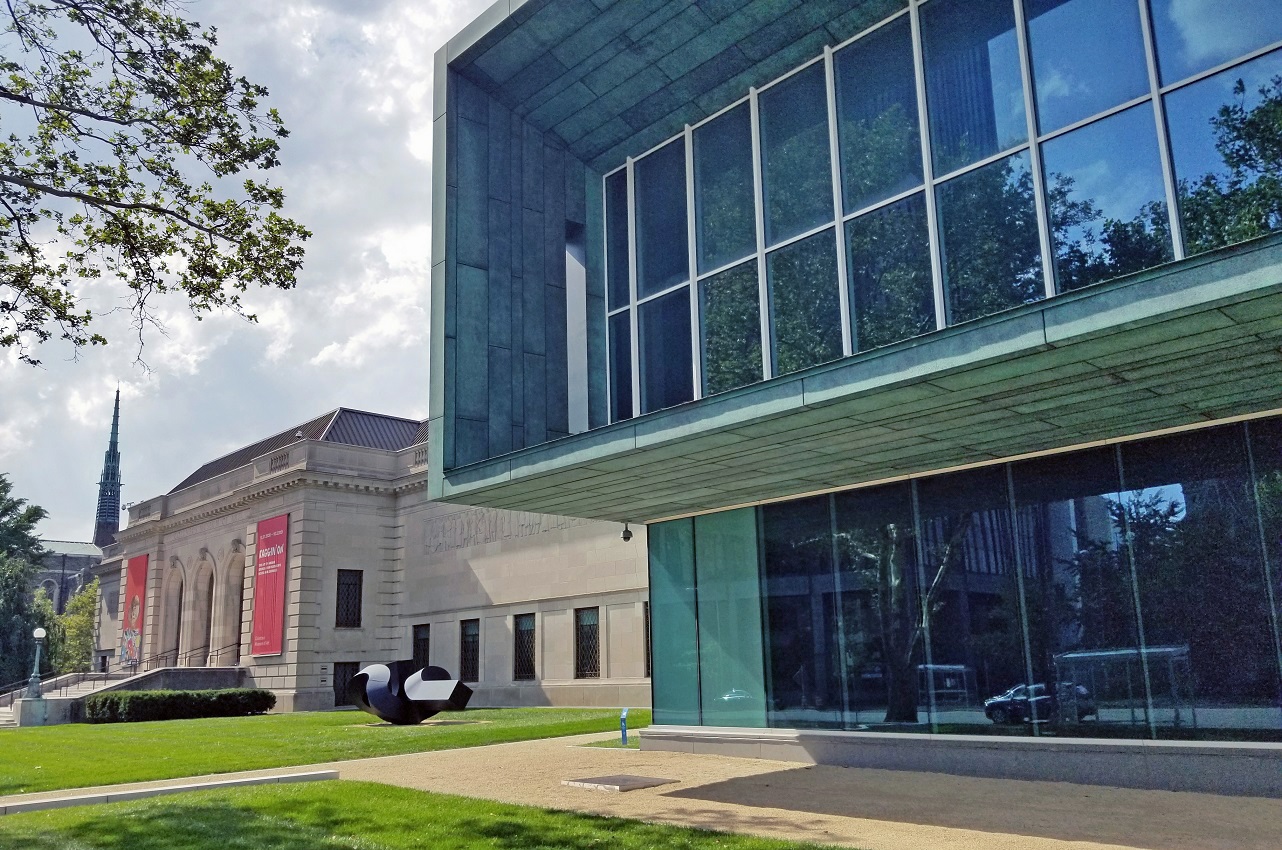
The addition is 2015 and it is the opposite in every respect: glass, steel, open plan, and a large glazed hall designed for people to gather in rather than for objects to hang in.
Those two buildings light a face in opposite ways, and knowing which one you are standing in is the whole practical skill here.
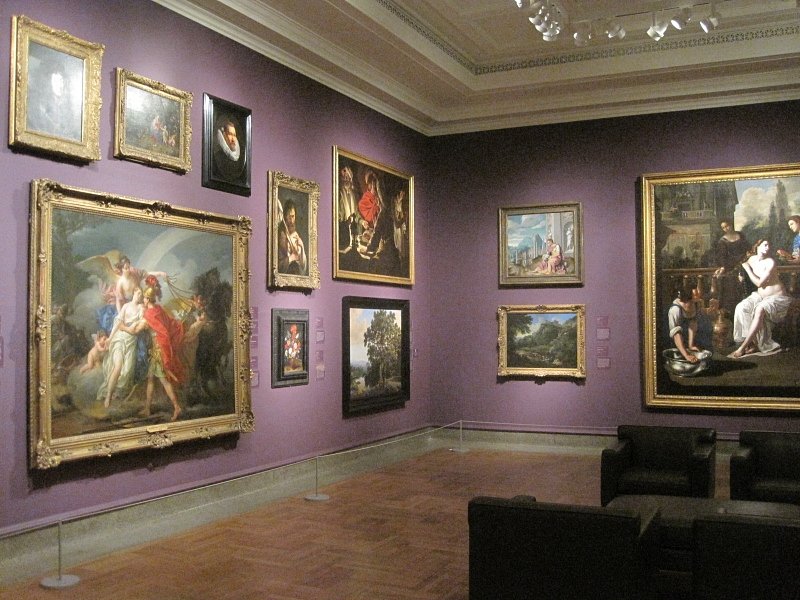
The 1931 galleries follow museum logic, which means the lighting was decided to protect paintings rather than to flatter people. A painting needs even illumination, no glare and no ultraviolet, so gallery light is diffuse, indirect, low in level and filtered. For a face that means soft light with almost no direction — flattering in that it hides nothing, difficult in that a portrait needs a shadow somewhere to describe a shape.
The 2015 wing follows hospitality logic, which means a great deal of glass. A large glazed hall is lit by an enormous side source, which gives strong directional light, clear modelling and a bright background — the easiest good light in the whole complex, and it needs nothing but a position.
So the venue’s own logic is a trade: the old building has the atmosphere and the difficult light, the new building has the easy light and less character. A day here works by using each for what it does rather than treating the complex as one place.
Columbus sits at about forty degrees north at roughly nine hundred feet on the flat glaciated plain of central Ohio. The June noon sun reaches around seventy-three and a half degrees, the December noon sun about twenty-six and a half, and civil twilight is roughly thirty-one minutes.
We have not photographed a wedding here. Which galleries and halls are included, whether flash is permitted among the works, and the permitted hours are questions for the museum — and the flash policy governs half of what follows.
The Columbus Museum of Art at a glance
| Where | A 1931 Renaissance Revival museum with a 2015 glass wing, Columbus |
| The 1931 half | Museum logic: soft, low-level, directionless conservation light |
| The 2015 half | Hospitality logic: a large glazed hall with strong directional side light |
| The method | Use each building for what it does; do not treat them as one place |
| Ask first | Flash policy room by room; which spaces are included |
The 1931 building
The old building is the one with character and the one that needs work, and the first thing to settle is the flash policy.
Many museums prohibit flash in galleries entirely, and the reason is genuine: cumulative light exposure fades pigment, and a policy has to be absolute to be enforceable. Others permit it in halls and loggias but not among the works. Establish which rooms allow what, in writing, before the day — a photographer who plans a lit portrait in the Renaissance room and discovers on arrival that they cannot has lost the frames the day was built around.
Where flash is prohibited, the technique is a fast lens, a high ISO and a hard floor on shutter speed. Gallery light tempts a photographer down to a thirtieth, and at that speed a subject who breathes is soft. Hold a hundred and twenty-fifth for anyone standing still and pay for it in ISO — grain in a dim ornate room is a far smaller problem than motion blur.
Because the light has no direction, the photographer supplies it by position. The one reliable move in a gallery is to find the local brightest thing — a skylight, an uplit wall, a lit display case, a doorway into a brighter room — and place the subject so it falls on one side of the face. That converts flat light into modelled light without adding anything.
A lit vitrine is the underused version. A glass case with internal lighting is a small bright source at close range, so a face turned toward one picks up a defined key with rapid falloff — dramatic in a dark gallery, and it puts a museum object in frame, which is the point of being here.
Where flash is permitted, the surfaces decide the method. Pale gallery walls return a soft neutral key from a single bounced source. But modern curatorial practice favours strong wall colours, and a room painted deep green or oxblood will tint every bounced frame taken in it — so in strongly coloured rooms, direct light through a modifier is cleaner than bounce.
Never bounce toward a glazed work. A framed painting under glass is a mirror and a flash near its axis puts a bright rectangle across it, which is exactly what the policy exists to prevent.
The 1931 architecture gives three things worth using. The loggia is the best of them: a covered arcade with round arches is optically a large soft source with a hard mask, so depth back from the open edge is a continuous control over contrast. At the edge the light is flat; two metres back the ratio is dramatic. It needs no equipment at all.
The round-arched openings are the second. An arch is a strong frame and centring a subject in one produces a formal, slightly ceremonial picture that suits the building’s classicism. One of those is enough; more becomes a mannerism.
And the enfilade is the third. A sequence of connected galleries with aligned doorways gives frames within frames, and a couple placed three rooms deep with a moderate telephoto compressing the openings is a picture only a museum produces. It requires the doorways to genuinely align, so it is worth walking the floor to find where they do.
The 2015 wing
The glass wing is where most of the wedding will actually happen, and it is straightforward in a way the old building is not.
A large glazed hall is lit by a single very large side source, and that is the best unassisted portrait light in any modern building. A subject standing three or four metres in from the glass has a clear key, a soft shadow edge and no top light — exactly what a face wants, with nothing added.
The corollary is that the side away from the glass is dark, which means groups must be arranged parallel to the glazing rather than across the room. Perpendicular puts one end of a row three or four stops below the other, and no care in post recovers it.
The exposure trap is the view. A camera metering an interior with a bright exterior beyond the glass will either hold the room and blow the windows to white, or hold the view and lose the room. Holding both means adding light inside to within about a stop and a half of the exterior, or accepting blown glazing and composing so it reads as a clean shape rather than a hole.
Reflections are the other glass problem, and they work in both directions. From inside at night the glass becomes a mirror and reflects the room back — which is useful, because a couple and their reflection in a dark window is a good frame. From outside in daylight it reflects the sky and the street rather than showing the interior, and the fix is angle before filter: reflections are weakest near perpendicular, and a polariser does little at forty-five degrees on a vertical surface.
The wing’s scale is the thing to exploit for groups. A purpose-built glazed hall is the only space in the complex that can take a large group properly — galleries cannot, because the works are in the way and the distances are wrong. So the large formal frames belong here and the intimate ones belong next door, which is a clean division worth planning around.
The architecture is minimal, which cuts both ways. Clean lines demand a level horizon: half a degree of tilt that would pass unnoticed in a rustic building is glaring against a steel and glass grid. And the absence of ornament means the frame is carried by the people and the light rather than by the setting — which is easier to do well and harder to make memorable.
Symmetry is available and worth using once. A glazed hall photographed square on its centre line with the subjects centred is a formal frame that suits the architecture.
The junction between the two buildings is the most interesting place in the complex and it is usually overlooked. Where 1931 masonry meets 2015 glass there is a visible seam — old stone against new glazing, often with the original external wall preserved inside the new hall.
That is a genuinely good frame: a couple standing against a ninety-year-old masonry facade that is now an interior wall, lit by a glass roof that did not exist when it was built. It says what the building is in a way that neither half alone can, and it needs nothing but recognising that the seam is there.
- Settle the flash policy room by room, in writing, before the day
- In galleries, find the local brightest source and put it on one side of the face
- Never bounce toward a glazed painting — it is a mirror
- Arrange groups parallel to the glass wall, never across the room
- Photograph the seam where 1931 masonry meets 2015 glazing
Outside, and the year
The grounds and the climate decide what the outdoor half of a day here can be, and honesty about the setting matters.
Columbus sits on a flat glaciated till plain, and that absence of relief is the governing fact outdoors. There is no distant view, no elevated vantage point and no valley fog — so the exterior frames are at ground level, close to the building, and about the architecture and planting rather than any landscape.
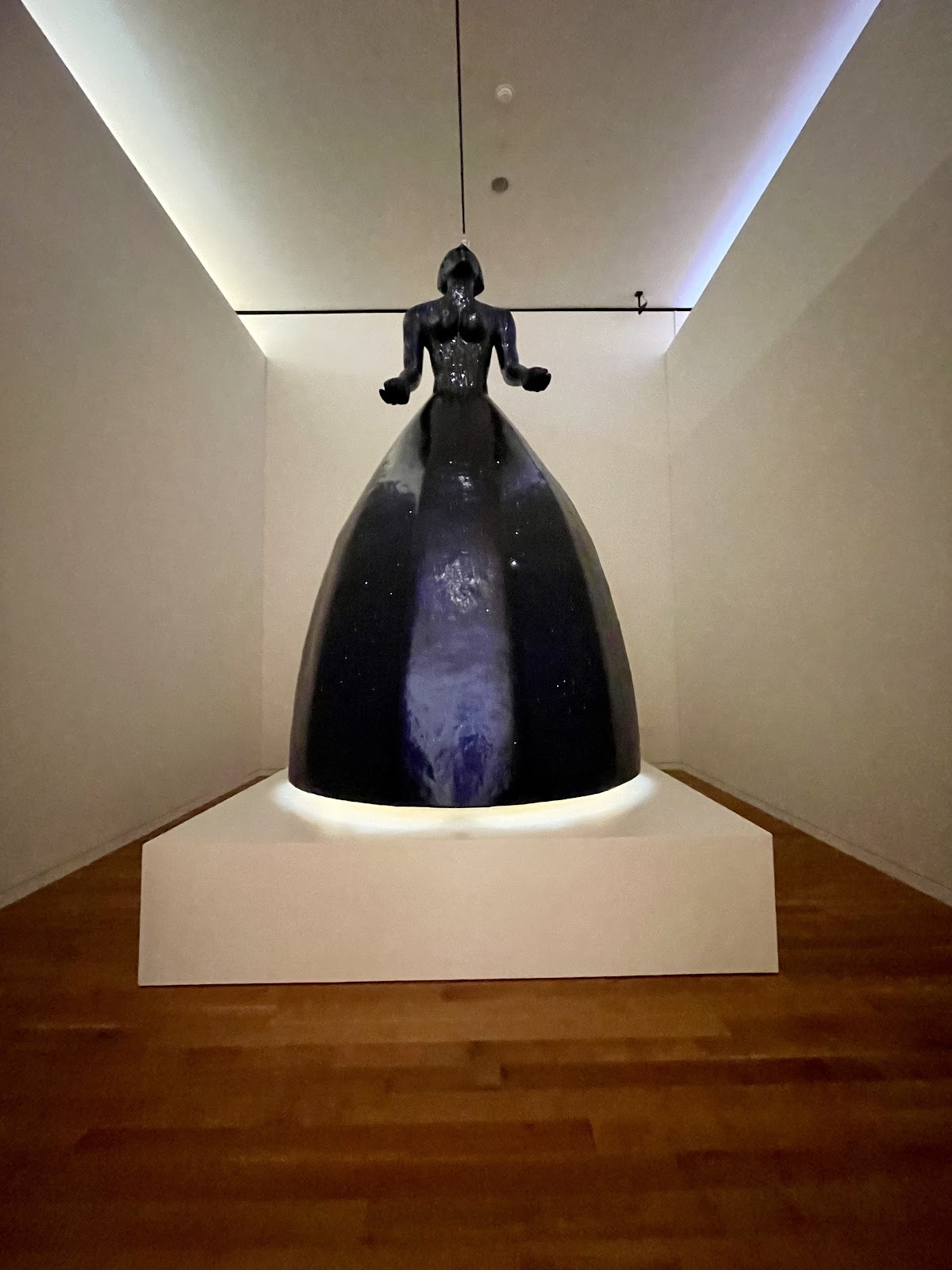
A museum’s grounds usually include a sculpture garden or courtyard, and where one exists it is the best outdoor space. Sculpture is useful to a photographer for a specific reason: it gives scale and a fixed focal point in an otherwise open space, and a large work provides something to place people against that is neither wall nor foliage.
It also has a practical caveat. Outdoor sculpture is frequently reflective — polished steel, bronze, mirrored surfaces are all common — and a reflective work will show the photographer, the party and the sky. Use that deliberately or move; it is very obvious in a frame and easy to miss in a viewfinder.
The 1931 facade is the other exterior subject and it needs raking light. Renaissance Revival masonry depends on the shadow cast by its arches, string courses and reveals, so a frontal midday sun renders it as an even pale field with no modelling. A low sun across it, morning or evening, gives the openings depth and the stone warmth.
Keep the camera square. A classical facade photographed with the camera tilted up converges the verticals and the building appears to lean back, which on symmetrical masonry is immediately wrong. Raise the camera rather than tilting it, or correct afterwards and accept the crop.
Ohio hardwoods supply the shade and they do it properly. A mature sugar maple or oak has a dense rounded crown of broad leaves and casts clean solid cover with no dapple to manage — so a midday portrait under one is entirely straightforward. That is worth naming as a regional fact, because it is not true in drier regions where canopies are filigree and midday shade does not exist.
Beech, where there is one, is the best natural background in this climate: smooth pale grey bark, almost unmarked, so a mature trunk is a large uniform light-toned surface and effectively a studio backdrop.
Mid to late October is the best fortnight of the year here. Sugar and red maple turn scarlet and orange, oak and hickory go bronze, and pale masonry with autumn colour is a reliable pairing. The timing shifts a little with the season — a warm dry autumn delays and dulls it, a cool wet one brings it forward and intensifies it — so plan a fortnight either side of the third week rather than a specific weekend.
Summer’s humidity has a real photographic effect. Water vapour scatters light and fills shadows, so a sunlit facade in July carries perhaps two stops less contrast than the same sun angle in a dry climate. That makes midday portraits outdoors more workable than they would be in the desert, and it makes the masonry read flatter — another argument for the autumn window.
Winter is when the glass wing earns its place. A nine-hour December day with weeks of flat grey overcast is a problem for the 1931 facade, which has no modelling without shadow, and no problem at all for a glazed hall — where overcast simply becomes a very large softbox and the light is excellent.
That is the useful thing about a two-building venue in this climate: the weather that ruins one half improves the other. Flat overcast is the best light the glass wing gets and the worst the masonry gets, and a photographer who knows that can move indoors without it being a retreat.
Civil twilight runs about thirty-one minutes, which gives a genuine working window rather than a scramble. The frame to schedule is the glass wing lit from within, photographed from outside fifteen minutes after sunset — glowing, with the masonry block dark beside it, which is the one picture that shows both buildings and the eighty years between them.
More frames from The Columbus Museum of Art
The Columbus Museum of Art wedding photography: common questions
Why are the two halves so different?
Eighty years and two different purposes. The 1931 galleries are lit to protect paintings; the 2015 wing is glazed for people. They light a face in opposite ways.
Which half is easier?
The glass wing, substantially. A large glazed hall gives strong directional side light with clear modelling and needs nothing but a position three or four metres in.
How do I work the galleries without flash?
Fast lens, high ISO, a hundred-and-twenty-fifth shutter floor, and find the local brightest thing — a skylight, an uplit wall, a lit vitrine — to put on one side of the face.
Where do large group photographs go?
The glazed hall. Galleries cannot take a big group — the works are in the way and the distances are wrong.
What is the most interesting frame here?
The junction. A couple against 1931 masonry that is now an interior wall, lit by a glass roof that did not exist when it was built.
Is overcast bad?
Only for the masonry, which needs shadow to have modelling. For the glass wing it is the best light of the year — a very large softbox.
More Columbus, OH venue guides
We are writing a photographer’s guide to every venue we would happily shoot in Columbus, OH. Here are three more, plus the full index:
- The Columbus Zoo: Field Notes
- COSI Columbus: What It Suits, and What It Does Not
- The Franklin Park Conservatory, Columbus: The Light Through the Day
Planning a wedding at The Columbus Museum of Art?
Two buildings, two kinds of light. Tell us your date.