 The Portland Regency: A Season-by-Season Guide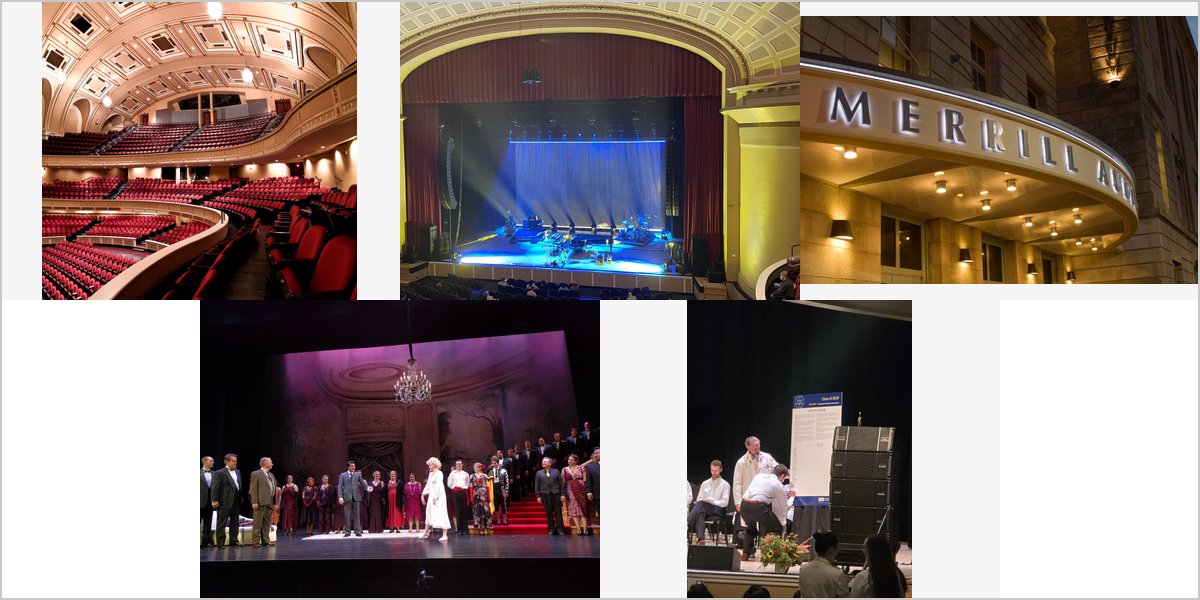
June 6, 2026
Merrill Auditorium: Lighting a 1912 Civic Hall with a Kotzschmar Organ
A civic hall with one of the world’s largest municipal organs behind the stage. The organ is the frame, and it is a lighting problem of its own.
Merrill Auditorium occupies part of Portland City Hall, completed in 1912, and is home to the Kotzschmar Memorial Organ — installed in 1912 and among the largest municipal organs in the world, its pipework forming the visual backdrop to the stage.
Photographically that organ is the venue’s defining feature and it is a specific problem. A vast array of metal pipes occupying the full height behind a stage is visually magnificent and technically awkward: the pipes are metal and reflective, they are tall enough that lighting them evenly is impossible, and they are directly behind wherever a couple stands, which means they dominate any frame that includes them.
This is the technical guide. We have not photographed a wedding at Merrill Auditorium; large organ installations, civic halls and theatrical lighting behave predictably. Stage access, balcony access and whether the lighting board will be operated for you are for their events team, and those answers determine most of what is possible.
Merrill Auditorium at a glance
| Where | Portland City Hall, Myrtle Street, Portland, Maine |
| Completed | 1912; the Kotzschmar Memorial Organ installed the same year |
| Defining feature | Organ pipework forming the full-height backdrop to the stage |
| Light | Dark auditorium by design; theatrical rig on stage; no daylight |
| Ask first | Stage and balcony access, and whether the board will be run for you |
The organ: metal pipes are a specular problem
Organ pipes are metal and polished, which means they behave partly like curved mirrors. A bare flash aimed anywhere near them produces a hard bright streak running down whichever pipes catch it, and because the array is large and the pipes are cylindrical, those streaks are distracting rather than attractive.
The control is source size and angle. A large modifier produces a broad soft sheen along the pipes that describes their shape and reads as metal — which looks genuinely good. Keep the light well off axis so its reflection is not directly behind your subjects, and shoot obliquely to the array rather than square-on where possible.
The other issue is scale. A full-height pipe array cannot be lit evenly with portable equipment; there is simply too much of it. So do not try. Light the couple and let the pipework fall into shadow above and behind them, or ask whether the house rig can wash the organ, which it very likely can and which is the only way to light it properly.
Ask whether the rig will be operated
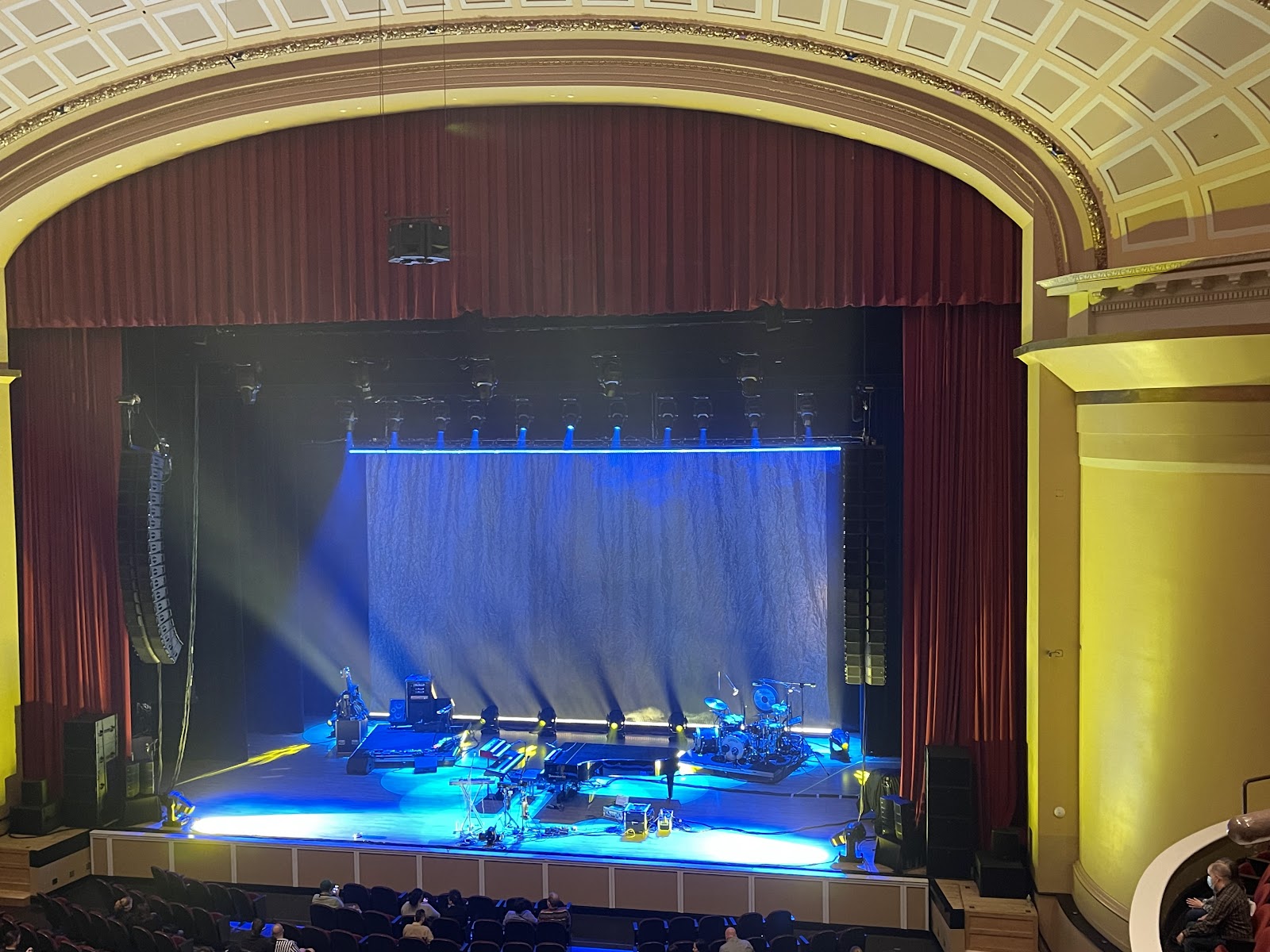
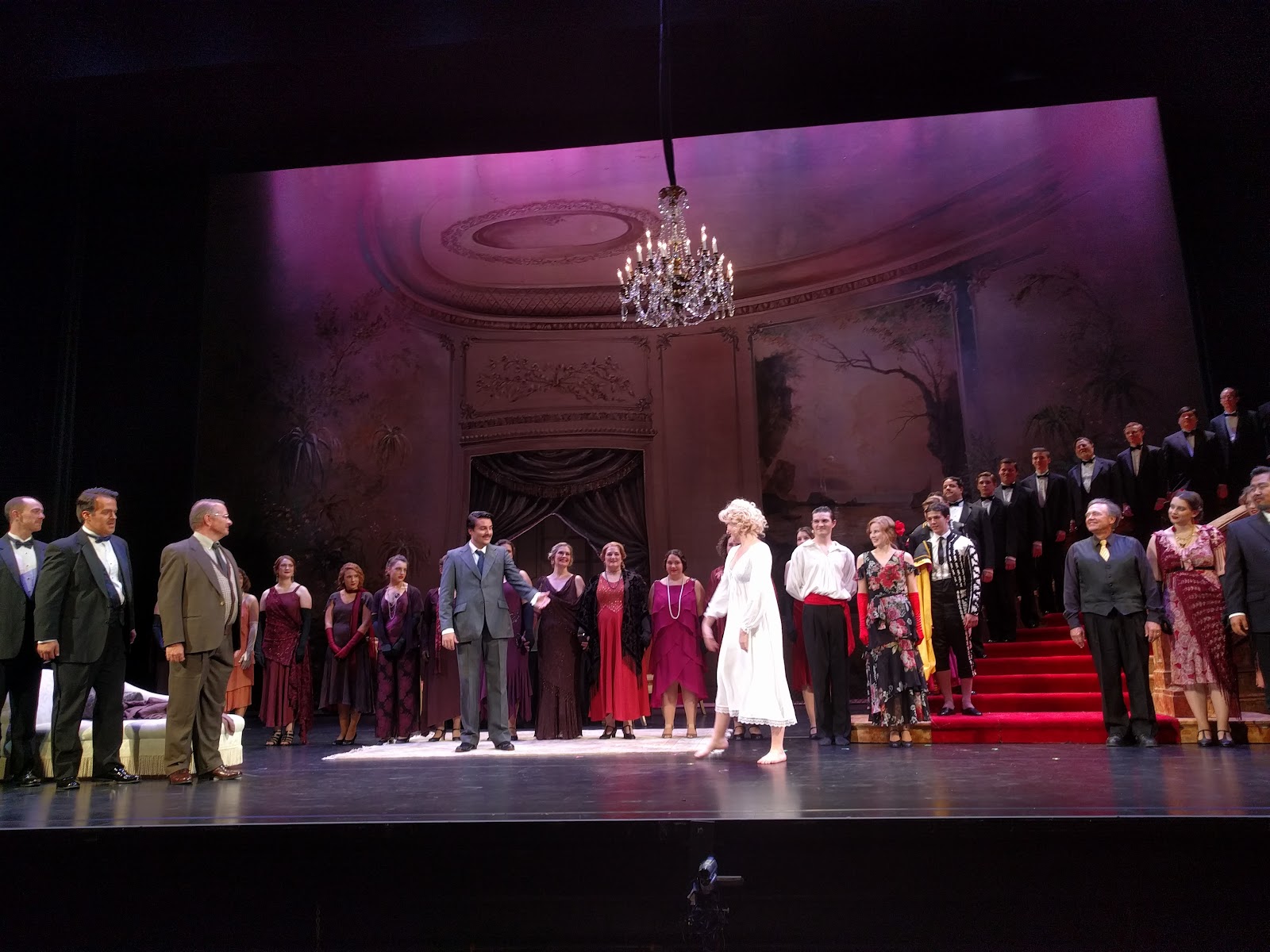
At a civic hall with a resident organ there will be a lighting rig designed to illuminate both the stage and the instrument, and if the venue will run it for you, you have access to lighting no photographer could bring. That is the most valuable question available and it is frequently not asked.
Ask for three things specifically: a neutral or lightly warm front wash on the ceremony position, a wash on the organ pipework so it reads as the backdrop it is, and the house lights kept low so the auditorium behind stays dark. That combination produces a lit couple against a lit organ in a dark hall, which is the photograph the venue exists to give you.
Avoid coloured gels for the ceremony. Coloured light on a wedding dress is unrecoverable — a dress lit magenta stays magenta — and coloured light on organ pipes, while striking, will fight rather than complement a white dress. Save the coloured states for the party.
Exposure in a civic hall
The range between a lit stage and an unlit auditorium is the usual six or seven stops, and no single exposure holds both. Expose for the stage and let the house go black — that is how a hall looks, and the darkness is the subject rather than a failure.
With the organ lit as well, the exposure gets slightly easier because there is a second lit element in the frame to balance against, but the principle holds: meter off faces on stage and ignore what the overall meter says about the room.
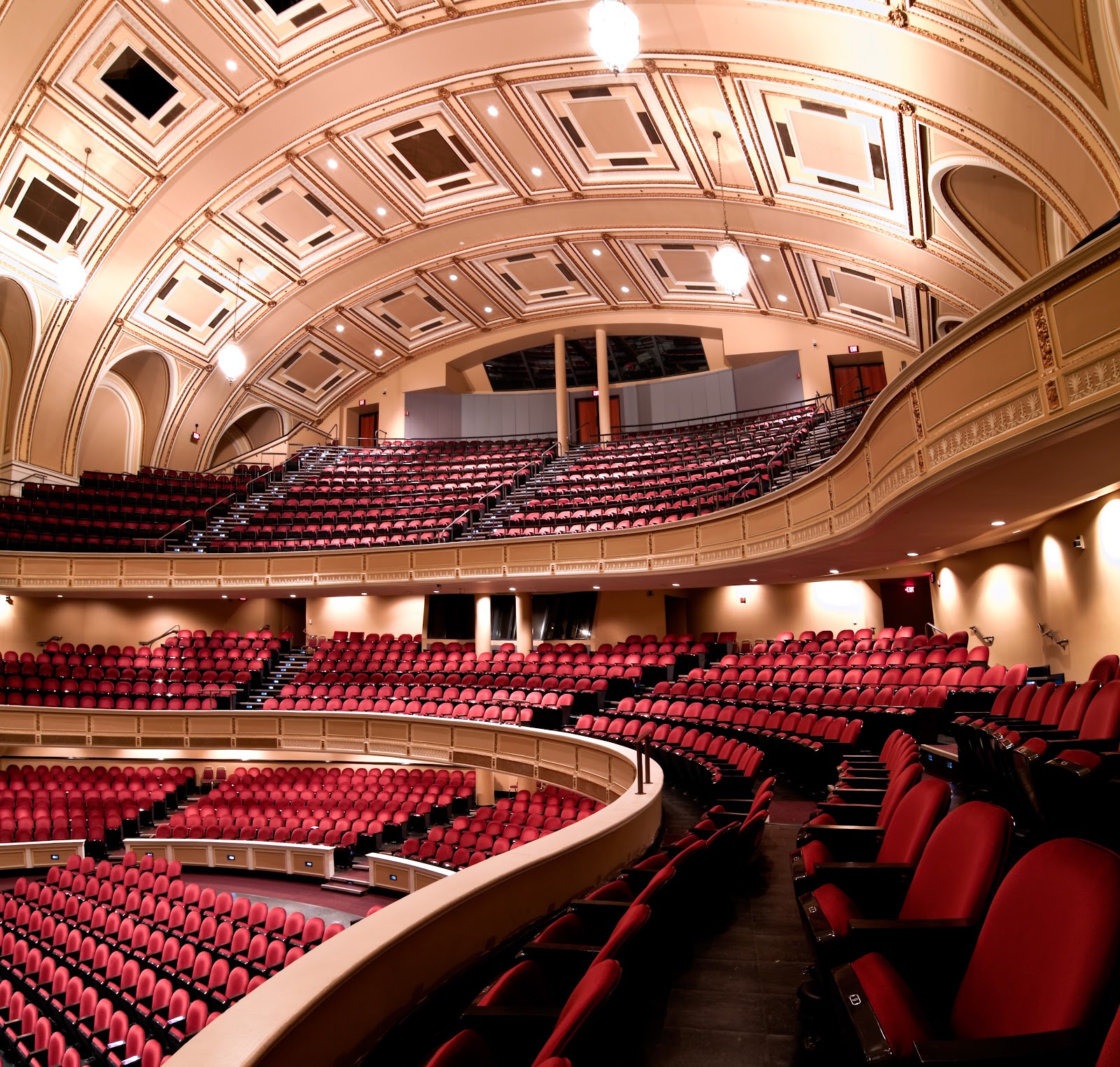
For a wide frame showing the auditorium’s scale and the full organ, shoot it separately with the house lights up, before guests arrive. Take it from the balcony if access allows, because an elevated view down the hall with the organ at the far end is the frame that explains the venue in one image — and it is the one most photographers never request.
Positions, colour and Portland outside
Fixed raked seating means your positions are the aisles, the front of the stage, and the balcony. Walk them in advance. Balcony access is the one worth confirming, for the reason above.
On colour, a 1912 civic hall will be warm — plaster, timber, warm fixtures — with nothing neutral to balance it, so keep the room warm in white balance and light faces slightly cooler. Re-set it whenever the lighting state changes, because in a hall with an operated rig that may happen several times.
There is no daylight in an auditorium, which makes the outdoor block the only naturally lit part of the day. Portland’s Old Port is a short walk — cobbled streets, brick and granite warehouses, a working waterfront — and the Eastern Promenade gives open lawn, mature trees and water bouncing light upward into faces.
Maine’s latitude governs the timing. Long summer evenings give usable light well past eight; a December sunset arrives in the middle of the afternoon, which means winter portraits must precede the ceremony rather than follow it. Calculate it for the date.
What works in your favour
- One of the largest municipal organs in the world as a full-height backdrop
- A house lighting rig designed to light both stage and organ — better than anything portable
- Continuous rig light means natural moments are lit, not only posed ones
- The balcony gives an elevated frame that explains the hall in one image
- Old Port and Eastern Promenade nearby for the daylight block
What to plan around
- Polished organ pipes are specular — bare flash produces distracting streaks
- A full-height pipe array cannot be lit evenly with portable equipment
- Six or seven stops between a lit stage and a dark house
- Coloured gels are unrecoverable on a white dress and fight the pipework
- No daylight at all; a December sunset forces portraits before the ceremony
More frames from Merrill Auditorium
Merrill Auditorium wedding photography: common questions
How do you photograph the organ pipes?
With a large light source kept well off axis, shot obliquely rather than square-on. Polished pipes behave like curved mirrors, so a bare flash produces hard distracting streaks while a big soft source gives a broad sheen that describes their shape and reads as metal.
Can you light the whole organ?
Not with portable equipment — a full-height pipe array is simply too large. Either light the couple and let the pipework fall into shadow behind them, or ask whether the house rig can wash the organ. It very likely can, and that is the only way to light it properly.
What should we ask the venue for?
A neutral or lightly warm front wash on the ceremony position, a wash on the organ pipework, and the house lights kept low. That gives a lit couple against a lit organ in a dark hall, which is the photograph the venue exists to produce — and it is frequently not asked for.
Should we use coloured stage lighting?
Not for the ceremony. Coloured light on a wedding dress cannot be corrected afterwards, and coloured light on organ pipes, while striking, fights a white dress rather than complementing it. Save the coloured states for the party where they read as deliberate.
Where do the daylight photographs happen?
Outside, because an auditorium has none. Portland’s Old Port is a short walk with cobbles, brick and granite, and the Eastern Promenade gives open lawn, mature trees and water bouncing light upward. In winter take them before the ceremony, since a December sunset arrives mid-afternoon.
More Portland, ME venue guides
We are writing a photographer’s guide to every venue we would happily shoot in Portland, ME. Here are three more, plus the full index:
- The Portland Harbor Hotel: Working an Old Port Courtyard
- The Portland Museum of Art: Building the Shot List
- The Portland Observatory: Field Notes on an 1807 Signal Tower
All Portland, ME Wedding Venues →
Planning a wedding at Merrill Auditorium?
A world-class organ deserves the house rig rather than a speedlight. Tell us your date and whether the board will be operated, and we will plan the stage, the pipework and the Old Port block.