 The Portland Regency: A Season-by-Season Guide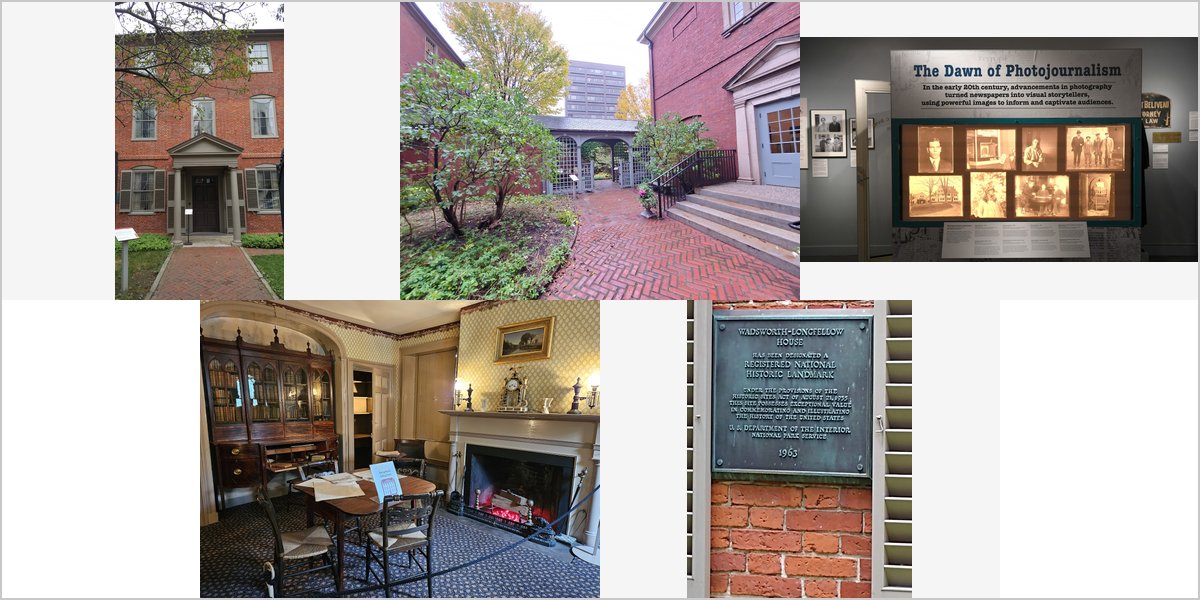
July 4, 2026
The Maine Historical Society: Building the Shot List
A 1786 brick house, a modern museum and a walled garden on one Congress Street campus. Three environments, and the garden is the one that solves things.
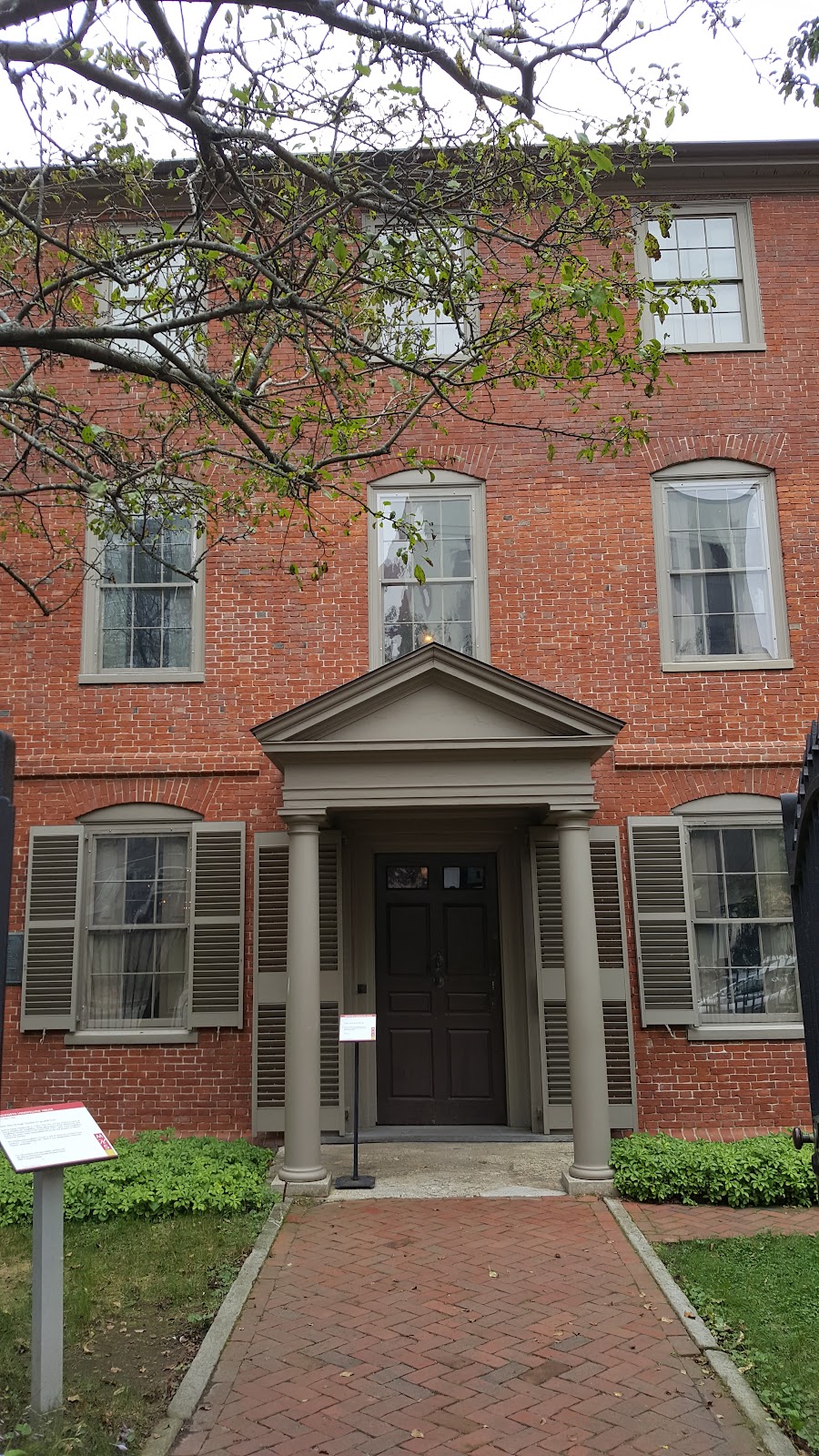
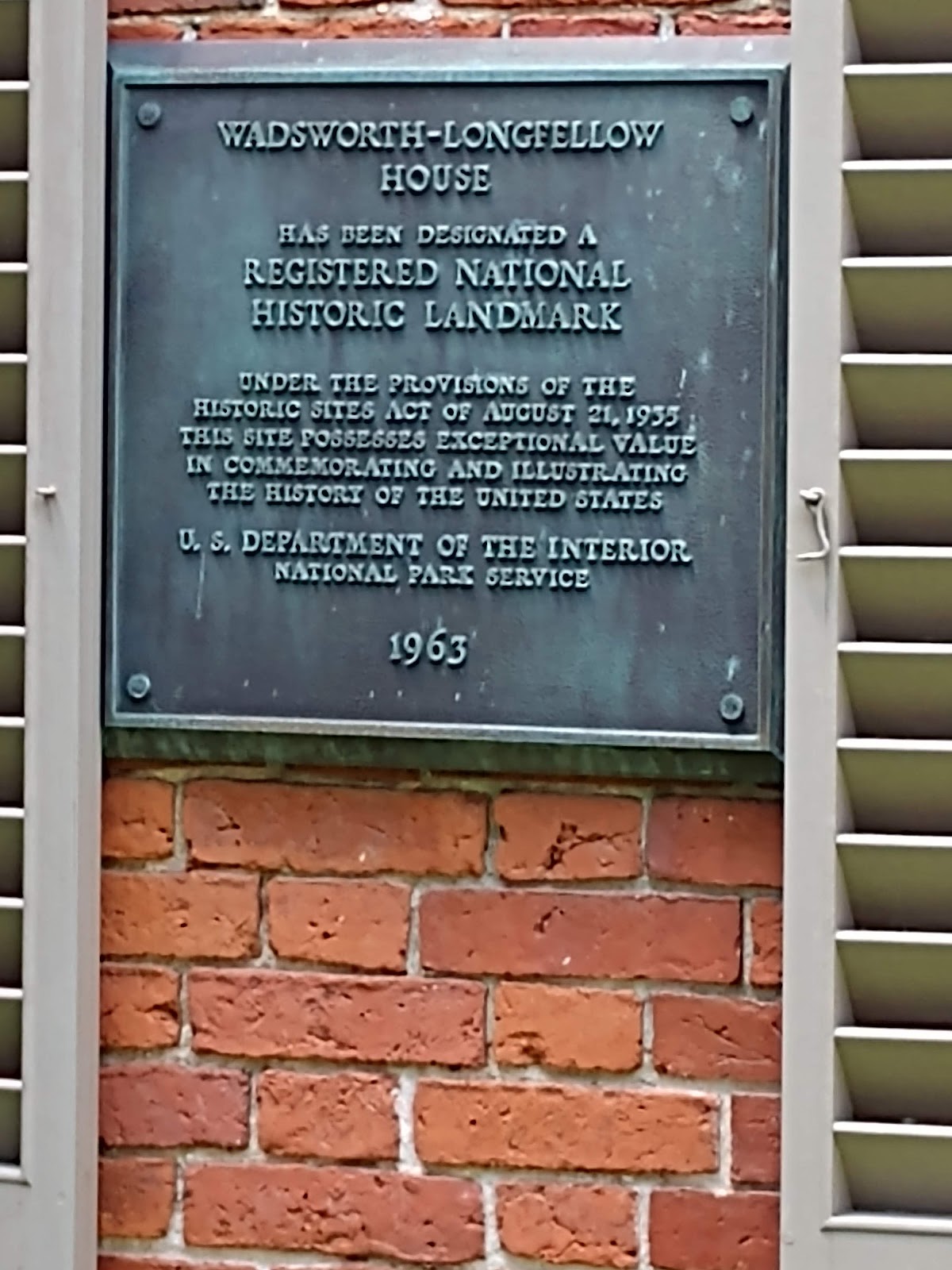
The Maine Historical Society was founded in 1822 and its Congress Street campus in Portland includes the Wadsworth-Longfellow House of 1786 — the childhood home of Henry Wadsworth Longfellow and the first wholly brick house in Portland — along with a museum building, a research library and a garden behind the house.
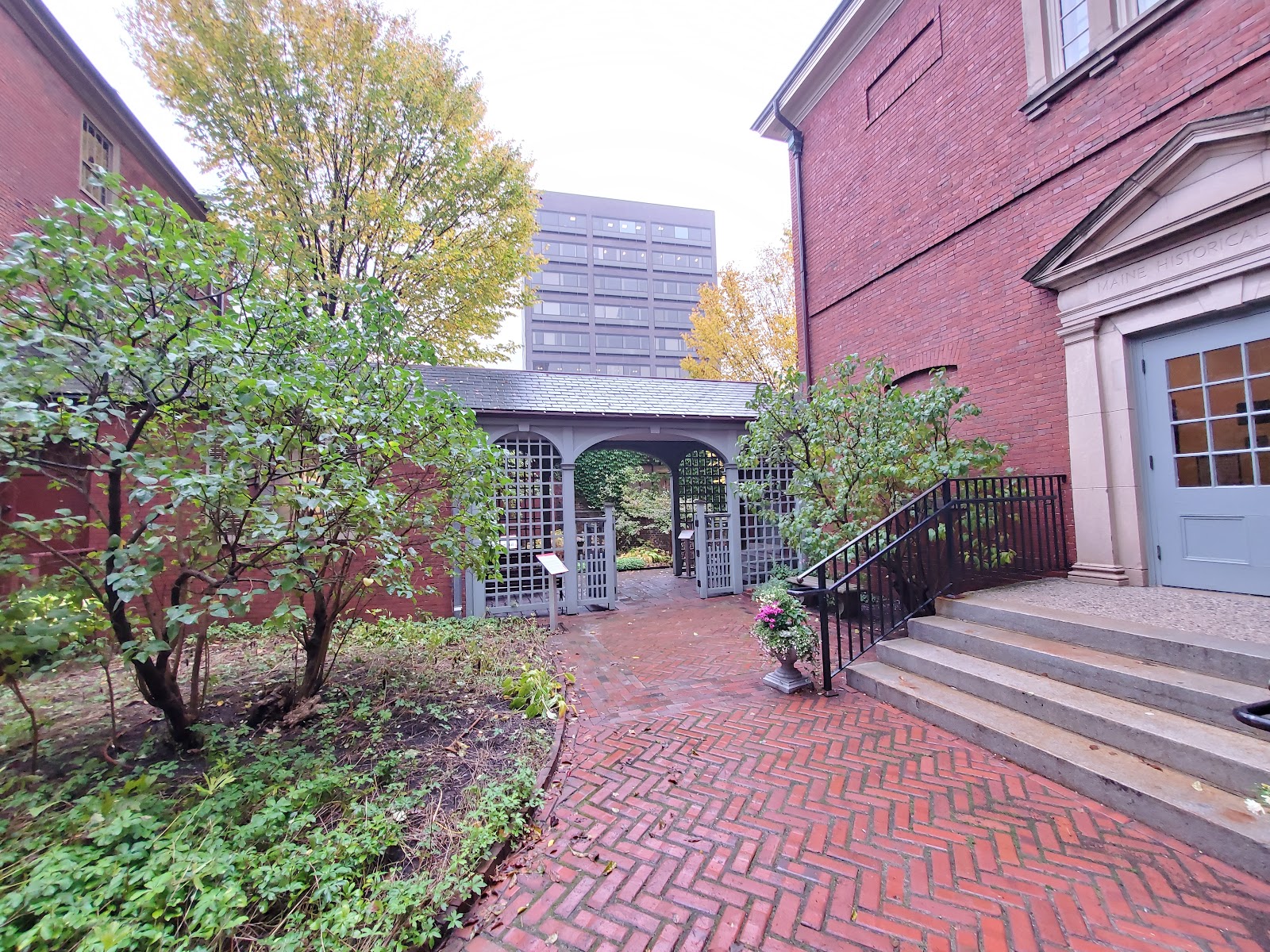
Photographically that gives three quite different environments on one site: a late-eighteenth-century brick house with small dark rooms, a contemporary museum space, and an enclosed garden. That range is genuinely useful, and the garden is the piece that makes the whole thing work, because it supplies the daylight and the room that the 1786 house cannot.
This guide is a shot list, because with three environments and conservation constraints the useful plan is knowing which frames you want. We have not photographed a wedding here; colonial interiors, museum lighting and walled gardens behave predictably. Which spaces are included, house access and conservation rules are for their team, and at a 1786 house museum expect them to be firm.
Maine Historical Society at a glance
| Where | Congress Street, Portland, Maine |
| Founded | 1822; campus includes the 1786 Wadsworth-Longfellow House |
| Three environments | Colonial brick house, contemporary museum space, enclosed garden |
| Light | House dark with small-paned windows; garden gives open shade and room |
| Assume | Conservation rules in the 1786 house; the garden carries the daylight work |
Establish what you have, and what the house permits
The first question is which spaces your event includes, and specifically whether the 1786 house is available and under what conditions. A house museum of that age with original fabric will have real conservation requirements — likely restrictions on flash, on numbers in a room, on where anyone may stand and on what may be touched.
Plan a day that does not depend on the house. If access turns out to be generous, the colonial interiors are a bonus and a genuinely distinctive one. If it is limited to a brief visit for the couple alone, nothing in the plan breaks.
Then establish the garden’s status, because the garden is what makes this venue function — it is the only space with daylight and room for a group, and without it you have a dark colonial house and a museum interior.
The shot list, in priority order
Six frames, weighted toward the garden and the exterior.
- The garden in open shade. Enclosed, sheltered from Portland’s coastal wind, evenly lit, with walls bouncing light inward. The best light on the campus and usable at almost any hour.
- Groups in the garden. The only space with room to arrange people properly — the house cannot take a group at all.
- The 1786 house exterior. The first wholly brick house in Portland, and brick in raking low light reads with real texture and colour.
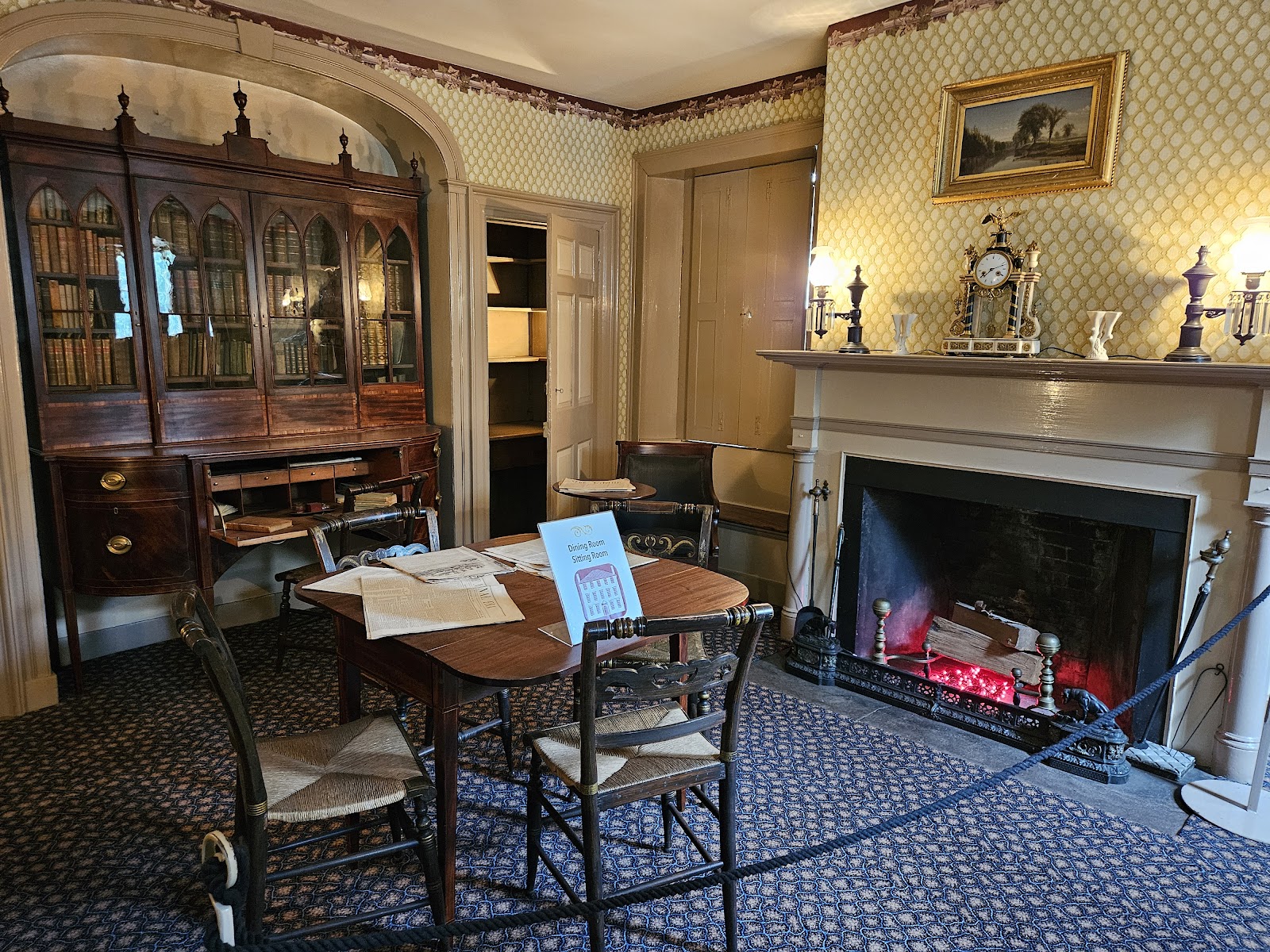
- One colonial interior frame, if permitted. Beside a small-paned window, turned into the light, room falling away. Historically appropriate and genuinely beautiful.
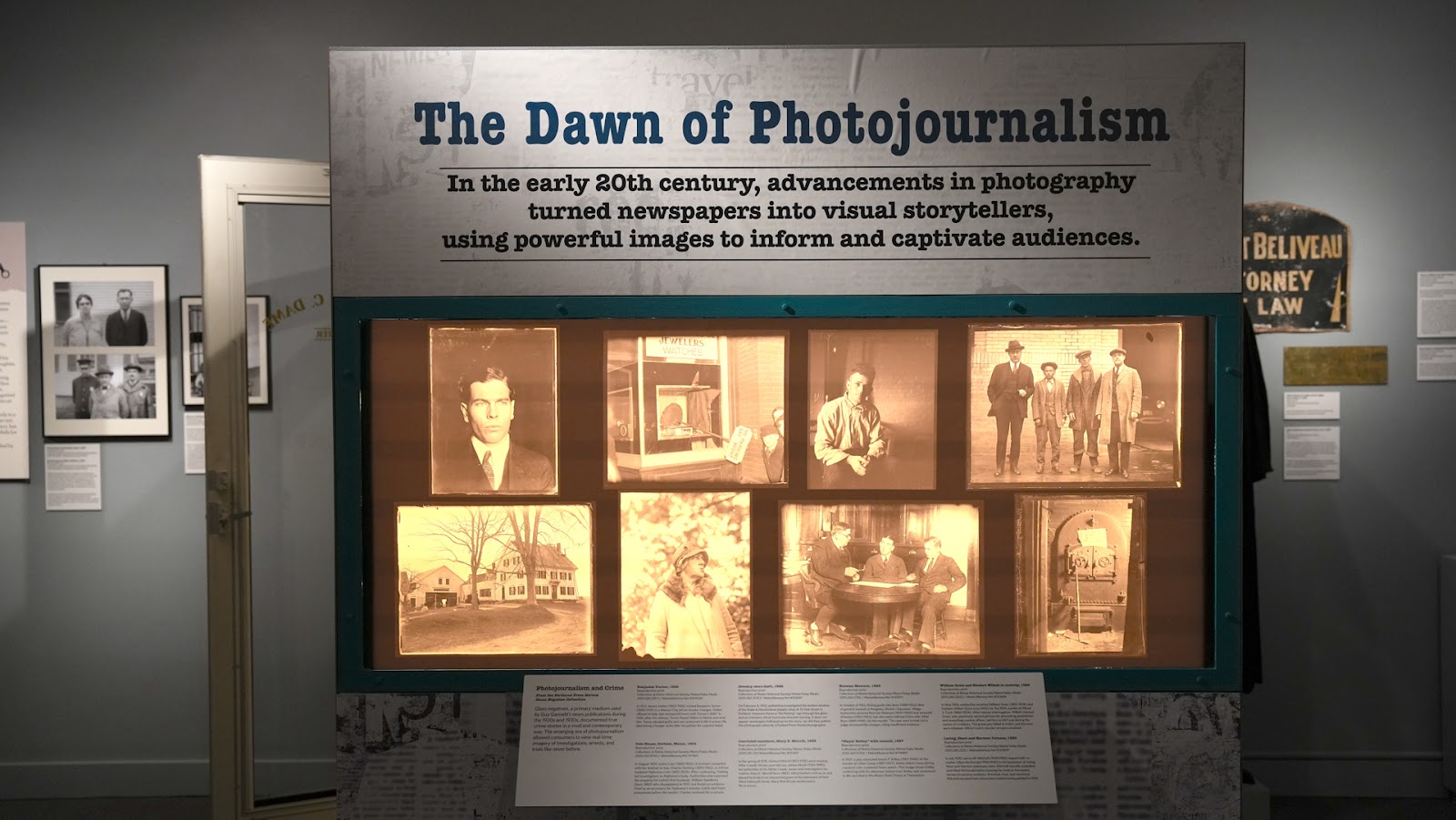
- The museum space. Contemporary, neutral and cleanly lit — a complete contrast to the house, and easier for skin tones.
- Congress Street and the Old Port. Immediately outside and a short walk respectively, for full-length portraits and the dusk block.
Three environments, three lighting approaches
The 1786 house is the darkest: small rooms, low ceilings, small-paned windows admitting modest localised light. The compensation is that colonial windows sit low in the wall, so the light arrives at chest and face height rather than from above — which is the most flattering direction there is. Work beside a window and let the room fall away.
The museum space will be contemporary — neutral surfaces, even artificial lighting, moderate ceilings. That means bounce flash works and there is no colour cast to correct, which makes it the technically easiest interior on the campus. It is also the least distinctive, so go tighter and let your own light supply direction.
The garden is daylight, and enclosed daylight at that. Walls block the wind that makes coastal Maine uncomfortable, keep it private, and bounce light inward to fill shadows. It sits in open shade for much of the day, which is forgiving and stable — the flexible part of the schedule rather than the tightly timed part.
Set white balance separately for each. A dark colonial interior, a neutral museum and an open garden share nothing, and letting auto average them gives a set of frames that do not sit together.
Timing, and Maine's daylight
The garden’s stability means the timeline is less pressured than at most venues — open shade works at almost any hour, so portraits and groups there are not tied to a narrow window. What is tied to a window is anything on Congress Street or in the Old Port, where the last hour of daylight and the twenty minutes after sunset are the good times.
Maine’s latitude makes that vary enormously. In July there is usable light well past eight, which gives a generous evening block. In December the sunset is in the middle of the afternoon, which means portraits must precede the ceremony and the colonial house will be effectively unusable for photographs by early afternoon.
Calculate it for the date. It is the single most useful piece of planning at any northern venue and it takes a minute.
For the order of the day: the empty house and museum frames early in whatever access window applies; garden portraits and groups at any point while daylight lasts; the brick exterior and Congress Street in the last hour; and the Old Port at dusk if the season allows.
What works in your favour
- Three genuinely different environments — colonial house, contemporary museum, enclosed garden
- The garden is sheltered from coastal wind, private, and evenly lit at almost any hour
- Colonial windows sit low, so the light arrives at face height — the most flattering direction
- The museum space is neutral and easy: bounce works and there is no colour cast
- Congress Street immediately outside and the Old Port a short walk away
What to plan around
- The 1786 house is very dark and cannot take a group at all
- Conservation rules in a house of that age will be firm; plan without depending on it
- Three environments need three separate white balance settings
- Golden-hour sun will not reach an enclosed garden floor
- Maine’s December sunset makes the house unusable for photographs by early afternoon
More frames from Maine Historical Society
Maine Historical Society wedding photography: common questions
What should we establish first?
Whether the 1786 Wadsworth-Longfellow House is available and under what conditions, and separately whether the garden is included. Plan a day that does not depend on the house — if access is generous the colonial interiors are a distinctive bonus, but the garden is what actually makes the venue function.
Why is the garden so important?
Because it is the only space with daylight and room for a group. It is also enclosed, which shelters it from Portland’s persistent coastal wind, keeps it private, and lets the walls bounce light inward to fill shadows. It sits in open shade for much of the day, so it works at almost any hour.
What is the light like in the 1786 house?
Dark but unusually flattering where it exists. Small-paned colonial windows admit modest localised light, and crucially they sit low in the wall — built for people seated rather than standing — so the light arrives at chest and face height rather than from above. Work beside a window and let the room fall away.
Which interior is technically easiest?
The contemporary museum space. Neutral surfaces mean no colour cast to correct, moderate ceilings mean bounce flash works, and the lighting is even. It is also the least distinctive, so go tighter and let your own light supply the direction the room does not.
How much does the season change things?
A great deal. In July there is usable light well past eight and a generous evening block; in December the sunset arrives mid-afternoon and the colonial house is effectively unusable for photographs by early afternoon. Calculate the sunset for your date — it takes a minute and it reshapes the timeline.
More Portland, ME venue guides
We are writing a photographer’s guide to every venue we would happily shoot in Portland, ME. Here are three more, plus the full index:
- The Maine State Pier: Reading the Light on a Working Waterfront
- Merrill Auditorium: Lighting a 1912 Civic Hall with a Kotzschmar Organ
- The Portland Harbor Hotel: Working an Old Port Courtyard
All Portland, ME Wedding Venues →
Planning a wedding at Maine Historical Society?
Three environments and one garden that makes them work. Tell us your date and what your booking includes, and we will build a shot list that does not depend on the house being open.