 Dry Tortugas National Park: A Walk Through an Island Fort
ZooTampa at Lowry Park, Tampa: The One Decision That Governs Everything
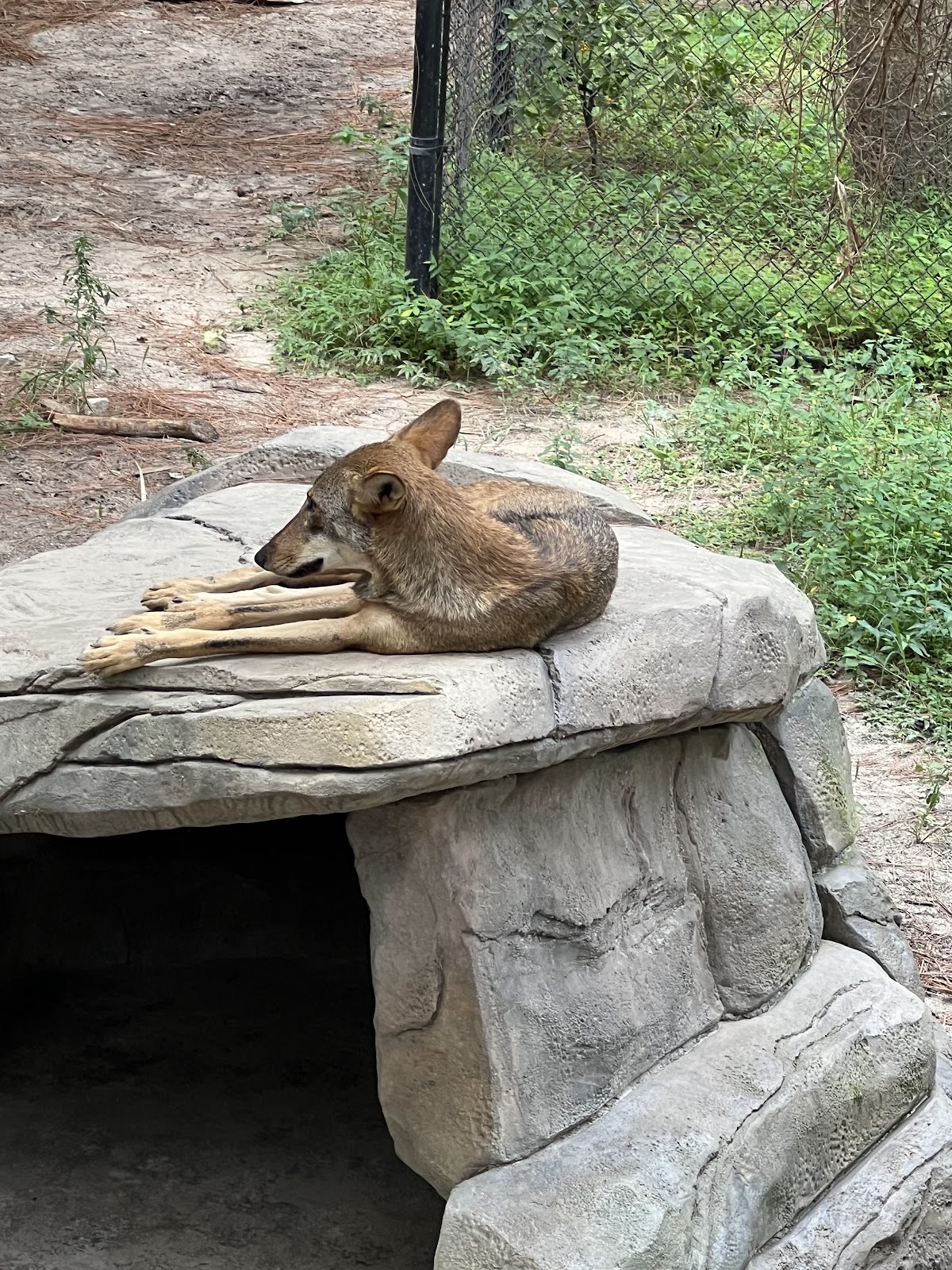
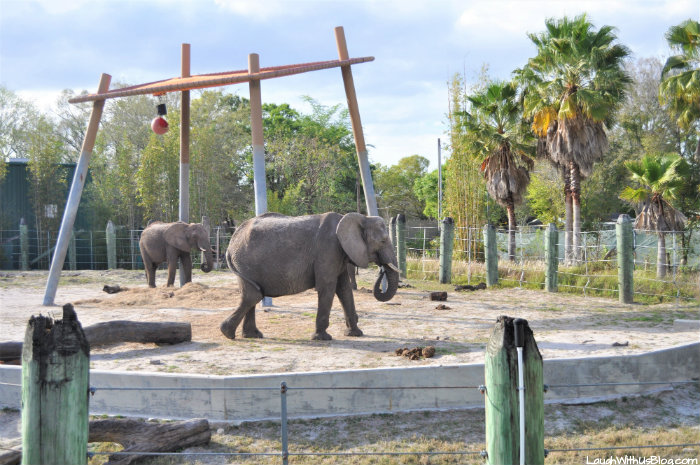
An animal in the frame is the subject. That is not a preference, it is how eyes work.
There is one decision at a zoo and everything else follows from it: is there an animal in the frame or not?
It is not a stylistic question. Human attention is built to find animals — movement, eyes, faces, unfamiliar shapes — and it finds them before it finds anything else in a picture. A giraffe visible over a couple’s shoulder is what the photograph is about, regardless of what the photographer intended and regardless of how small it is in the frame.
That makes a zoo unusual among venues. At a garden or a hotel, the background is a background. Here the background can become the subject without anyone choosing it, which means the choice has to be made deliberately, in advance, for every setup.
The two answers are both good and they are different pictures. With an animal in frame, the photograph is about the encounter: the couple and something alive, and the picture works if the animal is clearly included, well placed and doing something. Against a zoo without animals visible, the photograph is about the couple in an unusually lush and varied landscape, and the zoo becomes simply a botanic garden with good structures in it.
The failure mode is the middle: a couple with a partly obscured animal somewhere behind them, or a tail, or an out-of-focus shape that reads as an animal but cannot be identified. That frame has two subjects and no subject.
Tampa sits at about twenty-eight degrees north. The June noon sun reaches around eighty-five degrees, effectively vertical, and the December noon sun about thirty-eight. Civil twilight runs a little over twenty minutes, and a zoo is a daytime place — which means most of the work here happens in the hours a photographer would normally avoid.
We have not photographed a wedding at ZooTampa. Which areas are included, whether any animal encounters are part of the offer, what the restrictions are on access, flash and setup near enclosures, and what the permitted hours are, are questions for their team — and the flash restriction is the one most likely to change the approach.
ZooTampa at Lowry Park at a glance
| Where | A zoo on the Hillsborough River in Tampa, Florida |
| The decision | Animal in frame, or no animal visible. Never a half-visible one |
| With an animal | The picture is about the encounter — include it clearly and well placed |
| Without | The zoo is a lush botanic garden with good structures in it |
| Ask first | Access, flash restrictions near enclosures, setup rules, hours |
Working the decision
When an animal is in the frame, the picture has to be built around it, which means accepting that the animal sets the timing. People can be posed and animals cannot, so the working order reverses: find the animal doing something, then place the people in relation to it, then wait.
The practical consequences are specific. Shoot a great deal more than usual, because the hit rate depends on something you do not control. Give the couple something to do that they can sustain — looking at the animal rather than at the camera is both easier to hold and a better picture. And position for the animal’s likely movement rather than its current position, because by the time a frame is composed it has moved.
Composition needs the animal unambiguous. Whole animal, or a clearly identifiable part — a head, a neck, a recognisable profile — and never a fragment that has to be deciphered. Separation matters as much as it does for people: an animal overlapping a subject’s head is a mess, and a gap of clean background between them is the difference between a photograph and an accident.
The technical problem in this mode is the enclosure. Anything between the camera and the animal — mesh, glass, a barrier — has to be dealt with. Mesh disappears if the lens is close enough to it and the aperture wide enough, because the mesh falls so far outside the depth of field that it averages into nothing; the requirements are contact or near-contact with the mesh, a long focal length, and the widest aperture available.
Glass is harder. A glazed enclosure reflects everything behind the camera, and the only reliable fix is a lens hood pressed to the glass to exclude it. That works for an animal frame and it does not work for a frame containing people, because the people are behind the camera and cannot be excluded — which means people-plus-glass-enclosure is usually not a frame worth attempting.
When no animal is in frame, the zoo becomes one of the better garden venues in the state, and that is not a consolation. A zoo in Florida is planted densely and tropically because the enclosures need cover and screening, which means it has more mature broadleaf canopy per acre than most botanic gardens — and broadleaf canopy is the thing a Florida venue most needs.
The practical method in this mode is to work with the camera oriented away from the enclosures and to use the planting, the paths, the bridges and the built structures. The best positions are the canopy edges: a metre or two inside dense broadleaf shade, facing out toward the sunlit path, which gives soft directional light with a dark background and needs no equipment.
The screening planting is also, conveniently, designed to hide things — which means it is dense, continuous and tall, and a subject placed against it has a clean unbroken green field behind them. That is a better portrait background than most gardens can offer, because a garden is designed to be seen into and a screen is designed not to be.
The rest of what a zoo is
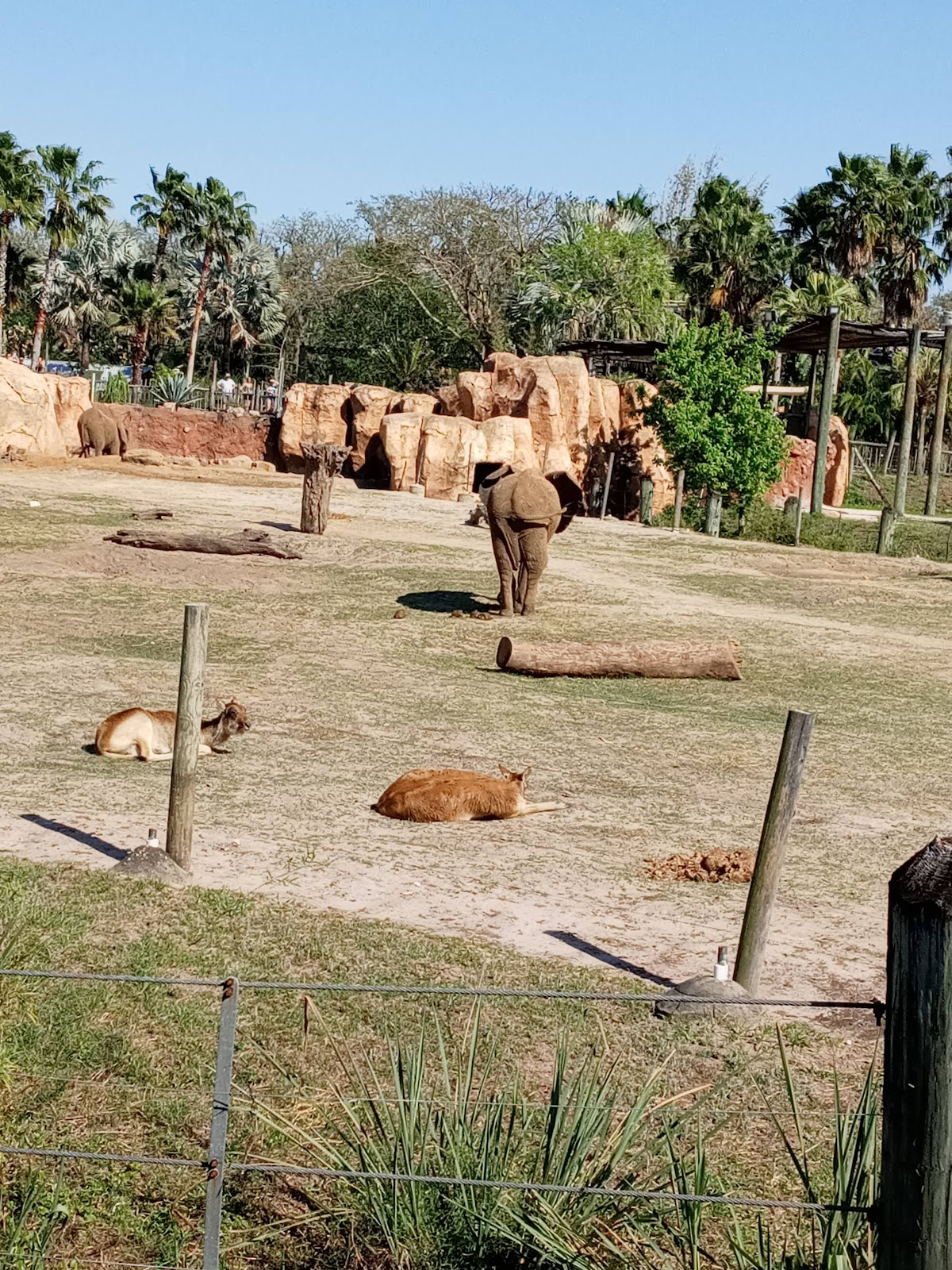
Zoos have infrastructure, and the infrastructure is the main compositional hazard. Signage, interpretive panels, litter bins, railings, service doors, hoses and fencing are everywhere, because a zoo is a working facility for a large public. None of it is hidden and all of it appears in frames taken without looking.
The fixes are the ordinary ones and they have to be habitual: a step to one side, a lower camera with planting across the bottom of the frame, a longer lens at a wider aperture to throw it out, or a tighter crop. The discipline is to check the whole frame before releasing rather than after, because a red plastic bin at the edge of an otherwise good portrait cannot be removed later without it showing.
People are the other constant. A zoo during opening hours has a public in it, and a wedding party is competing for the same paths. The practical answers are timing — early, late, or outside public hours if the venue offers it — and long lenses, which compress the background enough that a crowd thirty metres away becomes a soft texture rather than a group of strangers.
The animal houses and indoor exhibits are a specific lighting environment worth understanding. They are dim, often deliberately so; the colour temperature is mixed and frequently well outside daylight; and the lighting is designed to illuminate an enclosure rather than a walkway, which means strong pools with dark gaps. Where flash is permitted, a warm-gelled source balanced to the room works. Where it is not — and near many animals it will not be — the answer is a fast lens, a high sensitivity setting, and accepting the room’s colour rather than fighting it.
Any aquarium or aquatic exhibit is the extreme version: very low light, strongly blue-green, and behind glass. A subject standing beside a large illuminated tank is lit by it, which produces a striking cyan-keyed portrait that needs either a warm source to balance the skin or a deliberate commitment to the colour. Half-corrected is the worst of the three.
The Florida notes apply as everywhere in this state. The midday sun is effectively vertical in summer, and the only usable cover is broadleaf canopy — the palms, of which a Florida zoo has many, throw a hard slatted shadow and are background material only. The dense planting means the light under canopy is strongly green, which is fixed by standing at the edge or by a warm source, and not by a global white balance correction.
The Hillsborough River runs past this part of Tampa, which gives water at the site’s edge, and water at Florida latitudes is the most useful natural reflector available — it fills under brows and chins, which is where a high sun leaves people dark. Calm water belongs to the morning, before the day’s heating starts a breeze.
And the standing hazard: in the warm half of the year an air-conditioned building sits far below the outdoor dew point, so a lens carried from an animal house into the grounds fogs immediately and clears in ten to twenty minutes. At a venue built around moving between indoor exhibits and outdoor paths, that argues strongly for two bodies with different jobs.
- Find the animal first, then place the people, then wait
- Whole animal or an identifiable part — never a fragment to decipher
- Mesh disappears at contact with a long lens wide open; glass plus people does not work
- Check the whole frame for signage and bins before releasing
- Screening planting is the best portrait background on the site
The west-central Florida year
Two seasons, and for a zoo the difference is about the animals as much as the light.
The dry season, roughly November to April, is the better half. Humidity drops, the air clears, the afternoon storms stop, and a December noon sun around thirty-eight degrees models faces rather than flattening them — which matters a great deal at a venue where most of the work happens between ten and four. The whole day becomes usable instead of only its ends.
It is also more comfortable for a wedding party in formal clothes walking a large site, which is a real consideration at a venue measured in acres rather than rooms.
The animals are more visible and more active in the cooler months, and that is directly relevant to the decision this page is about. Many species are least active in the heat of a Florida summer afternoon and most active in the cool of a winter morning, which means an animal-in-frame photograph is significantly more likely in January at ten in the morning than in July at two.
The wet season, roughly May to October, is hot and humid and the planting is at its fullest. For the no-animal mode that is an advantage: the canopy is denser, the greens are deeper, and the screening is complete. For the animal mode it is a disadvantage, because the heat keeps many animals under cover in the afternoons.
Dew points in the mid-twenties Celsius put haze in the air, which lowers contrast at distance — less damaging at an enclosed garden-scale site than at an open one, but visible in any wide frame. And the condensation problem is at its worst here, because a zoo requires frequent transitions between cooled buildings and humid outdoor air.
The afternoon storms have a mechanism worth knowing. Sea breezes push inland from the Gulf and the Atlantic and collide over the Florida peninsula, forcing air upward — which is why this state records more lightning than any other, and why the cells arrive in the afternoon with some regularity. An outdoor ceremony between June and September needs a named covered alternative, and at a zoo the indoor spaces are the alternative, which makes the question specific: which indoor space, and how many people does it hold.
What the storms give back is the best light of the wet season. Wet tropical foliage is darker and considerably more saturated than dry foliage, the paths return the sky, and broken cloud overhead makes every part of the site usable at once — including, for the only time in a sunny month, the areas shaded only by palms.
Hurricane season runs June to the end of November and peaks mid-August to mid-October. For a heavily planted site a major storm has a long aftermath: shredded canopy takes seasons to look complete again, which is a question for the venue after an event rather than a forecast.
Mosquitoes are a real consideration at dusk in the wet season at any densely planted Florida site with standing water, and a zoo has both. It belongs in the planning conversation for an evening ceremony.
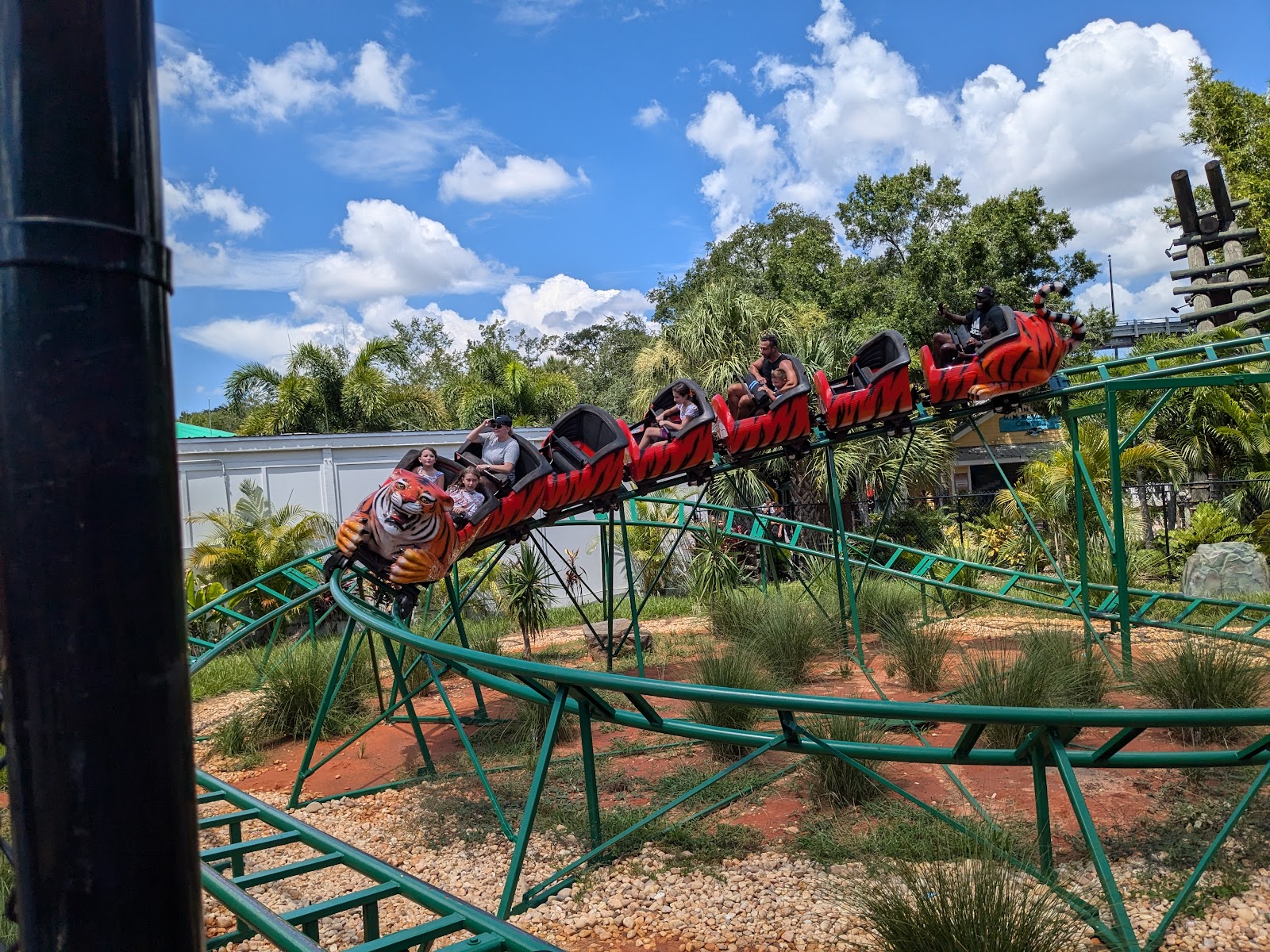
More frames from ZooTampa at Lowry Park
ZooTampa at Lowry Park wedding photography: common questions
What is the one decision?
Whether an animal is visible in the frame. Human attention finds animals first, so an animal in the background becomes the subject whether or not that was intended.
What is the frame to avoid?
A partly obscured or unidentifiable animal behind the couple. That picture has two subjects and no subject.
How do I shoot through enclosure mesh?
Get the lens to or near the mesh, use a long focal length and the widest aperture. The mesh falls so far out of focus that it averages away.
Can I shoot people against a glass enclosure?
Usually not. A lens hood pressed to glass kills reflections for an animal frame, but the people are behind the camera and will reflect. It is rarely worth attempting.
Where is the best portrait light here?
At the edge of the dense broadleaf screening planting, facing out toward a sunlit path. Screens are designed not to be seen into, which makes them clean backgrounds.
When are the animals most likely to cooperate?
Cool mornings in the dry season. Many species are least active in the heat of a Florida summer afternoon.
More Florida venue guides
We are writing a photographer’s guide to every venue we would happily shoot in Florida. Here are three more, plus the full index:
- Miami Seaquarium: What It Suits and What It Does Not
- Morikami Museum & Japanese Gardens, Delray Beach: One Frame and How It Is Made
- Naples Grande Beach Resort, Naples: The Problem and Four Ways Out of It
Planning a wedding at ZooTampa at Lowry Park?
With an animal or without — we will decide each frame on purpose. Tell us your date.