 Salmonberry Inn, Anchorage: One Frame, and How It Is Made
Black Diamond Resort, Healy: The One Decision That Governs Everything
Denali is hidden most days. Build the plan on that and the day works either way.
At a venue near the Denali park entrance there is one decision that governs the photographic day, and it is whether the plan depends on the mountain being visible.
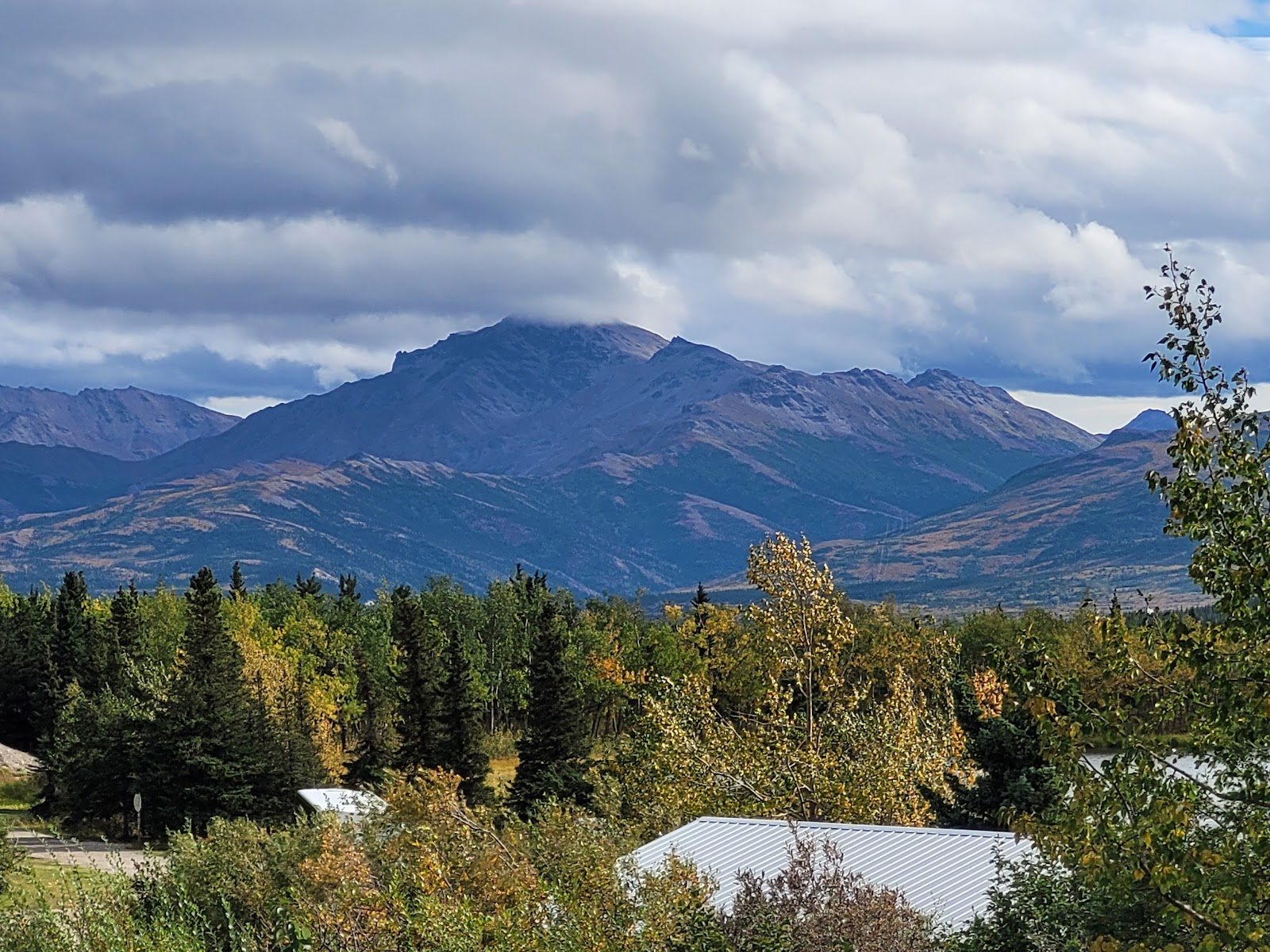
The honest numbers are not encouraging. Denali is high enough to generate its own weather, and it spends the large majority of days in cloud — a visitor who sees it clearly is having a good day rather than an ordinary one. Any plan whose best frames require the mountain is therefore a plan that will most likely not happen.
The decision is between two approaches. Build the day around the mountain, which means keeping the schedule flexible, having a long lens ready, going out early when the odds are best, and accepting that it may not appear at all. Or build the day around what is reliably there, which is open subarctic country — tundra, taiga, broad valleys and ridges — and treat the mountain as a bonus if it shows.
The second approach produces a better set of photographs in almost every case, because it means the work is planned rather than contingent. The first is worth taking only when a couple has come specifically for the mountain and understands the odds.
What is reliably there is genuinely good. The country around the park entrance is open and enormous: rolling tundra, spruce taiga, the Nenana river cutting through, and ridges in every direction. It is a landscape of scale and colour rather than of a single feature, and at around sixty-four degrees north the light rakes rather than falls at every hour of the day.
We have not photographed a wedding at the Black Diamond Resort; venues on the open ground near the park entrance behave consistently. Which spaces are included, what the covered alternative is, whether the venue operates seasonally, what access there is to the surrounding country, and what the bear guidance is are questions for their team — and seasonal operation in particular is worth confirming for any date outside the summer.
Black Diamond Resort at a glance
| Where | Open subarctic country near the Denali park entrance at Healy, Alaska |
| The decision | Whether the plan depends on the mountain, which is usually hidden |
| The better bet | Plan for the open country and treat Denali as a bonus |
| What is reliable | Tundra, taiga, the river, the ridges, and light that rakes all day |
| Ask first | Seasonal operation, spaces included, covered alternative, bear guidance |
If the plan depends on the mountain
Betting on Denali is a legitimate choice if it is made knowingly, and there are four things that improve the odds.
The first is the hour. The mountain is most likely to be clear early in the morning, before the day’s heating drives convection and builds cloud around the range — which means a dawn attempt is the best chance anyone gets. At this latitude in summer that means three or four in the morning, which is an odd request and the honest one.
The second is the season. Clear air and settled weather are more likely in late winter and in early autumn than in midsummer, and the clearest air of the year in interior Alaska is in the cold months. A March or a September attempt has better odds than a July one.
The third is the lens, and it has to be genuinely long. Denali is a long way from the park entrance area, which means a wide lens renders it as a small pale triangle on the horizon above a great deal of country — and the scale, which is the entire subject, is lost completely. Compression is what makes it read as the enormous thing it is.
The interior air is exceptionally clean and dry, which is why that compression works at all: snow structure, ridgelines and shadow on the flanks survive at a great distance in a way they would not in humid country.
The fourth is the exposure, and it goes on the mountain rather than on skin. A snow-covered peak is brilliantly bright and a face in the foreground is not — which means metering on faces gives a white shape where the mountain should be. Expose so the snow holds structure, then lift the faces with a close warm-gelled source.
Close matters because open tundra bounces some light but not enough to lift a backlit face: a source at two metres needs roughly a quarter of the output of the same source at four.
And the light on the mountain is best when it is low, because a low sun rakes across the snow and puts relief into the whole range rather than flattening it. In the middle of the day a distant snow peak reads as a flat white shape even when it is perfectly clear.
The practical form of the bet is to keep a long lens ready throughout the day and to be willing to interrupt anything else when the cloud lifts — because it can lift for twenty minutes and close again. That means telling the couple in advance that a sudden two-minute detour may be asked for, which most couples who came for the mountain are glad to agree to.
What it should not mean is building the ceremony position or the timing around a view that has a small chance of existing. That is the mistake, and it costs the whole day rather than one frame.
If the plan is built on the country
Planning for the open country is the better bet and the country deserves it, because near the park entrance it is a landscape of enormous scale that most people drive past on their way to look at a mountain.
The tundra is the first element and it is the reason to be here in autumn. Alpine and subarctic tundra is a low dense mat of dwarf shrubs, berry plants and lichen, and in late August it turns red, orange and crimson across entire slopes — which makes a hillside a field of colour rather than a scattering of trees. That is unlike anything in the lower forty-eight and it happens weeks earlier.
The photographic use of it is as a foreground layer and as a background mass. A low camera with tundra in the foreground and a ridge behind gives depth that a standing frame does not; and a longer lens compressing a coloured slope behind a couple gives a wall of colour that no temperate canopy can match.
The taiga is the second element and the shade. Interior spruce grows narrow and spire-shaped on cold ground, which means the canopy is thin and dapples more than a coastal stand — but a spruce mass behind a subject is still three or four stops down, which is free separation. The canopy edge is the reliable position: a metre or two inside at the margin of an opening, soft directional light in front and near-darkness behind.
The metering correction is the standard one: dark spruce makes a meter overexpose a face by a couple of stops, and bright tundra or snow fools it hard the other way. Manual, metered on skin, reset at every transition.
Birch and aspen are the counterpart, with bright white and pale grey-green bark that makes a stand a pale background of vertical lines rather than a dark one — and the meter will underexpose because the bark is bright. White birch against near-black spruce is the northern signature and it is at its cleanest in the interior.
The river is the third element. The Nenana is a glacial river, which means it is grey with rock flour and braided across gravel bars — a graphic subject of pale woven channels on dark gravel, best seen from above or along on a longer lens. It does not brighten a frame the way clear water does, and it fills nearby faces with a cool grey cast that a custom white balance handles.
The light is the fourth and it is the reason working here is easier than it looks. At around sixty-four degrees north the sun reaches only about forty-nine degrees above the horizon at midsummer noon and far less the rest of the year, which means it rakes across open ground rather than falling into it. There is no hour at which the sun is high enough to flatten a face, so the position matters and the clock does not.
And the day is enormous in summer: because the sun’s path is shallow, the low warm light lasts two or three hours rather than forty minutes, and the usable light runs from about three in the morning until near midnight. A portrait session at ten in the evening is entirely reasonable and will be better lit than one at two in the afternoon.
Wind on open tundra is the practical constraint — a lightstand is a liability and a held modifier is a sail, so handheld or bracketed sources are the working configuration.
Mosquitoes are the summer constraint and in interior Alaska they are serious rather than annoying, worst in June and early July and less bad on open windy ground than in sheltered taiga.
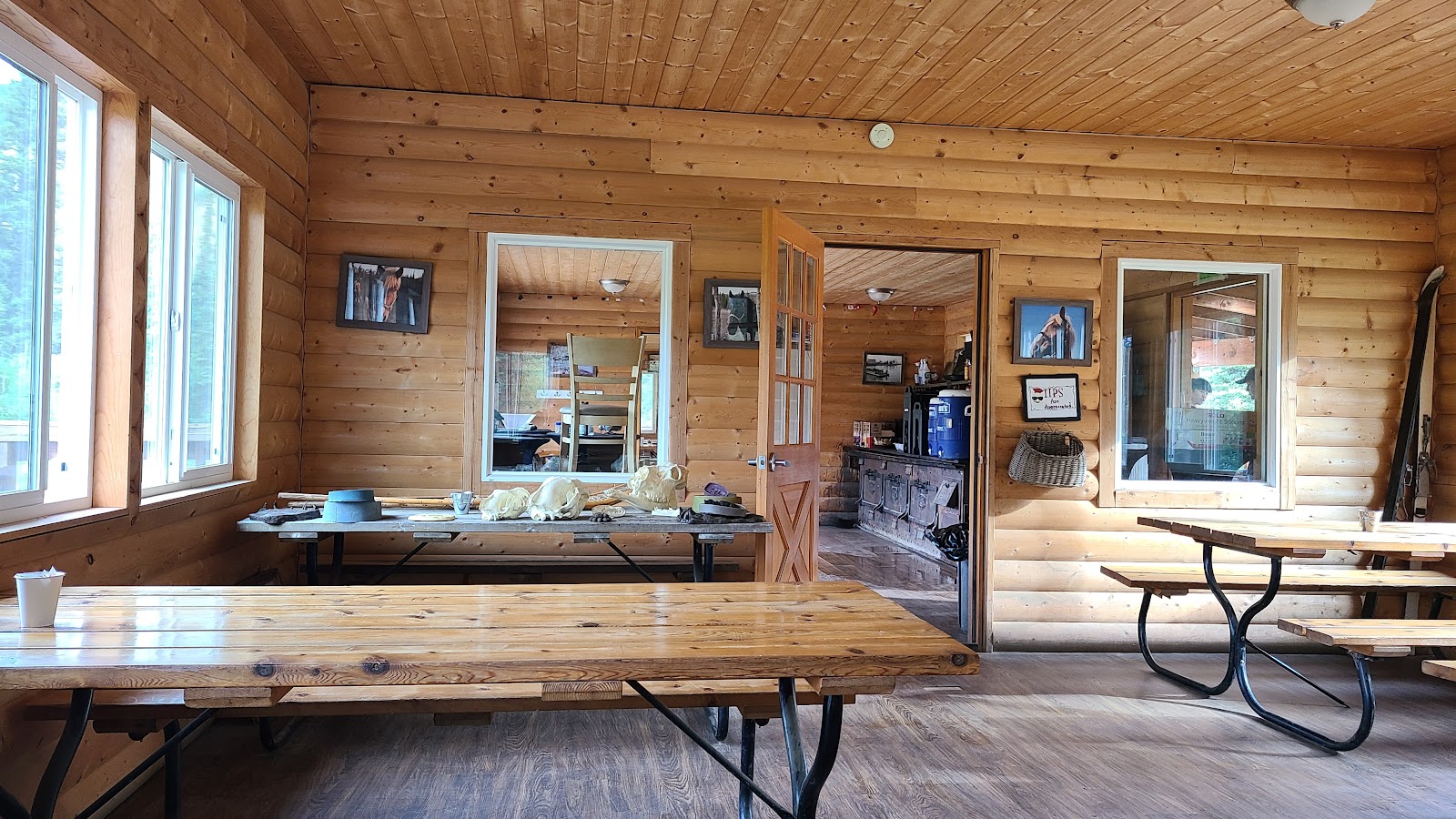
And the buildings are the weather-independent part. A timber building in this climate absorbs, which means the ambient indoors is a stop or two below what the eye estimates and the background drops away for free. A subject a metre from a window turned about forty-five degrees to it gets horizontal light with steep fall-off — and because the sun is low all year, that light travels much further into the room than it would further south.
Room lights off, and a custom white balance set on a face, because a window facing snow or tundra delivers markedly different light from one facing spruce.
- Do not build the ceremony or the timing around Denali appearing
- If betting on it: dawn, a very long lens, and expose for the snow
- Plan for the tundra instead — it is reliable, and in autumn it is the subject
- Get low and use tundra as a foreground layer; it gives depth
- There is no bad hour, and the good light runs to eleven at night

The Denali-area year
This is interior Alaska and the year is among the most extreme in this guide, with a short intense season and a long dark winter.
The first practical question for any date outside the summer is whether the venue operates at all. Much of the infrastructure near the park entrance runs seasonally, which makes that a definite question rather than an assumption — and it is worth asking before anything else for a date between October and April.
Midwinter gives about four and a half hours of daylight with the sun reaching barely four degrees above the horizon, which means the whole short day is an extended twilight — soft, raking and strongly blue and pink toned. Against snow and spruce that is the most distinctive light in this guide.
The cold is the honest limit. Interior Alaska in January routinely reaches thirty or forty below zero Fahrenheit, which makes an outdoor ceremony a matter of a few minutes rather than an hour and a welfare judgement rather than a preference. Batteries fail fast, breath freezes on a viewfinder, and a cold camera fogs badly when brought inside — spares in an inside pocket and bodies bagged until they warm.
What winter gives is snow, clarity and aurora. Dry crystalline interior snow is exceptionally reflective and the best natural fill available; snow against near-black spruce is the widest brightness range in this guide, so expose for the snow and let the conifer go black, overexposing deliberately relative to the meter, which snow fools by about two stops.
Winter air is also the clearest of the year, which for anyone betting on Denali is the season with the best odds — though the cold and the short day make a winter attempt a serious undertaking.
And the aurora here is as good as anywhere on earth, because interior Alaska sits under the auroral oval with clear dry air and long dark nights. A frame with northern lights over spruce and snow is the most distinctive picture available in this guide.
Break-up in April and May is the least attractive time of year: dirty patchy snow, mud, bare trees and roads that suffer. Early May in the interior is not spring in any recognisable sense.
June is when it turns and it turns fast. Under twenty-one hours of daylight the green arrives within a fortnight and the season opens. Mosquitoes arrive with the green; cloud around the range is at its most persistent; and the area is at its busiest, which matters because the park entrance in July is a crowded place.
July is the warmest month, and fireweed gives the strongest colour of the Alaskan summer — tall magenta spires across cleared ground and roadside in quantity, a genuine foreground rather than a detail.
Late August into early September is the best season overall and it is not close. The tundra turns red and orange across whole slopes; birch and aspen turn a clean intense gold; the first snow appears on the range; the air begins to clear, which improves the odds on the mountain; the crowds thin; and by early September the nights are dark enough for aurora while the days are still long enough to work in comfortably.
Red tundra, gold birch, near-black spruce, fresh snow on the range and northern lights on one date is the strongest combination available in this guide, and the window is short — roughly the last week of August through the middle of September.
That fortnight is also when the mountain’s odds are better than at any other time in the season, which means it is the one period when building some flexibility around Denali is a reasonable bet rather than a bad one.
Late September brings the first hard freezes and the end of the season, and by October the area is closing down.
More frames from Black Diamond Resort
Black Diamond Resort wedding photography: common questions
What are the odds of seeing Denali?
Poor. The mountain generates its own weather and is in cloud most days. Any plan whose best frames need it will most likely not happen.
How do I improve the odds?
Go at dawn before convection builds, choose a shoulder-season date when the air is clearer, and keep a very long lens ready all day.
How is the mountain exposed?
For the snow, so it holds structure, with the faces lifted by a close warm-gelled source. Metering on faces gives a white shape where the peak should be.
What should the plan be built on instead?
The open country — tundra, taiga, the river and the ridges. It is reliable, and in late August the tundra colour is the real subject.
Is there a bad hour for light?
No. At sixty-four degrees north the sun never gets high enough to flatten a face, and the good warm light runs to eleven at night in summer.
What should we check for a winter date?
Whether the venue operates at all. Much of the infrastructure near the park entrance is seasonal, and it is a definite question.
More Alaska venue guides
We are writing a photographer’s guide to every venue we would happily shoot in Alaska. Here are three more, plus the full index:
- Blueberry Lodge, Homer: Field Notes
- Eagle Crest Lodge, Eagle River: The Problem, and Four Ways Out
- Glacier View Lodge, Glacier View: One Frame, and How It Is Made
Planning a wedding at Black Diamond Resort?
Plan for the country, hope for the mountain. Tell us your date.