 Overhills Mansion: Who This Venue Suits, and Who It Doesn’t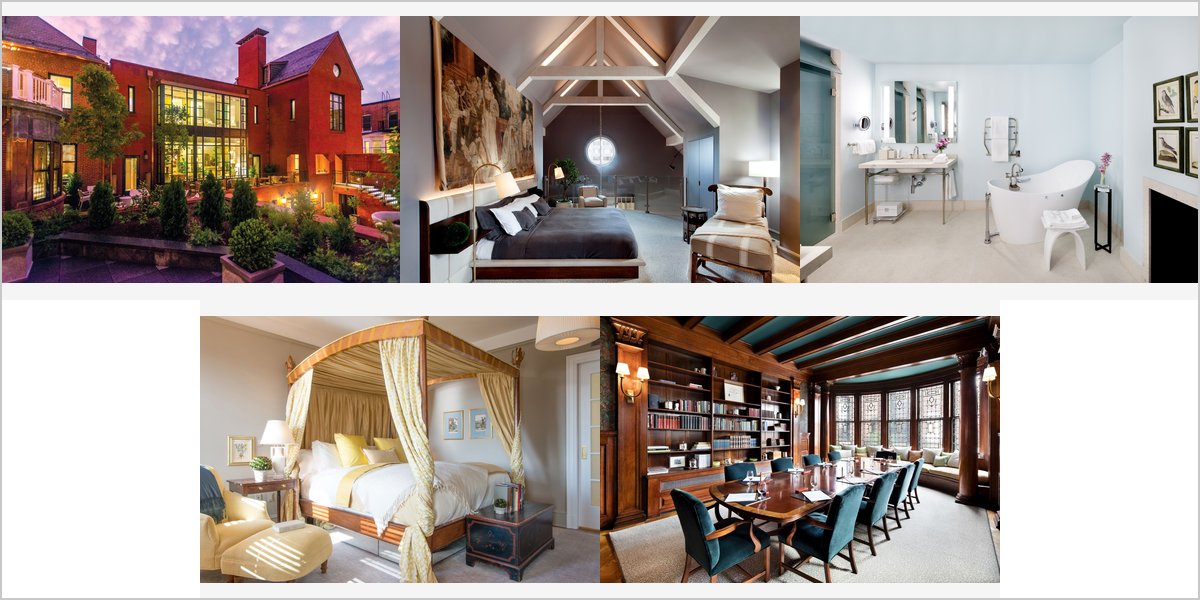
June 18, 2026
The Ivy Hotel: Reading the Light in a Small Mansion Hotel
A small mansion hotel with a courtyard and a conservatory. Two genuinely good light sources in one building — which is more than most Baltimore venues can claim.
The Ivy Hotel occupies an 1889 brownstone mansion in Baltimore’s Mount Vernon, converted into a small luxury hotel. Alongside the period rooms it has a conservatory and a walled courtyard garden, which for a photographer are the two most interesting features on the property.
The reason is straightforward. Most historic-mansion venues offer one kind of light — window light in dark panelled rooms — and then send you outside for everything else. Here there are three distinct environments: period interiors with tall windows, a glazed conservatory, and an enclosed outdoor garden. That gives real variety inside a small footprint, and it means a rainy day does not collapse the plan.
This is a light-and-timeline guide. We have not photographed a wedding at the Ivy. The optical behaviour of glazed conservatories, walled courtyards and brownstone interiors is consistent and predictable; capacity, which spaces are included and hotel policy are for their team, and at a small hotel the answer to ‘how many people fit’ matters more than usual.
The Ivy Hotel at a glance
| Where | Mount Vernon, Baltimore, Maryland — an 1889 brownstone mansion |
| Character | Small luxury hotel with period rooms, a conservatory and a walled courtyard garden |
| Light | Three distinct environments: window light, glazed conservatory, enclosed courtyard |
| Scale | Intimate — the defining characteristic, for better and worse |
| Ask first | Guest numbers, which spaces are included, and whether the courtyard is exclusive |
The conservatory is the best light in the building
A glazed room admits light through the walls as well as the roof, which means it arrives laterally rather than purely from above. That distinction matters more than almost any other in interior photography: lateral light fills eye sockets, while top light shadows them. A conservatory therefore gives you portrait light that an atrium or a skylit hall cannot.
It is also soft, because the glazing and any planting scatter it, and it is abundant relative to a brownstone interior. On an overcast Baltimore day a conservatory is effectively a large softbox you can stand inside. On a bright day expect glazing-bar shadows across the floor, which are attractive on surfaces and unusable across a face — work the shaded portions and treat the pattern as background.
The colour caution is the usual one for planted glass rooms: foliage bounces green onto skin. Set white balance in the room rather than trusting auto, and keep a metre of separation between people and dense planting.
The walled courtyard, and why enclosure helps
An enclosed courtyard behaves quite differently from an open garden, in three useful ways. It is sheltered from wind, which matters for veils, hair and light modifiers. It is private, so there are no strangers in frames and nobody is hurrying you. And the walls bounce light inward, filling shadows from the sides in a way an open lawn cannot.
The trade is that a walled courtyard receives less direct sun and is often in shade for much of the day, particularly in a city block. That is mostly good news — open shade in an enclosed space is beautiful, even light — but it means you should not expect golden-hour sun to reach the courtyard floor. If you want low direct light, that happens on the street outside or not at all.
It also means the courtyard works in weather that would cancel an open-garden plan. Light rain in a sheltered courtyard is manageable and looks good on brownstone and planting. In a city with Baltimore’s summer thunderstorms, that is a real advantage.
The interiors, and the honest limit
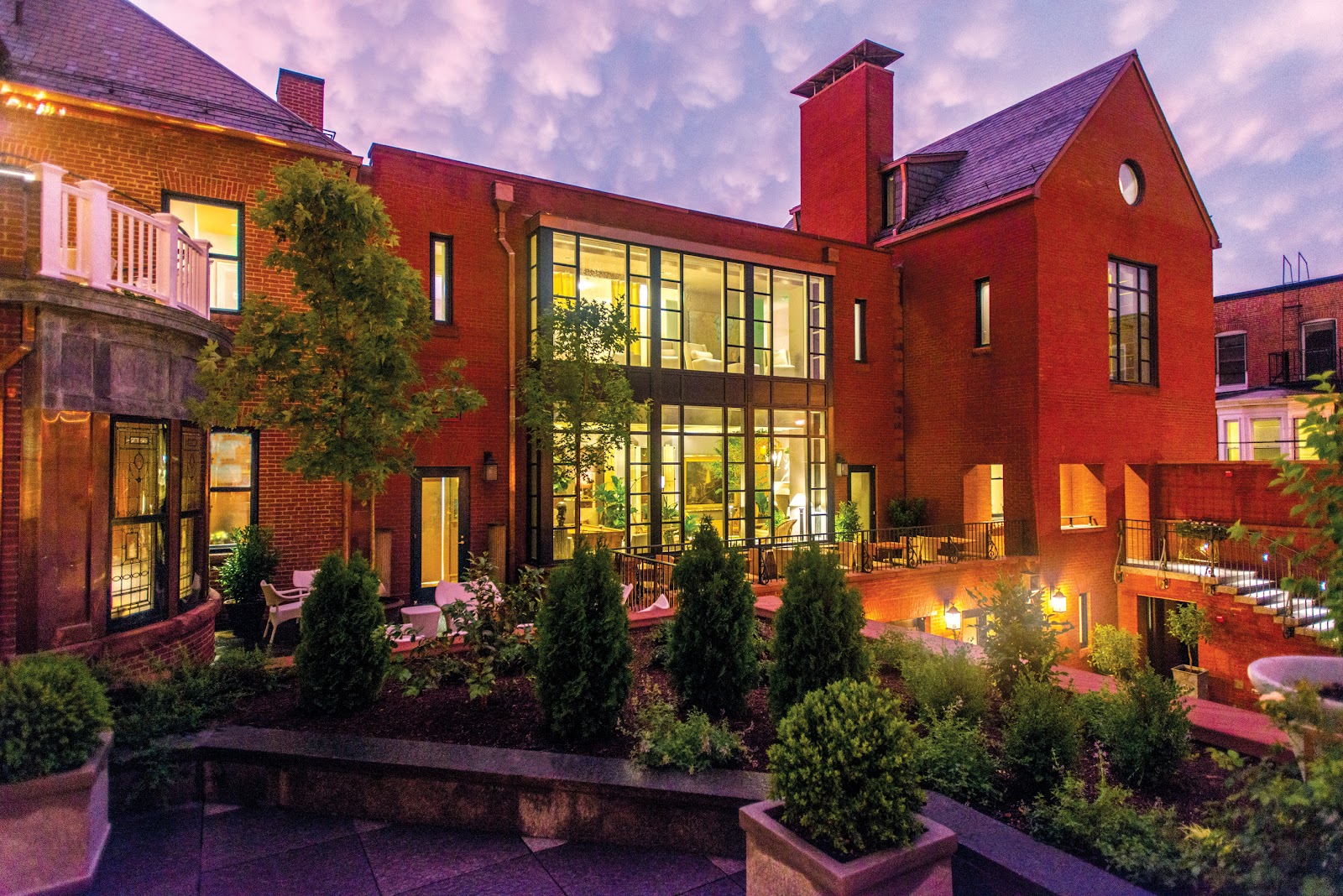
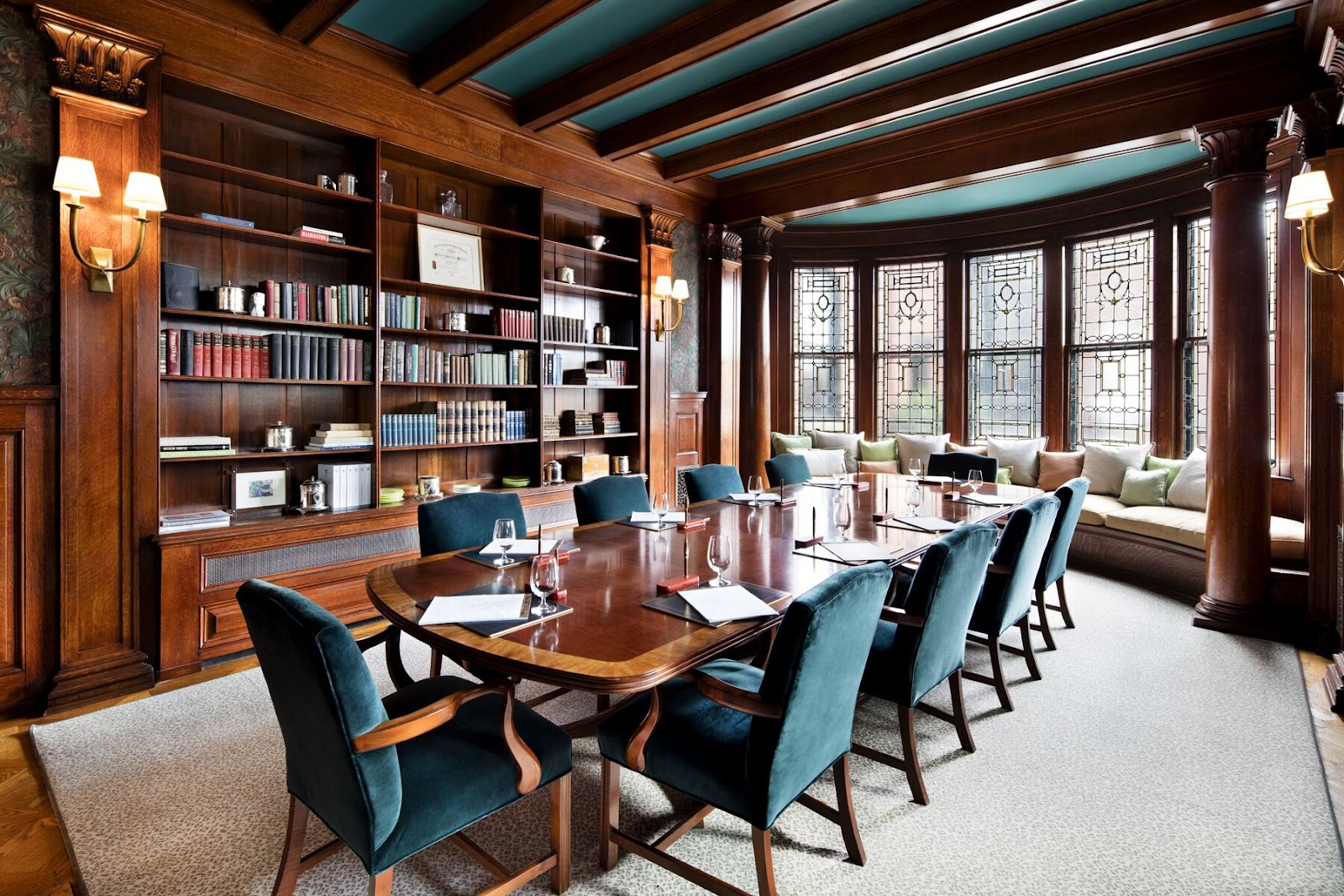
The period rooms are what you would expect of an 1889 brownstone: tall windows, high ceilings, timber and plaster, warm lamps. Daylight reaches two to three metres from the glass and then falls away. The rooms are handsome and they are small.
Small is the honest limit of this venue. An intimate mansion hotel is delightful for a guest list of thirty to eighty and cramped beyond that, and cramped photographs badly — no clean backgrounds, people in every frame, nowhere to place a group. Large family groups will not work indoors; they belong in the courtyard or on the street.
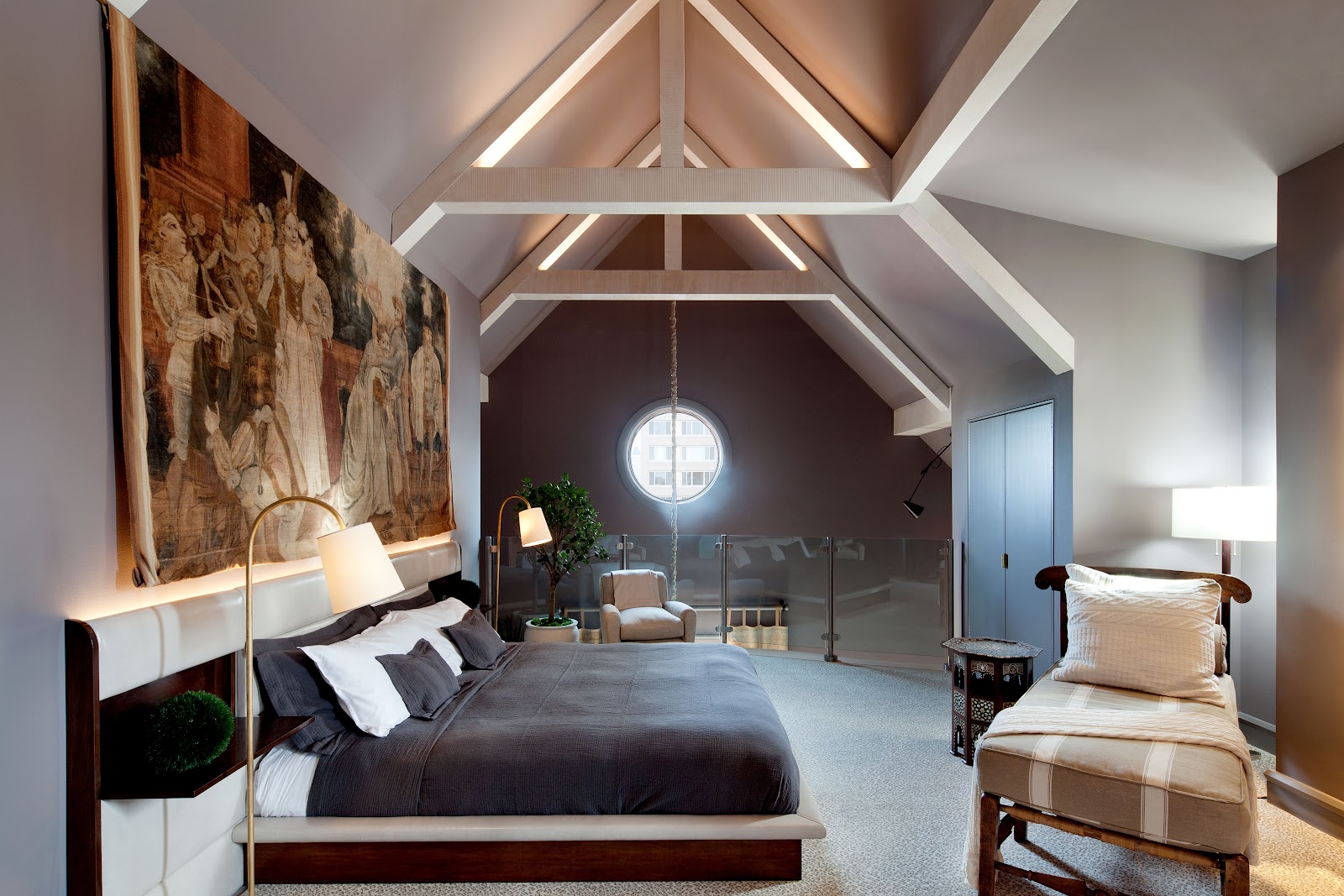
Within that constraint, the interiors are genuinely good. High-ceilinged rooms with tall windows produce soft directional light with real falloff, and a small hotel’s staircase and corridors give you architectural frames. Work close to windows, let the depth of the rooms go dark, and shoot the detail — a small luxury hotel is finished to a standard that rewards close frames.
The timeline, using all three environments
The sequence that makes the most of this building, working from the light rather than from convention.
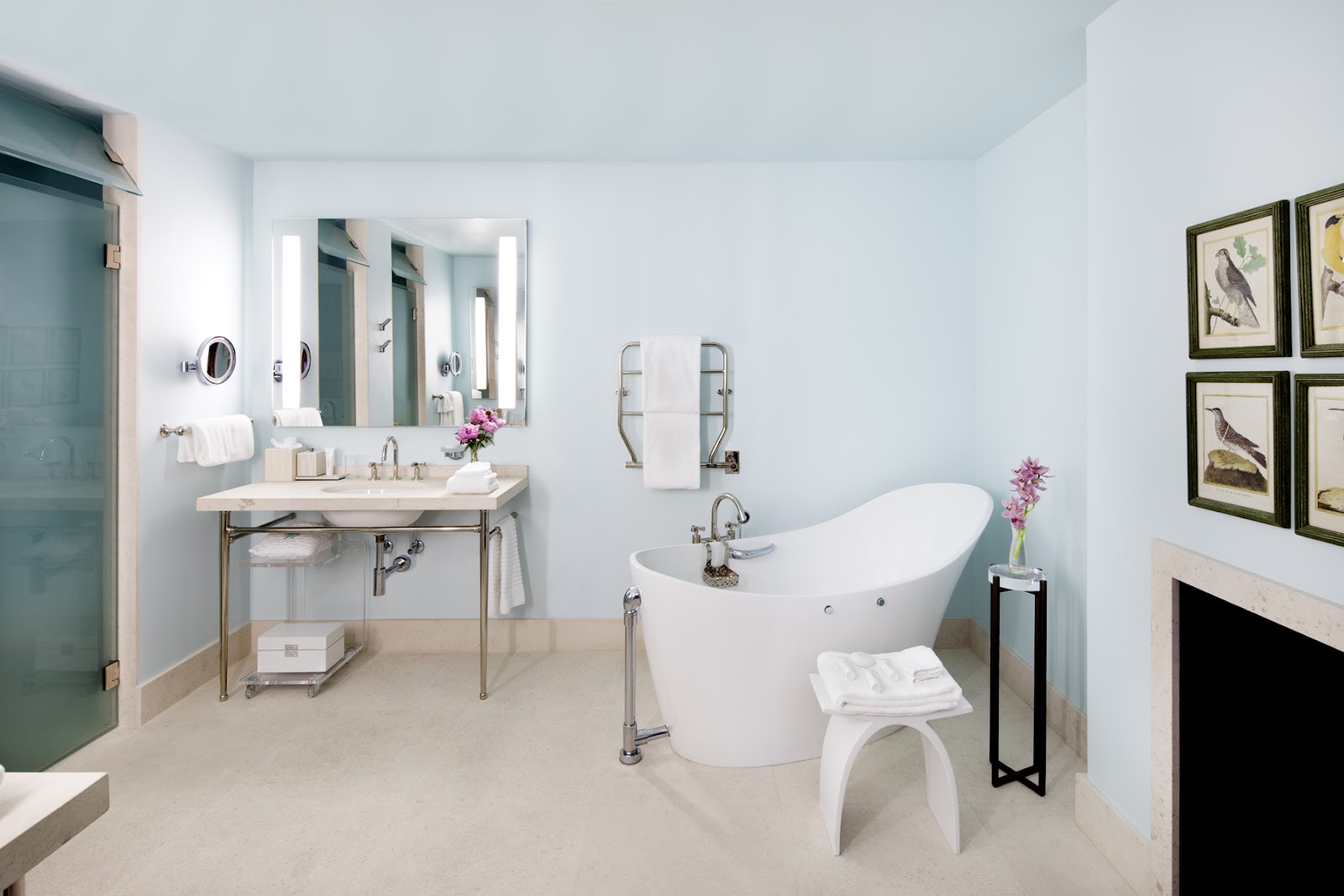
- Preparation in a guest room with a street-facing window. Lights off, everything moved to the glass. Straightforward at a hotel where you are staying.
- Couple’s portraits in the conservatory. The best light on the property, available at any hour and in any weather. Do this first and the key frames are secured.
- Groups in the walled courtyard. Sheltered, private, evenly lit, and the only space with room to arrange people.
- Interior detail and staircase frames while the rooms are empty, usually just before guests are seated.
- Ten minutes on Mount Vernon Place at dusk. The Washington Monument and the square are a short walk, and this is where low directional light actually exists.
What works in your favour
- A glazed conservatory gives lateral light — the most flattering interior light available
- A walled courtyard is sheltered, private, and usable in weather that cancels open gardens
- Three distinct environments in a small footprint, so a gallery has genuine variety
- Accommodation on site makes the getting-ready coverage easy and daylight-lit
- Mount Vernon Place a short walk away for dusk and for elevated formality
What to plan around
- Intimate scale: comfortable to roughly eighty guests, cramped beyond that
- Large family groups will not work in the interior rooms
- The courtyard is often in shade, so golden-hour sun will not reach it
- Planting in the conservatory bounces green onto skin; manage white balance and separation
- Bright days put glazing-bar shadows across the conservatory floor, unusable on faces
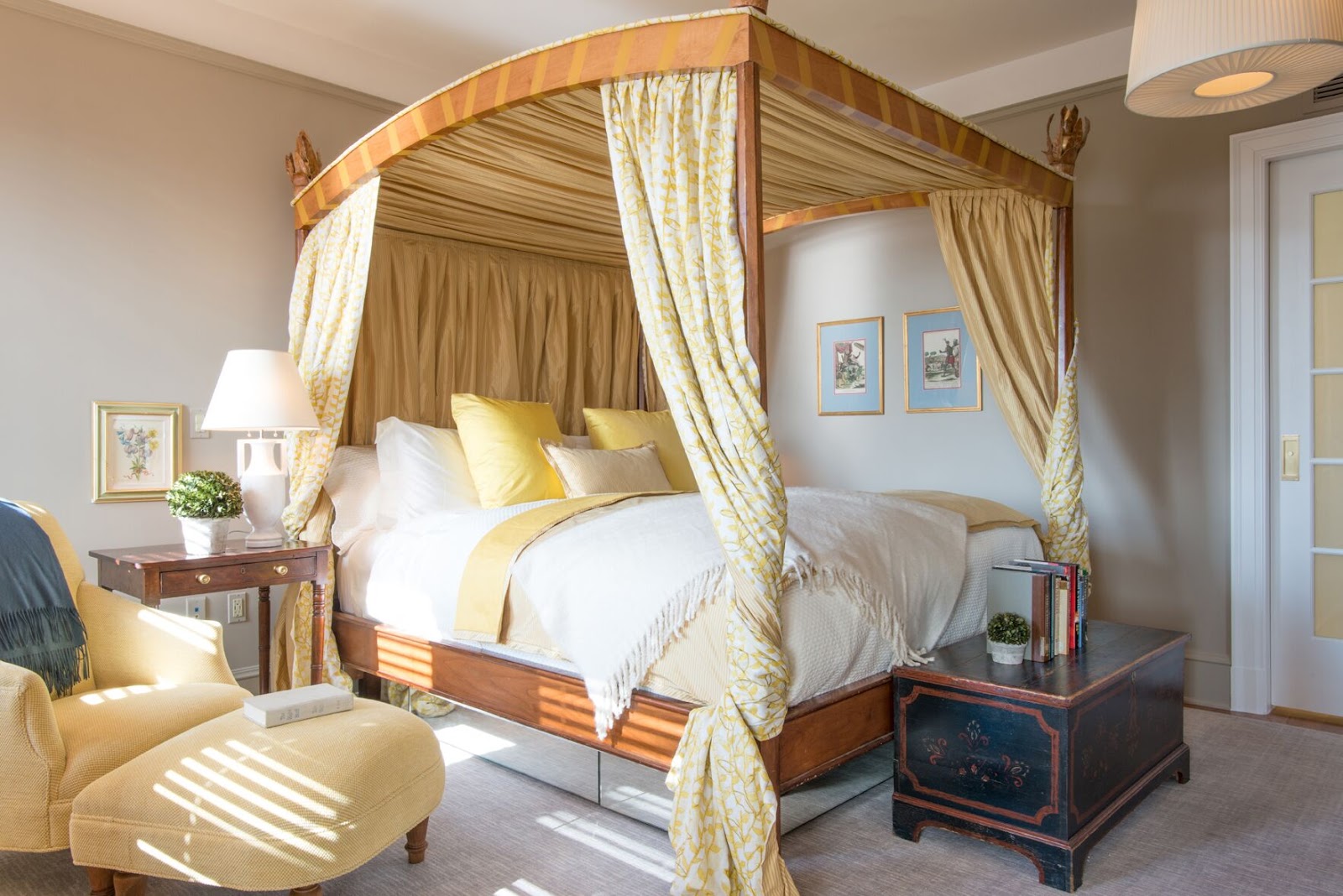
More frames from The Ivy Hotel
The Ivy Hotel wedding photography: common questions
What is the best light at the Ivy Hotel?
The conservatory. A glazed room admits light through the walls as well as the roof, so it arrives laterally rather than from overhead — which fills eye sockets instead of shadowing them. That makes it better portrait light than any atrium or skylit hall, and it works at any hour and in any weather.
Is the courtyard good for photographs?
Yes, and its enclosure is the point. Walls shelter it from wind, keep it private, and bounce light inward to fill shadows from the sides. It is usually in open shade, which is beautiful even light — but it does mean golden-hour sun will not reach the courtyard floor.
How many guests does it suit?
Our read is thirty to eighty for the photographs to work well. It is an intimate mansion hotel, and beyond that number it becomes cramped — which shows up as people in every frame and nowhere clean to place a group. Confirm the actual capacity with the hotel, but capacity and the number it flatters are different questions.
Where do large family groups happen?
The walled courtyard, or on the street outside. The interior rooms are handsome but small, and a large group indoors will be compressed with no clean background. The courtyard is the only space on the property with room to arrange people properly.
Is it a good choice if rain is likely?
Unusually good. The conservatory is glazed and the courtyard is sheltered, so you have both a bright interior and a usable outdoor space that light rain does not spoil. In a city with Baltimore’s summer thunderstorms that combination is worth a great deal.
More Baltimore venue guides
We are writing a photographer’s guide to every venue we would happily shoot in Baltimore. Here are three more, plus the full index:
- The Lord Baltimore Hotel: Lighting a 1928 Art Deco Ballroom
- Overhills Mansion: Who This Venue Suits, and Who It Doesn’t
- The Rawlings Conservatory: A Walk-Through of Glass Houses
All Baltimore Wedding Venues →
Planning a wedding at The Ivy Hotel?
Three different kinds of light in one small building is a luxury. Tell us your date and your guest number and we will plan which space does which job — and tell you honestly if the headcount is pushing the venue past its best.