 Roots Run Deep, Fruita: The Site’s Own Logic
The Morrison House, Colorado: The Light Through a Foothills Day
In the foothills the day has hard edges and the rock nearby is warm. Both show up in every frame.
A historic house in the Front Range foothills sits in a set of conditions that a lowland house does not, and the day has a correspondingly sharper shape.
The first is altitude. At around six thousand feet there is meaningfully less atmosphere overhead to scatter sunlight than at sea level, which means direct sun is harder, shadows go deeper and sharper, and the sky is a markedly deeper blue. The brightness range between a lit and an unlit surface exceeds what a sensor holds by a wider margin than lower down, so a face half in sun is beyond rescue rather than merely difficult.
The second is the rock. This part of the foothills is built on tilted red sandstone, and iron-stained sandstone is strongly warm and highly reflective — which means any sunlit rock face near the house is throwing warm light onto whatever stands in front of it, whether or not anyone intended it.
The third is the vegetation, which is ponderosa pine and scrub rather than dense hardwood. Ponderosa has an open crown and a high canopy, which means it filters rather than blocks — so a pine stand dapples and does not shade, and the shade here has to come from buildings and rock.
This is the day in order. We have not photographed a wedding at the Morrison House; foothills conditions and historic houses behave consistently. Which rooms and grounds are included, whether the lighting is adjustable and what the covered alternative is are questions for their team.
The Morrison House at a glance
| Where | Morrison, Colorado, in the Front Range foothills at about 6,000 feet |
| Morning | The house’s windows, and low sun raking the sandstone |
| Midday | Building shade and rock shade — ponderosa does not shade |
| Evening | Low sun on the rock, then a short dry-air crossing |
| Ask first | Rooms and grounds included, lighting control, covered alternative |
Morning and midday
The morning belongs to the house’s windows and to the rock, and both are at their best early.
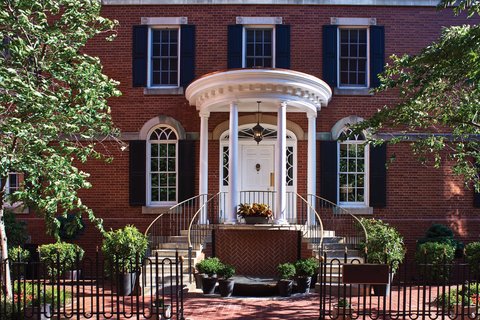
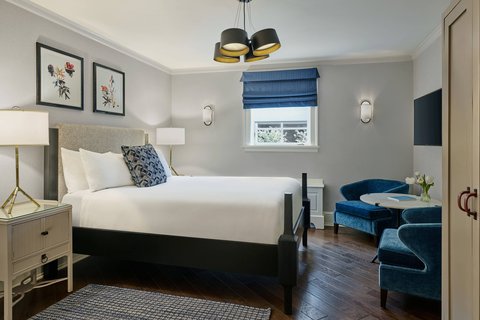
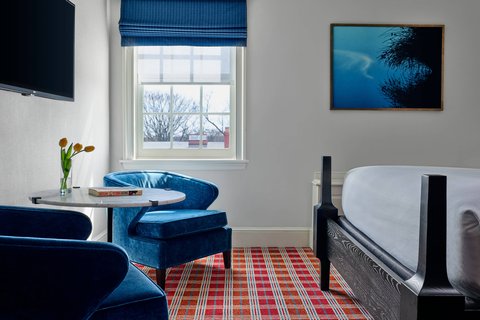
A historic house of this kind has tall windows because it was built when daylight was the light, and a tall sash has an advantage over a modern casement: it extends close to the floor, so the light wraps upward as well as sideways and fills under the chin.
Two to three metres back is the working distance: at half a metre the fall-off across two faces darkens the far one; at two or three it is directional and even; past four, a furnished period room has absorbed almost everything. Every overhead and lamp fitting should be switched off, so the room has one colour of light rather than two landing on the same face.
The shaded side is the requirement and in this climate it matters more than in a humid one, because dry clear air at altitude means direct sun through glass is a genuinely hard source — a sunlit window here is a hard edge rather than a soft field. At this latitude, about thirty-nine and a half degrees north, a north-facing room is shaded all year and is the most reliable.
There is a local complication worth knowing: a window looking out at sunlit red sandstone receives warm bounce as well as sky light, which means the light in that room is warmer than daylight and varies with how much rock is lit. A custom white balance set on a face in the position being used is the fix, and it is worth doing rather than assuming.
Outdoors, the early hours are when the rock reads. Tilted bedded sandstone has strong linear structure, and light running along those beds lifts every one of them while light facing the face square flattens it into a red field — so the low-sun hours are when the geology photographs, and a short walk to find which face the sun is skimming is worth more than any accessory.
The rock is also a light. A sunlit sandstone face is an enormous warm source, so a couple standing in shade three or four metres out from one, turned towards it, is lit by a source the size of the outcrop. That needs the same custom white balance, because red rock bounce is far warmer than daylight — and any added source must be gelled strongly warm to sit near it, because an ungelled flash is conspicuously cooler than everything else in the frame.
Through the middle of the day the open ground is unusable and the shade has to be found rather than assumed. Ponderosa pine is the local tree and it does not shade: an open high crown filters light into hard patches, and dappled light at this altitude puts bright patches and deep shadow on the same face at a ratio nothing holds.
So the midday positions are the shadow side of the house, the shadow side of an outcrop, any porch or covered structure, and anything with a solid roof. The test is universal: look at the face rather than the ground, and any bright spot means move a metre.
Evening, and the interiors
The last hour is when the foothills work and it is worth protecting. Low sun in dry clear air is harder and cleaner than the same angle at sea level, which means it rakes stone, timber and mown ground more strongly and saturates the red sandstone to its deepest.
The rock is the subject in that hour: a sunlit face at low sun glows rather than merely reflecting, and a couple positioned in its bounce with shaded rock behind them is the frame the location gives. The camera should be positioned so the lit face is behind the photographer rather than in the frame, because a fully lit sandstone slab is several stops brighter than a shaded face and will clip.
The foothills also give elevation. Rising ground means positions genuinely above and below a subject — a camera above a group sees faces rather than the backs of heads, and a position below puts sky behind a couple rather than ground, which separates them completely at no cost.
The crossing is the one unmovable frame: twenty-five to forty minutes after sunset, when the sky still holds colour at about the brightness of the house’s own lighting, so one exposure holds couple, house and sky. In dry air at altitude that window is shorter than in a humid climate, because clear air holds less afterglow, so it is a scheduled ten minutes rather than a leisurely wander.
There is a foothills bonus in that window. Because the Front Range rises to the west, the sun leaves the ground early while the sky above stays bright — and the rock, which holds warmth, goes deep and blue-shadowed while the sky is still lit. That gives a colour separation a flat site cannot.
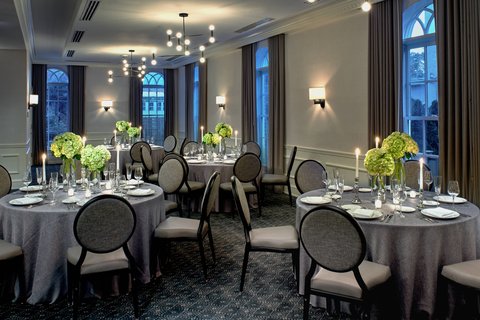
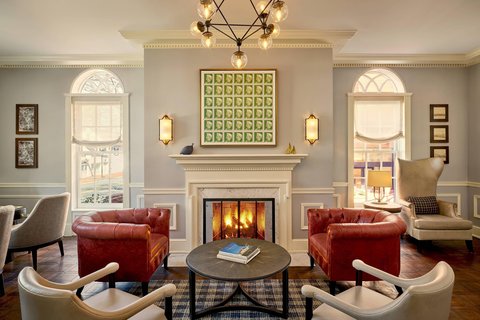
Inside, the interiors are those of any historic house at any latitude. Timber, deep paint, heavy drapery and dense upholstery absorb, which puts a room a stop or two below a pale one with identical fittings — measure it with one frame on arrival rather than estimating, because eyes adapt and meters do not.
Test bounce per room, because tall ground-floor ceilings return little while upstairs rooms are frequently lower and work well. Warm bounce from timber and brass arrives on the shadow side of a face from several directions at once and cannot be separated by global white balance, so one warm-gelled source with white balance set to the gel is the method — and a global correction turns skin grey and the timber the colour of ash.
Steep fall-off is the compensation: three metres of distance in a warm dim room puts natural darkness behind a subject with no equipment. And texture needs raking light, so the positions where the window light already grazes a wall are the ones worth finding on arrival.
The doorway is the camera position in a furnished house, gaining two or three metres at no cost and letting a photographer shoot through rooms rather than into them — which gives depth and reads as a house rather than as a wall.
- Two to three metres from a tall window; check for red rock bounce warming it
- Ponderosa does not shade — use the house, the rock, or a solid roof
- Custom white balance on a face wherever sunlit sandstone is nearby
- Keep a fully lit sandstone face out of frame; it will clip
- Protect the crossing; in dry air it is shorter than you expect
The Colorado year
Colorado’s governing variable is elevation and in the foothills it produces a year with hard edges.
Summer afternoons bring the state’s defining hazard and it deserves plain statement. Mountain convection builds almost daily from July into September, and these storms produce lightning — which on open high ground is genuinely dangerous rather than inconvenient. Colorado has one of the highest rates of lightning casualties in the country, and the reason is precisely this combination of exposed high terrain and afternoon convection.
So a named covered or indoor alternative is a requirement, and the decision to use it belongs to whoever is responsible for the party. It also argues for an early ceremony rather than a late one in July and August, because mornings are stable and afternoons frequently are not.
The compensation is that the building cumulus over the Front Range is the best diffusion the state offers — under it, the rock saturates rather than glares and the middle of the day becomes usable for once. And a storm clearing off the foothills with light breaking under it is the most dramatic frame the location can produce.
Outside the storm season the sky is frequently cloudless, which means waiting for diffusion is not a plan. The house, the rock shade and the timing are the plan.
Autumn is the best window of the year here: the air is at its clearest, the afternoons are stable, the temperatures are comfortable, and low sun arrives at a civilised hour. Late September into October is the strongest period — and at higher elevations above the foothills the aspen turn gold in that window, which is worth a short drive if the schedule allows.
Winter is quietly excellent. The December midday sun at this latitude reaches only about twenty-seven degrees above the horizon, which means the whole short day is raking light rather than overhead light — exactly what tilted sandstone, timber and mown ground all want, and the one season the middle of the day works outdoors.
It also means the interiors are better, because a low sun comes into tall windows at an angle rather than from overhead: the light is directional and usable through the whole short day instead of for two hours at each end, which in a house whose problem is dark absorbent rooms is a substantial gain.
Snow on red sandstone is occasional at this elevation and it is the most striking frame the region offers, because white against saturated red is a contrast nothing else in American landscape provides. Snow also turns the ground into a reflector, which brightens every window in the house.
The diurnal swing is the constraint and at altitude in dry air it is large — twenty degrees Celsius between afternoon and evening is normal, and foothills terrain loses the sun early. A party comfortable at four is genuinely cold by seven, and coats are the answer. And ultraviolet increases with elevation, so a party outdoors for an hour burns faster than they expect, including under cloud.
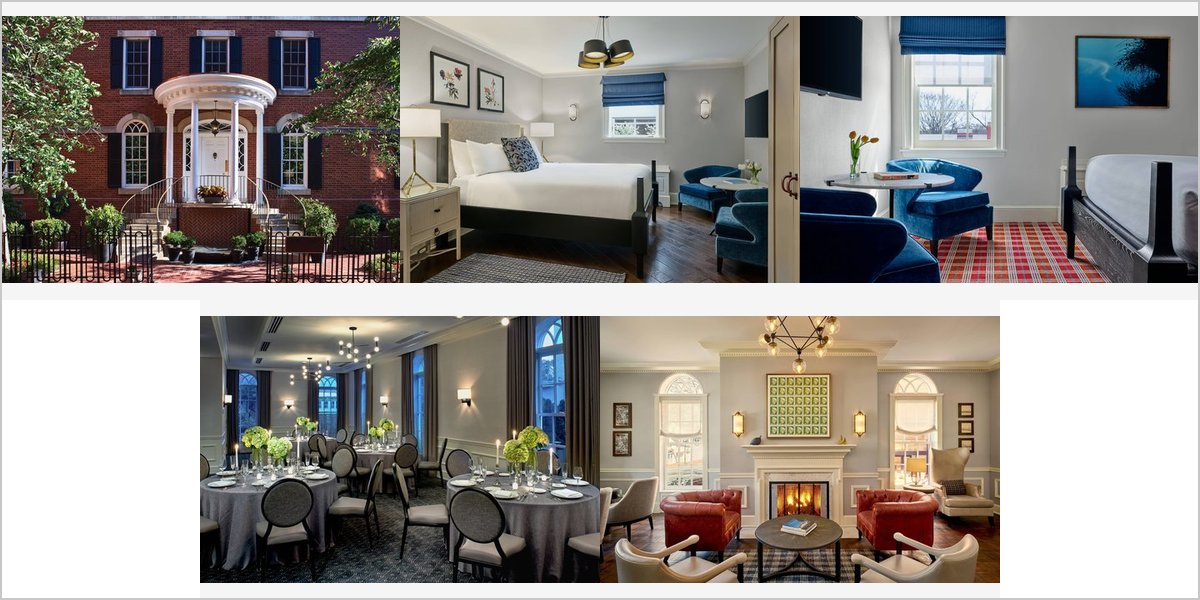
More frames from The Morrison House
The Morrison House wedding photography: common questions
What does the altitude change?
Less atmosphere overhead to scatter sunlight, so direct sun is harder, shadows deeper, the sky a deeper blue, and a face half in sun beyond rescue.
Does ponderosa pine give shade?
No. An open high crown filters light into hard patches rather than blocking it, so a pine stand dapples. Use the house, the rock or a solid roof instead.
How does red sandstone affect the light?
It is strongly warm and reflective, so a sunlit face throws warm bounce onto anything nearby — including through windows into rooms.
What white balance does that need?
A custom one set on a face in the position being used, wherever sunlit sandstone is nearby. A daylight setting renders skin orange.
What is the main hazard?
Afternoon lightning from July into September. Colorado has one of the highest rates of lightning casualties in the country, and open high ground is why.
Is winter useful?
Very. A low December sun rakes sandstone all day and comes into tall windows at an angle, which makes the interiors usable through the whole short day.
More Colorado venue guides
We are writing a photographer’s guide to every venue we would happily shoot in Colorado. Here are three more, plus the full index:
- Purgatory Resort, Durango: The One Decision That Governs Everything
- Red Rocks Amphitheatre, Morrison: A Venue Made of Tilted Rock
- Roots Run Deep, Fruita: The Site’s Own Logic
Planning a wedding at The Morrison House?
Hard light and warm rock. Tell us your date and we will plan for both.