 The House of Blues, Cleveland: What It Suits and What It Does Not
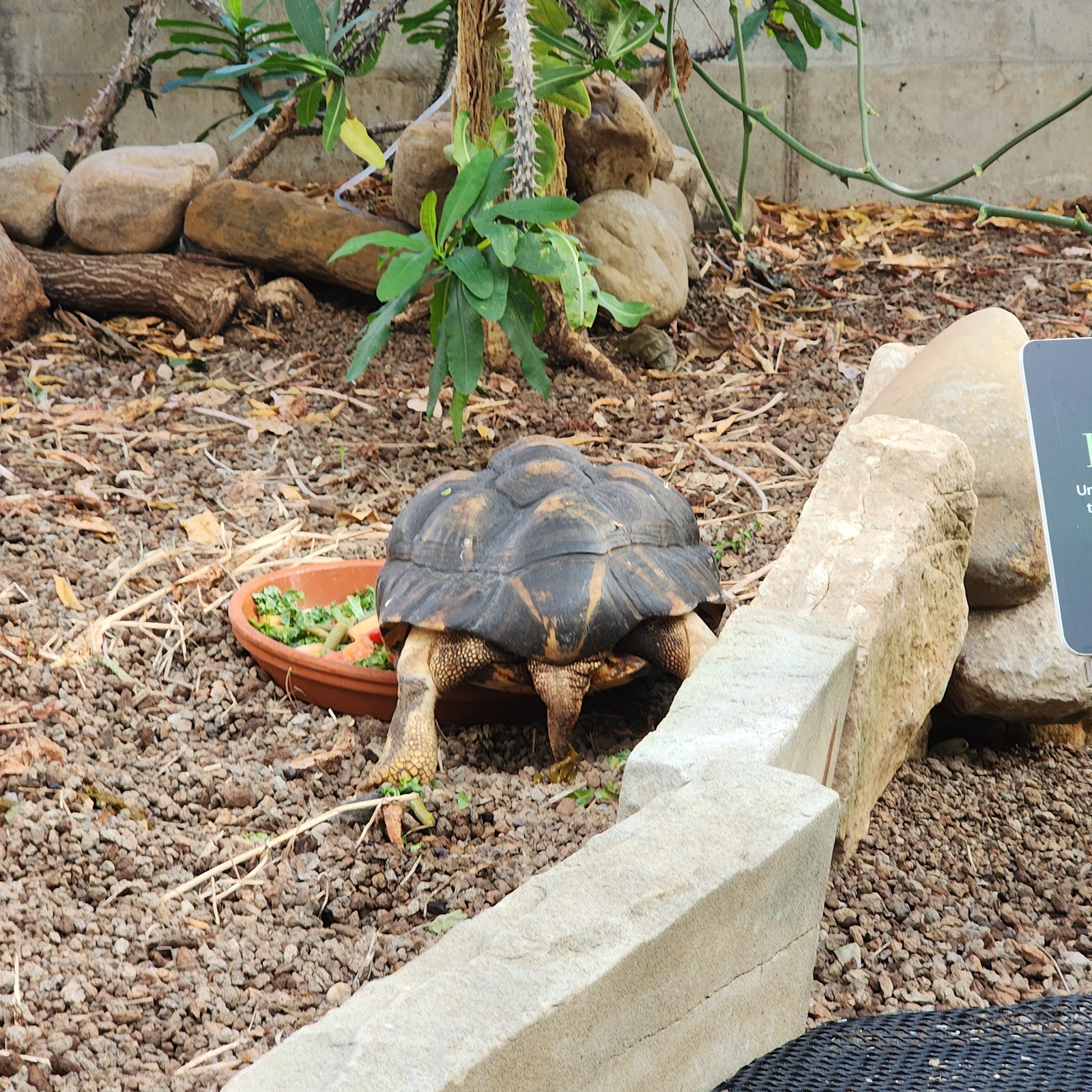
The Cleveland Botanical Garden: How the Light Moves
A Japanese garden and a rose garden want opposite light. Knowing which is which is the whole plan.
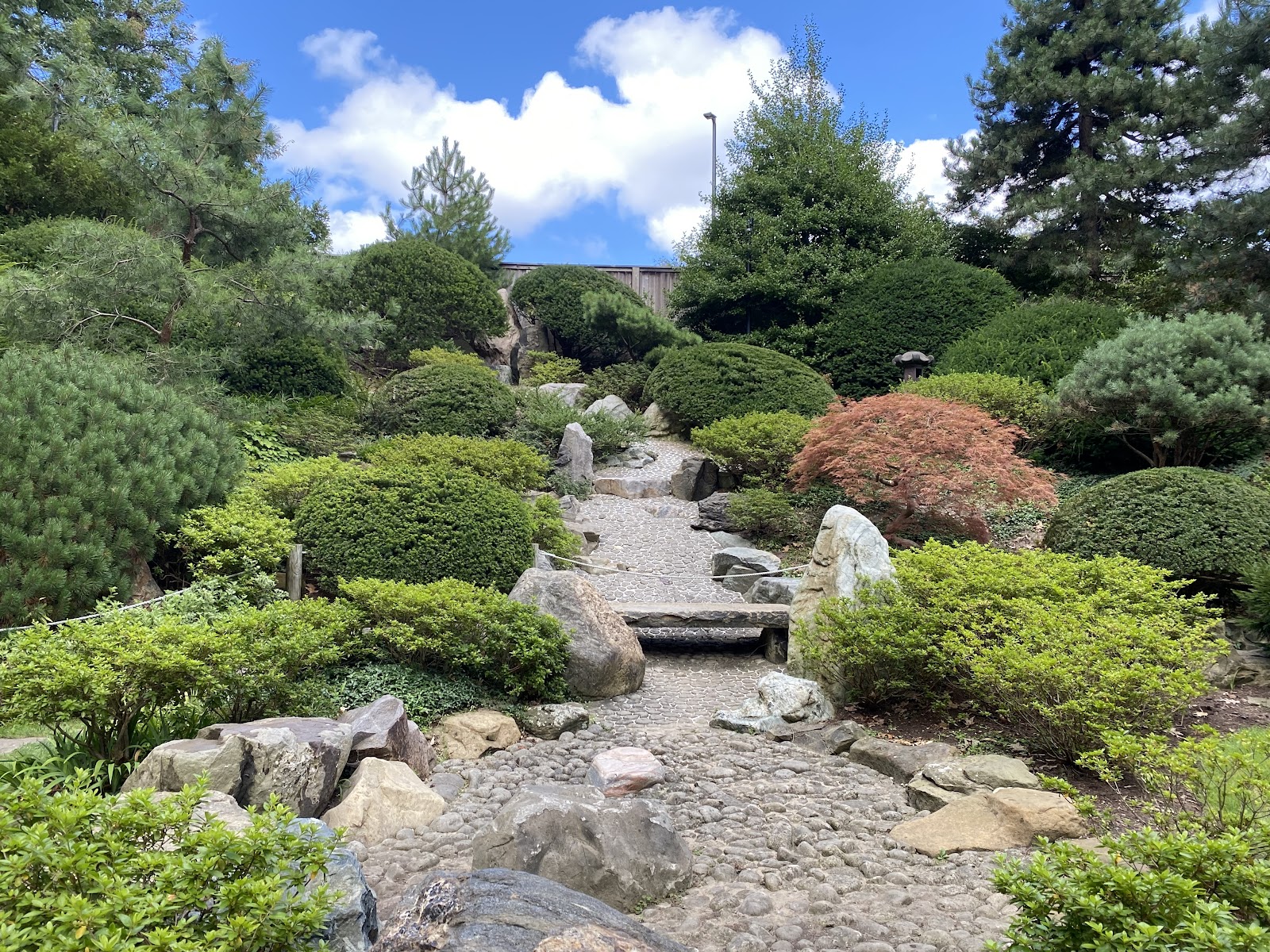
The Cleveland Botanical Garden offers diverse backdrops, as its own description has it — a Japanese garden with serene water features, and a rose garden filled with scent.
Those two are not variations on a theme; they are opposite photographic conditions and they want opposite hours. A Japanese garden is designed around shade, structure, water and restraint — dark foliage, controlled sight lines, still surfaces, and very little colour. A rose garden is designed around open sun, because roses need it — full light, saturated colour, formal geometry and no shade at all.
So the day is a running order rather than a route, and getting it right is worth more than any equipment. This is written as a day. We have not photographed a wedding at the Cleveland Botanical Garden; botanical gardens behave consistently. Which areas a booking includes, whether the glasshouses are usable, and what the wet-weather arrangement is are the questions for their team — the last matters in this city in every month.
The Cleveland Botanical Garden at a glance
| Where | University Circle, Cleveland, Ohio |
| Character | A botanical garden with a Japanese garden, a rose garden and glasshouses |
| Two opposites | Shade, water and restraint against open sun and saturated colour |
| The tool | The running order |
| Ask first | Areas included, glasshouse access, wet-weather arrangement |
Morning and midday: the Japanese garden and the glass
A Japanese garden is a midday space and that is unusual enough to be worth stating first. It is built around shade, so it stays workable when open planting does not; its sight lines are deliberately controlled, which means the background is decided by the designer rather than by the photographer; and its palette is green, grey and water rather than colour, which makes a couple the only bright thing in the frame.
Continuous shade under structured planting is the asset and dapple is the hazard, as always: hot spots several stops above the surrounding shadow across a face, shifting with every breath of wind, impossible to correct or predict. Full shade, open light, or wait — but never a face in dapple.
Green bounce is stronger in a densely planted shade garden than almost anywhere, and it needs handling deliberately. Dense foliage reflects green onto nearby skin, and because the cast is localised, auto white balance cannot correct it — a garden sequence that fails to match itself is nearly always auto white balance drifting between positions. Set a custom white balance on a face in the position being used, and reset it when the position changes materially. Any pale gravel, stone or path is a neutral bounce surface worth standing people on.
Water features are the Japanese garden’s signature and they behave in three predictable ways. Still water mirrors, which doubles the information in a frame and fills what would otherwise be dead ground — but it needs an undisturbed surface, so it is a morning proposition, because breeze builds through the day. Water raises ambient from below, filling the shadow under a chin usefully at low sun and unflatteringly at high sun. And moving water needs a shutter speed decision: fast to freeze, slow to smooth, and both are worth taking.
Structure is the other asset — bridges, stepping stones, gates, lanterns and clipped forms are hard elements in a soft setting, which means they give framing and scale that planting alone does not. A path or a bridge running away from the camera is the most reliable composition in any designed garden, and a low camera makes it work by stretching the line and dropping the horizon.
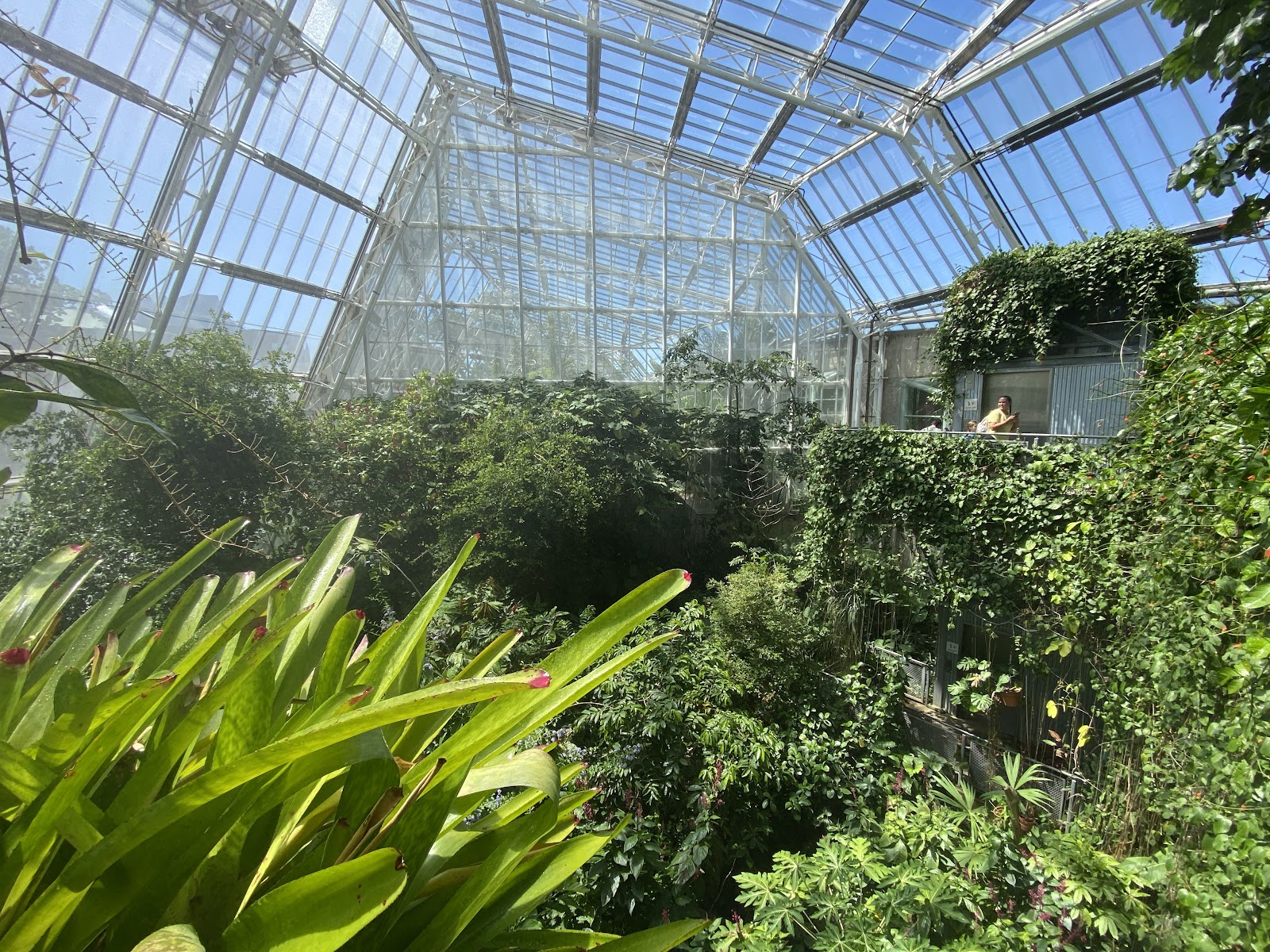
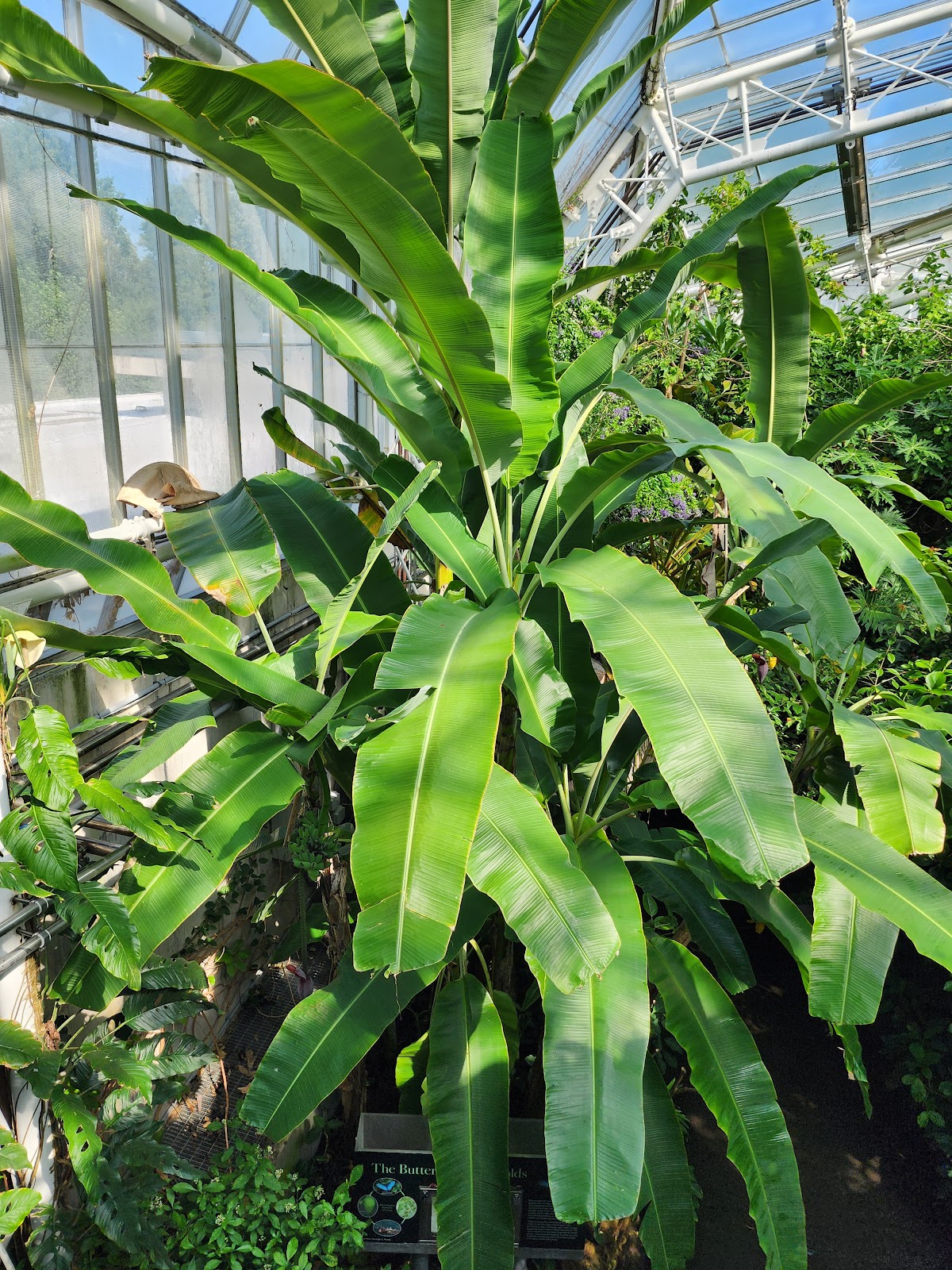
A glasshouse, where the garden has one, is the other midday option and it is governed entirely by the sky. Under overcast it is an enormous diffuser: light arrives through the whole roof and both flanks with no hard edge anywhere, and position stops mattering. Under direct sun the glazing bars print a lattice of hard shadow across everything including faces, which cannot be corrected — so on a sunny day find the pockets under dense planting, use the lattice on a path rather than on skin, or shift the hour so the sun comes through the flanks instead of the roof.
A glasshouse in this climate is also warmer and more humid than outside, which means a camera carried in from a cold car will fog immediately and may not clear while you stay inside.
Late afternoon: the rose garden and the last ninety minutes
A rose garden is the opposite proposition and it is a late-afternoon space. Roses need open sun, which means the garden has no shade, formal geometry, and saturated colour under whatever light the sky gives — and at midday that combination is the hardest in the whole site: hard overhead light, no relief, and colours that clip.
From about two hours before sunset it becomes the best space on the property. Low sun rakes across a formal layout so the beds separate into bands of light and shadow; it backlights petals, which is what makes a rose photograph as a rose rather than as a red blob; and it lights faces from the side rather than from above.
Saturated colour needs one technical note, because it is the thing most likely to go wrong. Deep reds and magentas are the colours a sensor handles least well, and a red rose in direct sun will clip in the red channel while the rest of the frame is correctly exposed — which shows as a flat shape with no petal detail. The fix is to expose for the flowers rather than the scene when they matter, or to photograph them backlit rather than frontlit, where the petals become translucent and the colour reads without clipping.
Formal geometry photographs best either along an axis, which reinforces the design, or from a low camera, which drops the horizon and lets planting and sky occupy the upper frame. Standing at eye level in the middle of a formal garden produces a photograph of a plan rather than of a place.
The last ninety minutes are the window the whole schedule should protect, and in a garden of mixed types they are also when the most spaces are usable at once — the rose garden is at its best, the Japanese garden’s low light comes in horizontally under the planting rather than down through it, and the glasshouse’s lattice moves off faces onto vertical surfaces.
After sunset a garden goes dark faster than open ground does, because planting blocks what is left of the sky. That means the usable outdoor time ends earlier here than at a venue on lawn — worth ten minutes in the schedule rather than a surprise at the end of the block.
- Japanese garden at midday; rose garden in the last ninety minutes
- Never a face in dapple — full shade, open light, or wait
- Set a custom white balance on a face; green bounce is local, not global
- Take still-water reflections in the morning, before the breeze
- Expose for the roses or backlight them; deep red clips before anything else
Cleveland's light, and the year
Cleveland’s weather changes a garden venue more than it changes a building, and it is worth being straightforward about. This is one of the cloudiest major cities in the country, with persistent overcast through much of the late autumn, winter and spring.
For most of a garden that is good news. Overcast is an enormous diffuser — soft, even, shadowless light with open shadows and no hard edge anywhere, which is the best portrait light there is. It removes dapple entirely, which is a real gain in dense planting; it makes the glasshouse superb; and it lets the Japanese garden be photographed at any hour rather than only in shade.
The cost falls on the rose garden. Saturated colour under grey light reads flatter and duller than it does in sun, and the raking light that makes a formal layout separate into bands needs a sun that is not there. On a grey day a rose garden is a set of coloured shapes on green, which is perfectly usable and is not what the space is capable of.
So the honest planning position is that overcast improves most of this site and diminishes one part of it — and which part matters depends on the couple. Add half a stop to a stop for the bright grey sky, and bring shape back subtractively by placing people near dark planting rather than by adding a flash.
The seasons are sharper here than the cloud suggests. Spring brings the flowering phase, which is the most photogenic and the shortest. Summer gives full canopy, maximum shade and the rose garden at its peak. Autumn gives colour in the structured planting, and a Japanese garden in autumn is the best version of itself — restrained, dark and punctuated with a few strong colours rather than covered in them.
Winter strips most of it, which turns a garden into structure: bare branch form, clipped evergreen, stone and water, all of it legible in a way it is not under leaf. That is not a loss so much as a different photograph, and a Japanese garden in particular is designed to work in winter.
Lake-effect snow is the Cleveland winter fact and it is localised, sudden and heavy. It is a logistics question for guests as much as a photographic one — and it is also the best natural fill there is, lifting exactly the shadows a low sun carves while fooling a meter by about two stops. Snow on clipped forms and stone in a Japanese garden is one of the best frames the site will ever give.
Afternoon thunderstorms in summer and heavy rain in any season make the wet-weather plan a real question at a garden venue: what it is, how many it holds, and when the call is made. A glasshouse is the natural answer and it is better than most, because a glass building in rain is spectacular rather than compromised — soft even light, water running down the panes, and frames better than a clear day gives.

More frames from The Cleveland Botanical Garden
The Cleveland Botanical Garden wedding photography: common questions
Why do the two gardens want different hours?
Because a Japanese garden is built around shade, structure and water, which makes it a midday space; and a rose garden is built for open sun, which makes it a last-ninety-minutes one.
What is the biggest colour risk?
Deep reds clipping. A red rose in direct sun will clip in the red channel while the rest of the frame is correct, giving a flat shape with no petal detail. Expose for the flowers, or backlight them.
How do you handle green bounce?
Set a custom white balance on a face in the position being used and reset it when the position changes — and stand people on pale gravel or stone, which bounces neutral.
When should still-water reflections be taken?
In the morning, before the breeze builds. A mirror needs an undisturbed surface, and by afternoon the water is usually texture rather than reflection.
Does Cleveland's cloud help a garden?
It helps most of it — removing dapple, improving the glasshouse, and making shaded planting workable at any hour. It diminishes the rose garden, which needs sun for both colour and raking light.
Is winter worth it here?
For the structured planting, yes. Bare branch form, clipped evergreen, stone and water are legible in a way they are not under leaf — and snow on clipped forms is one of the best frames the site gives.
More Cleveland, OH venue guides
We are writing a photographer’s guide to every venue we would happily shoot in Cleveland, OH. Here are three more, plus the full index:
- The Cleveland Museum of Art: What It Suits and What It Does Not
- The Cleveland Zoo: Four Ways Out of the Fencing Problem
- The FirstEnergy Powerhouse, Cleveland: Field Notes on a Converted Power Station
All Cleveland, OH Wedding Venues →
Planning a wedding at The Cleveland Botanical Garden?
Two gardens, two hours, one running order. Tell us your date and we will set it.