 The Please Touch Museum, Philadelphia: What It Suits and What It Does Not
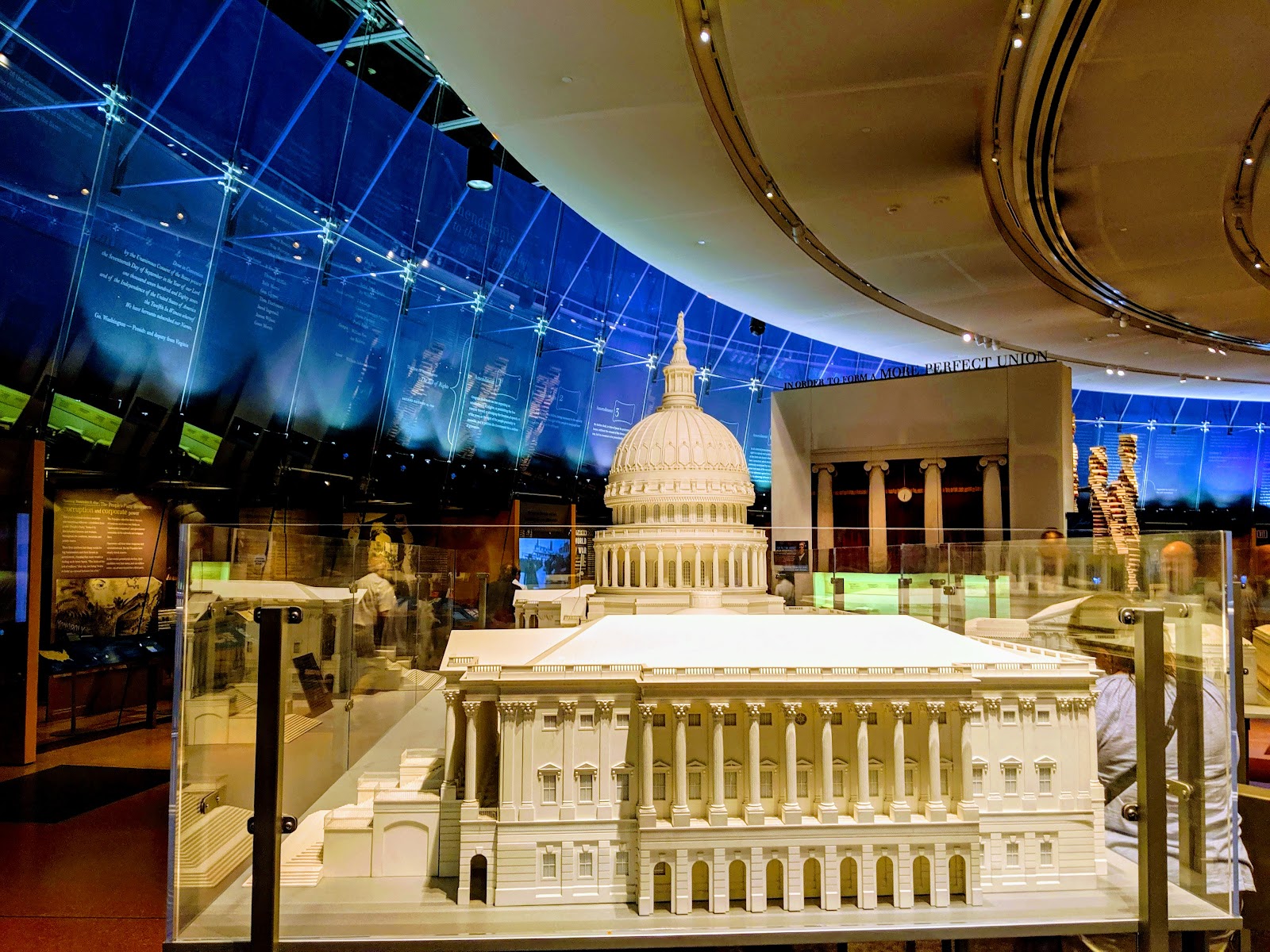
The National Constitution Center, Philadelphia: The One Decision That Governs Everything
Sweeping stairs and expansive glass are the two assets. Only one of them needs a decision.
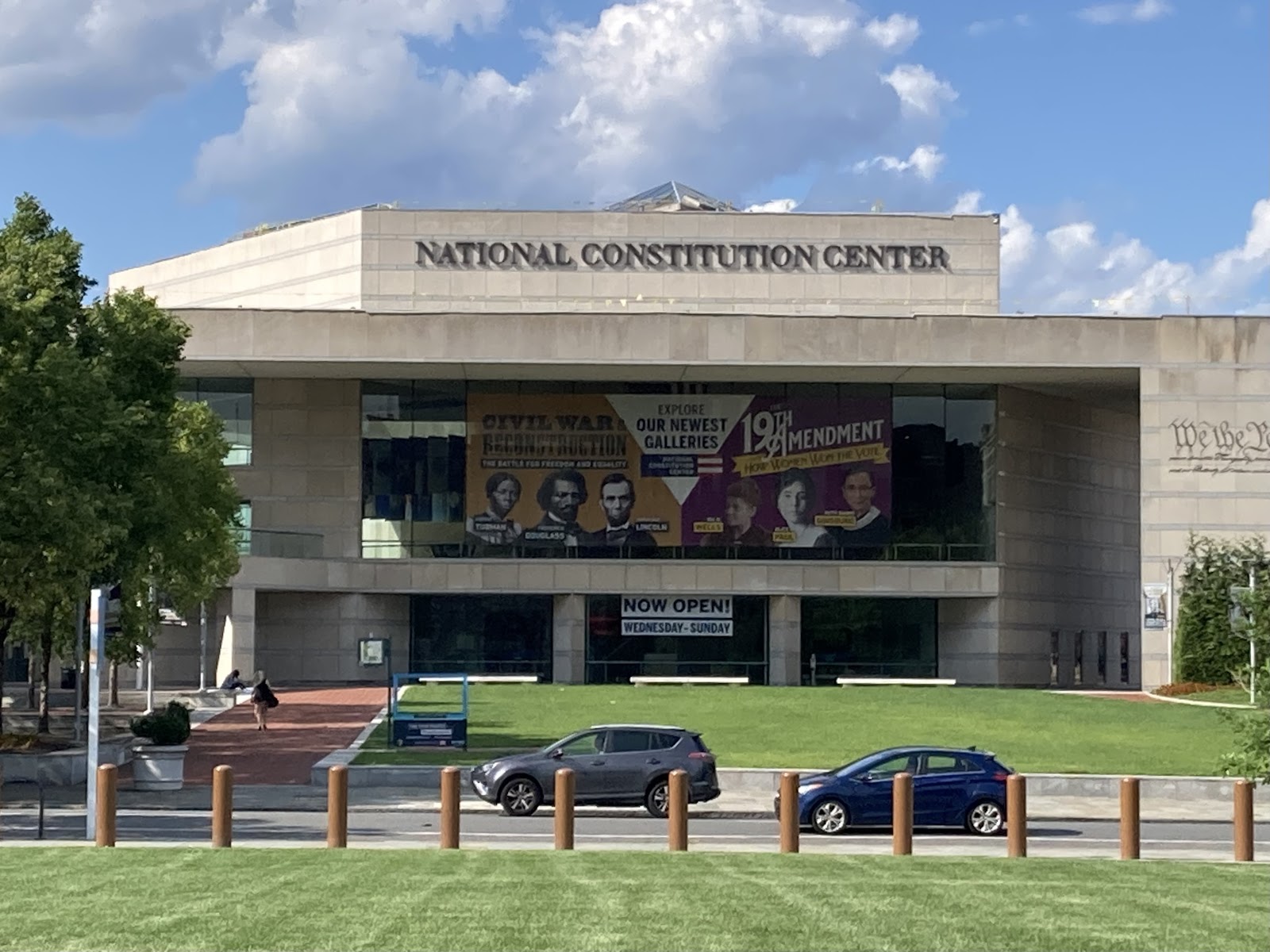
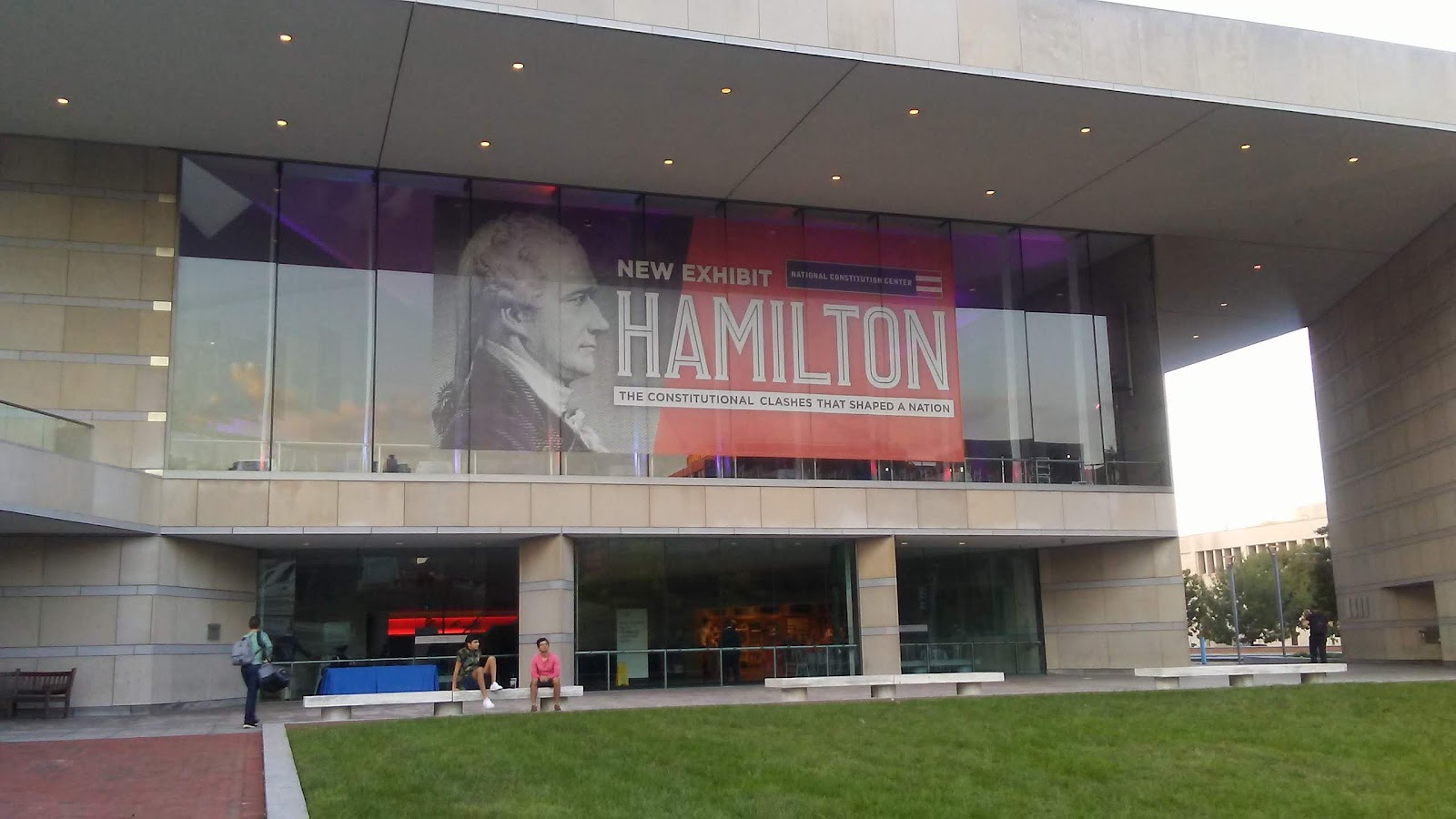
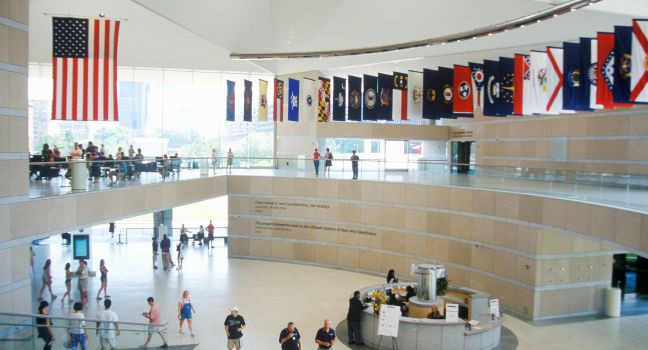
The National Constitution Center’s sweeping staircases and expansive glass windows offer, as its own description has it, a dramatic flair that can make a wedding feel like a gala.
The staircases are straightforward — steps make rows, give elevation and provide a leading line, and they work at any hour. The glass is the thing that needs a decision, and it is the one decision that governs every frame in the building. Expansive glazing is a genuinely large soft source and the best light a modern interior can have; it is also four to six stops brighter than the room it lights during daylight, which means no single exposure holds both a legible view and a correctly exposed face.
There are three honest answers and the failure is never choosing one — letting the window blow to white by accident and then trying to recover a city that was never recorded. Made once, deliberately, the decision settles the day.
We have not photographed a wedding at the Constitution Center; modern institutional buildings with expansive glazing behave consistently. Which elevation the main glazing faces, which spaces a booking includes, and whether photography is restricted in exhibition areas are the questions for their team.
The National Constitution Center at a glance
| Where | Independence Mall, Philadelphia, Pennsylvania |
| Character | A modern institution with sweeping stairs and expansive glazing |
| The decision | What you do about glass four to six stops brighter than the room |
| Three answers | Blow it, match it with light, or wait for the crossing |
| Ask first | Glazing orientation, spaces included, exhibition photography rules |
The three answers, and when each is right
The first answer is to expose for the room and let the window go white. That is not a failure if it is chosen: a wall of glazing as a large graphic white shape behind a subject is a legitimate frame, and in a spare modern interior it often reads as deliberate. It also gives the cleanest possible background — nothing in it at all — which in a busy event space is worth a great deal.
The second is to expose for the view and light the couple to match it. One source at roughly the window’s brightness holds both a legible exterior and a correctly exposed face, and it is the frame people actually want from a building with a view onto a historic mall. It needs real power rather than a small flash, because you are competing with daylight, and it needs the source well off the camera axis so it does not reflect back off the glass.
The third is to wait for the levels to converge, which they do once a day. In the fifteen to thirty minutes after sunset the outside falls to about the brightness of the interior lighting, and a single exposure holds the lit room, the couple and the view behind them with no added light at all. That window is the most valuable thing in the building and it does not come back.
Which answer is right depends on what is outside, so the first five minutes are spent looking out rather than at the rooms. A view onto open ground and historic architecture is worth matching or waiting for; a view of a service yard is not, and blowing that window to white is the correct treatment rather than a compromise.
The shaded elevation is the one to work on during the day: it gives soft directional light with no hotspots anywhere in it. A sunlit elevation gives a hard patch several stops above the room and, through structural mullions, a grid of hard shadow across anything in it — which is genuinely attractive on a stone floor and unusable on a face.
Position against glass matters as much as exposure. Pressed against a window a subject is lit from a very oblique angle with the far side of the face falling away; two metres back the same window covers them evenly — soft, still clearly directional, with enough level that the room behind still reads. Two metres back is almost always the answer, and turning the subject gives three setups without moving anything: facing it, side-on, and back to it.
One exposure adjustment applies throughout: a large bright window in the frame pushes a meter towards underexposure, so add half a stop to a stop and check that skin holds its tone rather than going grey.
The staircases, and the spare modern interior
A sweeping staircase is the building’s other asset and it needs no decision, only care. Steps make rows automatically, so a group of thirty arranges itself with everybody visible, which no flat floor will do — and almost every group photograph in a building like this belongs there.
It gives three genuinely different frames rather than three versions of one: from the bottom looking up, which reads as ascent; from the top looking down, where the curve of the rail spirals below and the couple sits small inside it, which is the frame most often missed because it requires climbing; and from a landing, level with them, which is a portrait with architecture around it.
A curving stair is also the one element in a spare modern building that provides a genuine leading line, so it is worth walking around to find the position where the rail reads as a smooth sweep rather than as a kink. That is a step either way, and it makes the difference.
Stair halls in modern institutions are usually tall and top-lit, which means the light arrives from above — darkening eye sockets and marking the line under the nose on everybody in the frame. The cheap fixes should be ready: a reflector held low, a lifted chin, or one source at face height, raised slightly and near the camera position for a group.
Spare surfaces are the accompanying problem. Pale walls, stone or terrazzo floors and even light give almost no separation between a subject and a background, which is the default failure in every modern building. Four tools address it and they stack: depth, a wide aperture, placement against the darkest element available, and negative fill — something dark on the shadow side of a face, which subtracts bounced light and deepens the gradient. In a pale interior, subtracting beats adding.
Geometry is the compensation. Clean lines, repeated modules and strong horizontals make compositions that read immediately, and they reward precision because in a spare frame a crooked horizontal is obvious with nothing else to distract from it. Level deliberately.
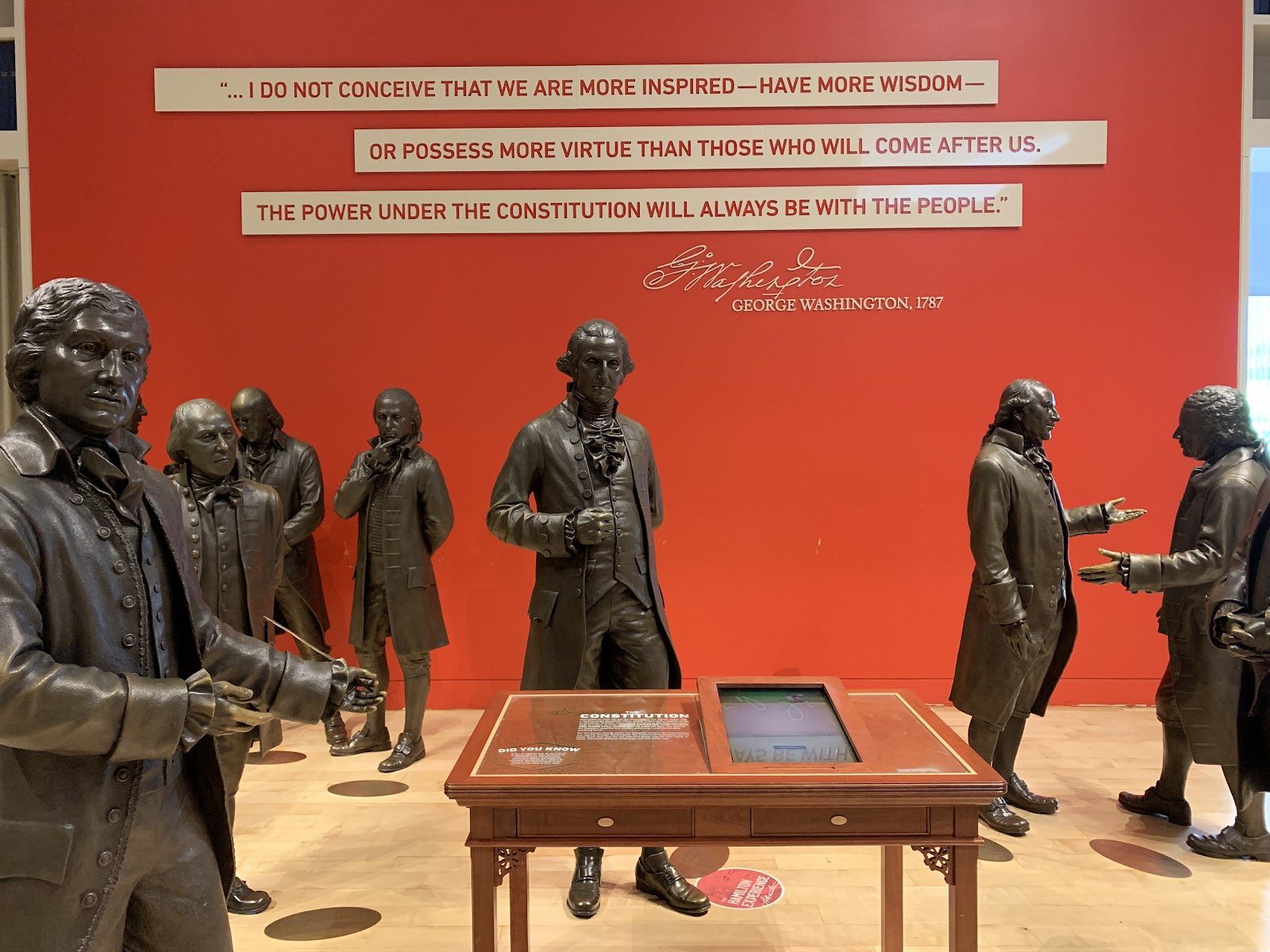
Exhibition areas, where a booking includes them, will follow the ordinary museum rules — lower light, fittings aimed from above, and possibly restrictions on photography, stands or flash. Those are three separate questions and an institution may answer them differently, so all three belong in writing rather than in a conversation on the day.
And there is a subject-matter note worth making: an institution built around a founding document and its history may hold material that a celebration frame would sit badly in front of. Asking the staff where celebration photography is appropriate costs one email and removes the question from the day.
- Look out of the windows in the first five minutes, not at the rooms
- Two metres back from the glass, not pressed against it
- If the view is poor, blow it to white deliberately and move on
- Put the group on the sweeping stairs, and fix the overhead light on faces
- In a pale interior, subtract with negative fill rather than adding light
Outside, and Philadelphia's year
The setting is the counterweight and it is a good one: open ground and historic architecture rather than a street canyon. Open ground means no shade, which in a humid Philadelphia July makes the middle of the day unworkable outdoors and puts the building’s own shadow in the role of the reliable midday resource.
It also means clean sight lines and a low horizon, which rewards a low camera: dropping close to the paving pushes the horizon down and lets the sky or the architecture occupy the upper frame, which is a stronger composition than standing at eye level on flat open ground.
Philadelphia’s grid is the planning advantage. Center City is oriented close to the compass, so the east-west streets take low sun straight down their length while the north-south ones do not — plannable from a map rather than discovered on foot. Red brick is the city’s material and the friendly one, bouncing warm and flattering skin where pale stone and modern glass bounce cool and can grey a face.
White marble steps on Philadelphia rowhouses act as low reflectors, filling the shadow overhead sun creates, and cobbles in the older quarters give strong texture in raking light — with a genuine trip hazard in heels, which is worth saying before leading anyone across them.
Philadelphia’s four seasons change the building substantially, because so much of its character is daylight through glass. Summer is humid with afternoon thunderstorms common rather than rare, which for a large institution is an advantage — the day continues indoors without a decision — and rain running down expansive glazing with a lit interior behind is a frame worth taking rather than waiting out.
Autumn gives the clearest air of the year, which matters for any frame looking out. Winter days are short, with sunset in the middle of the afternoon in December — which means the daylit character of the interior may be gone before guests sit down, and the crossing may fall before or during the ceremony rather than after. A December wedding here is a substantially different day from a June one.
Winter also gives the best crossing, because cold clear air holds deeper and longer-lasting colour in the sky than humid summer air. And snow seen through expansive glazing from a warm lit interior is one of the better frames a modern building offers all year — while snow outdoors is the best natural fill there is, fooling a meter by about two stops.
Humidity and cold both fog a lens in opposite directions, and the crossing will not wait, so let a body come towards the temperature of where it is going before it gets there.
More frames from The National Constitution Center
The National Constitution Center wedding photography: common questions
What is the one decision?
What to do about glazing four to six stops brighter than the room. Blow it to white deliberately, light the couple to match the view, or wait for the crossing — but choose one.
How do you know which answer is right?
By looking out of the windows first. A view onto open ground and historic architecture is worth matching or waiting for; a view of a service yard is not, and blowing it is correct.
How far back from the glass?
About two metres. Pressed against it the light is very oblique and the far side of the face falls away; two metres back it is soft, still directional, and the room behind still reads.
How many staircase frames are there?
Three genuinely different ones: from the bottom looking up, from the top looking down with the couple small inside the curve, and from a landing level with them. The second is most often missed.
What is the fix for a pale modern interior?
Negative fill. Something dark on the shadow side of a face subtracts bounced light and deepens the gradient, and it works where adding another source does not.
What should be asked about the subject matter?
Where celebration photography is appropriate. An institution built around a founding document may hold material a wedding frame would sit badly in front of, and one email settles it.
More Pennsylvania venue guides
We are writing a photographer’s guide to every venue we would happily shoot in Pennsylvania. Here are three more, plus the full index:
- The Philadelphia Museum of Art: One Frame and How It Is Made
- The Philadelphia Zoo: Four Ways Out of the Fencing Problem
- The Please Touch Museum, Philadelphia: What It Suits and What It Does Not
Planning a wedding at The National Constitution Center?
One decision, made in the first five minutes. Tell us your date and we will make it.