 The Redd on Salmon Street: Building the Shot List
The University Club, Portland: Photographing a Historic Private Club
A club is built to feel enclosed and warm. Every surface that achieves that also absorbs light.
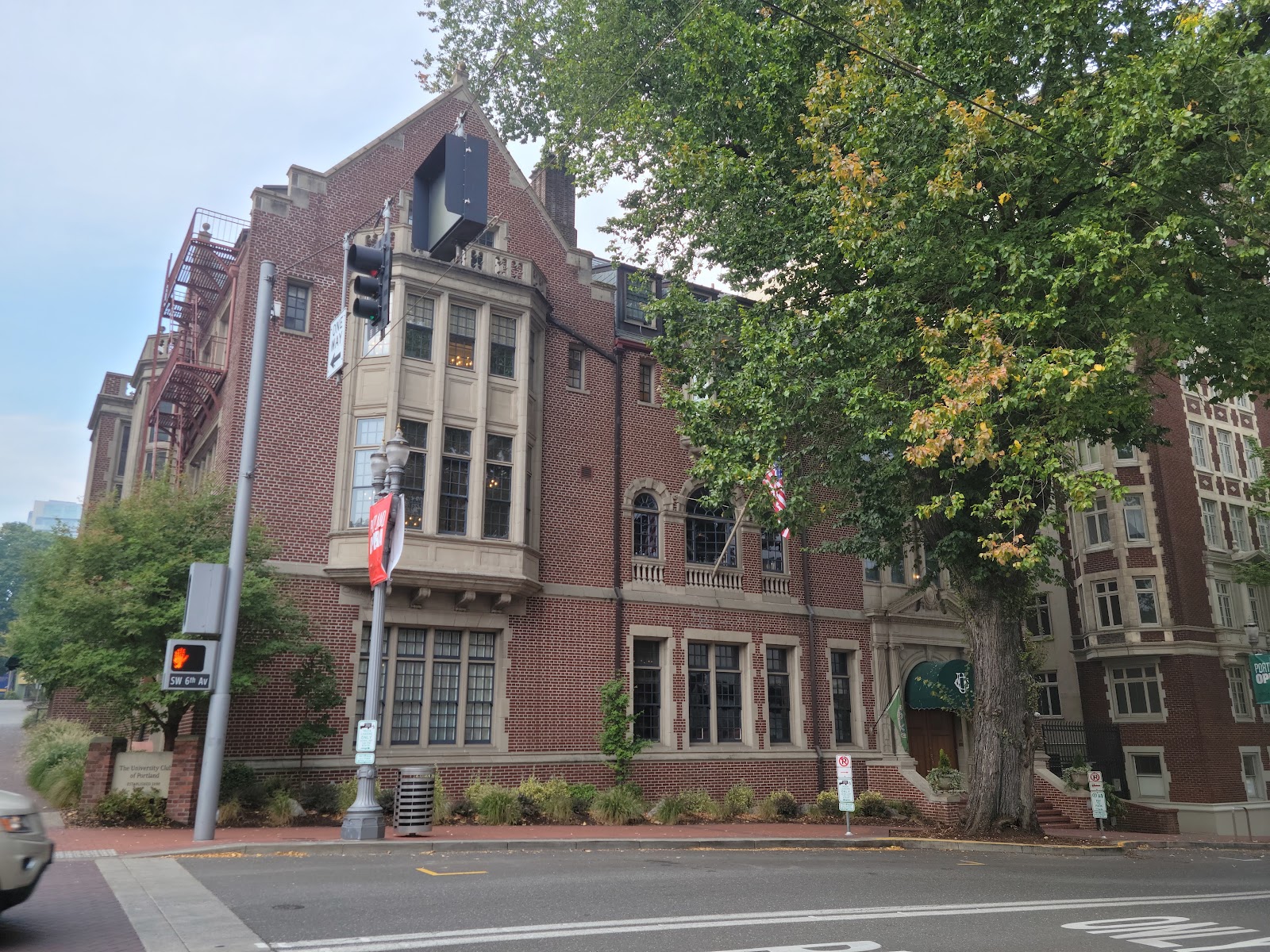
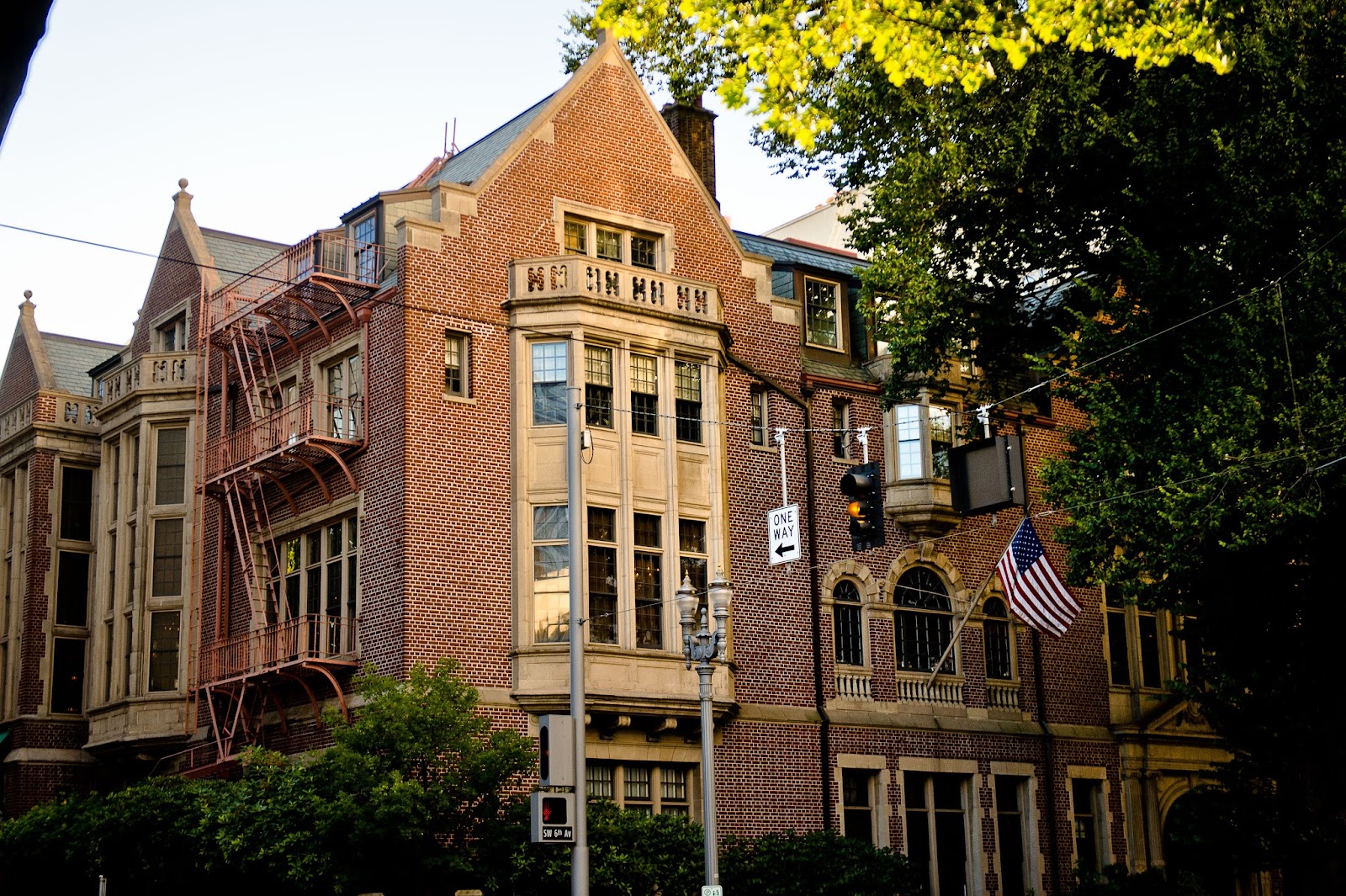
The University Club occupies a historic building in downtown Portland, combining sophistication — as its own description has it — with a warm, inviting atmosphere.
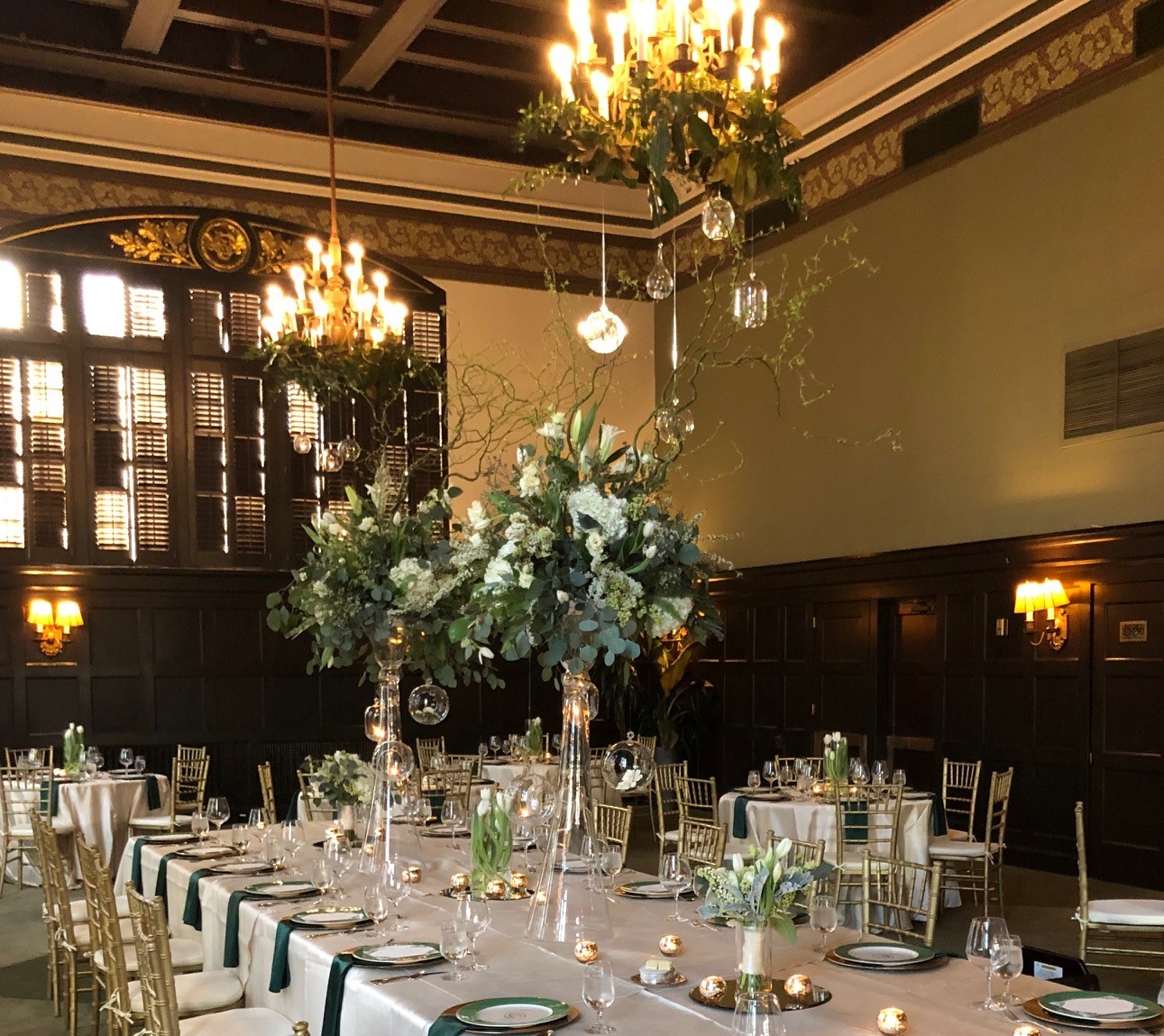
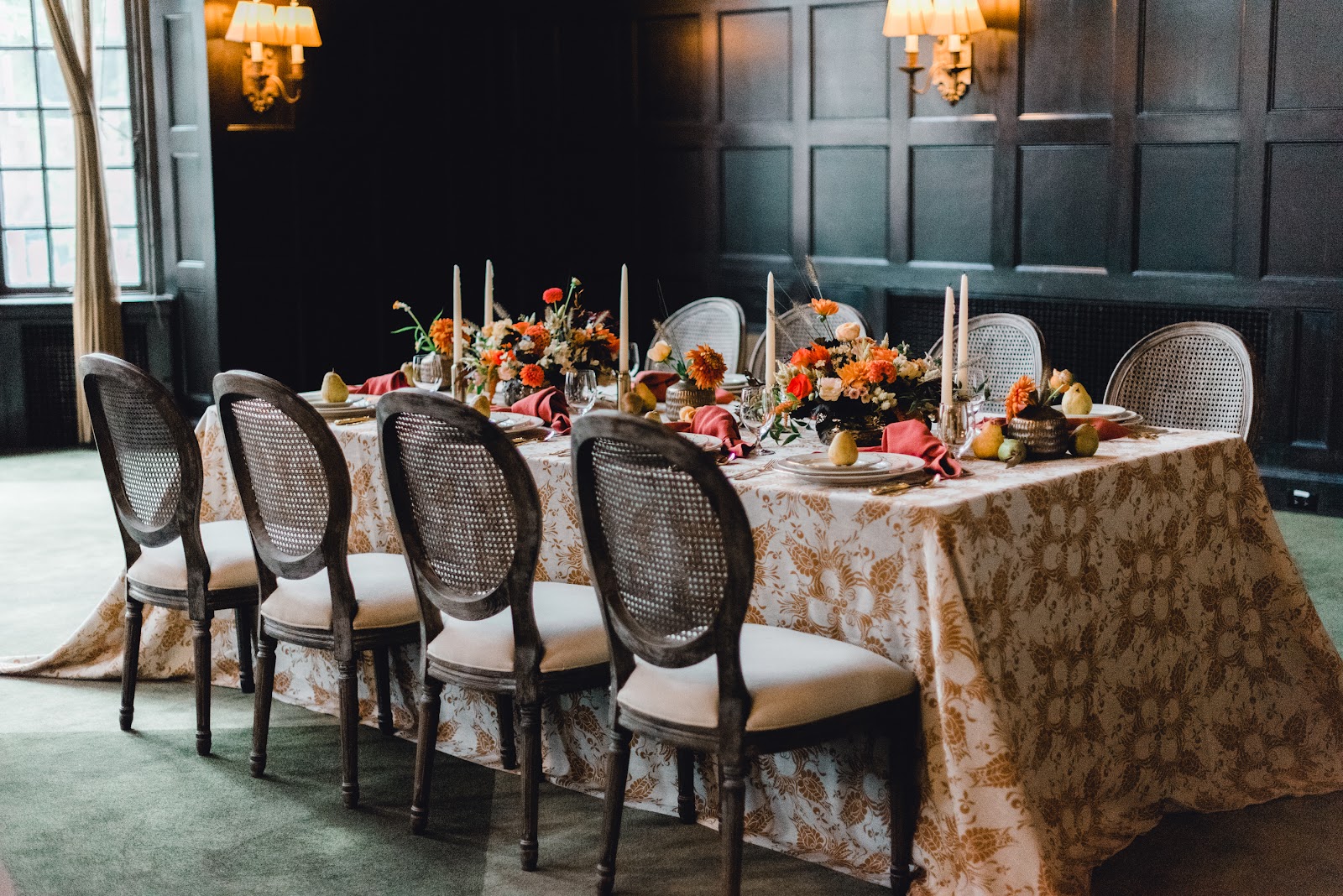
Warm and inviting is an accurate description and it is also a precise photographic specification. A club interior achieves that feeling through a consistent set of materials: panelled or dark-painted walls, timber joinery, deep carpet, heavy textiles, upholstered furniture and warm lamps rather than bright overhead lighting. Every one of those absorbs light rather than returning it, which means a club room is two or more stops darker than its window area alone would suggest, bounces almost nothing, and casts everything in it warm.
That is not a fault; it is the effect working. But it does mean the approach has to be settled in advance rather than improvised. This follows the venue’s own logic. We have not photographed a wedding at the University Club; historic city clubs behave consistently. Which rooms a wedding includes, which elevation the main windows are on, and whether the lighting can be adjusted are the questions for their team.
The University Club at a glance
| Where | Downtown Portland, Oregon |
| Character | A historic private club — panelling, timber, deep colour, warm lamps |
| The logic | Enclosure and warmth, produced by surfaces that absorb light |
| Consequences | Low ambient, almost no bounce, and a warm cast on everything |
| Ask first | Rooms included, window orientation, lighting control |
Absorbing surfaces: what they take away and what they give
The first consequence is that bounce flash does very little. A flash aimed at a timber ceiling or a panelled wall returns a fraction of what the same flash returns in a white-walled room, and what comes back arrives strongly warm. This is worth establishing with a single test frame on arrival rather than discovering when a bounced frame looks unlit.
So the method is to light directly and modestly. One source, off the camera axis, at face height, in a modifier large enough to be soft at the distance being used, gelled warm to match the room’s own light with white balance set to the gel. Expose so the room still reads as the warm dim panelled space it is, and add only enough to put a catchlight in the eyes and separate a shoulder from the background.
The frequent error is lighting a face correctly and losing the room, which produces a portrait that could have been made anywhere. A club interior lit to an even brightness stops being a club interior, and the whole reason for choosing the venue disappears with it.
The second consequence is warmth on skin. Timber, brass, deep carpet and warm lamps all reflect warm, and the cast arrives on the shadow side of a face from several directions at once. Because it is bounced and localised, global white balance cannot separate it from the subject — which is why the gelled-source approach matters. Let your own light be the authority on faces and let the room be as warm as it is.
The third consequence is the one that works in your favour: steep fall-off. In a dark absorbing room, light drops away quickly, which means a subject three metres in front of anything else sits against natural darkness with no equipment at all. That is free separation, it is the opposite of the pale-modern-venue problem, and it should be exploited rather than filled in.
The fourth is that texture is everywhere and it needs raking light to exist. Panelling, joinery, plasterwork and patterned textiles all read only when light runs along them — so the positions worth finding are those where the key grazes a surface rather than facing it. A source pointed at panelling turns it into a flat brown field; the same source placed to skim it lifts every moulding and grain line.
Windows, stairs and the rooms
Windows in a historic club building are usually tall, because the building predates reliable artificial light, and that is genuinely good news. A tall window sends light further into a room and higher up a standing figure than a small one, which in a dark-surfaced room matters more than usual — it is the only position with enough level to work comfortably.
Two or three steps back from the window is the position, rather than beside it. There the light has softened but is still clearly directional, and the fall-off behind gives the separation the room otherwise needs work to produce.
Which elevation the windows are on decides the day. A shaded elevation gives soft directional light all day with no hotspots; a sunlit one gives a hard patch several stops above the room and, through glazing bars, a hard grid of shadow. In Portland, overcast is the default for much of the year, which means most days every elevation behaves like a shaded one — a real advantage for a dark interior, because diffuse sky light is the only thing that raises the ambient in a room like this.
A staircase is the single most useful feature in a club building. It gives elevation, a diagonal or a curve, a handrail as a leading line, and rows for a group automatically, which a flat dining room floor never provides. Almost every group photograph in a building of this kind belongs on its stairs.
The rooms themselves are likely to vary in scale from a large dining room to small lounges and a library, and the small rooms are better than they look. Where the walls are close, even dark ones return some light, and the intimacy suits the material: a library or a lounge photographs as a place someone actually sits, which a function room does not.
Mixed sources are certain in a building of this age — daylight, warm table and wall lamps, possibly cooler modern downlights added later. Three colour temperatures in one frame cannot be resolved afterwards, so pick the one that should be correct, set a manual white balance to it, and switch off or overpower whatever else lands on skin. Switching a few lamps off is frequently the cheapest and best move available in a club room, and it is worth asking about.
- Test bounce once; panelling and timber return almost nothing
- One warm-gelled source at face height, a stop under the room
- Graze the panelling rather than facing it, or it goes flat brown
- Two or three steps back from a tall window is the position
- Put the group on the stairs; a dining room floor will not make rows
Downtown Portland, and the year
Downtown Portland is the outdoor counterweight and it is coherent material. The older commercial core is brick, stone and cast iron at a largely low-rise scale on a regular grid, which means low sun reaches street level and runs the length of a street rather than being cut off. Brick and cast iron both show their texture only when light runs along them, so a short walk to find which side is being raked is worth more than any accessory.
Alleys and side streets are the most dependable positions in any downtown: walls on both sides give directional light and a contained background with nothing distracting in it, and they also give shelter.
Portland’s light is the regional fact that matters most and it is largely helpful. Overcast is the default for much of the year, and an overcast sky is an enormous diffuser producing soft even light with open shadows and no hard edge anywhere — the best portrait light there is. Position stops mattering, groups are easy, nothing needs carrying. Add half a stop for the bright grey sky, fix the slightly overhead direction with a low reflector or a lifted chin, and restore shape subtractively by placing the couple near something dark.
Summer here is long-day country: sunset falls late enough in June that the golden hour arrives after the reception has started. At a club whose interior does not change through the day that is actually convenient — a short agreed excursion late in the evening gives the best outdoor frames at an hour when nothing else is happening.
Winter is the reverse and it matters more at a dark venue than at a bright one. Days are short, the sun stays low and rakes all day when it appears, and the whole outdoor window may be a few hours — so a December wedding needs the outdoor block early and protected, and the interior will be carrying more of the gallery than it would in June.
Rain is workable rather than disabling. Portland rain tends to be persistent and light rather than violent, which means it can be photographed in over hours: wet brick, wet pavement returning reflections of lit windows, and a couple under an awning with rain beyond. A city-centre club also means shelter is always a few steps away, which is why this kind of venue is a sensible choice here in the wet half of the year.
More frames from The University Club

The University Club wedding photography: common questions
Why is a club interior so dark?
Because panelling, timber, deep carpet and heavy textiles all absorb rather than return light, and usable room light is mostly bounced. Two rooms with identical windows can differ by two stops on surfaces alone.
Does bounce flash work?
Barely. A flash aimed at timber or panelling returns a fraction of what a white room gives, and it comes back warm. Test with one frame on arrival and plan for direct modified light.
How should the interior be lit?
One warm-gelled source off-axis at face height, exposed so the room still reads as warm and dim. Add only enough for a catchlight — lit evenly, a club stops looking like a club.
What works in your favour?
Steep fall-off. In a dark absorbing room a subject three metres in front of anything else sits against natural darkness, which is free separation and the opposite of the pale-modern-venue problem.
Where is the best natural light?
Two or three steps back from a tall window on the shaded elevation. Historic buildings have tall windows because they predate reliable artificial light, and that depth of throw matters in a dark room.
What is the cheapest improvement in a club room?
Switching a few lamps off. Mixed colour temperatures cannot be resolved afterwards, so reducing the number of competing sources usually beats adding another one.
More Oregon venue guides
We are writing a photographer’s guide to every venue we would happily shoot in Oregon. Here are three more, plus the full index:
- The Wishing Tree Estate, Portland: One Frame and How It Is Made
- The Woodlark Hotel, Portland: How the Light Moves
- The McMenamins Edgefield, Troutdale: Field Notes, Problem and Solution
Planning a wedding at The University Club?
A dark interior needs one light placed well, not three placed anywhere. Tell us your date.