 The Redd on Salmon Street: Building the Shot List
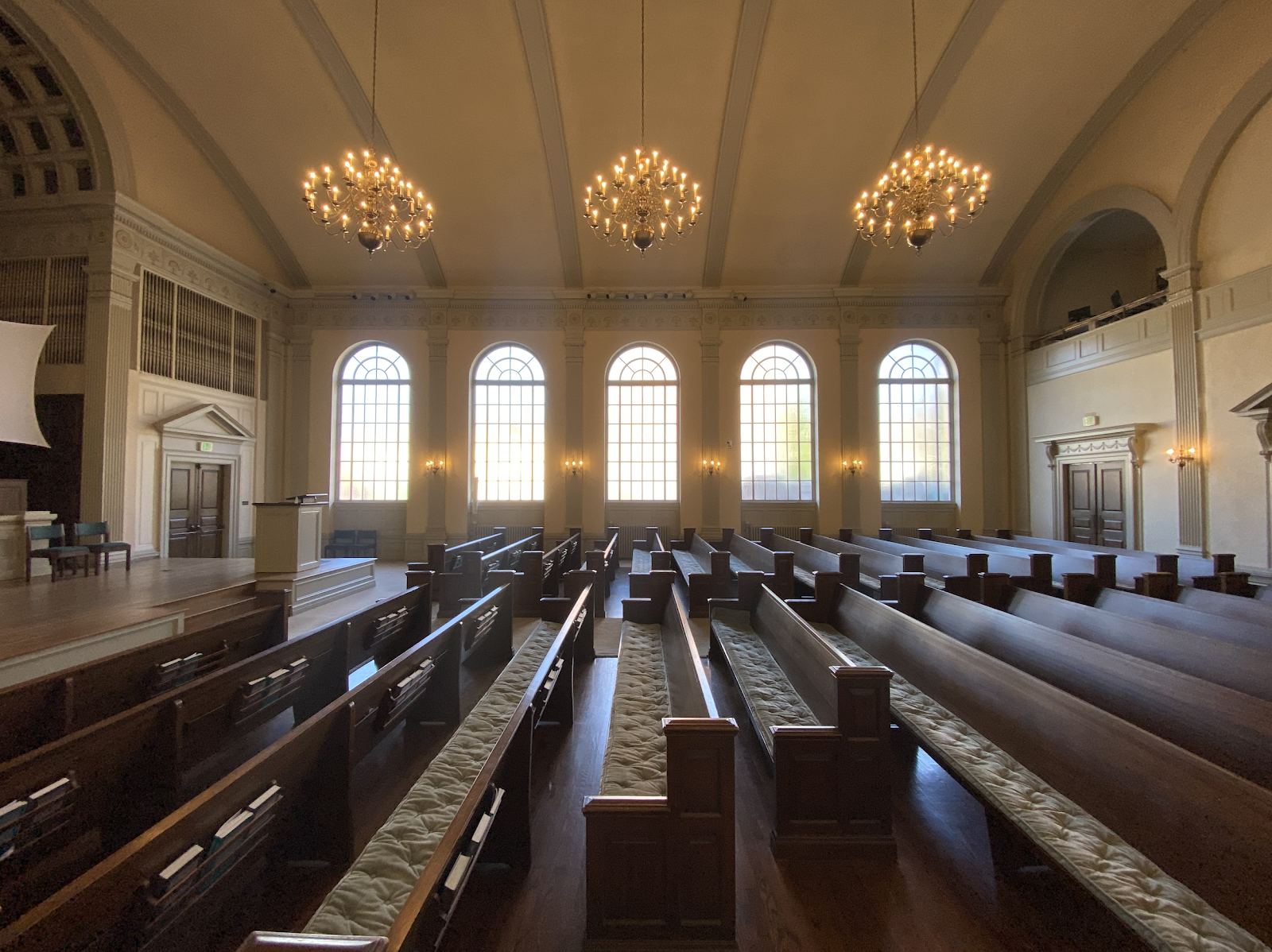
The Eliot Center, Portland: Photographing a Daylit Modern Venue
A building designed around daylight is the right kind of building to have in Portland.
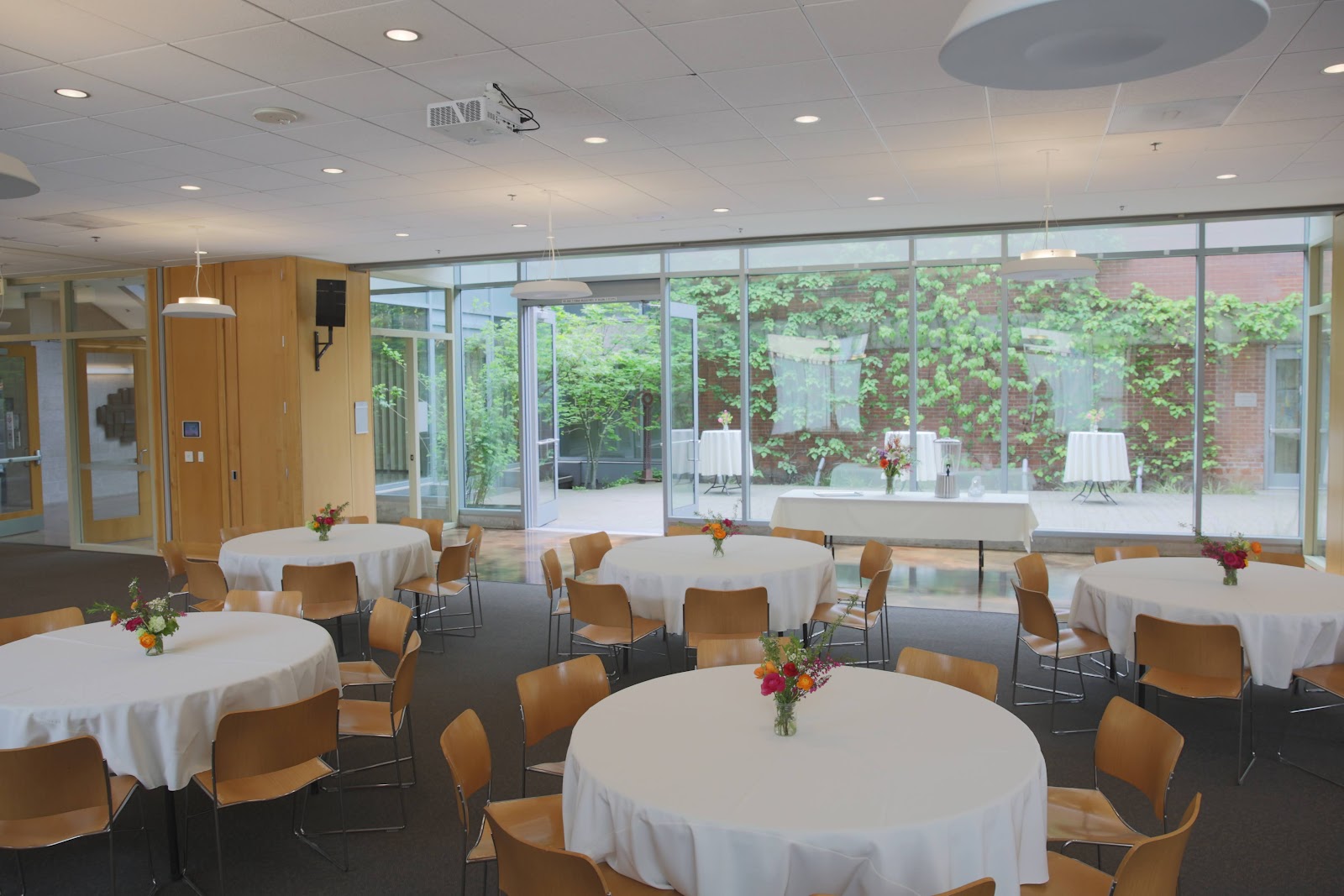
The Eliot Center is a modern Portland venue with clean lines and expansive windows, promising — as its own description puts it — plenty of natural light, which is something photographers value.
That is true and it is worth unpacking, because a glass-heavy modern building has a coherent logic and in this particular climate the logic works unusually well. Expansive glazing does three things: it makes the interior light large and soft rather than small and hard; it makes that light directional, because it comes from one or two sides rather than from everywhere; and it makes the interior depend entirely on the sky, which in Portland means it depends on cloud.
The last of those is the good news. Portland’s default weather for much of the year is overcast, and an overcast sky behind a large window is the best light source that exists — an enormous diffuser producing soft, even, shadowless illumination with open shadows and no hard edge anywhere. A glass building under Portland cloud is effectively a very large softbox with a room inside it.
So this follows the venue’s own logic. We have not photographed a wedding at the Eliot Center; daylit modern venues behave consistently. Which elevation the main glazing is on, which rooms are included, and what the evening lighting consists of are the questions for their team.
The Eliot Center at a glance
| Where | Portland, Oregon |
| Character | A modern venue with clean lines and expansive glazing |
| The logic | Large, soft, directional light that depends entirely on the sky |
| Why it suits Portland | Overcast is the default, and overcast behind glass is ideal |
| Ask first | Glazing orientation, rooms included, what the evening lighting is |
Working large glazing: the position and the problem
The position that matters is distance from the glass, and it is less intuitive than it sounds. Pressed against a window, a subject is lit hard and from a very oblique angle, with the far side of the face falling away sharply. Two metres back, the same window subtends a smaller angle but covers the subject more evenly — soft, still clearly directional, and with enough level that the room behind still reads rather than dropping to black. Two metres back is almost always the answer.
Turning the subject relative to the glass gives three distinct setups without moving anything: facing it, which is broad and flat and good for detail; side-on, which is the classic portrait position with a shadow side; and back to it, which gives a rim and needs fill from the front. One window and three frames, with no equipment.
The problem with a glass building is direct sun, and the problem has two parts. A hard patch of sunlight on a face is several stops above the surrounding room and cannot be evened out. And structural glazing bars or mullions print a grid of hard shadow across anything in the patch, which cannot be corrected because it is a real exposure difference across the subject and cannot be posed around because it moves.
The answers are in order of preference: work the shaded elevation, which gives soft directional light all day with no hotspots; wait for the sun to move, which at a modern building with a large aperture takes less time than it seems; or use the grid deliberately on a wall or floor rather than on skin, which is genuinely attractive.
In Portland the sun problem occurs on a minority of days, which is the practical argument for this kind of venue here. On an overcast day every elevation behaves like a shaded one and the orientation question disappears entirely.
One exposure adjustment applies throughout: a large bright window in the frame pushes a meter towards underexposure. Add half a stop to a stop over the metered reading, and check that skin holds its tone rather than going grey — and accept that the window itself will be bright. An expansive window rendered as a white shape behind a subject is a legitimate and often good frame; the failure is choosing it by accident and then trying to recover a view that was never recorded.
Clean lines, pale surfaces, and getting shape back
Modern architecture gives spare surfaces and strong geometry, and both need handling. The geometry is an asset: clean lines, repeated modules and strong horizontals and verticals make compositions that read immediately — and they reward precision, because in a spare frame a crooked horizontal is obvious with nothing else to distract from it. Level deliberately.
The spare surfaces are the problem, and it is the modern-venue problem generally: pale walls and even light give almost no separation between a subject and a background. A pale dress against a pale wall under soft window light has very little distinguishing one from the other, and no amount of exposure fixes it.
Four tools address it and they stack. Depth, so the background sits well behind the subject. A wide aperture, so it goes soft. Placement against the darkest element available — a doorway to an unlit space, a dark frame member, a plant mass. And negative fill, which is the under-used one: something dark placed on the shadow side of a face subtracts bounced light from that side and deepens the gradient. In a pale daylit room, subtracting works better than adding.
That is worth stating plainly because the instinct in a well-lit modern room is to add a flash, and it is usually the wrong move. Window light of this quality does not need supplementing; it needs shaping, and shaping is done with dark objects and with position.
Ceiling height should be checked once on arrival, because a modern venue may have a high volume where bounce returns nothing or a normal one where it works. One test frame settles it and it determines the whole approach for the evening.
Plants, where a modern venue uses them, are a genuinely useful compositional tool: a mass of foliage is the darkest thing in most pale rooms, which makes it the natural background for a portrait, and it gives texture that clean surfaces cannot. The caution is the usual one — dense foliage bounces green onto nearby skin, so set a custom white balance on a face in the position being used.
- Two metres back from the glass, not pressed against it
- Facing, side-on and back to the window: three frames, one position
- Work the shaded elevation; the shadow grid belongs on walls, not faces
- Add half a stop or more for the bright window in frame
- In a pale room, subtract with negative fill rather than adding flash

Evening, and Portland through the year
After dark a glass building inverts completely. The lit interior becomes brighter than the outside, so expansive glazing stops showing the city and starts reflecting the room — and because the glazing is expansive, the effect is larger than in a conventional building. Whole walls become mirrors, and wide frames that worked at four o’clock are cluttered at nine.
The crossing is the frame to schedule. For roughly twenty minutes after sunset the outside falls to about the brightness of the interior lighting, and one exposure holds the lit room, the couple and whatever is beyond the glass. Take the sunset time, add fifteen minutes, and be in position with the couple already there.
After it, lights go off the camera axis, frames go oblique to the glass rather than square, and reflection becomes material rather than damage. Shooting into a corner where two glazed planes meet gives a reflection on both sides, which is either the best frame of the evening or a mess depending on whether the light stands are in shot — check the corners before guests arrive.
Whatever the evening lighting consists of is worth establishing in advance, because a daylit building may have been designed with less attention to artificial light than to glass. If the evening scheme is a set of downlights, that is the overhead problem and it needs one warm-gelled source at face height to fix; if it is warm decorative fittings, it needs white balance discipline; if there is very little, it needs power and modifiers.
Portland’s seasons change this venue more than they change most. In summer, days are very long and sunset falls late enough that the dusk crossing lands well into the reception — worth agreeing in advance as a short deliberate excursion, because it is the one frame that cannot be moved. In winter, days are short and the sun sets early, which means the crossing happens before or during the ceremony and the entire daylit character of the building may be gone by the time guests sit down. A December wedding in a glass building is a different day from a June one, and the schedule should reflect that rather than discover it.
Rain is an asset here rather than a problem. Portland rain is persistent and light rather than violent, and rain on expansive glazing — with the room warm and lit behind it, water running down the panes as texture and a grey diffuse light outside — is one of the better frames a glass building offers. It is worth recording rather than waiting out.
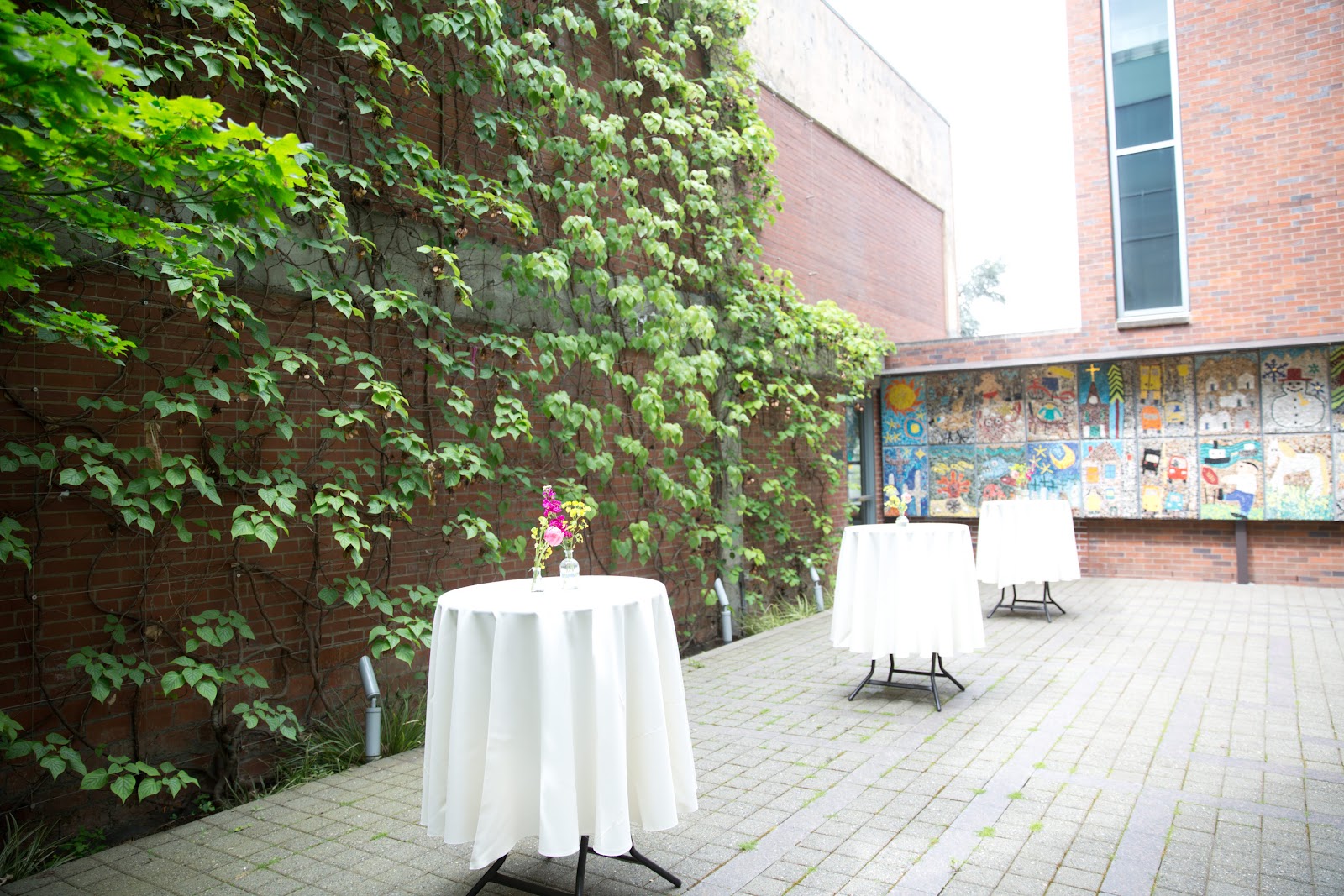
More frames from The Eliot Center

The Eliot Center wedding photography: common questions
How far from the glass should a subject stand?
About two metres. Pressed against a window the light is hard and very oblique; two metres back it is soft, still directional, and the room behind still reads.
How many frames does one window give?
Three, without moving anything: facing it, side-on, and back to it. Broad and flat for detail, a shadow side for portraits, and a rim that needs fill.
What is the problem with direct sun?
Two problems — a hard patch several stops above the room, and a grid of shadow from glazing bars printed across anything in it. Neither can be corrected. Work the shaded elevation instead.
Why is a glass building well suited to Portland?
Because overcast is the default for much of the year, and an overcast sky behind a large window is the best light source that exists — soft, even and shadowless.
Should you add flash in a well-lit modern room?
Usually not. Light of that quality needs shaping rather than supplementing, and shaping is done with negative fill and position rather than with another source.
How do the seasons change the day?
Considerably. In summer the dusk crossing falls well into the reception; in winter it happens before or during the ceremony and the building’s daylit character may be gone before guests sit down.
More Oregon venue guides
We are writing a photographer’s guide to every venue we would happily shoot in Oregon. Here are three more, plus the full index:
- The Evergreen Airport, Portland: A Walk Through a Restored Early-Century Building
- The Jupiter Hotel, Portland: Four Ways Out of the Courtyard Problem
- The Oregon Museum of Science and Industry, Portland: What It Suits and What It Does Not
Planning a wedding at The Eliot Center?
Glazing orientation and a clock time settle this venue. Tell us your date.