 Overhills Mansion: Who This Venue Suits, and Who It Doesn’t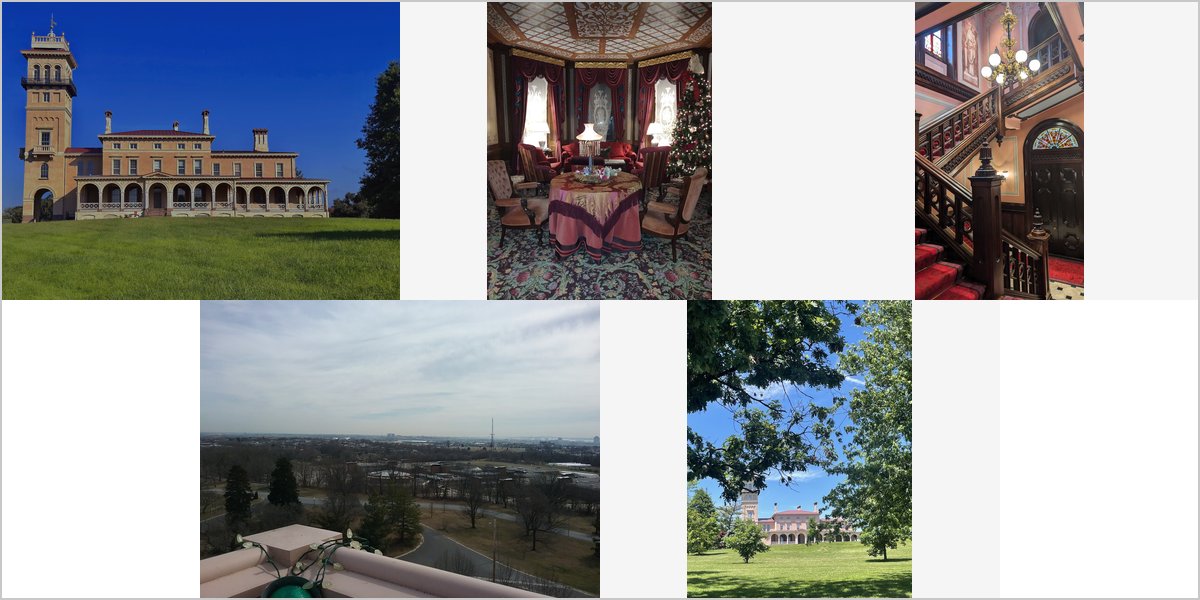
June 4, 2026
Clifton Mansion: A Photographer Answers the Real Questions
An Italianate villa with a tower, in parkland, restored as a working office and event space. The tower is the frame everyone wants — ask about access first.
Clifton Mansion began as a late eighteenth-century farmhouse and was remodelled in the 1850s by Johns Hopkins into an Italianate villa, complete with a tall campanile tower and decorative interior painting. It sits in Clifton Park in east Baltimore, and has been restored in recent years as the home of a non-profit alongside event use.
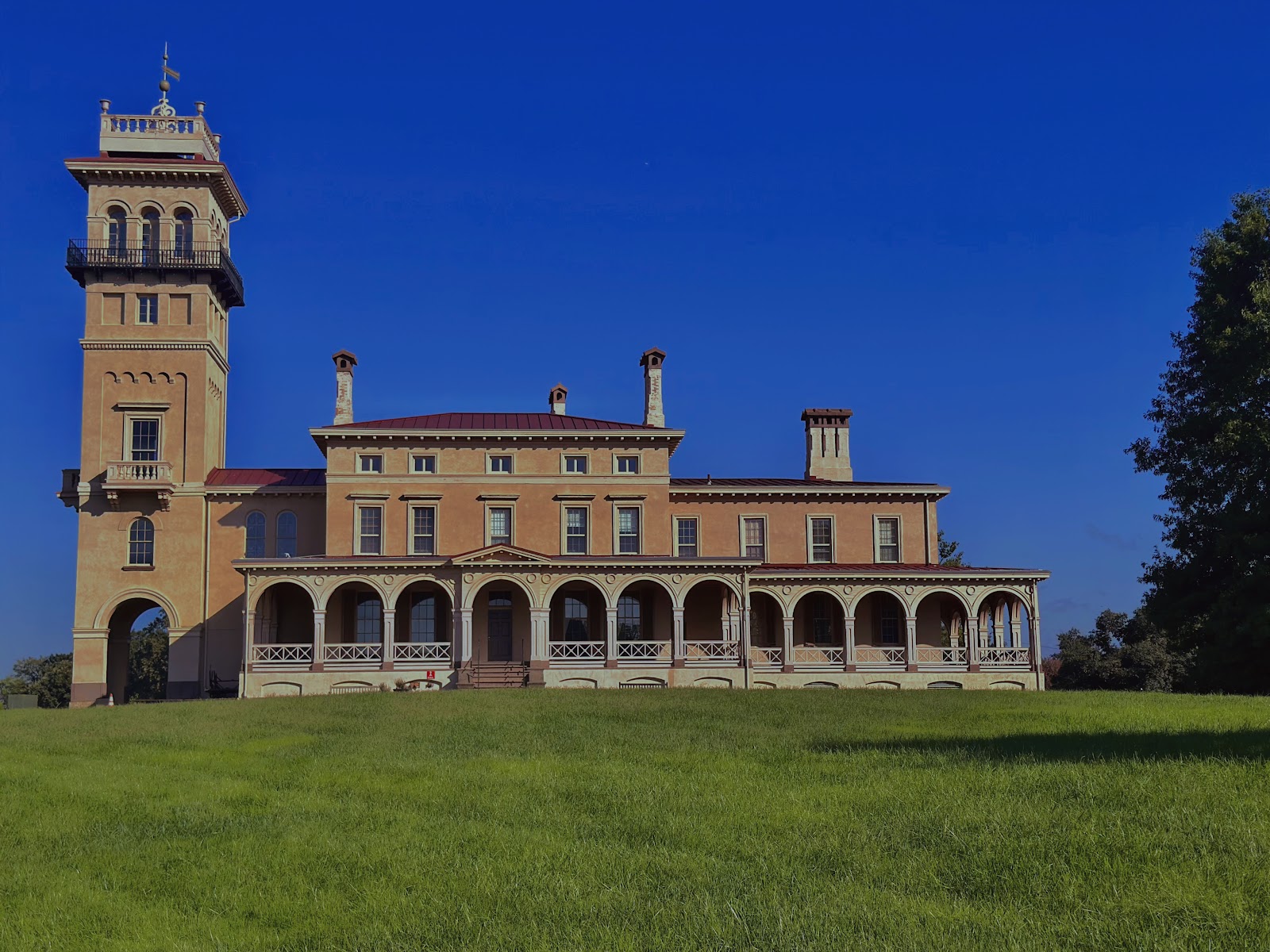
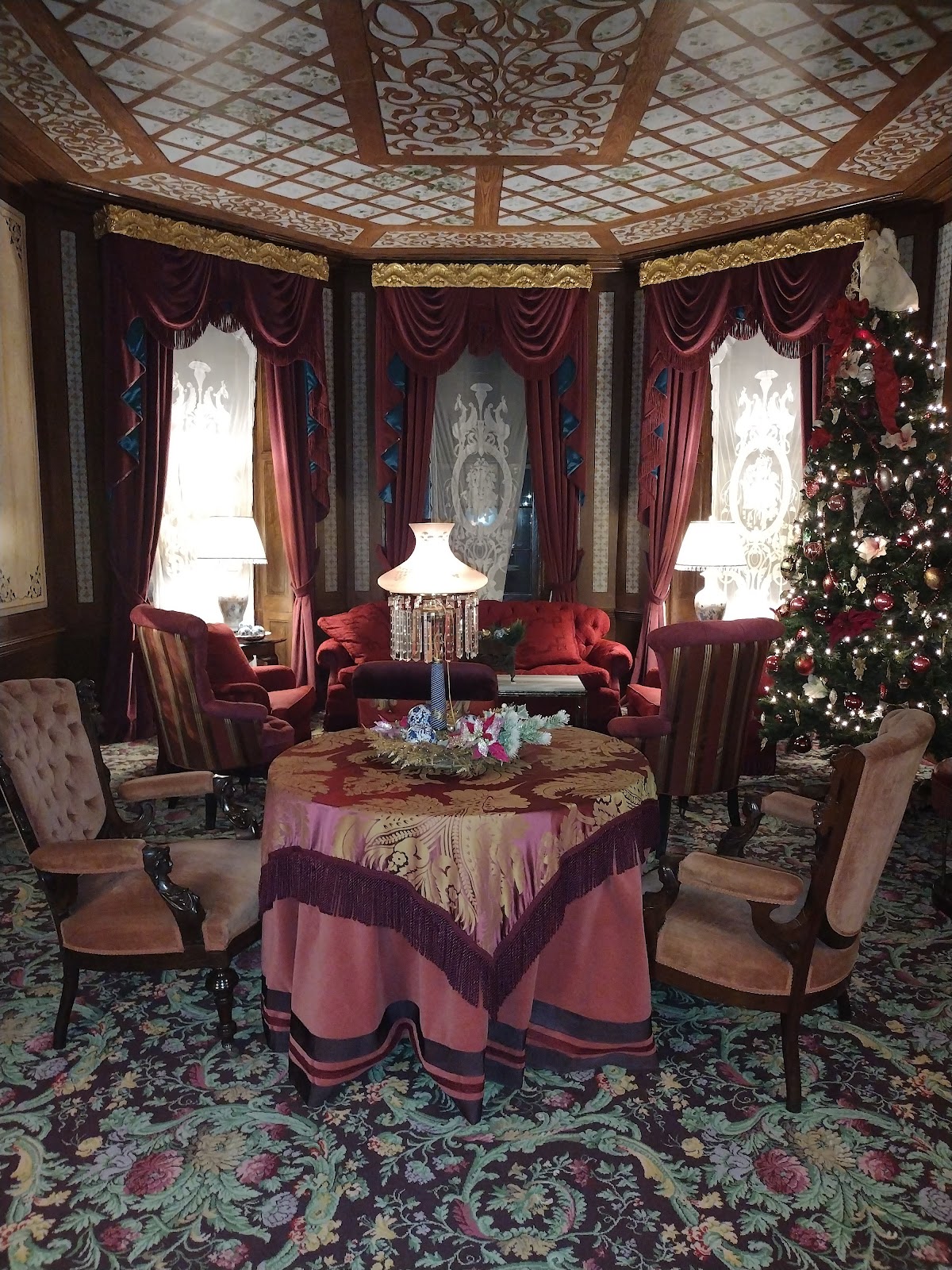
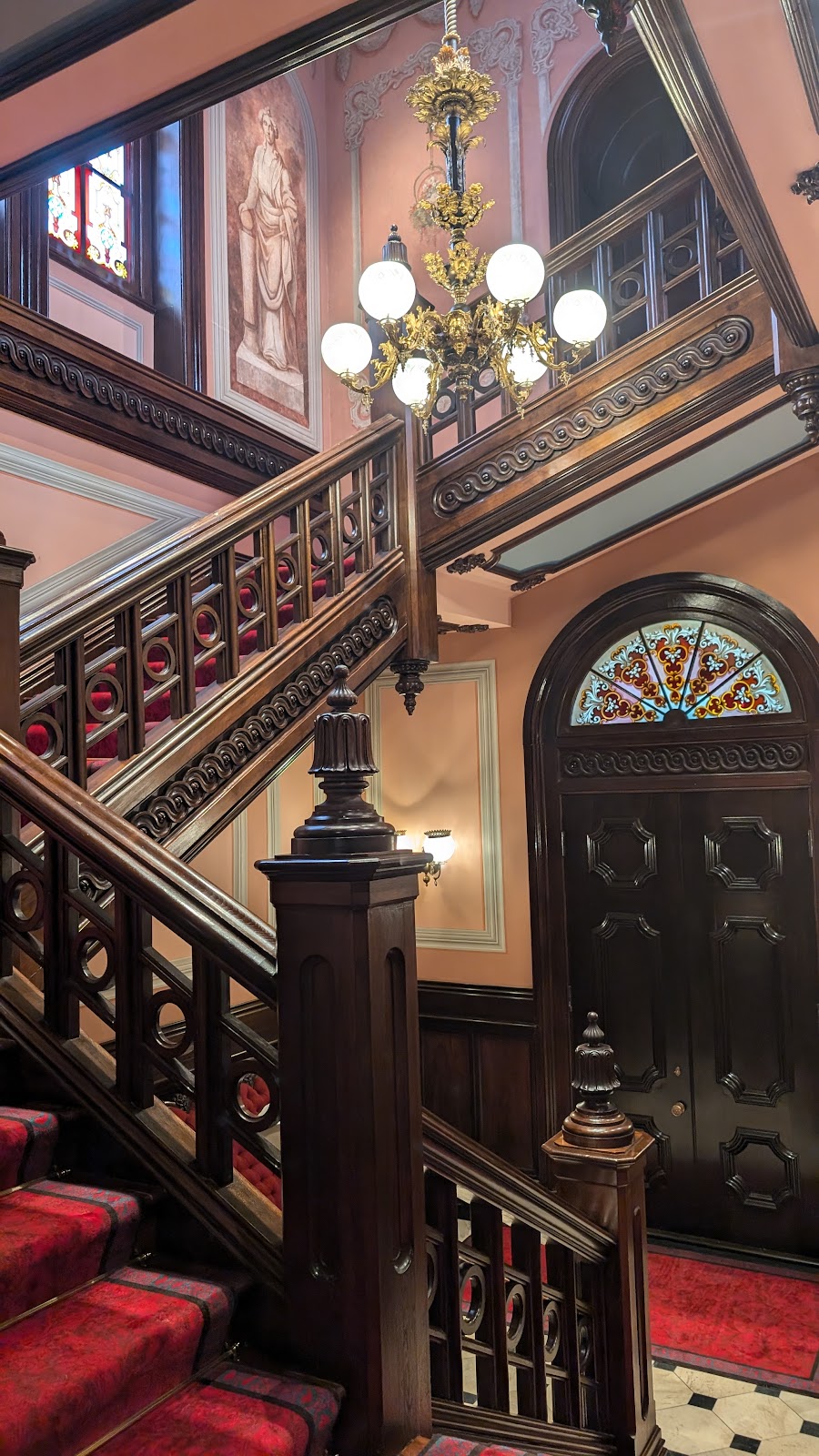
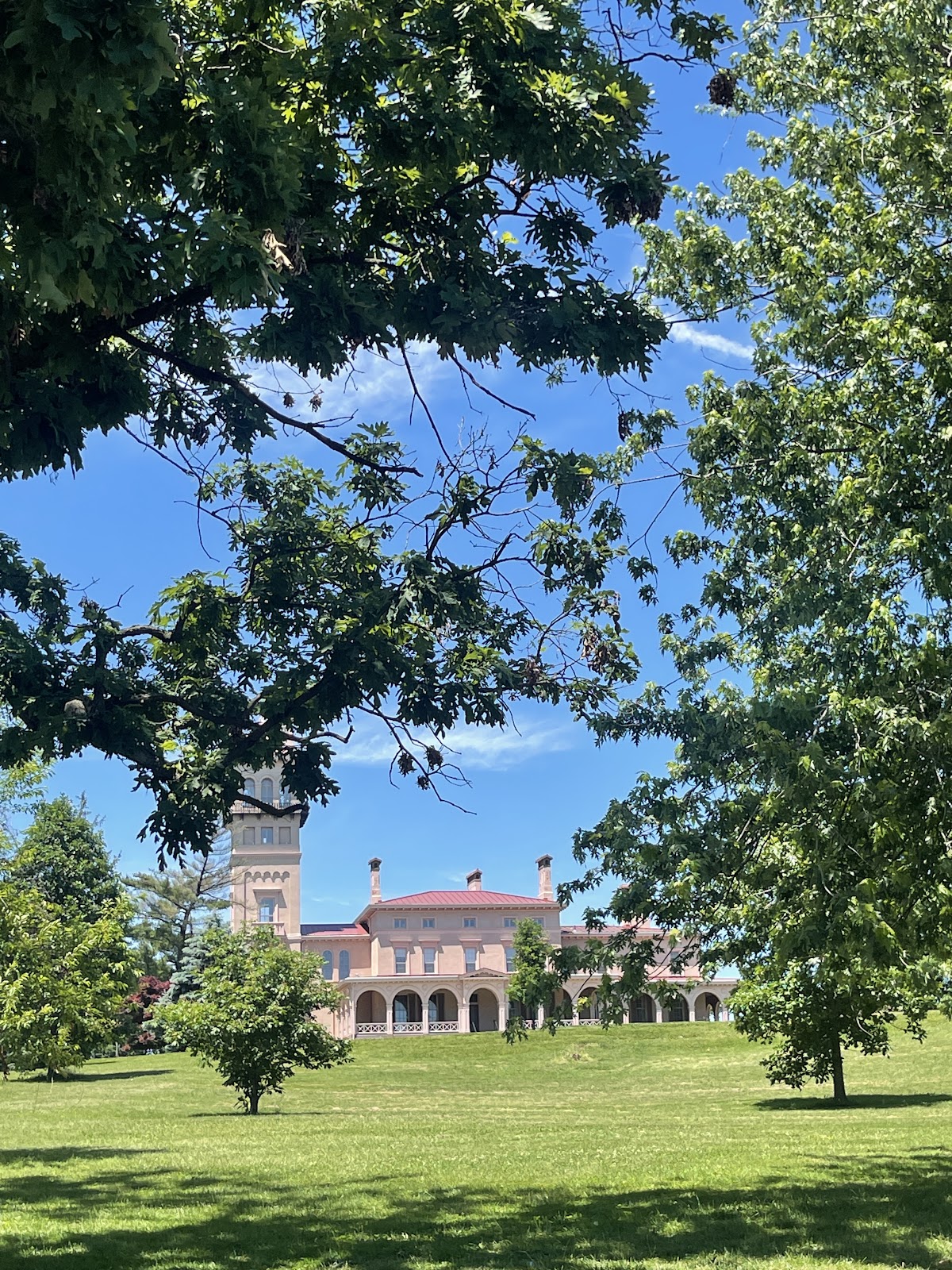
Photographically the interest is in the combination: a distinctive villa silhouette with a tower, decorative painted interiors, and substantial public parkland immediately around it. That gives you three quite different environments — architectural exterior, characterful interior, and open parkland with mature trees — which is more variety than most single venues provide.
These are the questions couples ask. We have not photographed a wedding at Clifton Mansion. The architecture and the behaviour of the light are predictable; which rooms are included, whether the tower is accessible and what the venue permits are for their team, and tower access in particular should be confirmed rather than assumed, because towers frequently are not open.
Clifton Mansion at a glance
| Where | Clifton Park, east Baltimore, Maryland |
| History | Late 1700s farmhouse remodelled in the 1850s for Johns Hopkins as an Italianate villa |
| Character | Campanile tower, decorative painted interiors, parkland setting |
| Light | Villa windows give real daylight; parkland gives open shade under mature trees |
| Ask first | Tower access, which rooms are included, and parkland permit requirements |
Is the interior light good enough for portraits?
Italianate villas were built with generous windows — taller and larger than the Georgian houses that preceded them — and that is genuinely helpful. In the principal rooms you should expect usable daylight for the first two to three metres from the glass, which is enough for couple portraits without equipment during the day.
The qualification is the same as at every historic house: depth and season. Beyond a few metres the rooms go dark quickly, and in winter, with an afternoon sunset, an evening wedding will have no daylight at all. Decorative painted walls and ceilings also absorb more light than plain plaster would, and they add colour to whatever bounces off them.
The habit worth adopting is to identify the best-lit room on arrival rather than assuming the grandest room is the right one. In a villa the answer is usually a corner room with windows on two walls, because light from two directions wraps around a face in a way single-sided light cannot.
What about the tower?
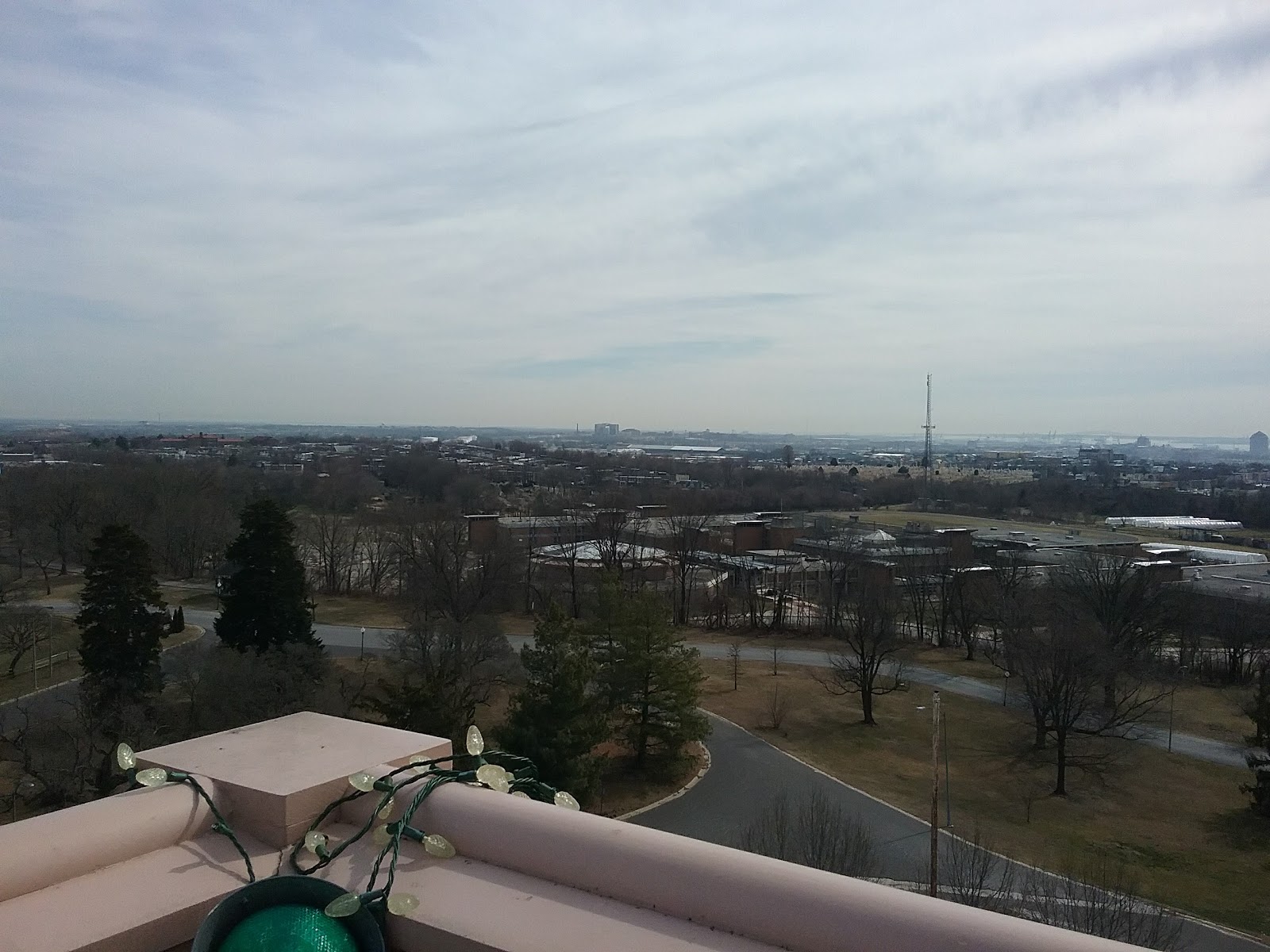
It is the venue’s signature and the thing every couple asks about, so establish access early. If it is open, a campanile gives you two distinct things: an elevated view over the parkland and the city, and a tall narrow interior space with light coming from openings above — which is dramatic, directional and quite unlike anything else on the property.
A tower interior is usually a difficult exposure. Light enters high through openings and falls steeply, so there is a bright top and a dark bottom with a wide range between. The workable approach is to place people where the falling light reaches them, expose for their faces, and let the space below go dark — the falloff is the drama.
If the tower is not accessible, the exterior silhouette is still the establishing frame for this venue. A villa with a campanile against sky reads instantly as architecture rather than as a generic old house, and it is worth getting properly — ideally in low light, when the tower casts a long shadow and the massing reads clearly.
How useful is the parkland?
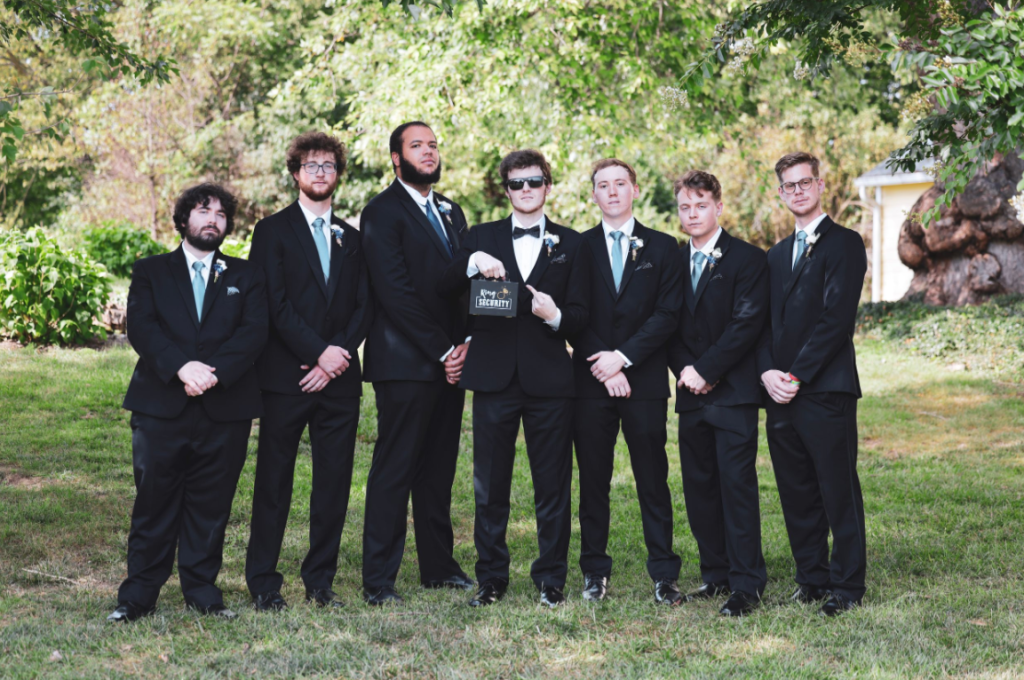
Very, and it is the part couples tend to undervalue. Clifton Park is a large nineteenth-century public park with mature specimen trees and open lawns, which gives you the two things a historic house cannot: high open shade, and room for large groups.
High open shade under a mature tree is the most flattering outdoor light available, and it is weather-tolerant — it works in bright sun and in overcast equally. Open lawns give clean simple backgrounds where a busy painted interior would compete with the couple. And the scale means you can place a large family group properly rather than compressing them into a doorway.
Late afternoon is the time. As with any parkland site, the last ninety minutes of daylight give low raking light across grass and through foliage, and that window is worth protecting above everything else in the schedule. Being a public park, expect other users and confirm what permits apply.
What is the honest assessment?
The strengths are real variety in one location, a genuinely distinctive silhouette, and parkland that solves the group-photograph problem that small historic houses create. For a couple who wants an architectural venue without being confined to dark rooms, that combination is hard to beat in Baltimore.
The limitations are the standard historic-house ones plus one specific to a restored working building. Interiors are dark beyond the windows and warm in colour. Painted decoration makes busy backgrounds that compete with people unless you separate and light deliberately. And because the building has a working occupant alongside event use, which rooms you get and when may be more constrained than at a dedicated venue.
Our practical plan would be: portraits in a corner room with two-sided light early, the tower if access allows, groups and golden hour in the parkland, and the exterior silhouette as the establishing frame at the end of the day.
What works in your favour
- Three genuinely different environments — villa exterior, painted interiors, mature parkland
- A campanile tower giving a distinctive silhouette and, if accessible, elevated views
- Italianate windows are generous, so daytime interior portraits need no equipment
- Clifton Park solves large group photographs and supplies high open shade
- Corner rooms with two-sided light wrap faces better than single-sided windows
What to plan around
- Interiors go dark quickly beyond a few metres from the windows
- Decorative painted walls absorb light and add colour to whatever bounces off them
- Busy painted backgrounds compete with the couple without deliberate separation
- Tower access should be confirmed, not assumed — towers frequently are not open
- A working building with an occupant; room availability may be more limited than a dedicated venue
- A public park outside — expect other users and confirm permits
More frames from Clifton Mansion
Clifton Mansion wedding photography: common questions
Is there enough natural light inside Clifton Mansion?
In the principal rooms, yes, for the first two to three metres from the windows — Italianate villas were built with generous glazing. Beyond that it goes dark quickly, and in winter an evening wedding will have none. Look for a corner room with windows on two walls; light from two directions wraps a face far better.
Can we photograph in the tower?
Confirm it before counting on it, because towers often are not accessible. If it is open, you get an elevated view over the parkland and a tall narrow interior lit from openings high above — dramatic and directional. Expose for faces where the falling light reaches them and let the base go dark.
Do we need to use the park?
We would strongly recommend it. Clifton Park’s mature specimen trees give high open shade, which is the most flattering outdoor light there is, and the open lawns give clean backgrounds and genuine room for large groups. A painted historic interior cannot do either of those things.
When is the best light outside?
The last ninety minutes of daylight, when low sun rakes across the grass and through the foliage. Protect that window in the timeline above anything else. It is a public park, so expect other users and check what permits apply to a ceremony or a reserved area.
What is the establishing shot for this venue?
The villa with its campanile against the sky. A tower gives the building a silhouette that reads instantly as architecture rather than a generic old house. Shoot it in low light, when the tower throws a long shadow and the massing of the building is clearest.
More Baltimore venue guides
We are writing a photographer’s guide to every venue we would happily shoot in Baltimore. Here are three more, plus the full index:
- Cylburn Arboretum: A Season-by-Season Photography Guide
- The Engineers Club: Building the Shot List at the Garrett Mansion
- The Garrett-Jacobs Mansion: A Walk-Through of a Gilded Age House
All Baltimore Wedding Venues →
Planning a wedding at Clifton Mansion?
Tell us your date and whether tower access is included, and we will map out the villa rooms, the parkland block and the golden-hour window so nothing gets squeezed out.