 The Venue, Asheville: A Season-by-Season Guide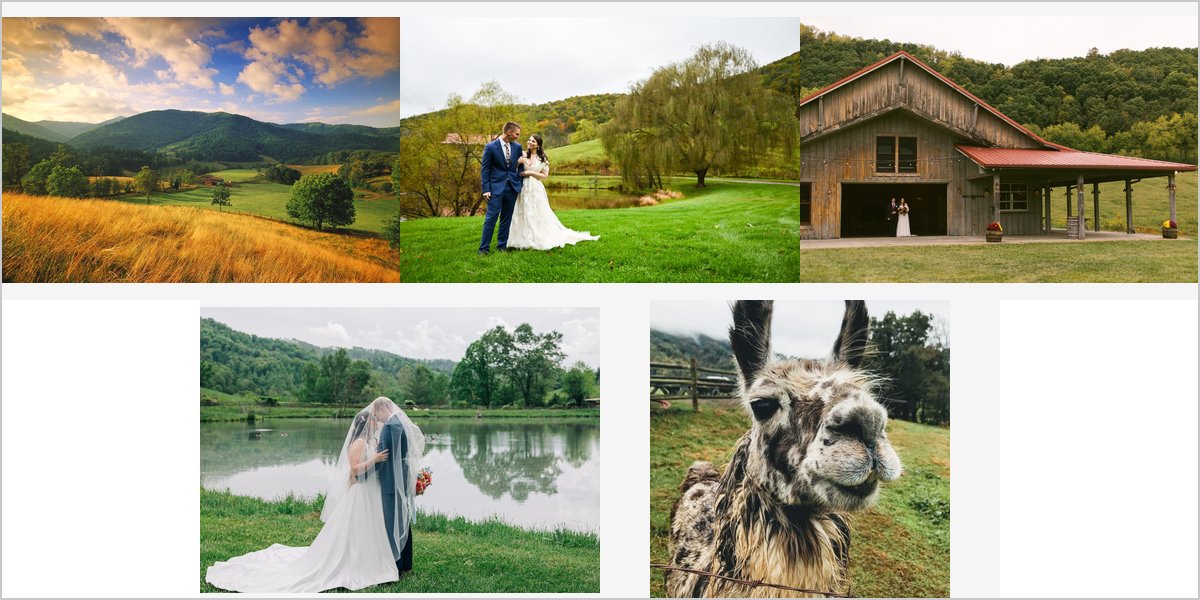
April 27, 2026
Claxton Farm: A Season-by-Season Photography Guide
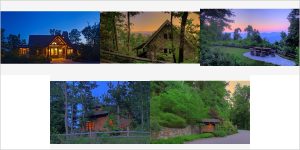
Barn, pasture and mountains. The barn is the same all year; the pasture and the mountains change completely, and they are what you actually photograph.
Claxton Farm sits at Weaverville, north of Asheville, a working farm with a restored barn used as a wedding venue, set among open pasture with Blue Ridge ridgelines visible on several sides. It belongs to the barn-and-pasture category that has become the default for outdoor weddings across the American South and Midwest, with the mountain setting as its distinguishing feature.
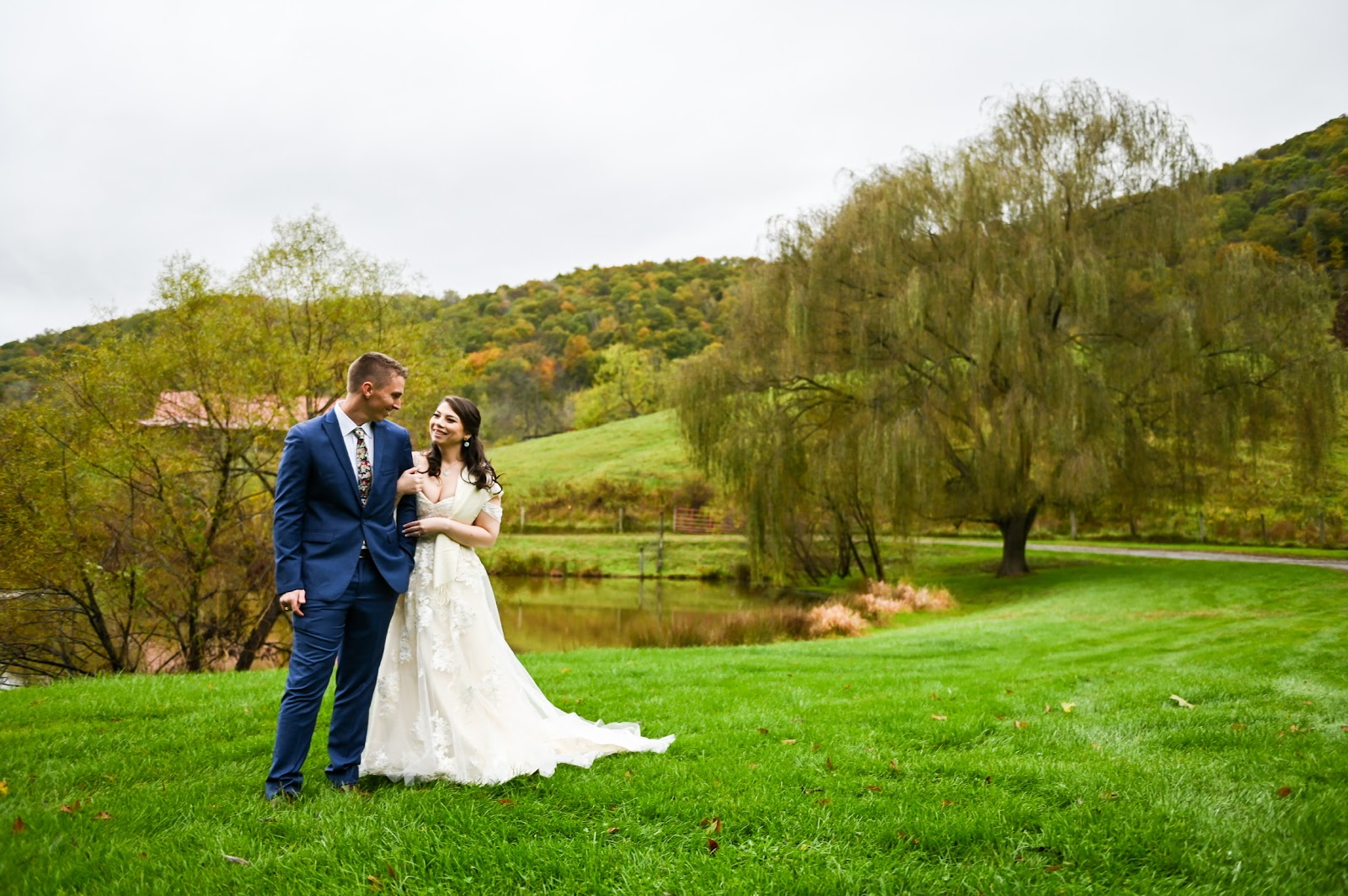
Photographically that means three environments: the barn interior, which is dark timber and needs lighting; the open pasture, which is bright and unshaded; and the mountain backdrop, which is what makes the venue worth choosing over a barn on flat ground. Each behaves very differently and each changes with the season.
So this guide is organised by season. We have not photographed a wedding at Claxton Farm; the behaviour of barn interiors, open pasture light and mountain ridgelines is consistent and predictable. Capacity, which areas are included and what the venue permits are for their team.
Claxton Farm at a glance
| Where | Weaverville, North Carolina — north of Asheville in the Blue Ridge |
| Character | Working farm with a restored barn, open pasture and mountain views |
| Light | Barn interior dark; pasture bright and unshaded; ridgelines cut the sun early |
| Seasonal driver | Pasture colour, mountain visibility and how early the light goes |
| Plan around | Mountain weather, and a genuine rain plan for an outdoor venue |
Spring: green pasture, changeable weather
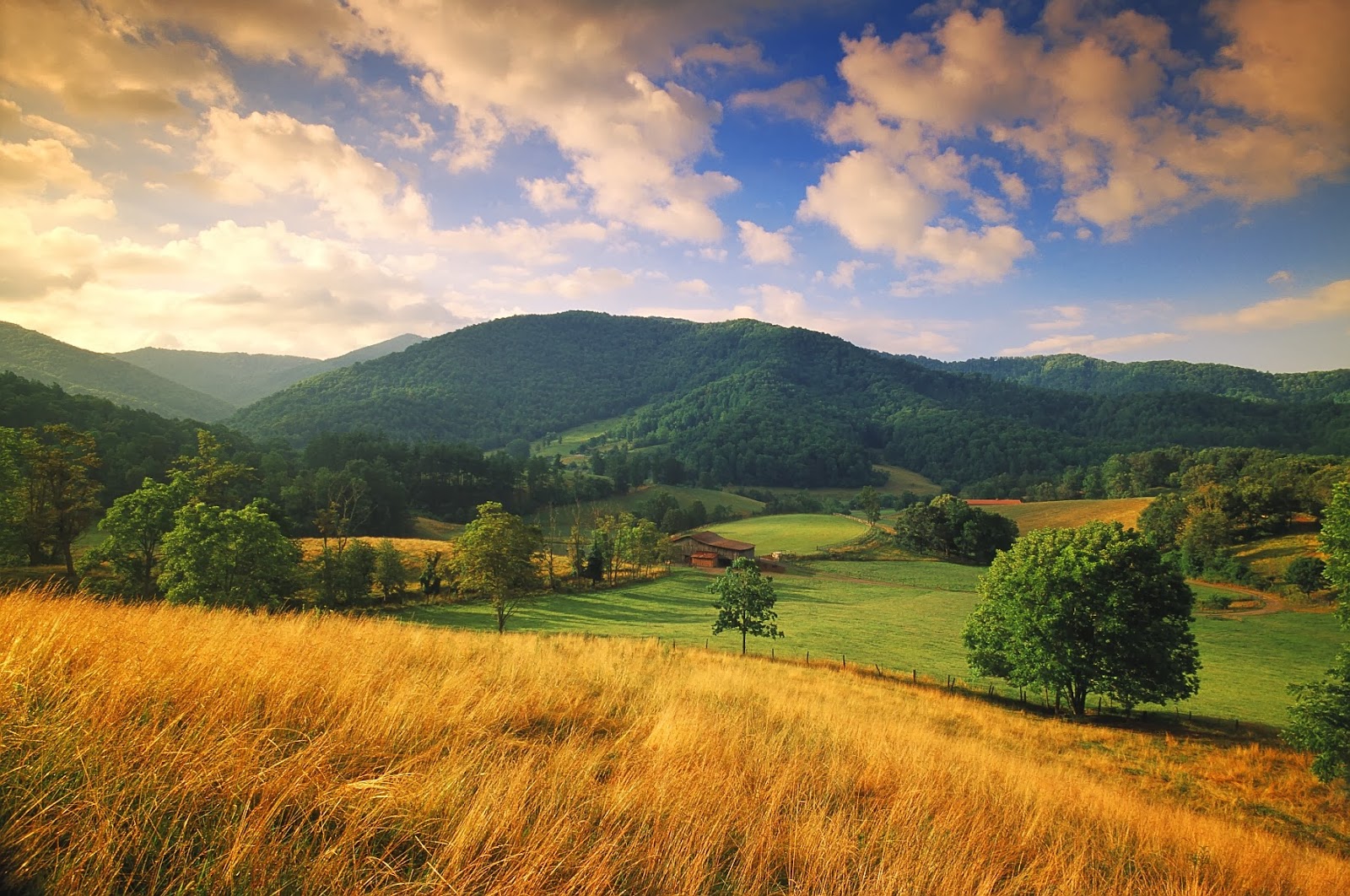
April and May bring the pasture into fresh green and the surrounding woodland into leaf, and the mountains are at their most visible — spring air in the Blue Ridge is clearer than the hazy summer air that gives the range its name. Ridgelines read as distinct layers rather than as a soft blue-grey mass, which is a genuine advantage for any frame that includes them.
The light is good: long enough days, a sun angle that is strong without being punishing, and a pasture that is bright but not yet glaring. Portraits in open pasture in May work at a wider range of hours than they will in July.
The caution is weather and ground. Mountain spring is changeable hour to hour, and a working farm’s pasture after rain is soft and muddy. That affects footwear, dresses and where a ceremony can physically be held. Ask what the ground does when wet and what the covered fallback is.
Summer: haze, heat and a narrow window
By July the Blue Ridge earns its name — humidity puts a genuine blue haze in the air, and distant ridgelines soften into flat washes with little separation. That can be atmospheric and it can be simply indistinct, and for a frame that depends on the mountains being visible it is a real loss.
The pasture becomes a hard place to work in the middle of the day. Open grass with no shade under high summer sun gives you squinting, deep eye shadows and a blown white dress, and there is nowhere to retreat except into the barn. The usable outdoor window narrows to early morning and the last ninety minutes before the ridge takes the sun.
That ridge timing matters more in summer than at any other season, because it is when the gap between almanac sunset and actual light loss is widest. A July wedding here planned on published sunset times will have people standing in flat shade wondering where the golden light went. Find out the real number.
Autumn: the reason to book this venue
Mid to late October in the Blue Ridge is among the best wedding photography conditions available anywhere in the United States, and a venue with open pasture and mountain views is the ideal place to experience it. The ridgelines turn in bands at different elevations, the air clears, and the light stays low and warm through most of the afternoon.
For this venue specifically, autumn solves the summer problem. The wide good-light window means portraits are not squeezed into forty minutes, the haze has gone so the mountains read clearly, and the pasture takes on a warm straw tone that agrees with the timber of the barn far better than bright green does.
It is also the busiest and most expensive period, and colour timing varies by a couple of weeks year to year. Book for the venue rather than for a guaranteed peak, and treat the colour as a strong probability rather than a certainty.
Winter: the barn has to carry it
With the pasture brown, the woodland bare and the mountains at their starkest, winter strips the venue back to structure. That can be striking — bare ridgelines under a hard winter sky are genuinely dramatic, and snow on a pasture with a red barn is a coherent and unusual image.
The practical reality is harder. Days are short, the ridge takes what sun there is very early, and the mountains are cold and often windy. Outdoor time becomes a brief planned excursion, and the barn has to host the whole day. That is workable, but the barn is dark timber with limited windows, so a winter wedding here is a lighting assignment from start to finish.
Ask two things specifically: whether the barn is heated, and what the installed lighting is. A dark unheated barn in a Blue Ridge January is a difficult room to photograph and an uncomfortable one to sit in, and both problems are solved in advance or not at all.
What works in your favour
- Mountain backdrop distinguishes it from any barn on flat ground
- Mid to late October in the Blue Ridge is among the best conditions in the country
- Open pasture gives room for large groups and clean uncluttered backgrounds
- Autumn’s straw-toned pasture agrees with barn timber better than summer green
- Spring air is clear enough that ridgelines read as distinct layers
What to plan around
- Summer haze flattens the mountain views that justify the venue
- Open pasture is unshaded — midday in summer is unworkable and there is nowhere to retreat
- Ridgelines cut the light well before almanac sunset, and the gap is widest in summer
- Wet pasture is soft and muddy, which affects ceremonies, footwear and dresses
- The barn is dark timber and must be lit; in winter it has to carry the entire day
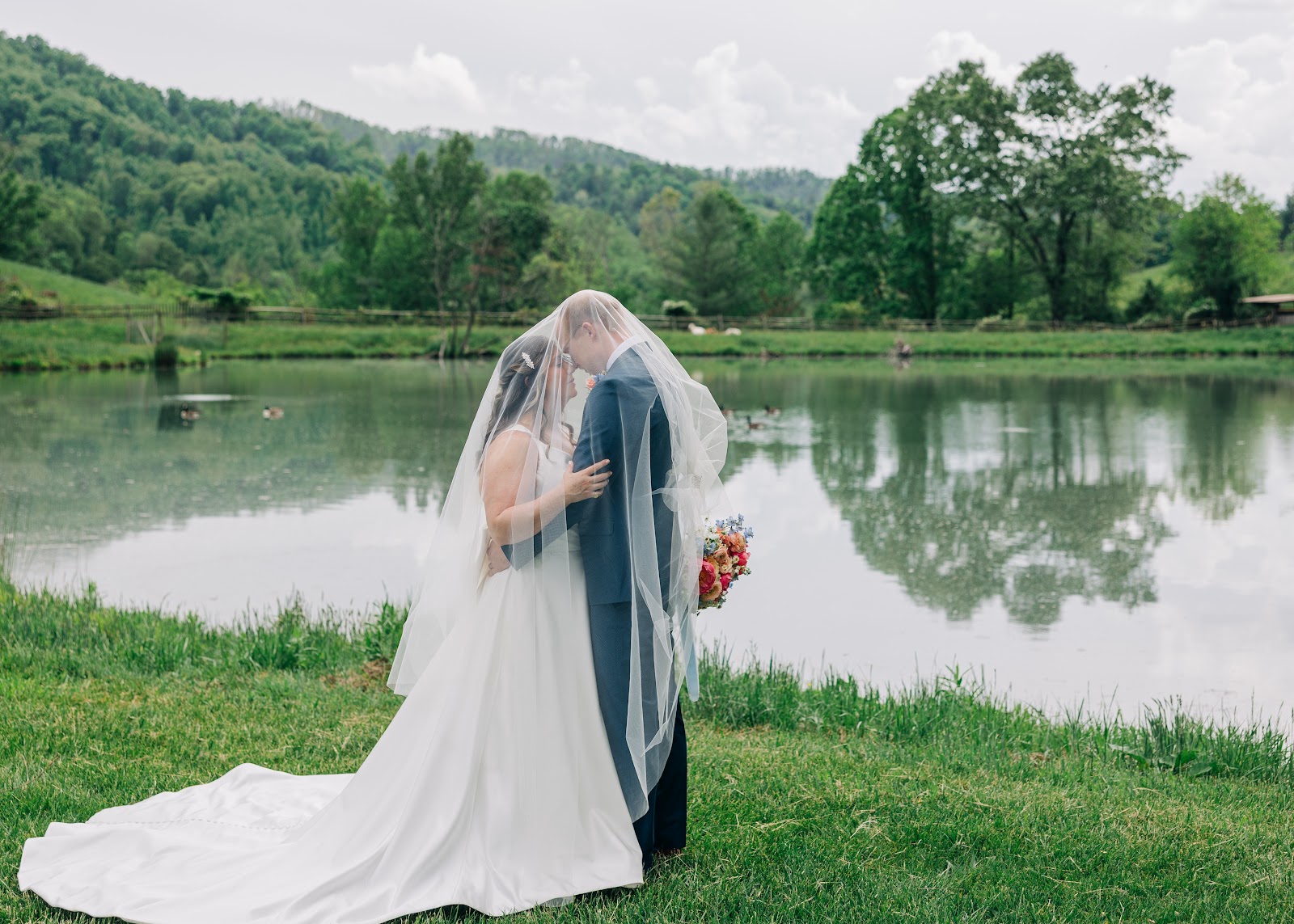
More frames from Claxton Farm
Claxton Farm wedding photography: common questions
What is the best season at Claxton Farm?
Mid to late October. The ridgelines turn in bands at different elevations, the summer haze clears so the mountains read distinctly, and the light stays low and warm through most of the afternoon — which widens the good window instead of squeezing portraits into forty minutes.
Why are the mountains less visible in summer?
Humidity. The Blue Ridge gets its name from the blue haze that summer air produces, and that haze flattens distant ridgelines into soft washes with little separation between them. For any frame that depends on the mountains being legible, it is a genuine loss — spring and autumn air is much clearer.
When does the light go?
Earlier than the almanac says, because ridgelines to the west act as a false horizon. The gap is widest in summer, so a July wedding planned on published sunset times will find everyone standing in flat shade wondering where the golden light went. Find out the real ridgeline time for your date.
Is the pasture usable in the middle of the day?
Not in summer. Open grass with no shade under high sun gives squinting, deep eye shadows and a blown dress, and the only retreat is into the barn. The usable outdoor window narrows to early morning and the last ninety minutes before the ridge takes the sun.
What should we ask about the barn?
Whether it is heated, and what lighting is installed. It is dark timber with limited windows, so it needs lighting in any season and it has to carry the entire day in winter. A dark unheated barn in a Blue Ridge January is both hard to photograph and uncomfortable to sit in.
More Asheville venue guides
We are writing a photographer’s guide to every venue we would happily shoot in Asheville. Here are three more, plus the full index:
- Highland Brewing Company: Field Notes on a Brewery Venue
- New Belgium Brewing Asheville: Building the Shot List
- The Omni Grove Park Inn: A Walk-Through of a 1913 Boulder Hotel
All Asheville Wedding Venues →
Planning a wedding at Claxton Farm?
Tell us your date and we will tell you the real ridgeline time for that week, what should be turning or greening, and how to structure the day so the barn is not doing work the pasture should.