 Overhills Mansion: Who This Venue Suits, and Who It Doesn’t
The Maryland Science Center, Baltimore: A Walk Through a Science Museum
A science museum is the most brightly coloured interior you will ever work in, and none of the colour is yours.
The Maryland Science Center sits on Baltimore’s Inner Harbor and offers indoor and outdoor options — which its own description identifies as the appeal, and which is the right place to start.
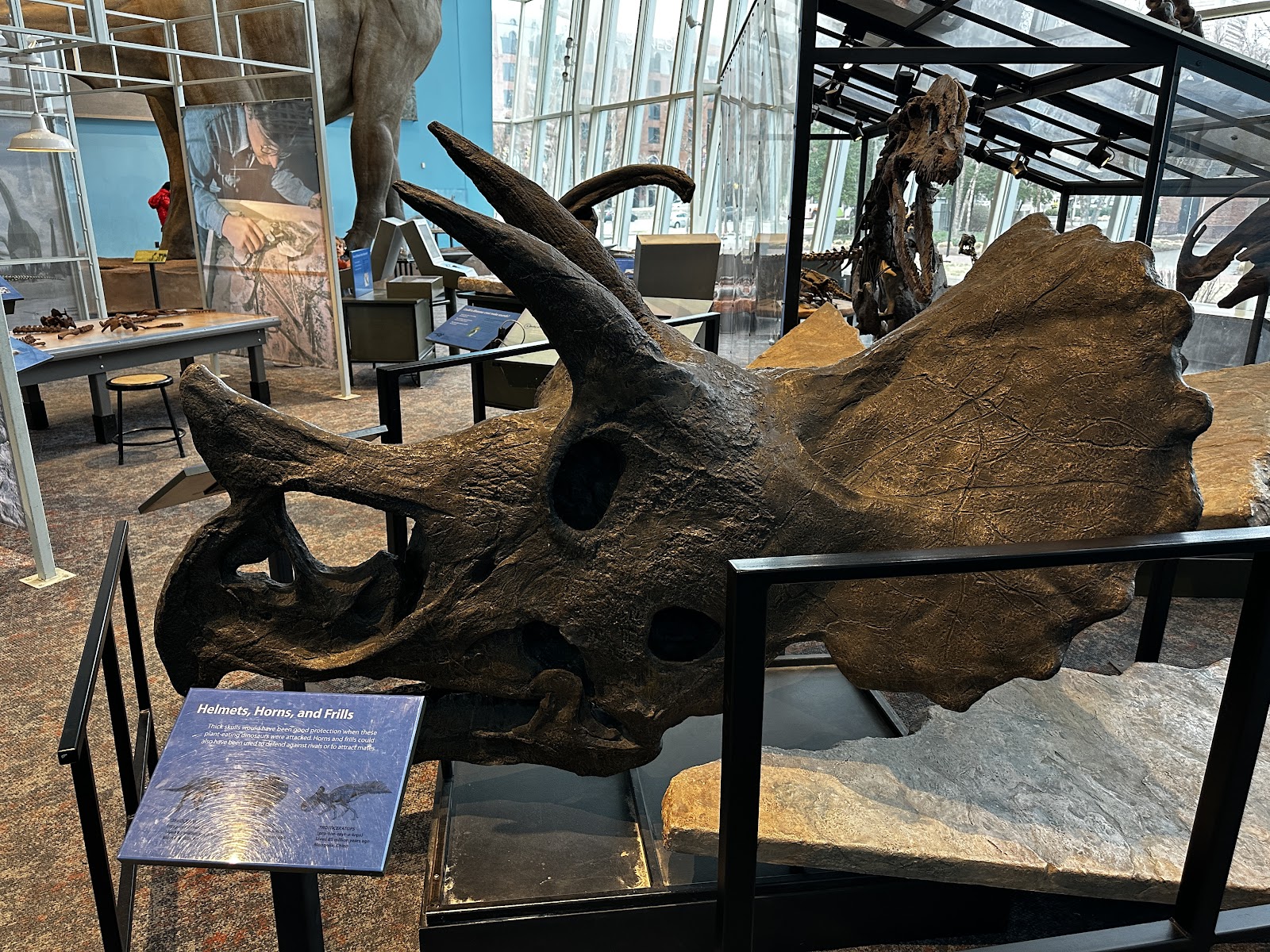
A science museum is a very particular interior and it differs from an art museum in one important way: the exhibits are not light-sensitive, so there is no conservation constraint and the light levels are perfectly usable. What replaces that problem is a different one. Science exhibits are designed to be attention-grabbing, which means they are internally illuminated, strongly coloured, often moving, and frequently the brightest thing in the room — so the light in a science gallery is bright, chaotic, and coming from six directions in six colours.
This is a walk through the building, because the spaces have genuinely different jobs. We have not photographed a wedding at the Science Center; science museums behave consistently. Which spaces a wedding includes, whether exhibits can be switched off or dimmed, and what the harbourfront access allows are the questions for their team — the middle one is worth more than it sounds.
The Maryland Science Center at a glance
| Where | The Inner Harbor, Baltimore, Maryland |
| Character | A science museum with exhibit halls and harbourfront outdoor space |
| Not the usual problem | No conservation limit — the light levels are fine |
| The actual problem | Bright, coloured, moving exhibit light from every direction |
| Ask first | Spaces included, whether exhibits can be dimmed, harbour access |
The exhibit halls: colour from six directions
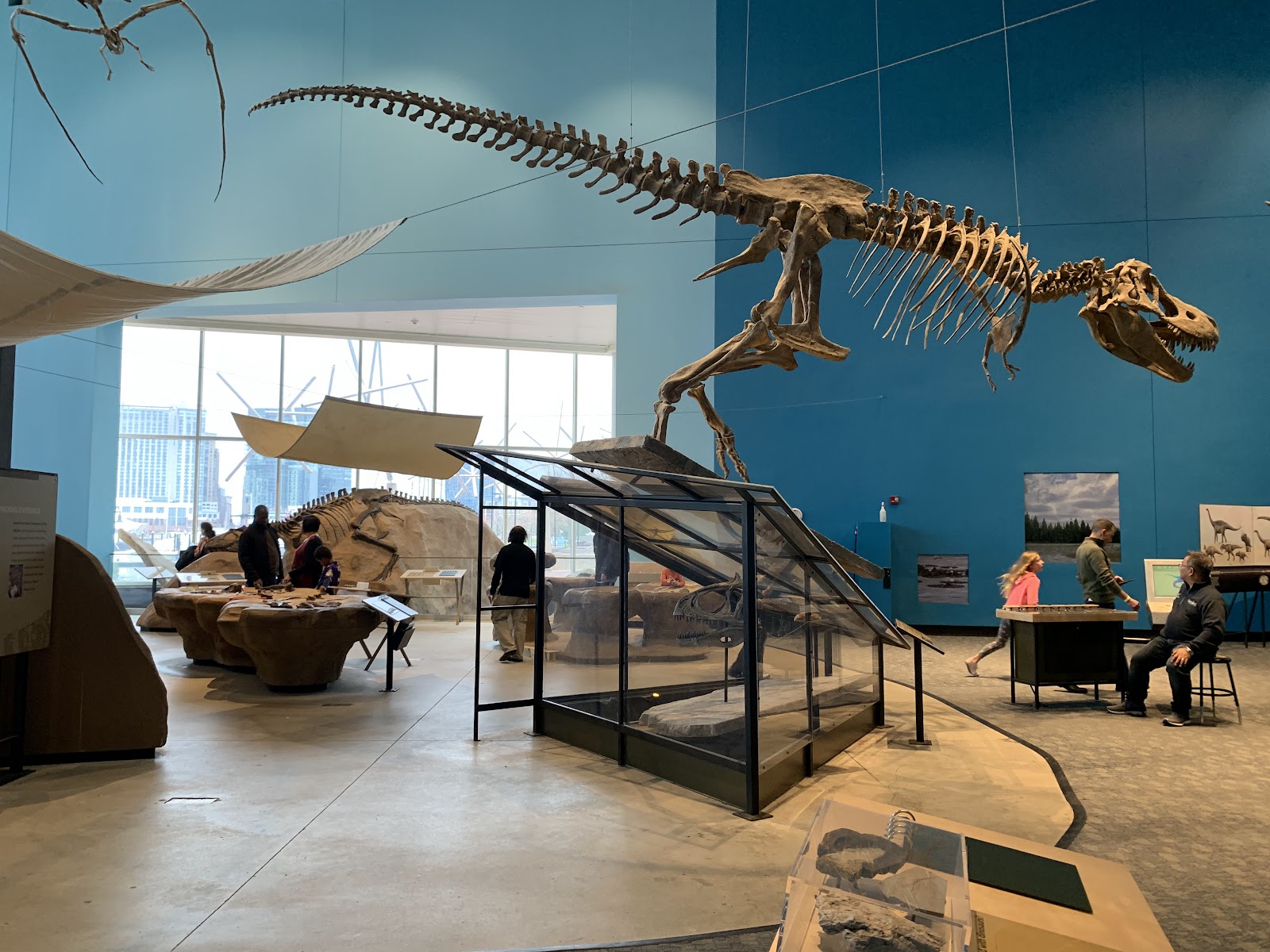
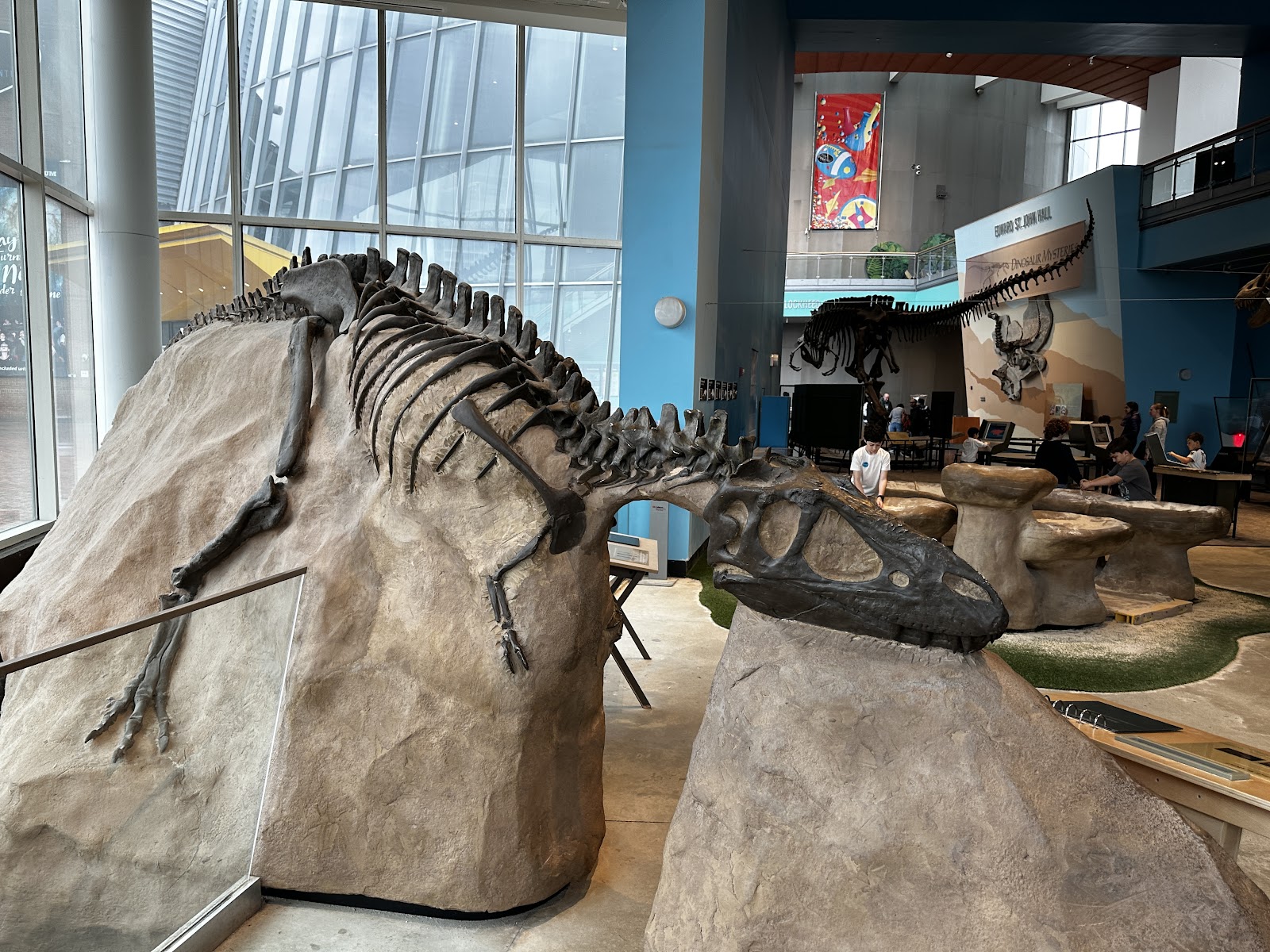
Start where the problem is. An exhibit designed to attract a visitor’s eye across a dark hall will be internally lit, saturated in colour, and brighter than its surroundings — and a hall containing thirty of them is a room with thirty light sources of different colours and intensities, none of which agrees with any other.
The consequence on skin is severe and not fixable in editing. A face lit by a blue screen on one side and an orange display on the other has two different colour casts across it simultaneously, and white balance is a single global adjustment — it can correct one or the other, never both. This is the defining technical fact of a science museum and everything else follows from it.
So the working method is to make your own light the authority on faces. One source, off the camera axis at face height, gelled to a chosen temperature, set bright enough to dominate the exhibit light falling on skin, with white balance set to the gel. The exhibits then remain as coloured as they are, which is what makes the frame interesting, while the faces are consistent frame to frame.
Set the exhibit light as background rather than as key, and the room becomes an asset instead of a hazard. Coloured glowing displays behind a couple at a wide aperture become fields and points of saturated colour — a background no other venue type can produce, and one that looks deliberate once the faces are right.
Motion is the second exhibit condition and it is worth watching for. Moving, flashing or cycling displays can change brightness and colour between one frame and the next, which means a burst of three frames can contain three different colour balances. Where an exhibit cycles, wait for the phase you want rather than shooting through it.
Dark halls with dark ceilings are the third condition and they remove bounce entirely. Every source has to be direct and modified, and a small flash will be lost in the volume — this is a venue where power and distance need thinking about rather than assuming. And the corresponding benefit is steep fall-off, which gives free separation: a couple three metres in front of anything sits against darkness with no work at all.
The public architecture and the harbourfront
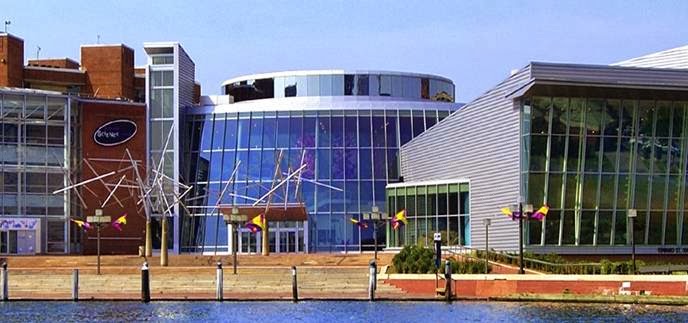
Modern museum public spaces are the counterweight and they are where the day’s flattering frames live. Lobbies, atria and circulation in a building of this kind are usually generously glazed — and on the Inner Harbor that glazing faces water, which means light arrives twice: directly from the sky and again bounced up off the harbour surface. That combination raises ambient and fills shadows from below, and it is genuinely good portrait light.
Find which elevation the glazing is on in the first five minutes. The shaded side gives soft directional light all day with no hotspots; a sunlit side gives hard patches and, through structural framing, a grid of hard shadow that looks good on a wall and is unusable on a face.
Modern surfaces are spare, so backgrounds have to be built rather than found. The tools are depth, a long lens at a wide aperture, one directional source to make a shadow side, and placement against the darkest element available. Pale on pale under even light is the default failure in any contemporary interior.
If the building has a planetarium or a large-format theatre, it is worth asking about, because a domed or raked auditorium is an unusual architectural space — and in almost all such rooms the lighting is low, warm and overhead, with dark surfaces that swallow flash. One warm-gelled source at face height, exposed a stop under the room, is the whole answer.
Outdoors, the harbourfront is the site’s best asset in the last ninety minutes. Water gives depth for a long lens — stacking harbour, far shore and city into layers that a wide lens flattens into a strip — and it gives a broad reflector that fills faces from below when the sun is low.
The harbour also gives the one timed frame. Roughly twenty minutes after sunset the water and city fall to about the brightness of the building’s own lighting, and one exposure holds the lit interior or facade, the couple and the harbour behind. After that, glazing becomes a mirror and the water becomes black with broken vertical lines of reflected light across it — a background specific to a waterfront, worth taking once as a long exposure for smear and once lit for texture.
Harbour wind is stronger and gustier at the water’s edge than in the streets behind, which matters for a veil and for any stand, and it breaks the surface — so a mirrored reflection frame is a morning proposition rather than an afternoon one.
- Let one gelled source own the faces; let the exhibits stay as coloured as they are
- Two colour casts across one face cannot be fixed — white balance is global
- Wait out cycling exhibits rather than shooting through the phase change
- Find the glazed shaded elevation in the first five minutes
- Sunset plus fifteen on the harbourfront, then the glass turns to mirror
Working the day, and Baltimore weather
The running order follows from the fact that the exhibit halls do not change and the outside does. Everything indoors is available at any hour, so it should be scheduled where it is convenient; everything outdoors is only good in the last ninety minutes, so it should be scheduled there and protected.
The one question worth asking the venue is whether exhibit lighting can be dimmed or switched in the spaces a wedding uses. It often can be, and the difference is large — a hall with most displays off and two left glowing is dramatically better than a hall with everything on, because it converts thirty competing sources into two deliberate ones. That is a request to the events team rather than an equipment problem.
Baltimore outside the harbour is good material and a short walk. Brick rowhouse streets are narrow and low-rise, so low evening sun reaches street level and runs the length of a block, and brick shows its texture only when light runs along it. The white marble steps fronting so many rowhouses act as low reflectors, bouncing light up into a face to fill the shadow overhead sun creates — a located frame that is also a lit one.
Mid-Atlantic conditions apply. Summer heat and humidity make long outdoor blocks difficult in formal clothes, so trips should be short and purposeful, and afternoon thunderstorms are common rather than rare — which makes a large museum an excellent fallback, since the day continues indoors with real capacity and no decision needed.
Humidity produces the season’s equipment risk in both directions: kit chilled by air conditioning fogs comprehensively on reaching warm damp air, and in winter cold kit fogs on coming in. Both take many minutes to clear and both are avoided the same way — let equipment come towards the temperature of where it is going before it gets there.
And the light after a summer cell has passed over the harbour is the best the site will give: a dark sky, low sun underneath, wet promenade returning reflections and the water lit under black cloud. It is worth stepping back out for even after the schedule has closed.
More frames from The Maryland Science Center
The Maryland Science Center wedding photography: common questions
How does a science museum differ from an art museum?
The exhibits are not light-sensitive, so there is no conservation limit and the levels are fine. The problem instead is that exhibits are internally lit, saturated and bright — many sources in many colours at once.
Why can't white balance fix the colour?
Because it is a single global adjustment. A face lit by a blue screen on one side and an orange display on the other has two casts at once, and correcting one leaves the other wrong.
What is the working method then?
Let one gelled source own the faces, set bright enough to dominate the exhibit light on skin, with white balance set to the gel. The exhibits stay as coloured as they are, which is what makes the frame interesting.
What should you ask the venue?
Whether exhibit lighting can be dimmed or switched in the spaces you use. Two displays glowing in an otherwise dark hall is dramatically better than thirty, and it is a request rather than an equipment problem.
Does the harbour help the light?
Yes. Glazing facing water receives light twice — from the sky and bounced up off the surface — which raises ambient and fills shadows from below. It is genuinely good portrait light.
What is the one timed frame?
Sunset plus about fifteen minutes on the harbourfront, when the water and city fall to the brightness of the building’s lighting. After that the glazing becomes a mirror and the water goes black.
More Baltimore, MD venue guides
We are writing a photographer’s guide to every venue we would happily shoot in Baltimore, MD. Here are three more, plus the full index:
- The National Aquarium, Baltimore: Four Ways Out of the Blue Light Problem
- The Sagamore Pendry, Baltimore: How the Light Moves
- St. Ignatius Church, Baltimore: The One Decision That Governs Everything
All Baltimore, MD Wedding Venues →
Planning a wedding at The Maryland Science Center?
Ask whether the exhibits can be dimmed — that one answer changes the evening. Tell us your date.