 Tulsa Country Club: Field Notes on a 1908 Club
The Chesapeake Boathouse: How the River Reflection Frame Is Made
Curved glass above still water doubles itself. That is the frame, and it needs conditions rather than technique.
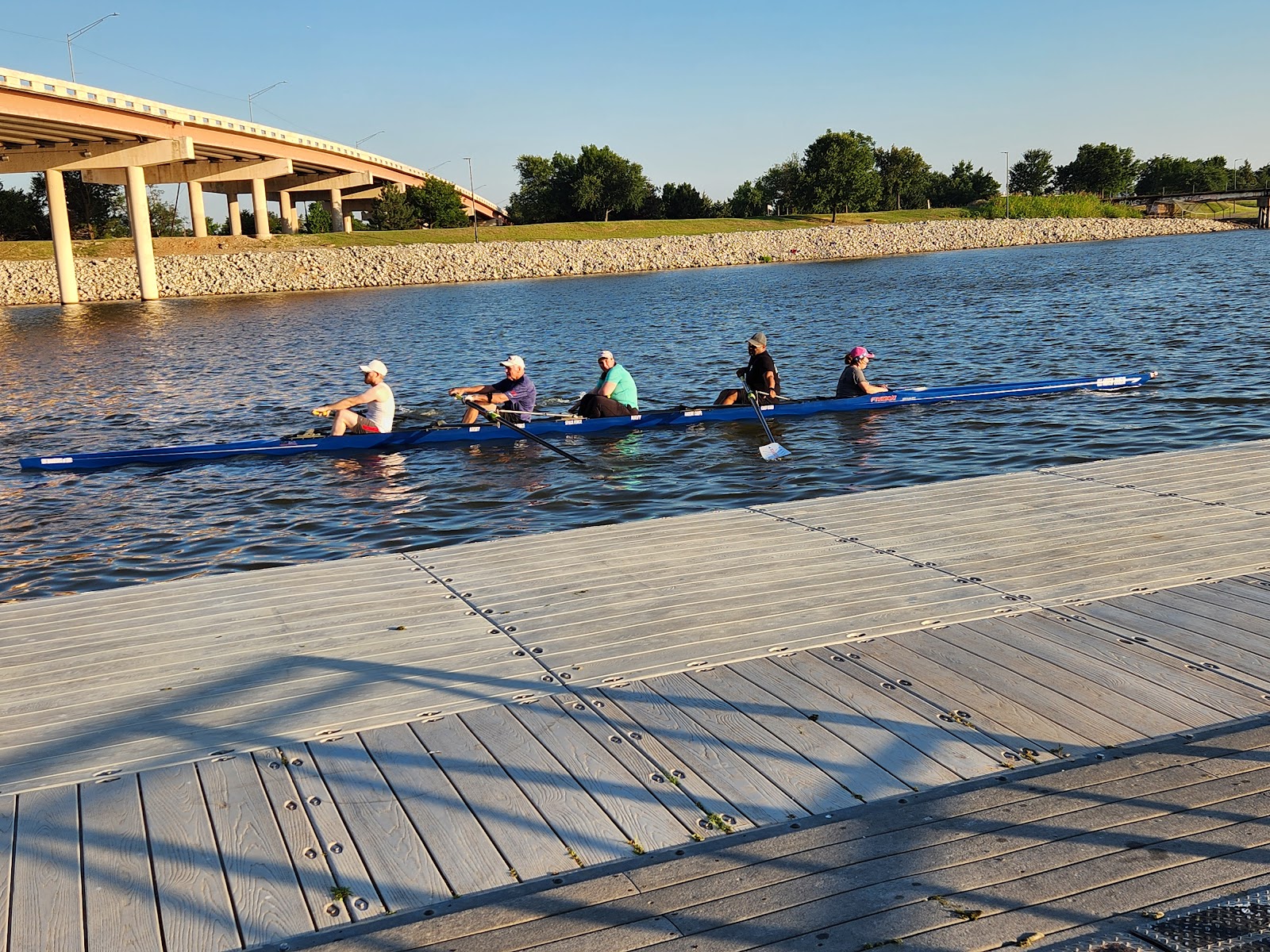
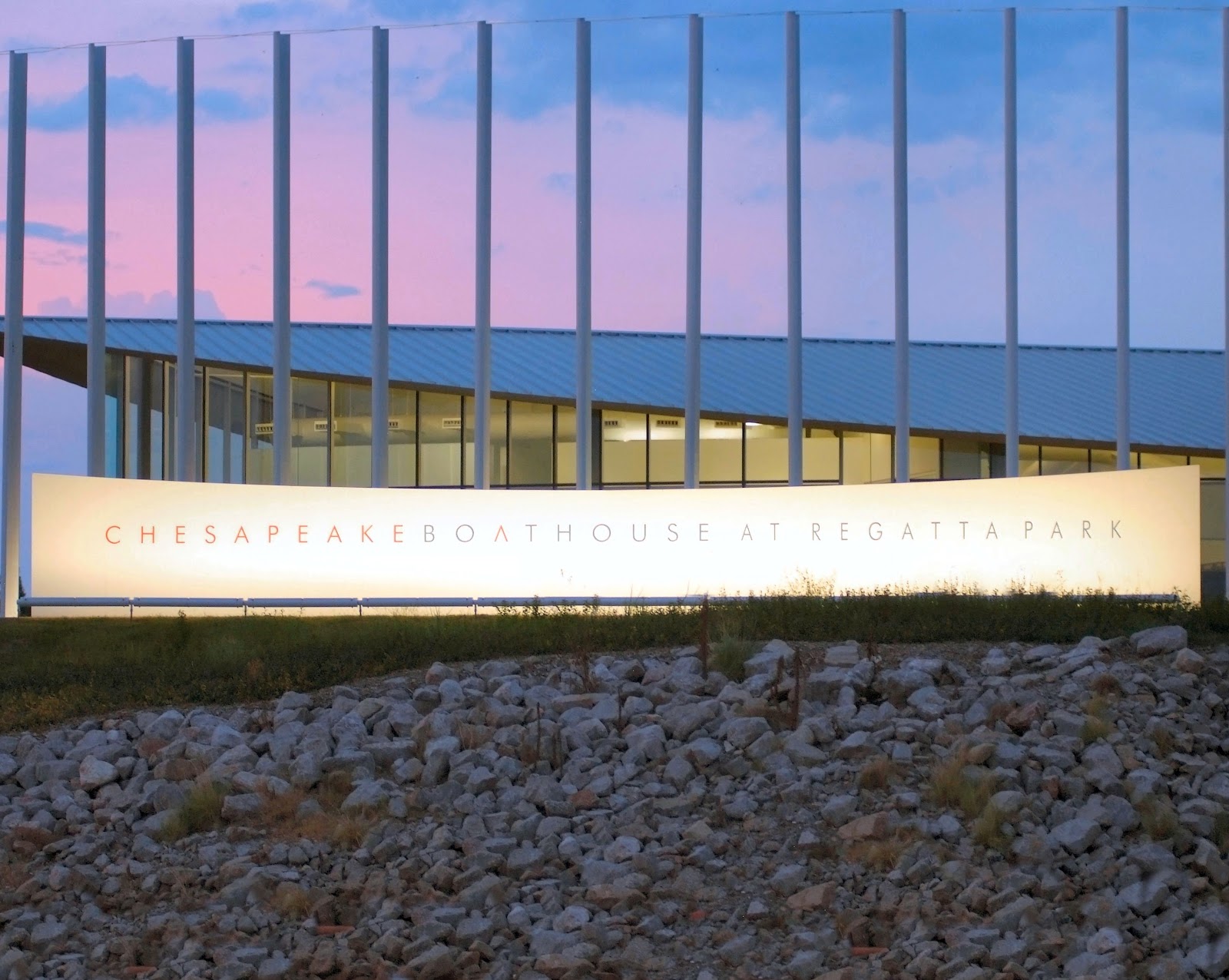
The Chesapeake Boathouse sits on the Oklahoma River in Oklahoma City, a contemporary building with a curved, largely glazed facade and frontage directly onto the water.
The frame worth planning the evening around is the combination rather than either element: a curved glass building reflected in a still river, with the couple at the water’s edge. Glass reflects the sky, the river reflects the glass, and a curve makes both readings continuous rather than flat — so the image doubles and bends at once, which is something no rectangular building on dry ground can produce.
It depends entirely on conditions, and on the plains those conditions are narrower than most people expect. This is an account of making it and of what the building gives at other hours. We have not photographed a wedding at the Chesapeake Boathouse; curved glazing and river frontage behave the same wherever they meet. Which spaces host events and what the water access allows are questions for their events team.
The Chesapeake Boathouse at a glance
| Where | The Oklahoma River, Oklahoma City |
| Character | A contemporary curved, largely glazed boathouse on the water |
| The frame | Curved glass reflected in still water, with the couple at the edge |
| It needs | Calm air, a low sun, and a long lens |
| Ask first | What water-edge access is permitted |
Step one: the conditions, which decide whether the frame exists
A reflection requires a flat surface, and a river surface is flat only when the air is still. Oklahoma sits in the open centre of the continent with no topography to slow the wind, so calm is the exception rather than the rule — and the reliable windows are early morning, before the ground heats and thermals build, and the last hour as it cools.
Any real breeze ends it. Light ripple scatters the reflection into unusable texture and no technique restores it; a long exposure on a tripod smooths ripple into a soft gradient, which is a different and sometimes attractive image, but it will not hold a legible double of a building.
A high sun spoils it differently. With the sun overhead the water returns specular glare — bright clipping highlights across the surface rather than an image of anything — so the frame needs a low light source, which is conveniently the same condition as the calm air.
So the frame lives in the first hour of the day or the last, and of those the evening is the one a wedding can reach. Take the clock time from sunset and treat it as an appointment, because the water and the light both have to cooperate and neither waits.
Step two: the position and the lens
Shoot low. Dropping the camera close to the water enlarges the reflection, pushes the horizon down the frame and makes the doubling the subject rather than a detail at the bottom. At standing height the reflection compresses into a narrow strip and the whole point is lost.
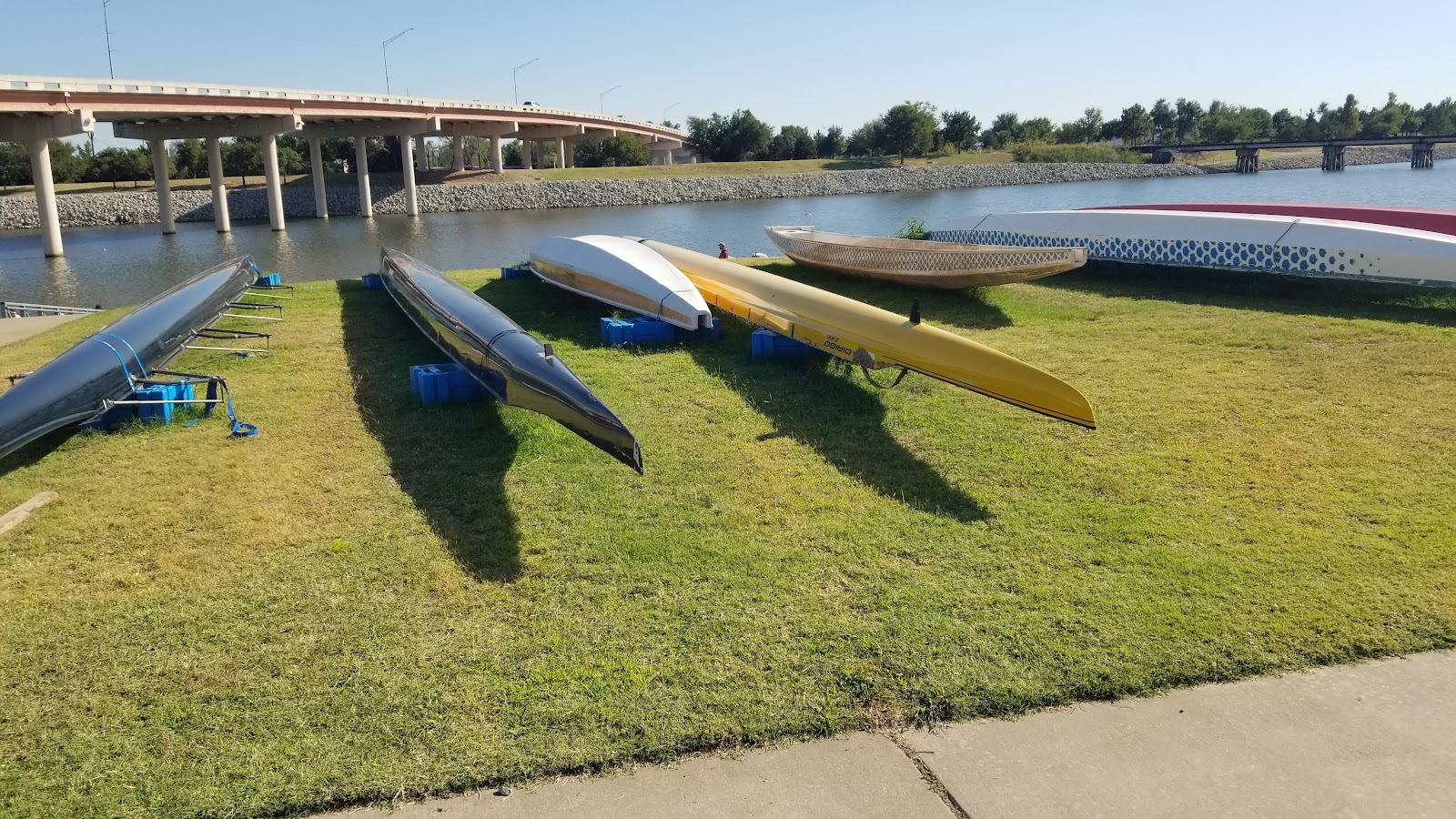
Use a long lens rather than a wide one. Compression keeps the building’s proportions honest and brings it closer behind the couple, where a wide lens at the water’s edge renders the boathouse small and the empty river large. That means standing well back along the bank and shooting past the couple, which on open riverside ground is easy.
Decide whether the couple appear in the reflection. Right at the edge the water holds both them and the building, which is the fullest version. A few metres back it holds only the building and the sky, which is cleaner — and often better, because a doubled couple can read as visual clutter competing with a doubled facade.
And the curve wants respecting. A curved glazed elevation has no flat face, so a square-on frame compresses oddly; shooting at an angle so the surface sweeps away from the lens keeps the geometry legible and gives the reflection something to bend along. Level with the electronic level, because a curve gives the eye no horizontal to reference and hides tilt while you shoot.
- Calm air and low sun, so early or the last hour — nothing else works
- Shoot low so the reflection fills the lower frame
- Long lens from well back; a wide one shrinks the building
- Decide whether the couple are in the reflection or above it
- Shoot the curve obliquely and use the electronic level
Step three: the glass at other hours, and the plains conditions
The glazing passes through the same three states every glass building does. In daylight the outside is brighter than the interior, so from inside the view blows out or the couple silhouette. After dark the lit interior is brighter than the sky and every pane reflects the room. And between them, for roughly twenty minutes around sunset, the two balance and one exposure holds the interior, the couple and the river.
That gives two timed frames rather than one: the reflection from outside, and the crossing from inside. They are close together in the evening, so a short planned block covers both — which is worth saying, because it means the couple need to be available for a decisive fifteen minutes rather than for an hour.
During the day the interior behaves as any glazed building does: place people a metre back from the glass on the shaded side and turn them into it, and the fall-off separates them from the space behind. On the sunlit side expect a hard bright patch and, where the framing is gridded, hard shadow bars across faces that cannot be corrected — so move, wait, or work in the shadow between members.
Water gives the underused benefit at any hour: it bounces light upward into faces, filling the shadows a high sun carves. That makes standing at the water’s edge better lit than standing twenty metres inland, and it costs nothing but position.
The plains conditions apply throughout. Wind is a constant rather than an occasional event, so a veil is a held-or-removed decision and any stand needs real weight — and on open riverside ground there is nothing to shelter behind. Oklahoma also sits in a region where severe convective storms build fast in spring and early summer, which on an exposed waterfront means a genuine decision point and a route to cover rather than optimism. The compensation is a long low golden hour, because nothing intercepts the sun near the horizon.
More frames from The Chesapeake Boathouse
The Chesapeake Boathouse wedding photography: common questions
When does the reflection frame exist?
Only in calm air with a low sun, which on the plains means the first hour of the day or the last. Any real breeze scatters the reflection into unusable texture, and a high sun turns the surface into clipping glare.
Can rippled water be salvaged?
Into a different image, not the same one. A long exposure on a tripod smooths ripple into a soft gradient, which can be attractive, but it will not hold a legible double of a building.
What camera position works?
Low, and well back. Dropping close to the water enlarges the reflection and pushes the horizon down; standing height compresses it into a strip. And a long lens from further along the bank keeps the building’s proportions honest.
Should the couple be in the reflection?
Decide rather than accept. At the very edge the water holds both them and the building, which is the fullest version; a few metres back it holds only the building, which is cleaner and often better.
How should the curve be shot?
Obliquely, so the surface sweeps away from the lens and the reflection has something to bend along. And use the electronic level, because a curved elevation gives the eye no horizontal and hides tilt while you shoot.
Are there two timed frames?
Yes, and they are close together. The reflection from outside needs calm air and low sun; the crossing from inside needs the twenty minutes when interior and sky balance. One decisive fifteen-minute block covers both.
More Oklahoma venue guides
We are writing a photographer’s guide to every venue we would happily shoot in Oklahoma. Here are three more, plus the full index:
- Civic Center Music Hall, Oklahoma City: How the Light Moves
- The National Museum of the American Indian, Oklahoma City: Four Ways Out of the Gallery Problem
- The Jones Assembly, Oklahoma City: Restaurant, Music Room, Patio
Planning a wedding at The Chesapeake Boathouse?
Two timed frames, fifteen decisive minutes. Tell us your date and we will set the clock times.