 Koko Crater Botanical Garden: Reading Light Inside a Crater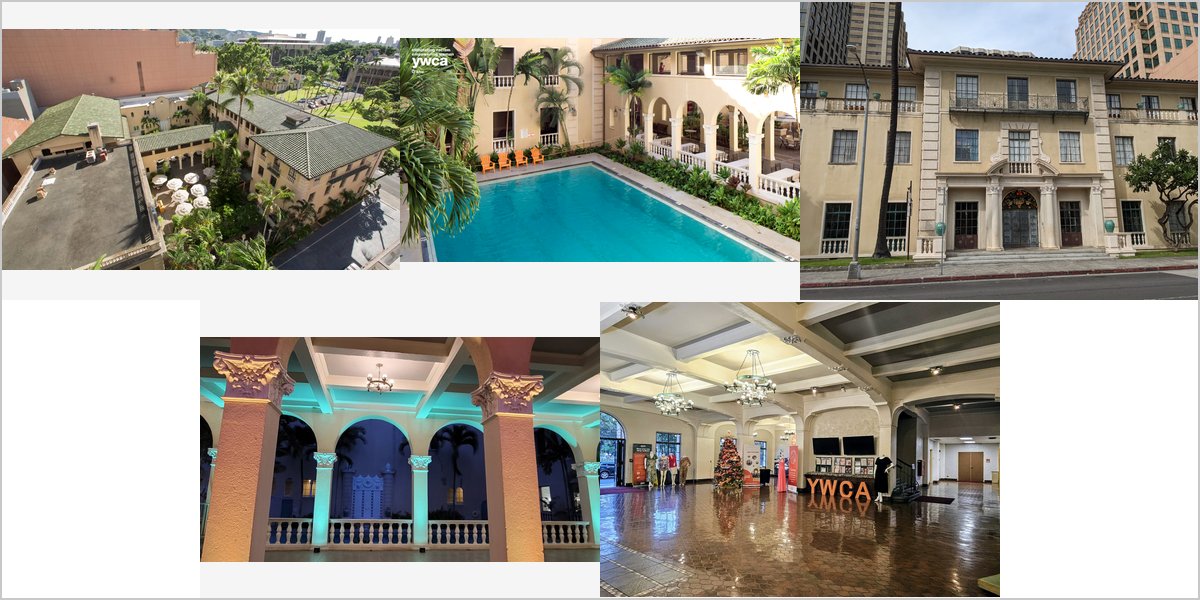
The Laniakea YWCA: A Building Organised Around Its Courtyard
A building wrapped around a courtyard has one light source, and everything in the plan points at it.
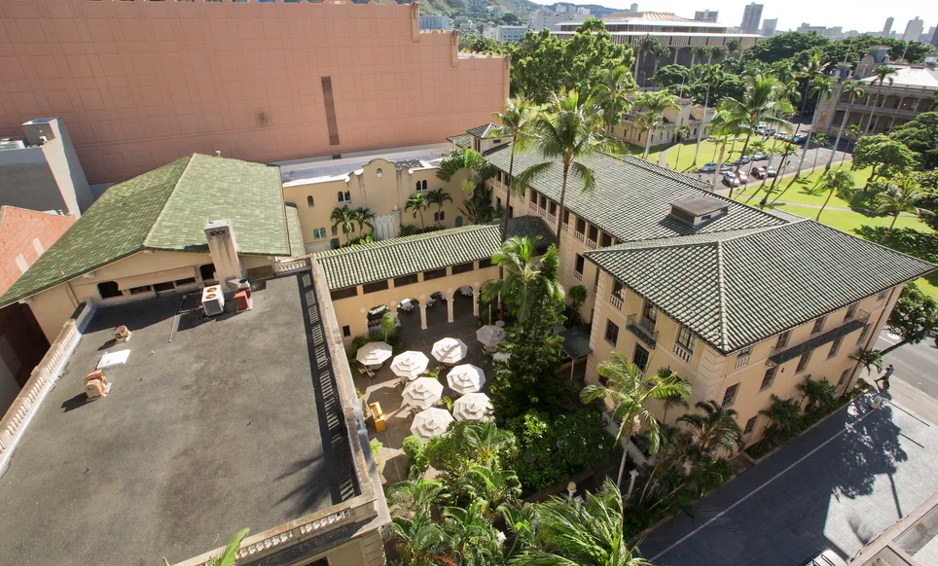
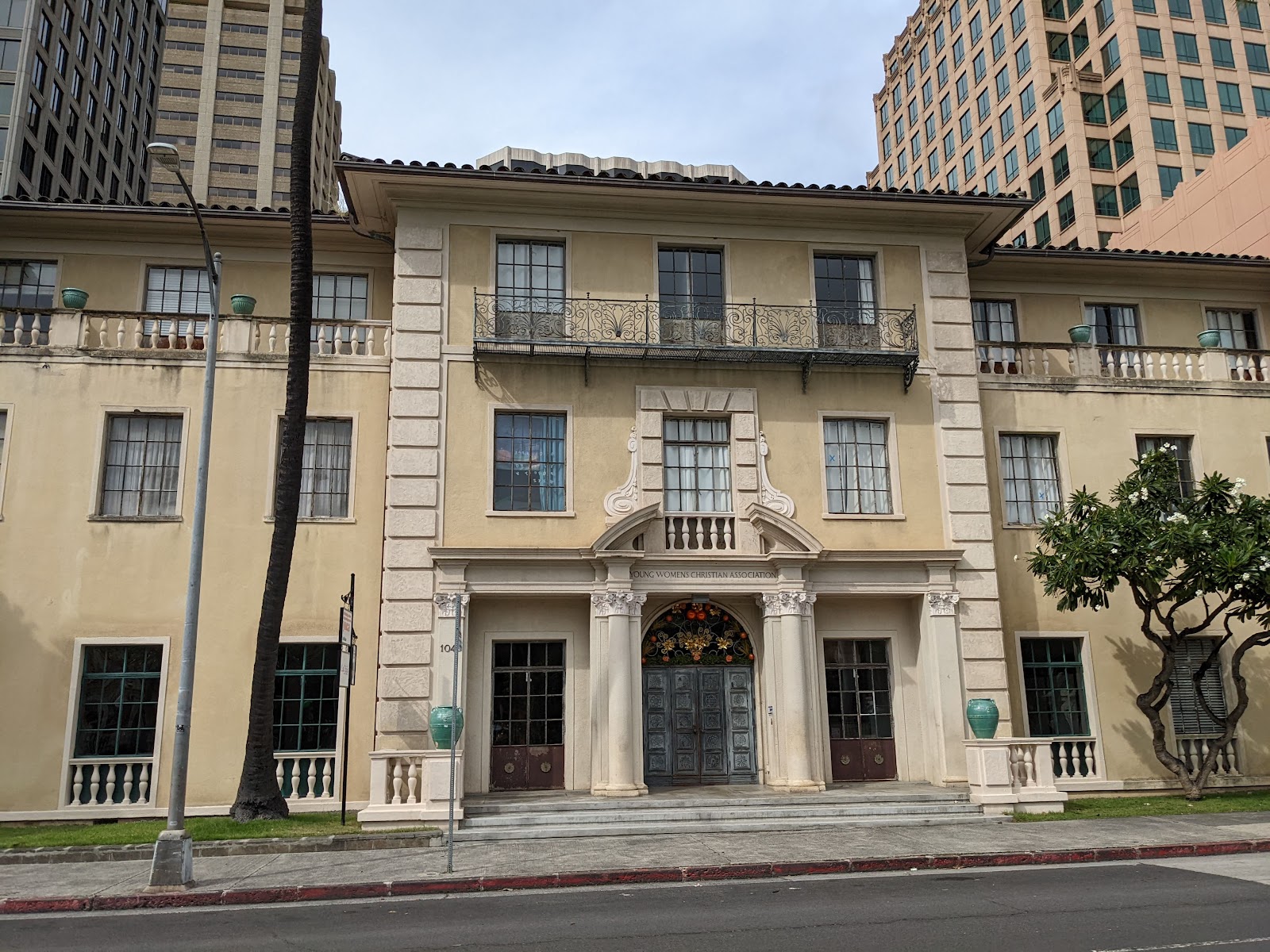
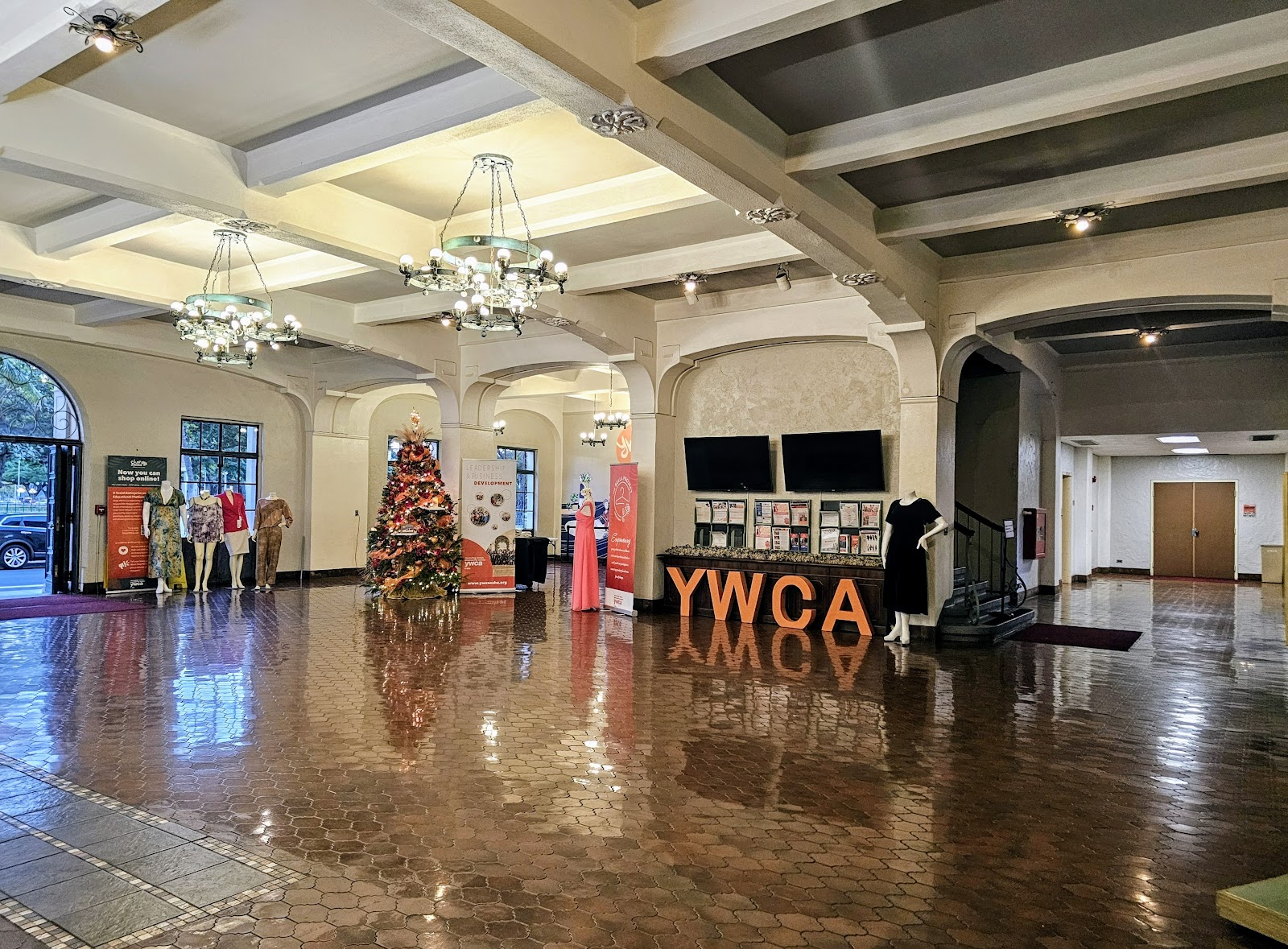
The Laniakea YWCA occupies a historic building in downtown Honolulu, arranged in the Mediterranean manner around a planted courtyard, with timber-detailed interiors, arcaded walkways and native Hawaiian planting in the central space.
The logic of a courtyard-plan building is worth spelling out because it determines everything. In a conventional building, rooms have windows in outside walls, so each faces a different direction and gets a different light at a different hour. In a courtyard building, the principal rooms look inward at the same central space — which means they share one light source, they all get it at the same time, and the quality of that light is set by the courtyard rather than by the sky in general.
That makes the venue unusually predictable, and predictability is worth a great deal at a wedding. We have not photographed a wedding at the Laniakea YWCA; courtyard-plan buildings and arcaded walkways behave the same wherever they were built. Which rooms and courtyard areas host events are questions for their team.
The Laniakea YWCA at a glance
| Where | Downtown Honolulu, Hawaii |
| Character | Historic courtyard-plan building with arcades and timber interiors |
| The logic | Rooms look inward, so they share one light source |
| That source | The courtyard — soft, even, from above, and very consistent |
| The gift | An arcade that gives hard shade with a bright source in front of it |
The courtyard: one source, from above
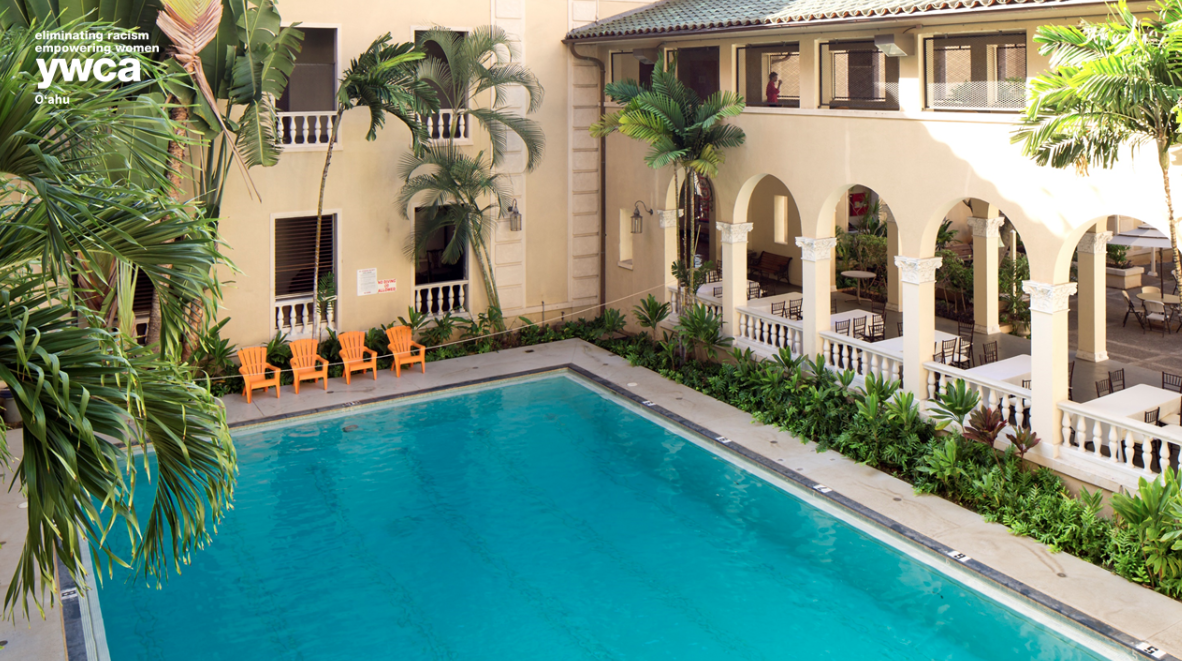
An enclosed courtyard receives light through the opening at the top, which makes it behave like a very large overhead softbox — soft, even, identical at every position in the space, and unaffected by which way anything faces. That has real consequences for a wedding day: groups can stand anywhere, the light does not change as people move, and a timeline that slips costs nothing because there is no moment to miss.
For a photographer used to hunting for light, that is a pleasant inversion. The work becomes about composition rather than about position, which is a better use of the time.
The characteristic flaw is the courtyard flaw, and it is the only real technical problem here: light from directly above shadows the eye sockets and marks the shadow under the nose and chin. Every courtyard photograph has this unless something is done, and it is easy to miss on a small screen and glaring in a finished gallery.
Three cheap fixes. A reflector held low, bouncing a little light back up into the face. A pose with the chin lifted and the face turned upward into the light. Or a small source at face height, which overrides the geometry entirely. Any of them takes seconds and all of them are the difference between a competent courtyard frame and a good one.
The walls also tint. A courtyard in a warm-rendered building bounces warm light from the sides, and planting bounces green from below and around — so the light is not neutral and it needs a white balance set in the space rather than carried in from an interior.
The arcade: the best light in the building
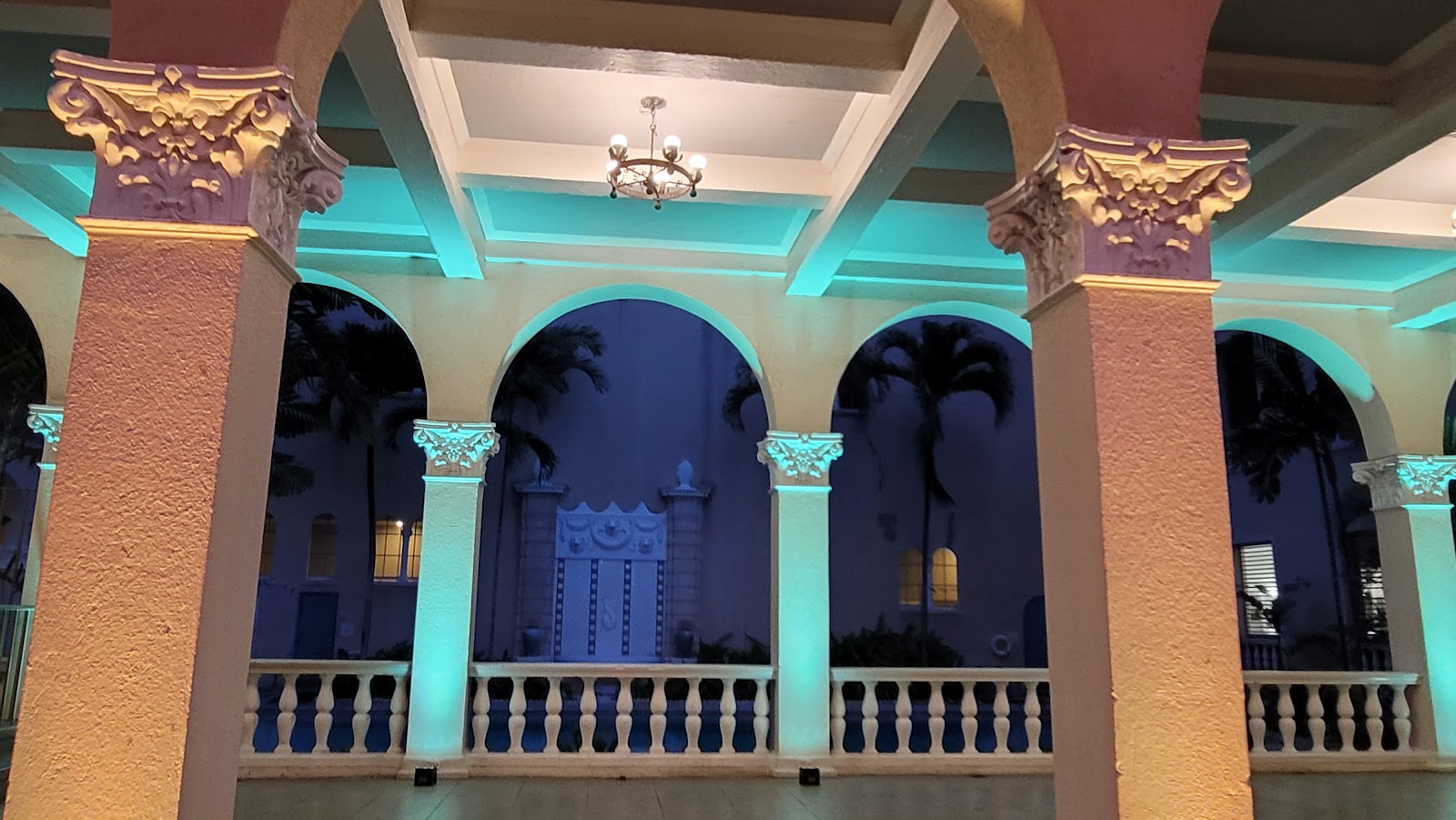
An arcaded walkway around a courtyard is the single most useful photographic feature a building of this type has, and it is worth being explicit about why. It provides hard-edged full shade, so faces are evenly lit with no dapple. It has a bright open courtyard directly in front of it, which acts as a very large soft source. And it is architecture — a receding run of arches is one of the strongest leading lines available anywhere.
Placing a couple two metres inside the arcade, facing out into the courtyard, gives a large soft directional key with a dark surround behind them. That is close to studio light, it is available all day regardless of where the sun is, and it needs nothing carried. In a venue with one light source, this is how you get direction out of it.
Shooting along the arcade rather than across it gives the other frame: arches receding, light falling in bands between the columns, and a couple walking or standing within that rhythm. Because everything in such a frame is vertical and parallel, camera level matters — a degree of tilt is visible in a way it would not be in a cluttered room. Use the electronic level.
The arcade is also the weather answer, and in Honolulu that matters because showers are frequent and brief. A covered, open-sided walkway means a shower is something visible in the background of a dry frame rather than an event that stops the day. Few venues turn rain into atmosphere this easily.
- Bounce low or lift the chin — courtyard light shadows the eye sockets
- Set white balance in the courtyard; walls and planting both tint it
- Stand two metres inside the arcade, facing out, for the best light on site
- Shoot along the arcade for rhythm, and level the camera deliberately
- The arcade is the rain plan; a shower becomes background, not a problem
Interiors, the city outside, and what the plan should be
The interiors are timber-detailed historic rooms, which means the usual conditions: warm wood that absorbs light and tints what it bounces, windows looking into the courtyard rather than out at the sky, and modest room sizes that restrict camera position. Switch off the overheads, work the courtyard-facing windows, and bounce a bare flash off a pale ceiling where more is needed — in a small room that is a larger source than any modifier which would fit.
Because the windows face inward, the interior light is the courtyard light filtered once more: softer, dimmer and warmer. That is flattering and consistent, and it means interior and courtyard frames match each other in colour and direction, which is unusual and useful. A set moving between them reads as one place rather than two.
Downtown Honolulu outside gives the contrast: streets, civic architecture, and the ordinary bright hard tropical light that the courtyard filters out. That is worth a short deliberate block rather than a wander, because the difference between an enclosed soft courtyard and an open hard street is the range the gallery needs. The first and last ninety minutes are when the streets are worth having; the middle of the day belongs indoors and in the arcade.
One thing this venue does not have is a view, and that is worth being honest about with couples who are marrying in Hawaii partly for the scenery. There is no ocean, no Diamond Head and no mountain backdrop here; the building is the subject and the courtyard is the setting. For a couple who want an intimate, architectural, weather-independent day in the middle of the city that is exactly right, and for a couple who want the Pacific in the frame it is the wrong building.
The summary plan: courtyard and arcade for most of the day, since they are consistent and need no timing; interiors for the quiet close frames and as the block that absorbs delay; and a short street block at one end of the day for contrast. It is one of the more forgiving timelines available anywhere, and that is the venue’s real argument.
More frames from The Laniakea YWCA
The Laniakea YWCA wedding photography: common questions
What is a courtyard-plan building like to photograph?
Predictable, which is a real advantage. Rooms look inward at one central space, so they share one light source and all get it at the same time — soft, even and identical everywhere. Groups can stand anywhere and a slipping timeline costs nothing.
What is the one problem with courtyard light?
It comes from directly above, so it shadows the eye sockets and marks under the nose and chin. Every courtyard frame has this unless something is done: a low bounce, a lifted chin, or a small source at face height. It takes seconds and it matters.
Where is the best light in the building?
Two metres inside the arcade, facing out into the courtyard. That gives a large soft directional key from the bright open space with a dark surround behind — close to studio light, all day, with nothing carried.
Does the rain matter here?
Much less than at most venues. A covered open-sided arcade means a Honolulu shower becomes something visible in the background of a dry frame rather than an event that stops the day. Few venues turn rain into atmosphere so easily.
Do the interior and courtyard frames match?
Yes, unusually well. Because the windows face inward, the interior light is courtyard light filtered once more — softer, dimmer and warmer, but the same colour and direction. A set moving between them reads as one place rather than two.
Is there a view?
No, and that should be said plainly. No ocean, no Diamond Head, no mountain backdrop — the building is the subject and the courtyard is the setting. Right for an intimate architectural day in the city, wrong if the Pacific needs to be in frame.
More Honolulu, HI venue guides
We are writing a photographer’s guide to every venue we would happily shoot in Honolulu, HI. Here are three more, plus the full index:
- Lyon Arboretum: One Decision About Rain Governs Everything
- The Moana Surfrider: How the Banyan Courtyard Frame Is Made
- The Royal Hawaiian: Field Notes on a Pink Building by the Sea
All Honolulu, HI Wedding Venues →
Planning a wedding at The Laniakea YWCA?
One light source, available all day, and an arcade that beats anything we could carry. Tell us your date and we will keep it simple.