 Choctaw Hall: What a Gazebo Ceremony Does to the Photographs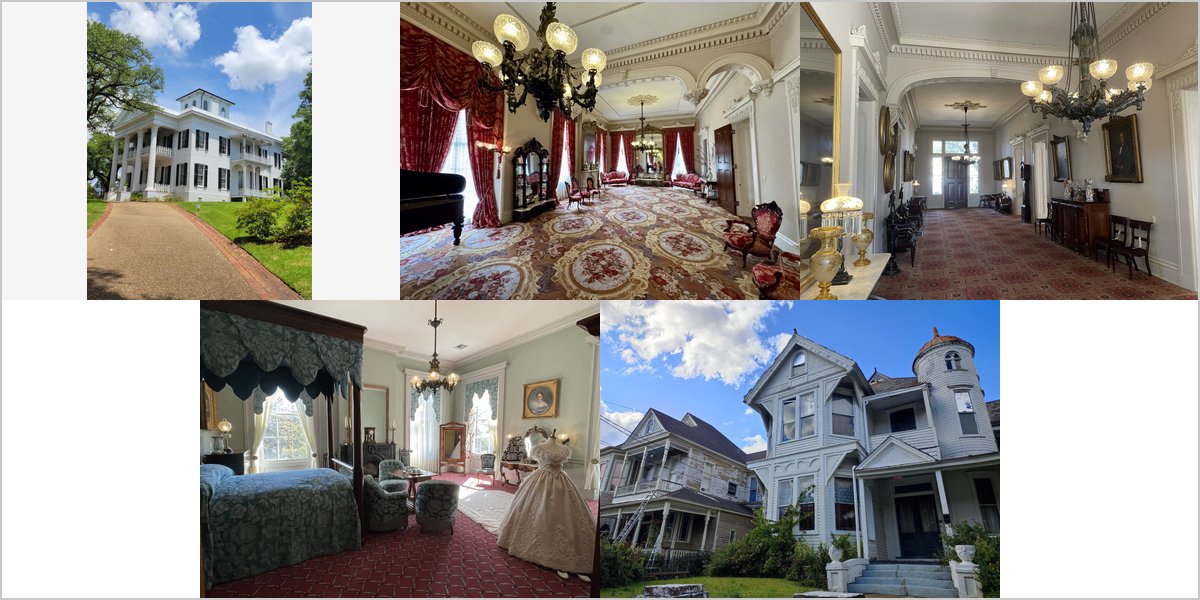
Stanton Hall: Four Ways Out of the White-Column Problem
A white-painted portico in Mississippi sun is the brightest thing for miles, and it will wreck an exposure if you let it.
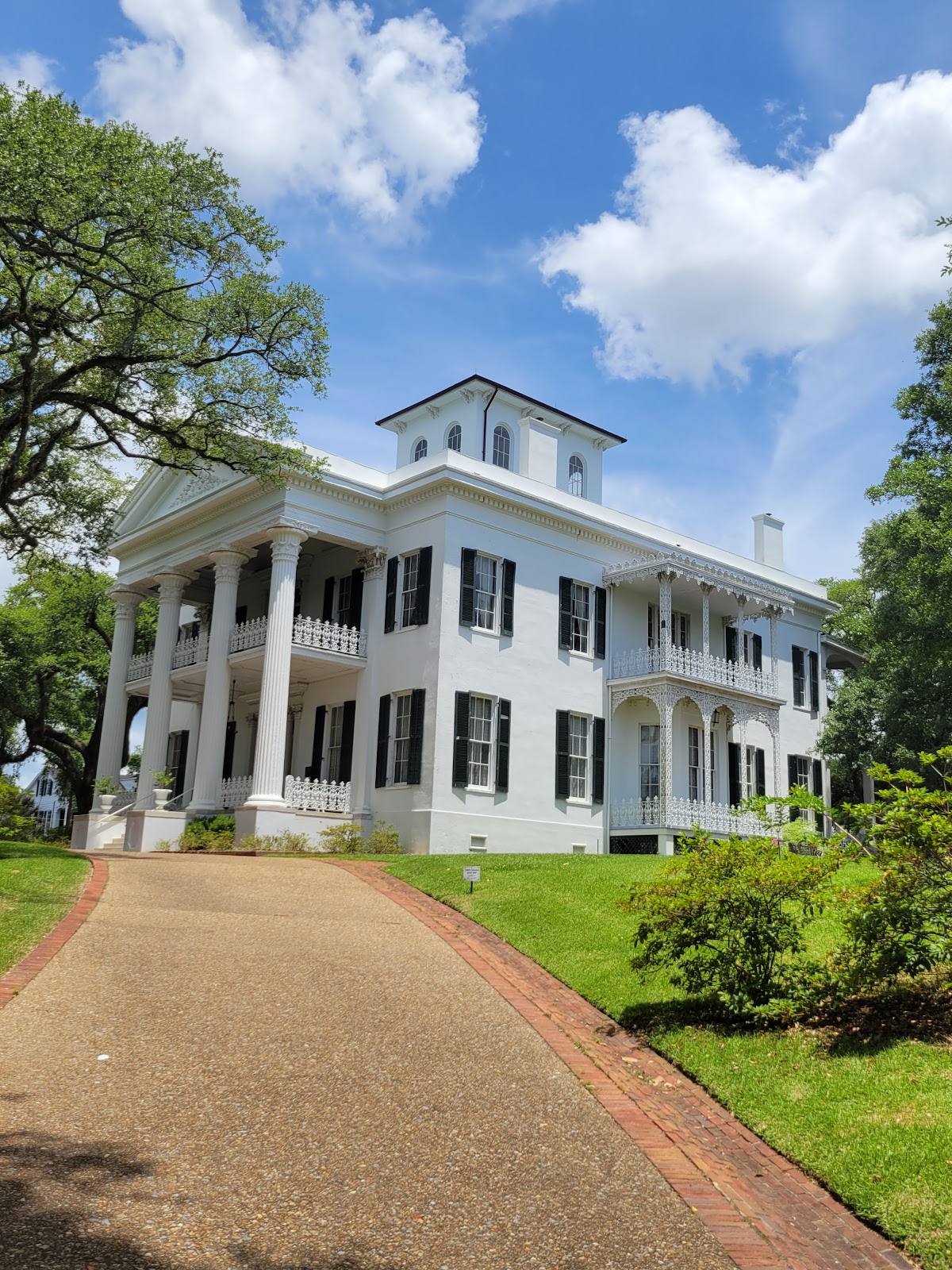
Stanton Hall occupies most of a block near the centre of Natchez, Mississippi, a Greek Revival mansion of the late 1850s with a tall white-painted portico, mature gardens on its grounds, and interiors carrying period plasterwork and chandeliers.
The photographic problem here is specific and it is about paint. White-painted timber columns in direct Mississippi sun are close to the brightest surface a photographer encounters outdoors — brighter than a wedding dress, brighter than a pale sky, and easily three or four stops above a shaded face standing beside them. Meter for the couple and the portico clips to featureless white, losing the fluting, the capitals and the shadow that make columns read as round. Meter for the columns and the couple are too dark.
It is a solvable problem and there are four ways to solve it, each suiting a different moment. We have not photographed a wedding at Stanton Hall; white-painted classical porticos behave the same wherever they stand. Which rooms and what parts of the grounds a wedding may use are questions for their events team.
Stanton Hall at a glance
| Where | Central Natchez, Mississippi, on its own city block |
| Character | Late-1850s Greek Revival mansion with a tall white-painted portico |
| The problem | White paint in sun runs three or four stops above a shaded face |
| What is lost | Fluting, capitals and the shadow that makes a column look round |
| Inside | Period plasterwork and chandeliers — a second exposure problem |
Why white paint is harder than white stone
Bare limestone or marble has texture and slight tonal variation, so even when brightly lit it retains some detail to hold onto. Gloss white paint on smooth timber does not: it is a near-uniform high-reflectance surface, so once it clips there is nothing underneath — no grain, no veining, no variation to recover. A blown white column is blank in a way a blown stone one is not.
The second difficulty is that the surface is curved. A column’s roundness is communicated entirely by the gradient from its lit side to its shadow side, and that gradient sits in the top stop or so of the tonal range. Overexpose by two-thirds of a stop and the gradient flattens, the column becomes a white rectangle, and the building loses the quality that makes classical architecture worth photographing.
Third, white paint bounces. A large white portico in sun throws a great deal of light back into the shade beneath it, which is helpful — it fills faces under the overhang beautifully — but it also means the shaded area is brighter than you would expect and carries a slightly cool cast from the sky it is reflecting. Worth a custom white balance rather than an assumption.
The four approaches below all start from the same premise: the columns set the exposure, and the couple have to be brought up to meet it rather than the other way round.
Way one: shoot the hour when the columns are not in full sun
The simplest solution costs nothing. Early and late in the day, low sun rakes across a portico rather than striking it flat, and that does two good things at once: it drops the overall brightness of the white surface into a manageable range, and it produces exactly the directional gradient that makes columns read as round. The architecture looks its best precisely when the exposure problem is at its smallest.
Which hour depends on which way the portico faces, and that is a ten-minute site visit rather than a guess. If the front is east, the morning rakes it; if west, the last ninety minutes. In either case the frames of the building itself belong in that window, and the middle of the day belongs elsewhere.
The same hour also solves the people. Low raking sun across a portico lights faces from the side rather than from above, so nobody squints and nobody has shadowed eyes, and the couple and the columns sit within a stop or so of each other. When both problems have the same solution it is usually the right one.
Ways two and three: bring the couple up, or take the columns down
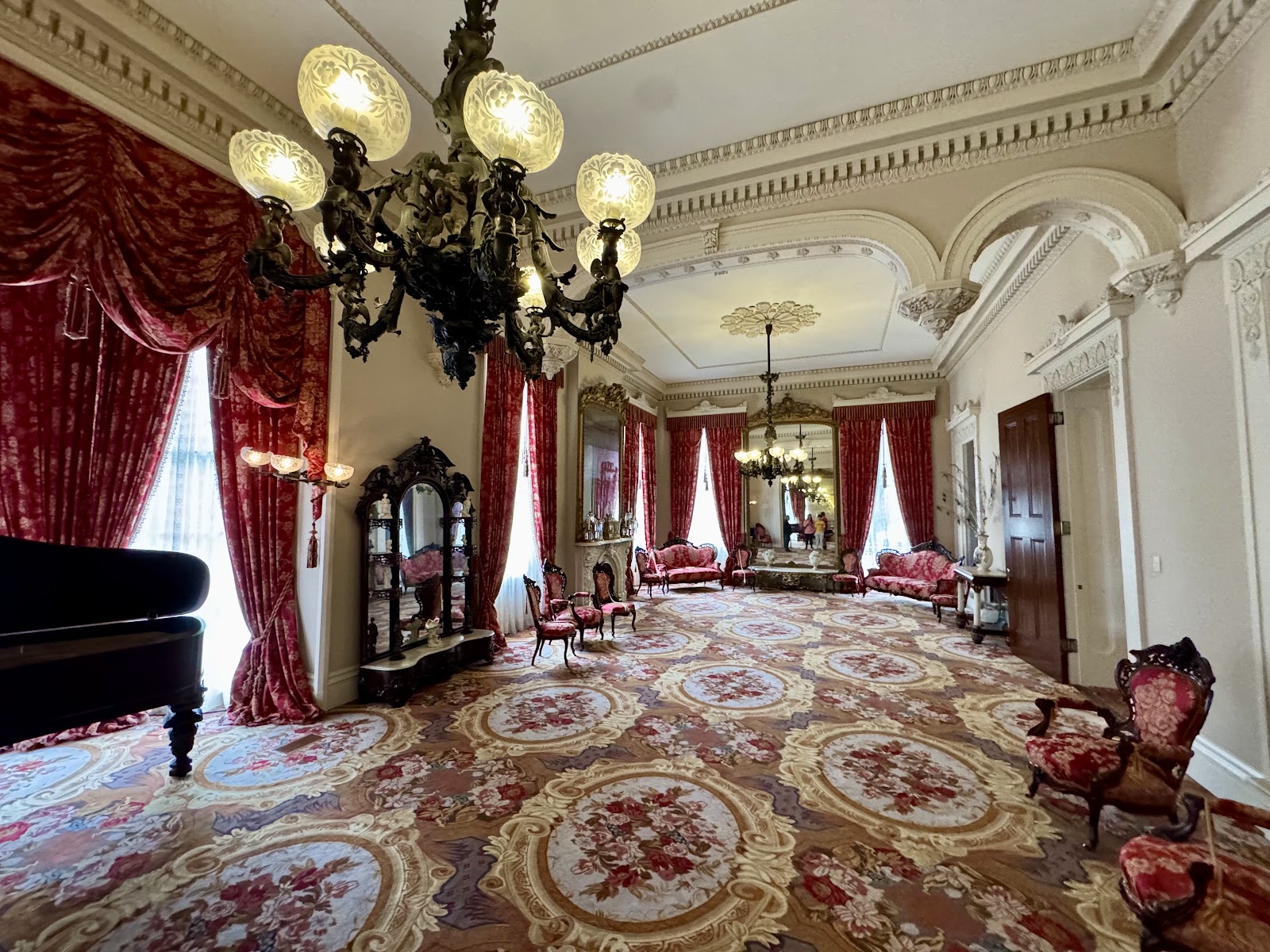
If the frame has to happen in bright conditions, the reliable answer is fill flash at real power. Expose for the columns so the paint retains its gradient, then light the couple up to within a stop of that — which outdoors in Mississippi sun means a proper strobe rather than a speedlight, plus high-speed sync or a neutral density filter to keep the aperture where you want it. Done properly this is the most controlled result available: modelled white columns, correctly exposed faces, and a sky that still has tone in it.
The third way is to stop including both in the same brightness. Put the couple inside the portico’s shade and shoot outward or along, so the frame contains the shaded side of the colonnade rather than its sunlit face. The white paint in shade is a mid-tone, faces are lit by the huge bounce off the sunlit portico, and the whole exposure problem disappears. This is the easiest good frame at any white-columned house and it is consistently overlooked in favour of standing people out front in the sun.
The fourth is overcast, and it should be welcomed rather than mourned. A grey day removes the problem entirely: white paint under cloud is a bright but unclipped mid-high tone, the gradient survives, faces are evenly lit, and groups can be arranged anywhere. The building loses drama and gains legibility. For a large formal group photograph in front of a white portico, an overcast sky is genuinely the best condition available.
- Shoot the building in the hour that rakes its portico, not at midday
- Expose for the paint and raise the couple with real strobe power
- Or work inside the portico shade and let the sunlit face bounce in
- Treat overcast as an asset for white-column group photographs
- Set white balance deliberately; white paint bounces a cool sky cast
Inside: chandeliers, plasterwork and the second range problem
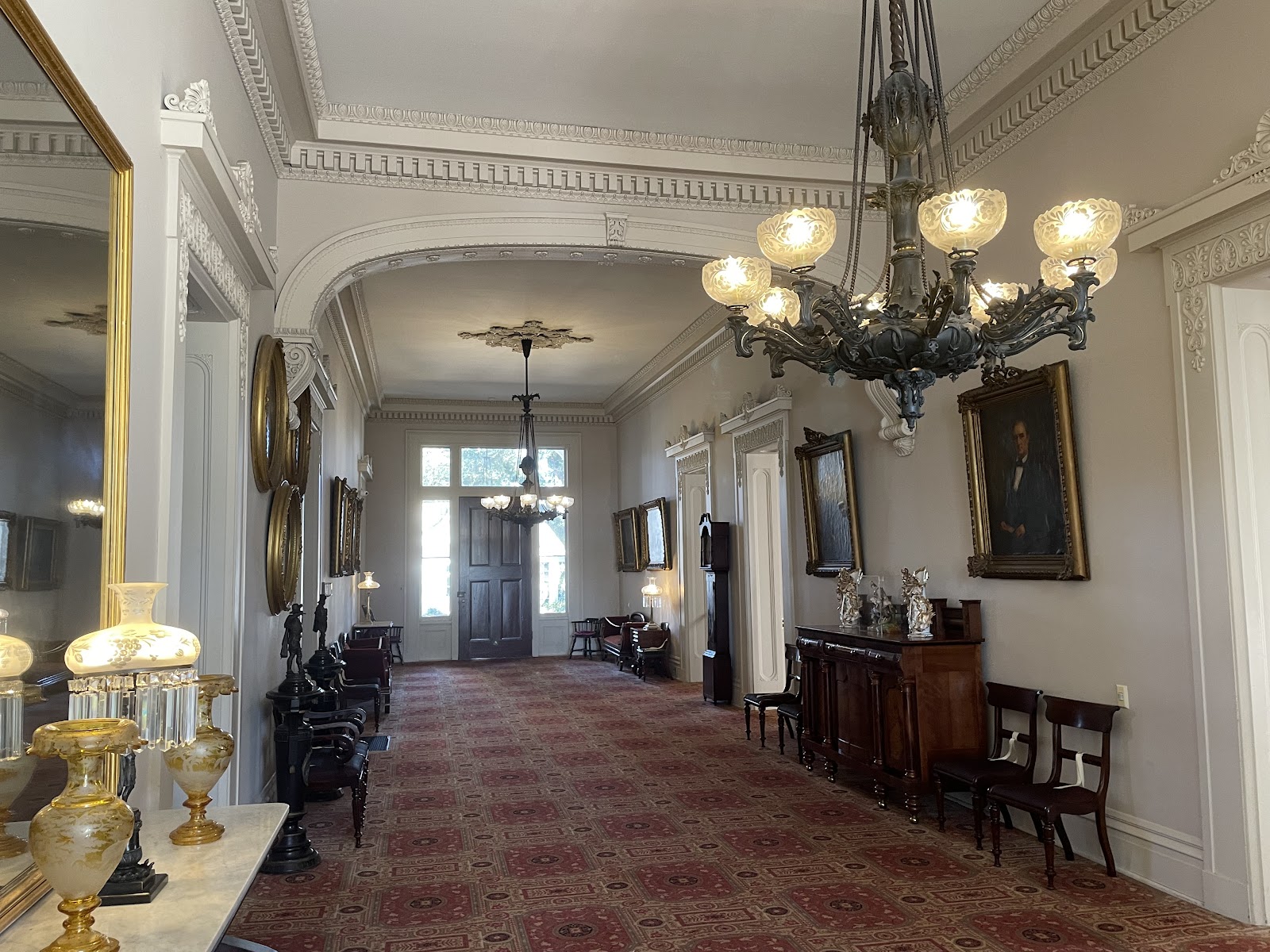
The interiors present the same problem in a different form. Ornate plaster ceilings and chandeliers are typically uplit or self-lit and sit several stops above the people standing beneath them, so an exposure metered for faces blows the ceiling detail that is the reason to photograph the room at all.
The answer is the one all grand interiors require: light the couple up towards the architecture rather than exposing down to them. One warm source at face height, at a power that brings them within two or three stops of the ceiling, then expose for the ceiling. The plasterwork keeps its relief, the chandeliers clip small rather than blooming, and the faces still read.
Chandelier light alone is worth avoiding as a key. It is warm, dim and directly overhead, which shadows eye sockets and drags every line downward — beautiful in the room, unkind on a person. Adding a side source at roughly forty-five degrees fixes it and leaves the chandeliers as glowing detail overhead, which is where they belong.
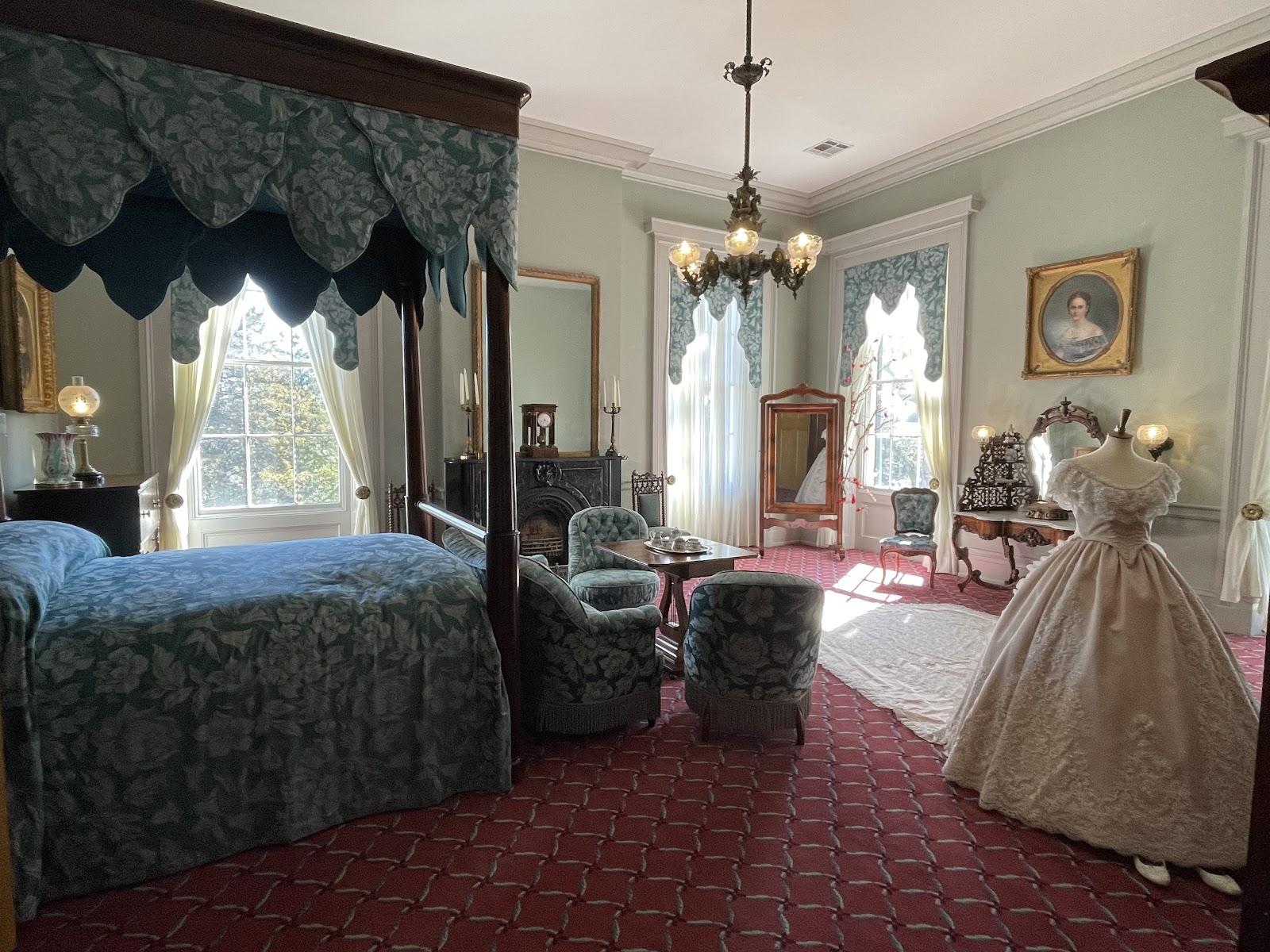
The rooms are also small and heavily furnished, which restricts camera positions and puts everything in frame. Two minutes spent moving a bag and a water bottle out of a corner improves a photograph more than any setting, and a bounced bare flash off a pale ceiling is a larger, softer source than any modifier that would fit in the room.
Outside in the gardens, the standard Deep South conditions apply: mature planting means dappled light at midday that cannot be corrected and must be avoided by position; the last ninety minutes give backlit foliage and rim light and are the block worth protecting; and summer heat and humidity limit outdoor time while fogging any lens brought out of air conditioning for ten to twenty minutes. Acclimatise the kit before you need it.
What works in your favour
- A tall Greek Revival portico that models beautifully in raking light
- Sunlit white paint bounces a large soft fill into the portico shade
- Period plasterwork and chandeliers for a grand interior register
- Mature gardens on its own block, with good backlight late in the day
- Overcast days are genuinely the best condition for group photographs here
What to plan around
- Gloss white paint clips with no detail underneath to recover
- Column roundness lives in the top stop of the range and flattens easily
- Outdoor fill needs real strobe power, not a speedlight
- Interiors put ceilings several stops above the people beneath them
- Small furnished rooms restrict camera position and put clutter in frame
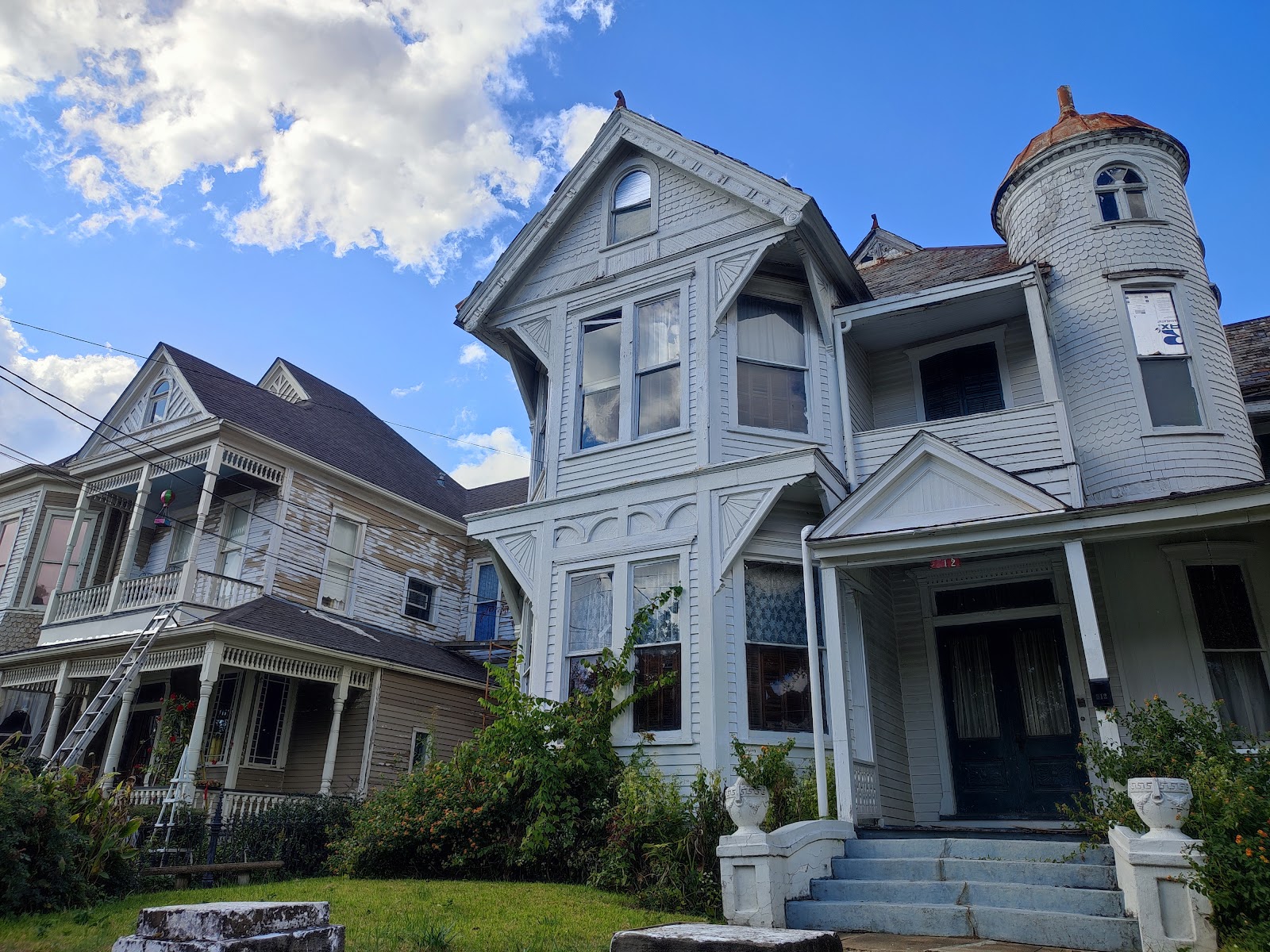
More frames from Stanton Hall
Stanton Hall wedding photography: common questions
Why do white columns blow out so easily?
Because gloss white paint on smooth timber is a near-uniform high-reflectance surface with no texture underneath — unlike stone, which retains grain and veining. Once it clips there is nothing to recover, and it sits three or four stops above a shaded face beside it.
Why do the columns look flat in my photos?
Because a column’s roundness is carried entirely by the gradient from its lit side to its shadow side, and that gradient lives in the top stop of the range. Two-thirds of a stop of overexposure flattens it and the column becomes a white rectangle.
What is the simplest fix?
Shoot the building in the hour that rakes its portico rather than at midday. Low sun drops the overall brightness into a manageable range and creates the directional gradient that makes columns read as round — the same hour solves the faces too.
What if the frame has to happen in bright sun?
Expose for the paint so the gradient survives, then light the couple up to within a stop of it. Outdoors in Mississippi sun that means a real strobe plus high-speed sync or an ND filter, not a speedlight. It is the most controlled result available.
Is there an easy frame most people miss?
Yes — work inside the portico shade and shoot outward or along it. The white paint in shade is a mid-tone, faces are lit by the large bounce off the sunlit face, and the exposure problem simply disappears.
Is an overcast day bad here?
No, it is an asset. Under cloud the white paint is bright but unclipped, the gradient survives, faces light evenly and groups can stand anywhere. For a large formal group in front of a white portico, overcast is the best condition there is.
More Natchez, MS venue guides
We are writing a photographer’s guide to every venue we would happily shoot in Natchez, MS. Here are three more, plus the full index:
- The Auburn Museum: Field Notes on a Freestanding Spiral Stair
- Choctaw Hall: What a Gazebo Ceremony Does to the Photographs
- Dunleith Historic Inn: A House With a Good Side at Every Hour
All Natchez, MS Wedding Venues →
Planning a wedding at Stanton Hall?
White paint sets the exposure and everything else follows from it. Tell us your date and which way the portico faces, and we will pick the hour.