 The Hoxton Chicago: Photographing a Wedding in Fulton Market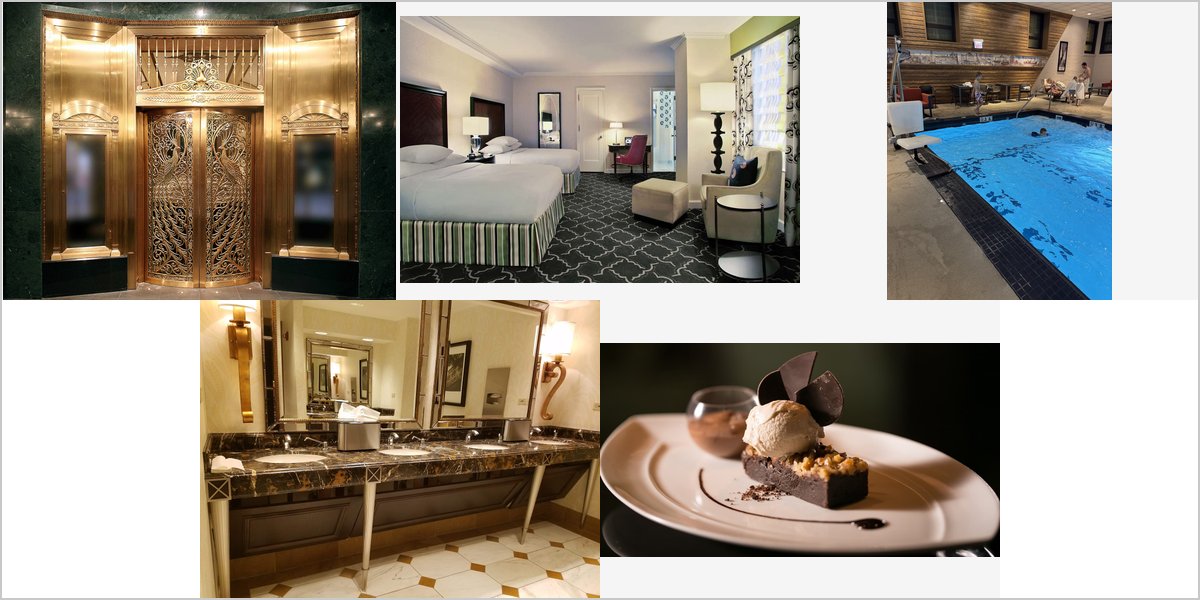
August 8, 2026
The Palmer House: How the Frescoed Ceiling Frame Is Actually Made
Everyone who photographs here wants the same frame. It is harder than it looks, and it is made in five decisions.
The Palmer House occupies a block in the Chicago Loop, a grand hotel whose lobby is the reason photographers know it: a two-storey room with an elaborately painted ceiling, ornate plasterwork, and a broad staircase rising out of it.
There is one frame at this venue that almost everybody wants — the couple below, the painted ceiling above, both sharp, both correctly exposed, the whole room reading as the grand space it is. It appears simple. It is not, and the reasons it fails are specific and repeatable: the ceiling is far brighter or far darker than the people, the wide lens needed to include it distorts them, the chandeliers clip, and the pose that works on a stair does not work when the camera is pointing upward.
So rather than a general tour, this is a step-by-step account of how that frame is built, and what else the building gives once you can make it. We have not photographed a wedding at the Palmer House; painted ceilings and grand stairs behave the same in any hotel of this class. Which ballrooms are allocated and what lobby access a wedding has are questions for their events team — the lobby is a working public space, and that is the first constraint.
The Palmer House at a glance
| Where | The Loop, Chicago, Illinois |
| Character | Grand hotel with a two-storey painted lobby ceiling and broad stair |
| The frame | Couple below, frescoed ceiling above, both sharp and both exposed |
| Why it fails | Dynamic range, wide-lens distortion, clipped chandeliers, wrong pose |
| Ask first | Lobby access — it is a public thoroughfare, not an event room |
Decision one: where the camera goes, which decides the lens
The instinct is to stand in the middle of the lobby, point up and back, and fit everything in. That produces the worst version of the frame. From the floor a wide lens renders the ceiling as a small distorted band across the top of the image while the couple, near the frame edge, are stretched — a wide-angle lens close to a subject widens whatever is at the periphery, and in this frame that is a person.
The better position is elevated and further back. From the stair landing or a mezzanine level, the ceiling is nearer and reads larger, the camera axis is closer to horizontal so distortion drops, and the couple can be placed centrally where a wide lens treats them fairly. A 24mm from a landing beats a 16mm from the floor every time.
If elevation is not available, the alternative is to stop trying to include both in one frame and instead make two: a tight couple frame with a hint of ceiling above, and a separate architectural frame of the ceiling itself. Two strong images beat one compromised one, and the pair sits better on a page than a single distorted attempt.
Decision two: the exposure, which is the real problem
A painted ceiling in a grand lobby is lit by chandeliers hanging below it and by uplighting aimed at it, which means it is often brighter than the people standing on the floor — and the chandeliers themselves are several stops brighter again. Expose for the couple and the ceiling washes out and the chandeliers become white blobs, which throws away the entire reason for the frame. Expose for the ceiling and the couple are a silhouette.
The answer is to light the couple up to the ceiling rather than exposing down to them. One off-camera source, warm to match the room, bringing the couple to within a stop of the ceiling’s brightness: now you can expose for the architecture and the people still read. This is the same principle as a stained glass window and it is the single technique that unlocks grand interiors.
The chandeliers need one extra thought. They will clip; a bare bulb is always going to be the brightest thing in a frame. What matters is that they clip small and cleanly rather than bloom into large white shapes, which means keeping the exposure disciplined and, if the frame allows, positioning so a fixture sits against painted ceiling rather than against a pale plaster field where the blowout spreads.
Colour: the room is tungsten, warm and consistent, which is a gift compared with a mixed-source venue. Set white balance warm and deliberately — somewhere that keeps the gold reading as gold rather than correcting it to grey, because the warmth is the character of the room. Gel your own light warm to match, so your source does not sit as a cold patch in a golden space.
- Elevate the camera; a 24mm from a landing beats a 16mm from the floor
- Keep people centred — wide lenses stretch whatever is near the edge
- Light the couple up to the ceiling; do not expose down to them
- Gel your light warm so it belongs in a tungsten room
- Accept small clean clipping on chandeliers; prevent large blooms
Decision three: the pose, and the public-space problem
A frame shot from above with a grand room around it is an environmental portrait, not a close portrait, which changes what the couple need to do. Expressions barely register at that scale; posture, separation and the shape the two bodies make together are what read. So the direction is physical rather than emotional — a clear gap of light between them, chins up because the camera is above, and stillness, because the shutter will be slower than you would like.
On a stair specifically, the working position is one step apart rather than side by side. It separates them in height, creates a diagonal, and stops the lower body of the rear person disappearing behind the front one. It is the single most useful piece of direction on any staircase.
Then the constraint that governs all of it: a hotel lobby is a public thoroughfare. Guests are checking in, luggage is moving, and nobody has agreed to be in a wedding photograph. That caps how long you can hold a position, whether you can put a light stand down at all, and how much of the room can be clear in the frame. Establish with the hotel in advance what is permitted, and plan a version of the frame that works handheld in ninety seconds, because that may be all there is.
The rest of the building is more forgiving. Period ballrooms give you controllable, private, tungsten-lit rooms where none of the above applies, and they are where the reception coverage lives. The lobby is a set piece to be taken decisively and then left; treating it as the venue rather than as one frame is how photographers end up with forty variations of a public space and not enough of the wedding.
What works in your favour
- A painted two-storey ceiling that no modern room can imitate
- A broad stair, which arranges people at different heights for free
- Consistent warm tungsten light, far easier than a mixed-source venue
- Private period ballrooms for controlled reception coverage
- A Loop address, so nothing requires a transfer
What to plan around
- The lobby is a public thoroughfare with luggage and guests in it
- Ceiling and chandeliers run several stops above the people below
- Wide lenses from floor level distort anyone near the frame edge
- Slow shutters at lobby light levels demand genuine stillness
- Light stands may not be permitted in the space you most want them
More frames from The Palmer House
The Palmer House wedding photography: common questions
How do you get the couple and the painted ceiling in one frame?
Elevate the camera — the stair landing or a mezzanine. From there the ceiling reads larger, the camera axis is nearer horizontal so distortion drops, and the couple can sit centrally. A 24mm from a landing beats a 16mm from the floor every time.
Why does the ceiling wash out in my photos?
Because it is lit from below by chandeliers and uplights, so it is often brighter than the people on the floor. Exposing for the couple blows it out. Light the couple up to within a stop of the ceiling with one warm off-camera source, then expose for the architecture.
What do I do about the chandeliers clipping?
Accept it, but keep it small and clean. A bare bulb will always be the brightest thing in the frame. Keep the exposure disciplined and, where the composition allows, place fixtures against painted ceiling rather than pale plaster, where a blowout spreads further.
How should the couple stand on the staircase?
One step apart rather than side by side. It separates them in height, creates a diagonal, and stops the rear person’s lower body vanishing behind the front one. It is the most useful single direction on any stair.
Can you set up lights in the lobby?
Often not, or only briefly — it is a public thoroughfare with guests checking in and luggage moving. Confirm in advance what is permitted, and have a version of the frame that works handheld in ninety seconds, because that may be all you get.
Should white balance correct the golden tone?
No. The warmth is the character of the room, so set white balance to keep gold reading as gold rather than neutralising it to grey. Gel your own light warm to match, so your source does not sit as a cold patch in a golden space.
More Chicago, IL venue guides
We are writing a photographer’s guide to every venue we would happily shoot in Chicago, IL. Here are three more, plus the full index:
- The Peggy Notebaert Nature Museum: Glass, Butterflies and Prairie
- The Ritz-Carlton Chicago: Field Notes on a Sealed Ballroom
- The Shedd Aquarium: Four Ways Out of the Bright-Aquarium Problem
All Chicago, IL Wedding Venues →
Planning a wedding at The Palmer House?
One frame here needs five decisions made in advance. Tell us your date and we will have them settled before we walk in.