 The Hoxton Chicago: Photographing a Wedding in Fulton Market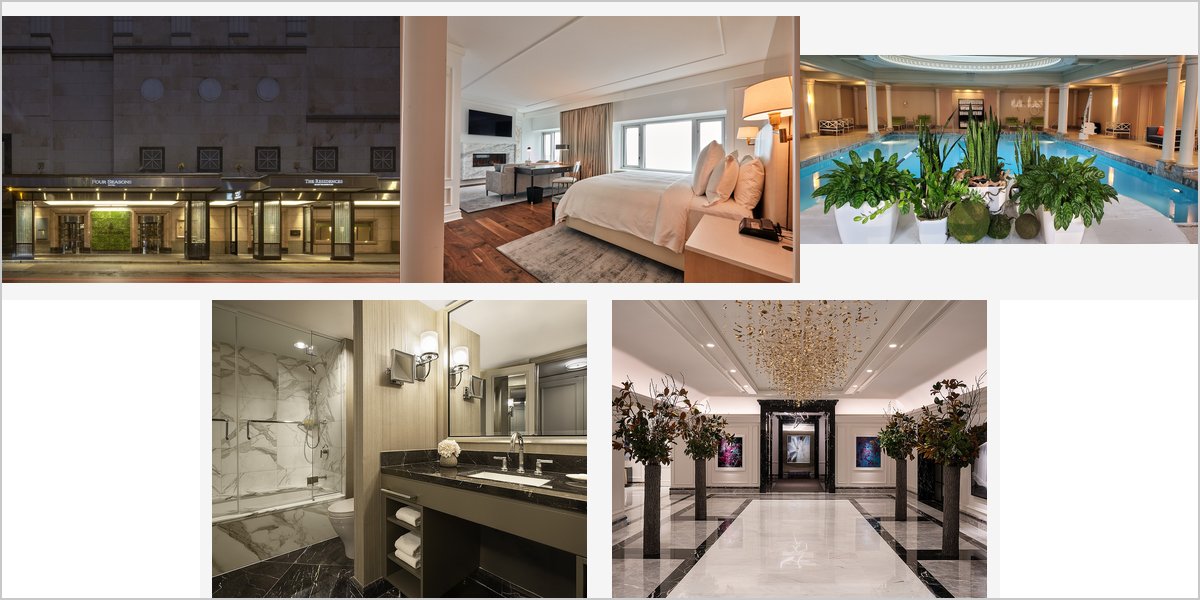
August 26, 2026
The Four Seasons Chicago: Four Ways Out of the Vertical Venue Problem
At a vertical venue the distance between two rooms is measured in lift journeys, and that is a scheduling problem before it is a photographic one.
The Four Seasons Chicago occupies upper floors of a tower above the Magnificent Mile, with function rooms, public spaces and guest floors distributed across separate levels well above the street.
Venues like this have a characteristic that horizontal venues do not, and it is consistently underestimated: the building is stacked, so moving between spaces means lifts. A hotel ballroom thirty floors above a getting-ready suite is not a short walk away — it is a lift call, a wait, a ride, and another wait, repeated for every person and every case of equipment. In a building with guests, luggage and other events in it, that adds up to real time, and the time comes out of the coverage.
There are four workable responses, and taken together they make a vertical venue as productive as any other. We have not photographed a wedding at this hotel; stacked venues and high-level window light behave the same anywhere. Which floors are allocated, and whether a service lift can be made available, are questions for their events team — and the second one is worth asking early.
The Four Seasons Chicago at a glance
| Where | Upper floors above the Magnificent Mile, Chicago, Illinois |
| Character | A vertical hotel — function rooms and guest floors on separate levels |
| The problem | Every move between spaces is a lift journey, not a walk |
| The compensation | High windows give the cleanest directional daylight in the city |
| Ask first | Service lift access, and which way the allocated rooms face |
Why lifts eat a timeline
A lift journey in an occupied hotel is not the duration of the ride. It is the wait for a car, the ride with stops, and the reassembly of a group at the other end — and it scales badly, because a lift that holds eight people needs three trips for a wedding party of twenty, with a wait between each. What looks like a two-minute transition on a schedule is routinely fifteen.
It also scales badly with equipment. A lighting kit, stands and cases cannot share a passenger car politely at a busy hour, and carrying them in stages means the photographer is in a lift rather than photographing. Every additional lighting position in a vertical venue costs a round trip, which is why a plan with three setups on three floors is a plan with forty minutes of lift time hidden in it.
And it produces a specific failure that is easy to miss until it happens: people become separated. A wedding party split across two lift loads arrives at different times, and the moment you were there to photograph — the entrance, the first look, the reaction — happens to half of them while the other half is still downstairs. Vertical venues lose moments rather than merely minutes.
The four responses below all follow from accepting the constraint rather than hoping it will not bite.
Way one: collapse the number of moves
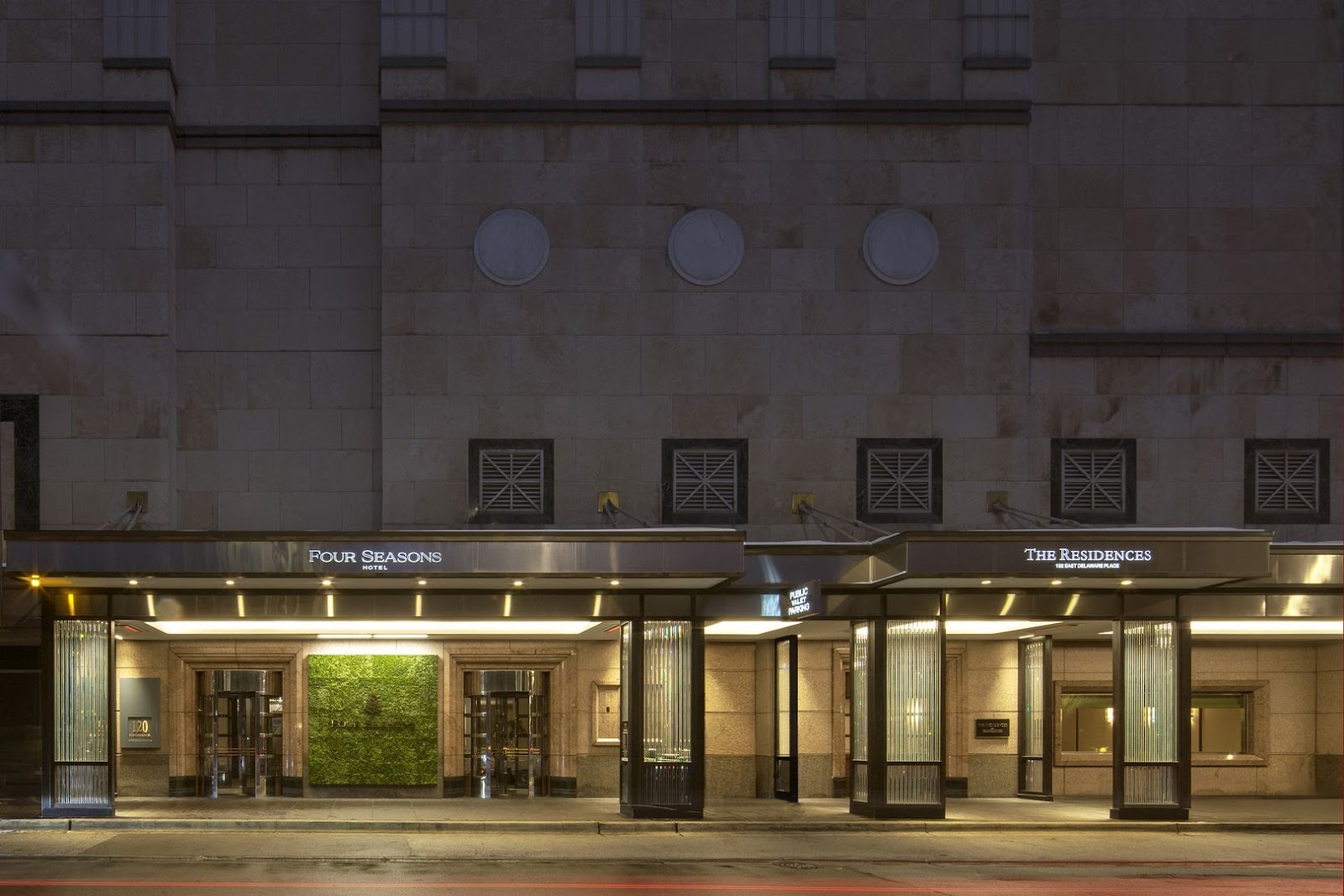
The most effective response is structural: design the day so there are as few vertical transitions as possible, and make each one count. That usually means grouping everything that happens on a floor into one continuous block rather than returning to it — all the preparation coverage, the dress, the details and the first look on the guest floor in one pass, then a single move to the event floor and no return.
It is worth writing that as an explicit sequence with the coordinator rather than assuming it. Left unplanned, a day naturally generates return trips — someone forgot the rings, the veil is upstairs, a portrait idea occurs on a floor you have left — and each one costs the same fifteen minutes.
A practical corollary: bring everything you need for a floor to that floor at the start. A second body, the lens you might want, a spare battery. Going back for something is the single most expensive mistake available in a stacked building.
Ways two and three: request a service lift, and use the high windows
The second response is administrative and disproportionately valuable: ask whether a service lift can be made available for the wedding party and equipment. Service lifts are larger, they are not competing with guests and luggage, and they often serve the relevant floors directly. A yes to that question converts a fifteen-minute transition into a five-minute one, and it costs nothing but asking. It is the highest-return question at any vertical venue.
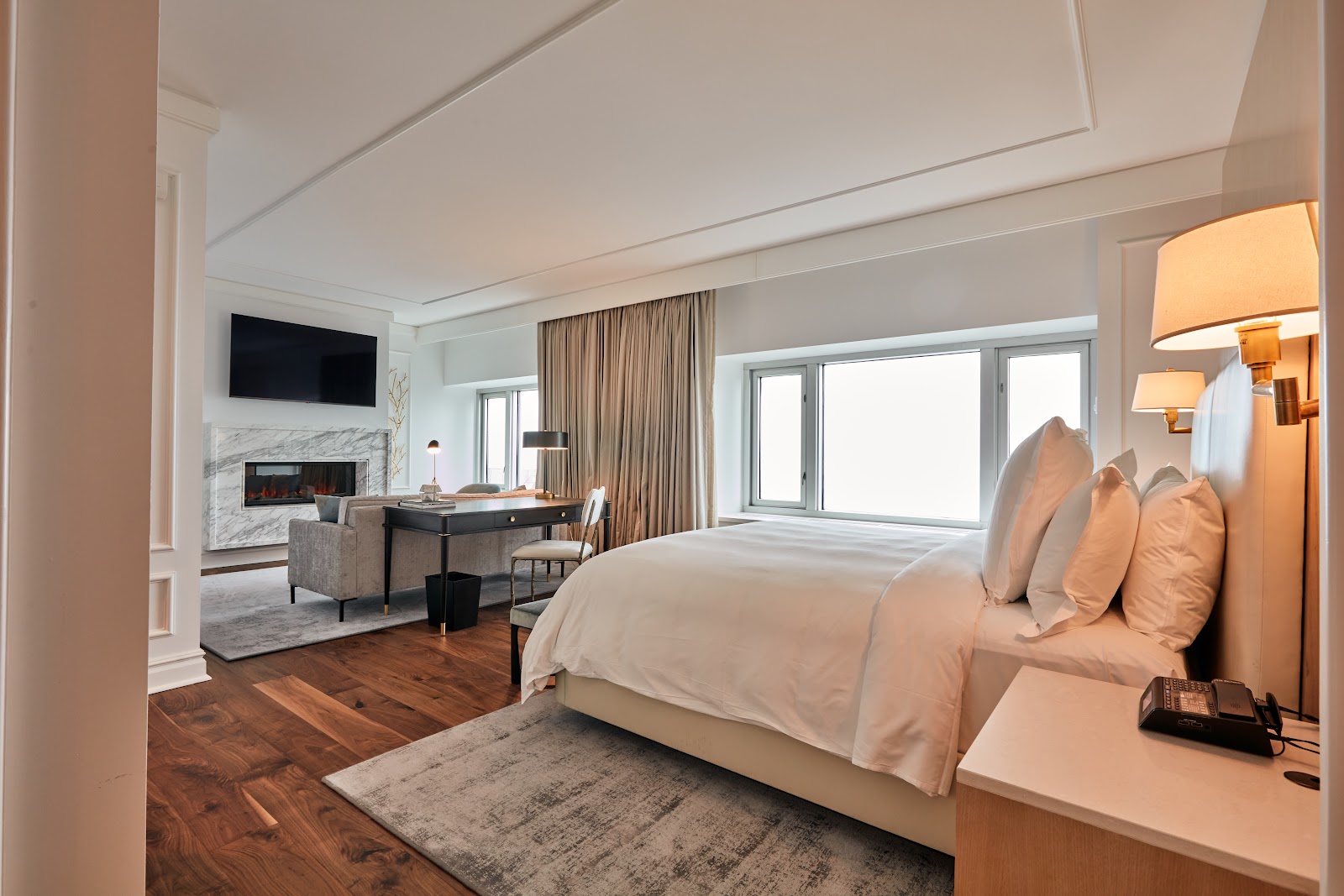
The third is to stop treating the guest floors as a staging area and recognise them as the best photographic asset in the building. A large window a long way above the street receives daylight with no obstruction, no shadowing from buildings opposite and no bounce from the pavement — which makes it cleaner, more directional and more contrasty than any low-floor window. Place a couple a metre back and turned into it and you have a large soft key with a genuine fall-off into shadow, which is the best portrait light available anywhere in a hotel of this kind.
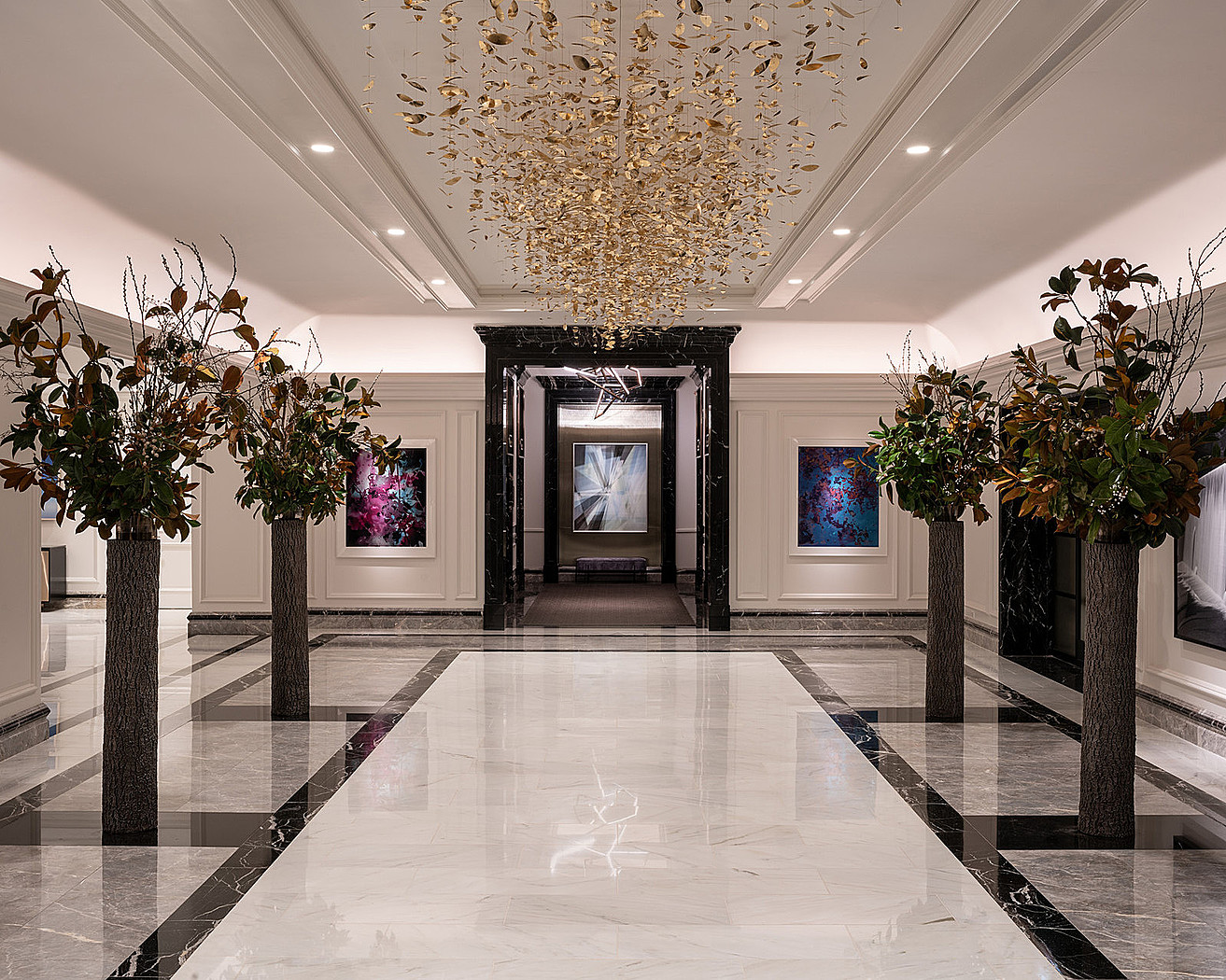
That light also solves a problem that luxury interiors create. Pale tonal public rooms lit evenly give almost no separation between a subject and a background; a high window gives directional light and real shadow, which is exactly the contrast the public rooms lack. So the portrait coverage belongs on the guest floors, not in the lobby, and that is an argument about quality rather than convenience.
The view does the other half of the work. A frame with the couple at a high window and the city below places the whole gallery in Chicago, which a function room cannot do. In daylight the view is far brighter than the room, so either raise the interior towards it or expose for the couple and let the city go bright and soft — the latter is often the better picture. After dark, one warm source balanced against the city lights, and not overpowering them.
- Group everything on a floor into one pass; never plan a return trip
- Carry everything you need for a floor at the start of it
- Ask for a service lift — the highest-return question at a vertical venue
- Put the portrait block at a high guest-floor window, not in the lobby
- Take the view frame at dusk, when the city and the room can balance
Way four: go down once, deliberately, and stay down
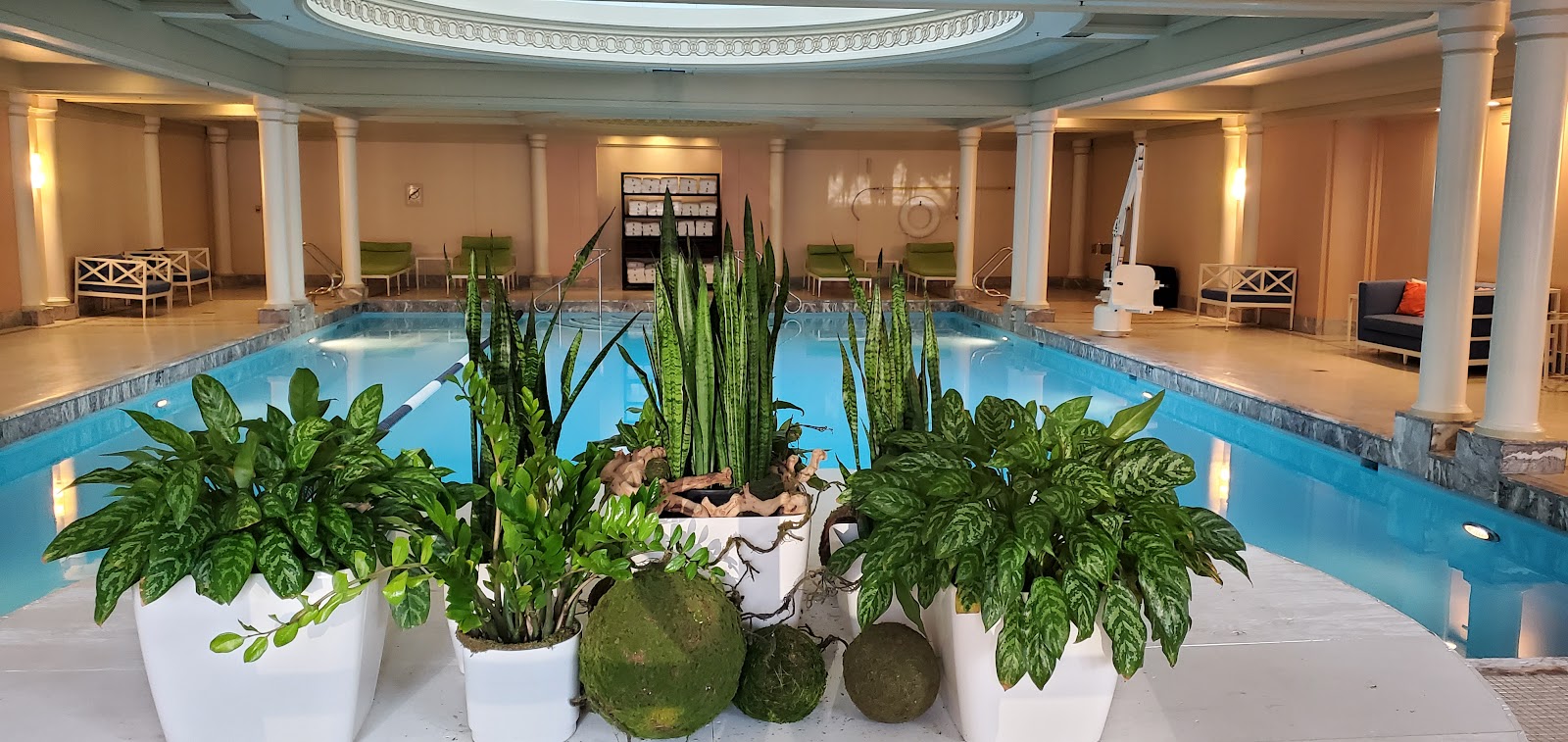
The fourth response is to accept that street level is a separate expedition and treat it as one. A vertical venue makes casual trips outside impossible, so the answer is a single planned descent at the right time, with everything needed for it, and no return until the block is finished.
The right time is the last forty minutes of daylight. The Magnificent Mile, the historic Water Tower, Oak Street and the lakefront are all within a short walk, and they give architecture, water, open sky and neutral daylight — none of which exists on the thirtieth floor. Those frames are what stop a high-rise hotel gallery reading as a series of interiors.
The district is among the busiest pedestrian environments in the country, so the working method is the standard one: a long lens to compress crowds into unreadable background, tight framing to exclude street furniture, and decisiveness. Twenty minutes worked properly at street level beats an hour of wandering, and in a vertical venue an hour of wandering is not available anyway.
The honest summary: the ballroom is where the wedding is, the guest floors are where the best light is, and the street is where the location is. A vertical venue rewards a timeline that visits each of those exactly once, at the right hour, with everything carried in one trip. Almost every problem photographers report at buildings like this traces back to a plan that assumed vertical movement was free.
What works in your favour
- High-floor windows give the cleanest, most directional daylight anywhere in a hotel
- A city view from a window locates the gallery unmistakably
- Weatherproof from end to end, with reliable power and controlled interiors
- The Magnificent Mile, Water Tower and lakefront within a short walk
- A service lift, if granted, removes most of the constraint outright
What to plan around
- Every transition between floors costs a lift journey, not a walk
- Lift capacity splits a wedding party and loses moments, not just minutes
- Each extra lighting position costs a round trip with equipment
- Pale public rooms give little separation between subject and background
- Street-level work has to be a single planned expedition
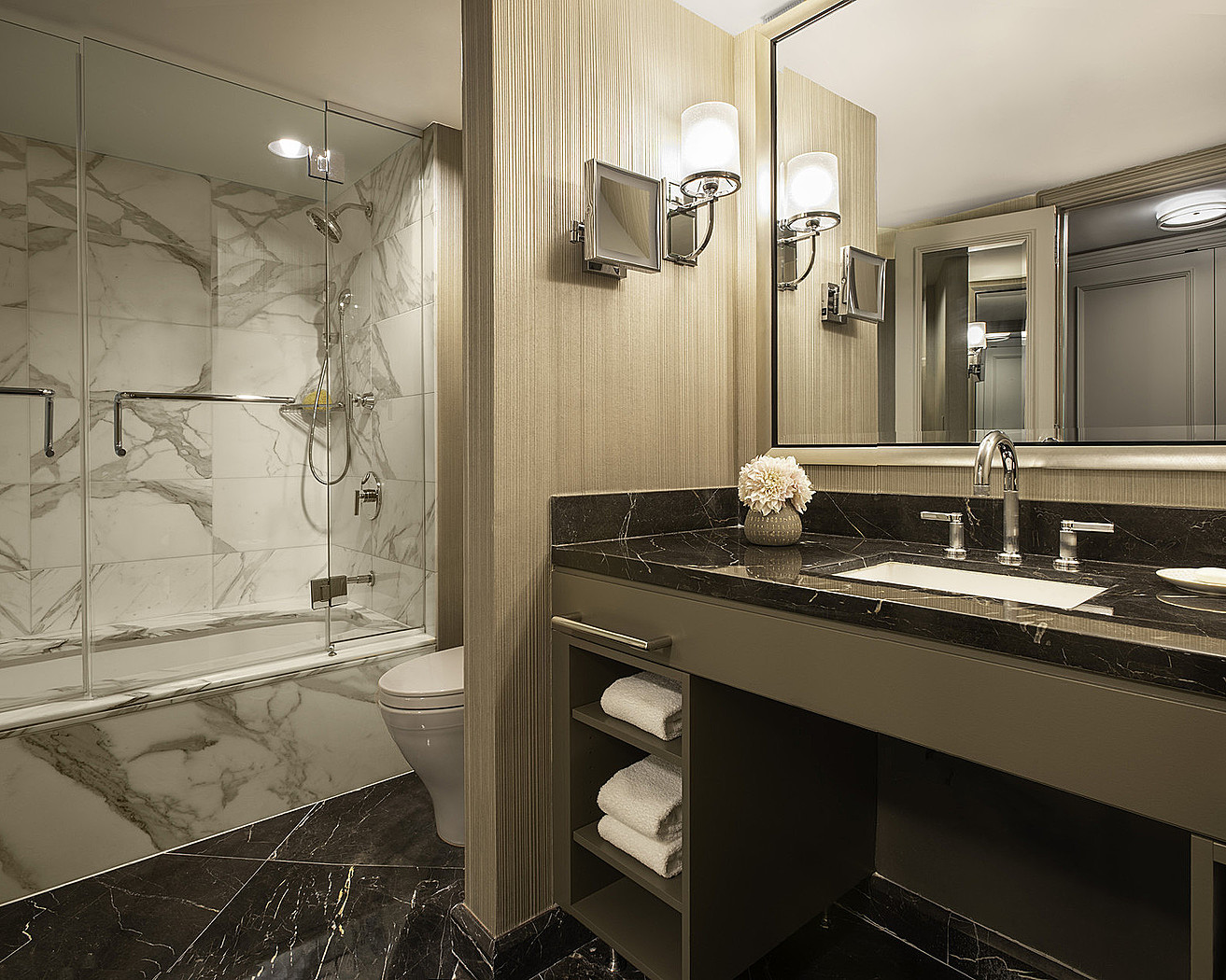
More frames from The Four Seasons Chicago
The Four Seasons Chicago wedding photography: common questions
Why do lifts matter so much at a tall venue?
Because a lift journey is the wait, the ride and the reassembly at the other end, and it scales badly — a car holding eight needs three trips for a party of twenty. A transition that reads as two minutes on a schedule is routinely fifteen, and that time comes out of the coverage.
What is the single most useful thing to ask for?
A service lift for the wedding party and equipment. They are larger, they are not competing with guests and luggage, and they often serve the relevant floors directly. A yes turns a fifteen-minute transition into five, and it costs nothing but asking.
Where is the best light in a vertical hotel?
At a guest-floor window. A large window high above the street gets daylight with no obstruction, no shadowing from buildings opposite and no pavement bounce, so it is cleaner and more directional than any low-floor window — better than the public rooms by a wide margin.
Why not photograph the portraits in the lobby?
Because pale, evenly lit public rooms give almost no separation between a subject and the background. A high window gives directional light and real shadow, which is precisely the contrast those rooms lack. It is a quality argument, not a convenience one.
What is the worst mistake to make here?
Planning a return trip. Going back to a floor for something forgotten costs the full fifteen minutes, so group everything that happens on a floor into one continuous pass and carry everything you need for it at the start.
How should street-level photographs be handled?
As a single planned descent in the last forty minutes of daylight, with everything needed carried in one trip and no return until the block is done. Casual trips outside are not available in a stacked building, so twenty decisive minutes beats an hour of wandering.
More Chicago, IL venue guides
We are writing a photographer’s guide to every venue we would happily shoot in Chicago, IL. Here are three more, plus the full index:
- Garfield Park Conservatory: Field Notes on Photographing Under Glass
- Lincoln Park Zoo: Reading a City Park Hour by Hour
- The LondonHouse Rooftop: One Decision Governs the Whole Evening
All Chicago, IL Wedding Venues →
Planning a wedding at The Four Seasons Chicago?
A stacked venue punishes any plan that assumes vertical movement is free. Tell us your date and we will build a timeline with the lifts counted in.