 The Portland Regency: A Season-by-Season Guide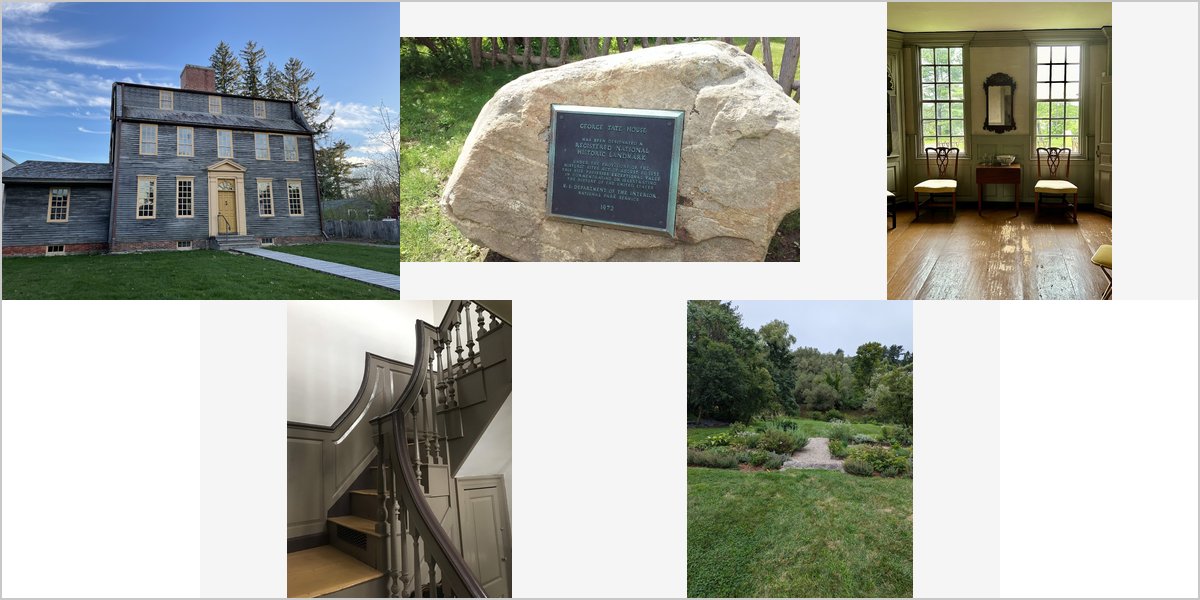
June 13, 2026
The Tate House: Who This 1755 House Suits
A 1755 house, older than the country it stands in. Small, dark, genuinely rare — and strictly a small-wedding proposition.
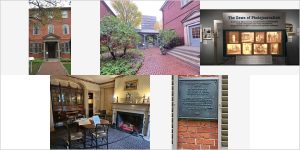
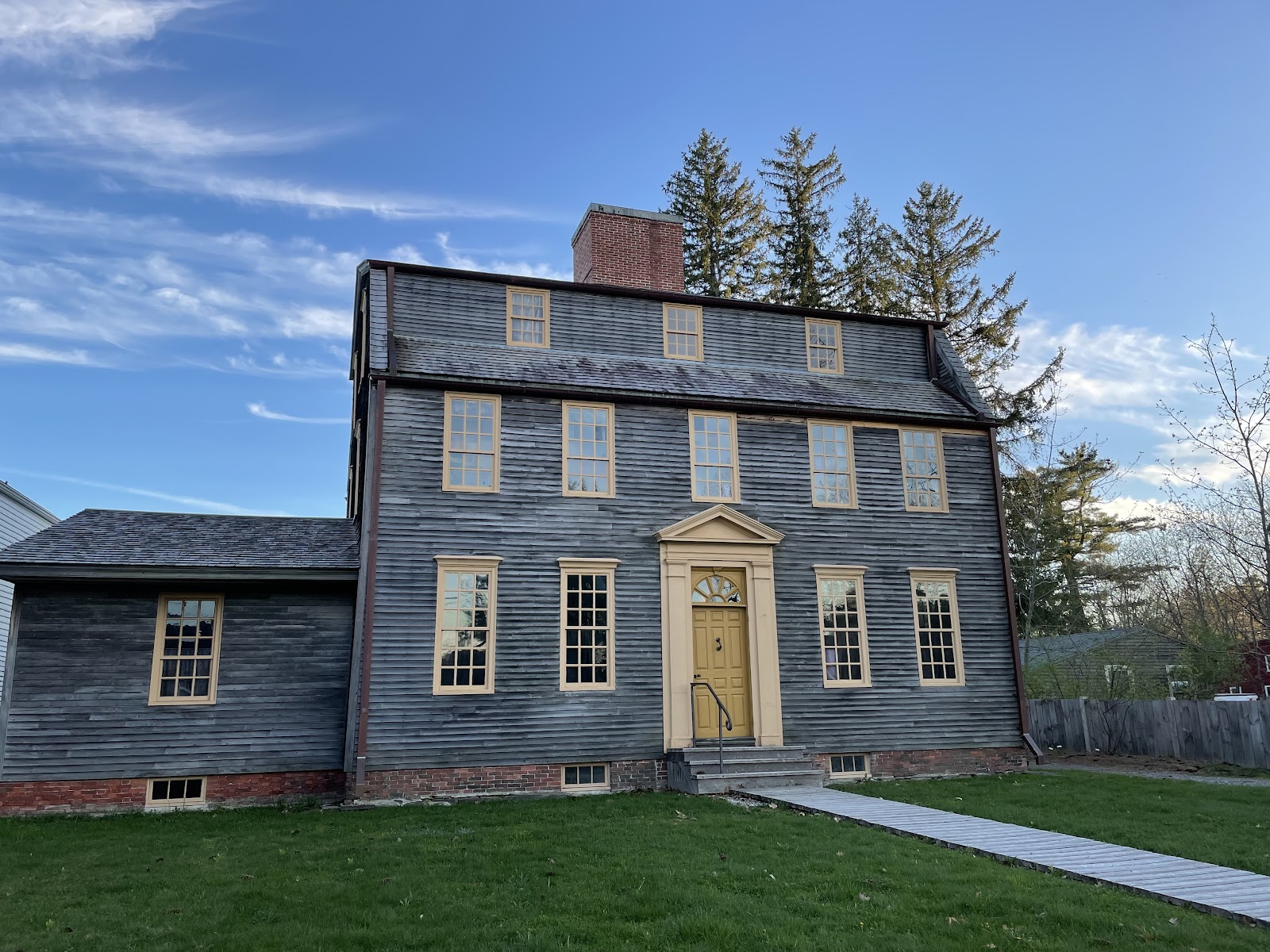
The Tate House was built in 1755 in the Stroudwater district of Portland, Maine, for George Tate, an agent of the Royal Navy’s mast trade. It is Georgian, with an unusual clerestory gambrel roof that is close to unique in New England, and it retains period interiors with an eighteenth-century-style garden on the grounds.
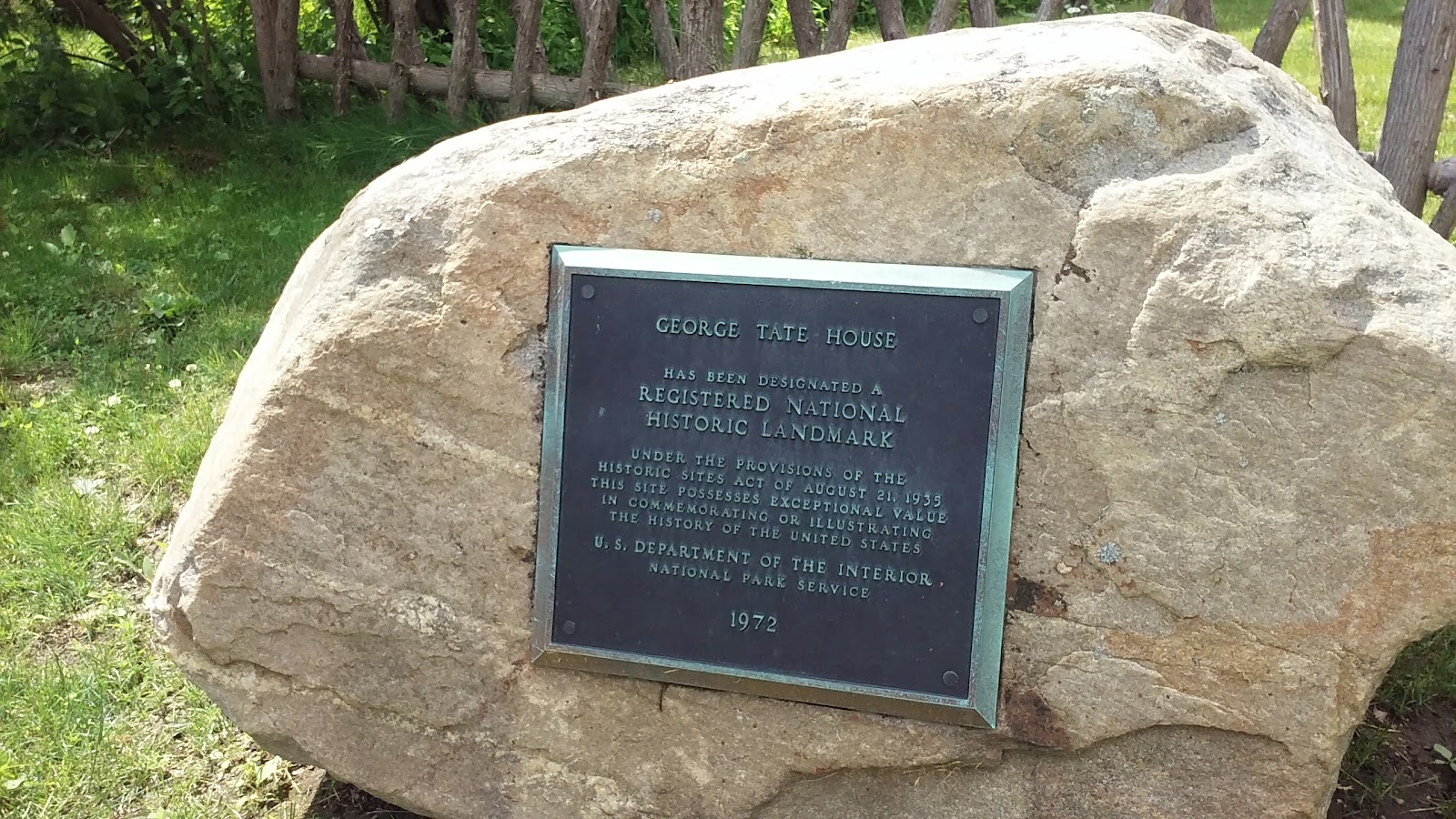
Photographically the honest framing is scale and age. This is a pre-Revolutionary colonial house: rooms are small by any modern standard, ceilings are low, windows are small-paned and modest, and the interiors are dark. What it offers instead is genuine eighteenth-century fabric, which almost no American wedding venue has, and a quality of age that cannot be manufactured.
So this is a fit assessment. We have not photographed a wedding at the Tate House; colonial interiors and small-paned window light behave predictably. Capacity, which rooms are used and the conservation rules are for their team, and at a 1755 house museum expect them to be firm.
Tate House Museum at a glance
| Where | Stroudwater, Portland, Maine |
| Built | 1755, Georgian, with a clerestory gambrel roof rare in New England |
| Character | Small low-ceilinged colonial rooms, period interiors, an eighteenth-century-style garden |
| Light | Dark; small-paned windows admitting modest light |
| Assume | Conservation rules on flash, numbers and contact; very limited capacity |
What eighteenth-century rooms do to photographs
Three things, all of them constraints with one compensation. Rooms are small, so the camera is always close and compositions are half-length or tighter. Ceilings are low, so anyone tall appears close to the ceiling and there is no height to include. And windows are small-paned and modest, so the light entering is limited and localised.
The compensation is real, though. A small-paned window is a beautiful light source — the muntins break the light into a soft grid and the opening is small enough that the falloff is rapid, which gives very directional, contained illumination. A portrait taken beside an eighteenth-century window, with the room falling away into darkness, is a genuinely lovely and historically appropriate image.
Low ceilings also have one technical advantage worth knowing. Bounce flash works well in a room with a ceiling two and a half metres up, because the light comes back strong and soft — the whole ceiling becomes a large diffuse source. If any lighting is permitted, a single on-camera bounce goes much further here than it would in a grand room.
There is a subtler thing that eighteenth-century rooms do, and it is worth naming because it is the reason some couples love them. Colonial windows sit low in the wall by modern standards — they were built for people seated rather than standing — which means the light arrives at roughly chest and face height rather than from above. That is the single most flattering direction there is, and it is why portraits in genuinely old houses often look better than the same portrait in a Victorian room with taller windows. The architecture is doing what a photographer would otherwise have to construct.
Who this venue suits
Four kinds of couple, and the fit is narrow.
- Elopements and very small weddings. Ten to twenty-five people. A 1755 house with conservation requirements cannot take more, and the capacity will reflect that.
- Couples who genuinely value age. Pre-Revolutionary fabric is vanishingly rare in American wedding venues, and if that matters to you this is an unusual opportunity.
- Anyone whose reference images are close, quiet and documentary. Small dark rooms produce intimacy, not grandeur.
- Couples treating it as a ceremony-and-portraits venue. Marry there, photograph there, celebrate elsewhere. That respects the house and plays to its strengths.
Who should look elsewhere
Directly.
- Anyone with more than about twenty-five guests. The rooms and the conservation rules will not permit it.
- Couples wanting full-length portraits or wide architectural frames indoors. There is neither the distance nor the height.
- Anyone needing bright airy interiors. A colonial house is dark by construction and will not become otherwise.
- Couples wanting a reception here. Not realistic. Plan the celebration elsewhere from the outset.
Making it work, and the garden
The method is to accept the constraints and work deliberately. Identify the room with the best window on arrival — in a colonial house that is usually a south-facing parlour — and take the couple’s portraits there, close to the glass, turned into the light. Then shoot the detail: panelling, hardware, small-paned glass, worn floorboards, the unusual roof structure if it is accessible. Those close frames cost nothing, they are what makes the house significant, and in a venue with few wide frames they carry more of the gallery than usual.
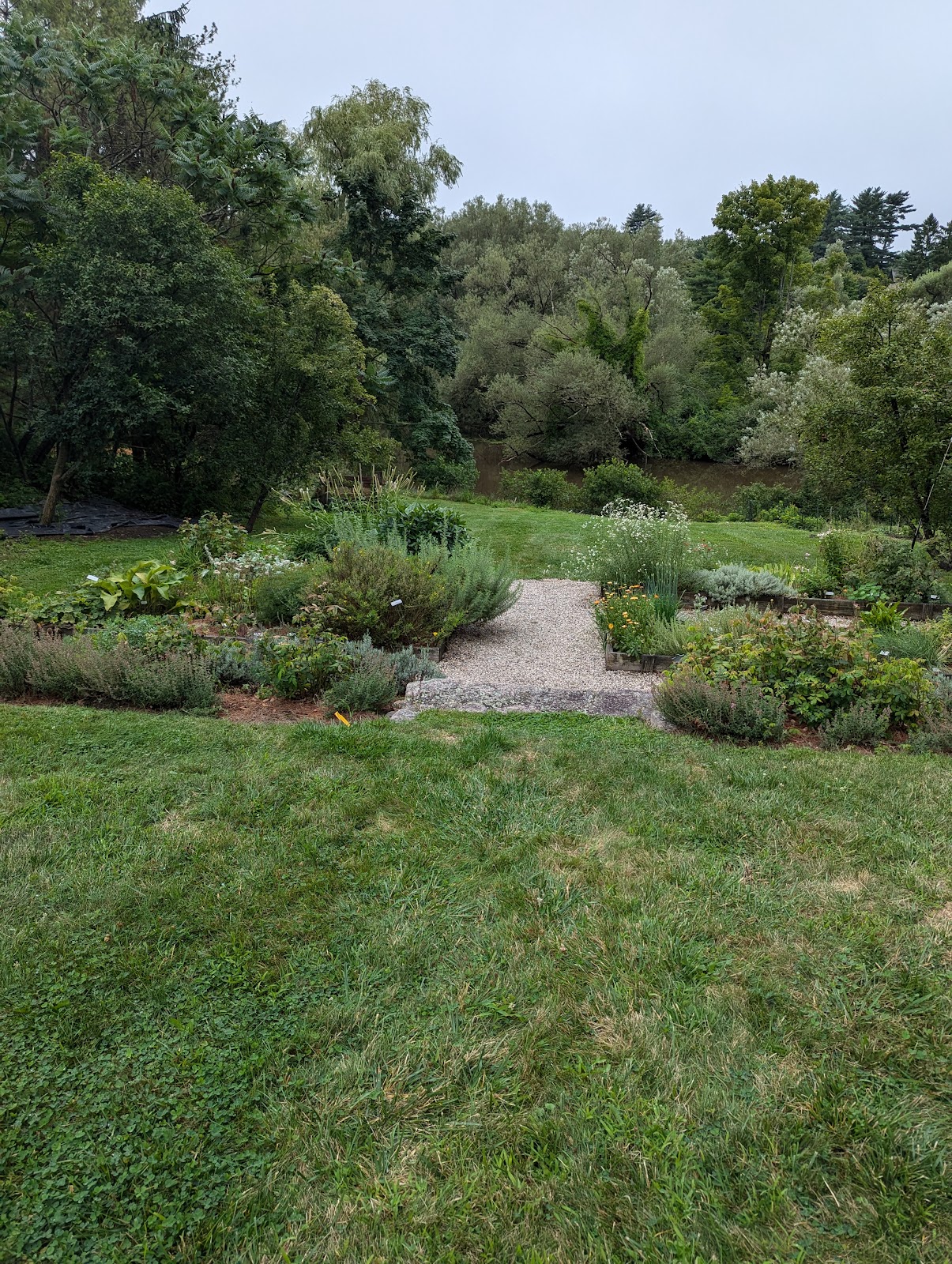
The eighteenth-century-style garden is the outdoor answer and it is a good one for this scale of wedding. A period garden is structured — beds, paths, planting appropriate to the era — which gives a frame geometry that a lawn does not, and it provides somewhere for a small group that the interior cannot.
Beyond that, Stroudwater is a historic district and Portland’s Old Port and Eastern Promenade are a short drive. If a larger group photograph or full-length portraits matter, plan them there rather than hoping the house will stretch.
Maine’s seasonal swing governs the timing: long summer evenings with usable light well past eight, a mid-afternoon December sunset, and a house this dark becoming effectively unusable for portraits by mid-afternoon in winter. Calculate it for the date.
What works in your favour
- Genuine 1755 fabric — pre-Revolutionary, and vanishingly rare in a wedding venue
- An unusual clerestory gambrel roof, close to unique in New England
- Small-paned windows give beautifully directional, contained light with rapid falloff
- Low ceilings make bounce flash genuinely effective, if permitted
- An eighteenth-century-style garden giving structure and a small-group location
What to plan around
- Very limited capacity — realistically under twenty-five guests
- No full-length portraits or wide architectural frames indoors
- Dark by construction; unusable for portraits by mid-afternoon in a Maine winter
- Assume conservation restrictions on flash, numbers and contact
- Not a reception venue; the celebration happens elsewhere
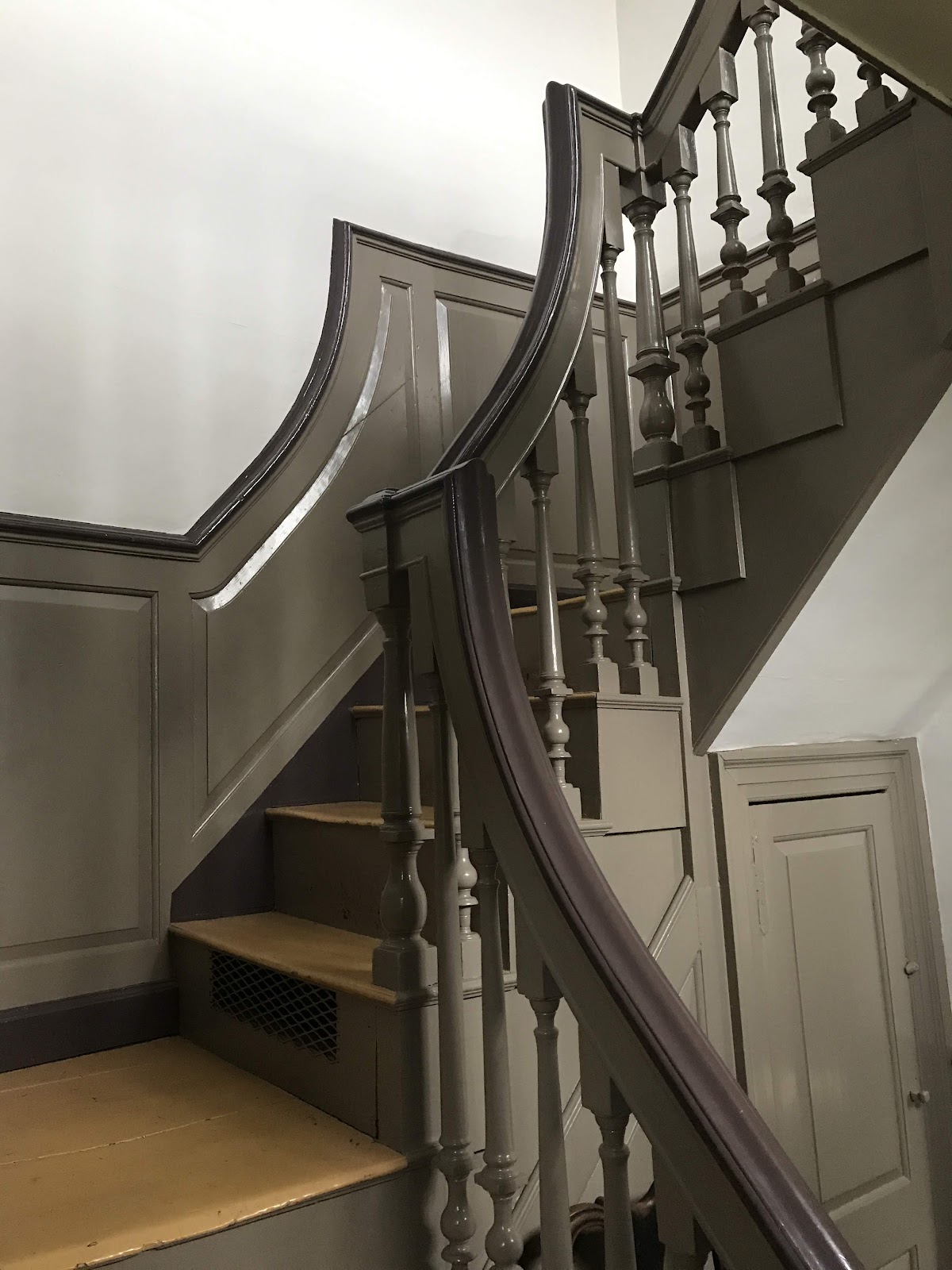
More frames from Tate House Museum
Tate House Museum wedding photography: common questions
How many guests does the Tate House suit?
Realistically ten to twenty-five. It is a 1755 colonial house with small low-ceilinged rooms and conservation requirements, and the permitted capacity will reflect that. Treat it as a ceremony-and-portraits venue and hold the celebration elsewhere.
What is the light like inside?
Limited but lovely. Small-paned windows break the light into a soft grid and the openings are small enough that falloff is rapid, which gives very directional contained illumination. A portrait beside an eighteenth-century window with the room falling into darkness is genuinely beautiful and historically appropriate.
Does bounce flash work in a colonial house?
Unusually well, if it is permitted. A ceiling two and a half metres up returns bounced light strong and soft, effectively turning the whole ceiling into a large diffuse source. A single on-camera bounce goes much further here than in a grand room — though conservation rules may rule out flash entirely.
Can we get full-length portraits indoors?
No. There is neither the distance to stand back nor the ceiling height to include, so compositions will be half-length or tighter. Full-length portraits belong in the garden, or in Stroudwater, the Old Port or the Eastern Promenade a short distance away.
Is the garden useful?
Yes, and appropriate to the scale. An eighteenth-century-style garden is structured — beds, paths, period-appropriate planting — which gives a frame geometry a lawn cannot, and it provides somewhere for a small group that the interior simply does not have.
Why do portraits look good in genuinely old houses?
Because colonial windows sit low in the wall — they were built for people seated rather than standing — so the light arrives at roughly chest and face height rather than from above. That is the most flattering direction there is, and the architecture supplies it without a photographer having to construct it.
More Portland, ME venue guides
We are writing a photographer’s guide to every venue we would happily shoot in Portland, ME. Here are three more, plus the full index:
- Victoria Mansion: Who This 1860 Interior Suits
- The Cathedral of the Immaculate Conception: A Photographer Answers Your Questions
- The Maine Historical Society: Building the Shot List
All Portland, ME Wedding Venues →
Planning a wedding at Tate House Museum?
Pre-Revolutionary fabric in a wedding venue is genuinely rare, and it comes with a strict guest number. Tell us your count and we will be straight about whether it fits — then plan the garden and the city for the rest.