 The Rio, Las Vegas: A Walk Through an Off-Strip Resort
The Valley of Fire State Park, Overton: The One Decision That Governs Everything
Three separate problems, one answer: be there early or be there late.
One decision governs a wedding here and it is simply what time of day you are on the rock. Three entirely separate problems all resolve to the same answer, which makes this the easiest venue in this library to plan and one of the least forgiving to improvise.
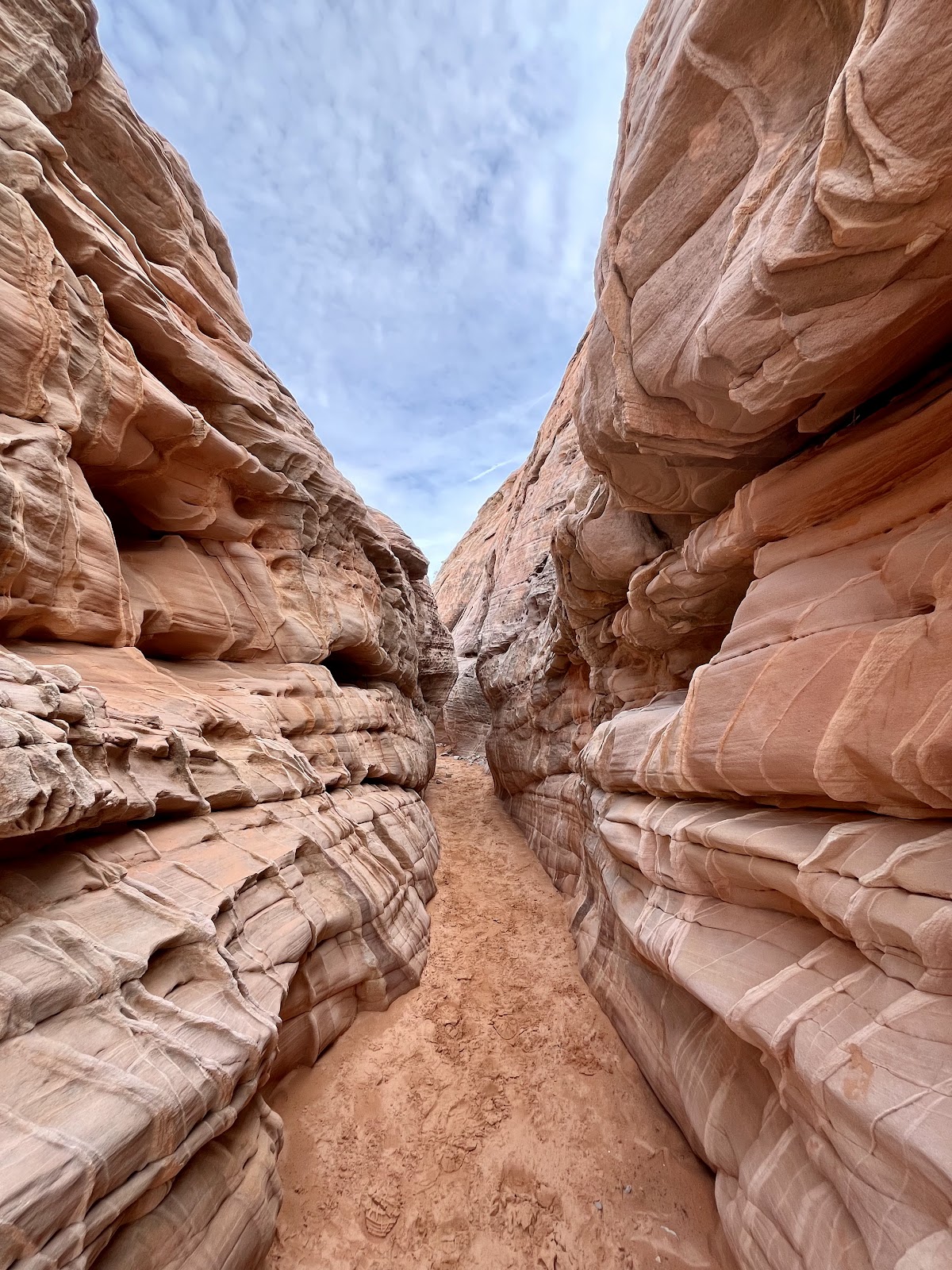
Valley of Fire is Nevada’s oldest state park, in the Mojave north-east of Las Vegas, and its subject is Aztec sandstone — Jurassic dune sand, cemented and stained deep red by iron oxide, eroded into fins, domes, arches and narrow slots. It is a genuinely spectacular landscape and it looks like nowhere else in this collection.
The first problem is heat, and it is the serious one. Summer afternoon temperatures here run from a hundred and five to a hundred and fifteen degrees, on bare rock with no shade and no water. The park itself advises against being out on the trails after the middle of the morning in summer. For a wedding party in formal clothing, that is not a comfort question; it is a safety question, and it is the reason a summer midday ceremony on this rock should simply not be scheduled.
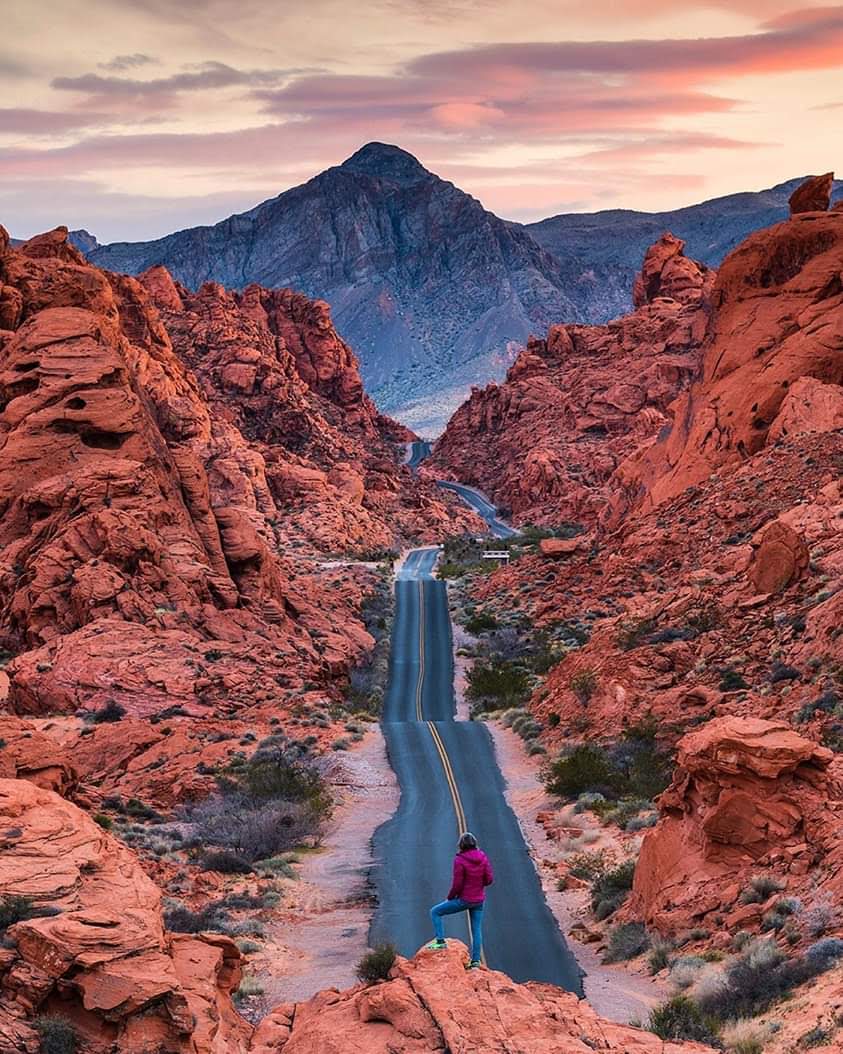
The second problem is colour, and it runs the same way. Red sandstone gets its intensity from low-angle light. When the sun is high the rock is lit flat from above, the shadows that give the fins and domes their form disappear, and the red washes out to a pale orange-brown. At a low angle the same rock goes deep red, almost luminous, with long shadows modelling every ridge. The difference between eleven in the morning and seven in the evening is not subtle — it is the difference between a landscape and a snapshot of some rocks.
The third problem is people. This is a popular park within easy reach of a large city, and the accessible viewpoints and arches are busy through the middle of the day. Early morning and the last hours are when they empty.
Heat, colour and crowds all say the same thing: be there in the first two hours after sunrise or the last two before sunset. There is no version of this venue that works in the middle of the day, in any season, for any reason.
That is the decision, and once it is made the rest is mostly obedience to it.
There is a fourth fact that is not a decision but a technical condition, and it shapes every frame: the rock bounces. A canyon of sunlit red sandstone is a red reflector on all sides, and it throws that colour onto everything in it — including skin, strongly. This is the most aggressive colour-cast environment in this library and the second section deals with it properly.
What follows is why the hour governs and what each end of the day gives, then how to handle the rock and the permits, then the desert year.
The Valley of Fire State Park at a glance
| Where | Red Aztec sandstone in the Mojave, north-east of Las Vegas, Nevada |
| The one decision | Which hour — first two after sunrise, or last two before sunset. Never midday. |
| Why | Heat that is genuinely hazardous, colour that needs low light, and crowds |
| The technical catch | Sunlit red rock throws strong red light onto skin from every direction |
| Ask first | State park wedding and photography permits, group limits, and locations |
Why the hour governs, and what each end gives
Take the evening first, because it is where most weddings here will be.
In the last two hours the sun comes in low and along the rock rather than down onto it, and three things happen at once. The red saturates, because low light has travelled further through the atmosphere and arrives warmer, and warm light on red rock compounds. The form appears, because every fin, ledge and undercut now throws a shadow, and a sandstone landscape is all about those shadows. And the sky deepens behind it, so a red rock against a blue sky is at its maximum contrast of hue.
That last point is worth naming because it is the single most striking thing about this place: red rock and deep blue sky are close to complementary colours, and in dry desert air with very little scattering both are at full saturation. No other venue in this collection offers that.
Work across the light rather than into it or with it. Side light is what reveals the rock’s texture and form; frontal light flattens it and backlight turns it to silhouette. The practical instruction is to keep the sun off to one side and move around a formation rather than standing still, because on a rock landscape a ten-metre walk changes the light on the subject completely.
Then sunset itself, and then the part people leave too early for. After the sun has gone, the high formations keep catching light for several minutes and the whole landscape goes through a rapid sequence — deep red, then violet, then blue — while the sky above holds colour. Civil twilight at this latitude runs about twenty-four minutes, and in air this dry the afterglow is brief but intensely coloured.
The frame to have in those minutes is a formation against a graduated sky with the couple small and lit by one small warmed source. It needs the position marked in daylight and the light already set up, because there is no time to build it once it starts.
And after that it is genuinely dark. This is a remote park with almost no light pollution, which means two things: everything after twilight is lit entirely by you, and the night sky is exceptional. A frame of the couple lit softly with a full field of stars behind them is available here in a way it is not at any urban venue, and it takes a tripod, a wide fast lens and about twenty seconds of exposure. Worth planning for if the couple are willing to stay.
The morning is the other end and it is the better option in summer, for safety reasons alone. Light in the first two hours behaves the same way as the evening — low, warm, raking — with two differences. The air is at its clearest and stillest of the day, before any thermal activity, so distance resolves better than it will later. And it is cool, or at least cooler, which in June is the difference between a viable event and an unwise one.
The morning also has the park effectively to itself. If a couple can be dressed and on the rock by seven, they will have formations that will be crowded by ten.
The middle of the day has no redeeming photographic use here, and it is worth being blunt about that rather than trying to salvage it. A near-overhead sun on red rock gives flat pale colour, no form, black shadows in eye sockets, no shade to retreat to, and heat that in half the year is dangerous. If the schedule forces you onto the rock at one in the afternoon, the honest answer is to shoot tight — details, hands, fabric, texture on stone — rather than to attempt a landscape frame that cannot work.
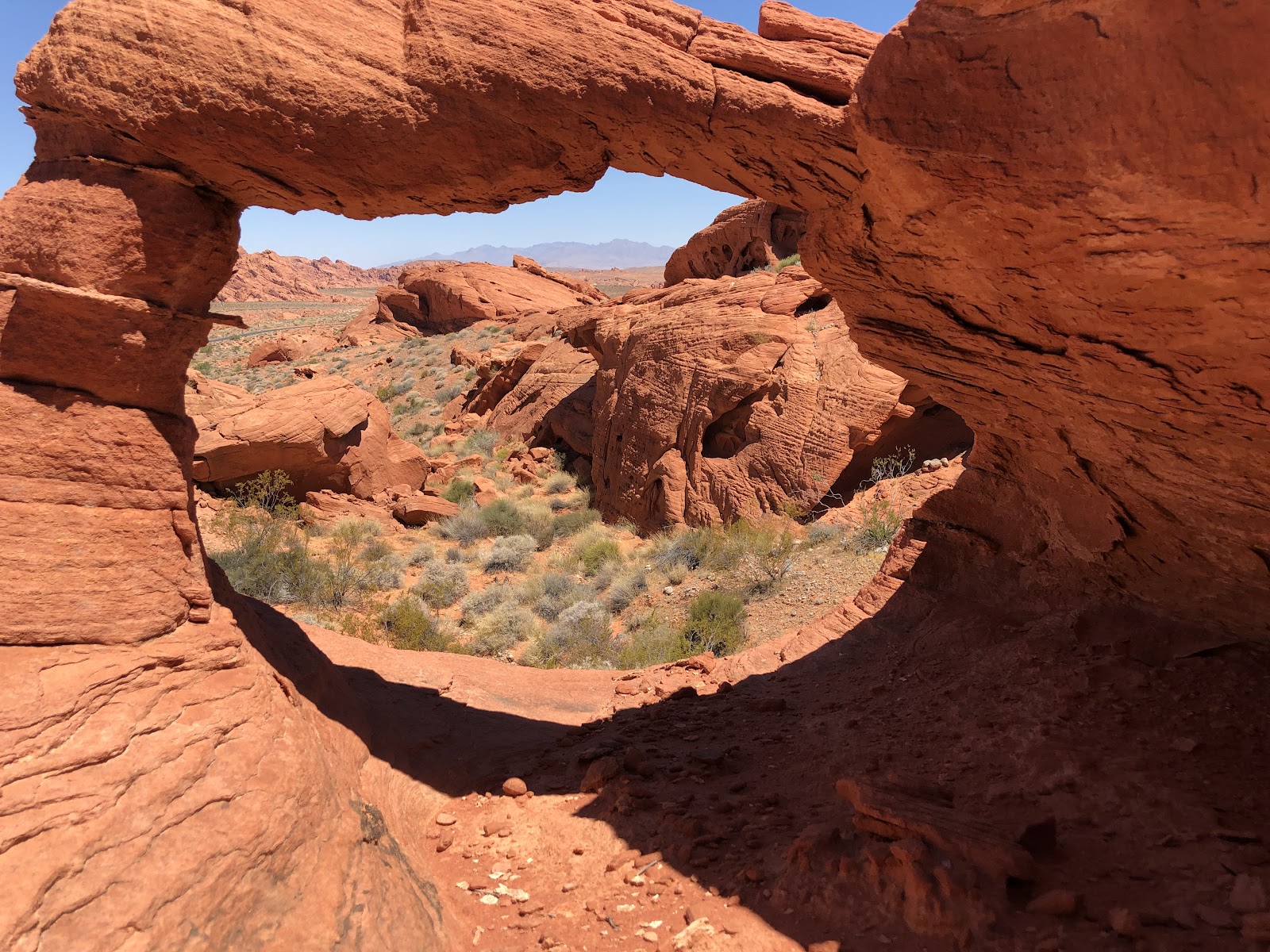
There is one exception worth knowing. In a narrow slot or a deep undercut, a high sun is actually necessary: it is the only time light reaches down into the gap, and it produces reflected glowing light on the walls with no direct sun on the subject. If the park permits access to such a place, midday is precisely when to be in it. That is the single use for the middle of the day here.
What follows from it: the rock, the cast and the permits
The colour cast is the technical problem that will damage files if it is not managed, and it is more severe here than anywhere else in this collection.
Red sandstone in direct sun reflects red light, and in a place where the rock surrounds you on several sides, that reflected light is a substantial fraction of what falls on a face. A subject standing in open shade within a sunlit red canyon is lit almost entirely by bounced red light, and their skin will record with a strong warm-red cast that reads as sunburn or worse.
It is not a white-balance problem. The coloured light is genuinely on the face, so correcting globally shifts the rock as well — and correcting the skin locally while leaving the rock produces a frame where the subject looks cut out of a different photograph.
There are three workable answers. Distance, which means standing a subject well away from any large sunlit red surface — several metres, not one. Open sky, which means positioning so that the dominant light on the face is skylight from above rather than bounce from the side, since the sky is blue and neutralises some of the warmth. And your own light, which is the most reliable: a small source at low power, gelled slightly cool if anything, restores a neutral key on the face while the rock stays as red as it actually is.
That last approach is the one to default to. It also solves the exposure problem, because in dry desert air with very little scattering, shadows are four or five stops down rather than the two you would get in a humid climate. There is essentially no fill here. Whatever fill you want, you bring.
Diagnose the cast rather than guessing: one frame of a hand in the shade and one in open sky shows the difference immediately, and it is often two full correction steps.
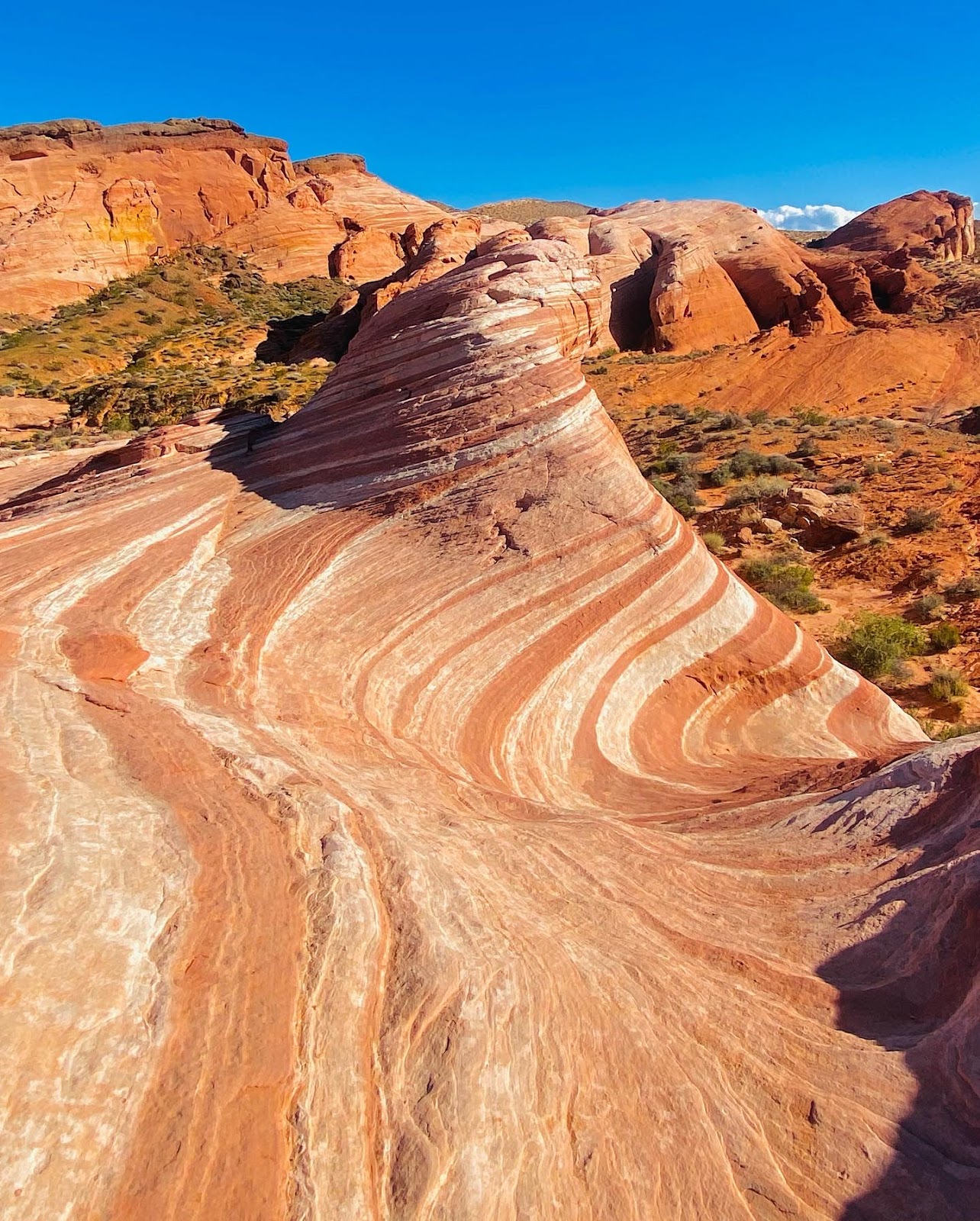
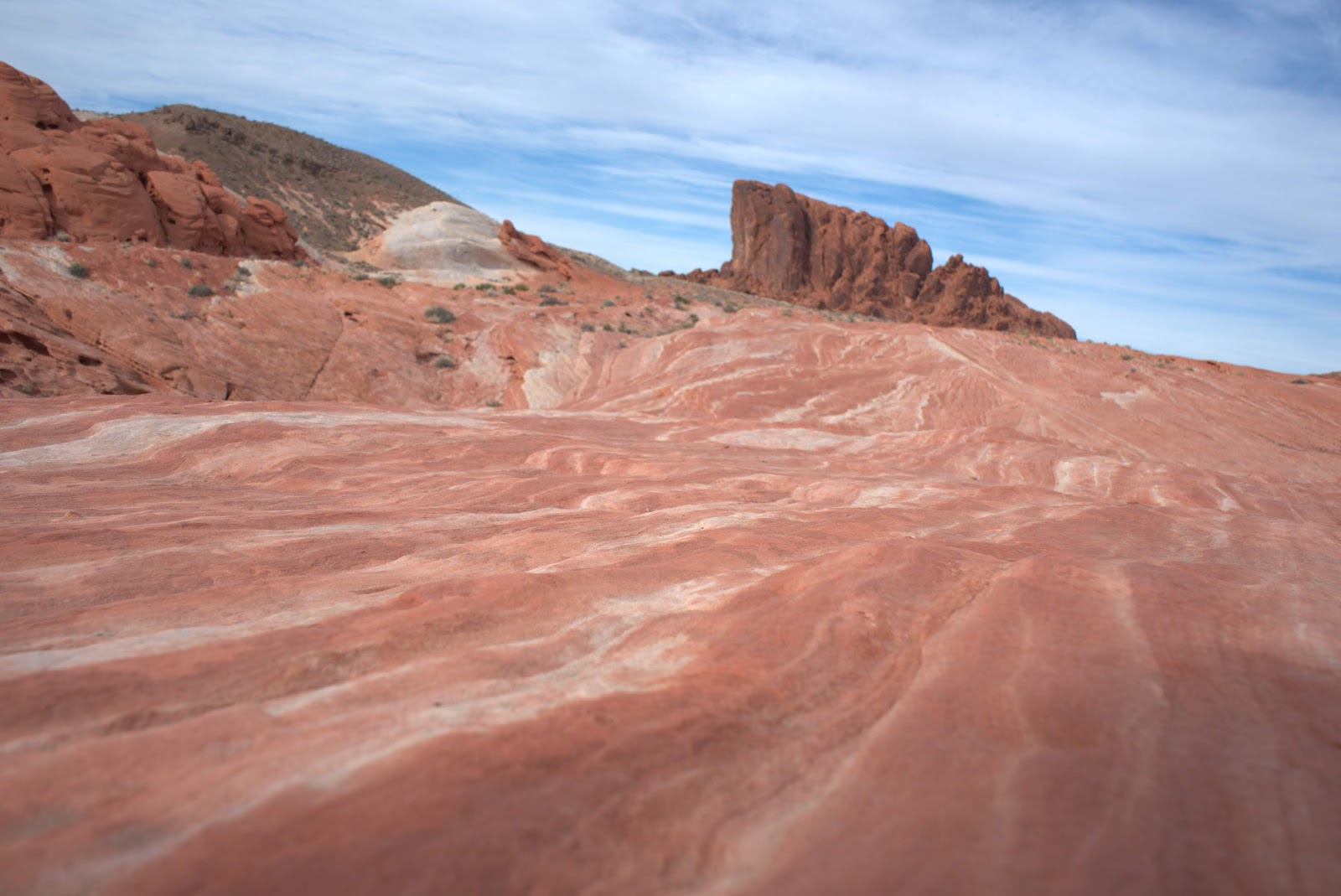
Now the rock as subject, briefly. Aztec sandstone is aeolian, which means it was laid down as wind-blown dunes, and the internal cross-bedding of those dunes is visible on weathered surfaces as sweeping diagonal lines. Those lines are the best compositional gift the landscape offers — they are already curves and diagonals, and a frame built on them needs no further arrangement. Look for them specifically rather than photographing the overall mass.
Desert varnish — the dark streaking on some faces — gives you tonal variation on an otherwise uniform surface, and it takes raking light well.
Two things not to do, and they matter. There are petroglyphs in this park, and they are protected archaeology: nobody should touch them, climb near them, or be posed against them, and a photograph that shows a person in contact with them is a problem rather than a prize. And the sandstone itself is soft and erodes under foot traffic — stay on established surfaces and off fragile crusts and fins.
The permits are the practical governing constraint and they are not optional. This is a Nevada state park, which means a wedding requires a permit, commercial photography requires a permit, and both come with conditions: limits on group size, designated locations only, restrictions on amplification, chairs, arches, flowers and anything else brought in, and specified hours. There may well be a limit that is far smaller than a couple expects.
Settle all of that months ahead in writing with the park itself rather than with a planner. Ask specifically which locations are permitted for a ceremony, what the maximum group size is, whether vehicles can reach the location, and what the rules are on lighting equipment. A wedding party turned away at a gate is the one failure nobody recovers from.
Ask also about the entrance and the drive. This is a park at some distance from the city with a road network inside it, and moving a party between two formations is a vehicle operation rather than a walk. Build the travel time in honestly — twenty minutes between locations inside the park is realistic — and remember that at the end of the day you have perhaps forty minutes of good light in total. One location, done properly, beats three in a hurry.
And carry water for everybody, including yourself. That is not a photographic note but it is the most important sentence in this guide.
The Mojave, and the year
The desert year here is the reverse of most of this library, and the reversal is total rather than partial.
November through March is the season. Daytime highs in the sixties, cool nights, dry air, reliable sun, and a midwinter noon sun near thirty degrees at this latitude — which is low enough that the rock has form and colour through the whole middle of the day rather than only at the ends of it. That is the one time of year when the hour matters less, and it effectively doubles the usable hours. A winter date here is not a compromise; it is the correct answer.
The cost is short days: sunset before half past four in December, which puts the whole outdoor event in the early afternoon and the dusk window before five. Cold nights too — the desert loses heat fast once the sun is gone, and a party in formal clothing on open rock after dark in January is cold in a way that surprises people.
April and October are the shoulders and they are excellent: warm rather than hot, long enough days to work with, and in a wet spring the desert wildflowers can be genuinely spectacular. That is a lottery — it depends entirely on winter rainfall — and nobody should be promised it, but in a good year the combination of flowers, red rock and blue sky is the best this landscape ever looks.
May through September is the constraint and it is a hard one. Highs from the high nineties into the hundred and teens, on bare rock, with no shade and no water. The park advises against trail use after mid-morning in the hot months, and that advice is not conservative. A summer wedding here is a sunrise event or it is unwise, and a photographer should say so plainly rather than accommodate an afternoon schedule that puts people at risk.
Practical heat notes for the equipment as well as the people: a camera left in direct sun on rock will get hot enough to matter, batteries deplete faster, and a dark camera bag on sandstone becomes an oven. Keep everything shaded and keep it off the rock.
The monsoon is the other summer factor and it is genuinely dangerous rather than merely inconvenient. From July into September, moisture moves into the region and produces localised, intense afternoon thunderstorms. In a desert landscape of bare rock and narrow drainages, that water runs off rather than soaking in, and flash flooding in washes and slots can arrive from rain falling kilometres away with no warning at the location. Do not be in a narrow drainage if there is any storm activity anywhere in the region, and take the park’s guidance seriously.
The compensation is real: the half hour after a desert storm clears is the most spectacular light in this entire collection. Wet sandstone goes several tones darker and dramatically more saturated — red rock wet is a different material from red rock dry — the air is washed to absolute clarity, water stands in the rock’s hollows and reflects the sky, and a low sun comes under a broken ceiling onto a landscape that is briefly running with water. If that happens and it is safe to be out, everything else on the schedule can wait.
Wind and blowing sand are an equipment hazard year-round and worse in spring. Change lenses with your back to the wind and low down, or not at all. Sand in a zoom barrel or on a sensor is a repair rather than a clean.
The air is the other desert gift. Very low humidity means very little scattering, so distance resolves with extraordinary clarity, the sky is a deep saturated blue, and a polariser deepens it further — sometimes too far, into an artificial blue-black, so watch for it. The same clarity is why the shadows are so hard: there is nothing in the air to fill them.
Civil twilight at this latitude runs about twenty-four minutes, and the genuinely useful balance point is perhaps ten to twelve. That is short, and in a landscape where you may be some distance from a vehicle it needs planning to the minute. Mark the closing position in daylight, walk to it, make three exposures, and be finished.
And the dark sky after it is a resource rather than an absence. This park is far enough from the city that the Milky Way is visible on a clear moonless night, and a frame of two people softly lit under a full field of stars is available here as it is almost nowhere else in this collection. It needs a tripod, a fast wide lens, about twenty seconds of exposure and a couple willing to stand still in the cold. It is worth asking whether they are.
More frames from The Valley of Fire State Park
The Valley of Fire State Park wedding photography: common questions
What is the one decision?
The hour. Be on the rock in the first two hours after sunrise or the last two before sunset, and never in the middle of the day. Three separate problems all give the same answer: heat that in half the year is genuinely hazardous on bare shadeless rock; colour, because red sandstone needs low-angle light to saturate and to show its form; and crowds, since this is a popular park near a large city and the accessible formations are busy through the middle of the day.
Is there really no use for midday?
One, and it is specific. In a narrow slot or a deep undercut, a high sun is the only condition that gets light down into the gap, producing reflected glowing light on the walls with no direct sun on the subject. If the park permits access to such a place, the middle of the day is exactly when to be in it. Otherwise, if the schedule forces you onto open rock at one o’clock, shoot tight — details, hands, fabric, stone texture — rather than attempting a landscape frame that cannot work.
Why does skin look red in the photographs?
Because it genuinely is. Sunlit red sandstone reflects red light, and where rock surrounds you on several sides that bounce is a large fraction of what falls on a face — a subject in open shade inside a sunlit red canyon is lit almost entirely by red light. White balance cannot fix it, because correcting globally shifts the rock too. The answers are distance from any large sunlit red surface, positioning so the dominant light is blue skylight from above, or bringing your own neutral key light, which is the most reliable.
How hard are the shadows?
Very. In air this dry there is almost no scattering, so shadows fall four or five stops below the sunlit rock rather than the two you would get in a humid climate. There is essentially no fill available in the environment — whatever you want, you bring. That also means distance resolves with extraordinary clarity and the sky is a deep saturated blue, which is the pleasant side of the same physics.
What permits are needed?
A wedding permit and a commercial photography permit, both from the state park, and both with conditions: limits on group size that may be far smaller than a couple expects, designated locations only, restrictions on amplification, chairs, arches and anything brought in, and specified hours. Settle it months ahead in writing with the park itself rather than with a planner, and ask specifically about vehicle access to the location, because moving a party between formations inside the park is a twenty-minute drive rather than a walk.
When is the best time of year?
November through March, and it reverses the usual advice completely. Highs in the sixties, dry air, reliable sun, and a midwinter noon sun near thirty degrees — low enough that the rock keeps form and colour through the whole middle of the day, which effectively doubles the usable hours. The cost is short days, with sunset before half past four in December. May through September is the hard constraint: a summer wedding here is a sunrise event or it is unwise, and the July-to-September monsoon brings flash flooding that can arrive from rain falling kilometres away.
More Nevada venue guides
We are writing a photographer’s guide to every venue we would happily shoot in Nevada. Here are three more, plus the full index:
- The Hyatt Regency Lake Tahoe, Incline Village: Suits and Does Not Suit
- The Lake Tahoe Wedding Chapel, Stateline: The Problem, and Four Ways Out of It
- The Sand Harbor Beach, Incline Village: One Frame, and How It Is Made
Planning a wedding at The Valley of Fire State Park?
Sunrise or the last two hours. Never the middle. Tell us your date.