 The Redd on Salmon Street: Building the Shot List
The Society Hotel, Portland: Field Notes on a Historic Small Hotel
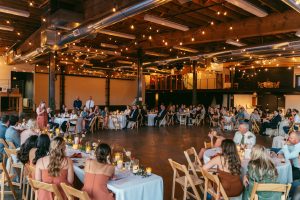
Rustic-refined means timber and brick under careful lighting. The materials are warm; the lighting is not.
The Society Hotel’s lobby and communal spaces, by its own description, combine rustic materials with a refined finish — which is a specific and increasingly common register, and one with a consistent photographic character.
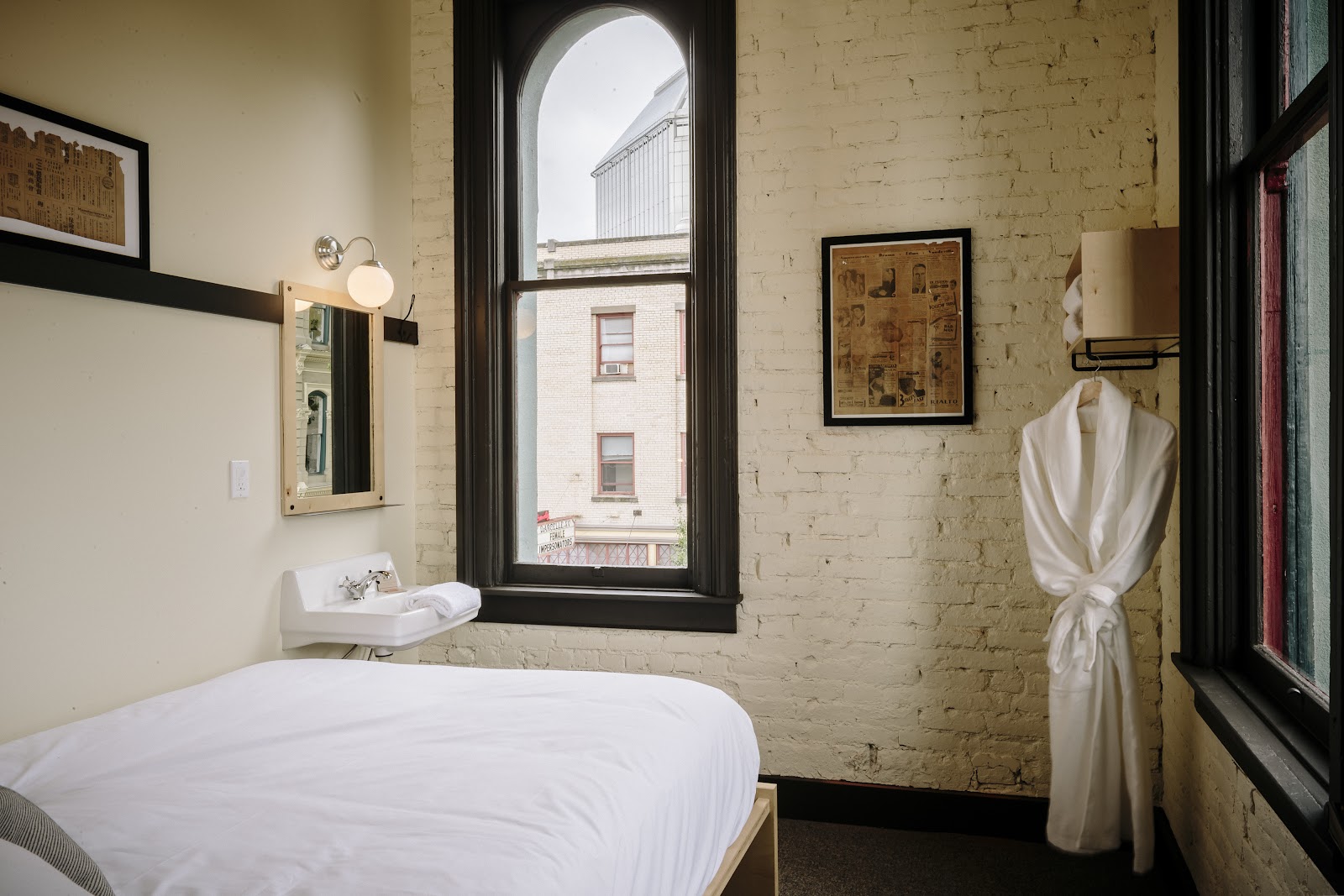
Rustic-refined means the surfaces come from an older building — timber, brick, exposed structure, worn floors — and the lighting and furnishing come from a contemporary designer. That combination produces a particular friction. The materials are warm, textured and forgiving; they want raking light to show what they are, and they throw warm bounce onto everything near them. The lighting is usually restrained, even, and often cooler than the materials, because that is what makes a rustic space read as designed rather than as neglected.
These are field notes: the conditions you will meet and what each one needs. We have not photographed a wedding at the Society Hotel; small historic hotels with contemporary fit-out behave consistently. Which spaces a wedding includes, what the guest limit is, and whether the communal areas can be used privately are the questions for their team — at a small hotel the last one matters more than at a large one.
The Society Hotel at a glance
| Where | Portland, Oregon |
| Character | A historic small hotel with rustic materials and a refined contemporary fit-out |
| The friction | Warm textured materials under restrained, cooler lighting |
| The advantage | Small scale — short distances, close walls, working bounce |
| Ask first | Spaces included, guest limit, whether communal areas can be private |
What you meet, and what each one needs
Timber and brick are the first condition and both are the most forgiving surfaces a venue can have: mid-tones that meter predictably, real texture that holds at almost any sensible exposure, and enough visual interest that a frame never feels empty. The single thing they demand is raking light — light running along brick lifts every mortar line, light running along timber lifts the grain, and light pointed at either flattens it into a plain brown field.
Warm bounce is the second condition and it is the colour problem. Timber and brick reflect strongly warm, so anyone standing close to either picks up a warm cast on the shadow side of the face. Because it is bounced and localised, global white balance cannot separate it from the subject. The fix is to make one source the authority on faces — gelled to a chosen temperature with white balance set to it — and let the materials be as warm as they are.
Restrained contemporary lighting is the third and it is the part most often underestimated. A designed rustic space is frequently lit at a lower level than it appears, with a small number of carefully placed fittings rather than general illumination. That means the ambient is low, the fall-off between lit and unlit areas is steep, and the colour of those fittings may be noticeably cooler than the timber they are lighting. Three sources at three temperatures in one frame cannot be resolved afterwards; pick the one that should be correct, set a manual white balance to it, and switch off or overpower what lands on skin.
Small scale is the fourth condition and it is an advantage rather than a problem. Distances in a small hotel are short, so nothing takes fifteen minutes to reach and the time a large property loses to movement is available for coverage instead. More usefully, the walls are close — which means bounce flash actually works, unlike in a tall lobby or a warehouse. A flash aimed at a pale ceiling in a small communal room is a genuinely good source, and it is worth testing in the first minute because it changes what is possible.
The corresponding limitation is working distance. A small room does not allow a step back for a wide view without a very wide lens, and a very wide lens close to a face distorts it — so the wide frame and the portrait frame are two different photographs. Photographing through a doorway from an adjoining space buys back much of what the walls take away.
A fifth condition worth naming: a small hotel has a guest limit that will be lower than the square footage suggests, because circulation rather than floor area sets it. Establish it early, and find in advance the one position that will take the largest group — usually a stair, an entrance or the widest communal room.
Where the daylight is, and the shape of the day
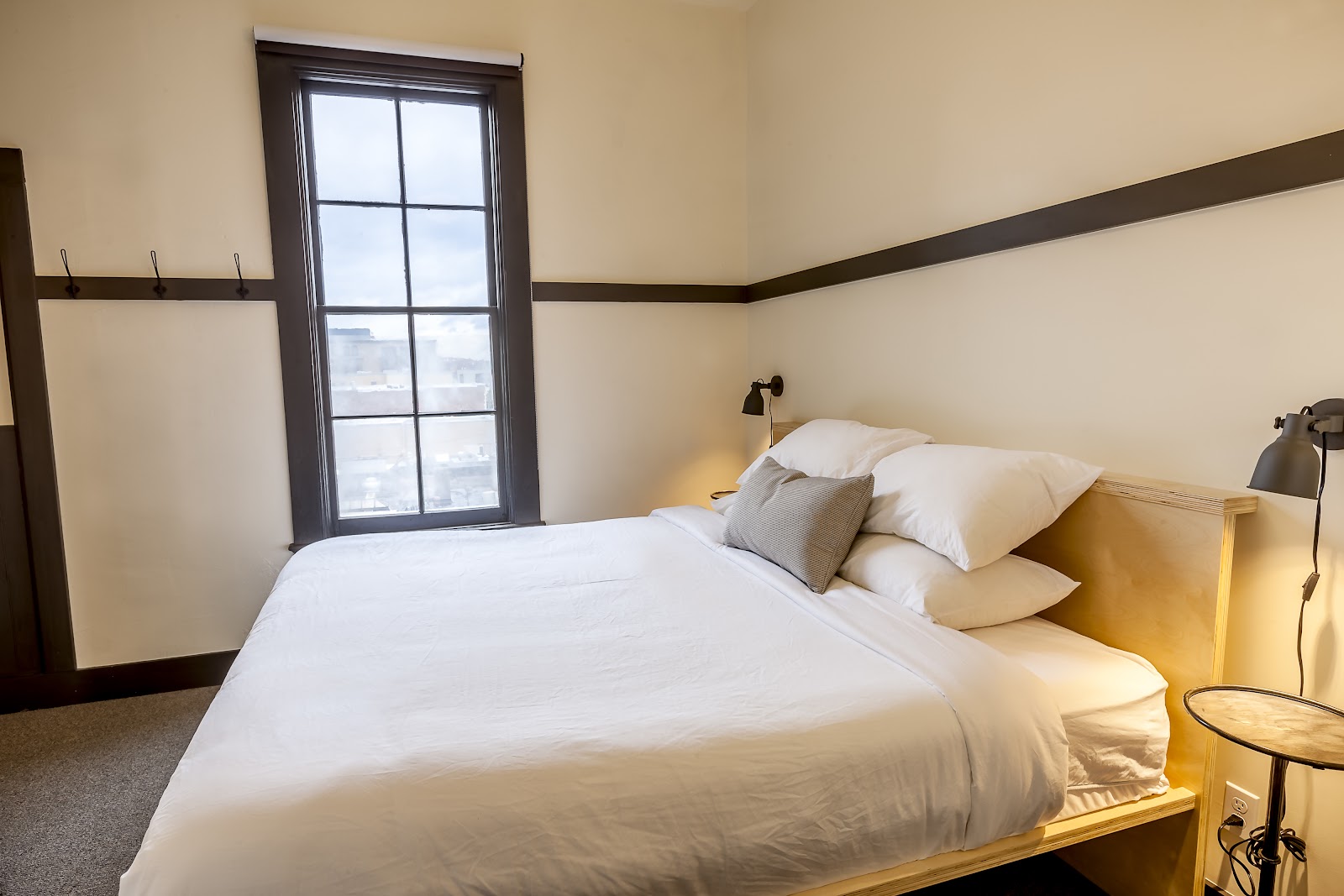
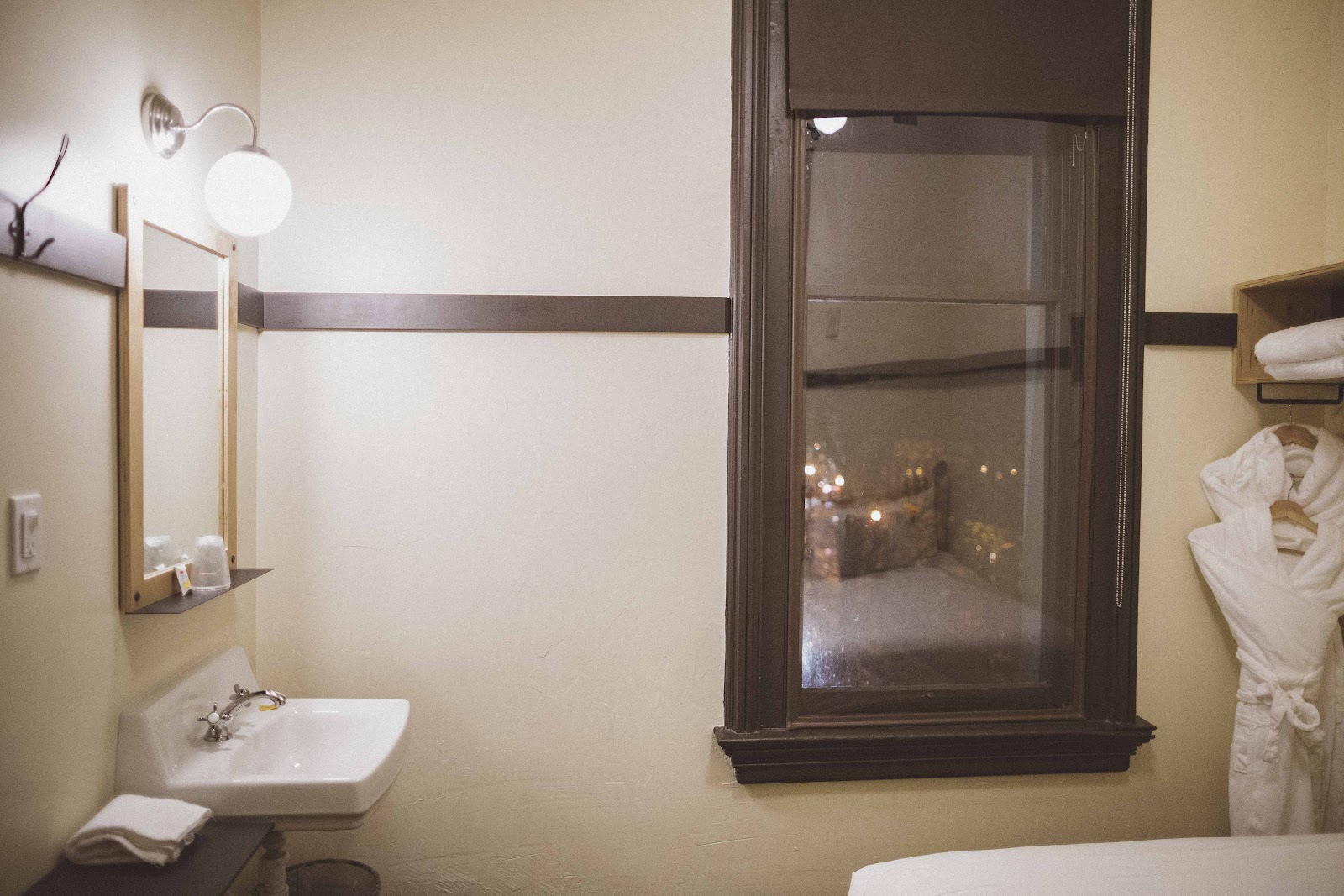
Guest rooms are the best portrait light in almost any hotel and in a small historic one particularly so, because the rooms are compact enough that the walls contribute real bounce. Domestic-sized windows with close pale walls give soft directional light with usable fill, which is better than most purpose-built suites achieve with far more glass.
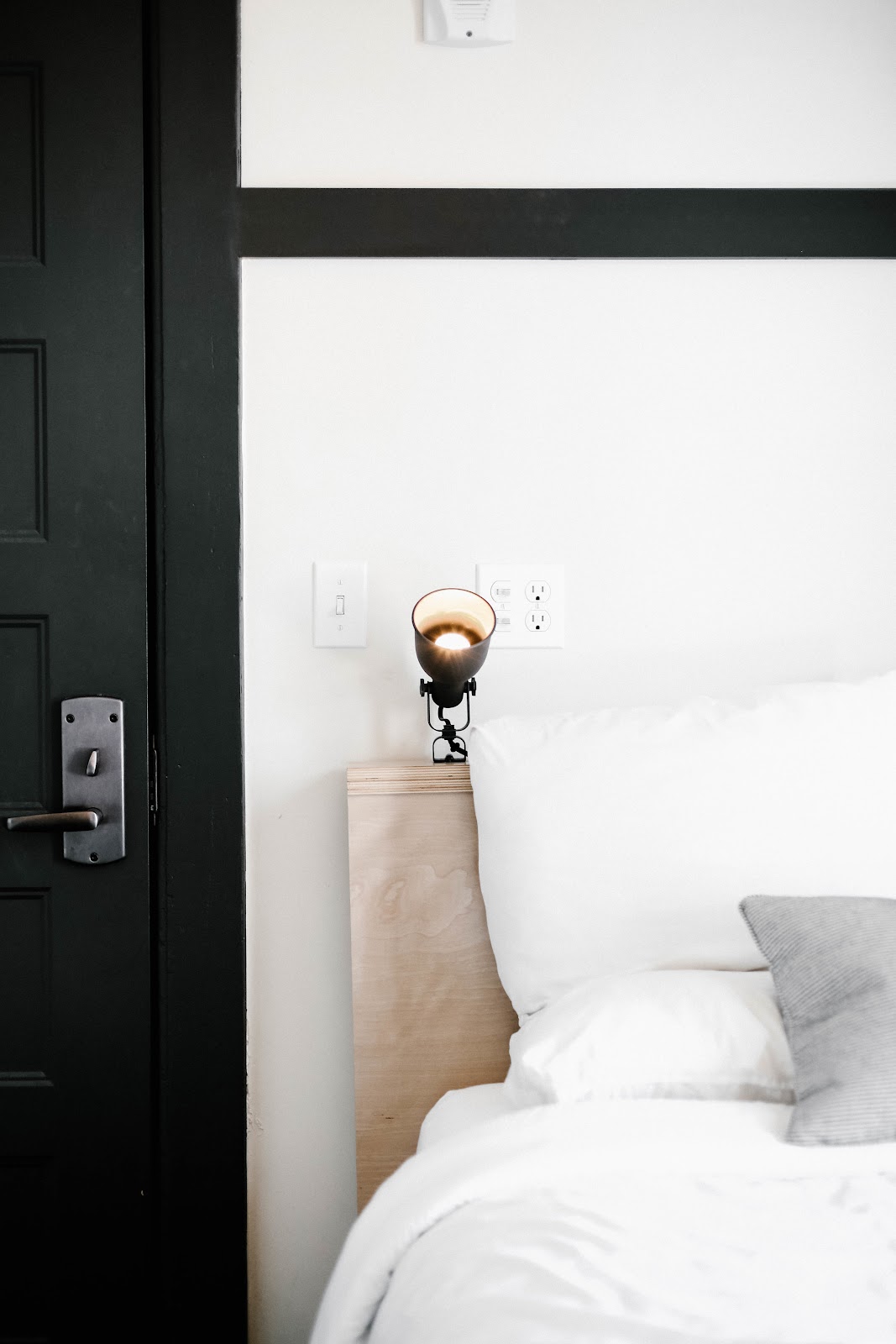
The setup is always the same three moves. Ask for the largest window on the shaded side of the building. Switch off every overhead fitting so the room has one colour of light rather than three. Move the lamps out of frame rather than composing around them. Mixed sources are the commonest single reason preparation coverage looks worse than the room did.
In a historic building the windows may be taller than modern ones, which sends light further into the room and higher up a standing figure — worth seeking out specifically.
Communal spaces are where the character is and they need the reverse approach from a guest room: rather than maximising light, the aim is to preserve the low warm level the designer intended while making faces legible. Expose for the room first, add one warm-gelled source at face height off the camera axis, and use the steep fall-off as free separation.
Because the interior lighting does not change through the day while the windows do, the running order should be built around the windows: preparation and portrait work while the shaded window is giving good light, everything else after.
Portland’s default overcast simplifies that considerably. Under heavy cloud every window behaves like a shaded one — soft, even, directional, with no hotspot and no shadow grid regardless of which way the building faces. On an overcast day the orientation question disappears, and that is most of the year.
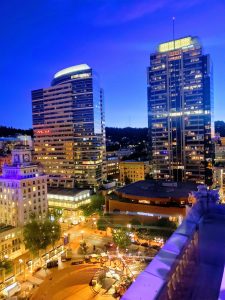
The dusk crossing is the one timed frame. For roughly twenty minutes after sunset the street outside falls to about the brightness of the interior lighting, and one exposure at a window holds the lit room, the couple and the city beyond. In Portland’s summer that crossing falls late enough to land during the reception, which is worth agreeing with the couple in advance as a short deliberate excursion; in winter it happens early enough to fall before or during the ceremony.
- Rake the timber and brick; facing them flattens both to brown
- One gelled source owns the faces; let the materials stay warm
- Test ceiling bounce in the first minute — in a small hotel it works
- Guest room: tallest shaded window, overheads off, lamps out of frame
- Find the one position that takes the largest group before it is needed
Outside, and Portland through the year
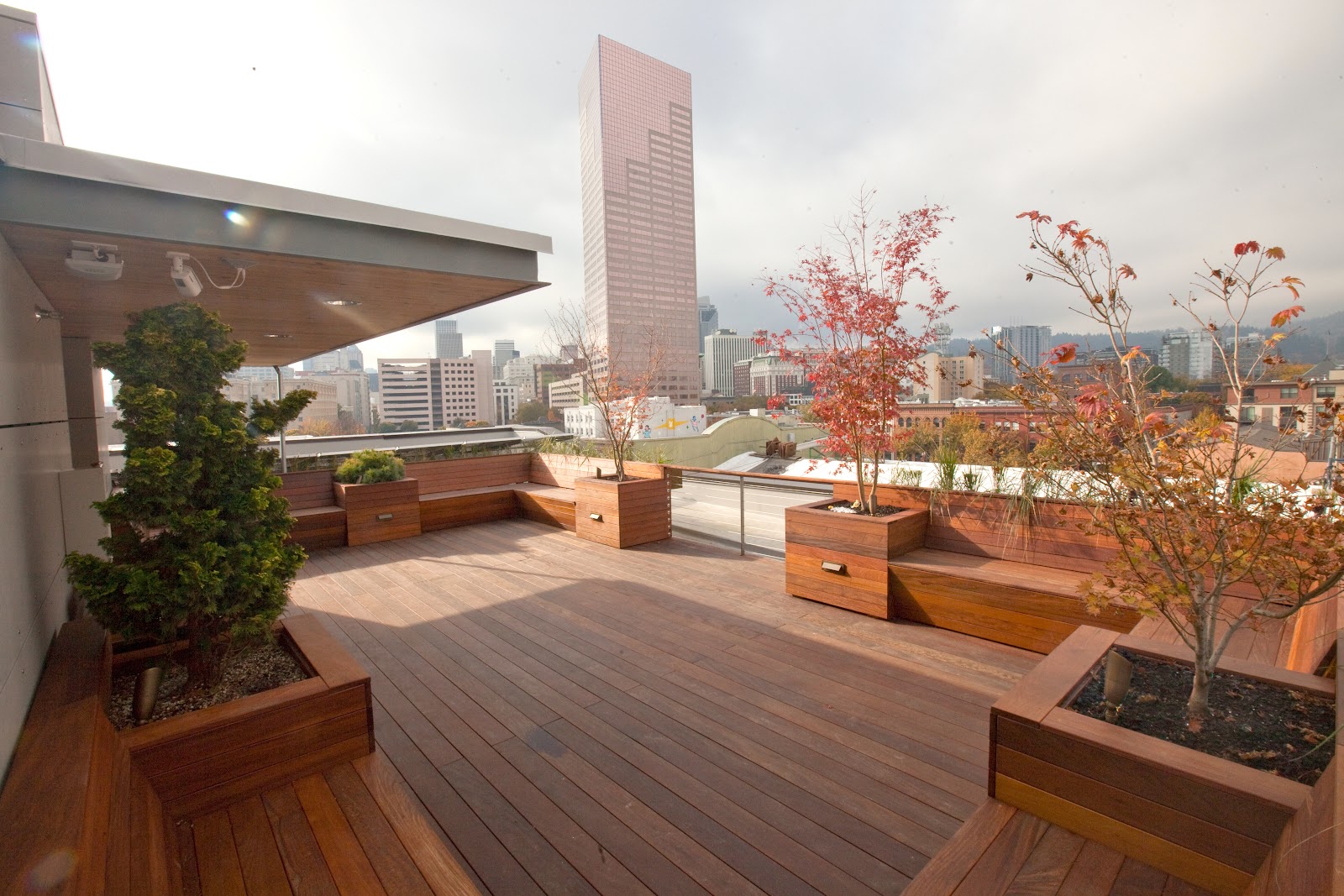
Downtown and old Portland are the outdoor counterweight and they are good material. The older commercial core is brick, stone and cast iron at a largely low-rise scale on a regular grid, which means low sun reaches street level and runs the length of a street rather than being cut off by towers. Both brick and cast iron show their texture only when light runs along them, so a short walk to find which side is being raked is worth more than any accessory.
Alleys and side streets are the most dependable positions: walls on both sides give directional light, a contained background with nothing distracting in it, and shelter. Service elevations hold the most texture because nobody ever tidied them.
Portland’s light is largely good news. Overcast is the default for much of the year and an overcast sky is an enormous diffuser — soft even light with open shadows and no hard edge anywhere, which is the best portrait light there is. Position stops mattering, groups are easy, nothing needs carrying. Add half a stop for the bright grey sky, fix the slightly overhead direction with a low reflector or a lifted chin, and bring shape back subtractively by placing the couple near something dark.
Summer is long-day country, with sunset late enough in June that the golden hour arrives after the reception has started. Winter is short-day territory, with a low sun that rakes all day when it appears and an outdoor window that may be only a few hours long — which at a small hotel means the interior carries more of the gallery in December than in June, and that is worth saying to a couple rather than discovering.
Rain is workable rather than disabling here, and that is a genuine difference from most cities in this series. Portland rain tends to be persistent and light rather than violent, so it can be photographed in over hours: wet brick and wet pavement returning reflections of lit windows are good frames rather than compromises, and a couple in a doorway with rain beyond is better than the dry version.
A small hotel in a city centre also means shelter is always a few steps away, which is why this kind of venue is a sensible choice here in the wet half of the year. The practical consequence is that an outdoor block does not need to be abandoned when it starts raining — it needs a different set of positions, which are the doorways, awnings and alleys that were already the best ones.
More frames from The Society Hotel
The Society Hotel wedding photography: common questions
What does rustic-refined mean photographically?
Warm, textured materials from an older building under restrained contemporary lighting that is often cooler. The materials want raking light and throw warm bounce; the lighting is lower and less colourful than it looks.
Does bounce flash work here?
Yes, and that is the advantage of a small hotel. The walls are close enough to return real light, so a flash aimed at a pale ceiling is a genuinely good source — unlike in a tall lobby or a warehouse. Test it in the first minute.
What is the limitation of small rooms?
Working distance. There is no room to step back for a wide view without distorting a face, so the wide frame and the portrait frame are two photographs. Shoot through doorways to buy back distance.
Where is the best portrait light?
A guest room, and in a historic building the tallest window on the shaded side. Compact rooms with close pale walls give soft directional light with usable fill.
How do you photograph the communal spaces?
By preserving them. Expose for the low warm level the designer intended, add one warm-gelled source at face height for legibility, and use the steep fall-off as free separation.
Does rain end the outdoor block?
No. Portland rain is persistent and light rather than violent, so it needs a different set of positions — doorways, awnings and alleys — which were the best ones anyway.
More Oregon venue guides
We are writing a photographer’s guide to every venue we would happily shoot in Oregon. Here are three more, plus the full index:
- The Ocean, Portland: The One Decision That Governs Everything
- Tryon Creek State Park, Portland: A Walk Through a Forest Venue
- The University Club, Portland: Photographing a Historic Private Club
Planning a wedding at The Society Hotel?
Small buildings reward knowing them in advance. Tell us your date and we will walk it.