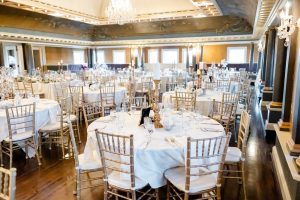
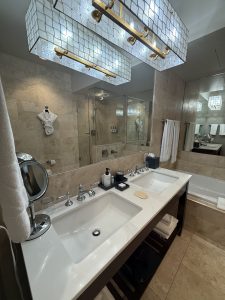
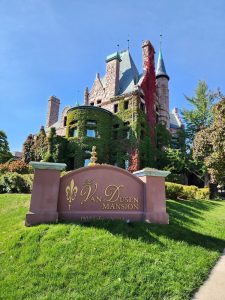
 The Van Dusen Mansion, Minneapolis: A Walk Through House and Grounds
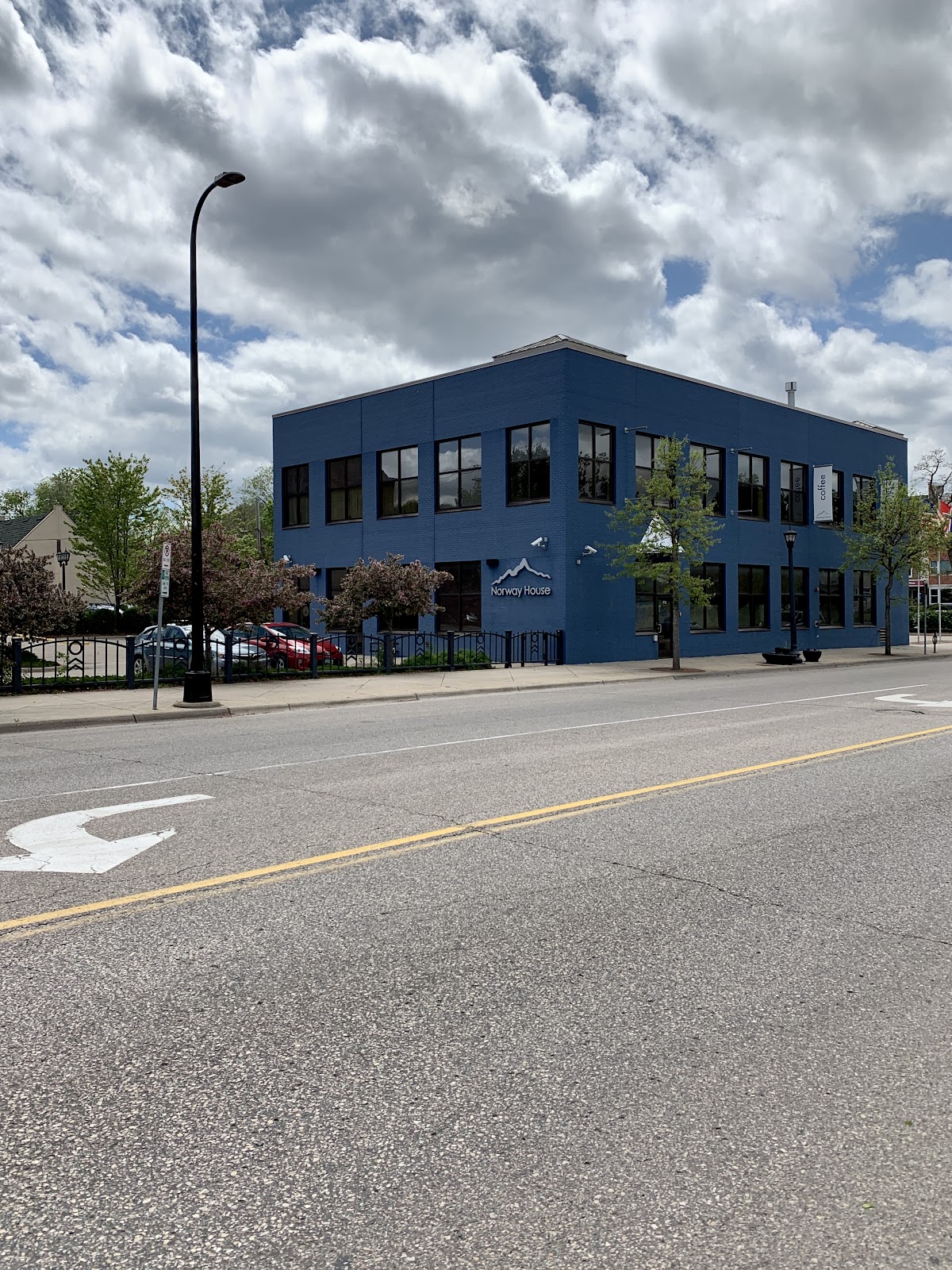
The Nordic House, Minneapolis: Photographing Pale Timber and Clean Lines
Pale timber is a different material from dark timber. It bounces, it lifts and it needs subtracting rather than adding.
The Nordic House combines rustic wood elements with clean modern lines, as its own description has it, creating a space both cosy and chic.
That register — Nordic, pale, warm-but-restrained — has a photographic logic of its own and it is worth separating from the darker timber interiors it superficially resembles. Dark timber absorbs: a panelled room is two stops below a pale one, bounce barely functions, and everything needs light brought in. Pale timber does the opposite. Light birch, ash or whitewashed boards reflect most of what reaches them, which means the ambient is higher than it looks, bounce works properly, and the room fills its own shadows.
That is a genuinely good condition and it produces a specific problem: a room that fills its own shadows produces flat faces, and a pale room gives no separation between a subject and a background. So the whole method here is subtractive rather than additive, which is the reverse of almost every other venue in this series.
We have not photographed a wedding at the Nordic House; pale-timber contemporary interiors behave consistently. Which spaces a booking includes, whether there is any daylight and on which elevation, and whether the house lighting is adjustable are the questions for their team.
The Nordic House at a glance
| Where | Minneapolis, Minnesota |
| Character | Pale timber and clean modern lines — warm but restrained |
| The logic | Pale timber reflects, so the room fills its own shadows |
| The method | Subtractive: take light away rather than adding it |
| Ask first | Spaces included, daylight and orientation, lighting control |
Why pale timber needs subtracting
A pale room is a room full of reflectors. Light entering it bounces off the floor, the walls and the ceiling and arrives at a face from several directions at once — which raises the level, opens the shadows, and removes the gradient across a face that the eye reads as shape. A technically correct exposure in a pale timber room can still produce a face that looks flat and slightly inflated.
The reflex response is to add a light, and it is the wrong one: adding a source to a room that is already filling from every direction raises the level without restoring direction. What restores direction is taking light away from one side.
Negative fill is the tool and it costs nothing. Something dark placed on the shadow side of a face — a coat, a panel, an open doorway to an unlit space, a dark curtain — subtracts the bounced light arriving from that side and deepens the gradient. In a pale timber room that single move is frequently the difference between a flat frame and a modelled one, and it is the most useful thing to carry.
Position does the same job architecturally. Standing a couple near a dark element — a doorway, a corner away from a window, a dark furnishing, a plant mass — removes fill from one side for free. In a pale room the darkest thing available is a resource rather than a background problem.
Separation is the second consequence and it is the default failure in every pale interior: a pale dress against pale boards under even light has almost nothing distinguishing one from the other. Four tools stack — depth, so the background sits well behind; a wide aperture, so it goes soft; placement against the darkest element available; and negative fill, which does double duty.
The third consequence is the good news: pale ceilings mean bounce flash actually works, which is unusual and worth testing in the first minute. A flash aimed at a pale timber ceiling returns soft fill from a broad area, which in a pale room is a genuinely useful source — unlike in a dark panelled club, a warehouse or a ballroom where it returns almost nothing.
And colour is the fourth. Pale timber still bounces warm, though less strongly than dark timber, so a face near a wall picks up a mild warm cast. Set a custom white balance on a face in the position being used rather than on the room, and hold it through the block — in a room where the bounce comes from every direction, auto white balance drifting between frames is the usual reason a sequence fails to match itself.
Clean lines, and the frames they give
Clean modern lines are the second half of the register and they behave like any spare architecture: strong horizontals and verticals, repeated modules, and very little ornament. That produces compositions that read immediately — and it punishes imprecision, because in a spare frame a crooked horizontal is obvious with nothing else to distract from it. Level deliberately; it costs nothing and it shows.
Symmetry is usually available and it rewards commitment: centre exactly on an axis or step clearly off it, because the near-miss is the only failure available in a frame with strong geometry.
Timber grain is the texture the register gives, and it reads only when light runs along it. Light raking along a pale timber wall lifts the grain and the board joints into a subtle relief; light pointed at it makes the wall a flat cream plane. The difference is less dramatic than with brick but it is the difference between a frame that shows the material and one that does not.
Where there is any daylight, it is the best light in the building and it changes everything. A window in a pale timber room is unusually effective, because the room amplifies it: light entering one side bounces off every pale surface and fills the whole space, which means a subject can stand further from the window than in a dark room and still be lit properly. Two to three metres back is a workable position here where it would not be elsewhere.
Which elevation the glazing faces still decides the character. A shaded window gives soft directional light all day; a sunlit one gives a hard patch and, in a pale room, a hot spot that reflects off every surface and raises the level everywhere — which is not the same problem as in a dark room, and it is worth watching rather than assuming.
The house lighting is the last condition, and in a contemporary pale interior it is likely to be restrained and warm rather than general — which means the ambient after dark is lower than the daytime level and the fall-off between lit and unlit areas is steeper. That fall-off is separation, and it is worth exploiting rather than filling in.
Asking whether the lighting can be dimmed to pools rather than set evenly is worth more than any equipment decision in a room like this, because a pale room lit evenly is the flattest environment in this whole series.
- Subtract rather than add: negative fill is the main tool here
- Stand people near the darkest element available; it is a resource
- Test ceiling bounce in the first minute — in a pale room it works
- Rake along the timber to lift the grain; facing it gives a cream plane
- Ask for the lighting in pools rather than even; even is the flattest condition
Outside, and Minneapolis through the year
Minneapolis’s older commercial and warehouse fabric is the outdoor extension and it is coherent: brick and stone at a largely low-rise scale away from the towers, which means low sun reaches street level and runs the length of a block. Both materials show their texture only when light runs along them, so a short walk to find which side is being raked is worth more than any accessory.
Brick outside is also the warm, textured counterweight to a pale restrained interior, which makes a short outdoor excursion a genuine change of register rather than a change of scene — and that is what a gallery made largely in one pale room needs.
Alleys give directional light from walls on both sides, a contained background, and shelter — which in this climate is a consideration rather than a convenience.
Downtown Minneapolis’s network of enclosed elevated walkways is the asset worth asking about: glazed corridors, heated in winter, with views down streets. A glazed corridor is a very large soft source on one side with a city view on the other, and in a Minnesota January it may be the only elevated frame available at all.
Minneapolis’s winter is the most demanding in this series. Days are short, with sunset in the middle of the afternoon in December, and temperatures are low enough that an outdoor block becomes three or four minutes rather than twenty — a welfare decision in formal clothes as much as a photographic one, which means outdoor frames have to be decided in advance and executed quickly.
Snow is the compensation and in a pale timber venue it is unusually well matched: snow is the best natural fill there is, it lifts exactly the shadows a low sun carves, and snow light through a window into a pale room produces the softest condition the building will ever have. It also fools a meter by about two stops, so add them — and against pale timber, snow and boards together will clip if the exposure is not watched.
The fogging risk is severe in both directions in this climate. A camera taken from a heated venue into subzero air and brought back will fog comprehensively and can take a long time to clear. Let a body stay cold between outdoor visits rather than cycling it, and plan one excursion rather than several.
Summer is warm and humid with very long days: sunset falls late enough in June that the golden hour arrives well after a reception has started, which at a venue whose interior barely changes is easy to accommodate as a short agreed excursion. Autumn gives the clearest air and the best raking light of the year, which is the condition brick outside is made for and the season the exterior is best in.
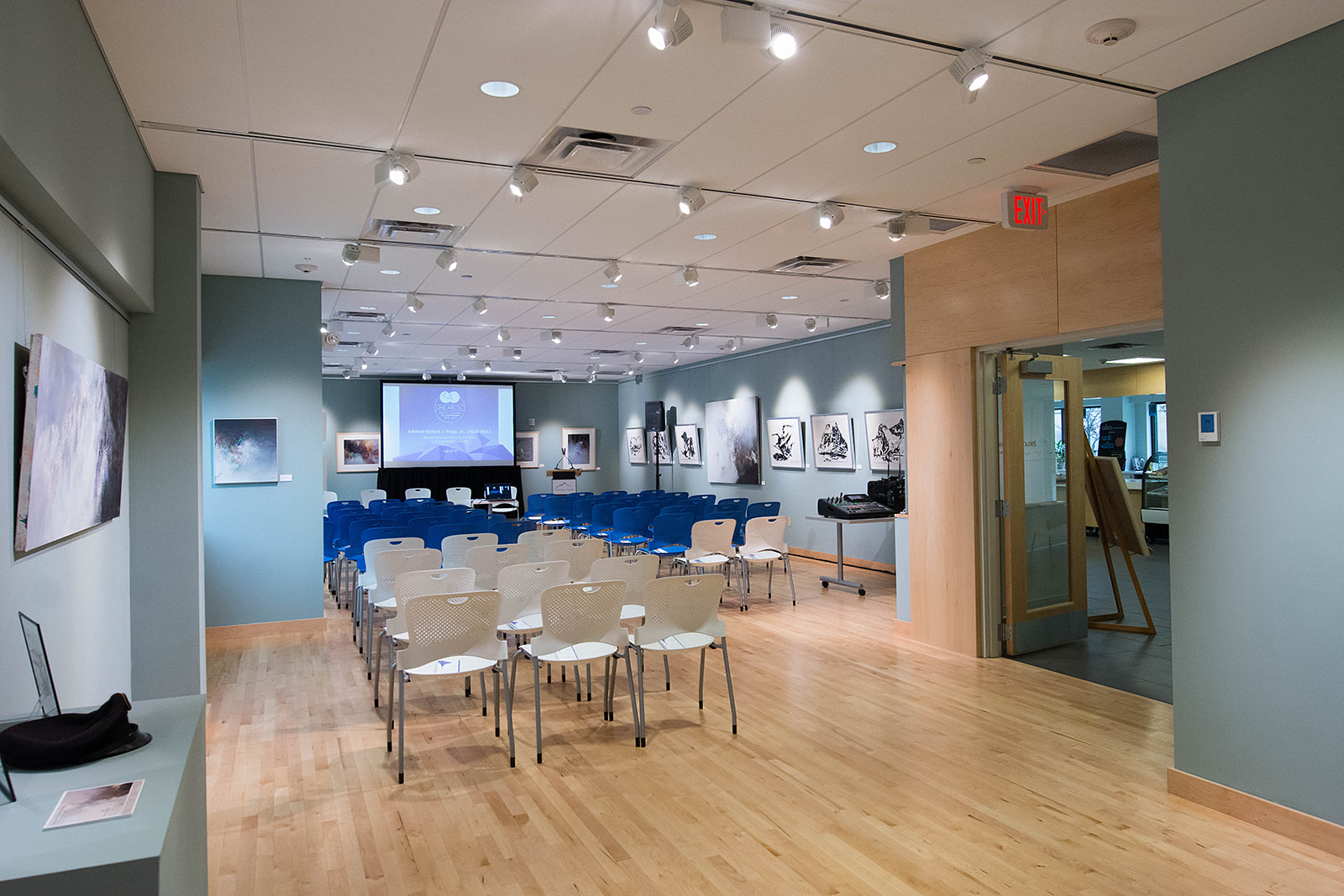
More frames from The Nordic House

The Nordic House wedding photography: common questions
How is pale timber different from dark timber?
It reflects rather than absorbs. A pale room has a higher ambient than it looks, bounce works properly, and the room fills its own shadows — which is the opposite of a panelled interior.
Why is that a problem?
Because a room that fills its own shadows produces flat faces, and a pale room gives no separation between a subject and a background.
What is the fix?
Subtraction. Negative fill — something dark on the shadow side of a face — removes bounced light from that side and restores the gradient. Adding a light raises the level without restoring direction.
Does bounce flash work?
Yes, unusually — pale timber ceilings return soft fill from a broad area. Test it in the first minute, because it is a genuinely useful source here where it fails in darker venues.
How far from a window can a subject stand?
Further than in a dark room — two to three metres is workable, because every pale surface amplifies the window light and fills the space.
Why does snow suit this venue?
Because snow light through a window into a pale room is the softest condition the building will ever have. Add about two stops for it, and watch for clipping against pale boards.
More Minneapolis, MN venue guides
We are writing a photographer’s guide to every venue we would happily shoot in Minneapolis, MN. Here are three more, plus the full index:
- The Pique, Minneapolis: One Frame and How It Is Made
- The Rand Tower Hotel, Minneapolis: Photographing an Art Deco Tower
- The Semple Mansion, Minneapolis: A Walk Through an Early-1900s House
All Minneapolis, MN Wedding Venues →
Planning a wedding at The Nordic House?
A pale room needs light taken away, not added. Tell us your date.