 The Rio, Las Vegas: A Walk Through an Off-Strip Resort
The Luxor, Las Vegas: Field Notes on a Dark Themed Resort
A venue designed to feel dim is dimmer than it feels. That gap is where the frames are lost.
Some themed Strip resorts are built bright and some are built dark, and the dark ones present a different problem entirely. Deep colour on walls and ceilings, dramatic rather than even lighting, strongly coloured accents, and an overall level that the eye reads as atmospheric and a meter reads as several stops below usable.
That gap between what the eye reads and what the sensor needs is the practical issue, because eyes adapt and cameras do not. A room that feels pleasantly dim can be three stops under a normal interior, and a photographer working on impression rather than measurement will discover it in the first set of frames.
The compensations are real though. Dark rooms give free separation, coloured accent lighting makes excellent backgrounds, and there is no daylight to negotiate with, so the interior is identical at every hour.
These are field notes. We have not photographed a wedding at the Luxor; dark themed interiors behave consistently. Which spaces are included, whether the lighting is adjustable and what may be attached are questions for their team.
The Luxor at a glance
| Where | Las Vegas Strip, Nevada |
| The condition | Dark, strongly coloured interiors several stops below a normal room |
| The trap | Eyes adapt; meters do not. Measure on arrival |
| The compensation | Free separation, and coloured accents as backgrounds |
| Ask first | Spaces included, lighting control, accent colour control, room orientation |
What you meet, and what each one needs
Very low ambient is the first condition and the cause is the surfaces rather than the fittings. Dark paint, deep stone, patterned carpet and heavy textile absorb rather than bounce, and a dark room is two or three stops below a pale one with identical lamps. Measure it with one frame on arrival; the number will be lower than the impression.
The method is one source, off the camera axis, at face height, in a modifier large enough to be soft at working distance, gelled to match whatever the dominant fitting colour is, with white balance set to the gel. Expose so the room still reads as the dark space it is, then add only enough to put a catchlight in the eyes and separate a shoulder.
The error is over-lighting, and in a dark venue it is the commonest one there is: a face two stops above its surroundings floats in blackness, which is not a portrait of a room at all. A stop is a lot here.
Steep fall-off is the second condition and it is entirely an advantage. In a dark room a subject three metres in front of anything else sits against natural blackness with no equipment. That is free separation and it is the opposite of the modern-resort problem, and it is worth exploiting by choosing positions with depth behind them rather than backs to a wall.
Bounce is the third and it needs testing rather than assuming. Ceilings over the largest floors in these buildings are unusually low for their span, three or four metres over enormous spaces, which normally makes bounce work — but a dark or strongly coloured ceiling absorbs most of what hits it and tints the rest. One test frame settles it. Where it fails, direct into a modifier is the answer.
Saturated accent lighting is the fourth and it is both the best and the worst thing in the building. At a wide aperture, well behind a subject and out of focus, coloured accents become fields and points of colour that nothing else produces — genuinely the venue’s signature frame.
On skin they are a problem. Saturated coloured light is narrow-spectrum: a great deal of energy in one part of the spectrum and very little elsewhere, which means it does not render skin the way broad-spectrum light does, and one colour channel clips long before the other two. A face lit by saturated blue or magenta cannot be corrected to look natural afterwards, because the information in the other channels was never recorded.
So the rule is simple and worth holding to: coloured light belongs behind the subject, and one gelled source of your own owns the faces. And texture is the fifth condition — carved and moulded detail in a dark room reads only under raking light, so the positions worth finding are those where the available light skims a surface rather than facing it.
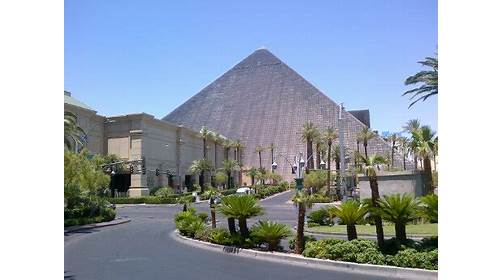
The running order, and where the daylight is
The schedule in a windowless building has an unusual property: the interior does not change, so every indoor frame is movable. That is a freedom rather than a limitation, and it means the running order can be built entirely around the couple and around the two outdoor windows.
It also means the building has no dusk frame of its own. In a venue with tall windows there is a twenty-odd-minute crossing when interior and exterior match in brightness, and it is usually the best picture of the evening. Here that frame exists only outdoors and in the guest rooms, which makes the outdoor plan a real part of the schedule rather than an optional extra.
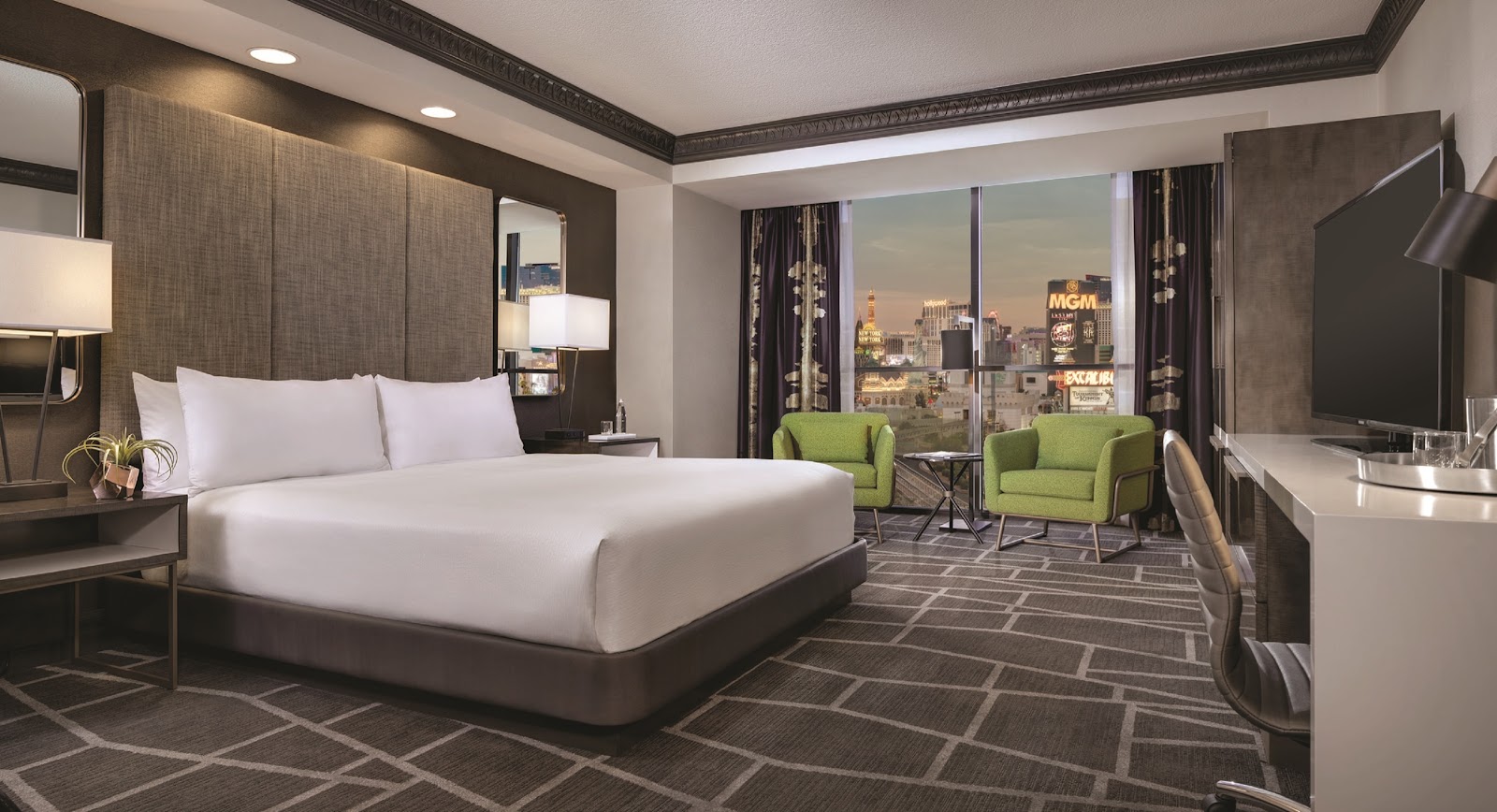
The guest rooms are the only interior daylight, and in a dark building they are a strong contrast rather than a variation — which means those frames should be grouped rather than scattered through the gallery, because a bright daylit portrait dropped into a sequence of dark ones looks like a mistake.
The requests are the usual ones: largest window on the shaded side, every overhead fitting off so the room has one colour of light, lamps moved out of frame, two to three metres back from the glass so the fall-off is even across two faces.
One Las Vegas specific matters more here than elsewhere. Direct sun through glass in this climate is among the harder sources a photographer meets, because the sun is high and the air is very dry — so the shaded side is the whole difference between a soft source and an unusable one. And floor height matters less than in a dense city, because the towers are far apart and the sky is not blocked; orientation is the question worth asking.
The other scheduling consideration is scale. Spaces in these resorts can be four or five minutes apart indoors, which means a thirty-minute portrait block with two walks in it is a fourteen-minute one. Walking the route in advance with a watch is worth more than any piece of equipment, and finishing everything in each location before moving — rather than working through a list by type — removes an hour of walking from a typical day.
And the transitions are worth photographing rather than losing. A corridor gives depth and repetition, with a subject at the far end sitting against a background that darkens by itself; in a dark themed resort that is the easiest good frame in the building.
- Measure the ambient on arrival; it is lower than it feels
- One source, a stop above the room — two stops floats a face in blackness
- Coloured accents behind the subject, never on the face
- Test bounce; a dark ceiling absorbs what a low ceiling would otherwise return
- Group the daylit guest-room frames rather than scattering them
Outside, and the desert year
Outside is the Mojave, which gives the most extreme natural light of any major American city because two things compound: the sun gets very high — roughly seventy-seven degrees above the horizon at midday in June, at this latitude — and the air is very dry, so almost nothing scatters the light. Shadows are harder here than the same sun angle gives in a humid climate, and the range between lit and unlit exceeds what a sensor holds.
With close to three hundred sunny days a year, waiting for cloud is a hope rather than a plan. So there are two windows and no middle: the first hour after sunrise and the last hour before sunset, when light crosses faces instead of falling onto them; and roughly twenty-five minutes after sunset, when the sky still holds light while the Strip’s illumination comes up and one exposure holds couple, sky and lit city.
That window is short here, because dry clear air gives less afterglow than a humid sky. Twenty-five minutes is generous, and it should be a scheduled ten-minute excursion rather than something drifted into. In a summer wedding it falls well into the reception; in December, with sunset in mid-afternoon, it may precede the ceremony entirely.
Open shade in the desert is better than it sounds, because pale ground bounces light up into exactly the shadows a high sun carves. The cost is uplight under chins and into nostrils, so shade with a wall to one side beats shade in the open.
After dark the Strip is one of the brightest exterior environments in the world, so outdoor night portraits need nothing added — which for a couple who chose a dark dramatic venue is a natural continuation of the register rather than a change of subject. The spectral caveat stands: signage and neon go behind the couple, and one gelled source owns the faces.
The year is two and a half seasons. Summer, June into September, has daytime highs regularly above forty degrees Celsius, which makes an outdoor block a matter of minutes at the edges of the day and makes the sunrise window more attractive than it first sounds. The monsoon period from July into September brings occasional afternoon thunderstorms and blowing dust, and is the one time cloud is likely enough to plan around — a desert thunderstorm at dusk being the most dramatic sky the city offers.
Winter is the good season: mild, the clearest air of the year, and sunset in mid-afternoon, which puts both windows at civilised hours. Spring is windy, and wind here means dust — haze that flattens anything distant, grit that gets into everything, bodies bagged between positions.
And fogging runs one way only in this climate: a cold body carried out of air conditioning into forty-degree air fogs instantly and does not clear inside the twenty-five minutes the dusk window lasts. Twenty minutes of warming beforehand is the entire fix, and at a resort this size it can happen during the walk to the door.
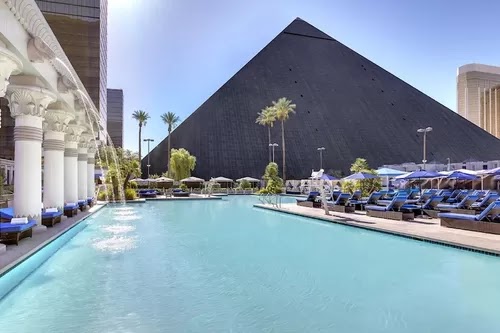
More frames from The Luxor
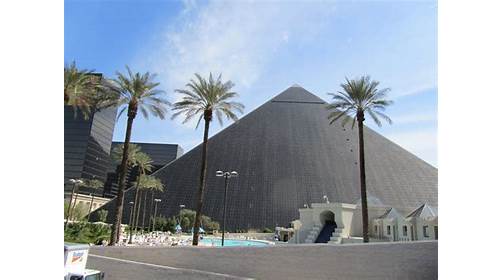
The Luxor wedding photography: common questions
Why measure the light on arrival?
Because eyes adapt and meters do not. A dark themed interior that feels pleasantly dim can be three stops below a normal room.
How much light should be added?
About a stop above the room. Two stops produces a face floating in blackness, which is not a portrait of the venue at all.
Why can't coloured light fall on faces?
Because saturated colour is narrow-spectrum: one channel clips long before the others and the information needed to correct skin was never recorded.
What is the compensation for a dark venue?
Free separation. A subject three metres in front of anything else sits against natural blackness with no equipment at all.
Does bounce flash work here?
Sometimes. The ceilings are unusually low for their span, which helps, but a dark or coloured ceiling absorbs and tints. One test frame settles it.
Where is the daylight?
Guest rooms only. Ask for the shaded side, and group those frames rather than scattering them — the contrast with the dark interiors is large.
More Las Vegas, NV venue guides
We are writing a photographer’s guide to every venue we would happily shoot in Las Vegas, NV. Here are three more, plus the full index:
- The Mandalay Bay, Las Vegas: Field Notes on Water in a Desert
- The MGM Grand, Las Vegas: The Problem, and Four Ways Out
- The Mirage, Las Vegas: One Frame, and How It Is Made
Planning a wedding at The Luxor?
Measure first, light once. Tell us your date and we will plan the dark rooms properly.