 The Riverside Hotel, Boise: The Light Through a Day
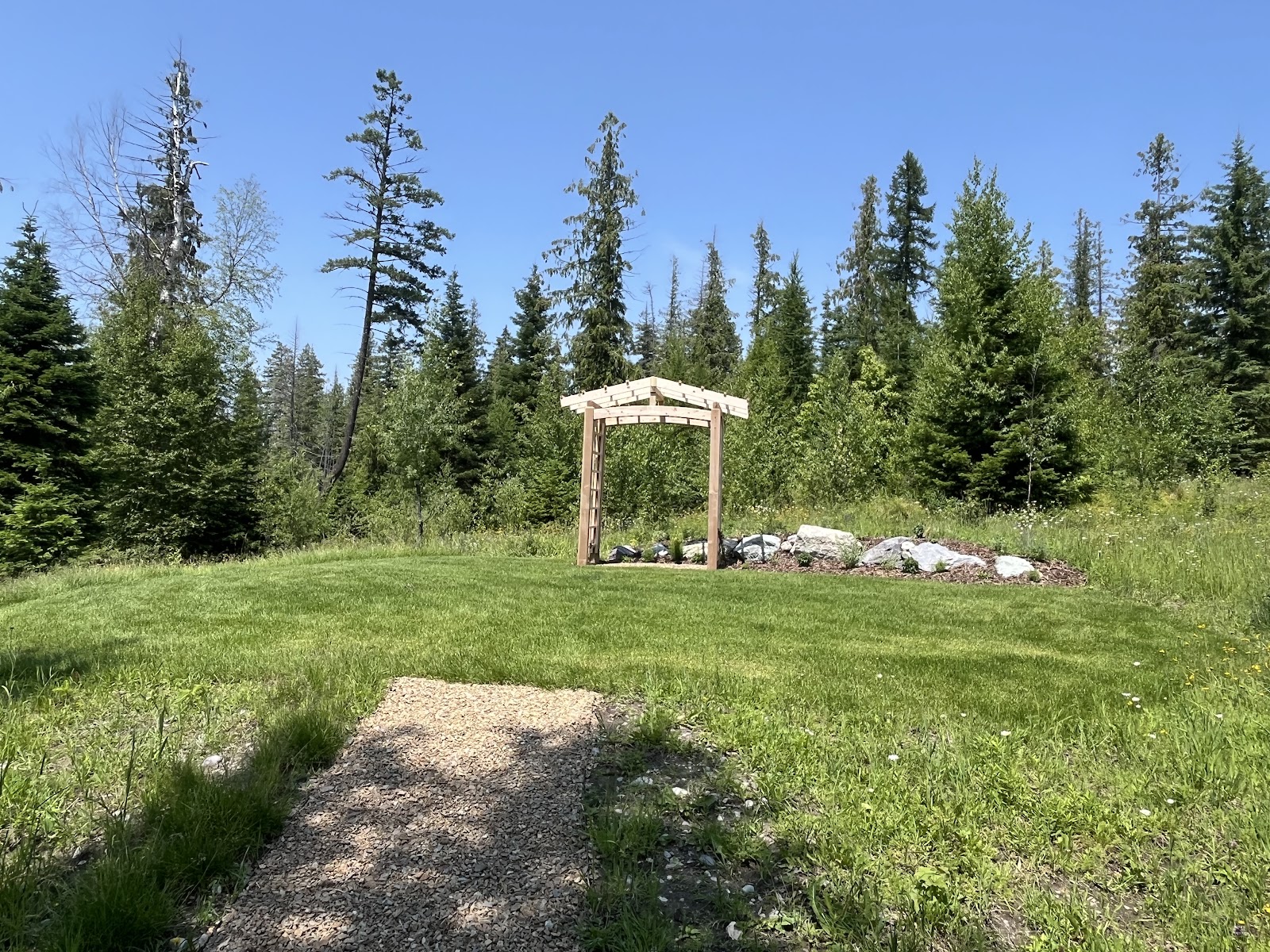
Hitching Post, Hayden: One Frame, and How It Is Made
A barn doorway in north Idaho: the same frame as anywhere, and softer, because of the sky.
There is one frame a barn gives better than any other kind of building, and in north Idaho it is a softer and more forgiving version of that frame than it would be in the dry country to the south.
The frame itself is the classic one. A subject stands two or three metres inside a large barn opening, with the dark timber interior behind them and the light coming in horizontally from one side. The timber absorbs, which means the background drops away steeply; the opening restricts the light to a horizontal band, which models a face properly; and the whole thing needs nothing brought.
What north Idaho adds is the quality of the light outside the door. This is an inland maritime climate — moist air coming inland from the Pacific, a high proportion of overcast days, and considerably more cloud than the high desert and mountain valleys further south — which means the light arriving at a barn opening is diffuse far more often than it is direct.
That matters. In dry southern Idaho a barn doorway on a clear day admits a hard beam that has to be managed; here it more often admits soft, even, cool light that needs no management at all. The frame is easier and it is softer, and the dark interior still supplies the contrast.
The third element is the colour. Overcast inland maritime light is cool, and north Idaho barn surroundings are green — conifer, damp grass, moss — which means the light entering the door is cool and slightly green while the timber inside bounces what little it returns as warm. That combination needs setting deliberately.
And the fourth is the building’s own character. A north Idaho barn is likely to be built in cedar, fir or larch — local timber, weathered to grey-brown — which absorbs across the spectrum and gives the near-black background the frame depends on.
We have not photographed a wedding at the Hitching Post; north Idaho barn venues behave consistently. Which buildings and areas are included, whether the barn is heated, whether the interior lighting can be dimmed, the covered alternative, and what power is available outdoors are questions for their team.
Hitching Post at a glance
| Where | A barn venue at Hayden, north Idaho |
| The frame | A face two or three metres inside the big opening, timber behind |
| The advantage | Inland maritime cloud means the light at the door is diffuse far more often |
| The colour | Cool green light in, warm timber bounce inside — set it deliberately |
| Ask first | Buildings included, heating, lighting control, outdoor power |
How the frame is made
The distance in is the first decision and two or three metres is a compromise between two failures. Too far in and there is not enough light on the face to hold it against the exterior, which makes the frame a silhouette. Too close to the edge and the overhead sky reaches the face again, which reintroduces the top light the doorway exists to remove.
The catchlight settles it: a low broad catchlight on the opening side of each eye means the doorway is doing the work, and a catchlight high in the eye means the sky is still reaching and the position should move back.
In a climate with frequent overcast that distance can be shorter than in a dry one, because diffuse light falls off differently from a hard beam: under cloud the whole sky is the source, which means the light entering the opening is broader and the usable band inside the door is wider. On a bright overcast day a barn doorway here is forgiving in a way it would not be in Nevada.
The turn is the second decision. Facing the opening squarely gives flat even light; turning about forty-five degrees so the light crosses the face gives a lit side, a shadowed side and a gradient between them — which is what makes a face read as three-dimensional. Under diffuse light that turn matters more, not less, because the light itself supplies no direction.
The wood is the third element and its property is absorption. Weathered cedar, fir or larch returns very little across the spectrum, which means two things: the interior is a stop or two darker than the eye estimates, so measure rather than guess; and the background behind a subject drops away steeply, which is the separation the frame depends on.
The exposure discipline follows and it is absolute: metering on skin, in manual, with the timber allowed to go black. A meter looking at a large area of dark barn wood tries to lift it toward mid-grey, which overexposes a face by two stops or more — and the correct frame has a great deal of near-black in it, because that is the building.
The white balance is the fourth decision and in this climate it needs setting rather than assuming. The light entering the opening on an overcast day is cool, and where the doorway faces conifer or damp grass it is cool and green at once. The little light the timber returns is warm. So a face in this frame is lit cool-green from the front and warm from the side, and a daylight preset renders skin grey-green.
A custom setting made on a face in position handles it in thirty seconds, and it needs resetting when the opening or the weather changes.
Where added light is needed, the barn makes two demands. It must be close, because nothing bounces: the light reaching a face is only the light aimed at it, falling off with the square of distance, so a source at two metres needs roughly a quarter of the output of the same source at four. And it must be gelled to sit in the room’s own colour, with the white balance set to the gel.
Aiming a flash at a barn roof returns almost nothing, because a dark pitched ceiling absorbs it and colours what little comes back. Direct through a modifier is the working approach.
And the frame’s variations are worth making. A silhouette version, exposed for the exterior with the figures allowed to go dark, is a strong graphic picture. A loft or gallery position, if the building has one, makes the volume legible and is the frame only a barn gives. And where the barn has openings on more than one side, the same condition is available at different angles, which means the position can be chosen for what is behind the subject as well as for the light.
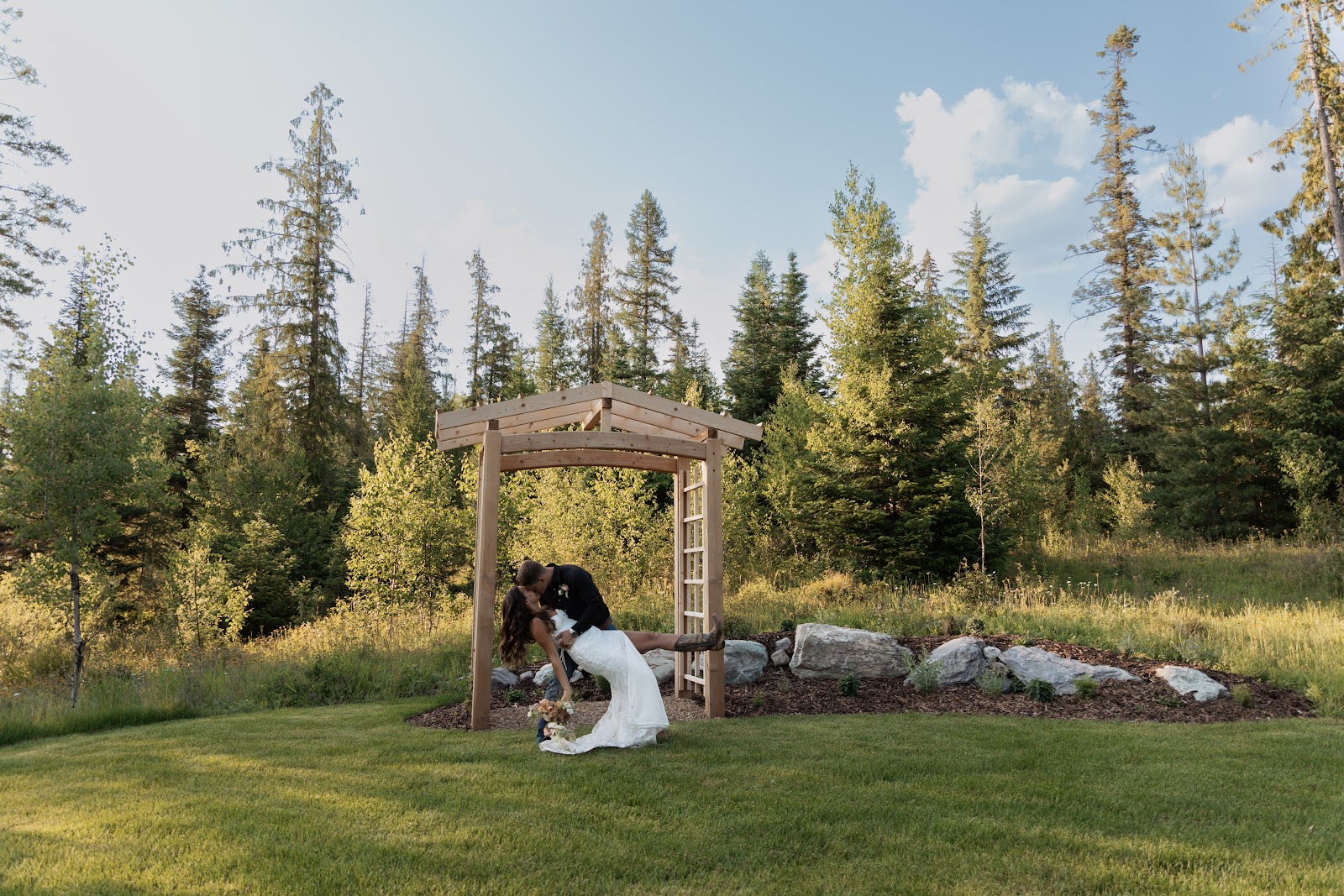
What breaks it, and the site outside
Direct sun through the opening breaks the frame, and in north Idaho it happens less often than in the dry south but it still happens. A hard beam produces a range far beyond what one exposure holds, and a bright band across an eye is not correctable.
The fix is the hour or the position: a barn with openings on more than one aspect has a shaded one, and half a metre either way usually clears a patch. The beam itself is worth photographing as a subject rather than only as a hazard — in a dusty barn it is visible in the air, which is a frame in its own right.
A painted interior breaks it in the other direction. Where the barn has been painted or lined in pale board, the walls bounce rather than absorb, which lifts the background and fills the shadow side of the face — so the modelling flattens and the near-black surround is gone. The metering also inverts: a pale interior makes a meter underexpose rather than overexpose, so the correction becomes brighter than the camera suggests.
That is a different picture and not a worse one, and a look at the walls on arrival settles which correction applies.
String lights and festoon fittings break it in the evening, or rather they change what the frame is. Those are decorative rather than functional — bright in frame and contributing almost nothing to a face — which means the reception method is the standard one: expose the ambient about a stop or a stop and a half under what skin needs, so the lights keep their presence and the timber keeps its depth, then add one source for the faces gelled warm to match.
Heating breaks it in winter. A barn is an unheated building by origin, and north Idaho winters are cold with substantial snowfall — which makes whether the space is properly heated a practical question with a definite answer.
Outside, north Idaho is the wettest and greenest part of the state and the site’s exterior reflects it.
The forest here is inland maritime: western red cedar, western hemlock, grand fir, Douglas fir and western larch, with damp grass and moss beneath. Cedar and hemlock block almost everything, which means the canopy edge is the reliable outdoor position: a metre or two inside at the margin of an opening gives soft directional light in front and near-darkness behind, three or four stops of free separation.
That is a darker background than the dry lodgepole and ponderosa country further south provides, which makes the frame stronger — and it carries the standard trap, so a meter looking at cedar overexposes a face by a couple of stops while bright open ground fools it the other way.
Western larch is the region’s distinctive tree and it is worth knowing about: a deciduous conifer whose needles turn a clean intense gold in the second half of October and then drop. That gives north Idaho a conifer autumn — gold scattered through near-black evergreen — which exists nowhere else in this guide.
The open ground is the third environment and in this climate it is damp and green for far more of the year than southern Idaho’s is. It bounces, which fills faces from below at the cost of uplight under the chin — the diagnosis is to look at the chin in the first frame — and in low raking light it has texture in every blade.
And the light outdoors is the site’s quiet advantage. A high proportion of overcast days means the brightness range collapses far more often than it does elsewhere in Idaho: no dappling, no squinting, no clipped whites, colour at full saturation, and no hour of the day that has to be avoided. A grey day here is technically the easiest day of the year and it is the commonest condition.
The practical notes are the region’s. Winters are cold and snowy with substantial accumulation, which makes access and heating real questions. Summers are warm but shorter and damper than southern Idaho’s, with light running until past nine at this latitude. And wildfire smoke from roughly July into September is the honest late-summer risk, which can fill a valley for days and remove any distance.
- Two or three metres in, turned forty-five degrees; the catchlight tells you
- Meter on skin and let the timber go black; that near-black is the building
- Set the white balance on a face — cool green in, warm timber bounce inside
- Check the walls: a painted interior inverts the whole correction
- Outside, cedar gives a darker background than southern Idaho’s pine does
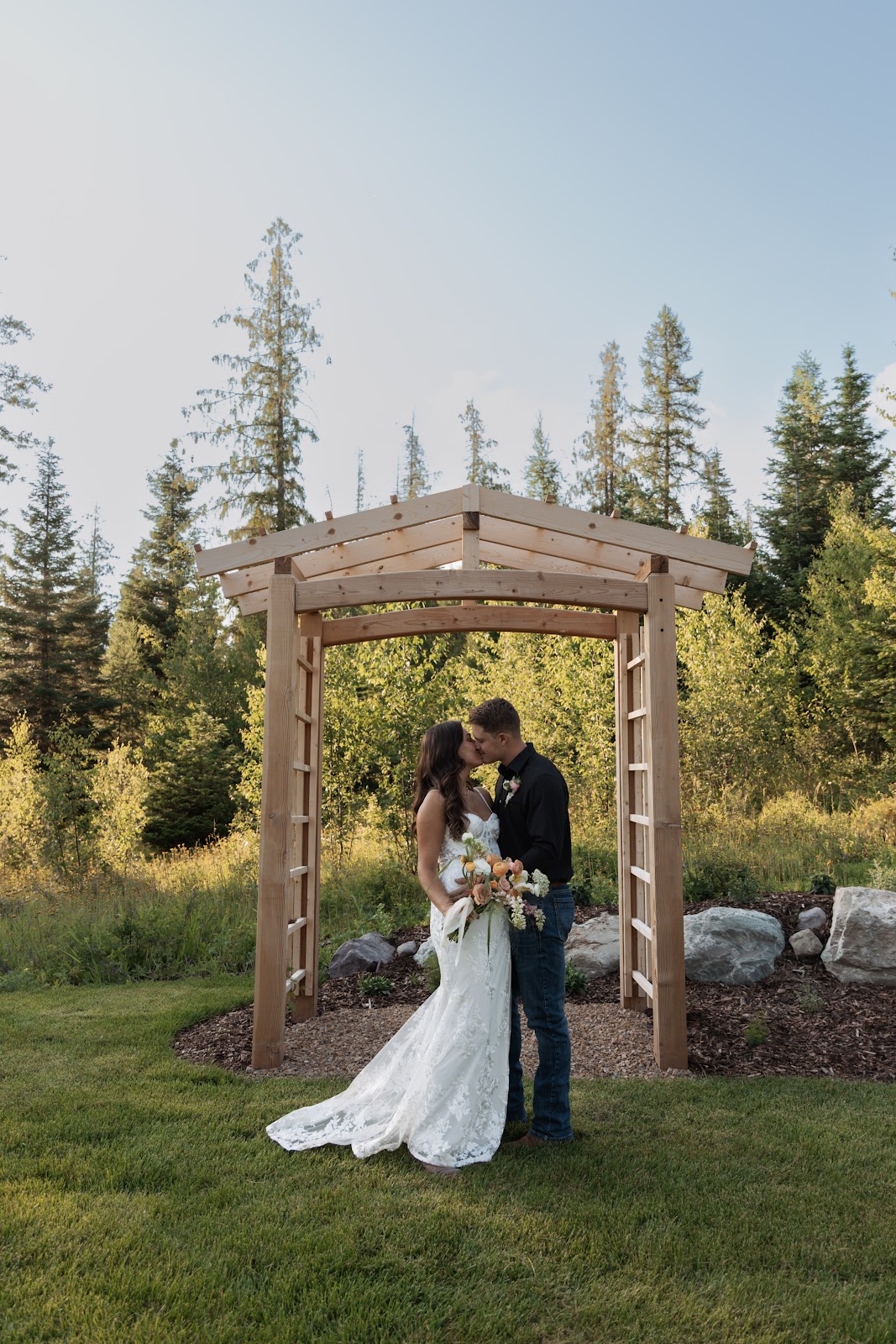
The north Idaho year
North Idaho has an inland maritime climate: wetter, cloudier and milder than the rest of the state, with heavy winter snowfall and a high proportion of overcast days through much of the year.
Winter is long, cold and snowy, with substantial accumulation at valley level. For a barn the questions are heating and access, and both have definite answers worth establishing.
Winter is the best season for the frame this guide is built around, and the reason is the sun’s angle. The December sun at this latitude reaches only about eighteen degrees above the horizon — the lowest of any venue in this guide outside Alaska — which means light comes through a large opening almost horizontally and reaches much further into the building than a summer sun does. That widens the usable band inside considerably.
Snow adds to it in two ways. It reflects light up through the opening, which brightens a dim interior measurably; and outside it is the best natural fill available, against near-black cedar giving the widest brightness range in this guide — expose for the snow and let the conifer go black, overexposing deliberately relative to the meter, which snow fools by about two stops.
A weathered timber barn in deep snow with dark conifer behind it is one of the cleanest frames in these pages.
The costs are cold, a short day, batteries draining faster, a camera that fogs badly when carried into a heated space, and access that depends on conditions.
Spring is long, wet and slow at this latitude. Snow lingers into April, break-up is muddy, and the ground is saturated — which makes early spring the weakest part of the year outdoors. The compensation is that the barn frame is unaffected, which is a legitimate reason to weight an April wedding indoors.
Late spring is when the forest becomes luminous: new growth on cedar and hemlock tips, ferns unrolling, and the grass at its greenest. The light lengthens fast and mosquitoes are a consideration in damp forest in June.
Summer is warm rather than hot and shorter than southern Idaho’s, with light running until well past nine at this latitude — which means the good low light arrives late and lasts, and a portrait session at half past eight is entirely reasonable.
The honest late-summer note is wildfire smoke. The regional fire season runs from roughly July into September and smoke from fires anywhere in the northern Rockies or eastern Washington can fill a valley for days — turning the sun orange, flattening contrast and shifting everything warm in a way no white balance resolves. For a barn frame that matters less than for a landscape one, which is another quiet advantage of this venue.
Late September into October is the best window of the year and north Idaho’s autumn is distinctive. Birch and aspen turn gold in late September, cottonwood follows, and then the western larch turns — a deciduous conifer going a clean intense gold through the second half of October, scattered through a dark evergreen forest.
Gold larch against near-black cedar, seen through or beside a weathered timber barn, is the strongest exterior frame this site produces and it exists nowhere else in this guide. The window is roughly the second half of October.
By then the sun is low enough that the barn’s own light is improving again, which means late October gives the best of both — and November brings the rain and the first snow, after which the barn frame is at its strongest again.
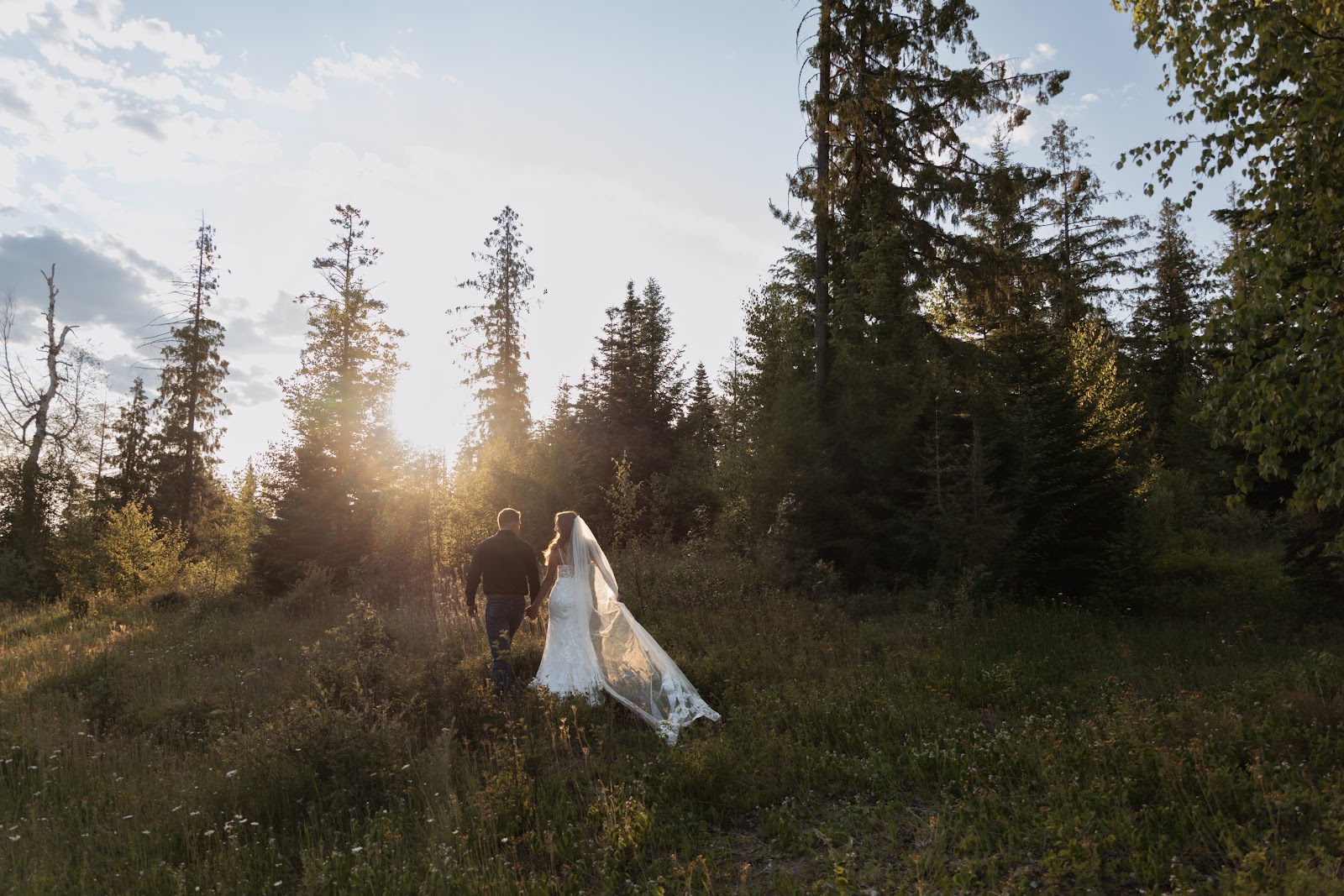
More frames from Hitching Post
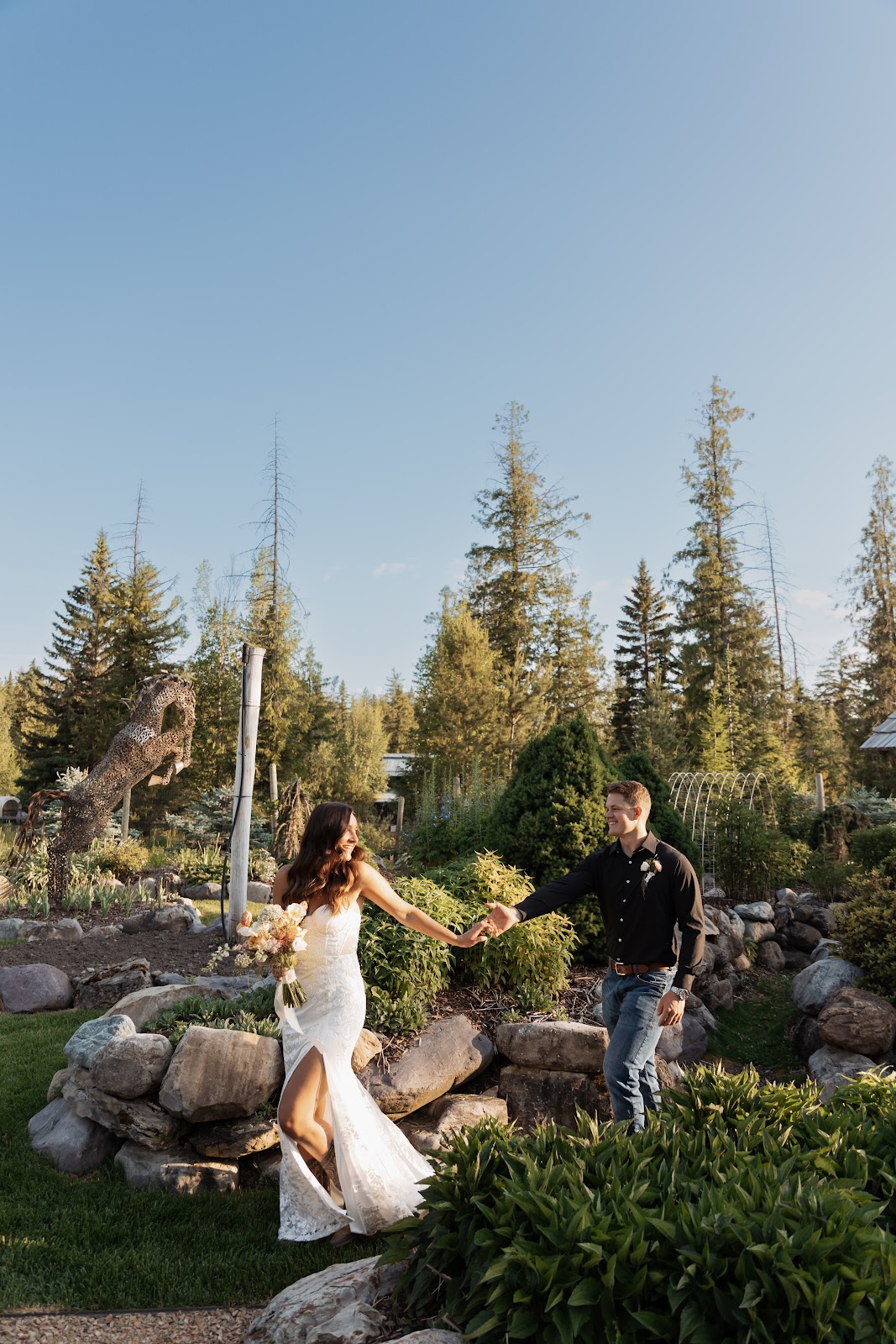
Hitching Post wedding photography: common questions
What is the frame?
A face two or three metres inside the big barn opening, with dark timber behind. The wood absorbs, so the background drops away steeply for free.
Why is it better in north Idaho?
The inland maritime climate gives a high proportion of overcast days, which means the light at the door is diffuse far more often than it is a hard beam.
How do I expose it?
On skin, in manual, with the timber allowed to go black. A meter looking at barn wood overexposes a face by two stops or more.
Why set the white balance on a face?
The light entering is cool and often green from conifer and damp grass, while the timber bounces warm. A preset renders skin grey-green.
What if the interior is painted?
The correction inverts: pale walls bounce, which lifts the background and makes a meter underexpose rather than overexpose.
When is the frame strongest?
December and January. A very low sun comes through the opening almost horizontally, and snow outside reflects more light in.
More Idaho venue guides
We are writing a photographer’s guide to every venue we would happily shoot in Idaho. Here are three more, plus the full index:
- Idaho Rocky Mountain Ranch, Stanley: The Light Through the Day
- McCall Golf Course, McCall: The One Decision That Governs Everything
- MeadowLake Farm, Rathdrum: Field Notes
Planning a wedding at Hitching Post?
One frame, and a climate that softens it. Tell us your date.