 Overhills Mansion: Who This Venue Suits, and Who It Doesn’t
The Graduate Annapolis, Annapolis: Suits and Does Not Suit
Downtown, not waterfront. That is the whole trade.
This venue divides couples on one clear question: do they want to be on the water, or do they want to be able to walk to everything?
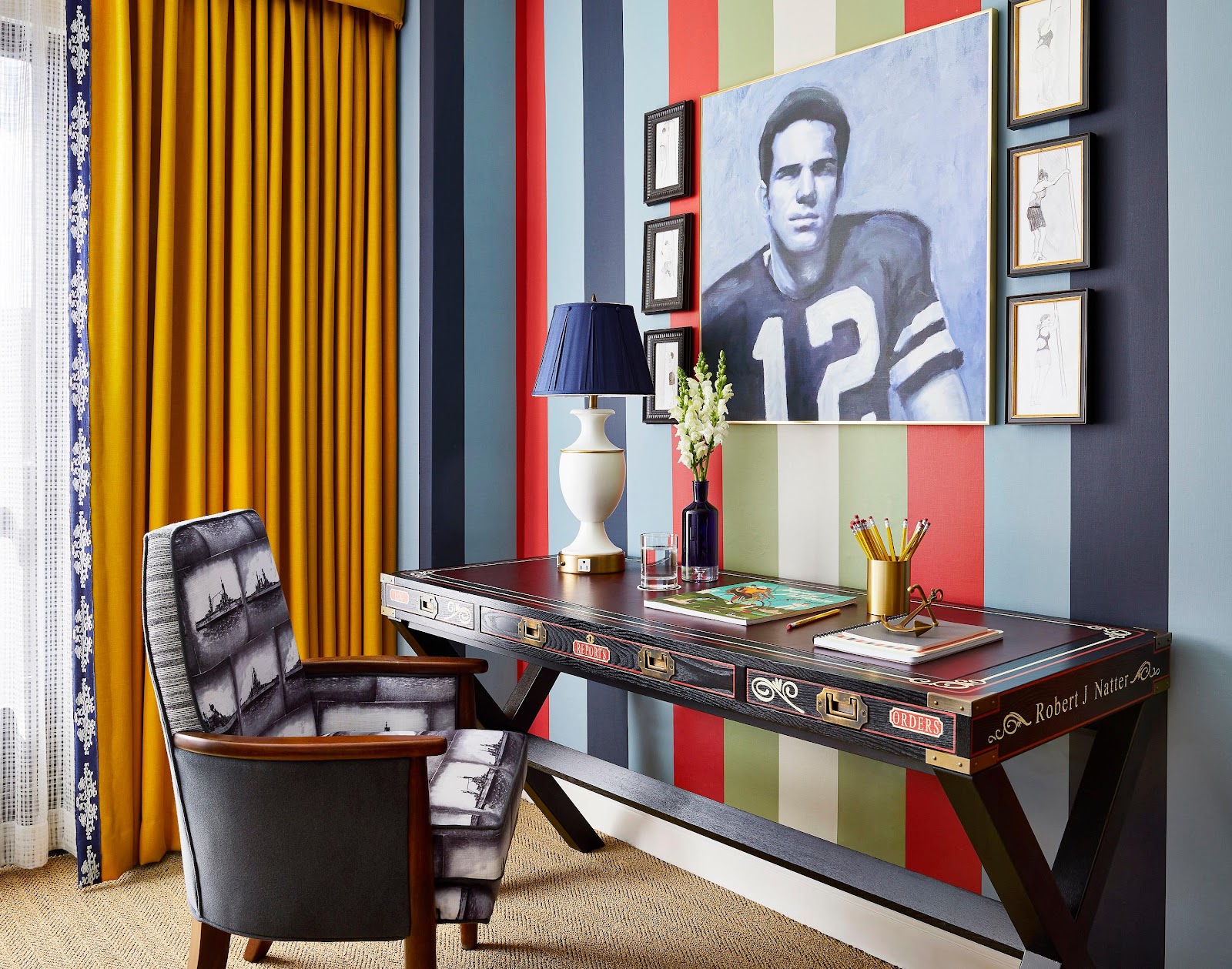
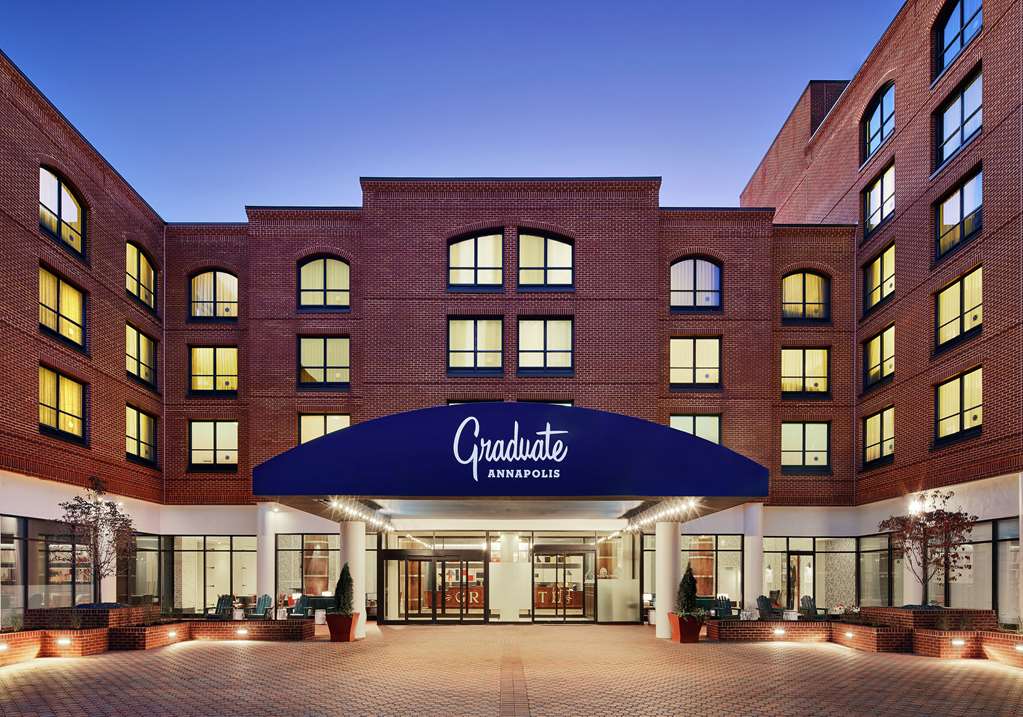
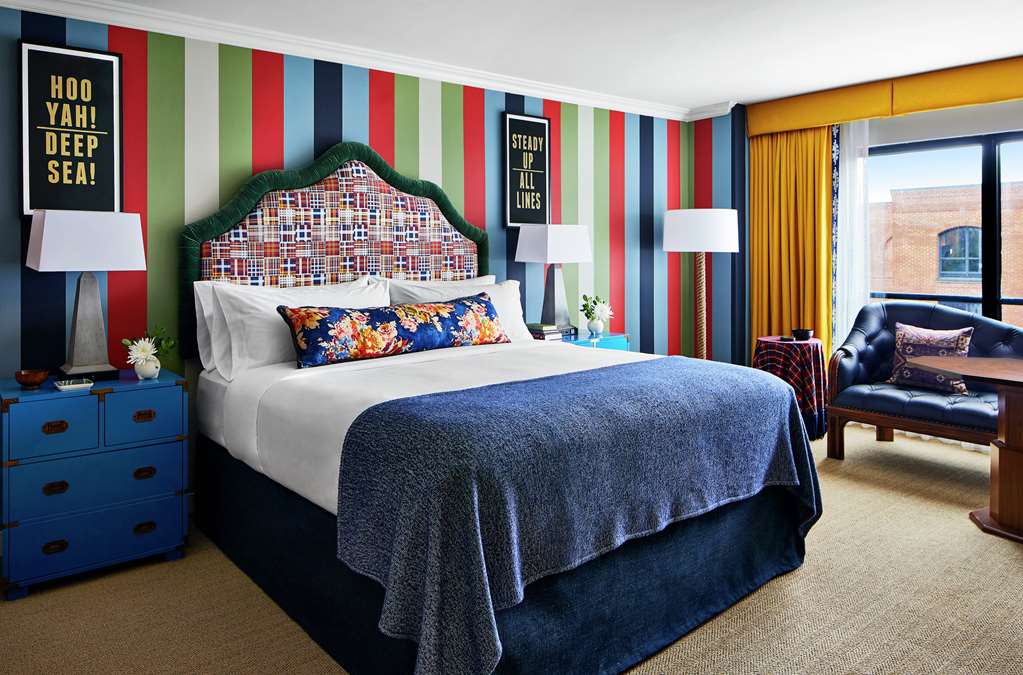
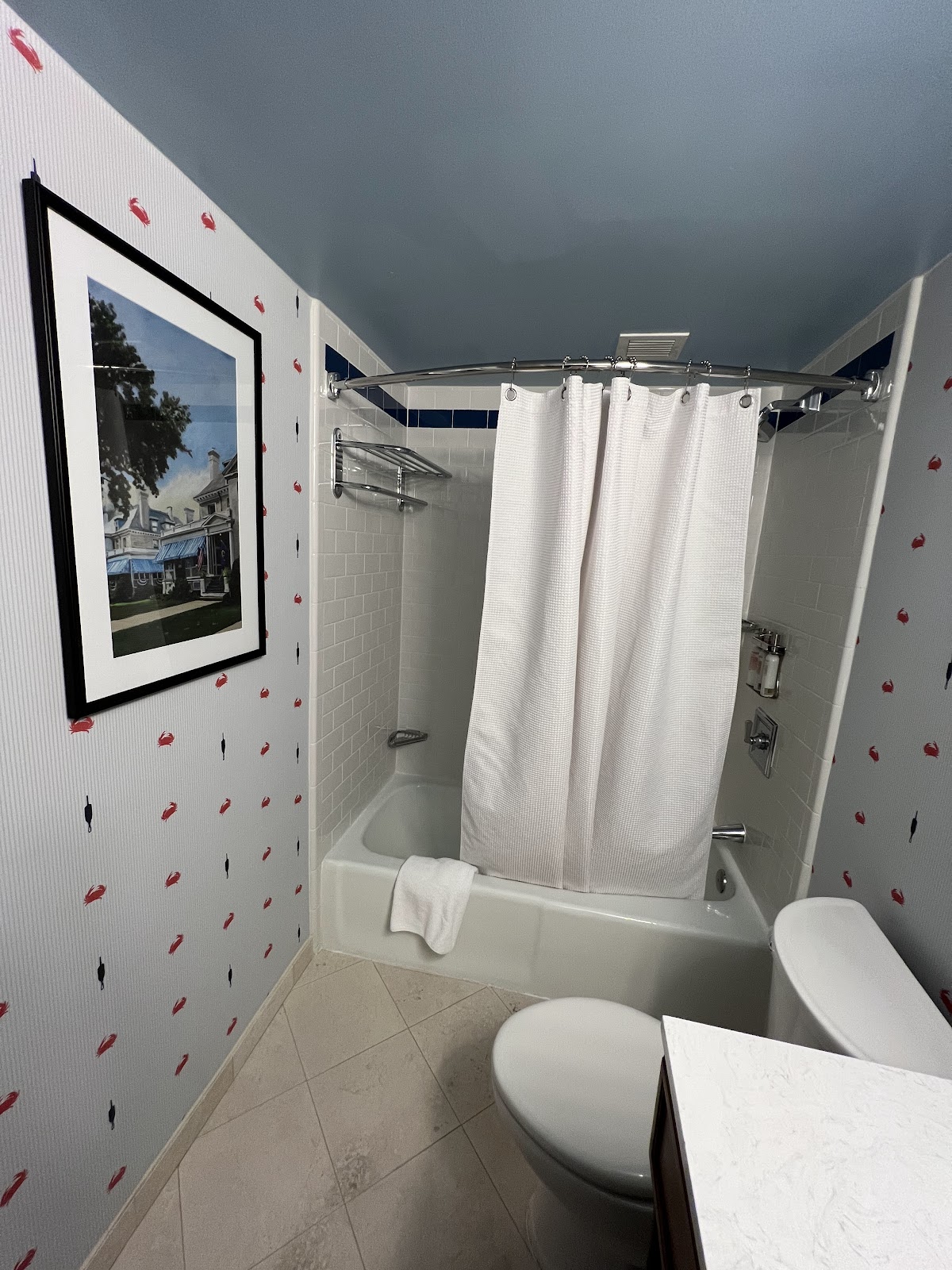
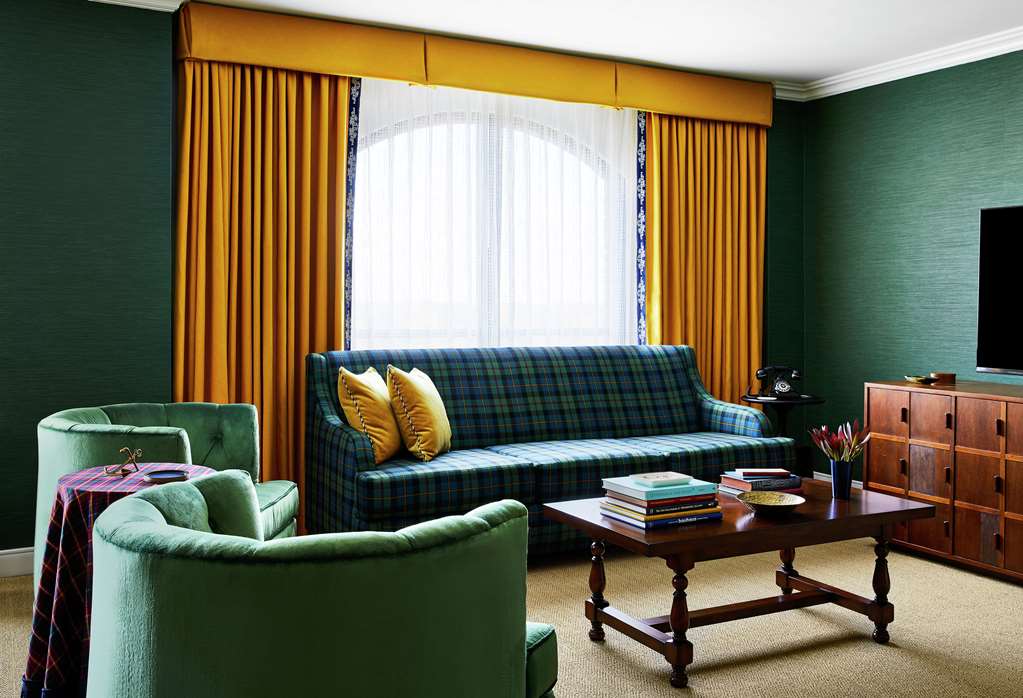
The Graduate Annapolis is a hotel in downtown Annapolis, close to the historic core, a few minutes from the City Dock and from the State House. It follows its brand’s approach to interiors, which is themed maximalism — dense pattern, saturated colour, collected objects and a theme drawn from the place, here the town’s maritime and naval identity.
One caution before anything else, and it is a practical one rather than a criticism. This brand has changed hands in recent years and individual properties get reschemed, repainted and rebranded. A feature that has been photographed ten thousand times may be a different colour, or gone, by the time a date arrives. Ask the hotel what the spaces currently look like rather than working from images online, and ask again closer to the day.
For a photographer the profile is straightforward. The interiors are busy and characterful and will fight a face unless handled deliberately. The building has no water frontage, so there is no view to fall back on. And the location is excellent, because Annapolis is small, dense and genuinely walkable, with a harbour at the bottom of the hill and a domed eighteenth-century capitol at the top.
So the building is the getting-ready and the reception, and the town is the photographs. A day planned the other way round wastes what is good here.
There is one local question that comes up at every Annapolis venue and it deserves a straight answer in the lede, because couples routinely assume otherwise. The Naval Academy is adjacent to the historic district and it is an active military installation. Access is controlled: visitors require photo identification and enter through a visitor centre, and what may be photographed, by whom, and for what purpose is governed by the Academy’s own rules rather than by a hotel’s goodwill.
Weddings in the Academy’s chapel are possible but restricted, in general terms, to people with a defined connection to the Academy, and commercial photography on the grounds is a separate permission again. If the Academy matters to a couple, that has to be pursued directly with the Academy, months ahead, and the answer may be no.
What is always available, and is very good, is the town outside the gates: eighteenth-century brick, narrow streets, a working sailing harbour, and a baroque radial street plan that puts a sightline to the State House dome at the end of half the streets in the centre.
So: what it suits, what it does not, and then how to use the town and the year.
The Graduate Annapolis at a glance
| Where | A themed hotel in downtown Annapolis, Maryland; a few minutes from the dock |
| Suits | Couples who want walkability, a large guest count, and weather-proof interiors |
| Does not suit | Anyone wanting a water view, a period building, or a quiet palette |
| The local question | The Naval Academy is an active installation; access is restricted and separate |
| Ask first | What the interiors currently look like, and which event room you have |
What it suits
It suits a couple who want to walk. That sounds minor and at this venue it is the whole argument.
Annapolis’s historic core is small, dense and level enough to cross on foot, and within a few minutes of this hotel are a working harbour full of masts, several streets of eighteenth-century brick, a baroque radial plan with terminated vistas onto a domed capitol, and a waterfront at the bottom of the hill. A photographer with ninety minutes and a wedding party in comfortable shoes can produce four genuinely different locations without a vehicle.
That is worth more than it sounds, because vehicle transfers are where evening light goes to die. At a venue twenty minutes from anything, the last hour is half spent moving. Here it is all spent working.
It suits a large guest count. A full-service hotel has purpose-built function rooms with proper ceiling heights, level floors, dimmable lighting and service access, so a hundred and eighty people is routine rather than a problem. That is the opposite of the small historic properties elsewhere in this region, where the interiors are the constraint and the rain plan is the risk.
It suits a date in any weather, and that is a real advantage in this part of the coast. The mid-Atlantic gets summer thunderstorms, September and October remnants of tropical systems, and nor’easters in the colder months — all of which bring sustained wind and rain rather than a passing shower, and the low-lying dock area is known for tidal flooding. A wedding whose ceremony and reception are indoors loses a walk rather than an event. Say that to a couple weighing this against a waterfront venue; it is the strongest argument for choosing it.
It suits a photographer who likes to light. Themed interiors are dark and busy, which means every good interior frame is made rather than found — and a photographer arriving with two lights and a plan will produce a clean, deliberate set here, while one relying on available light will struggle.
It suits a couple who want the venue to have character rather than neutrality. A themed hotel is specific: the rooms look like somewhere rather than anywhere, the objects and patterns are chosen, and photographs made in them are immediately identifiable. For a couple who find modern hotel interiors bland, that is exactly the point.
It suits a winter date better than most Annapolis venues. The interiors do not care what month it is, the historic brick outside takes a low January sun raking it through the whole middle of the day, the harbour is far less crowded, and — because boats largely stay in the water here — the masts are still there. A winter wedding in this town is a genuinely good photographic proposition and a considerably easier booking.
And it suits a wedding that wants the State House dome in its photographs without needing permission for anything. The town’s radial plan means several streets in the centre have the dome centred at the end of them, framed between brick terraces, and those are public streets. A long lens compresses the corridor and enlarges the dome, and the frame is complete. Nobody needs to be asked.
One practical advantage worth naming. A hotel of this type is operationally reliable: timings hold, rooms are ready, and the getting-ready happens where the reception happens. At a wedding whose photographic value is all outdoors and on foot, having the logistics be boring is what makes the walking possible.
What it does not suit
It does not suit a couple who want a water view. There is no frontage, and the harbour is a walk rather than a window. If the reference images are all balconies over boats, the waterfront hotel at the bottom of the hill is the right building and saying so early is a kindness.
It does not suit a couple whose references are period architecture. Annapolis is full of eighteenth-century brick and this is not one of those buildings. The historic fabric is outside, and a couple who imagined being married inside it should be looking at a different sort of venue — of which this town has several.
It does not suit a neutral or pale aesthetic. Themed maximalism means dense pattern and saturated colour on most surfaces, and there is no way to make a strongly patterned room quiet. You can shoot tight, work in the plainest corners and desaturate afterwards, and the interior will still be the loudest thing in the set. If the palette is ivory and sage, this will be a mild fight from the engagement to the album.
It does not suit a photographer unprepared for colour cast. A saturated wall or carpet in any strong light becomes a coloured source, and a face half a metre from it has that colour genuinely on the skin — not correctable by white balance, because the light itself is coloured. Distance is the only control: two metres removes most of it, three or four removes it entirely. Diagnose it with one frame of a hand against the wall and one a metre away; the difference is often a full correction step.
It does not suit anyone expecting the Naval Academy. This is the specific misunderstanding to head off early. It is an active military installation, access requires photo identification through a visitor centre, and what may be photographed and by whom is governed by the Academy’s rules. Chapel weddings are generally restricted to those with a defined connection to the Academy, and commercial photography on the grounds is a separate permission. Pursue it directly, months ahead, and plan as though the answer is no.
It does not suit a plan that assumes the rooftop or any amenity space is included, if there is one. Amenity spaces at hotels are frequently shared with guests and operated as their own business, and what a wedding actually gets should be in writing before the deposit rather than assumed from a photograph.
It does not suit a couple who will be bothered by other people in their photographs. The best locations here are public streets and a public dock in a town that is a destination, and unless a permit closes something there will be strangers in frame. Work tighter than instinct suggests and use a long lens to compress a background into texture rather than a crowd. Early morning is the only reliably quiet hour.
It does not suit an autumn date chosen without checking the calendar. This is a sailing town and the autumn brings major events that fill the harbour with masts and the streets with visitors at once. Photographically that is the best version of the location; logistically it means crowds, road closures and accommodation pressure. Check what is on, and if an event coincides, plan the outdoor work for early morning.
And it does not suit a photographer who has not scouted, because everything good here is a specific position on a specific street at a specific hour. A themed hotel with no view gives you nothing by accident. The set is made by having walked the town beforehand and knowing which four positions to use.
The honest summary: if the priority is walkability, a large guest count, weather resilience and a town full of eighteenth-century brick outside the door, this is an excellent and under-rated choice, particularly in winter. If the priority is a water view, a period building, or a quiet palette, it will disappoint politely.
The town, and the year
Four locations are within a few minutes’ walk and they should be chosen in advance, because the walking is the venue.
The first is the street vistas onto the dome. Annapolis was laid out in the sixteen-nineties on a baroque radial plan, with streets radiating from two circles, and the State House sits on the higher one — which means several streets in the centre terminate on a view of its dome, framed between eighteenth-century brick terraces. Work long: at twenty-four millimetres the dome is a small distant bump and the picture is of some houses, while at a hundred and thirty-five it fills the gap between the buildings. Note which way each street faces on a scout, because an eastward street has the dome front-lit in the evening with the sun behind you and a westward one has it backlit.
The second is the brick itself. This town has one of the highest concentrations of surviving colonial buildings in the country, mostly Flemish-bond brick, which is the friendliest material available: warm, matte, finely textured, holding its colour in shade rather than going blue, and taking low raking light extremely well. Light it from the side rather than the front, because frontal light flattens the bond pattern and raking light makes every joint register. On an overcast day brick still reads warm when everything else has gone grey.
The third is the narrow streets themselves, and they are the midday solution. A canyon of buildings with a high sun overhead puts a band of open shade along one side, and that band is good directional portrait light at the worst hour of the day. When an open dock is flat and hot at one in the afternoon, a narrow brick street four minutes away is workable.
The fourth is the harbour at the bottom of the hill. Two things matter there. The masts are the subject rather than the water — Chesapeake Bay is the largest estuary in the country and it is shallow and brackish, so the water is green-brown rather than blue and chops up quickly in any breeze, and nobody should be promised turquoise or a mirror. Masts, by contrast, are strong repeated verticals and the only element that breaks a flat horizontal skyline. And the street running down to the water is its own frame: a narrow brick street sloping toward a harbour with masts at the bottom of it has a built-in leading line and a built-in destination.
Two harbour notes. The tidal range here is small, which is a convenience — a position scouted at noon still works at eight, unlike a harbour with a metre and a half of movement. And a sea breeze builds through the middle of the day and ruffles the surface, so still water is a morning phenomenon: if a mirror frame of masts matters, it is available for about two hours after first light and then gone.
The dusk frame is the one to protect, and at this venue there are two candidates. The dome, lit against a graduated sky from a street vista, with the couple small and lit by one warmed source — ask whether the building is floodlit and from what time, because in some months it comes on after the sky has gone. Or the harbour, where dusk gives you three tiers of light: the sky gradient, the town’s lit brick, and the boats’ own riding lights at water level. Three tiers is one more than most waterfronts offer and it is what makes an Annapolis dusk distinctive.
At about thirty-nine degrees north, civil twilight runs roughly twenty-nine minutes in midsummer, and the usable balance point is twelve to fifteen. That is one frame made properly, or two if both positions are decided in advance and you walk rather than discuss. Pick one.
Now the year. July dewpoints here sit around seventy-two, which fills shadows by roughly two stops against a dry climate — genuinely useful, keeping detail in eye sockets so midday open shade works — at the cost of a pale washed sky, haze across the Bay views, and a lens that fogs within seconds coming out of an air-conditioned room into July air.
Late September into early November is the strongest window: humidity gone, comfortable temperatures for walking in formal clothing, sunset around six so the balance point falls at a civil hour, brick at its best in low light, and the street trees turning through the second half of October. With the regatta caution above attached.
Late April into May is the other good window, mild and lengthening, with spring running slightly later than inland because a large body of shallow water is slow to warm.
Summer is long and workable if the middle of the day belongs to the narrow streets rather than the dock. Sunset after eight in late June puts the balance point near half past eight, comfortably inside a reception. Thunderstorms pass quickly and the half hour afterwards is the best light of the year — washed air so the Bay opens up, wet brick several tones darker and far more saturated than dry, wet cobbles reflecting the sky, and a low sun under a broken ceiling. If a cell goes through at six, do not pack.
Winter is short and it suits this combination of hotel and town unusually well. Sunset before half past four puts the balance point before five, during cocktails, which needs to be a named item on the timeline. In exchange: the clearest air of the year, a midwinter noon sun near twenty-seven and a half degrees raking brick and masts from the south through the whole middle of the day, far fewer people, masts still in the harbour, and interiors entirely unaffected by the season. Snow on eighteenth-century brick is as good as this town gets.
The instruction that covers it: scout four positions, keep the interiors for the parts of the day that need a roof, and spend every minute of the last hour on foot.
More frames from The Graduate Annapolis
The Graduate Annapolis wedding photography: common questions
Who is this venue right for?
Couples who want to walk. Annapolis’s historic core is small and dense, and within a few minutes of this hotel are a working harbour full of masts, streets of eighteenth-century brick, and a baroque radial plan with terminated vistas onto a domed capitol — four genuinely different locations with no vehicle. That matters because vehicle transfers are where evening light goes to die. It also suits large guest counts, and it suits any weather, since an indoor ceremony and reception lose a walk rather than an event.
Who should look elsewhere?
Anyone wanting a water view — there is no frontage and the harbour is a walk rather than a window. Anyone whose references are period architecture, since the eighteenth-century fabric here is outside the building. And anyone with a pale or low-saturation palette, because themed maximalism means dense pattern and strong colour, and there is no way to make a strongly patterned room quiet.
Can we use the Naval Academy?
Pursue it directly with the Academy, months ahead, and plan as though the answer is no. It is an active military installation: access requires photo identification through a visitor centre, and what may be photographed, by whom and for what purpose is governed by the Academy’s rules rather than a hotel’s goodwill. Chapel weddings are generally restricted to those with a defined connection to the Academy, and commercial photography on the grounds is a separate permission again. Couples routinely assume otherwise.
What about colour casts indoors?
They are real and they are not a white-balance problem. A saturated wall or carpet in strong light becomes a coloured source, and a face half a metre from it has that colour genuinely on the skin — correcting globally shifts everything else in frame. Distance is the only control: two metres removes most of it, three or four removes it entirely. Diagnose it with one frame of a hand against the wall and one a metre away, which is often a full correction step apart.
What is the best outdoor frame?
A street vista onto the State House dome, and it needs no permission from anyone. The 1690s radial plan means several central streets terminate on the dome, framed between brick terraces — work long, because at twenty-four millimetres it is a distant bump and at a hundred and thirty-five it fills the gap between the buildings. Note each street’s orientation on a scout: eastward gives you a front-lit dome in the evening with the sun behind you, westward gives a silhouette.
When is the best time of year?
Late September into early November, with one caution: this is a sailing town and autumn brings major events that fill the harbour with masts and the streets with visitors simultaneously — superb photographically, difficult logistically. Check the calendar and plan the outdoor work for early morning if an event coincides. Winter is genuinely underrated here: the clearest air of the year, a low sun raking brick and masts all through the middle of the day, far fewer people, and interiors that do not care what month it is.
More Annapolis, MD venue guides
We are writing a photographer’s guide to every venue we would happily shoot in Annapolis, MD. Here are three more, plus the full index:
- The Maryland State House, Annapolis: A Walk Through the Building
- The Annapolis Waterfront Hotel, Annapolis: The Light Through the Day
Planning a wedding at The Graduate Annapolis?
Walkable to four locations, and indoors when it matters. Tell us your date.