 Roots Run Deep, Fruita: The Site’s Own Logic
The Willow Creek Farm, Westminster: The Light Through the Day
Plains one way, a mountain wall the other. The day divides.
This site sits on the boundary between two completely different landscapes, and the day divides along that line.
The Front Range is one of the most abrupt mountain fronts in North America. In this part of Colorado the Great Plains run flat for hundreds of miles and then simply stop — the mountains rise from the plain with almost no foothill gradient, a wall several thousand feet high standing directly on level ground.
A venue at the foot of that wall has flat open plains to the east and a mountain barrier to the west, which means two directions with opposite light schedules. East is front-lit in the afternoon and evening; the mountains are front-lit in the morning and in their own shadow after.
So the day has a natural shape: mountains early, plains late. A photographer who knows that gets both; one who does not will find the mountain a flat grey mass at exactly the hour they wanted it.
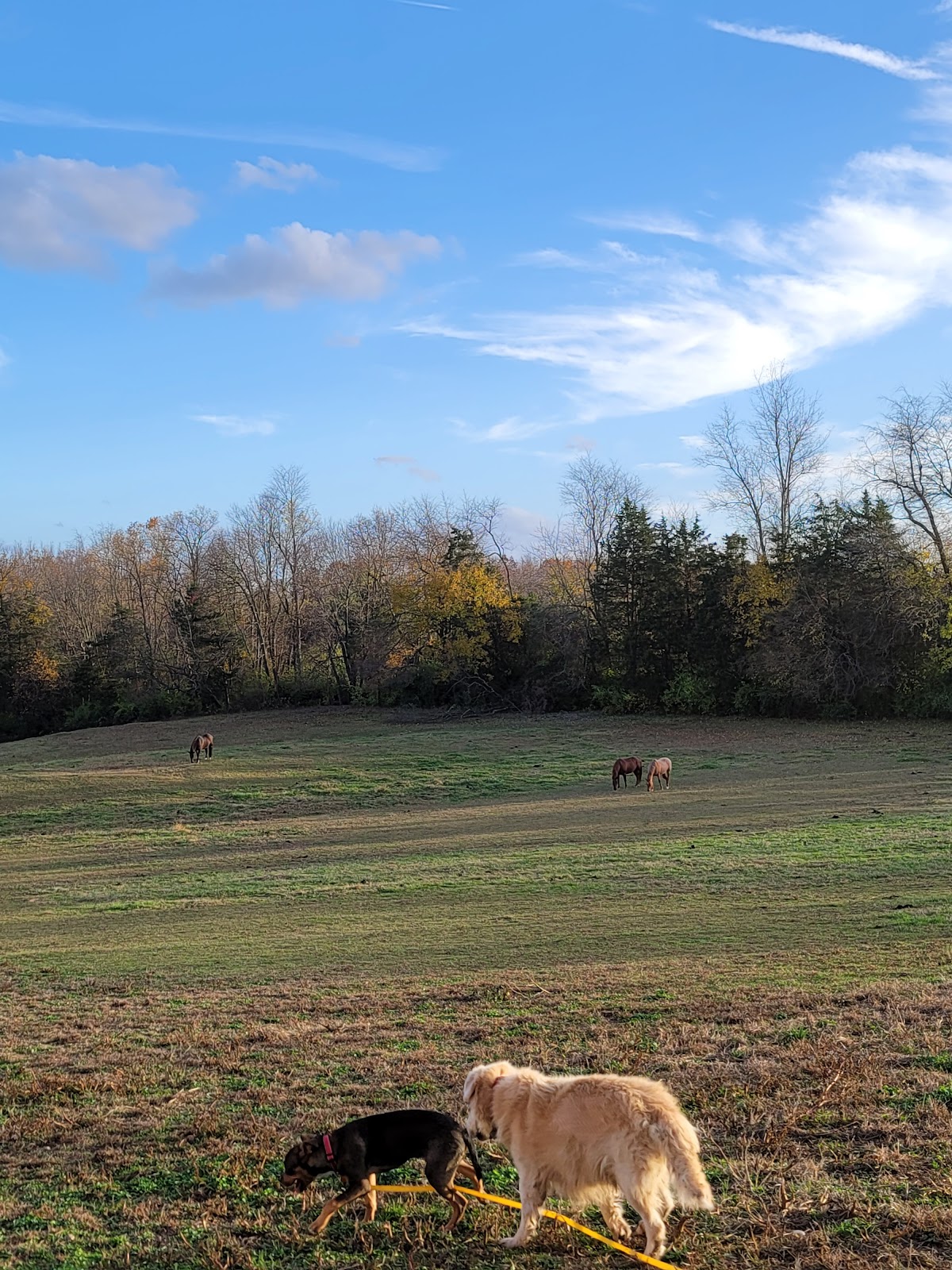
The second thing about this site is that it is a farm on the plains edge, which means the working landscape is irrigated agriculture rather than either prairie or mountain. Around Denver that typically means hay, pasture, cottonwoods along the ditches, and the shelterbelts that make farming viable in a windy dry climate.
And the third is the altitude. Westminster sits at about five thousand three hundred feet, which is lower than the Colorado Springs and Vail venues in this library but still high enough to matter: roughly eighteen percent less atmosphere overhead, which means a harder beam, very little shadow fill, a deep blue sky, and exceptional clarity.
Westminster sits at about thirty-nine and three-quarter degrees north. The June noon sun reaches around seventy-three and a half degrees, the December noon sun about twenty-six and a half, days run from about nine hours twenty to fourteen hours fifty-five, and civil twilight is roughly twenty-seven minutes — short, and made shorter by the mountains.
What follows is the day in order. We have not photographed a wedding here; what is bookable, what the western sightline is and the permitted hours are questions for the farm.
The Willow Creek Farm at a glance
| Where | A farm venue on the plains edge north of Denver, Colorado |
| The geography | The Front Range rises from flat plains with almost no foothill gradient |
| The structure | Mountains front-lit in the morning, plains front-lit in the evening |
| The altitude | About 5,300 feet — a harder beam and very little shadow fill |
| Ask first | The western sightline, what is bookable, permitted hours |
Morning into midday
The first hours belong to the mountains and they are the only hours the mountains work.
With the sun low in the east, the Front Range’s eastern face — the side this venue sees — is front-lit. The rock reads warm, the ridgelines separate, the timbered slopes show as texture, and any snow on the high peaks is brilliantly lit against a deep blue sky.
By mid-afternoon all of that falls into shadow and the range becomes a uniform blue-grey wall. By evening it is a silhouette against a bright western sky, which is a clean graphic frame and not the same picture at all.
That reversal is the single most useful thing to know about a Front Range venue, and it is worth telling a couple early — because it means the mountain portraits happen before the ceremony rather than after it.
The range wants a longer lens than instinct suggests. From the plains edge the mountains fill a wide arc but rise at a modest angle, so a wide lens renders them as a low band across the top of the frame. Compression brings them forward into the wall the eye perceives, and it is worth walking back for.
Thin clear air at five thousand three hundred feet is what makes it possible: the range holds detail and contrast on a long lens where the same distance in humid country would dissolve into haze.
Mornings are also the calmest part of the day, which matters here more than at most venues. The Front Range generates strong downslope winds and the plains offer nothing to interrupt them — so wind builds through the day and is at its daily minimum at dawn. Anything needing stillness belongs in the first two hours.
Through mid-morning the sun climbs and the mountains begin to flatten while the plains brighten. By nine or ten the range has lost its modelling and the day’s interest moves to the farm itself.
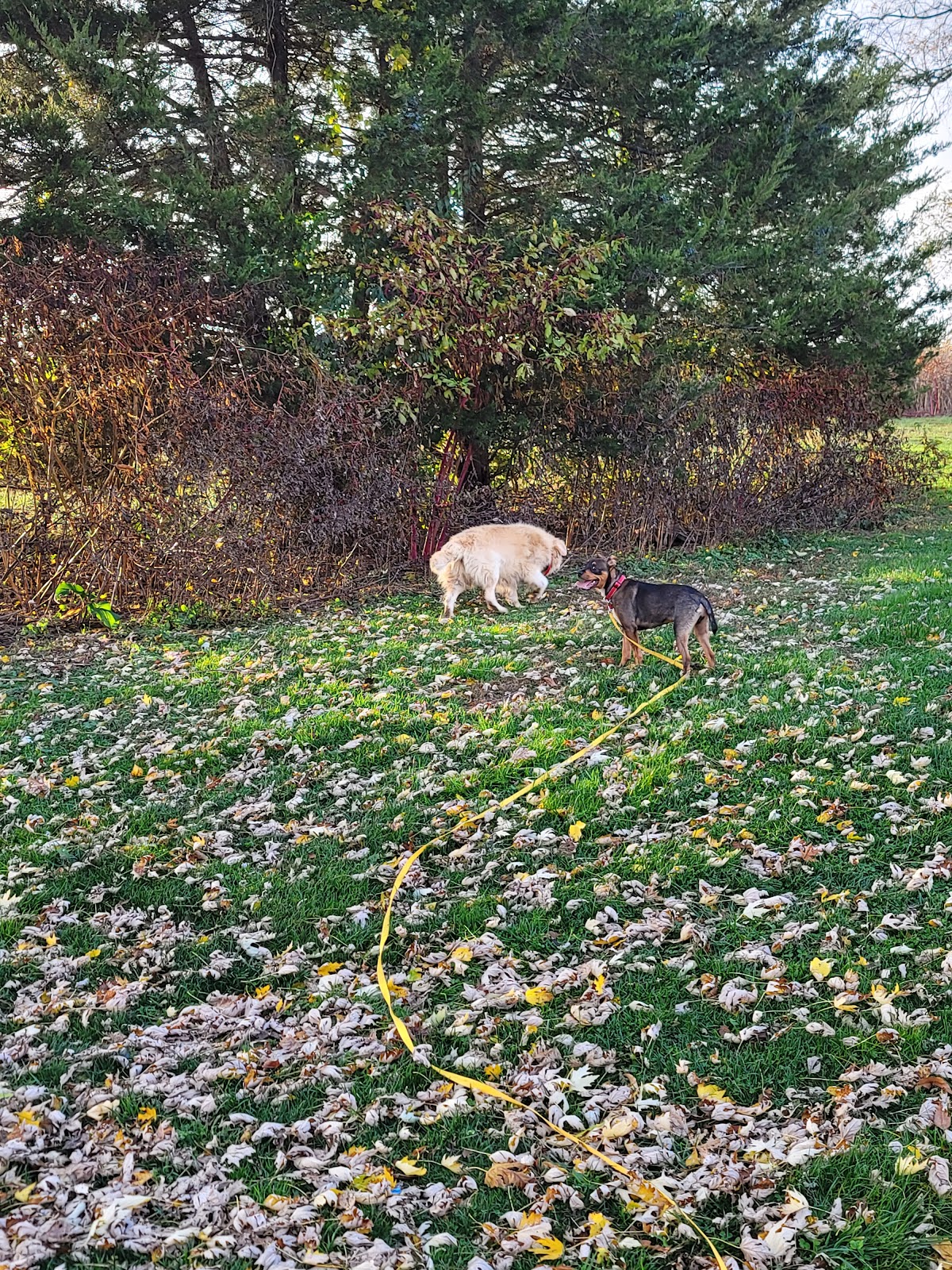
This is the hour for the buildings. A barn doorway, a machine shed opening, the shaded side of a structure — each is a large soft source with a hard mask, and depth back from the opening controls the ratio exactly as a porch does. At the edge the light is flat; two metres in it has real direction; four metres in the exterior has fallen four or five stops.
At altitude that last figure is at the top of its range, because thin air gives shadows almost no fill — so a barn doorway in Colorado produces a stronger ratio than the same doorway at sea level, and the deep position is correspondingly more powerful.
The yard does the uplight. Farm yards here are dirt, gravel or concrete, all pale, and a sunlit patch throws a substantial bounce up under the chin — which fills the eye sockets for free and is stronger in thin bright air than it would be lower down.
By the middle of the day the site is at its hardest and the altitude is why. At seventy-three and a half degrees of noon sun elevation with almost no atmospheric fill, an uncovered face has black eye sockets, a bright forehead and a hard nose line — and the lit-to-shaded gap runs to five stops.
The rule is absolute here: put subjects entirely in sun or entirely in shade, never half and half. Entirely in shade is better for faces.
The shade is the buildings, the shelterbelt and the cottonwoods. Prairie-edge farms were routinely planted with windbreak rows — often cottonwood, elm or Russian olive — on the north and west of a homestead, and those are usually the only substantial trees for a considerable distance. Cottonwood along an irrigation ditch is the other option, and it needs the water to exist at all.
Afternoon to dark
The afternoon reverses the morning and the plains become the subject.
With the sun crossing west, the open ground to the east is front-lit and the flat horizon is genuinely level for a very long way. That gives an enormous sky on the eastern side with nothing interrupting it — which cuts both ways.
A cloudless afternoon gives an even blue field above a brown or green one, and the wide frames are dull however well composed. But the Front Range produces convection reliably, and a thunderhead rising over the plains from a site at the mountains’ foot is among the most dramatic frames in this library.
So the eastern wide frames should be built around weather rather than attempted regardless of it.
From about three o’clock the light improves steadily. Below thirty degrees the sun rakes across the fields, the crop or pasture regains texture, the shelterbelt casts long shadows, and the beam warms as it travels a longer air path.
The last ninety minutes are the best working light and there are three frames to know. Backlit across a field, with a low sun behind the crop lighting translucent stems and seed heads from within. Front-lit with the plains behind, giving warm modelled faces and a long horizon. And the silhouette, against a western sky that at altitude is exceptional.
The wind is the constant and it is worse than in most farm country. Downslope flows off the Front Range can be genuinely strong, particularly in winter and spring, and gusts arrive without much warning.
Practically: never put a modifier on an unweighted stand at any point, hand-held with a braced assistant is the only reliable method, and a five-hundredth of a second is the default for anything with hair or fabric.
A veil will be moving substantially. Read the direction and rotate the couple so it carries across or away from the camera rather than into their faces. Used deliberately it is the best frame here — a long veil extended by a Front Range wind against a mountain wall is genuinely striking, and it needs the wind to exist.
The crop in wind is the other motion frame. Hay or pasture moves as travelling waves, and at a thirtieth of a second on a tripod that blurs into flowing bands while a still subject stays sharp. Against the Front Range that is a distinctive photograph.
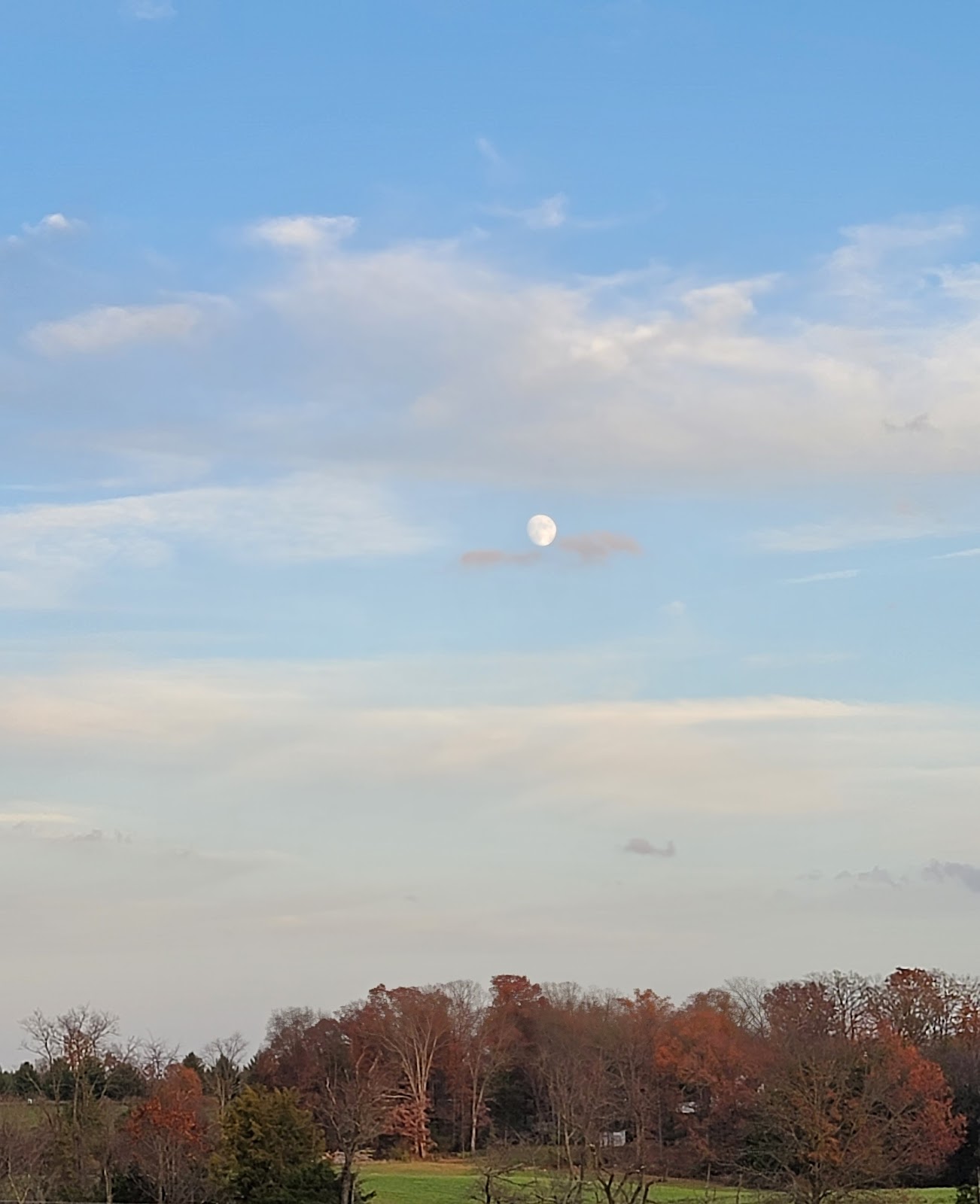
Then the dusk, which is short and made shorter by the mountains. Civil twilight runs about twenty-seven minutes, and a mountain wall to the west blocks the sun well before a flat horizon would — sometimes by half an hour or more, depending on the sightline.
That margin is worth establishing on site rather than from an app, because the golden hour here ends earlier than published and the afterglow begins sooner.
The compensation is the lag, which is the region’s most reliable good light and which works unusually well from the plains edge. After the sun drops behind the range, the high peaks stay lit while the farm goes into shade — giving a subject in soft even shadow against a warmly lit mountain wall, at a ratio one modest source bridges.
And because the range is directly west and very large, there is a great deal of lit rock to work with at that moment.
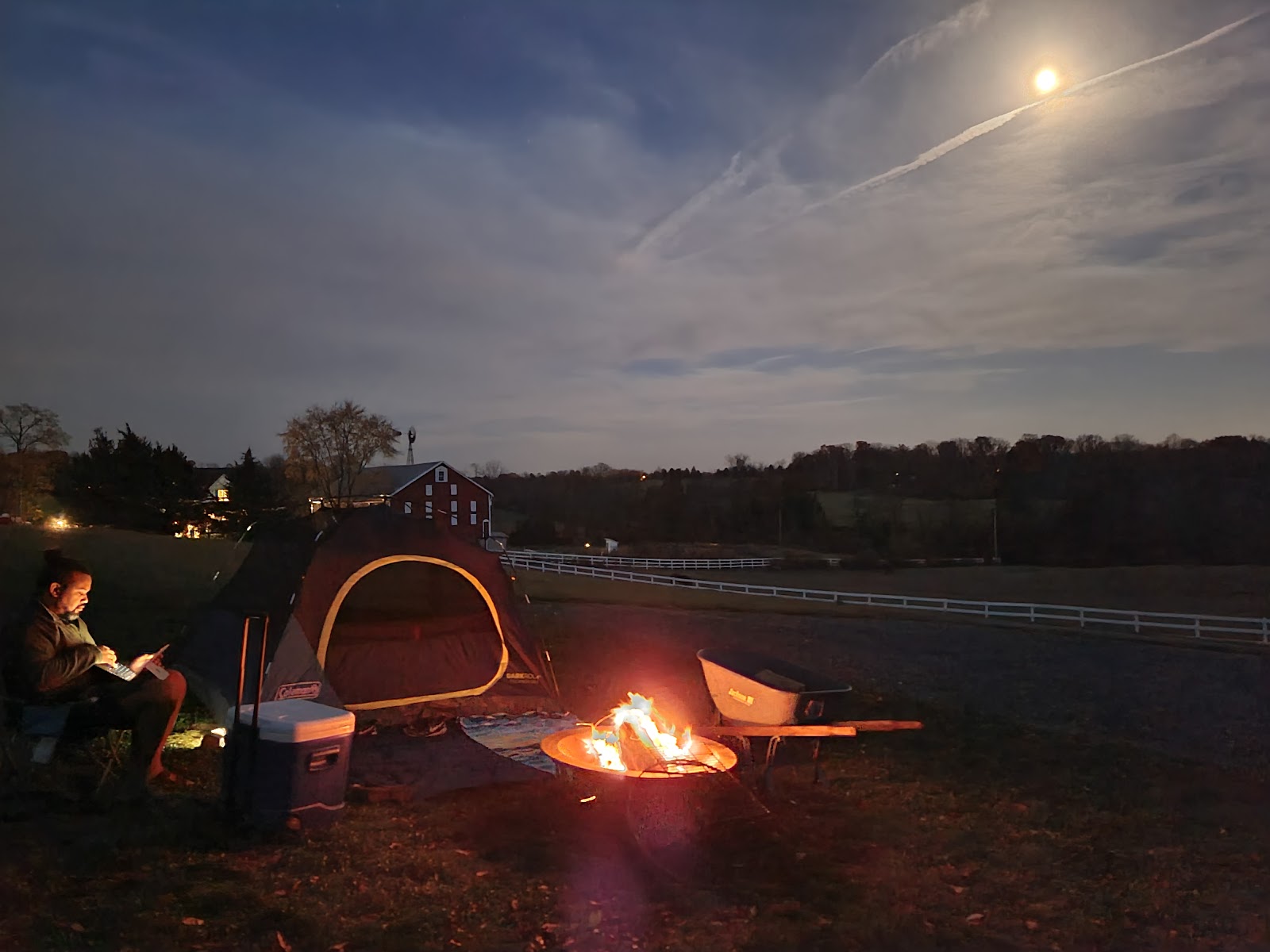
After dark the site’s position helps. The plains east of Denver have relatively little light pollution, and a farm on the edge looking away from the city has a genuinely dark sky in that direction — which means a thirty-second tripod exposure with a lit barn and stars above it is a real frame. The Milky Way is visible on a clear moonless night, and a date near a new moon is worth more than any equipment.
- Mountains in the morning; by afternoon the range is a flat grey wall
- Compress the Front Range with a long lens — a wide lens makes it a low band
- Never split a face between sun and shade; at altitude that is five stops
- A pale farm yard bounces strongly into a barn doorway — free uplight
- Establish how early the mountains take the sun; it is not the published time
The farm year, and the Front Range
What grows here decides what the ground looks like, and a Front Range farm is an irrigated operation in a dry climate.
This is not prairie and not mountain. The plains edge around Denver receives perhaps fifteen inches of precipitation a year, which is too little for reliable dryland cropping — so agriculture here depends on irrigation from ditches carrying mountain snowmelt, and the ditches themselves are the reason there are cottonwoods.
That gives a landscape of irrigated hay and pasture in green bands, with dry short-grass ground beyond the water’s reach, and a line of large cottonwoods marking every ditch. The contrast between irrigated green and unirrigated tan is visible and it is worth composing with rather than around.
Hay is the main crop and it is cut two or three times a season, which means the fields alternate between standing grass, mown stubble and round bales. Bales are a genuine photographic asset — large cylindrical forms casting strong shadows in low light, and unmistakably agricultural.
Standing hay at its full height in early summer is waist-high and translucent, which backlights beautifully: a low sun behind the crop lights the stems and seed heads from within, turning green to glowing gold. Front-lit, the same field is a flat green plane.
The cottonwoods are the only substantial trees and they matter disproportionately. Plains cottonwood is a large broad-crowned tree with leaves that rustle audibly, and it turns a clear yellow in October — which in a landscape of tan grass and grey-green sage is the region’s only real autumn colour.
It also gives the only genuine shade. Colorado’s altitude makes shade valuable rather than optional at midday, and a mature cottonwood along a ditch is the difference between a workable noon and none.
Ranking the year: late September into early October is the best window and for once it is not primarily about colour. The storm season has ended, the air reaches its clearest of the year, the heat has broken, the cottonwoods turn yellow, and the Front Range takes its first snow — which is what the morning mountain frame most wants.
A snow-capped range above a yellow cottonwood line above tan grass, under a deep blue Colorado sky, is the strongest thing this landscape produces.
Summer is long-lit and volatile. From July into August the Front Range produces afternoon thunderstorms almost daily: moisture moves north, the terrain forces it up, convection builds through the late morning and breaks in the early afternoon.
This is among the most hail-prone regions in North America and Front Range hail can be large enough to cause real damage, which for an outdoor farm venue means the covered alternative must genuinely exist rather than be listed. Lightning on open plains ground is a reason to go indoors immediately.
The compensation is that the half hour after a cell passes is the best light of the year — washed air at its absolute clearest, wet ground, a low sun under a broken ceiling, and frequently a rainbow over the plains to the east.
Winter is milder than the latitude suggests, because the altitude sun is intense and Chinook winds — warm downslope flows off the mountains — can lift temperatures thirty or forty degrees in hours. Snow falls and melts fast on south-facing ground.
It also has a specific advantage for the mountain frame: a December noon sun at twenty-six and a half degrees rakes the range’s eastern face all day rather than only in the morning, which extends that window from three hours to most of a short day. The peaks are at their most snow-covered, and the air is clear.
The costs are a nine-and-a-half-hour day, a twenty-seven-minute twilight and a mountain that takes the sun early — so the usable light is short and the last frames need to be known in advance.
Spring is the weakest season on the Front Range: the windiest time of year by a clear margin, with strong downslope gusts that will take any modifier on a stand, late heavy snows, and a landscape that is brown and dead before it greens. April and May are poor bets for an outdoor date here.
More frames from The Willow Creek Farm
The Willow Creek Farm wedding photography: common questions
When are the mountains front-lit?
Mornings. The Front Range’s eastern face is lit from sunrise until about midday and in its own shadow after, so mountain portraits happen before the ceremony.
What lens for the range?
A long one, from well back. The mountains fill a wide arc but rise at a modest angle, so a wide lens renders the wall as a low band across the top of the frame.
Why can't I split sun and shade?
Altitude. At five thousand three hundred feet shadows get almost no atmospheric fill, so the lit-to-shaded gap runs to five stops.
Where is the shade on a Front Range farm?
The buildings, the shelterbelt planted on the north and west of the homestead, and the cottonwoods along the irrigation ditches. Nothing else.
Does winter help the mountain frame?
Substantially. A December noon sun at twenty-six degrees rakes the eastern face all day, so the window extends from three hours to most of a short day.
What is the summer hazard?
Near-daily afternoon thunderstorms, among the most hail-prone conditions in North America, and lightning on open ground. The covered plan must be real.
More Colorado venue guides
We are writing a photographer’s guide to every venue we would happily shoot in Colorado. Here are three more, plus the full index:
- The Argo Gold Mill, Idaho Springs: What It Suits, and What It Does Not
- Bella Collina, Monument: The Problem, and Four Ways Out
- The Boettcher Mansion, Golden: The Problem, and Four Ways Out
Planning a wedding at The Willow Creek Farm?
Flat plains east, a mountain wall west. Tell us your date.