 Roxy’s Downtown: Photographing a Small Stage Room
The Haury Farm, Newton: The Light Through the Day
Open ground, a low horizon, and a day with sharply defined halves.
On open farmland the day divides more sharply than at any built venue, because there is nothing to soften the transitions.
A site with walls, arcades or heavy tree cover carries its own condition regardless of the sun — a deep porch is much the same at noon as at four. Open ground has no buffer at all: the light is whatever the sun is doing, and it changes continuously and completely.
That makes an hour-by-hour understanding more useful here than any single technique, and it makes the schedule the most consequential decision of the day.
The setting is central Kansas wheat country around Newton, a town founded on the cattle trade and then settled heavily by Mennonite families who emigrated from the Russian Empire in the 1870s. They brought Turkey Red hard winter wheat with them, a variety adapted to cold dry continental steppe, and it made this state the wheat state within a generation. The surnames of that migration — Haury among them — are still the surnames of the county.
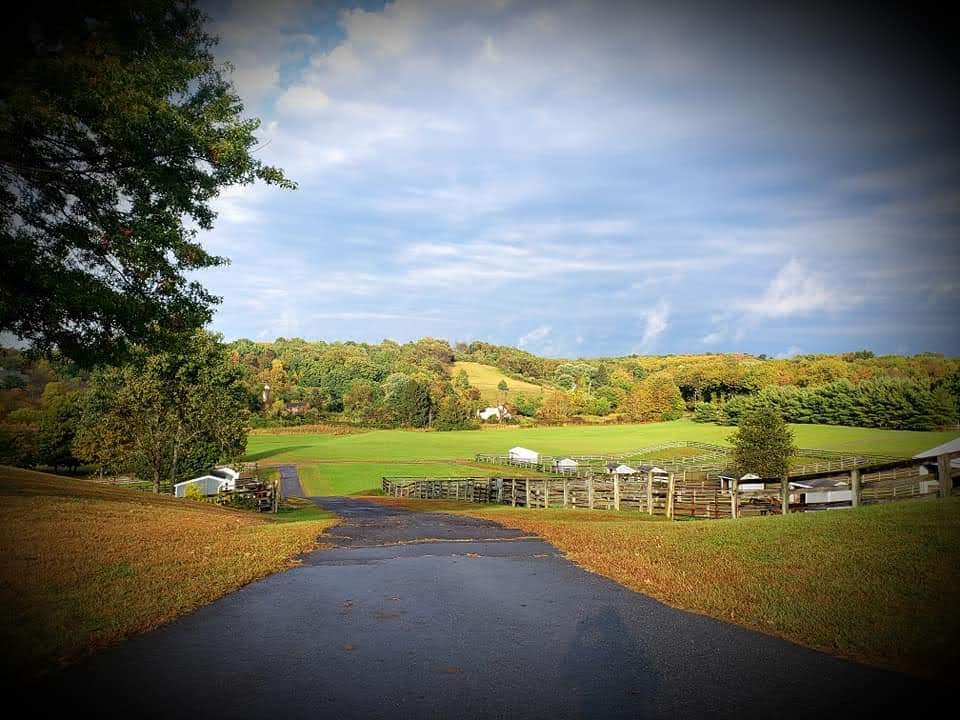
The land is flat to very gently rolling, which has three photographic consequences that recur through the day. The horizon is low, so the sky is most of any wide frame. Sightlines are long, so weather is visible from a great distance. And there is nothing to cast a shadow except what someone built or planted.
Newton sits at about thirty-eight degrees north at roughly fourteen hundred and fifty feet. The June noon sun reaches around seventy-five degrees, the December noon sun about twenty-eight and a half, days run from about nine hours forty to fourteen hours forty-five, and civil twilight is roughly twenty-nine minutes — relatively short.
What follows is the day in order. We have not photographed a wedding here; which buildings and fields are available, what will be growing on your date and the permitted hours are questions for the family.
The Haury Farm at a glance
| Where | A farm on open ground near Newton, Harvey County, Kansas |
| Why it matters | Open ground has no buffer — the light is whatever the sun is doing |
| The terrain | Flat to gently rolling: a low horizon, long sightlines, no natural shadow |
| The history | Mennonite settlement of the 1870s, and the wheat they brought with them |
| Ask first | What will be growing, which buildings are available, permitted hours |
Dawn to midday
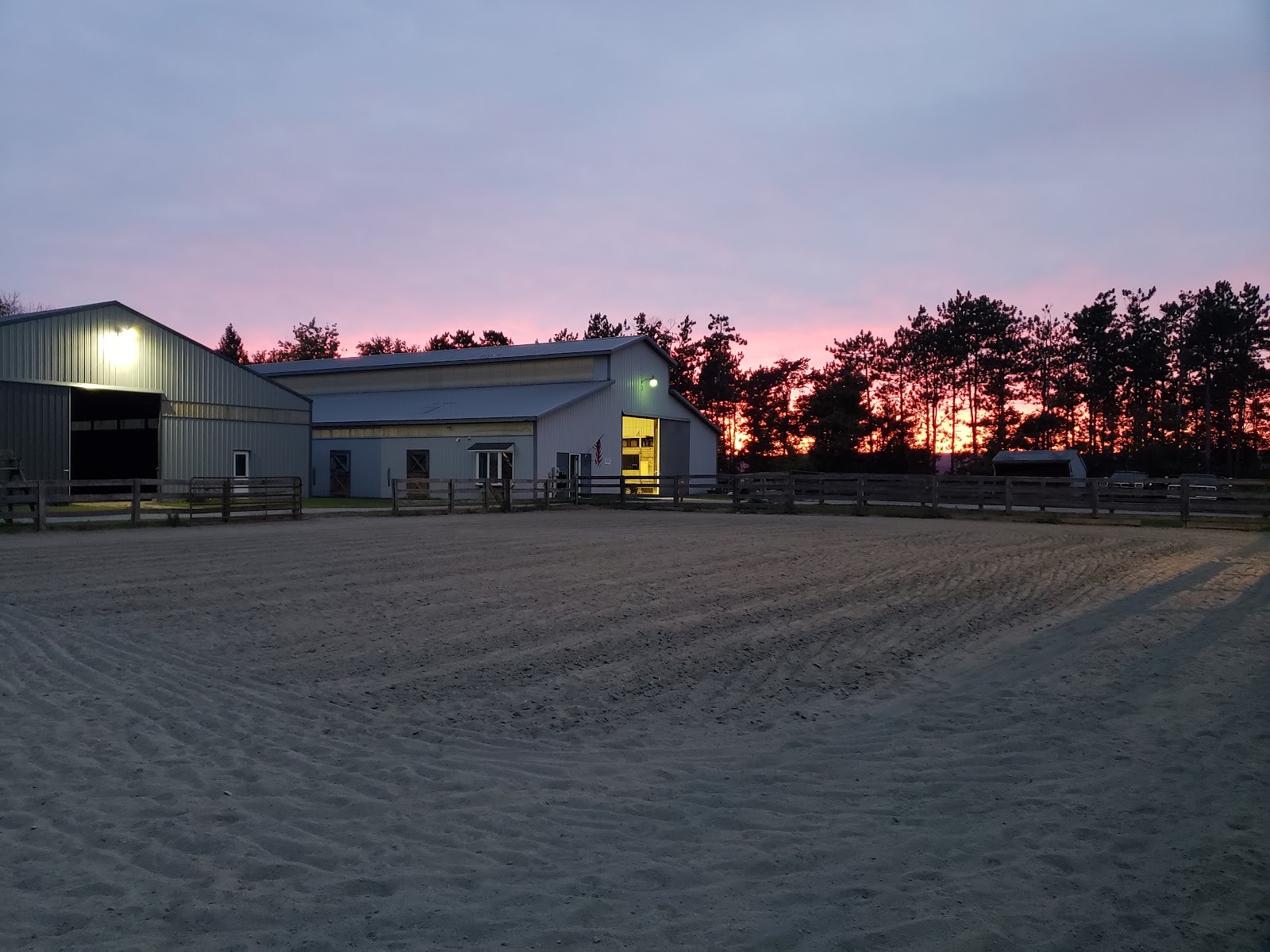
The first hour is the best light of the day on open ground, and it is the one nobody uses.
With the sun below ten degrees the beam travels almost horizontally, which on flat land means it rakes across the entire surface — every furrow, every crop row, every fence line throws a long shadow, and a landscape that reads as featureless at noon acquires texture everywhere.
It is also the calmest hour. Overnight the ground cools and the air above it stabilises, so wind is at its daily minimum at dawn and builds through the morning. On a site where wind is the constant, that matters a great deal: the frames that need still air — a veil hanging, a table setting, a slow shutter — belong in the first two hours and nowhere else.
For portraits the low sun models from the side with a warm cast, and the answer to the shadow side is either a reflector or simply turning them until the ratio suits. Nothing else is needed.
The one genuine dawn subject on Plains farmland is ground fog. On a clear calm morning after a warm damp day, cool air settles into the low ground and shallow fog forms in the fields — thin, waist-deep, and burning off within an hour of sunrise. A couple standing in it with a low sun behind them is the frame of a lifetime and it is entirely unplannable.
Through mid-morning the sun climbs fast at this latitude and the light hardens. By nine or ten the raking has gone, the shadows have shortened, and the landscape flattens progressively. The wind has usually begun.
This is the hour for the buildings rather than the fields. A barn doorway, a machine shed opening, the shaded side of a grain bin — each of those is a large soft source with a hard mask, and depth back from the opening controls the ratio exactly as a porch does. At the edge the light is flat; two metres in it has real direction and a good ratio; four metres in the exterior has fallen four stops.
The sunlit ground outside does the fill, and on a farm that ground is usually pale — dirt, gravel or concrete — which makes it an efficient low reflector. A subject in a shed opening is lit from above by the sky and from below by the yard, which opens the eye sockets without any equipment.
By the middle of the day the site is at its worst and it is worth being honest about that. At seventy-five degrees of sun elevation with no overhead cover anywhere, an uncovered face has shadowed sockets, a bright forehead and a hard nose shadow. Kansas humidity mitigates it — water vapour scatters light and fills shadows, so contrast runs perhaps a stop and a half below a dry climate at the same angle — but it does not fix it.
There are three answers and no fourth. The buildings, which is the reliable one. The shelterbelt, if there is one: prairie farms were routinely planted with windbreak rows of cedar, hackberry, elm or Osage orange on the north and west of the homestead, and those are usually the only substantial trees for a considerable distance, giving dense shade at their base and a dark background.
Or a carried diffuser held overhead, which on open ground is often the only option and which needs a second pair of hands and a braced grip, because a diffuser in Kansas wind is a sail.
Midday does have one genuine use, and it is the overhead frame. Crop rows, furrows and a farmyard’s geometry photographed from directly above — a ladder, a raised bed, a drone — read as pure pattern at noon, because a vertical sun eliminates the shadows that would confuse the lines. It is the one hour the ground is best photographed as an abstraction.
Afternoon to dark
The afternoon is windier than the morning and better lit than the middle, and it improves continuously from about three o’clock.
The wind is the defining afternoon condition. Kansas is among the windiest states, with average speeds well into double figures, and on open farmland there is nothing to interrupt them — so an afternoon breeze building through the day is the normal state rather than an event.
Practically that means a five-hundredth of a second for anything with hair or fabric in it, no modifier on an unweighted stand at any point, and a plan for a veil that will be moving. Read the wind direction before positioning: blowing toward the camera a veil obscures faces, across it reads as a shape, away from the camera it extends into the frame. Only one of those is wanted, and rotating the couple ninety degrees is the entire fix.
It also means the crop is moving, and that is an opportunity rather than a problem. A mature field — wheat in June, or any tall grass — moves as travelling waves, and at a thirtieth of a second on a tripod that blurs into flowing bands while a still subject stays sharp. That frame is the one open farmland makes better than anywhere, and it needs a briefed couple and several attempts.
From about three o’clock the light improves steadily as the sun descends. Below thirty degrees the shadows lengthen again, the ground regains texture, and the beam warms as it travels a longer air path.
The last ninety minutes are the best working light of the day and there are three frames to know. Backlit across the field, with the sun low behind the crop, which lights translucent heads and stems from within and turns a flat surface into something glowing. Front-lit, which gives warm modelled faces with the farm behind them. And the silhouette against a sky that on the Plains is genuinely exceptional.
Backlighting needs one decision in advance: whether the sun is in the frame or just outside it. Inside, it flares and contrast collapses, which can be beautiful and needs a clean front element. Blocked behind a building, a tree or a grain bin, it gives the rim without the flare — the safer and usually better frame.
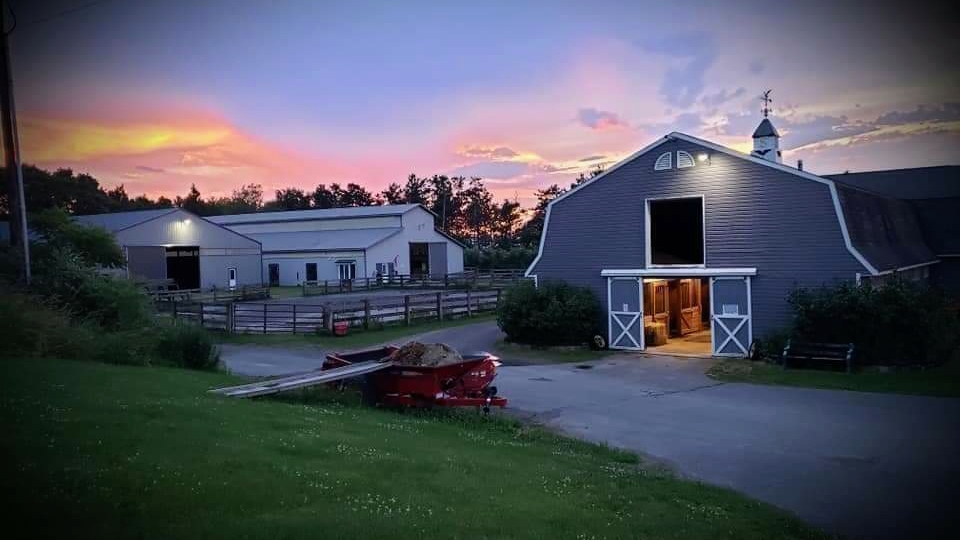
Then the dusk, which is short. Civil twilight here runs about twenty-nine minutes and the fall-off is reasonably quick, so two or three planned setups fit into it and improvisation does not. Knowing the frames in advance and walking to the first before the light arrives is the difference between getting them and getting one.
What the Plains give in exchange is the colour and the extent. Dust and agricultural haze scatter long wavelengths efficiently, which makes a clear sunset here unusually saturated — and because the horizon is unbroken, the colour spreads across the entire western sky rather than being confined to a gap. A low camera with the couple silhouetted against that needs nothing else.
After dark the site’s remoteness becomes an asset. Rural central Kansas has genuinely little light pollution, which means a dark sky with stars in a thirty-second exposure and a lit farm building beneath it is a real frame rather than an aspiration. Whether the Milky Way is available depends on season and moon: the galactic core is up from roughly March to October, and a full moon erases it entirely, so a date near a new moon is worth more than any equipment.
The weather is the last thing that governs the day, and on the Plains it is visible coming. Long sightlines mean a front can be watched approaching for half an hour, which is both a photographic advantage — a shelf cloud advancing over flat ground is among the most dramatic material in this library — and a serious safety matter.
From April into June this is Great Plains storm season, this is tornado country, and an open field has no shelter at all. A wedding in that window needs a genuine shelter plan and someone watching radar, and no photograph justifies staying out.
- Dawn is the calmest hour and the best light — wind builds all morning
- Two metres into a shed opening is the reliable midday portrait
- Rotate the couple so the wind carries the veil across or away
- Block the low sun behind a building for a rim without the flare
- Twenty-nine minutes of twilight: know the frames before the light arrives
What is in the fields, and when
The crop decides what the ground looks like, and on a wheat farm that follows a calendar worth knowing in detail.
Hard winter wheat is drilled in September or October, germinates, and passes the winter as a low green mat. It resumes growth in March, joints and heads through May, turns from green to gold in June, and is cut in late June or early July.
That gives four distinct landscapes on the same field across a year, and they photograph completely differently.
Gold standing wheat in June is the one to plan for. Waist to chest high, uniform, and translucent — a low sun behind it lights the whole field from within, and a couple standing in it is enclosed to the waist, which solves the emptiness that open country otherwise creates. From a low camera with heads at the lens, the frame has genuine depth.
The window is narrow and it moves. Wheat turns over perhaps two weeks in late May and June and is cut as soon as it is dry enough, so a date chosen for gold wheat is a gamble of a week or two either way — and a wet spring or an early harvest shifts it. Ask, close to the date, rather than assuming.
Stubble, from July until autumn tillage, is a low straw-coloured surface with cut stalks. It reads as texture rather than as landscape, which is a perfectly good background and a very different one — and it takes raking light well, since every stalk casts a shadow.
Spring green is the least photogenic of the four, because a green wheat field is even and flat with no texture at any hour. March to May frames belong against the buildings, the shelterbelt or the sky rather than the crop.
And autumn gives either bare tilled ground — dark, furrowed, strongly textured and genuinely good in low raking light — or newly drilled wheat as fine green rows on dark soil, which from a low camera is a graphic pattern worth using.
One matter of courtesy that is also practical: standing wheat is income, and walking into it flattens what will not stand back up. Frames inside a crop need permission and a route, usually along a drill line or a field edge, and asking first is not optional.
The native prairie is the other ground type worth knowing, because unploughed corners and roadsides still carry it. Tallgrass species — big bluestem, Indian grass, little bluestem — reach six to eight feet by late summer and then turn copper, bronze and russet through October.
That colour holds, which is the prairie’s under-appreciated advantage over trees: dead grass stands all winter until it burns, so a January frame has the same warm ground tone as a November one. This landscape has warm colour for five months rather than two weeks.
Ranking the year: mid-June is the best fortnight if the wheat is standing, and that is the strongest reason to choose a farm venue here. Late September into October is the best reliable window — storm season over, heat broken, the clearest air of the year, prairie grass turning, and newly drilled rows on dark soil. May and early June give green and genuine storm risk. Midsummer after harvest is hot, humid and difficult at midday. Winter gives a nine-hour day, real wind, a low green wheat mat and standing copper grass, with excellent low light and nothing to obstruct it.
And one condition no forecast mentions: the Flint Hills to the east are maintained by controlled burning in March and April, and on burn days the smoke drifts, flattening distance and turning the sun orange. Worth asking a local about if the date falls then.
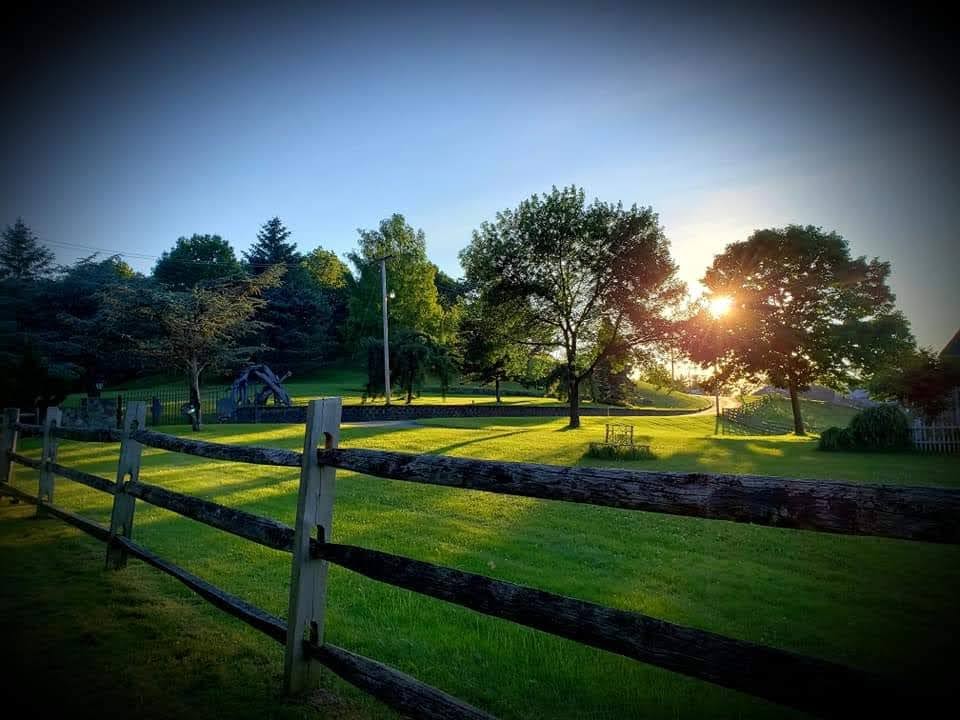
More frames from The Haury Farm
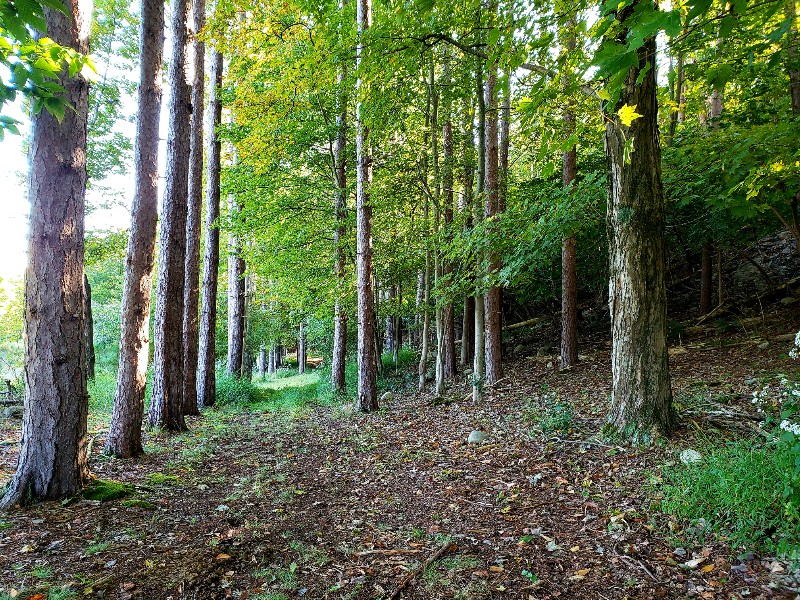
The Haury Farm wedding photography: common questions
Why does an hour-by-hour approach matter here?
Open ground has no buffer. A porch or a wood carries its own condition all day; on farmland the light is purely whatever the sun is doing.
Which is the best hour?
The first. The beam rakes across flat ground giving texture everywhere, and it is the calmest hour of the day before the wind builds.
What do I do at midday?
The buildings — two metres into a shed opening, with the pale yard filling from below. Or the shelterbelt, or a carried diffuser with a braced assistant.
When is the wheat gold?
Late May through June, cut from mid-June to early July. It is a narrow window that moves with the season, so ask close to the date.
What is the best wind frame?
A thirtieth of a second on a tripod with the crop blurring into flowing bands and the couple standing still.
Does the prairie colour last?
Five months. Dead grass stands all winter until it burns, so January has the same copper ground tone as November.
More Kansas venue guides
We are writing a photographer’s guide to every venue we would happily shoot in Kansas. Here are three more, plus the full index:
- The Historic Elmdale Church, Elmdale: The Venue’s Own Logic
- The Lake Afton Observatory, Goddard: One Frame, and How It Is Made
- The Prairie Rose Chuckwagon Supper, Benton: What It Suits, and What It Does Not
Planning a wedding at The Haury Farm?
Open ground, and a day that changes completely. Tell us your date.