 Roxy’s Downtown: Photographing a Small Stage Room
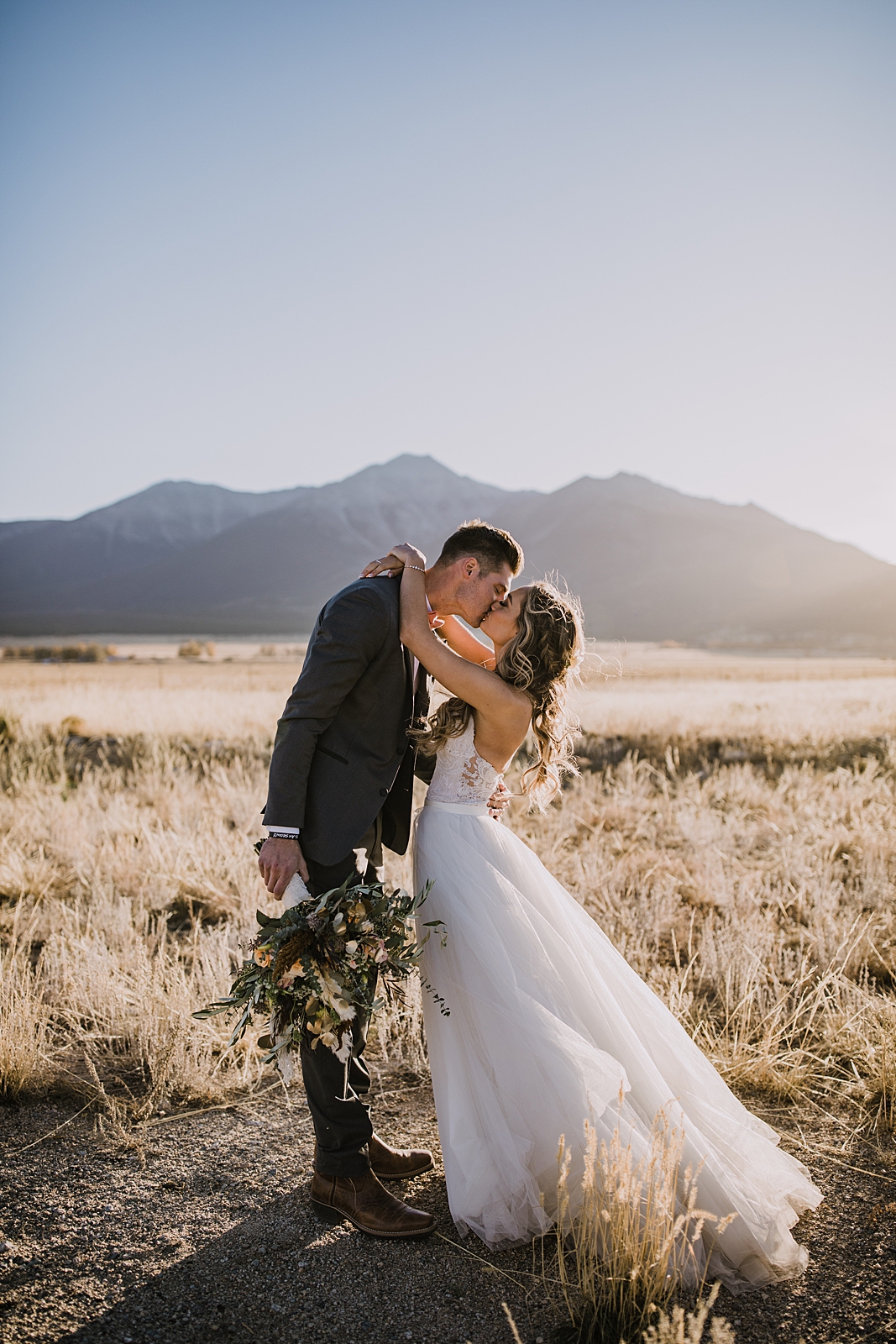
The Barn at the Ranch, Goddard: Field Notes
One enormous volume, one bright end, and a very steep gradient between.
A barn is a single large volume with an opening at one end, and almost every photographic problem in one follows from that geometry.
Optically the structure is a very big soft source with a hard mask. Light enters through the open end, spreads across the floor and the near walls, bounces, and falls off with depth — which produces a gradient running the length of the building, from blazing at the threshold to near-black at the back.
That gradient is the barn’s defining feature and it is steeper than people expect. Three metres in from a large opening is a good portrait ratio. Eight metres in is dramatic. Fifteen metres in a subject is nearly unlit with a blinding rectangle behind them.
In Kansas the gradient is steeper still, for two reasons. The exterior is very bright, because open plains ground reflects a great deal of light back up into the sky and there is nothing to shade the yard. And barn interiors are usually unpainted timber, which absorbs rather than reflects — so once the direct light has fallen off, nothing bounces it back.
That gives four problems. The interior range is extreme. Bounce is largely unavailable, because bare timber returns very little. The roof volume is high and dark, which means flash aimed upward is wasted. And the structure is full of posts and beams that will grow out of heads if not watched.
The compensations are what make barns popular and they are real. A large clear-span volume holds a big wedding under cover with no marquee. The timber is warm-toned and textured. And the doorway is one of the most reliable portrait positions in this entire library.
Goddard sits at about thirty-seven and three-quarter degrees north at roughly fourteen hundred and fifty feet, west of Wichita. The June noon sun reaches around seventy-five and a half degrees, the December noon sun about twenty-nine, days run from about nine hours forty to fourteen hours forty, and civil twilight is roughly twenty-eight minutes.
What follows is four problems and what solves each. We have not photographed a wedding here; the door orientation, what lighting is installed and the permitted hours are questions for their team — and the first one decides half of this guide.
The Barn at the Ranch at a glance
| Where | A barn venue on open ground near Goddard, west of Wichita |
| The geometry | A large volume with one open end, and a steep light gradient along its length |
| Problem one | Extreme interior range — blazing threshold to near-black back wall |
| Problem two | Bare timber absorbs, so bounce is largely unavailable |
| Ask first | Which way the main opening faces, and what lighting is installed |
Problems one and two: the gradient, and nothing to bounce off
Work the gradient by depth, because depth is the only control the geometry offers and it is a complete one.
At the threshold the light is bright and nearly frontal, the ratio is low, and the result is flat. A metre or two in it acquires direction and opens to something around three to one — which is close to ideal for a face and is the position to default to. Four or five metres in the ratio is dramatic and the exterior has fallen four stops or more.
The deepest position is the barn’s best frame and it should be shot deliberately rather than stumbled into. From well inside, with the opening behind the subject, there are two choices: expose for the subject and let the doorway blow to white, which reads as a bright figure in a dark volume; or expose for the opening and let them silhouette, which against a bright Kansas yard is very clean.
The doorway portrait is the reliable one and the one to build the day around. A subject standing a metre inside a large opening is lit by a source the size of the door — soft, directional, wrapping — and in this region there is a specific bonus: the yard outside is pale dirt, gravel or concrete, and it throws a substantial warm bounce up under the chin.
That uplight is stronger here than in a green landscape, where grass absorbs and tints. Pale open ground is an efficient low reflector, and it opens the eye sockets for free.
Which way the opening faces decides the hours, and it is the thing to establish before planning anything. A north-facing door gives soft consistent light all day, which is the easiest condition and the most reliable. A south-facing one gives hard direct sun in a shaped patch that travels across the floor — dramatic, difficult, and worth working deliberately. East or west gives one strong raking hour.
A direct sun patch on a barn floor is among the better frames in the building type. The beam lands as a defined shape on timber or concrete, and a subject standing in it is brightly lit against a dark interior — a four or five stop frame that reads as theatrical. Expose for the subject in the patch and let everything else go.
The second problem is that bounce is largely unavailable. Unpainted weathered timber reflects perhaps fifteen or twenty percent of what falls on it, and a dark stained interior less — so a flash aimed at a wall or the roof returns very little, and the attempt costs a stop and a half of output for nothing.
So the working method is direct light through a modifier: one source at about forty-five degrees through a softbox or umbrella, plus a rim from behind at about a stop over the key.
The rim matters more in a barn than almost anywhere. A subject lit only from the front against a dark timber background loses their edges entirely, and a rim restores the separation that a pale room would provide for free.
Where a barn has been painted white inside — and some are — bounce returns and everything gets easier. That is worth checking rather than assuming, because it changes the whole lighting plan.
Gel warm. Timber is a warm surface, installed barn lighting is almost always warm tungsten or warm LED, and a daylight-balanced flash against that puts a blue-white face in a golden building. A quarter to a half warm gel with a correspondingly warm white balance keeps faces in the same world as the room.
Problems three and four: the roof, and the posts
The third problem is the roof volume, which is high, dark and photographically both a trap and an asset.
The trap is that it swallows light. A barn roof at eight or ten metres in unpainted timber returns essentially nothing, so aiming a flash upward is wasted output. Anyone accustomed to bouncing off a domestic ceiling will find their exposures two stops short and will not immediately know why.
The asset is that the structure is worth photographing. Timber trusses, purlins, collar ties and rafters form a strong repetitive pattern, and a wide lens from low on the building’s centre line renders them converging toward the far end — which is the frame that says what kind of building this is, and which needs nothing but a position and a level camera.
That frame rewards precision about the centre line. On axis the trusses render symmetrically and the eye reads it as deliberate; half a metre off and it becomes a casual diagonal. Both work; choosing is the point.
If the barn has a hayloft, a mow floor or any upper level, that is the most valuable thing in it. Height is what a photographer most often lacks, and shooting down from a loft edge onto a group below gives separation, shows the floor geometry and includes the roof structure at once. Ask whether the upper level is accessible, because a locked loft removes the building’s best wide angle.
Gaps in the cladding are the fourth light source and they are easy to overlook. Weathered board-and-batten or vertical siding often has gaps between boards, and on a sunny day those admit thin vertical lines of light across the interior — visible as shafts if there is any dust in the air, which in a barn there invariably is.
A subject standing where those lines fall is striped, which is unusable on a face. A subject standing just clear of them, with the lines crossing the space behind, is in a frame with genuine atmosphere. The difference is half a metre.
The fourth problem is the structure at floor level. A timber barn has posts on a regular bay spacing, and there is a post near almost anywhere a photographer wants to stand and behind almost any head.
The nuisance version is a post growing out of someone’s skull or bisecting a group, and the fix is a few inches of camera movement — checking the background for verticals before the frame rather than after is the whole discipline.
The useful version is that a regular bay spacing is a perspective engine. A camera low on a line of posts with a moderate telephoto compresses them into a receding rhythm, and a couple placed several bays down that line is one of the strongest pictures a barn makes. A wide lens spreads the posts and loses the repetition that made it worth doing.
One practical note about floors. Barn floors are concrete, timber or compacted earth, often uneven and sometimes splintered at the edges — which matters for anyone in a long dress and is worth mentioning rather than discovering.
- A metre inside the main opening is the most reliable portrait in the building
- Pale Kansas yard throws warm uplight into the doorway — free fill
- Do not aim flash at a bare timber roof; it returns nothing
- Direct through a modifier, plus a rim, because the background is dark
- Check for a post behind every head before the frame, not after
Outside, and the year
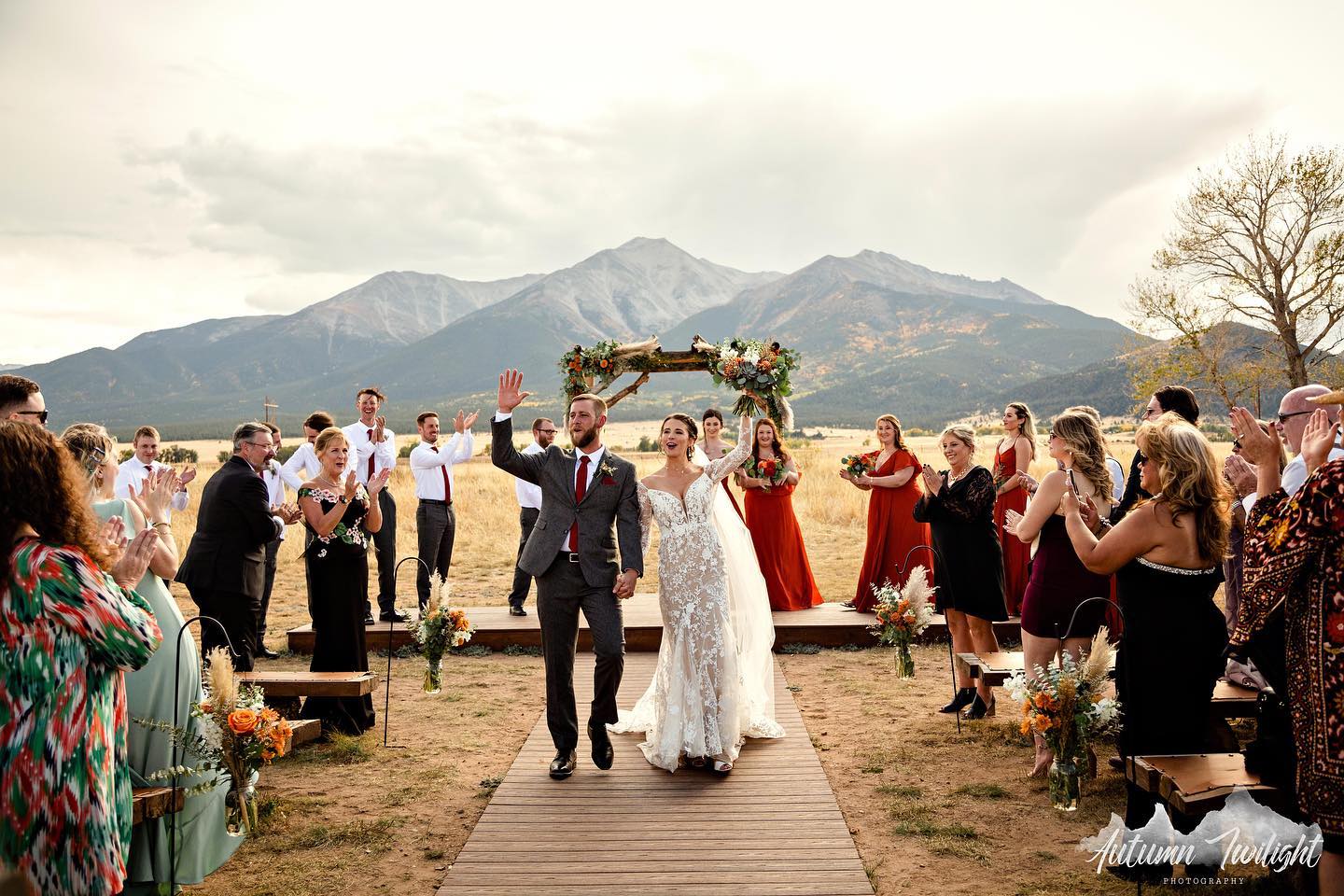
The barn is a shelter on open plains ground, and the outdoor half of the day is governed by the conditions that come with that.
There is very little natural shade. Away from the buildings and any planted shelterbelt, open Kansas farmland offers nothing overhead — so the buildings themselves, a windbreak row, or a carried diffuser are the options, and the buildings are the reliable one.
Prairie farms were routinely planted with shelterbelts on the north and west sides of a homestead — cedar, hackberry, elm or Osage orange — and those rows are usually the only substantial trees for a considerable distance. They give dense shade at their base and a dark background, and finding one on arrival is five minutes well spent.
The wind is the constant. Kansas is among the windiest states, with average speeds well into double figures and very little on open farmland to interrupt them — which means a breeze is the default state of the air rather than an event.
Practically: never put a modifier on an unweighted stand; hand-held with a braced assistant is the only reliable method; and a five-hundredth of a second is the default for anything with hair or fabric in it. A veil will be moving, and the fix is positional — read the direction and rotate the couple so it carries across or away rather than toward the camera.
The wind has one real advantage inside a barn, which is worth knowing: a large opening at each end gives genuine cross-ventilation, which makes a barn substantially more comfortable in a Kansas July than a sealed building without air conditioning. That is a comfort matter rather than a photographic one and it affects how long people stay outdoors.
The sky is half of any wide frame on flat ground with a low horizon, and Kansas produces sky worth that proportion. From April into June the Great Plains generate supercell thunderstorms, with shelf clouds advancing as walls and towering convection visible in its entirety because nothing obstructs the view.
A barn under storm structure is among the most dramatic frames available anywhere. It is also the point at which the safety line applies: this is tornado country, and a barn is shelter of a sort but open ground beside it is not. A wedding in storm season needs a genuine plan and someone watching radar.
Outside storm season a clear plains sunset is unusually saturated, because dust and agricultural haze scatter long wavelengths efficiently — and with an unbroken horizon the colour spreads across the whole western sky rather than being confined to a gap between trees.
Civil twilight here runs about twenty-eight minutes, which is among the shorter figures in this library, so the end of the day needs its two or three frames known in advance.
The best of those is the barn itself, lit from within, photographed from outside fifteen minutes after sunset. Warm light spilling from a large opening against a deep blue sky, with the building dark and the plains flat around it, is the frame the venue was built to produce — and it is the only condition in which a barn’s interior lighting reads from outside.
As to the year: late September into October is the best window. Storm season has passed, the heat has broken, the air is at its clearest, and the native prairie grasses on unploughed ground turn copper and bronze — a colour that then holds all winter, because dead grass stands until it burns in spring.
May and early June give green ground and genuine severe weather risk. Midsummer is hot and humid with a difficult midday sun at seventy-five degrees, though the barn’s cross-ventilation and deep shade make it more workable than an open site. And winter gives a nine-hour day, real wind, copper standing grass and excellent low raking light across flat ground — with the barn as a warm interior that needs no daylight at all.
That last point is the barn’s honest strength. Its best frames — the doorway, the deep interior, the trusses, the lit exterior at dusk — are available in any weather and any season, which makes it a far more reliable choice in this climate than any outdoor space on the same property.
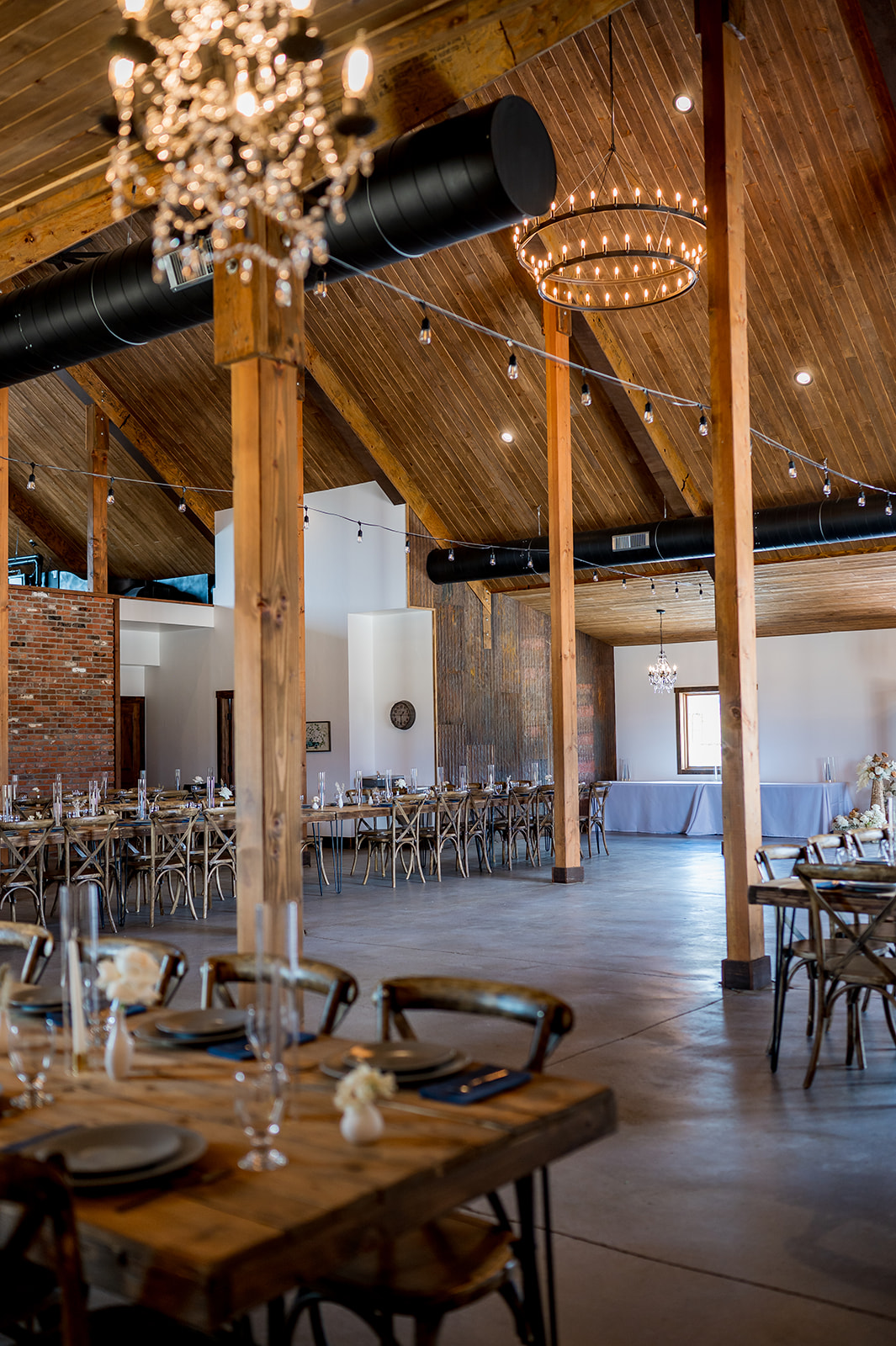
More frames from The Barn at the Ranch
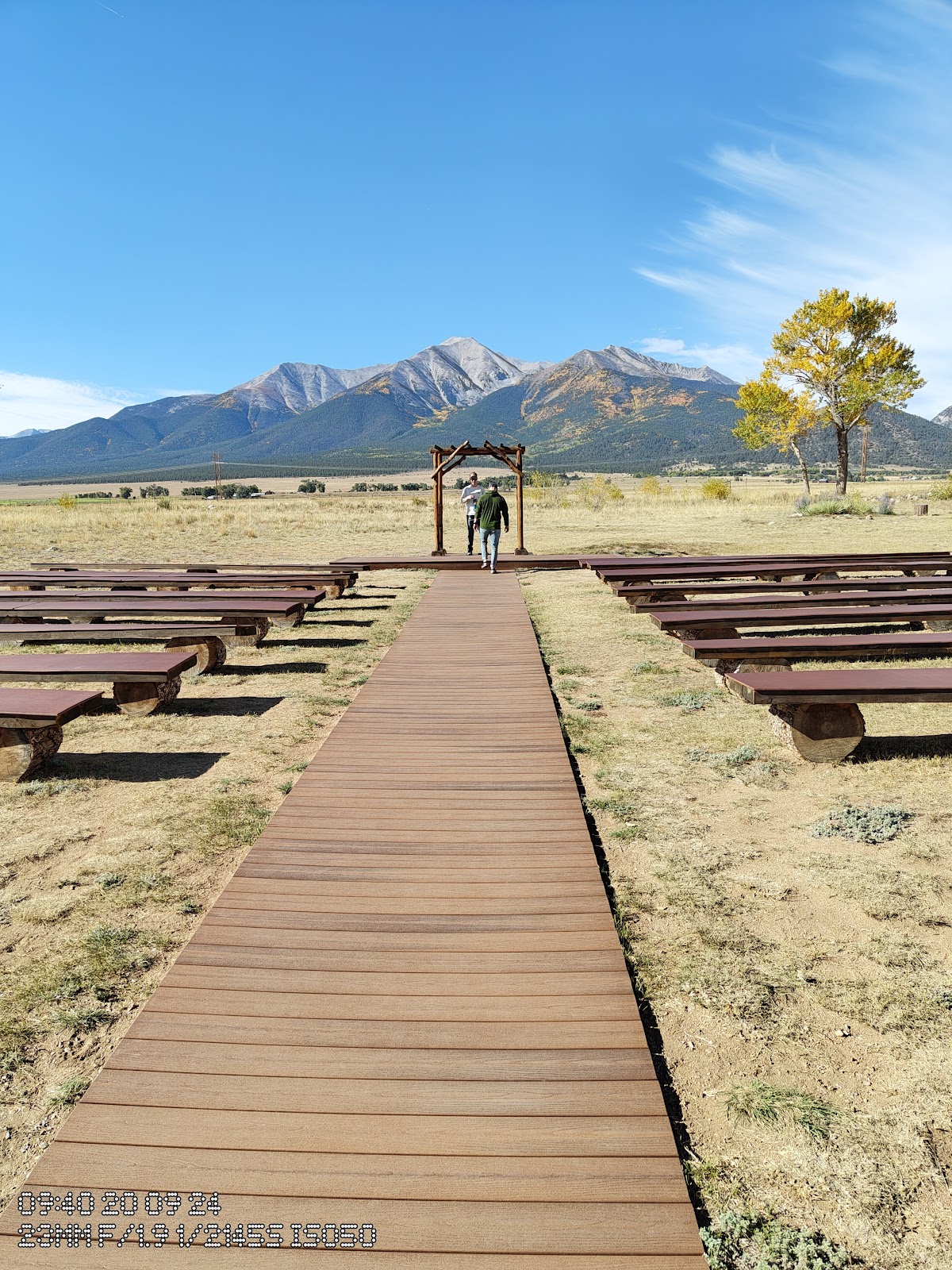
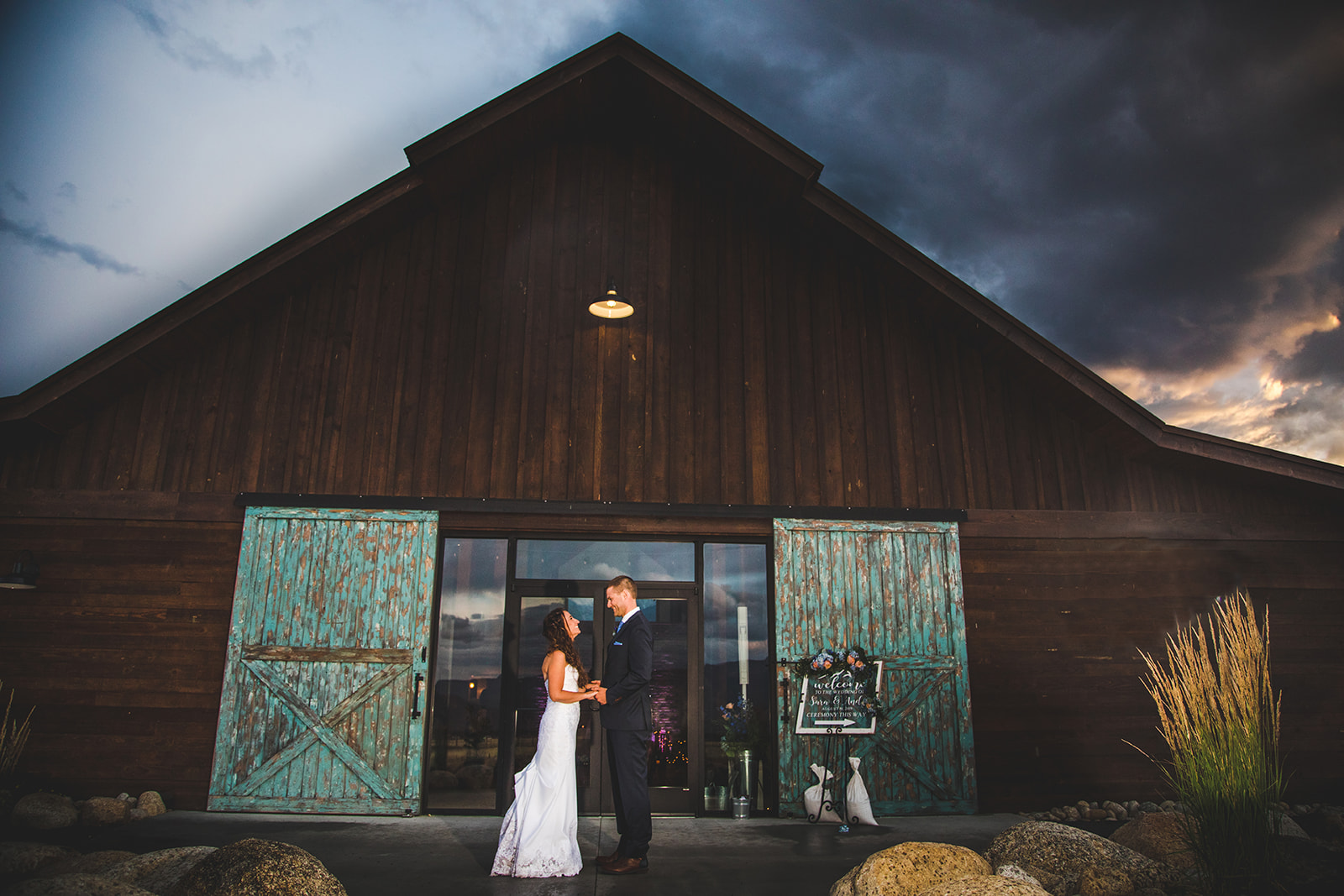
The Barn at the Ranch wedding photography: common questions
What is the most reliable frame in a barn?
A metre inside the main opening. The subject is lit by a source the size of the door, and the pale Kansas yard throws warm fill up from below.
Why can't I bounce off the roof?
Unpainted weathered timber returns perhaps fifteen or twenty percent, and at eight or ten metres the inverse-square law takes the rest. It is wasted output.
What should I ask before the day?
Which way the main opening faces. North gives soft light all day; south gives a hard travelling sun patch; east or west gives one strong hour.
What do I do about the posts?
Check for one behind every head before the frame. Then use them — a low camera along a line of posts with a telephoto gives real depth.
Is the hayloft worth asking about?
Yes. Height is what a photographer most often lacks, and shooting down from a loft edge gives separation, floor geometry and roof structure in one frame.
What is the best exterior frame?
The barn lit from within, from outside, fifteen minutes after sunset. It is the only condition in which the interior lighting reads from outside.
More Kansas venue guides
We are writing a photographer’s guide to every venue we would happily shoot in Kansas. Here are three more, plus the full index:
- The Chase County Courthouse: A Walk Through the Building
- The Haury Farm, Newton: The Light Through the Day
- The Historic Elmdale Church, Elmdale: The Venue’s Own Logic
Planning a wedding at The Barn at the Ranch?
A timber volume with one very good door. Tell us your date.