 The Blue Ball Barn, Wilmington: A Walk Through a Converted Barn
South Coastal Library, Bethany Beach: The One Decision That Governs Everything
Books in the frame or out of it. There is no useful middle.
A library is an unusual wedding venue and it presents one decision that settles everything: are the books in the frame or not?
It is a sharper question than it looks. A wall of books is a very strong visual field — dense, regular, high-contrast, full of small text and colour — and the eye reads it as content rather than as texture. That means a frame containing bookshelves is partly about them, and it is not a neutral background in the way a plain wall is.
Two approaches work and one does not.
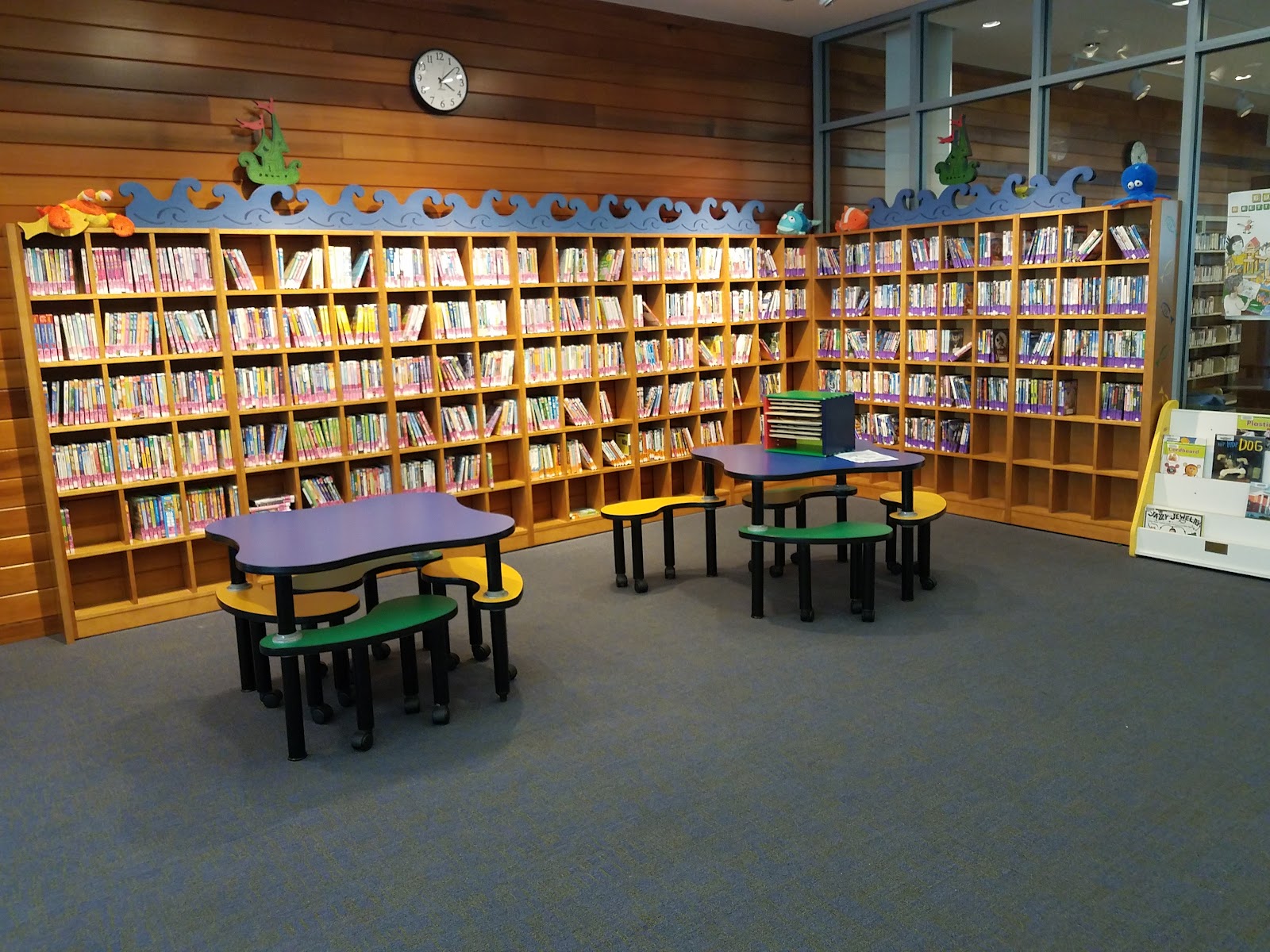
Books in: the frame is built around them. Subjects placed in a stack aisle, against a full shelf run, at a reading table with volumes on it, or framed by a gap between cases. That is a photograph about a library, and it is a distinctive and rather good one — the regular rhythm of shelves and spines is a genuinely strong compositional structure, and the association is warm.
Books out: the frame excludes them entirely. A subject against a plain wall, in a doorway, at a window, in a stairwell, or outside — with nothing bibliographic in shot. That is a photograph about the people, and it could be anywhere, which is the point: a set made entirely of library frames is a novelty and half of any good set should not be about the venue at all.
The failure is the accidental middle: a portrait with a partly visible shelf end, a run of spines out of focus at the frame edge, and a signage board behind somebody’s shoulder. That frame is about nothing.
The second thing to establish is what the light is, because a modern public building has a specific and consistent lighting character that is quite unlike any other venue type in this guide. It is dealt with below.
Bethany Beach sits at about thirty-eight and a half degrees north, a short distance from the Atlantic. The June noon sun reaches around seventy-five degrees, the December noon sun about twenty-eight, days run from about nine hours thirty to fourteen hours fifty, and civil twilight is around twenty-nine minutes.
We have not photographed a wedding at this library. Whether events are held there at all, which spaces are available, what group sizes are possible and what the hours allow are questions for their team — and at a public building the answers are likely to be specific and firm.
South Coastal Library at a glance
| Where | A public library a short distance from the Atlantic shore at Bethany Beach |
| The decision | Books in the frame or out of it, chosen for every setup |
| Books in | Stack aisles and shelf runs — a strong rhythm and a distinctive frame |
| Books out | Plain walls, windows, doorways, outside — about the people, not the venue |
| Ask first | Whether events are held, available spaces, group limits, hours |
Working the decision
Books in, the shelves are the composition and they work three ways.
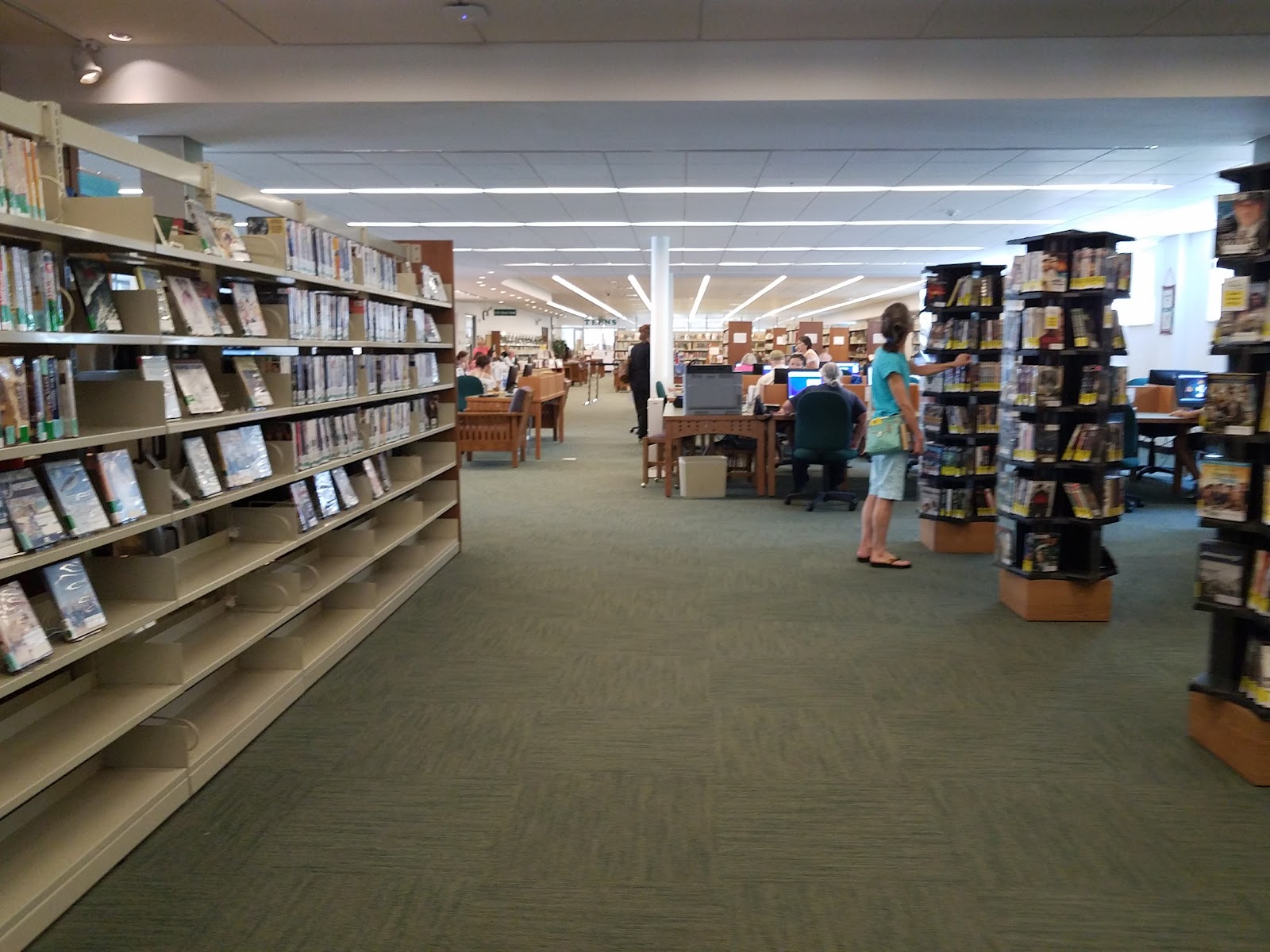
Down an aisle: a stack aisle is a corridor with dense walls, which gives perspective, a strong receding rhythm, and — crucially — light from one end only. That makes an aisle a directional source with fall-off along its length, which is the best found light in the building: a subject three or four metres in, lit from the open end, has soft directional light in front and darkness behind.
Against a run: a subject standing with their back to a full shelf has a dense, warm, regular field behind them. The caution is scale — spines are small and their text is legible at portrait distance, which draws the eye — so either get close enough and open enough that the shelf goes to texture, or step back far enough that the rhythm reads as pattern rather than as individual books.
The middle, where the spines are almost readable, is where the frame becomes about the titles instead of the people.
Framed by a gap: two case ends with a space between them is a frame within the frame at exactly the right scale for two people, and it has the same effect an arcade or a doorway has — the structure supplies the composition.
The colour of a shelf run is worth noting. Books are predominantly warm — cloth, paper, board — and a large area of them bounces warm light onto skin at close range, which is flattering. It also means the white balance drifts warm in an aisle, and a custom reading on a face in position is worth taking.
Books out, the methods are the standard ones for a modern public building and there are four.
Find the plain surfaces. Every library has some: an end wall, a lobby, a stairwell, a corridor. Locating the two or three plainest walls on arrival turns a visually busy building into a simple one.
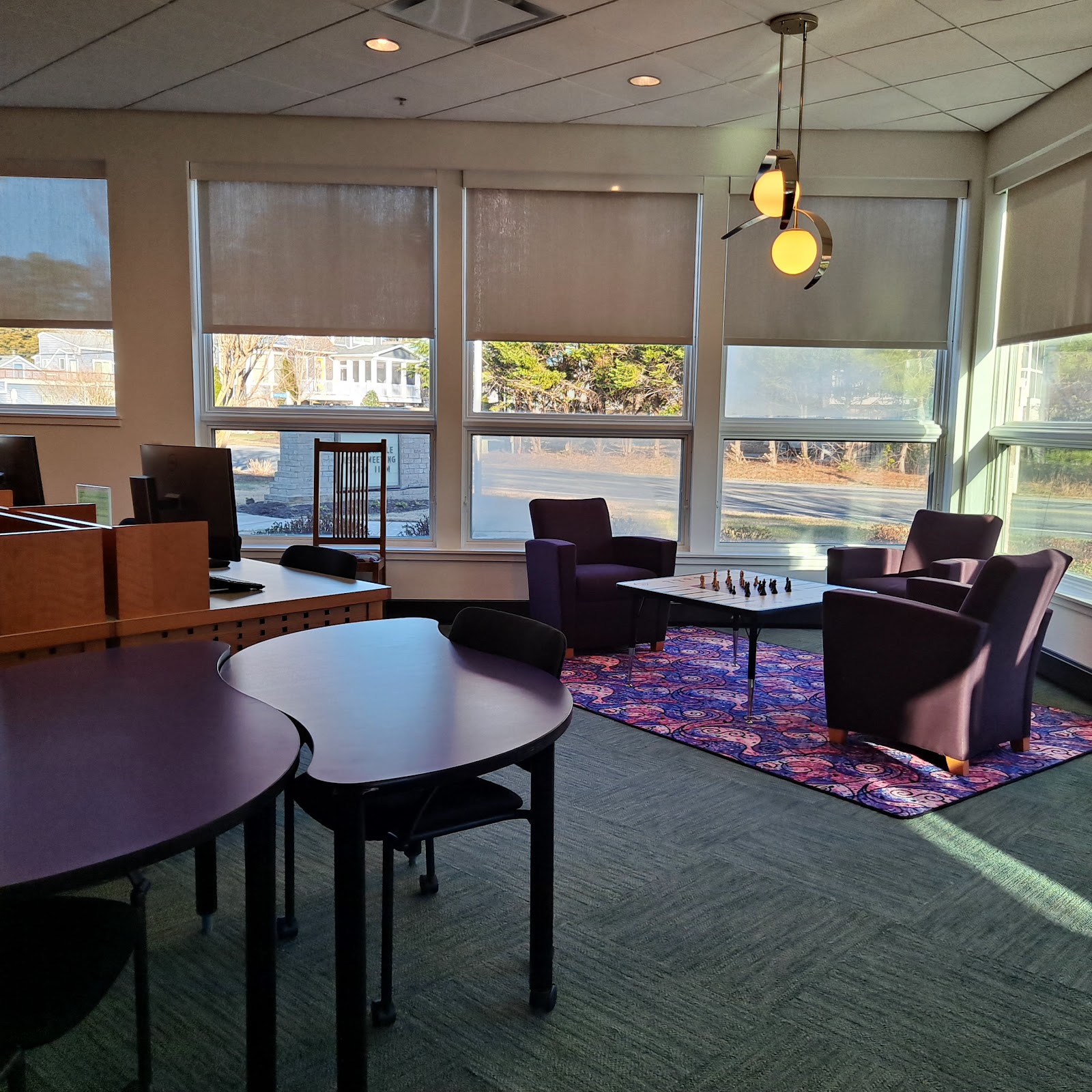
Use the glazing. A modern public building has generous windows, and a subject at forty-five degrees to one — not facing it, not backed to it — gets a lit side and a shadow side, with the distance from the glass setting the ratio. Near the coast that light has often bounced off pale sand and bright sky rather than off grass, which makes it brighter and more neutral than a typical inland window.
Use the doorways. A subject a metre inside an open exterior door is lit by the whole sky in front and backed by the dark interior — a softbox and a four or five stop backdrop, at any hour and in any weather.
Or go outside, which is dealt with below.
The lighting character of the building is the thing to plan around, and it is consistent across public buildings of this kind: overhead fluorescent or LED fittings in a regular grid, at a colour temperature that is frequently far from daylight and sometimes narrow in spectrum.
That produces three problems. The light is top-heavy, which leaves eye sockets dark. It is even, which means there is no modelling anywhere. And its colour is unpredictable on skin, which makes a custom white balance on a face essential rather than optional — and a preset will be wrong.
The answers are the same three as in any such room. Move the subject close to a vertical surface, which converts part of the overhead light into side light. Use a window instead. Or add one source off-axis at about a stop over the ambient, which restores direction — and do not bounce it off the ceiling, because in a room already lit from the ceiling that reproduces exactly the problem.
Outside, and the coast
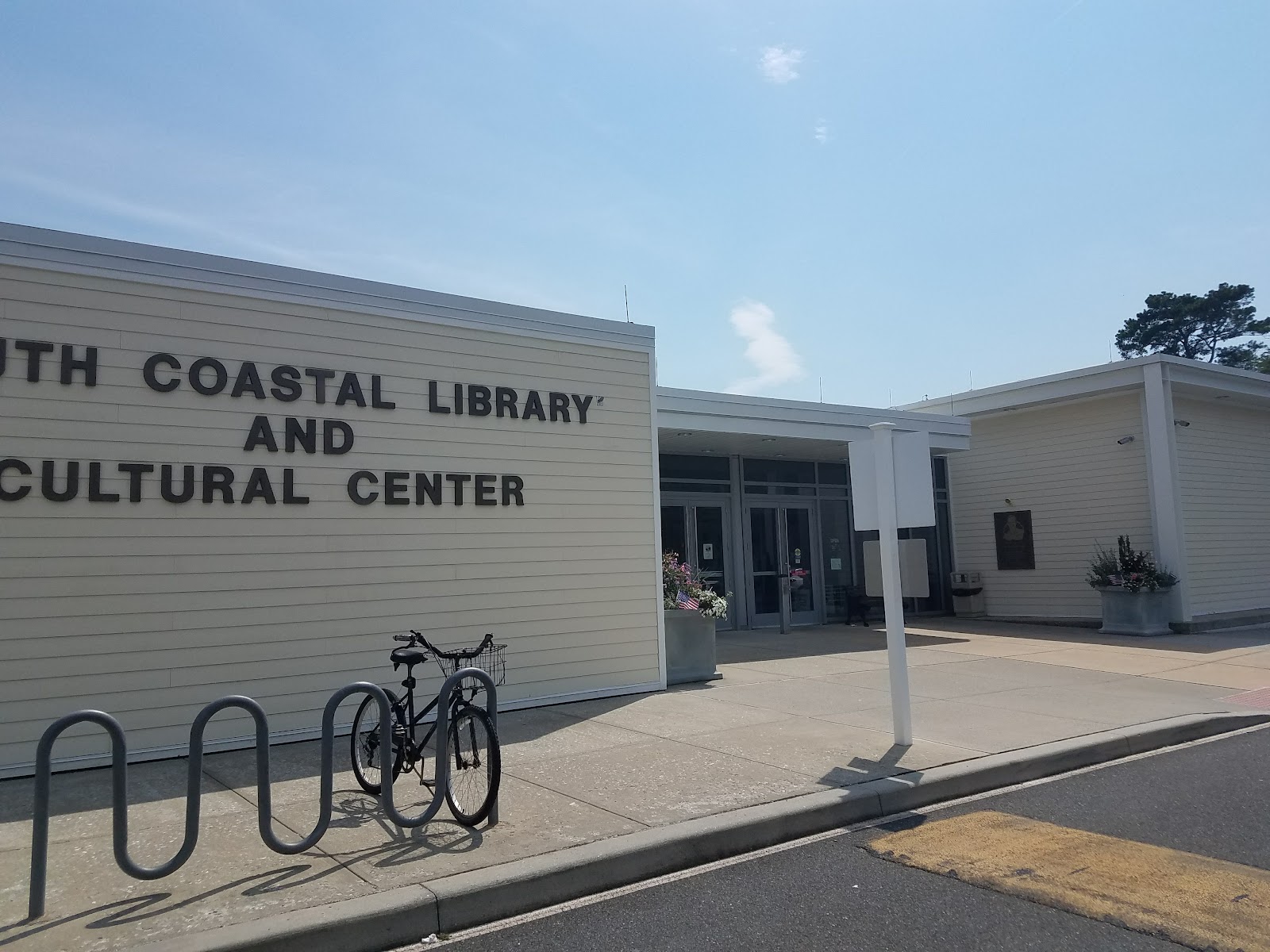
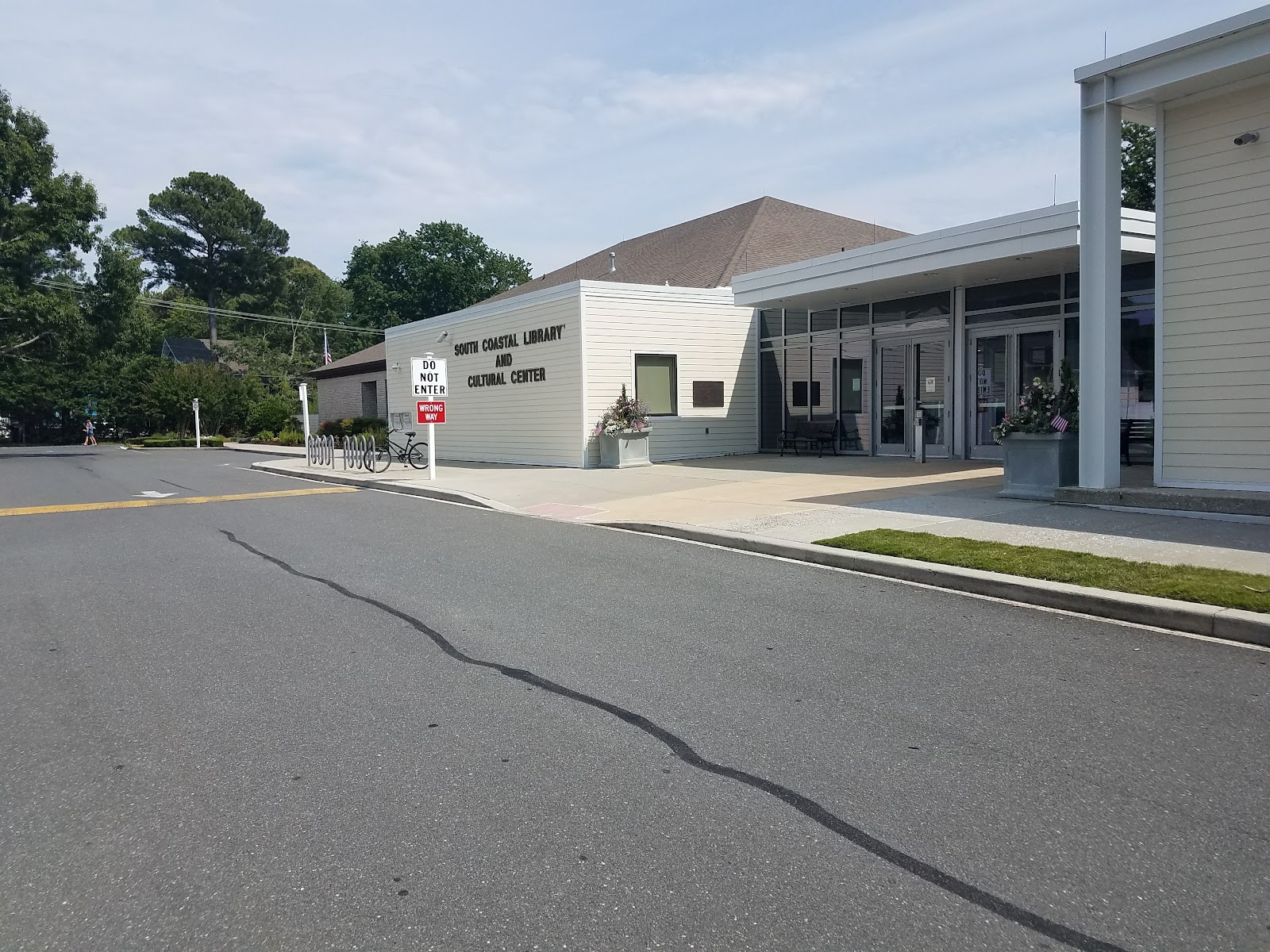
The exterior of a modern public building is usually its least interesting aspect and it is worth saying so. A functional frontage with parking, signage and landscaping gives very little to place people against.
The usable exterior frames are three. A low camera with grass or paving across the bottom of the frame, which puts everything behind the subjects above the horizon — sky — and removes the building, the cars and the signs in one move. That is the fastest and most complete method and it works anywhere.
Any plain wall in low light, treated as a background rather than as architecture. And a long lens at a wide aperture from close range, which turns landscaping and parking into soft tone.
But the real exterior resource is not on the site: Bethany Beach is a short distance from the Atlantic, and the Delaware coast offers material that a library cannot.
The beach is pale quartz sand with a high albedo, which does two things. It fills faces from below — precisely where a high sun leaves them dark — which makes a beach portrait workable at hours that would be unusable inland. And it fools a meter by a stop or more in any frame containing much of it, which needs deliberate positive compensation checked on skin.
The orientation is the important part and it is worth being precise. The Delaware Atlantic shore faces east, which means the sun rises over the water and sets over the land. The sun-over-water frame here belongs to dawn, and the evening beach is lit by afterglow — a very large, soft, slightly cool, shadowless source with a pink band above the horizon opposite the sunset.
That afterglow is forgiving and excellent for groups, and it is not the picture most people imagine when they hear beach wedding. Anyone who wants sun over water on this coast has to get up for it.
The dunes behind the beach are the other element. Delaware’s dune line is planted with American beachgrass to hold it, which gives a knee-high, fine, constantly moving foreground — useful for texture at the bottom of a frame and useless as cover. Behind the dunes, loblolly pine and American holly grow where the salt exposure drops.
Holly is worth locating specifically, and it is Delaware’s state tree: evergreen, dense and very dark, which makes its margin one of the few near-black backgrounds available in this state — a subject a metre inside a holly stand has soft directional light in front and three or four stops of dark behind, at any hour.
Loblolly pine is the counterpoint: tall with a high open crown, which means it dapples in direct sun and is better as background than as cover.
Two practical notes. The Delaware beaches are public and busy in season, which means a frame that reads as an empty beach needs early morning or a longer lens. And greenhead flies are a genuine consideration on the marsh side of this coast in July and August — biting, persistent and specific to salt marsh — which belongs in the planning conversation for any outdoor ceremony away from the open beach.
- Books in or books out — decided for every setup, never drifted into
- A stack aisle is a directional source with fall-off: the best light in the building
- Custom white balance on a face; public-building fittings are unpredictable on skin
- Do not bounce off the ceiling in a room already lit from the ceiling
- The Atlantic here faces east: sun over water belongs to dawn
The Delaware coast year
Four real seasons, and an indoor venue that is largely indifferent to them — which is the practical argument for a library date.
Nothing about the interior work changes between January and July: the shelves are the same, the fittings are the same, the exposures are the same. On a coast where summer is crowded and spring is foggy, a building that does not care is worth something.
What the season changes is the glazing and the coast.
Winter improves the glazing, which is counter-intuitive. A low sun at around twenty-eight degrees in December enters a window obliquely rather than from overhead, which means the interior briefly has genuine directional side light — a lit side and a shaded side, and modelling without help. That is the best light the building gets all year and it belongs to the winter months.
Winter also brings the earliest dusk — sunset just after half past four in December — which means any exterior sequence lands in the late afternoon rather than after eight.
The coast in winter is austere and excellent, and almost entirely empty. A low sun rakes across pale sand, the sea runs grey-green, the dune grass is straw, and the beach has nobody on it — which removes the one problem a Delaware beach has in season. Snow on a beach is uncommon here and remarkable when it happens.
Spring is the fog season on this coast, because warm air moving over water still cold from winter condenses. Fog is an enormous diffuser — soft, shadowless, and it erases the horizon — which is beautiful once and monotonous five times, and which removes any seaward frame.
Late spring brings one genuinely distinctive event to the Delaware Bay side, a short distance north: horseshoe crabs spawn on the bay beaches around the new and full moons in May and June, with migrating shorebirds arriving to feed on the eggs. It is of real interest and it is a reason some beaches have access restrictions in those weeks.
Summer is the season for the coast and the worst for the light. Days run to nearly fifteen hours at the solstice, and the middle of one at seventy-five degrees of elevation on pale sand is the hardest light in this state. The beaches are busy, dew points in the low twenties Celsius put haze in the air, and greenhead flies are active on the marsh side.
What summer gives is warmth, a long evening and the afterglow frame at its most reliable.
Early autumn is the strongest window on this coast. September and October bring drier, clearer air, the end of the fog season, the crowds gone, a sea still warm enough that the light over it is stable, and the calmest conditions of the year.
The Delaware coastal plain turns late — the second half of October into early November — and the palette is specific: sweetgum purple-red, red maple scarlet, oak russet and tulip poplar yellow, all of it against dark loblolly pine and evergreen holly. Warm colour against near-black conifer is a better combination than colour against colour, and behind the dunes it is the state’s best autumn background.
November empties the coast completely, the sun is low all day, the air is at its clearest of the year, and the dusk arrives at a civilised hour. It is quietly the best month here for everything except the temperature.
More frames from South Coastal Library
South Coastal Library wedding photography: common questions
What is the one decision?
Whether the books are in the frame. A wall of books is content rather than texture, so a frame containing it is partly about it.
What is the best light in the building?
A stack aisle. It is a corridor with dense walls lit from one end, which makes it a directional source with fall-off along its length.
How close should a subject stand to a shelf?
Close enough that the spines go to texture, or far enough back that the rhythm reads as pattern. The middle, where titles are almost readable, is the frame to avoid.
What is wrong with the building's own lighting?
It is overhead, even and unpredictable in colour. It leaves eye sockets dark, gives no modelling, and needs a custom white balance on a face rather than a preset.
Which way does the beach face?
East. The sun rises over the water and sets over the land, so the sun-over-water frame belongs to dawn and the evening is a shadowless afterglow.
When is the coast at its best?
September and October, for clear air, empty beaches and calm conditions — and the second half of October for warm coastal-plain colour against dark pine and holly.
More Delaware venue guides
We are writing a photographer’s guide to every venue we would happily shoot in Delaware. Here are three more, plus the full index:
- The Wharf at Lewes: How the Light Moves on a Tidal Canal
- Winterthur Museum, Garden & Library: The One Decision That Governs Everything
- The Avenue Inn, Rehoboth Beach: Field Notes on a Small Resort Inn
Planning a wedding at South Coastal Library?
Books in or books out — decided for every frame. Tell us your date.