 The Omaha Children’s Museum: A Photographer Answers Your Questions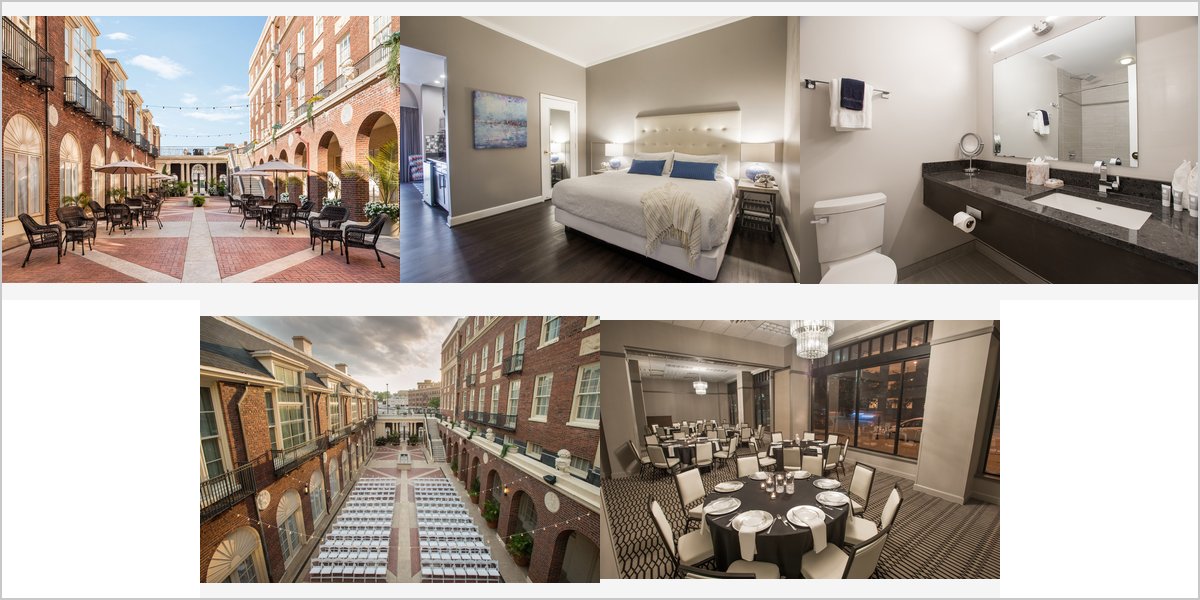
May 28, 2026
The Magnolia Hotel: Working an Italian Renaissance Revival Building
A 1923 building with an interior courtyard. The courtyard is the light; the period rooms are the atmosphere; downtown does the rest.
The Magnolia Hotel occupies a 1923 Italian Renaissance Revival building in downtown Omaha, converted to a hotel, retaining period detailing and centred on an interior courtyard. Buildings of this era and style share a recognisable character: substantial masonry, arched openings, classical detail, and interiors finished with real plaster and timber rather than plasterboard.
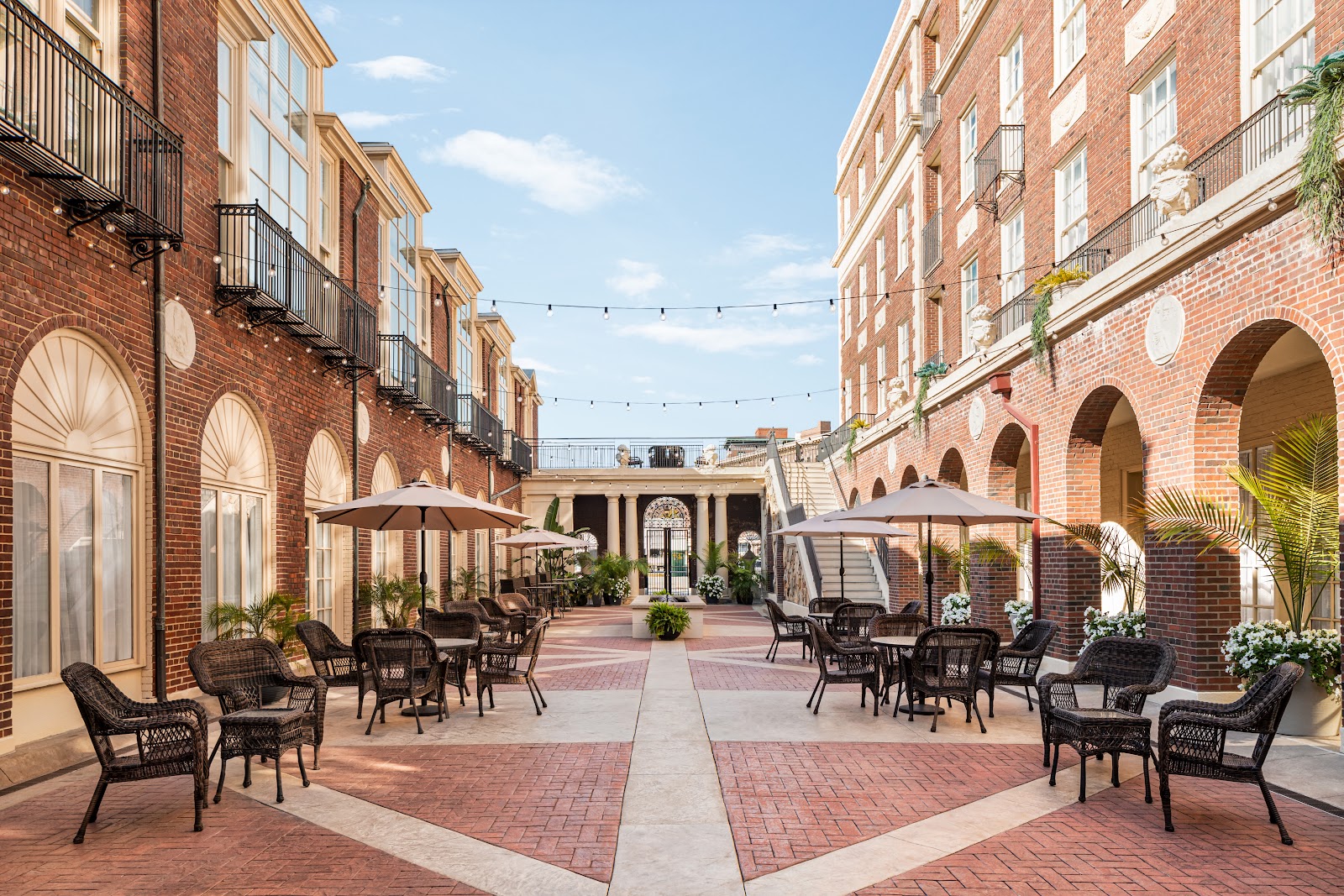
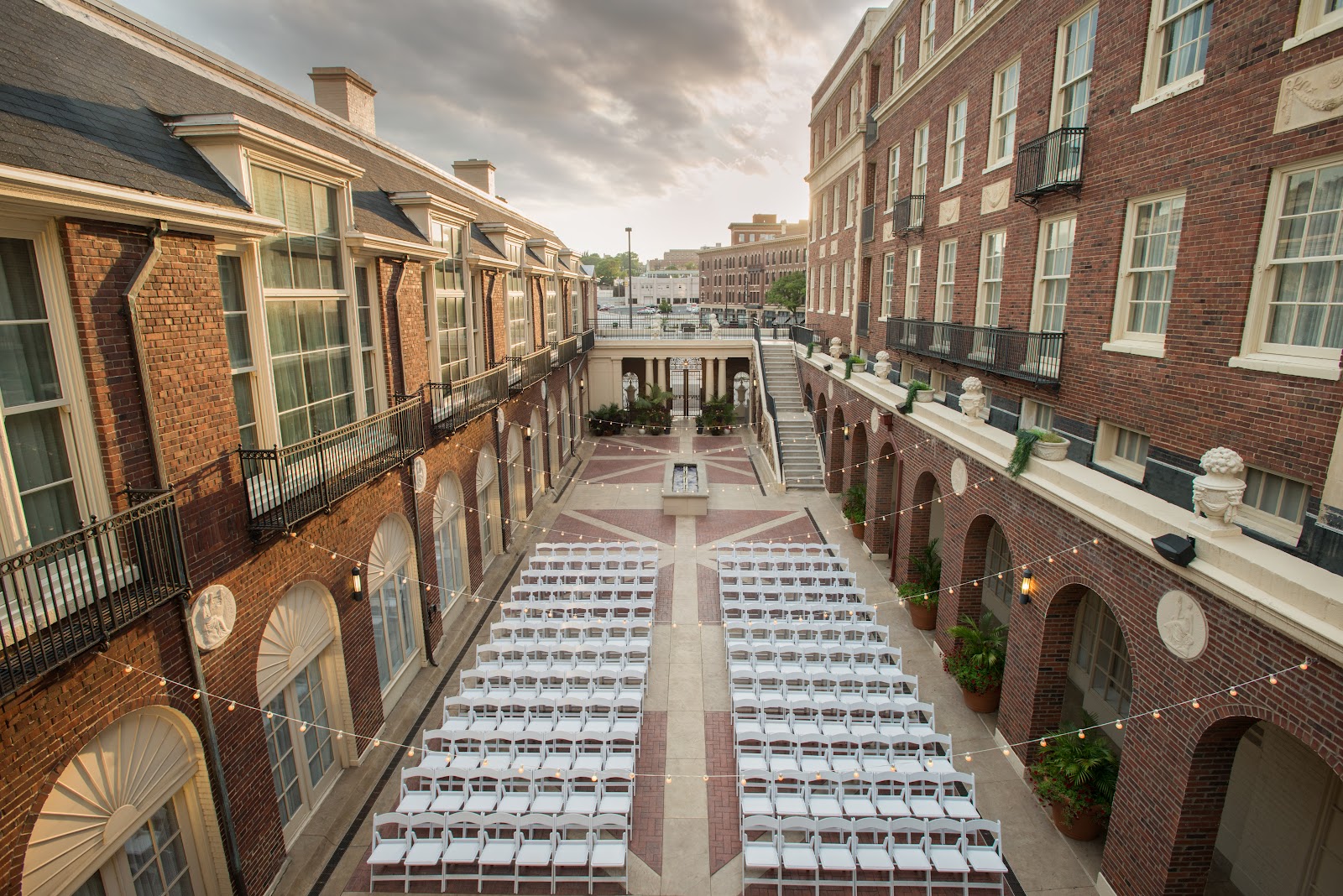
Photographically the interior courtyard is the asset worth planning around. An enclosed courtyard in a city building is an outdoor room — sheltered from wind, private, evenly lit, and usable in weather that would stop an open-air plan. In a climate with Nebraska’s extremes, that shelter is worth a great deal.
This is a light-and-timeline guide. We have not photographed a wedding at the Magnolia; enclosed courtyards and 1920s masonry interiors behave predictably. Which spaces your booking includes and courtyard access are for their events team.
Magnolia Hotel at a glance
| Where | Howard Street, downtown Omaha, Nebraska |
| Built | 1923, Italian Renaissance Revival; converted to a hotel |
| Character | Substantial masonry, arched openings, classical detail, an interior courtyard |
| Light | Courtyard open shade is the best on site; interiors warm and artificial |
| Ask first | Courtyard access and which spaces are included |
The courtyard: an outdoor room in a downtown block
An enclosed courtyard solves several problems simultaneously, and they are the problems that most often spoil a city wedding. Wind is blocked, which matters for veils and for anything on a light stand. It is private, so no passers-by appear and nobody is hurrying you. And the surrounding walls bounce light inward, filling shadows under brows from directions no reflector reaches.
The light is usually open shade — soft, even, directionless — because the walls block direct sun for much of the day. That is the most forgiving light there is, and crucially it does not depend on a particular hour, which makes the courtyard the flexible part of the schedule rather than the tightly timed part.
The trade is that low golden-hour sun will not reach the courtyard floor. If you want warm raking light, it happens on the street outside. Plan a short block there rather than waiting for something the geometry cannot deliver.
In Nebraska the weather tolerance matters as much as the light. A sheltered courtyard remains usable in a light shower and in wind that would make an open terrace impossible, and in a climate with severe spring storms that is a genuine advantage.
The interiors: 1920s masonry and what it needs
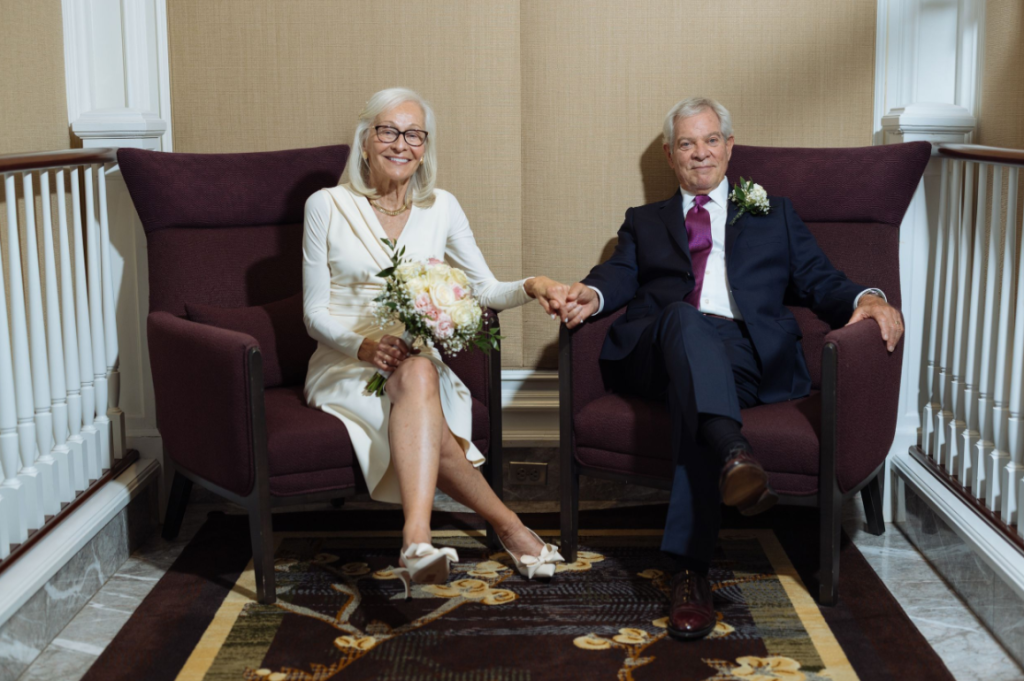
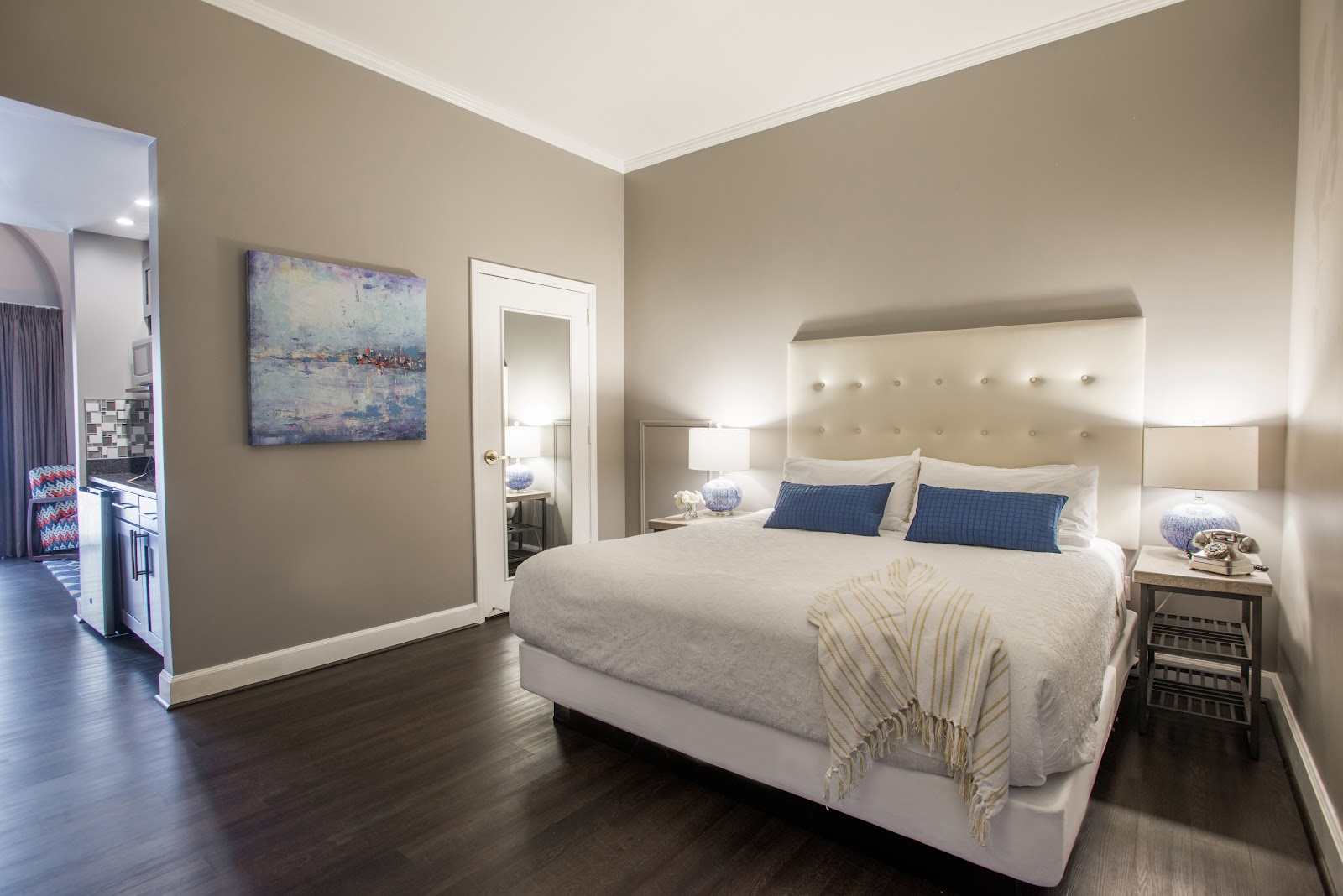
Period interiors from this era are warm and moderately dark: real plaster, timber, warm fixtures, and windows in thick masonry walls that give deep reveals and consequently less light than the window size suggests. Daylight reaches two to three metres from the glass and then falls away.
Those deep reveals are the useful part. A window in a thick wall is a natural softbox with a built-in snoot — light enters, the reveal shapes it, and it falls off fast, giving contained directional illumination that a thin modern wall cannot produce. Place someone a metre inside a reveal and the interior portrait is solved with no equipment.
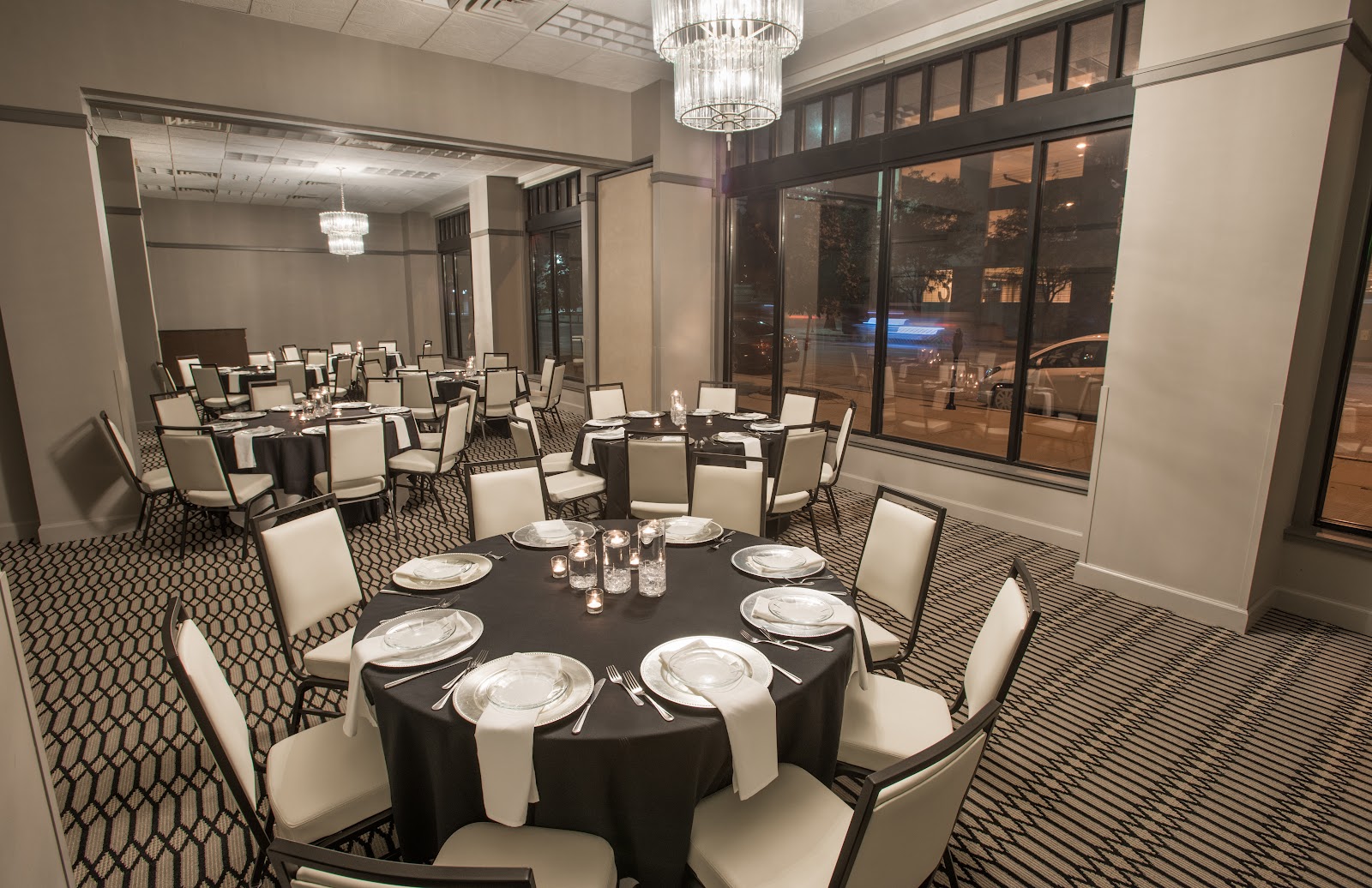
For the evening, the rooms are moderate in scale with plaster ceilings, which means bounce flash actually works — unlike a grand ballroom where the ceiling is too high and too dark. An on-camera bounce or one small gelled light on a stand will lift faces adequately while leaving the period warmth intact. Keep the room warm in white balance and faces slightly cooler.
Arched openings and classical detail
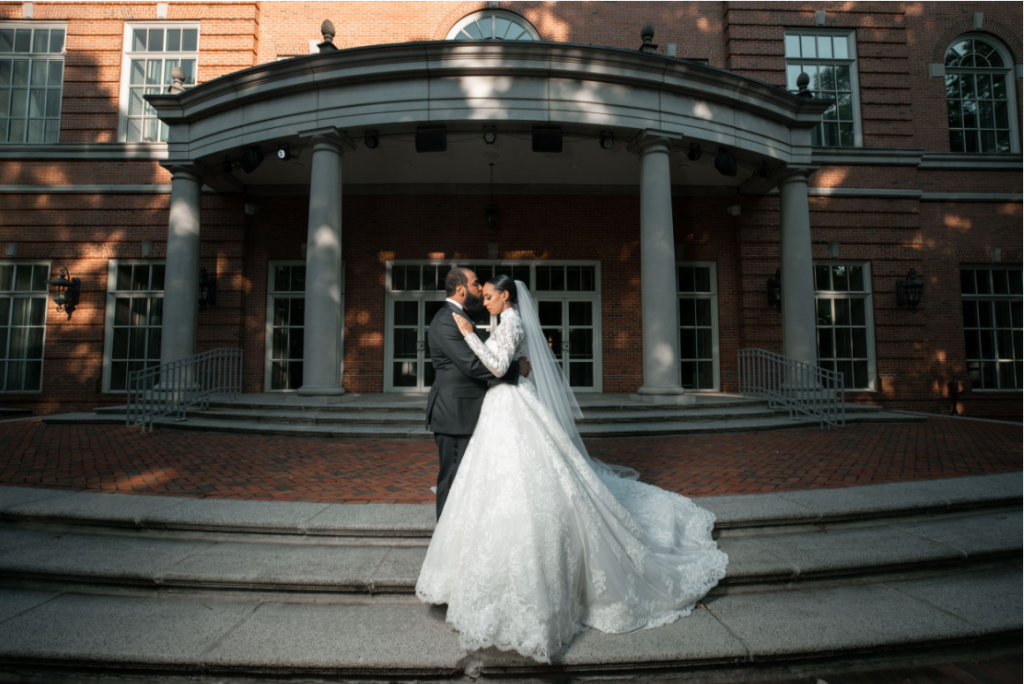
Italian Renaissance Revival gives you arches, and arches are a compositional gift. An arch frames a couple naturally, gives a photograph a hard edge to organise itself around, and provides the vertical emphasis that flat modern interiors lack. Look for them at the courtyard edges, in circulation spaces and on the facade.
Classical detail — cornices, mouldings, carved stone — follows the same rule as all relief work: it reads under raking light and disappears under frontal light. So the establishing exterior frame belongs in the hour when low sun rakes along the masonry, shot obliquely rather than square-on.
In a downtown grid that hour is short and depends on the gaps between buildings, which is worth establishing in advance rather than guessing. A dense street may give you only fifteen or twenty minutes of genuinely raking light before the sun goes behind the next block.
Arches have one further practical use that is easy to overlook: they are a reliable way to photograph a group in a city venue without a wall of clutter behind them. Place eight or ten people inside a wide arched opening and the arch itself organises the composition, hides whatever is beyond it, and gives the frame a top edge that a flat wall does not. In a downtown building where clean backgrounds are scarce, that is worth knowing before you go looking for a blank wall that may not exist.
The timeline, and downtown Omaha
The plan that uses each space for what it does best.
- Preparation in a guest room, a metre inside a deep window reveal, all artificial lights off.
- Couple’s portraits and groups in the courtyard, at almost any hour, since open shade is stable and sheltered.
- Interior and arch frames while rooms are empty, usually just before guests are seated.
- Ten minutes on the street in the short window when low sun rakes the masonry, plus the twenty minutes after sunset.
- Reception lit with bounce or one stand light, warmth preserved, faces slightly cooler.
What works in your favour
- An enclosed courtyard: sheltered, private, evenly lit and weather-tolerant
- Courtyard walls bounce light inward, filling shadows a street cannot
- Deep window reveals give contained directional daylight for free
- Moderate plaster-ceilinged rooms where bounce flash genuinely works
- Arched openings give natural framing and vertical emphasis
What to plan around
- Golden-hour sun will not reach the courtyard floor
- Interiors go dark beyond two to three metres from the windows
- Classical relief disappears under frontal or flat light
- The raking-light window on a downtown street may be only fifteen or twenty minutes
- Warm interiors need a differential white balance or skin reads orange
More frames from Magnolia Hotel
Magnolia Hotel wedding photography: common questions
Why is the courtyard the best location?
Because it is an outdoor room that solves several city-wedding problems at once — walls block wind, keep it private, and bounce light inward to fill shadows. It sits in open shade, the most forgiving light there is, and because it does not depend on a particular hour it is the flexible part of the schedule.
Will we get golden hour in the courtyard?
No. The surrounding walls block low direct sun, which is precisely what makes the space sheltered and evenly lit. Warm raking light happens on the street outside, so plan a short block there rather than waiting for something the geometry cannot deliver.
Where is the best interior light?
A metre inside a deep window reveal. Thick 1920s masonry walls shape the entering light and make it fall off fast, giving contained directional illumination that a thin modern wall cannot produce. Turn off every artificial fixture first.
Does bounce flash work here?
Yes, unusually for a period building. The rooms are moderate in scale with plaster ceilings, so a bounced on-camera flash returns useful light — unlike a grand ballroom where the ceiling is too high and too dark. One small gelled light on a stand does even better.
When should the exterior be photographed?
In the short window when low sun rakes along the masonry, shot obliquely. In a dense downtown grid that may be only fifteen or twenty minutes before the sun goes behind the next block, so it is worth establishing in advance rather than guessing on the day.
Can we photograph a group in the courtyard?
Yes, and it is the best place for one — sheltered, evenly lit, private and large enough to arrange people properly. A wide arched opening also works well for eight or ten people, because the arch organises the composition and hides whatever is beyond it, which matters in a downtown building where clean backgrounds are scarce.
More Omaha venue guides
We are writing a photographer’s guide to every venue we would happily shoot in Omaha. Here are three more, plus the full index:
- The Omaha Children’s Museum: A Photographer Answers Your Questions
- The Omaha Design Center: Who This Industrial Venue Suits
- The Henry Doorly Zoo: A Photographer Answers Your Questions
Planning a wedding at Magnolia Hotel?
A sheltered courtyard is the most useful thing a downtown venue can have in a Nebraska climate. Tell us your date and we will plan the courtyard, the reveals and the short raking-light window on the street.