 Dry Tortugas National Park: A Walk Through an Island Fort
The Cummer Museum of Art & Gardens, Jacksonville: How the Light Moves
Far enough north that the year has seasons and the live oaks are enormous.
Jacksonville is at about thirty and a quarter degrees north, which sounds like a technicality and is not. It is four and a half degrees further from the equator than Miami, and that is enough to change the photographic character of the place.
Three things follow. The noon sun in summer reaches about eighty-three degrees rather than eighty-eight — still very high, but a face at noon here has a shadow that indicates a direction rather than one that goes straight down. The winter sun drops to about thirty-six degrees at the solstice, which is low enough to model properly all day. And the year has four parts rather than two: north Florida gets real frost, real leaf-out, and occasional genuine cold, which means the vegetation changes across the year in a way that south Florida’s does not.
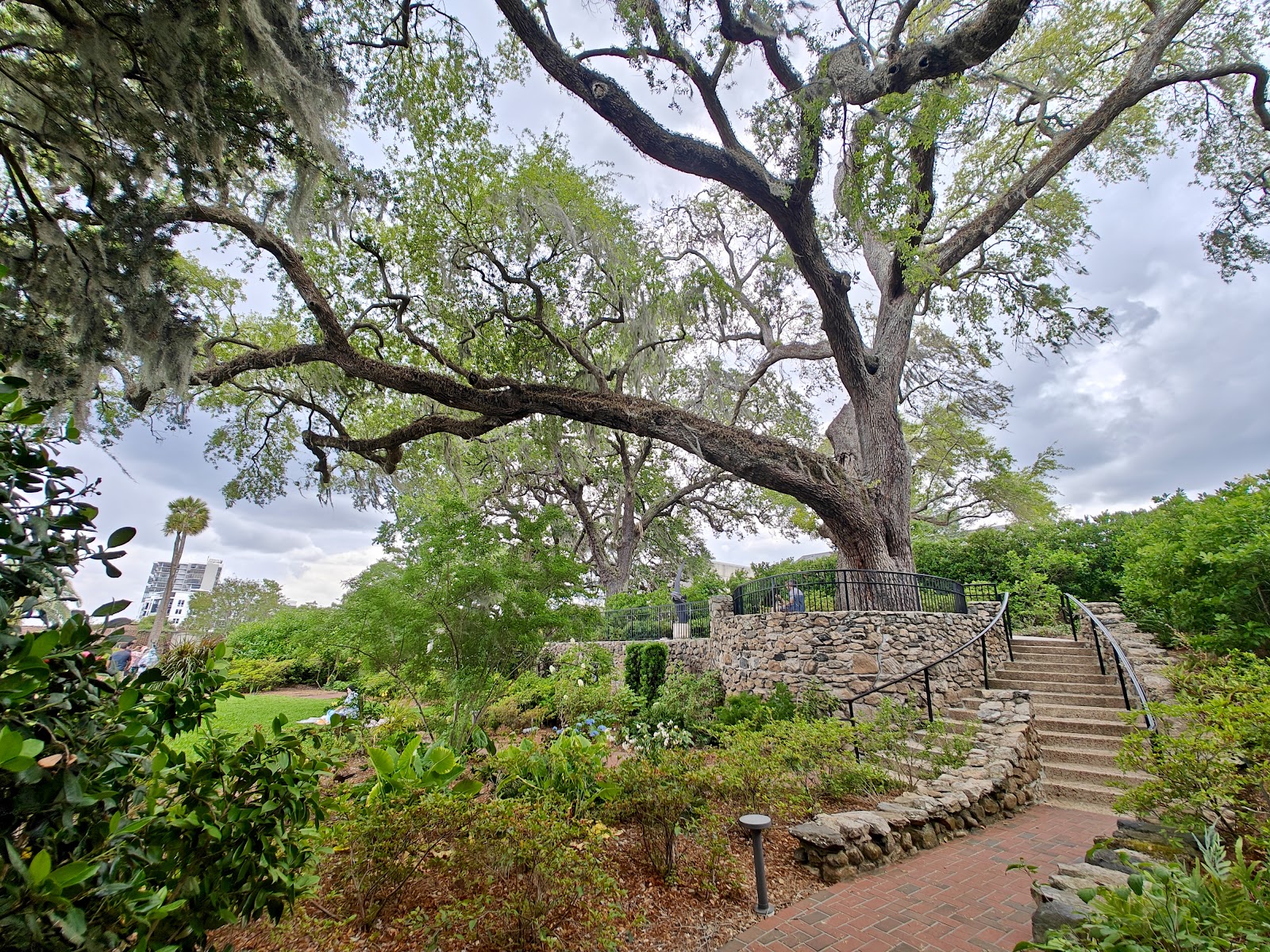
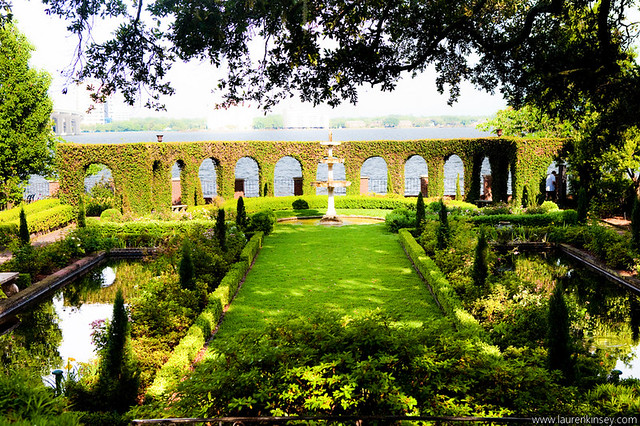
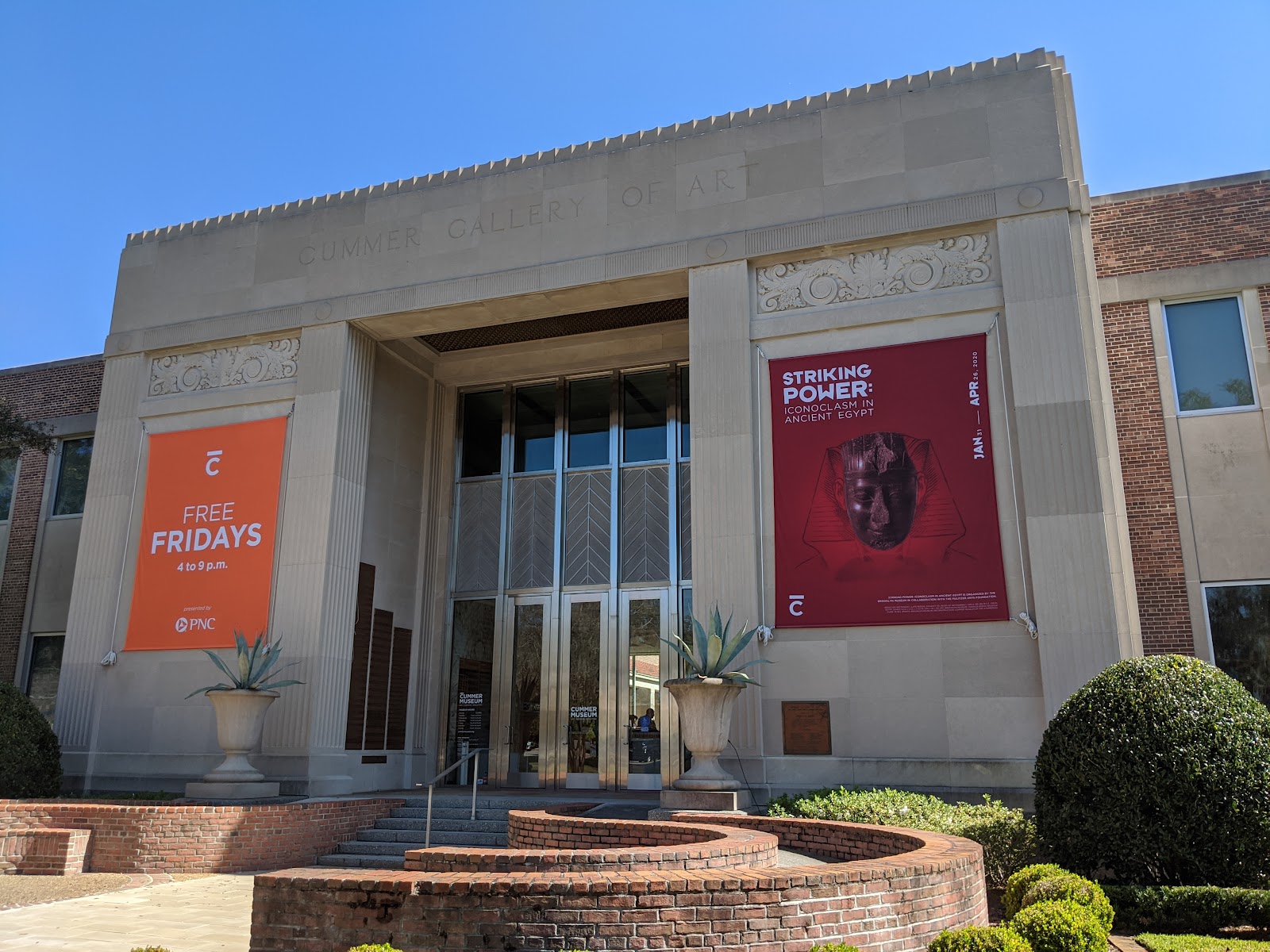
The site is a museum building with formal gardens stepping down to the St. Johns River. That gives four distinct environments — gallery interiors, formal terraced garden, riverfront edge, and the live oaks that this part of the state grows to a size they do not reach further south.
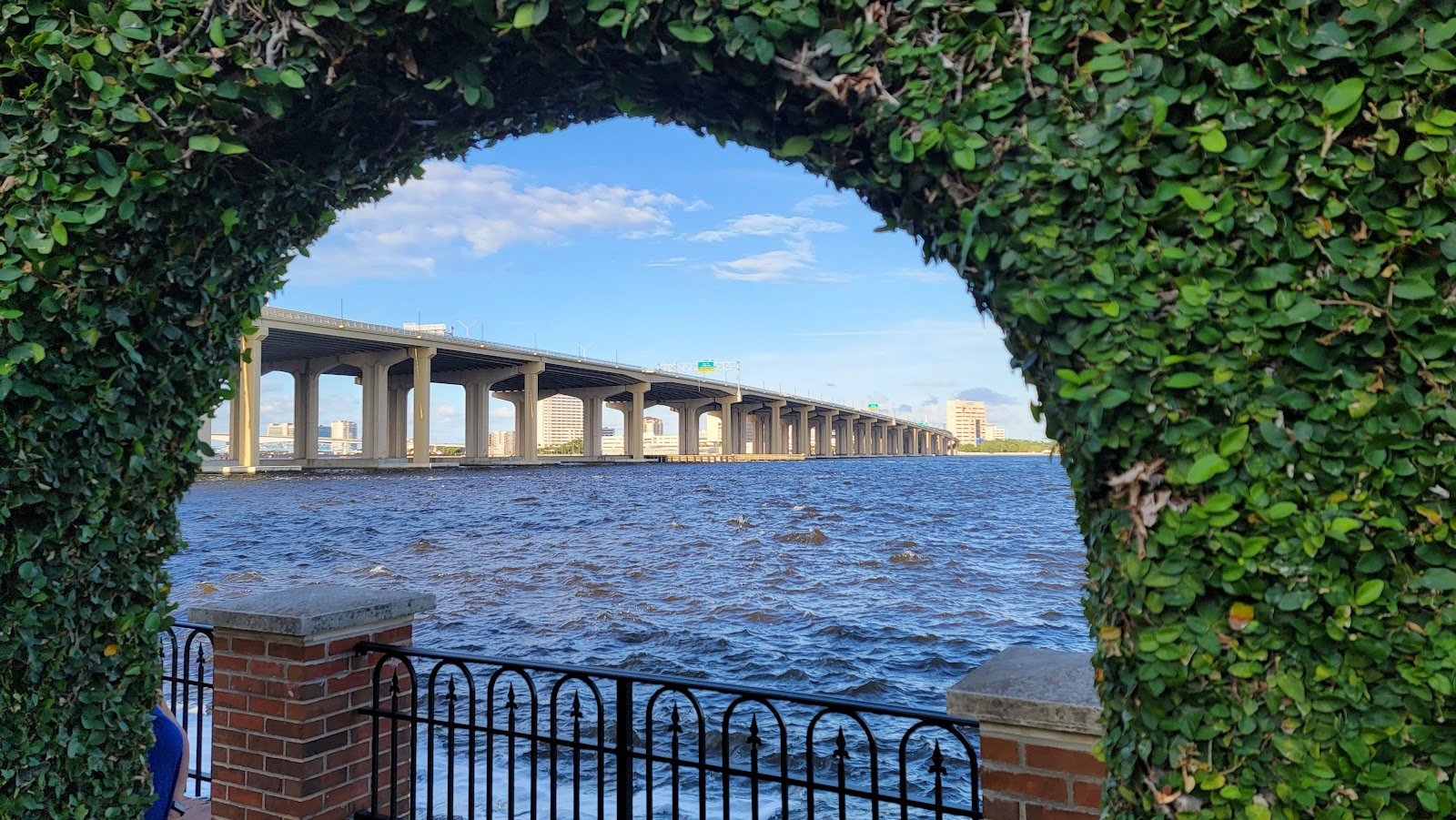
The river is the largest fact. The St. Johns at Jacksonville is wide, tidal and brackish, and it runs roughly north here, which means the garden frontage faces broadly west-southwest onto it — so the water takes the low evening light. That is unusual for Florida, where the coasts force a simple east-or-west choice, and it means the riverfront is the best ground on the property at the end of the day.
The oaks are the other. A mature southern live oak spreads wider than it is tall, holds its leaves all year, and carries branches that reach horizontally for many metres before turning up. Photographically it is the most valuable tree in the American South: it blocks sun almost completely, gives soft even shade at any hour, and provides a low horizontal line to compose against that no other tree offers.
We have not photographed a wedding at the Cummer. Which galleries and garden areas are included, what the restrictions are near the collection, whether the riverfront is accessible and what the permitted hours are are questions for their team.
The Cummer Museum of Art & Gardens at a glance
| Where | A museum and riverfront gardens on the St. Johns, Jacksonville |
| The latitude | About 30.25°N — a real four-season year, unlike south Florida |
| The river | Wide, tidal and taking the low evening light |
| The trees | Mature live oaks: total shade, and a horizontal line to compose on |
| Ask first | Included galleries and garden areas, riverfront access, hours |
Morning into midday
The first hour is the river’s quietest and the garden’s coolest, and it is the only time the water is likely to be a mirror. Wind on a wide tidal river builds with the day’s heating, so a calm surface belongs to the early morning and rarely survives past mid-morning in the warmer months.
The sun in that hour comes up over the land behind the museum, which means the garden and its terraces are in the building’s own shadow while the far bank of the river is lit. That is a specific and useful frame: subjects in even open shade in the foreground, a brightly lit opposite shore behind, and no hard light anywhere on anyone.
Mid-morning is the formal garden’s hour. A terraced garden with a central axis is composed to be seen along that axis, and while the sun is still at a moderate angle it lights the garden from one side rather than from above — so the hedges and the stonework have modelled faces, the reflecting pools have direction in them, and the pattern of the parterres reads.
By late morning that is gone. The sun climbs high enough that the terraces flatten out, the box and hedge masses lose their shadow sides, and the pools become bright rectangles rather than mirrors.
Parterres and low planting read from elevation and vanish at eye level. That is worth deciding in advance: a photograph that shows the garden’s geometry needs a terrace step or a landing to shoot from, and a photograph taken standing in the garden shows hedges and nothing else. Both are legitimate; getting the one you did not intend is not.
Midday belongs to the oaks and to the building. In the open — on the lawns, on the terraces — a summer noon sun at eighty-three degrees puts eyes in shadow and foreheads in light, and the pale stone of a formal garden returns uplight that fills without softening.
Under a mature live oak the same moment is soft, even, a stop or two down and completely usable. The canopy is dense and layered, which blocks the direct sun almost entirely, and the light that arrives has bounced off the lawn outside and off the leaves, which makes it slightly green and extremely soft.
The green is the one thing to manage: standing at the edge of the canopy rather than deep under it means most of the light reaching a face comes from open sky, which keeps the cast small. Deep under a large oak, a warm-gelled source at about a stop over ambient does the job.
Spanish moss hanging from those branches is neither a moss nor a parasite — it is an epiphytic bromeliad that takes its water and nutrients from the air — and photographically it does two things. It further softens an already diffuse canopy edge, and it moves in air currents too slight to show anywhere else in the frame, which means a moderately long exposure under an oak records a breeze that is otherwise invisible.
Afternoon to dark, and inside
Early afternoon is the weakest part of the day and the right time to be inside. A museum’s galleries are a conventional low-light problem: a warm low ambient, lighting aimed at objects rather than at people, strong pools and dark gaps between them.
The method is the same everywhere. Balance for the room rather than for a flash, gel any added source warm so the faces belong to the space, use the existing pools as key light rather than filling them out, and let the gaps go black. A gallery lit for paintings is lit with far more precision than any room a photographer would build, and the frames that use that precision look better than the frames that override it.
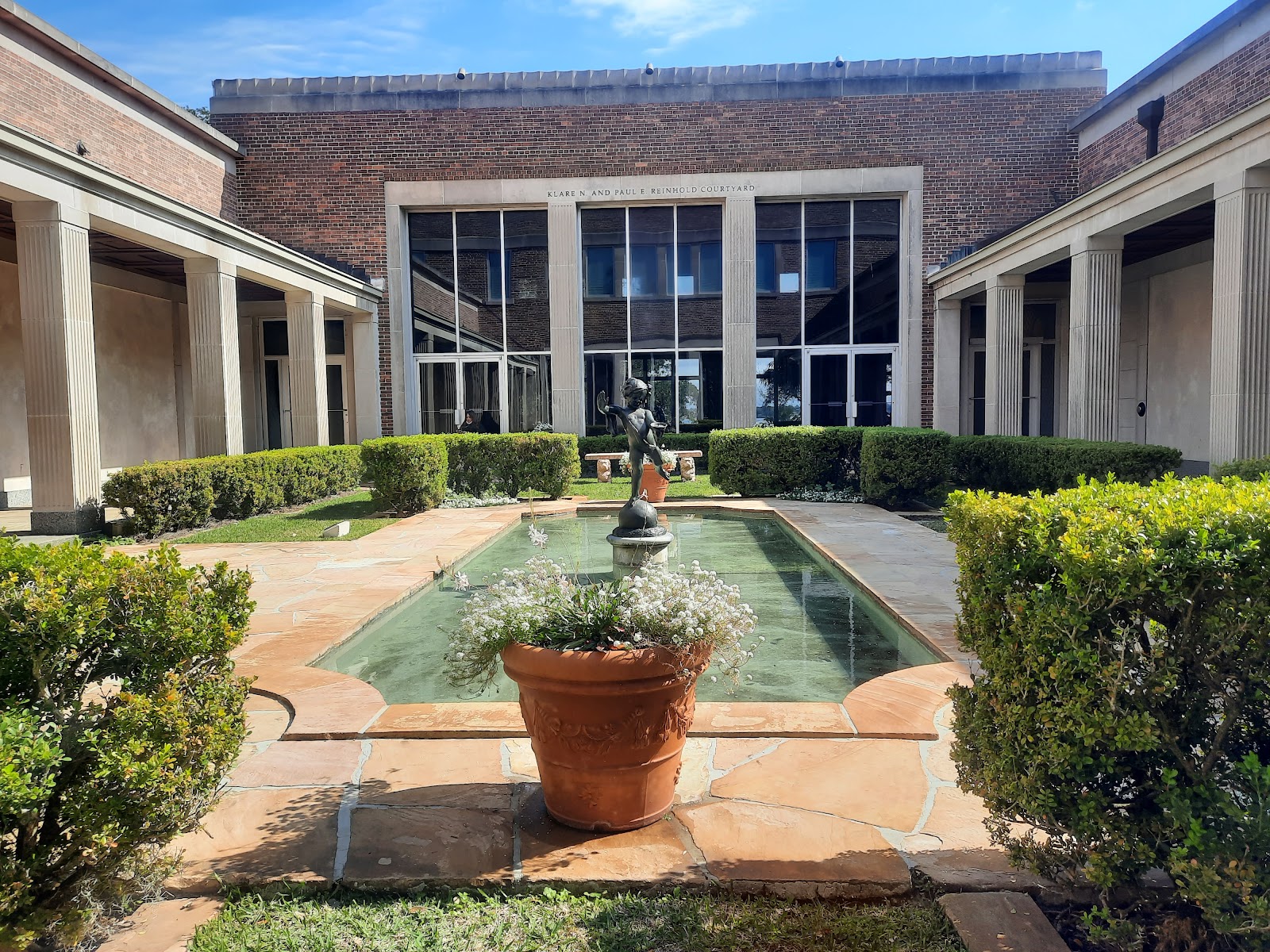
Where a gallery has daylight — a clerestory, a window wall, a courtyard — that becomes the best light in the building, and it works at forty-five degrees like any window. Where it does not, the corridors and stairs between galleries are often better than the galleries themselves.
Mid-afternoon the sun crosses onto the river side and the property begins to improve. The first stage is harsh: a lowish sun onto a west-facing garden produces high contrast across the terraces and the stonework, spectacular on the architecture and unkind to faces. Separate the two jobs — photograph the garden while it rakes, and photograph people in the oaks or under the building’s own returns.
The last ninety minutes are the property’s best. The sun descends toward the river, the water becomes a very large and increasingly warm reflector, the terraces are lit frontally at an angle low enough to model them, and the oaks are backlit, which turns the moss into a translucent fringe and the canopy edge into a rim of light.
Three frames belong to this window. The couple at the riverfront with the low sun behind them over the water, exposed for the river and lifted by a close warm-gelled source — because metering on faces gives a white sky and a colourless river. The couple on the terrace with the lit garden and the building behind, which needs no help. And a backlit frame under an oak with the moss glowing, which is the most distinctive picture north Florida produces.
Then dusk. At thirty degrees north civil twilight runs about twenty-four minutes — longer than Miami’s, shorter than New England’s — and the fall from workable to dark is faster than a northern photographer expects. Get the direct-light frames first and treat the blue period as a separate short session.
The tide matters here in a way it does not on Florida’s Gulf coast. The St. Johns at Jacksonville is tidal with a range around a metre and a half, which is enough to change the look of a riverfront edge substantially across an afternoon: at high water the river comes up to the seawall and the frame is water; at low water there is exposed bank and mud, and the reflection is further away. Worth checking the day’s tide rather than discovering it.
And the condensation problem applies whenever the galleries are cooled and the air outside is not. In the warm half of the year a lens carried from a gallery into the garden fogs immediately and clears in ten to twenty minutes — enough to lose the entire twilight window.
- The calm river belongs to the first hour
- Mid-morning is the formal garden’s best light; noon is not
- Live oaks give total shade at any hour; watch the green cast
- Expose for the river and lift the faces warm-gelled
- Check the tide: a metre and a half changes the riverfront edge
The north Florida year
This is far enough north that the year has four parts, and that is the largest difference between here and the rest of this state.
Winter is short, mild and genuinely cool, with hard frosts most years and occasional brief freezes. The sun sits around thirty-six degrees at the solstice, which is low enough to model faces all day, and the air is at its driest and clearest of the year — so the far bank of the river holds detail and the light has real contrast. The garden is at its most structural: deciduous material is bare, the box and hedge geometry reads clearly, and the oaks are unchanged because they are evergreen.
Day length at the solstice is about ten hours, which is longer than a northern winter day and shorter than anything in summer.
Spring is the best season here and it is early. By late February and through March the camellias and azaleas that define southern gardens are flowering, the deciduous trees leaf out in a pale transmissive green, and dogwood flowers before its own leaves are fully out. The humidity has not yet arrived, which means the air is still clear, and the sun is at a moderate angle.
That combination — flowering, clear air, moderate sun, comfortable temperature — does not occur again all year, and if a date is movable this is the window to move it to.
Summer is hot, humid and stormy. Dew points in the mid-twenties Celsius put haze into the air, which softens the far bank of the river and flattens the depth of the garden. The afternoon storms have a mechanism: sea breezes push inland from the Atlantic and from the Gulf and collide over the peninsula, lifting air — which is why Florida records more lightning than any other state. Jacksonville is at the northern end of that system, and the practical effect is the same: an exposed afternoon, and a named covered alternative as a requirement between June and September.
The clearing is the compensation. Broken cloud after a cell passes, with the river returning it and wet stone in the terraces, is the strongest light of the summer.
Hurricane season runs June to the end of November, peaking mid-August to mid-October. This coast is less frequently hit than south Florida but it is not exempt, and the St. Johns is a tidal river, which means storm surge is a consideration for a riverfront property rather than an abstraction.
Autumn is the underrated season. October and November bring the driest, clearest air of the year, low humidity, and a sun angle that keeps dropping — and north Florida does get some autumn colour, later and more muted than the mountains but real: hickory, sweetgum and maple turning through November and into early December, several weeks behind the Appalachians. The oaks stay green, which means the colour arrives as patches in an evergreen frame rather than as a uniform change.
For a photographer the best two windows of the year are therefore March, for flowers and clear air, and the second half of November, for the clearest air and a low sun all day.
More frames from The Cummer Museum of Art & Gardens
The Cummer Museum of Art & Gardens wedding photography: common questions
What does the latitude change?
At about 30°N the summer noon sun is 83° rather than Miami’s 88°, the winter sun drops to 36°, and the year has four real seasons including frost and leaf-out.
Which way does the river face?
The garden frontage looks broadly west-southwest onto the St. Johns, so the water takes the low evening light — unlike Florida’s simple east or west coasts.
What is the best midday option?
Under a mature live oak. The canopy blocks almost all direct sun and gives soft even light at any hour.
Does the tide matter?
Yes. The St. Johns here has a range of around a metre and a half, which changes the riverfront edge substantially across an afternoon.
What is the most distinctive frame?
A backlit portrait under a live oak in the last ninety minutes, with the Spanish moss glowing as a translucent fringe.
When is the best time of year?
March, for camellias and azaleas in still-clear air, and the second half of November, for the clearest air of the year and a low sun all day.
More Florida venue guides
We are writing a photographer’s guide to every venue we would happily shoot in Florida. Here are three more, plus the full index:
- The Don CeSar, St. Pete Beach: The One Decision That Governs Everything
- Everglades National Park, Homestead: One Frame and How It Is Made
- Fairchild Tropical Botanic Garden, Coral Gables: A Walk Through the Site
Planning a wedding at The Cummer Museum of Art & Gardens?
Oaks, a tidal river and a real spring. Tell us your date and we will plan the day around it.