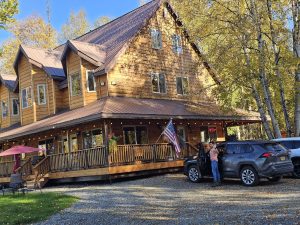
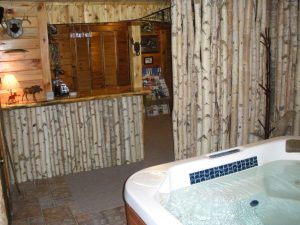
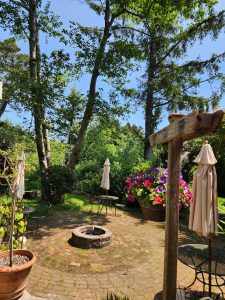
 Salmonberry Inn, Anchorage: One Frame, and How It Is Made
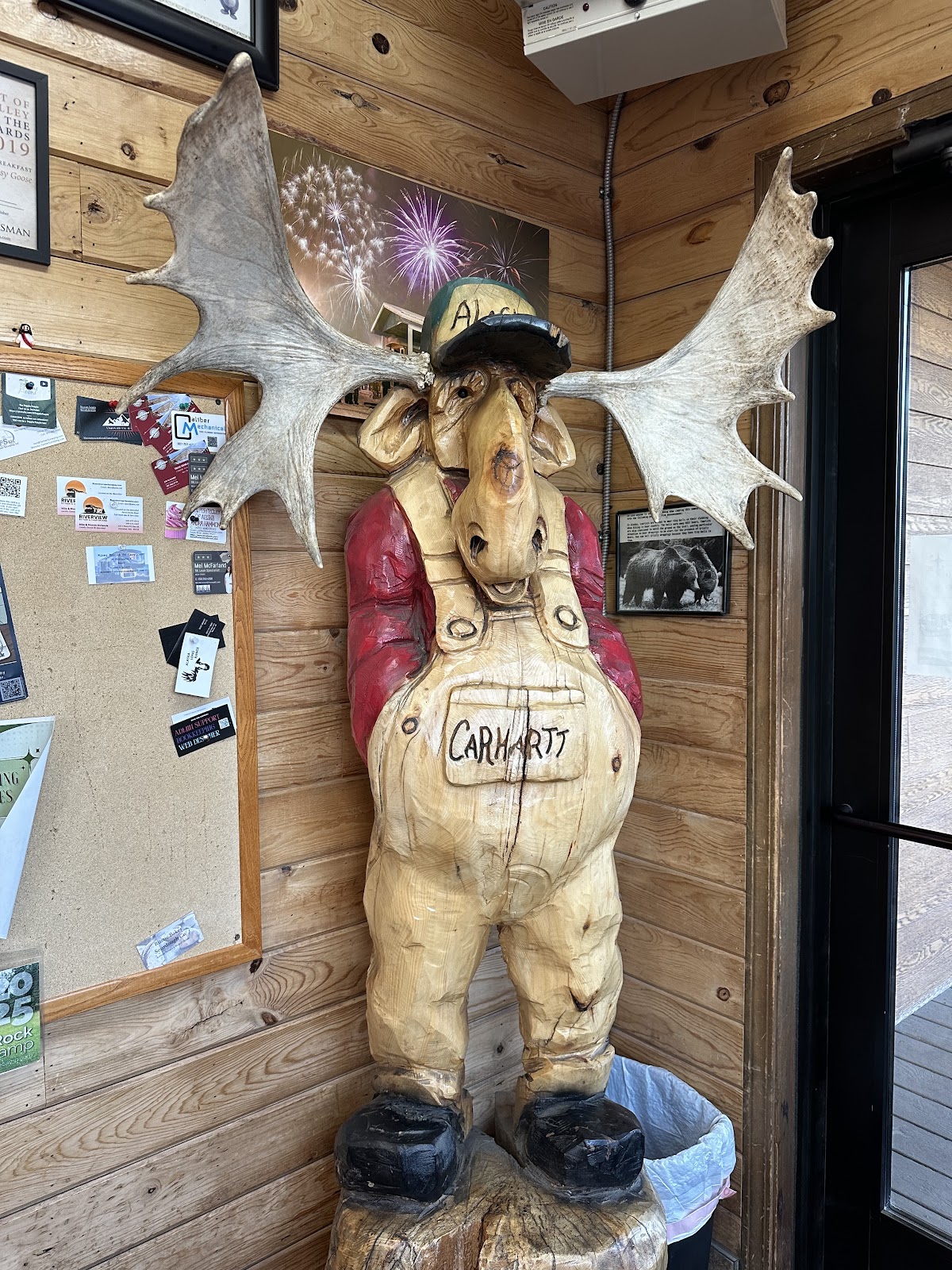
Snowgoose Restaurant, Juneau: The Building’s Own Logic
Juneau is a shelf between a mountain and the sea. Everything about the light follows from that.
A venue in downtown Juneau has a logic that comes from the town’s situation rather than from the building, and it is worth understanding because it is unlike any other town in this guide.
Juneau sits on a narrow shelf between a steep mountain and a deep channel, and there is no road to it — the only ways in are by air and by sea. That produces a town that is compact, vertical and hemmed in, built up a slope in tight streets with the water on one side and a mountain wall rising directly behind.
Three photographic consequences follow.
The mountain blocks the sun. A steep slope immediately behind a town shortens the day considerably: the sun clears it late and disappears behind the ridges early, which means downtown Juneau has a much shorter direct-sun day than its latitude alone would suggest. For most of the year the town is in shade for most of the day.
The streets are a canyon in two directions. Tight streets on a slope mean light arriving down a street rather than across it, and the slope means the sightlines are vertical as well as horizontal — a frame looking up a street in Juneau has both perspective and gradient in it.
And the water is immediately there. A deep channel gives a horizontal reflector, long views along the water, boats and ships, and the ferry and floatplane traffic that a town with no road depends on.
The fourth fact governs all of it: this is southeast Alaskan temperate rainforest, which means very heavy rainfall and overcast as the normal condition rather than the exception.
We have not photographed a wedding at the Snowgoose; downtown Juneau venues behave consistently. Which spaces are included, whether the lighting can be adjusted, what the covered alternative is, what access there is to the waterfront, and what the cruise ship schedule is on the date are questions for their team — and the last of those affects the town more than people expect.
Snowgoose Restaurant at a glance
| Where | Downtown Juneau, on a shelf between Mount Juneau and Gastineau Channel |
| The mountain | It blocks the sun, so the town is in shade for much of the day |
| The streets | Tight, steep and canyon-like — perspective and gradient at once |
| The weather | Temperate rainforest: heavy rain, and overcast as the default |
| Ask first | Spaces included, lighting control, waterfront access, cruise schedule |
The town: shade, streets, and the water
The shade is the first thing to work with rather than around, because in downtown Juneau it is the default condition.
Shade in a town is not flat light. A street in shade is lit by the strip of sky above it and by whatever surfaces are catching light further up the slope, which means it is directional — coming from above and from one end — and it has a definite quality that a photographer can position a subject in.
The most useful version is a subject in shade facing a lit surface further up the slope or across the channel. In a town built on a hill there is frequently a wall, a roof or a rock face catching light while the street below is not, and that lit surface is a large soft source for anything facing it.
The second useful version is the doorway, and a town has them everywhere. A recessed entrance restricts daylight to a horizontal band that models a face properly, gives a dark surround, and cannot dapple — which makes it the most dependable position in any town at any hour in any weather. Two or three metres in, or as far as the recess allows.
Under the overcast that defines this climate, the whole brightness range collapses: greens and painted timber saturate, nobody squints, there is no dappling, and every position in town works at any hour. A grey day in Juneau is technically the easiest day of the year, and it should be presented to a couple that way rather than apologised for.
The handling of it is consistent: build contrast the light will not supply — dark doorways, dark conifer, wet dark rock — set a custom white balance on a face rather than a daylight preset, because rainforest overcast is cool and green at once, and add one subtle source just off the camera axis at about half a stop above the ambient to restore the modelling.
The streets are the second element and the slope is what makes them different from a flat town’s. A street running up the hill is a perspective line with a gradient in it, which means a frame looking up or down one has more depth than the same street on the level — and buildings stepping up a slope give a stacked, layered composition that a flat grid cannot.
The direction matters as it does in any town: a street aligned with the sun’s path is lit along its length when the sun is low, and one across it is lit only around the middle of the day. Two minutes with a map tells you which, and here it has to be combined with the mountain’s shadow, which moves across the town through the day.
The buildings themselves are painted timber, frequently in strong colours, which is the visual character of a southeast Alaskan town and worth using rather than neutralising. Under wet overcast those colours are at full saturation, and a frame of painted clapboard in rain is unmistakably of this coast.
The water is the third element. Gastineau Channel is deep and sheltered, which means it goes calm often and mirrors properly — and it is a horizontal reflector, throwing light upward into faces standing above it at the cost of uplight under the chin, which something solid on one side corrects.
The channel also gives the long view, and that needs a longer lens: compression stacks the far shore and the mountains behind it into layers, where a wide lens reduces them to a band above a lot of water. In this maritime air the haze is variable, so that frame is sharpest after a front has passed.
And the traffic on the water is part of the place rather than clutter: ferries, floatplanes, fishing boats and, in season, cruise ships. A floatplane taking off from a channel behind a wedding party is a frame that belongs to Juneau and nowhere else.
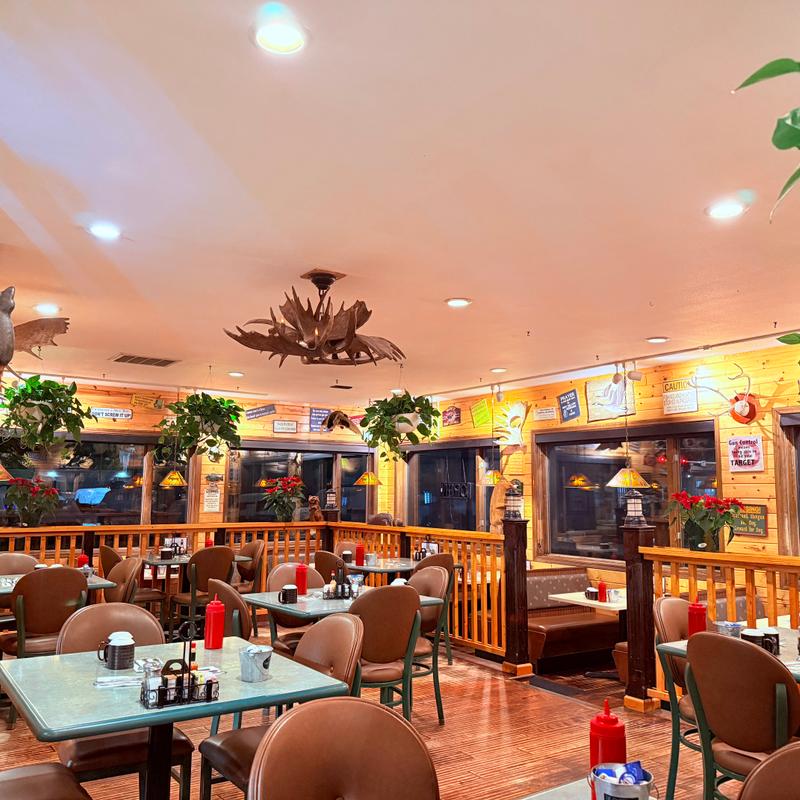
The building, the mountain, and the seasons of a rainforest capital
Indoors, a Juneau building is built to keep weather out, which means it will be timber-framed with windows sized for the climate rather than for a view — and timber absorbs, so the ambient is a stop or two below what the eye estimates and the background behind a subject drops away for free.
A subject a metre from a window turned about forty-five degrees to it gets horizontal light with steep fall-off behind — room lights off, and a custom white balance set on a face, because a window facing a channel delivers cool light and one facing a mossed slope delivers green.
The latitude helps indoors more than people expect: because the sun is low all year, it enters a window almost horizontally and travels much further into a room than it would further south — which means a Juneau interior is well lit relative to its window size, and better lit in winter than in summer.
Where the building has a view over the channel, the window is a subject as well as a source: exposing for the view silhouettes the subject, exposing for the subject whites out the view, and the resolution when both are wanted is a close source at roughly the window’s brightness, with the choice made deliberately rather than averaged.
For the evening, expose the ambient about a stop under what faces need so the room keeps its character, then add one warm-gelled source just above skin level with the white balance set to the gel. A lower ceiling is a usable bounce surface.
The mountain behind the town is the wide subject and it is closer and steeper than almost anything in this guide — which means it fills a frame from a street position rather than sitting on a horizon. A longer lens keeps it monumental; a wide lens from close beneath it exaggerates the steepness and is the one situation in which a wide lens is right for a mountain.
The mountain also gives the interval frame, and in a town it is dramatic: the streets in shade while the upper slopes and the ridge are still lit, which happens early because the terrain takes the sun well before a table says. That is made by exposing for the lit slope and lifting the faces with a close warm-gelled source.
The rainforest is immediately at the edge of town — Sitka spruce and western hemlock, mossed from root to crown — which means the canopy edge is available within a short walk. That is the most reliable portrait position in Alaska: a metre or two inside at the margin of an opening, soft directional light in front and near-darkness behind, three or four stops of free separation.
The metering trap is severe in a town beside a rainforest: dark mossed conifer makes a meter overexpose a face by a couple of stops, and bright water or a pale painted wall fools it the other way within a few paces. Manual, metered on skin, reset at every transition.
The seasons here are unlike the rest of Alaska because the maritime climate keeps the extremes off. Midwinter gives about six and a half hours of daylight with the sun barely clearing the mountain, which in a steep-sided town means much of the day is in shadow — soft, blue-toned and dim. Snow falls at sea level and is wet rather than dry, and where it lies on mossed spruce it is one of the more beautiful conditions in this guide.
Spring comes earlier here than anywhere else in Alaska: by April the forest is greening and May is genuinely spring rather than break-up, which makes southeast Alaska the one part of the state where a May wedding is a reasonable proposition.
Summer is the wettest and busiest season and the cruise ships are part of it — which is worth knowing, because a downtown Juneau street in July with several ships in port is a crowded place. Early morning and evening are the quiet hours, and at this latitude the evening light lasts until near eleven.
Late August into September is the best season, as it is everywhere in Alaska: alder and cottonwood turn gold against near-black conifer, the first snow appears on the peaks, the ships thin out, and the nights lengthen enough for the possibility of aurora — though the cloud that defines this climate makes clear nights uncommon here.
October brings the heaviest rain of the year and the shortening days. The honest summary for Juneau is that the light improves from March to September, the rain never really stops, and the town is at its best when it is wet.
- Shade is the default, and it is directional — face a lit surface up the slope
- Doorways are the most dependable position in any town, at any hour
- Custom white balance on a face; rainforest overcast is cool and green at once
- Longer lens along the channel; a wide one for the mountain from beneath it
- A grey wet day is technically the easiest day of the year here
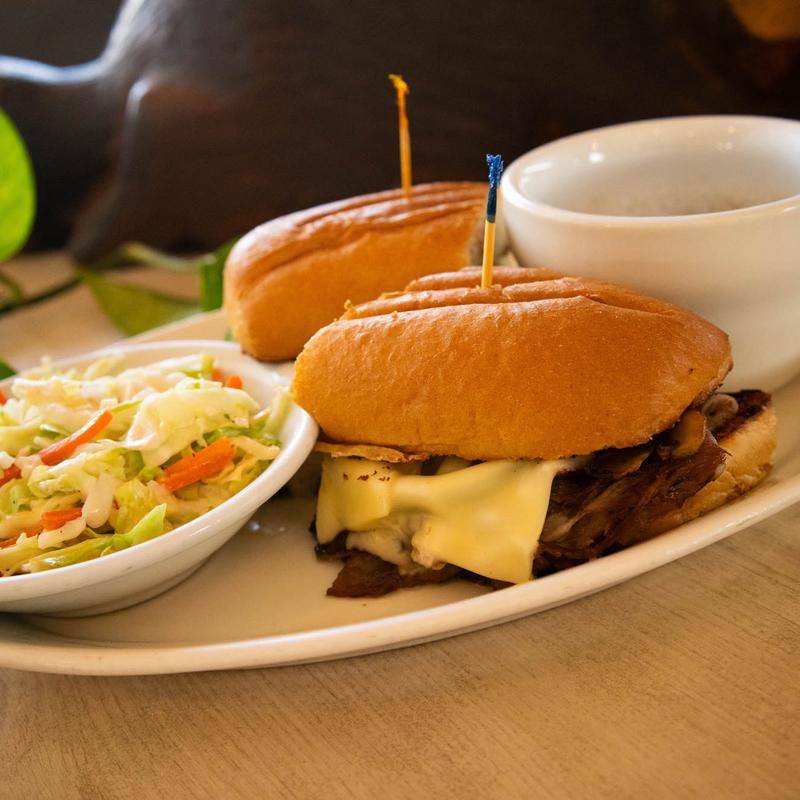
The Juneau year
Southeast Alaska has a maritime climate with a narrow temperature range and an enormous amount of precipitation, which makes the seasons here about light rather than weather.
Midwinter gives about six and a half hours of daylight, with the sun reaching only about eight degrees above the horizon — and in a town with a mountain immediately behind it, that means large parts of downtown receive no direct sun at all for weeks. The light is soft, blue-toned and dim, and in a rainforest that is very dim indeed.
A winter wedding in Juneau is therefore largely an indoor proposition with brief deliberate outdoor excursions, and the exterior frames belong to the blue hour rather than to daylight — which at this latitude in December arrives in the middle of the afternoon.
That is an asset rather than a limitation. A town on a hillside at dusk, with lit windows, wet streets and the channel reflecting everything, is one of the strongest urban frames available anywhere — and in December it is available at three in the afternoon rather than after eight.
Snow falls at sea level here but is wet and does not lie as reliably as in the interior. Where it does, snow against near-black mossed conifer is the widest brightness range in this guide — expose for the snow and let the trees go black, overexposing deliberately relative to the meter, which snow fools by about two stops.
Aurora is possible from September to April, and the cloud cover that defines this climate makes clear nights genuinely uncommon. It is a possibility rather than a plan.
Spring arrives earlier than anywhere else in Alaska because the winters are mild. By April the forest is greening, the days are lengthening fast, and May is genuinely spring — which makes a May wedding here reasonable in a way it is not in the interior.
Late spring is the most luminous time in a rainforest: new spruce tips, fresh alder, moss at its most vivid, and long days. Mosquitoes are less of a problem here than in the interior, which is a real advantage.
Summer is the wettest season and the busiest. Cruise ship season fills downtown from late spring to early autumn, and on a day with several ships in port the streets are crowded — which is workable with a longer lens and closer framing, and much better known in advance than discovered. The quiet hours are early morning and after the ships leave in the evening.
What summer gives is the long day: on a clear evening the low warm light lasts two or three hours and runs until near eleven, and at that hour the town is quiet again. A portrait session at nine in Juneau in July is the best of both.
Whales are in these waters in summer and salmon run in the creeks, and both are genuine features rather than rarities.
Late August into September is the best season. Alder and cottonwood turn gold against near-black conifer, the first snow appears on the peaks above the town, the ships thin out, and the days are still long enough to work in. Gold deciduous colour against dark rainforest with fresh snow above and a channel in front of it is the strongest combination this town produces.
October brings the heaviest rain of the year, and by November the light is short again. The honest summary is that late August and early September are the best dates, that a wet day is easier than a bright one, and that the winter blue hour is a resource rather than a problem.
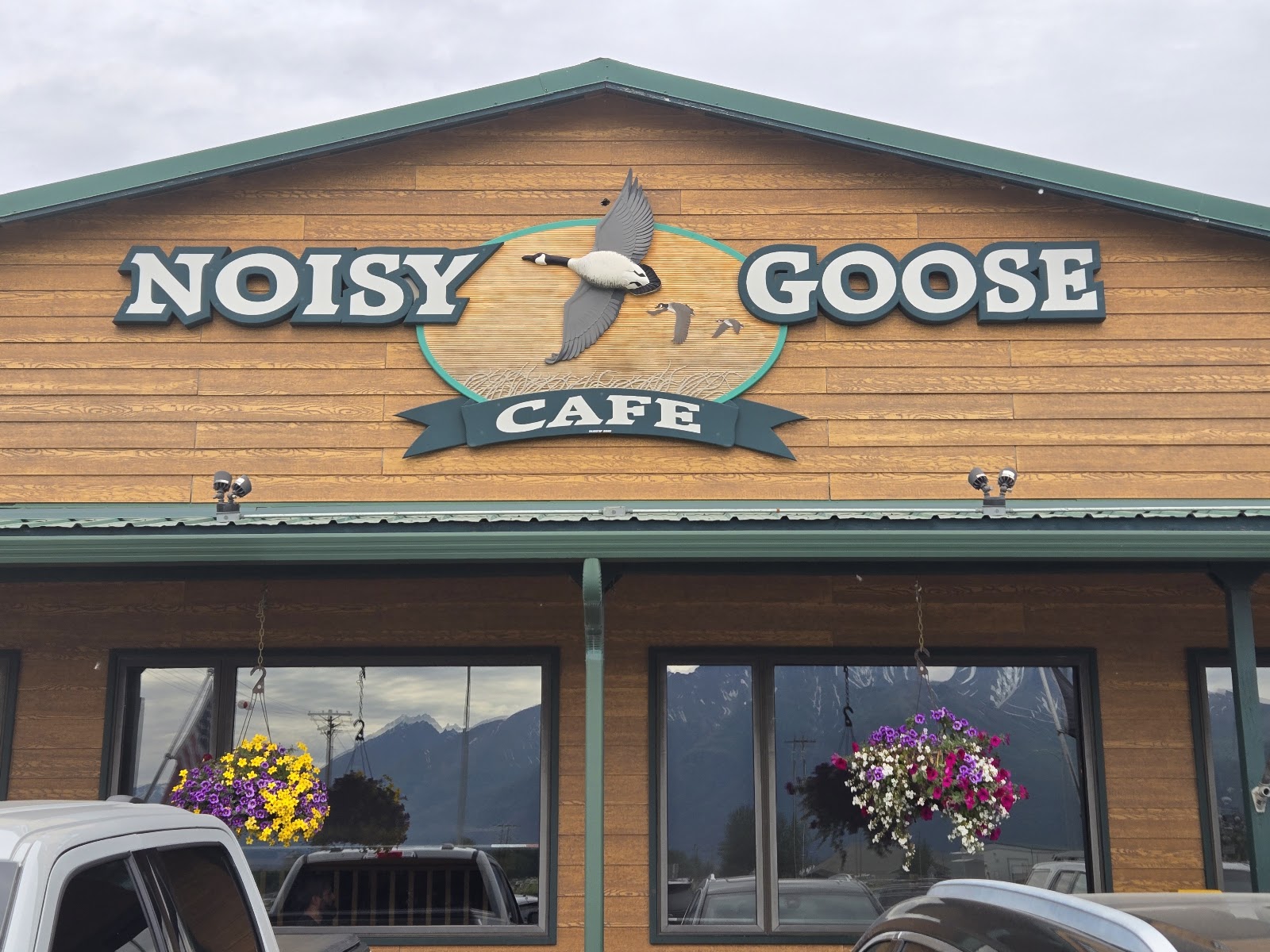
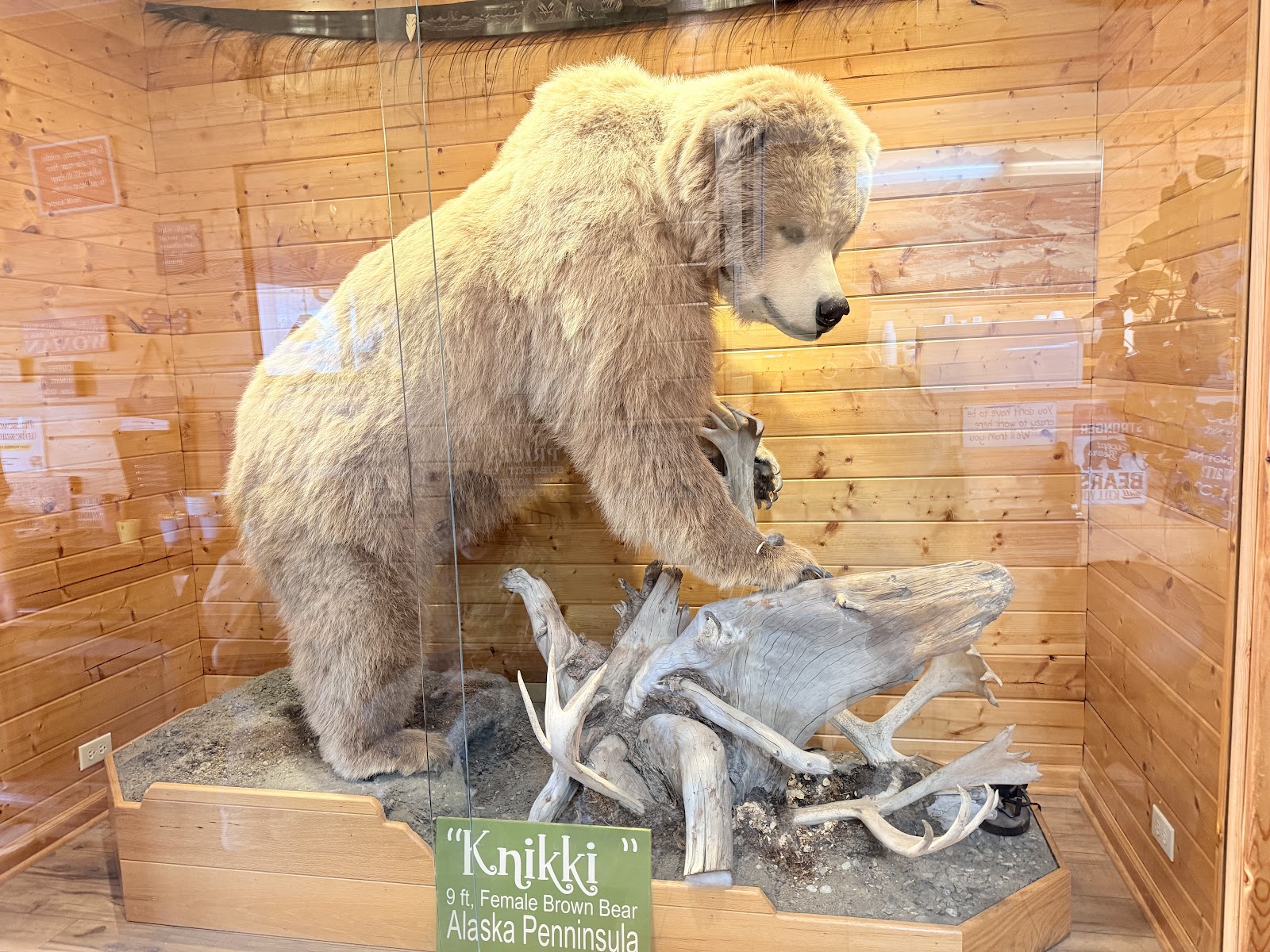
More frames from Snowgoose Restaurant
Snowgoose Restaurant wedding photography: common questions
Why is Juneau in shade so much?
A steep mountain rises immediately behind the town, which blocks the sun late into the morning and early in the afternoon for much of the year.
Is that a problem?
No. Shade in a town is directional — lit by the strip of sky above and by surfaces catching light up the slope, which is a position rather than flat light.
What is the most dependable position?
A recessed doorway. It restricts light to a horizontal band, gives a dark surround, and cannot dapple — at any hour in any weather.
How wet is it?
Very. This is temperate rainforest and overcast is the default. A grey wet day is technically the easiest day of the year here.
Do cruise ships affect a wedding?
They affect the streets. On a day with several in port downtown is crowded; early morning and evening are the quiet hours.
When is Juneau at its best?
Late August into September — gold alder against dark conifer, first snow on the peaks, thinner crowds, and still-long days. Winter’s blue hour is the other gift.
More Alaska venue guides
We are writing a photographer’s guide to every venue we would happily shoot in Alaska. Here are three more, plus the full index:
- Stillpoint Lodge, Halibut Cove: A Walk Through the Site
- Susitna River Lodge, Talkeetna: What It Suits and What It Does Not
- Tordrillo Mountain Lodge, Skwentna: The One Decision That Governs Everything
Planning a wedding at Snowgoose Restaurant?
A town with its own light. Tell us your date and we will read the shade.