 Roxy’s Downtown: Photographing a Small Stage Room
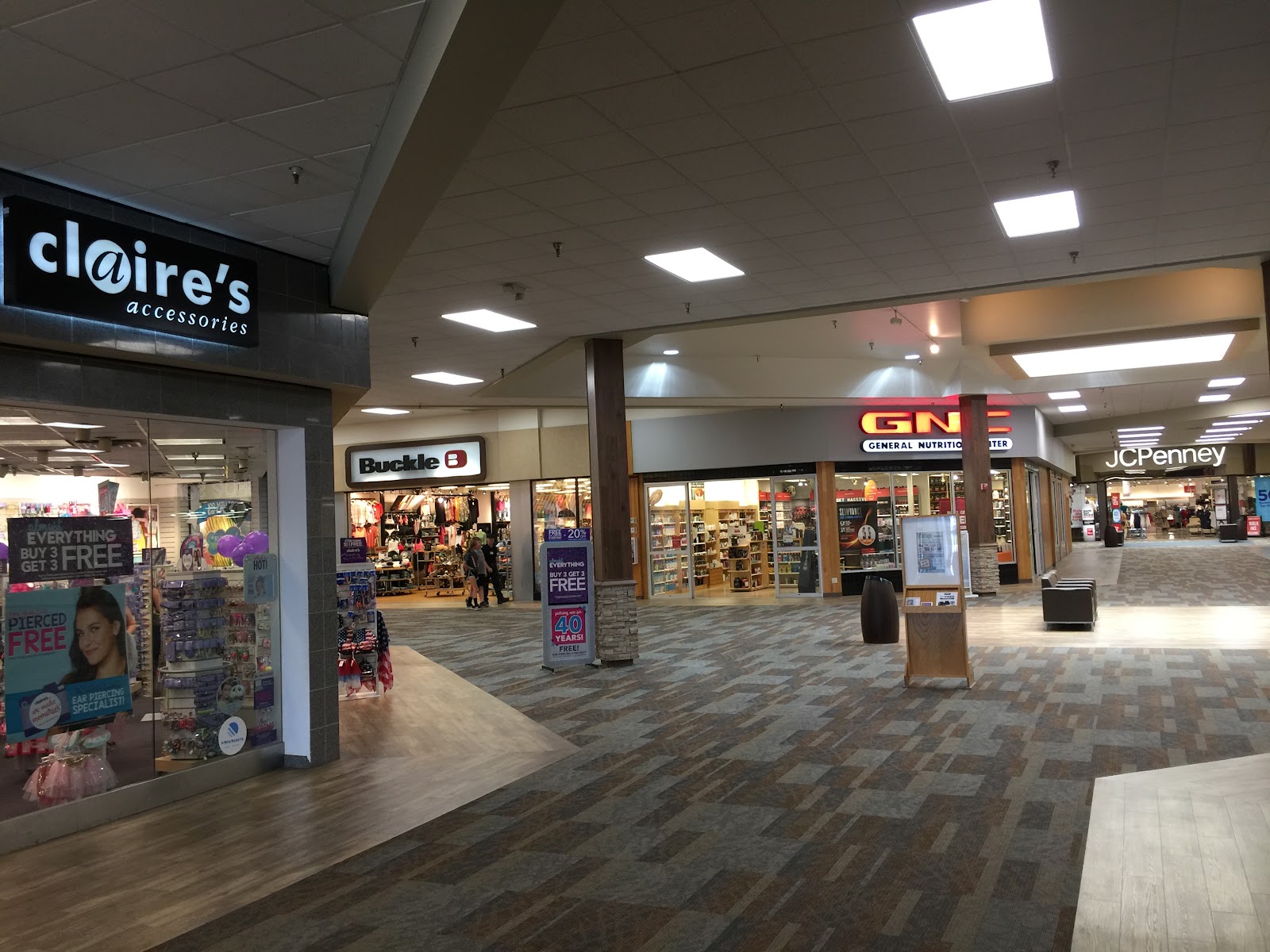
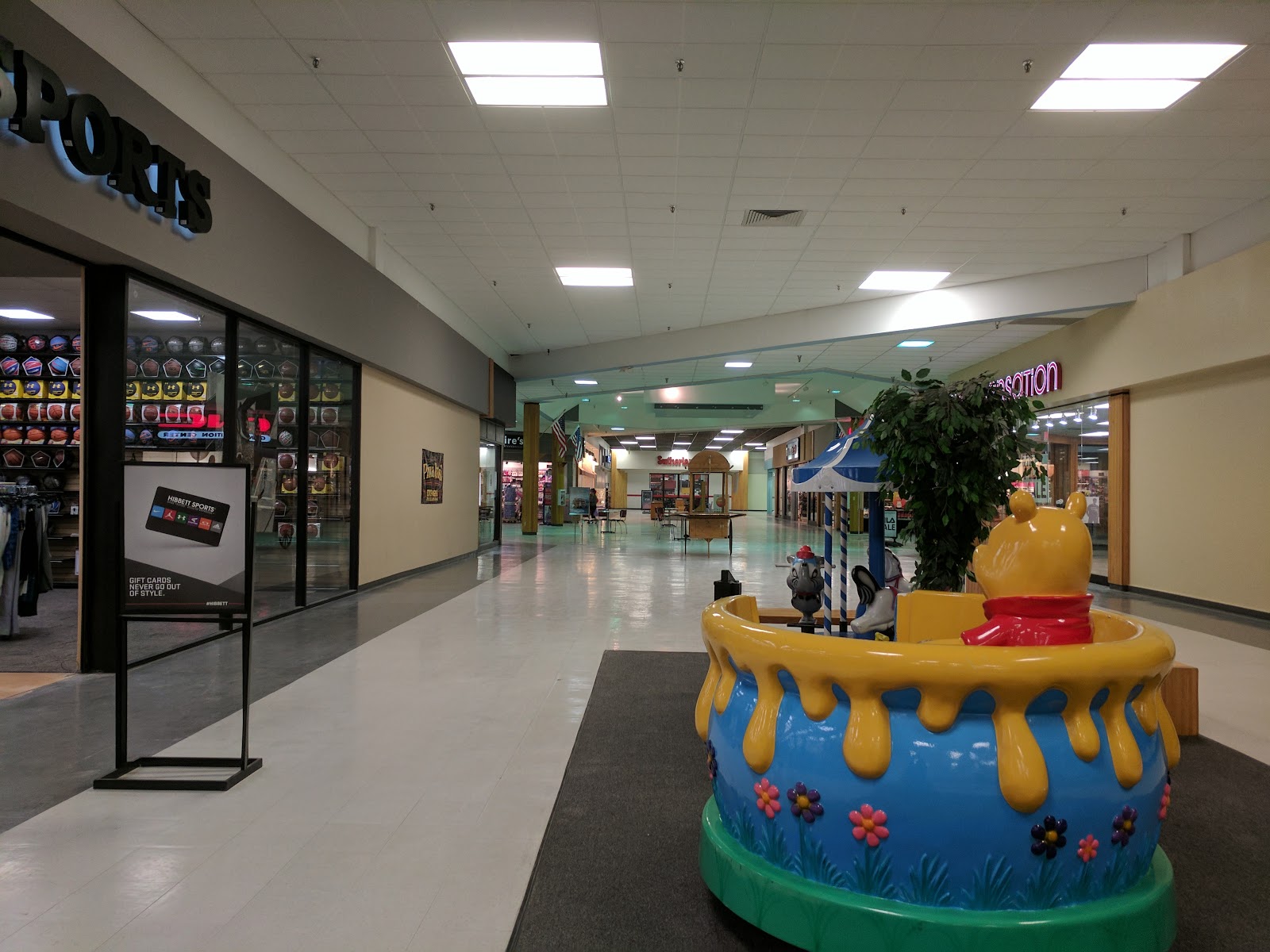
The Flinthills Mall, Emporia: A Building Lit From Above
Almost every building lets light in through its walls. This one lets it in through the roof, and that changes everything.
A mall is built on an inversion that almost no other building type uses: the daylight comes in through the roof rather than through the walls.
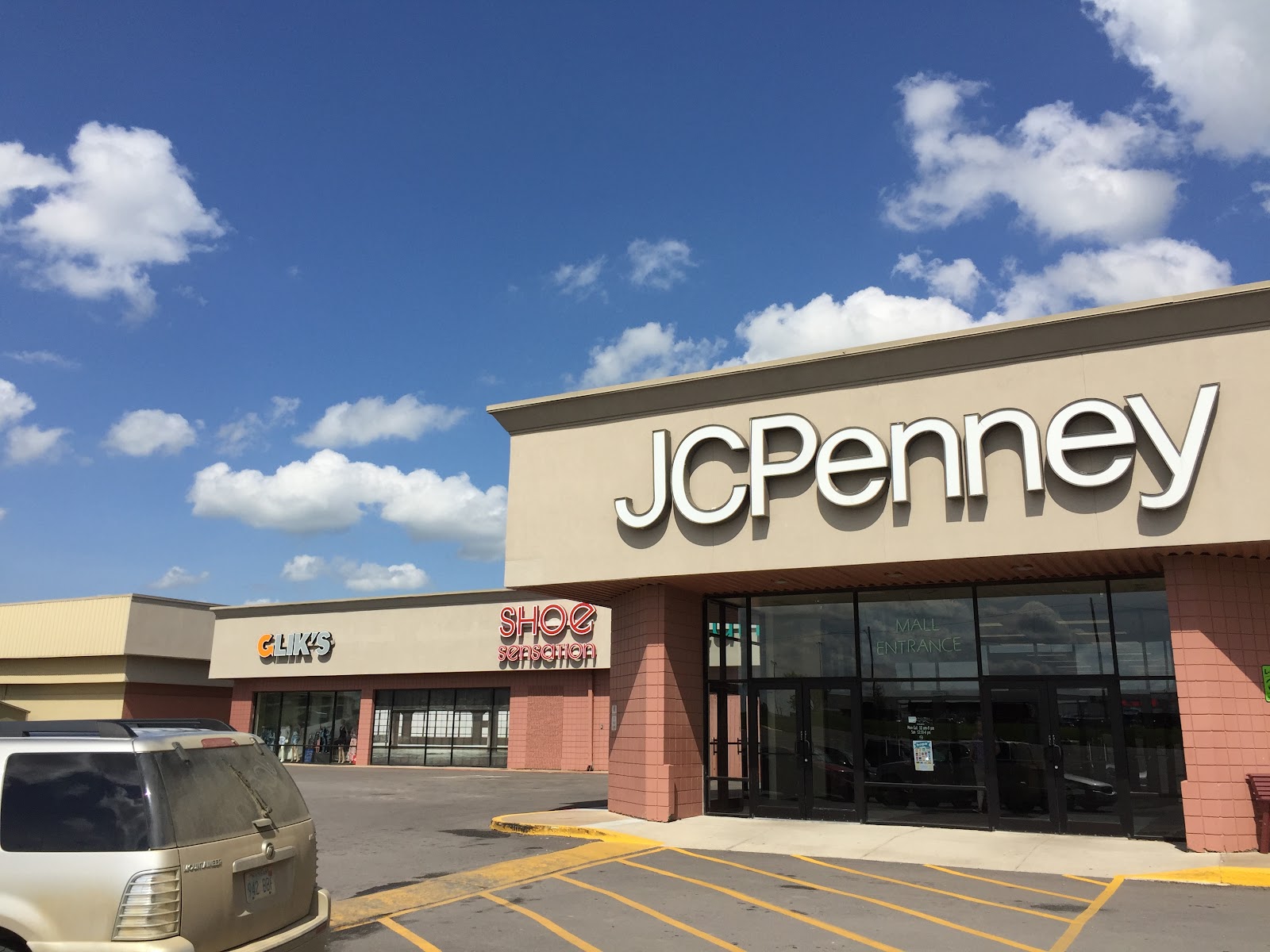
That is a deliberate commercial decision — a windowless perimeter means uninterrupted frontage for tenants, while skylights or a glazed roof over the central space keep the interior feeling open. And it produces a lighting condition that a photographer will not meet anywhere else at this scale.
The consequences run through everything. Light arrives from directly overhead, which is the least flattering direction there is. There is no side light anywhere in the building, so faces have no natural modelling. The floor is hard and polished, which means it reflects and bounces a significant amount back up. And the perimeter, away from the skylights, is lit entirely by installed fittings which are a mixture of whatever has accumulated.
We have not photographed a wedding at the Flinthills Mall; skylit enclosed retail buildings behave consistently. Which areas are included, whether the lighting is adjustable and what may be attached are questions for their team.
The Flinthills Mall at a glance
| Where | Emporia, Kansas |
| The logic | Daylight through the roof, not the walls — a windowless perimeter |
| The problem | Overhead light with no side component anywhere in the building |
| The unexpected asset | A hard polished floor that bounces light back up |
| Ask first | Areas included, lighting control, fixings, skylight condition |
What top-lighting does, and how to work against it
Overhead light is the whole problem and it is worth being precise about why. Light arriving from directly above fills eye sockets with shadow, casts a hard line under the chin, and puts a bright patch on the top of the head and nose — which reads as tired even when the exposure is perfect. It is the direction studio photographers spend their careers avoiding.
Under a skylight there is no side component at all, because the walls are too far away and too dark to bounce anything back. So unlike a normal room, where a wall two metres away softens and fills, a skylit space gives pure top light with nothing to relieve it.
The fix is direction and it has two versions, one free and one not.
The free version is the floor. A mall floor is hard, pale and polished, which makes it a genuinely significant reflector — and light bouncing up off it is the only upward component in the building. Standing on the brightest patch of floor under a skylight puts light under the chin and into the eyes from below, which partially cancels the top light. It is not ideal, because light from directly below is unnatural in its own way, but it is free and it is better than nothing.
The better free version is to find a vertical surface and use it. Anywhere the skylit space meets a pale wall, a column, a shopfront or a glazed frontage, that surface is being lit from above and is bouncing sideways — which is exactly the missing component. Standing a metre or two from a pale vertical surface, with it to one side, converts pure top light into something with direction in it. Ten minutes of walking finds the two or three best of these and they carry the portraits.
The paid version is one source, off the camera axis, at face height, which restores modelling directly. Half a stop to a stop above the ambient is enough, because the top light is already providing plenty of exposure — it is direction that is missing rather than quantity. That distinction matters here more than almost anywhere, because the instinct in a bright space is not to add light at all.
And the ambient is genuinely bright under a skylight, which has one useful consequence: there is no low-light problem in the central space at all. A low ISO, a moderate aperture and a fast shutter are all available, which is rare in a large venue.
The perimeter, the colour, and the reflections
Away from the skylights the building inverts again: the perimeter has no daylight at all and is lit entirely by installed fittings, which in a building of this type means a mixture accumulated over decades — fluorescent tubes, LED replacements of varying quality, warmer decorative fittings in some areas, and any illuminated signage.
Three temperatures on one face cannot be reconciled afterwards, so pick the one that should be correct, set white balance to it, and switch off or overpower whatever else lands on skin. Cheaper fluorescent and LED fittings also render skin poorly, because their energy sits unevenly across the spectrum — that is a spectral problem rather than a white balance one, and the fix is the same: let one gelled source own the faces so skin is lit by something known.
The transition between the skylit centre and the unlit perimeter is the third condition and it is the building’s best frame. Standing in the dim perimeter looking out into the skylit space, a subject at the edge is lit by an enormous overhead source with darkness behind them — and darkness behind is the one thing the central space cannot give, because everything there is equally bright.
That threshold is worth finding on arrival. Two or three metres into the dimmer area is usually the position, and one test frame at two, three and four metres shows where the trade between usable light and dark background sits.
Reflections are the fourth condition and they are everywhere in a building of this type. A polished floor, glazed shopfronts, mirrors and metal all show a badly placed light at full brightness in a way nothing removes afterwards. The discipline is fifteen seconds long: stand where the camera will stand, look at every reflective surface in the frame, and place the source where none of them sees it.
The polished floor deserves a note of its own, because it can be used rather than merely managed. A hard reflective floor doubles anything standing on it, which gives a second version of a couple, of a group, or of the architecture for free — and a low camera position makes that reflection a deliberate compositional element rather than an accident. It is one of the few things a mall does that a ballroom cannot.
The last condition is scale. These buildings are large and evenly lit, which means separation has to be built rather than found: distance between subject and background, the darker end of a space, depth behind rather than a near wall, and a source brighter on the face than the room is on the wall. And the ceilings under a skylight are high enough that bounce flash returns nothing — one test frame confirms it, and the perimeter areas with lower ceilings are where bounce works.
- Stand a metre or two from a pale vertical surface to restore side light
- Direction, not brightness — the top light already provides the exposure
- Find the threshold: dim perimeter looking out into the skylit space
- Check every reflective surface from the camera position before lighting
- Use the polished floor as a deliberate reflection, not an accident
Outside, and the Flint Hills year
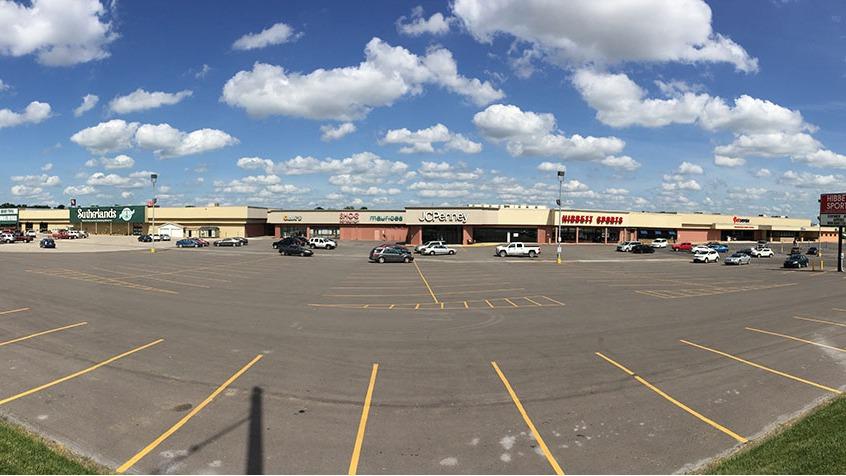
Outside, Emporia sits in the Flint Hills, which is the largest remaining expanse of tallgrass prairie in North America — and it survived here for a specific reason worth knowing, because it shapes what the landscape looks like. Layers of flint-bearing rock close to the surface made the hills unploughable, so they were grazed rather than cultivated, and the original grassland remained.
What that gives a photographer is a landscape of rolling open hills with very little tree cover and an enormous sky, and a ground surface that changes more dramatically through the year than almost any other.
Tallgrass is the reason. Big bluestem and Indian grass grow through the summer and by late August can stand well above head height, which makes them a foreground and a background element at once — a couple standing in tallgrass is enclosed by it rather than in front of it, which is a frame available almost nowhere else. In autumn it turns bronze and russet and holds that colour standing through the winter, which means the prairie has warm colour in January when nothing else does.
Spring brings the other distinctive condition: the prairie is burned. Ranchers burn the grassland in late March and April to control woody growth, which produces blackened ground, smoke on the horizon, and then an intense green flush of new growth within a few weeks. Those are three completely different landscapes in two months, and a couple marrying in that window should be told which one they are likely to get.
Wind is the constant and on open prairie there is very little to break it. A lightstand outdoors is a liability rather than a tool, a veil behaves unpredictably, a held diffusion panel becomes a sail, and hair needs managing — so a source in a hand or on a bracket, and positions on the lee side of a building, are the working answers. Tall grass moving in wind is also a genuinely good picture when it is anticipated rather than fought.
The sky is the compensation and it is the main subject in any wide frame, because the horizon is rolling and open with nothing tall in it. That means the exposure for a landscape frame should be set for the sky, with faces lifted by a source — metering on skin gives a white sky, which is the commonest failure here.
The seasons are emphatic. Summer is hot and humid, with the humidity softening shadows and flattening distance slightly, and with severe thunderstorms a real possibility from spring onward — which on open ground is a genuine hazard rather than an inconvenience, and at an entirely indoor venue costs a decision rather than a picture.
The humid fogging problem is the equipment issue: a body carried from an air-conditioned interior into July air fogs on every surface at once and does not clear quickly, so a bag opened twenty minutes early is the whole fix. At this latitude — about thirty-eight degrees north — the December midday sun reaches about twenty-eight degrees, which makes the whole short winter day raking light, and snow when it comes is the best natural fill available outdoors.
More frames from The Flinthills Mall
The Flinthills Mall wedding photography: common questions
What is unusual about the light here?
The daylight comes in through the roof rather than the walls, which means pure overhead light with no side component anywhere in the building.
Why is that a problem?
Top light fills eye sockets with shadow and cuts a line under the chin. It is the direction studio photographers spend their careers avoiding.
What is the free fix?
A pale vertical surface. Standing a metre or two from a lit wall, column or shopfront with it to one side converts top light into something with direction.
Does the space need added light?
Only for direction, not for exposure — the ambient under a skylight is genuinely bright. Half a stop to a stop above it is enough.
Where is the best frame?
At the threshold: standing in the dim perimeter looking out into the skylit space, which gives a large overhead source with darkness behind.
What changes outside through the year?
The prairie. Tallgrass stands above head height by late August, turns bronze and holds it through winter, and is burned in late March and April.
More Emporia, KS venue guides
We are writing a photographer’s guide to every venue we would happily shoot in Emporia, KS. Here are three more, plus the full index:
- The Granada Theatre, Emporia: The Problem, and Four Ways Out
- The Lyon County History Center, Emporia: Field Notes on a Museum Venue
- Emporia State University: The Light Through a Prairie Day
Planning a wedding at The Flinthills Mall?
A building lit the wrong way round. Tell us your date and we will work with it.