 Roxy’s Downtown: Photographing a Small Stage Room
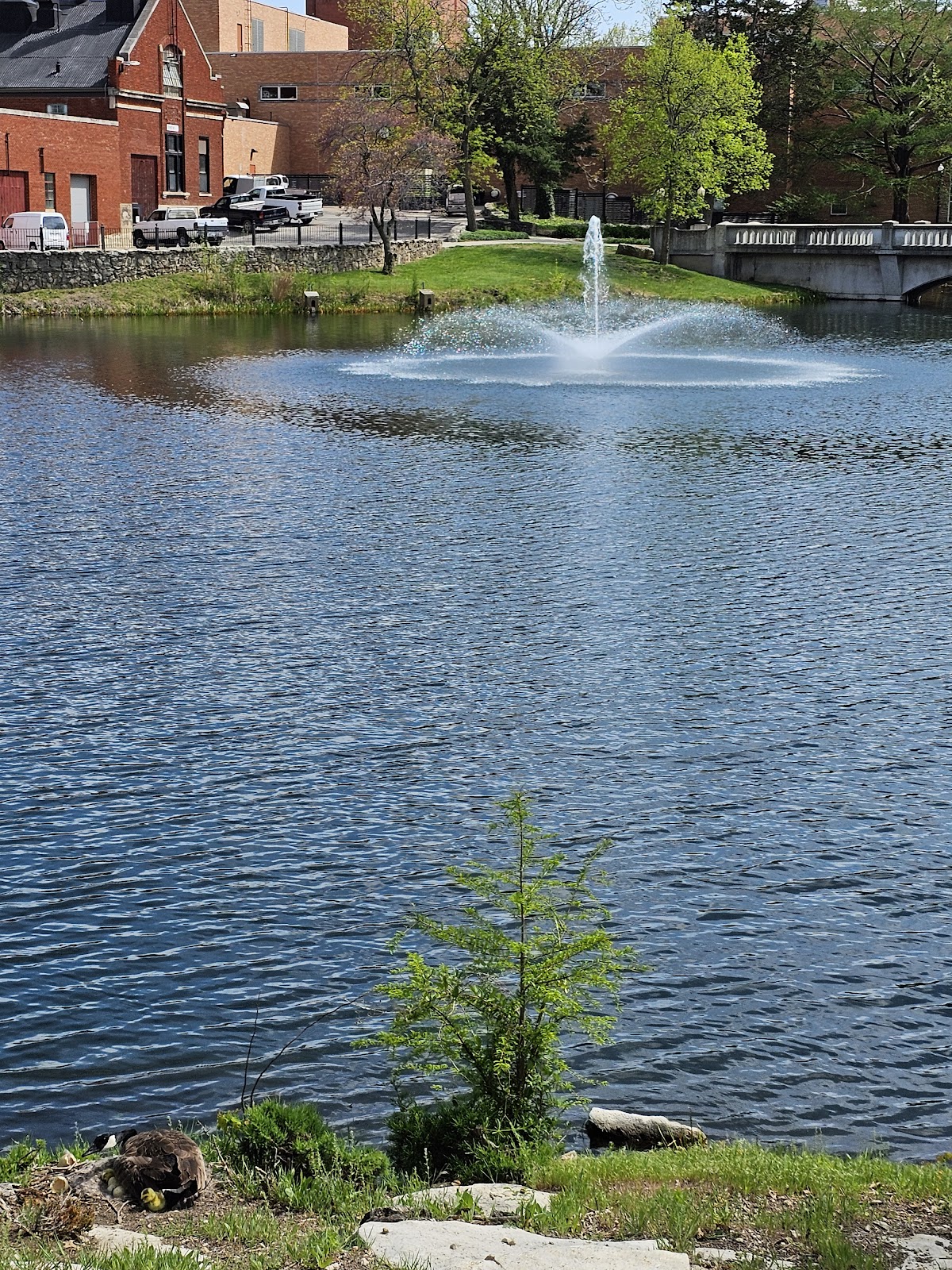
Emporia State University: The Light Through a Prairie Day
On open prairie the question is not only where the light is. It is where the wind is not.
A campus on the Kansas prairie has two variables running through the day rather than one. The sun, which behaves as it does anywhere; and the wind, which on open ground with very little tree cover is a constant rather than an occasional condition, and which decides as many positions as the light does.
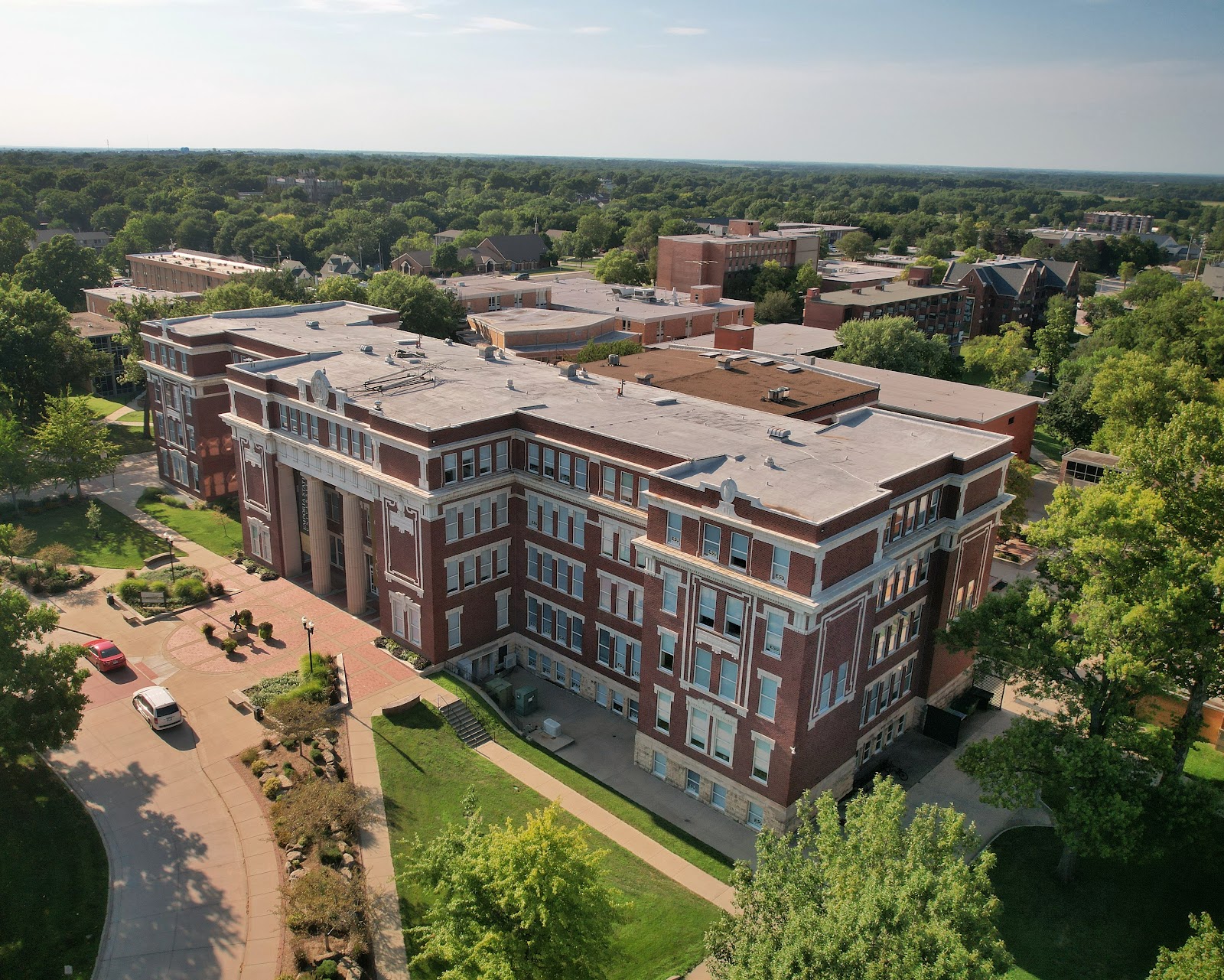
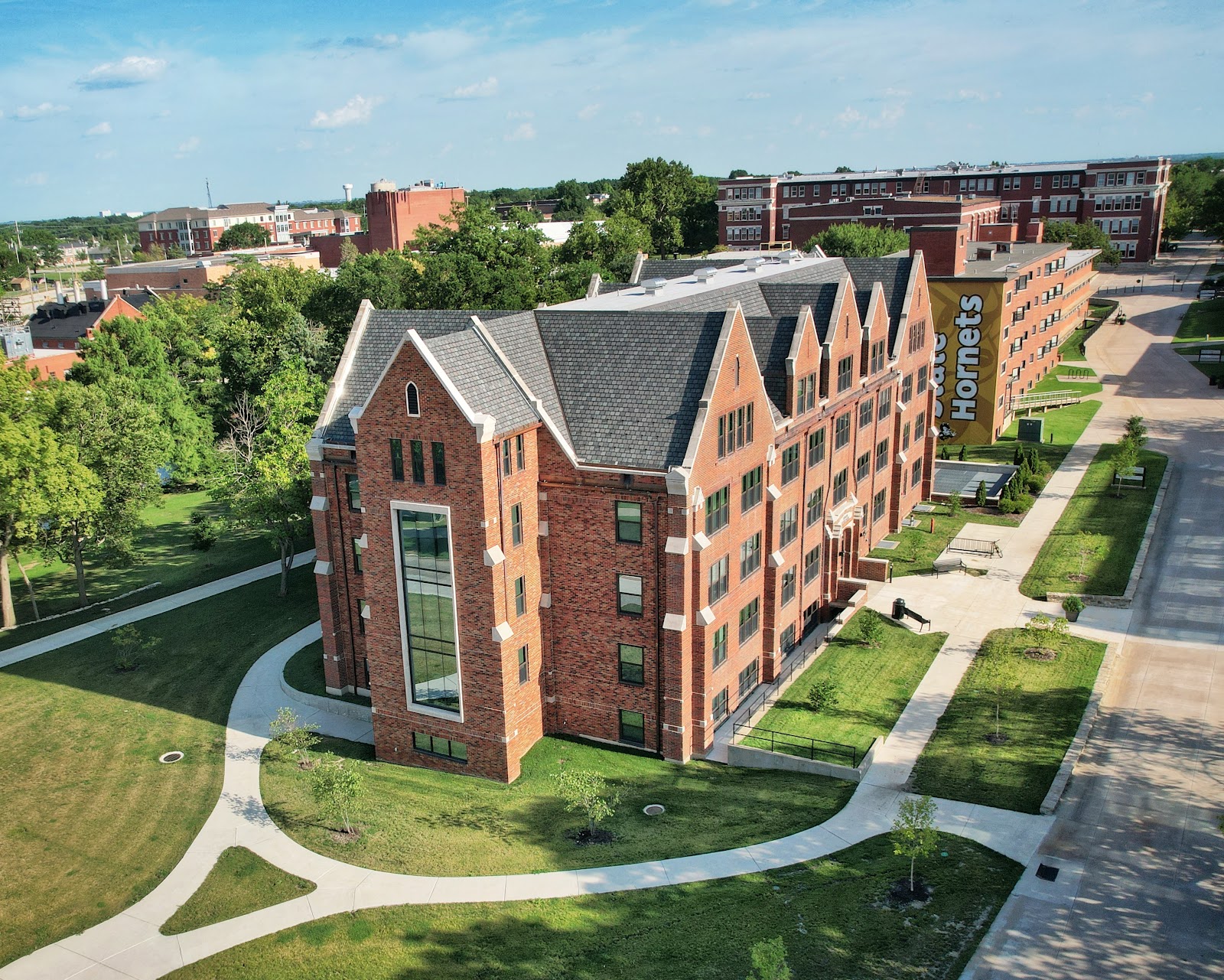
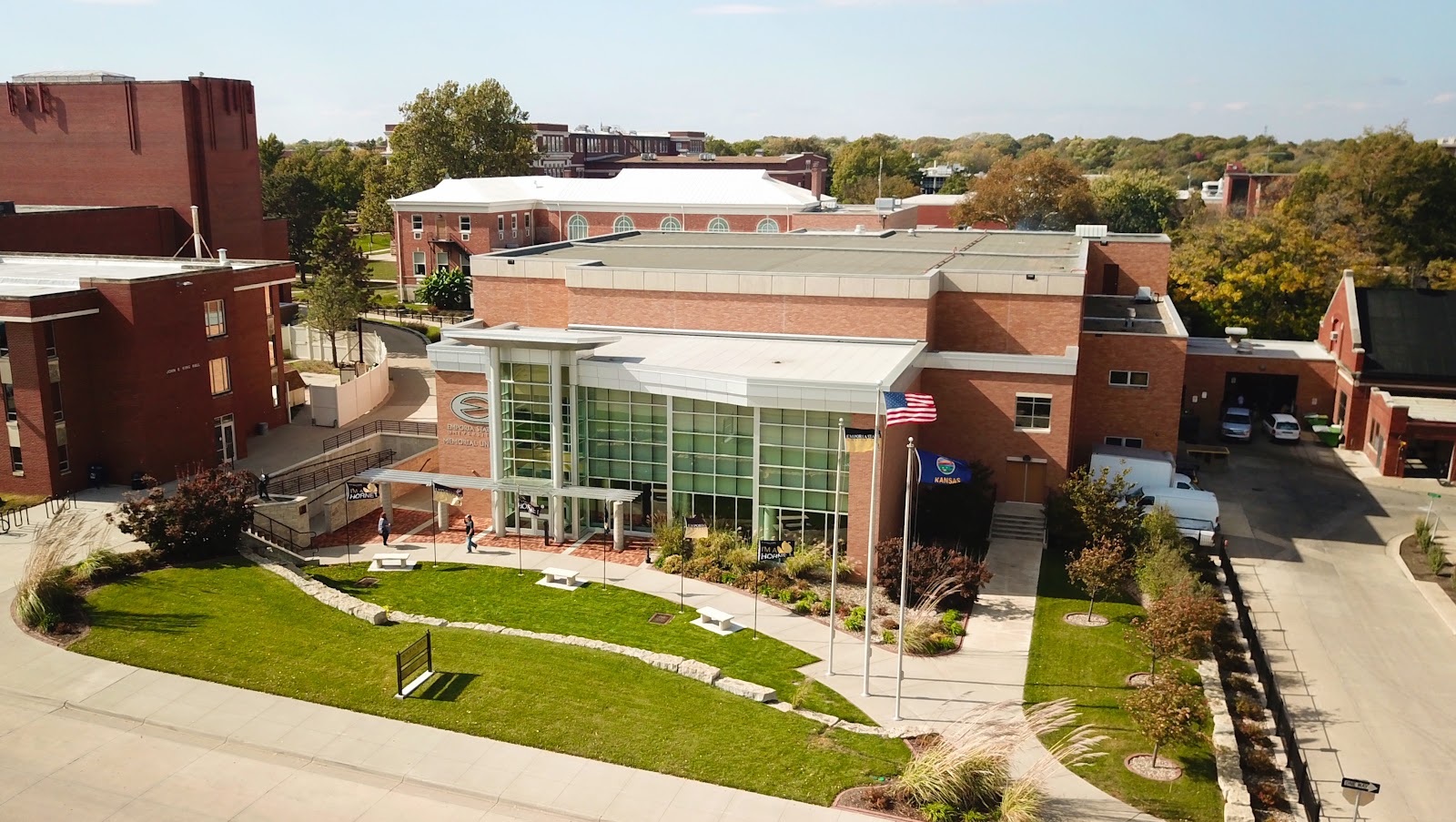
The campus itself is the answer to both, and that is the useful thing to understand. Buildings, quadrangles and planted courtyards are manufactured shelter on a landscape that supplies none — they give shade where the prairie has none and windbreaks where the prairie has nothing at all. A campus in this country is a set of engineered microclimates, and walking it with both variables in mind produces a plan.
There is also the standard campus gift, which applies here as everywhere: buildings designed for study are designed to be daylit, so there is more usable window light per square metre than at almost any other venue type.
This is the day in order. We have not photographed a wedding at Emporia State University; campuses and prairie conditions behave consistently. Which buildings are included, whether there is a chapel, theatre or auditorium, and whether the lighting is adjustable are questions for their team.
Emporia State University at a glance
| Where | Emporia, Kansas, in the Flint Hills |
| Two variables | The sun, and the wind — which on open prairie decides as much |
| Morning | Interior window light, which a campus has in quantity |
| Afternoon | Quadrangles and courtyards: shade and shelter at once |
| Evening | The open edge, with the sky as the subject |
Morning and midday: inside, and the quadrangles
The morning belongs indoors and that is not a compromise, because a campus is one of the better-lit venue types there is. Classrooms, offices, libraries and common rooms are all designed to be daylit, which means a building of this kind has more usable window light per square metre than a hotel, a barn or a function centre.
The method is the ordinary one and it works everywhere on campus. Largest window on the shaded side, every overhead fitting switched off so the room has one colour of light rather than two landing on the same face, and two to three metres back from the glass — at half a metre the fall-off across two faces darkens the far one, while at two or three it is directional and even.
At Emporia’s latitude, about thirty-eight degrees north, the midday sun reaches roughly seventy-five degrees above the horizon in June and about twenty-eight in December. So a north-facing window is shaded all year and is the most reliable in the building, while a south-facing one is a high source in summer and a genuinely useful low directional one through a winter afternoon.
Institutional glazing is frequently coated for solar control, which throws a localised green or blue cast onto anything near it that global white balance cannot remove — one test frame rather than a discovery in editing.
The other campus advantage is ceiling height: classrooms, seminar rooms, offices and corridors are typically under three metres, which means bounce flash works properly and a bounced source is a very large soft light that needs no stand. One test frame per space, because the auditorium and any sports hall will be different.
Through the middle of the day the quadrangles and planted courtyards are the outdoor answer, and they solve both variables at once. A quadrangle enclosed by buildings on several sides gives shade for part of the day, because the buildings block the sun, and a windbreak at all times, because the buildings block the wind — which on open prairie is the more valuable of the two.
The light in an enclosed courtyard is sky above with walls bouncing in from the sides, which is soft and directional, and the good position is near a wall rather than in the middle of the space, because the middle is flat. Mature planting inside a quadrangle gives full shade, and the rule is absolute: full shade only, since dappled light through a thin canopy puts bright patches and deep shadow on the same face at a ratio nothing holds.
Dense planting also throws green onto skin from whichever side it sits, localised so global white balance cannot remove it — a custom white balance set on a face in the position being used is the fix, and a metre further from the foliage roughly halves it.
Afternoon and evening: the specialist rooms, and the open edge
Through the afternoon the campus’s specialist spaces are worth working, and they are the assets most photographers overlook.
A theatre or auditorium is the most useful. A stage with its own lighting is a controllable set, and a subject lit by stage fittings against a dark house gives dramatic separation available nowhere else on campus, with the fall-off doing the work and no added equipment needed. Where the rig can be set, a warm wash from the front at a low angle is a better portrait light than anything a classroom offers — and what to avoid is the overhead default, which fills eye sockets with shadow and cuts a line under every chin.
A chapel, if there is one, is a small room with a low ceiling, near walls and usually windows, which is the easiest lighting environment in existence. The constraint is standing room rather than light, so one considered camera position beats free movement.
A library gives depth: rows of shelving receding into a frame provide a background that darkens by itself and carries meaning, and a subject at the end of a stack is separated with no equipment at all.
The difficulty after dark is the institutional lighting, and it is worth understanding rather than being surprised by. Fluorescent tubes and recessed LED panels are chosen for cost and adequacy, which means broad flat sources directly overhead with no direction at all, and frequently poor rendering of skin because their energy sits unevenly across the spectrum. That is a spectral problem rather than a white balance one, and the fix is one gelled source owning the faces with white balance set to it. Where the lighting switches in banks — as institutional lighting usually does — turning half a room off is the most valuable control available.
The evening belongs to the open edge of the campus, where it meets the prairie, and that is where the landscape becomes the subject. The horizon here is rolling and open with very little tall cover, which means the sky occupies most of any wide frame — so the exposure should be set for the sky with the faces lifted by a close source. Metering on skin gives a white sky, which is the commonest failure in this country.
The last hour before sunset is the target and on open ground it is unobstructed, so it runs its full length rather than being cut short by terrain. And the crossing after sunset — sky still holding colour at about the brightness of the buildings’ lighting — is the last timed frame.
Wind decides where all of that happens. A lightstand on open prairie is a liability rather than a tool, a veil behaves unpredictably, and a held diffusion panel is a sail — so the source goes in a hand or on a bracket, and a position on the lee side of a building is worth walking to. Tall grass and fabric moving in wind is also a genuinely good picture when it is anticipated rather than fought.
- North-facing windows are shaded all year and are the most reliable indoors
- Use the quadrangles: shade part of the day, windbreak all of it
- Ask for a warm front wash in any theatre, not the overhead default
- Expose for the sky at the open edge; faces lifted by a close source
- No stands outdoors — source in a hand, and use the building’s lee side
The Flint Hills year
Emporia sits in the Flint Hills, which is the largest remaining expanse of tallgrass prairie in North America, and it survived for a reason that shapes how it looks: layers of flint-bearing rock close to the surface made the hills unploughable, so they were grazed rather than cultivated and the original grassland remained.
The ground surface therefore changes through the year more dramatically than almost any other landscape, and that matters for any frame that includes it.
Tallgrass is the reason. Big bluestem and Indian grass grow through the summer and by late August can stand well above head height, which makes them a foreground and a background at once — a couple standing in tallgrass is enclosed by it rather than posed in front of it, which is a frame available almost nowhere else. In autumn it turns bronze and russet and holds that colour standing through the winter, so the prairie has warm colour in January when nothing else does.
Spring brings the other distinctive condition and it is worth knowing about before a date is chosen: the prairie is burned. Ranchers burn the grassland in late March and April to control woody growth, which gives blackened ground, smoke on the horizon, and then an intense green flush of new growth within a few weeks. Those are three completely different landscapes inside two months, and a couple marrying in that window should be told which they are likely to get rather than discovering it.
The green flush that follows is genuinely the best the prairie looks — short, vivid and even — and late April into May is the strongest window of the year for an outdoor frame here.
Summer is hot and humid, and the humidity rather than the heat is the photographic fact: moist air scatters light, softening shadows and slightly flattening the rolling distance. Severe thunderstorms are a real possibility from spring through summer and on open prairie they are a genuine hazard rather than an inconvenience — a named indoor alternative is a requirement, which on a campus is easy to arrange.
The compensation is that a storm over open prairie is visible for a long time before it arrives, which is both a useful warning and the most dramatic sky the landscape produces.
The fogging problem is the equipment issue in a humid continental summer: a body carried from an air-conditioned building into July air fogs on every surface at once and does not clear quickly, so a bag opened twenty minutes early is the whole fix.
Autumn is reliable and comfortable, with the grass at its bronze best from October, clear air, and low sun at a civilised hour. Winter is cold with a December midday sun at about twenty-eight degrees above the horizon, which makes the whole short day raking light; snow when it comes is the best natural fill available outdoors, lifting exactly the shadows a low sun carves while fooling a meter by about two stops, and snow with standing bronze tallgrass through it is a genuinely distinctive frame.
More frames from Emporia State University
Emporia State University wedding photography: common questions
What are the two variables here?
Sun and wind. On open prairie with little tree cover the wind is constant, and it decides as many positions as the light does.
Why is a campus useful in this landscape?
Because buildings and quadrangles are manufactured shelter — shade where the prairie has none, and windbreaks where it has nothing at all.
Which windows work best indoors?
North-facing ones. At this latitude they are shaded all year, which makes them the most reliable light in any campus building.
What is the difficulty after dark?
Institutional fluorescents and LED panels are flat, overhead and often render skin poorly. Ask about bank switching and let one gelled source own the faces.
How should the prairie frames be exposed?
For the sky, which occupies most of any wide frame here. Metering on skin gives a white sky, which is the commonest failure in this country.
When does the prairie look best?
Late April into May, after the spring burn, when the new growth comes through short, vivid and even.
More Emporia, KS venue guides
We are writing a photographer’s guide to every venue we would happily shoot in Emporia, KS. Here are three more, plus the full index:
- The Flinthills Mall, Emporia: A Building Lit From Above
- The Granada Theatre, Emporia: The Problem, and Four Ways Out
- The Lyon County History Center, Emporia: Field Notes on a Museum Venue
Planning a wedding at Emporia State University?
Two variables, one plan. Tell us your date and we will map both.