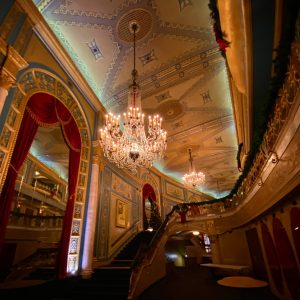
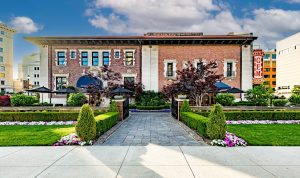
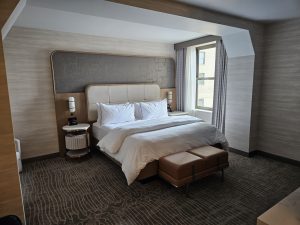
 The Westin Book Cadillac, Detroit: A Walk Up Through a Restored 1924 Hotel
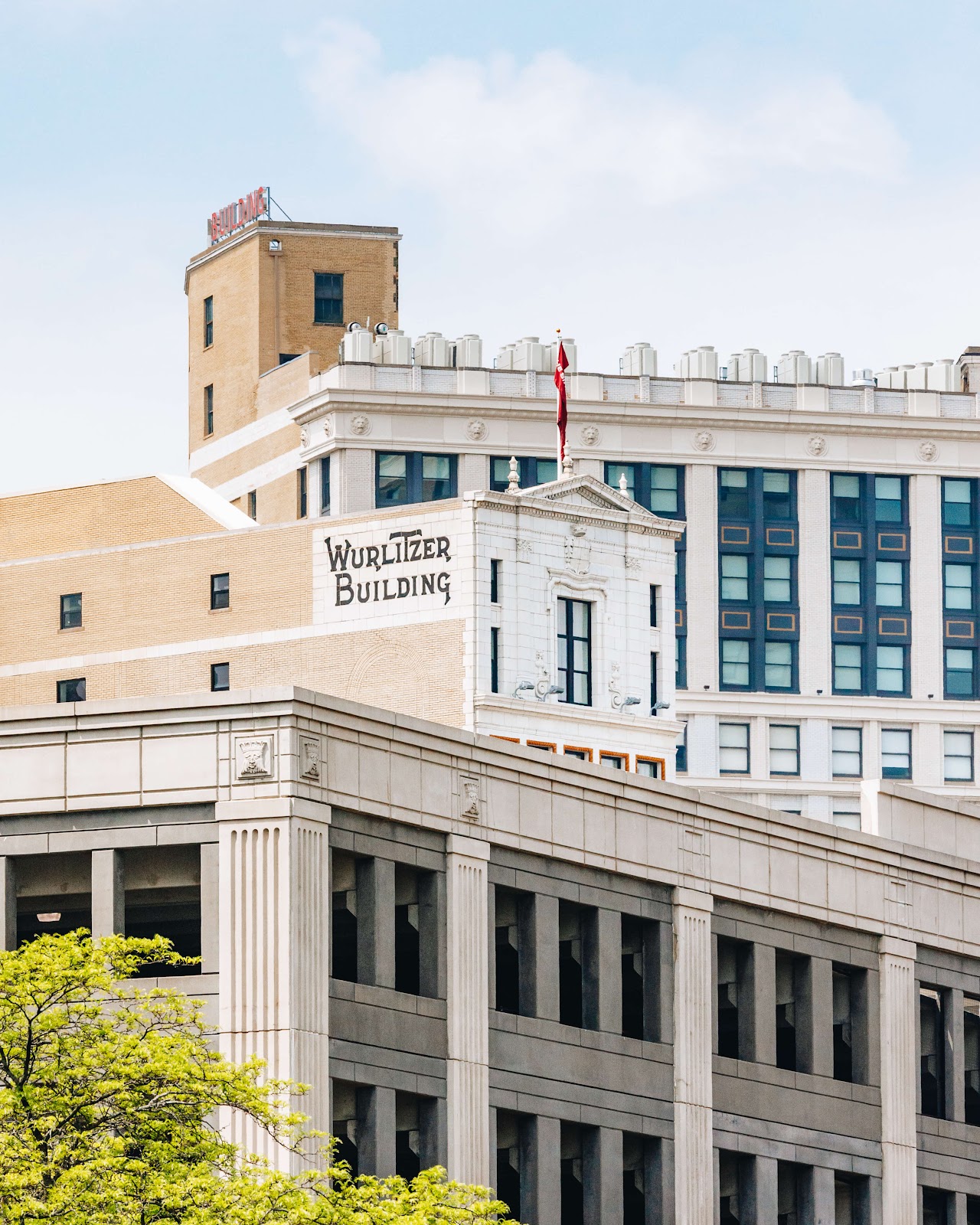
The Siren Hotel, Detroit: What It Suits and What It Does Not
Vintage and modern at once means small rooms with strong personality. Both halves of that matter.
The Siren boasts a charm that is both vintage and refreshingly modern, as its own description has it, in the heart of downtown Detroit.
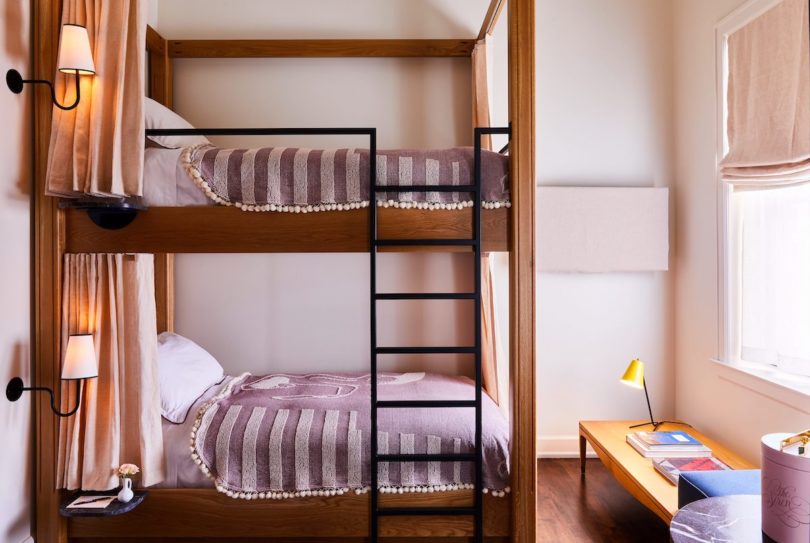
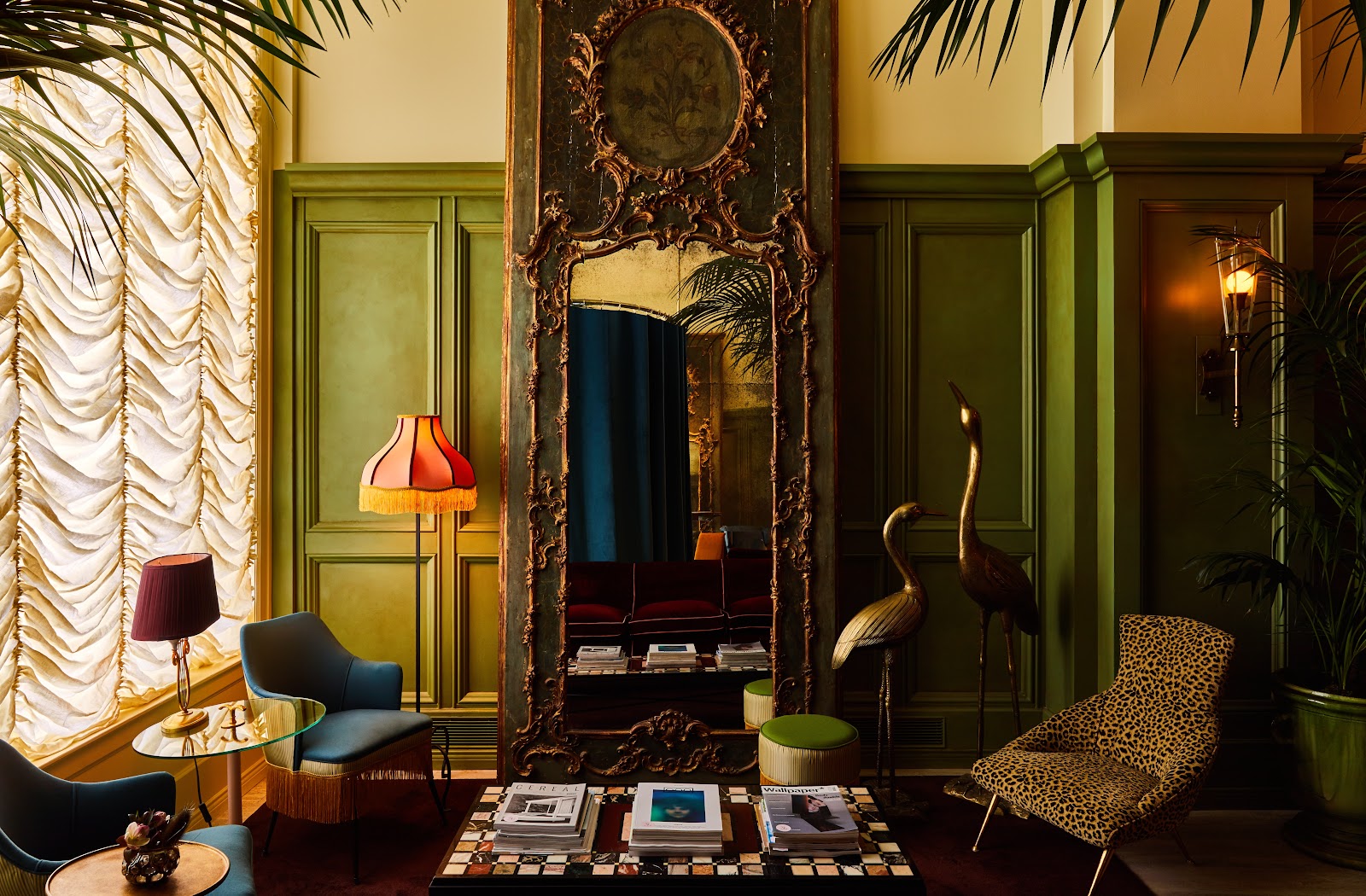
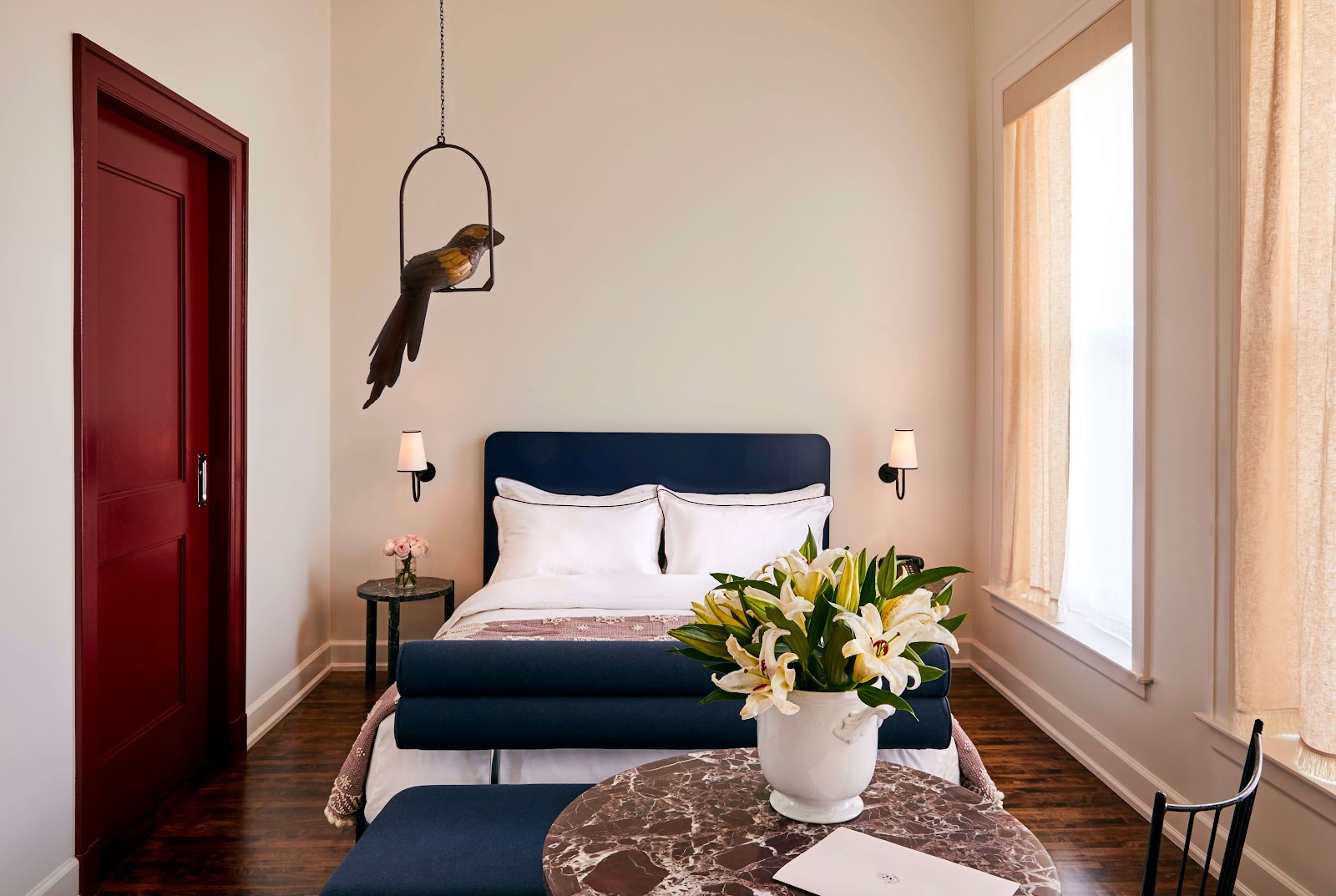
That pairing describes a recognisable kind of venue and it has two photographic consequences worth separating. Vintage means a historic building: a period shell with real materials, probably tall windows, and rooms sized for an earlier idea of a hotel rather than for a modern function suite. Refreshingly modern means a designed fit-out: strong colour, deliberate pattern, fittings chosen to be noticed, and finishes that assert themselves.
So the building is warm, textured and small-scaled, and the fit-out is opinionated. Both of those suit some briefs precisely and neither of them can be turned off.
This is written as suits and does not suit, because at a boutique hotel the match between the venue and the wedding matters more than any technique. We have not photographed a wedding at the Siren; boutique hotels in period buildings behave consistently. What the comfortable capacity of each space is rather than the maximum, which spaces are included, and whether the lighting is adjustable are the questions for their team.
The Siren Hotel at a glance
| Where | Downtown Detroit, Michigan |
| Character | A boutique hotel in a period building with a designed fit-out |
| Suits | Intimacy, character, smaller counts, weather independence |
| Does not suit | Large formal groups, neutral references, wide establishing frames |
| Ask first | Comfortable capacity of each space, spaces included, lighting control |
The two halves, and what each needs
The period shell is the first half and it is the forgiving one. A historic building has real materials — masonry, timber, plaster — which are mid-tones that meter predictably and hold texture at almost any sensible exposure. The one thing they demand is raking light: along a surface they read as material, at it they flatten to a plain field. The positions worth finding are those where existing light grazes rather than faces.
Tall windows are the period shell’s other gift, because buildings of that age were designed before reliable artificial light. A tall window sends light further into a room and higher up a standing figure than a modern one, and two or three metres inside one on the shaded elevation is a broad soft key with steep natural fall-off. It is the best light in the building.
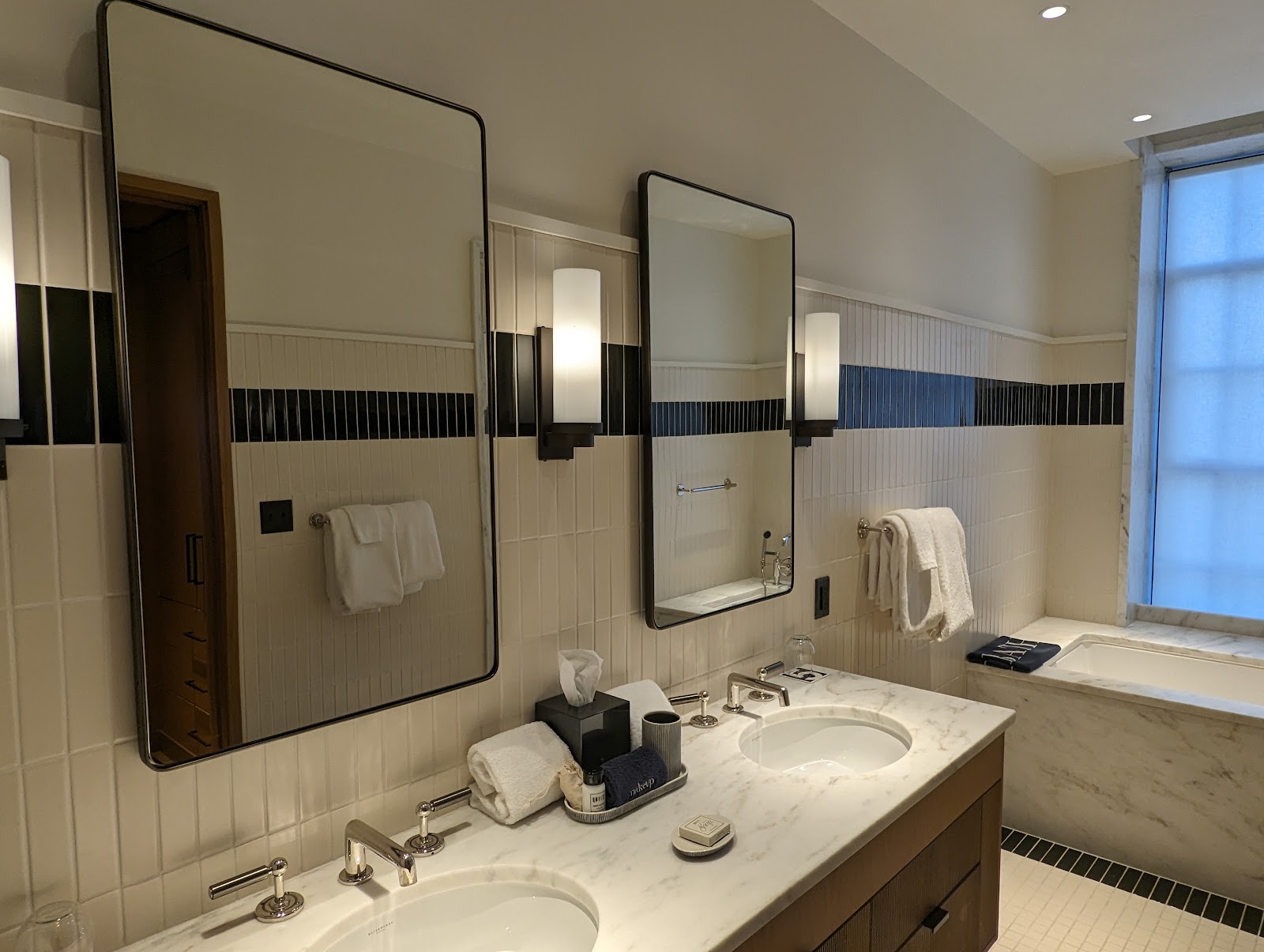
The designed fit-out is the second half and it brings three conditions. Strong colour throws its hue onto nearby skin, and because that cast is localised, white balance cannot separate it — so let one gelled source own the faces and allow the room to be as coloured as it is.
Deliberate pattern competes for attention with anything in front of it, which needs a decision rather than an accident: subordinate it with a long lens at a wide aperture so it becomes a soft field, or commit so both it and the couple read as one composition. Half-in becomes visual noise, and in a designed interior the temptation to let pattern drift into the edge of a frame is constant.
And decorative fittings are the fit-out’s best feature: at a wide aperture they become warm points of light behind a subject, which is the most attractive thing this kind of interior does — provided a bright one is not sitting immediately beside a head.
Scale is the condition that runs through both halves and it is the one to settle first. A boutique hotel’s rooms are sized for an earlier idea of hospitality and a modern idea of design, neither of which produces a large function space — so the comfortable capacity is lower than the square footage suggests, because circulation rather than floor area sets it.
The compensation is real: small rooms with pale ceilings bounce properly, which makes a flash aimed upward a genuinely good source here where it fails in a hall or a ballroom. Test it in the first minute, because it changes what is possible indoors. And the cost is working distance — no room to step back for a wide view without distorting a face, which means shooting through doorways from adjoining spaces is the main tool.
Who it suits
Intimacy and character are the product, and a boutique hotel gives both in a way a large one structurally cannot.
These briefs are well served here:
- Smaller guest counts, where the rooms are the right size rather than half-empty
- Couples who want colour, pattern and period material rather than neutrality
- Anyone who wants Michigan weather to be irrelevant to the day
- Weddings where close, warm, documentary coverage is the intention
- Guests staying on site, which a small hotel makes straightforward
Who should look elsewhere
The reverse list is not a criticism. A boutique hotel is succeeding when it is small and opinionated; the only question is whether that matches the day.
Several reasonable briefs run against the grain:
- Large formal groups, which need floor and even light the rooms do not have
- Couples wanting wide establishing frames, which the working distances refuse
- Anyone whose references are pale, neutral and minimal
- Briefs needing an outdoor ceremony space of the venue’s own
- Photographers wanting one position to cover a whole room from
Downtown Detroit, and the year
Downtown is the outdoor half and at a small venue it does more of the work than it would elsewhere, simply because there is less interior to draw on.
Detroit gives an advantage almost no other American city does: room to stand back. Substantial open ground and surface parking mean whole buildings can be photographed entire from across the street rather than in fragments — and for a period hotel in a district of early-twentieth-century commercial architecture, that means the buildings read as architecture rather than as doorways. A couple small at the base of a whole facade is the one frame where going wide is right.
That openness also means low sun reaches street level across a wider area than in a canyon city, so the last ninety minutes give raking light on masonry from more positions. Brick, stone and terracotta show their texture only when light runs along them, so a short walk to find which side is being raked is worth more than any accessory.
Detroit’s plan overlays radiating boulevards on a grid, so some streets run diagonally and take low sun at angles the grid streets do not — worth a look at a map rather than a walk.
Recessed doorways and shopfronts are the small-scale assets and they suit a small venue: a recessed doorway has a roof above and walls to the sides with one open face, which makes a directional soft source at exactly the right size for two people and works in rain. A large shop window is a very large soft source close to a subject, and after dark it becomes a lit mirror with an interior behind it.
Alleys are the dependable fallback: walls on both sides give directional light and a contained background with nothing distracting in it, plus shelter.
Michigan’s seasons are four real ones and a small warm venue suits the cold half of the year particularly well. Winter is cold and snowy with short days, sunset falling in the middle of the afternoon in December, which compresses the outdoor window into a couple of hours and means the street frames must be decided in advance and executed quickly — and a small warm period interior is exactly the right place to spend the rest of a short cold day.
Snow is the compensation and it does two things. Outdoors it is the best natural fill there is, lifting exactly the shadows a low sun carves while fooling a meter by about two stops. Indoors it turns the street into a very large reflector, so a tall window in a small room gives softer, brighter, more even light in February than at any other time of year — which in a strongly coloured interior also reduces the amount of correction needed.
Summer is warm and humid with afternoon thunderstorms a real possibility, which for an interior venue is almost entirely an advantage. And autumn gives the clearest air and the best raking light of the year on masonry, which is the season the district is at its best in.
More frames from The Siren Hotel
The Siren Hotel wedding photography: common questions
What do the two halves ask for?
The period shell wants raking light on real materials and gives tall windows. The designed fit-out brings strong colour, deliberate pattern and decorative fittings, none of which can be turned off.
What should be settled first?
The comfortable capacity of each space rather than the maximum, because circulation rather than floor area sets it — and a room at half occupancy photographs as half empty.
Does bounce flash work?
In the smaller rooms with pale ceilings, yes — which is the real compensation for small spaces and is worth testing in the first minute.
What is the main limit?
Working distance. There is no room to step back for a wide view without distorting a face, so shooting through doorways from adjoining spaces is the main tool.
How do you handle strong colour and pattern?
Let one gelled source own the faces, and decide per frame whether the pattern is subject or background — long lens to dissolve it, or commit so both read.
Why is a small room easier in February?
Because snow turns the street into a very large reflector, so a tall window gives softer, brighter and more even light than at any other time of year.
More Detroit, MI venue guides
We are writing a photographer’s guide to every venue we would happily shoot in Detroit, MI. Here are three more, plus the full index:
- The Westin Book Cadillac, Detroit: A Walk Up Through a Restored 1924 Hotel
- The Century Club, Detroit: Photographing a Small Club Room
- The Charles H. Wright Museum, Detroit: Four Ways Out of the Rotunda Problem
All Detroit, MI Wedding Venues →
Planning a wedding at The Siren Hotel?
Settle the capacity, then use the district. Tell us your date.