 The Westin Book Cadillac, Detroit: A Walk Up Through a Restored 1924 Hotel
Eastern Market, Detroit: Field Notes on a Historic Market Shed
A market shed is a roof on legs. That single fact produces a light almost no other building has.
The sense of community and bustling energy that embodies Detroit is felt through the walls of this historic market, as its own description has it.
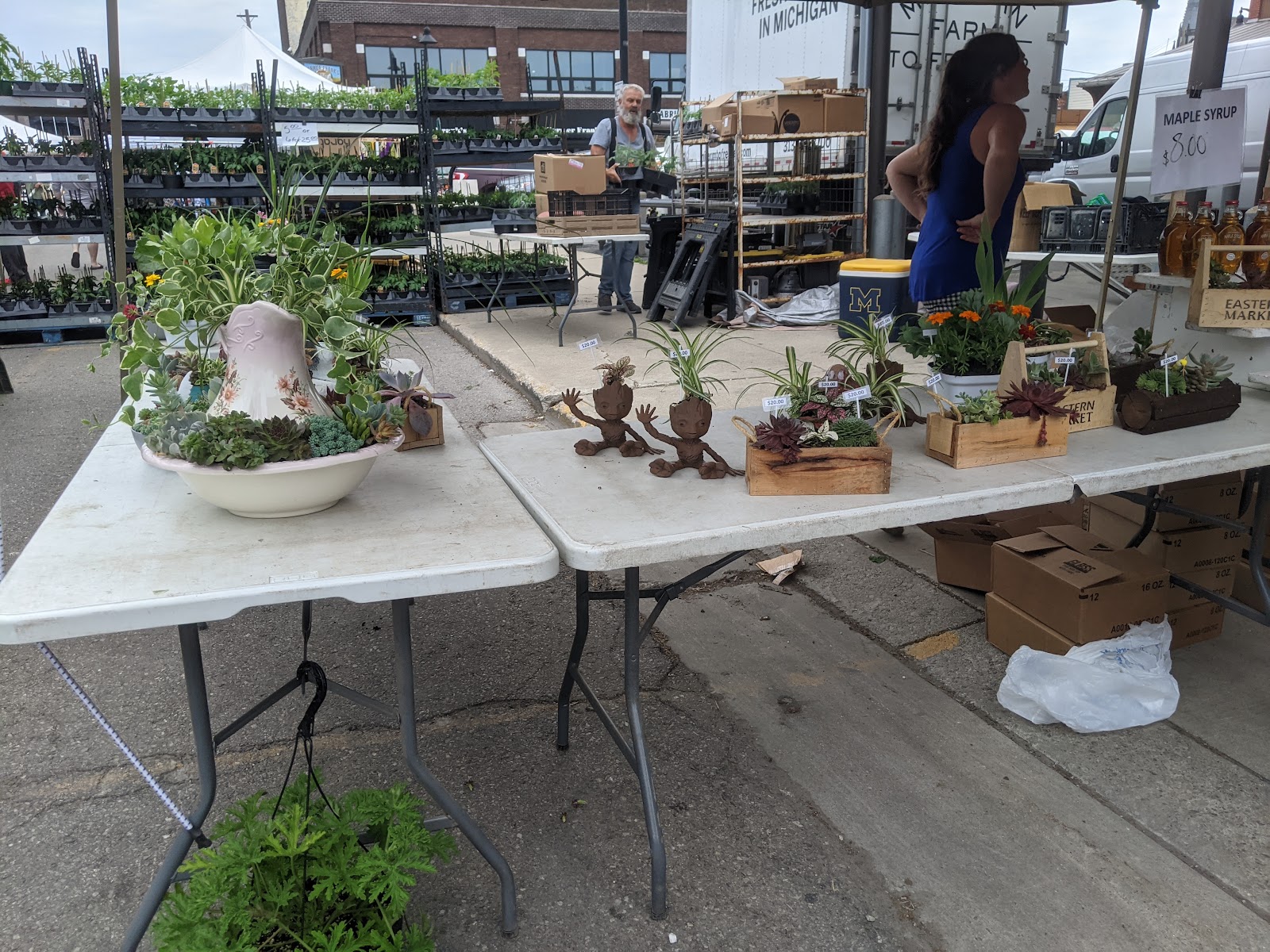
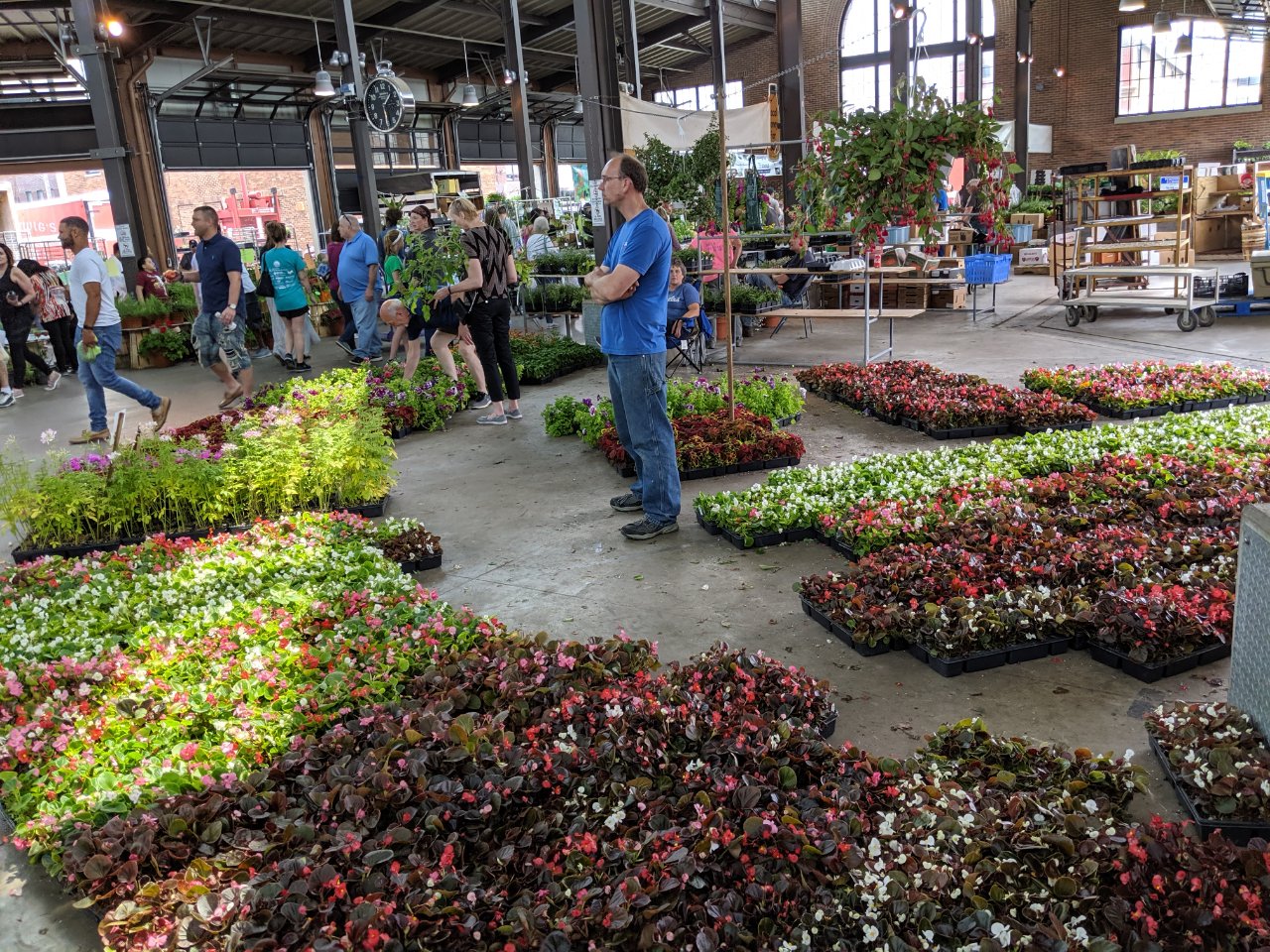
The more useful structural fact is that a market shed is not really a building with walls. It is a roof carried on columns, with sides that are open or only partly enclosed, which produces a condition almost nothing else does: a large area of overhead shade with light entering horizontally from every side at once. That is the geometry of an enormous softbox, and it is why market sheds photograph far better than their appearance suggests.
It also produces a specific set of problems, all of them predictable: light from the sides means bright open edges and a darker centre; a roof means no sky above but plenty of it beyond; and a working market district means the surroundings are functional rather than decorative.
These are field notes: the conditions you will meet and what each needs. We have not photographed a wedding at Eastern Market; clear-span market sheds behave the same wherever they stand. Which sheds a booking includes, whether the sides can be enclosed, what may be attached to the structure, and whether power is available where it is needed are the questions for their team — the last matters more here than in a finished building.
The Eastern Market at a glance
| Where | Detroit, Michigan |
| Character | A historic clear-span market shed with open sides |
| The condition | A roof on columns — overhead shade with horizontal light all round |
| The consequence | Bright open edges, a darker centre, and no sky above |
| Ask first | Sheds included, whether sides enclose, fixings, power locations |
What you meet, and what each one needs
The light is the first condition and it is genuinely excellent once it is understood. Under a market roof the sky overhead is blocked, so nothing arrives from directly above — which removes the eye-socket problem that afflicts every open-sky venue — and light instead enters horizontally from the open sides. That is soft, directional and at head height, which is exactly what a portrait wants.
The gradient is the thing to work with. Near an open side the level is high and the light very directional; towards the centre it falls off and becomes more even and much dimmer. That gives a range of conditions within one space, and the useful positions are two or three metres in from an open edge: soft, clearly directional, with the depth of the shed falling away behind into a naturally darker background.
Standing right at the open edge puts a subject in effectively open shade with a very bright background beyond, which is a harder frame; standing in the centre gives flat dim light with no direction. Two or three metres in is the position, and it is worth finding on each side because the sides differ.
Which side to work depends on where the sun is. A shaded side gives soft directional light all day; a sunlit side gives a hard patch that reaches in under the roof and, through any structural members, a lattice of hard shadow across the floor and anybody in it. That patch moves through the day and it is worth knowing where it will be at the ceremony hour.
The structure is the second condition and it is the compositional asset. A clear-span shed has repeating columns, trusses and purlins, which read as strong repetition — and because the floor is unobstructed, the view down the length of a shed is genuinely unbroken. That makes the long axial frame available, and it is the one the building type gives best: camera on the centre line, structure converging overhead, couple placed into the depth.
It is unforgiving in the usual way: half a metre off the centre line or a degree of tilt turns the convergence crooked. Level, centre exactly, and take the two minutes.
Pointing the camera straight up is worth a minute, because a market roof’s structure — trusses, purlins, rooflights — makes a graphic composition almost nobody records.
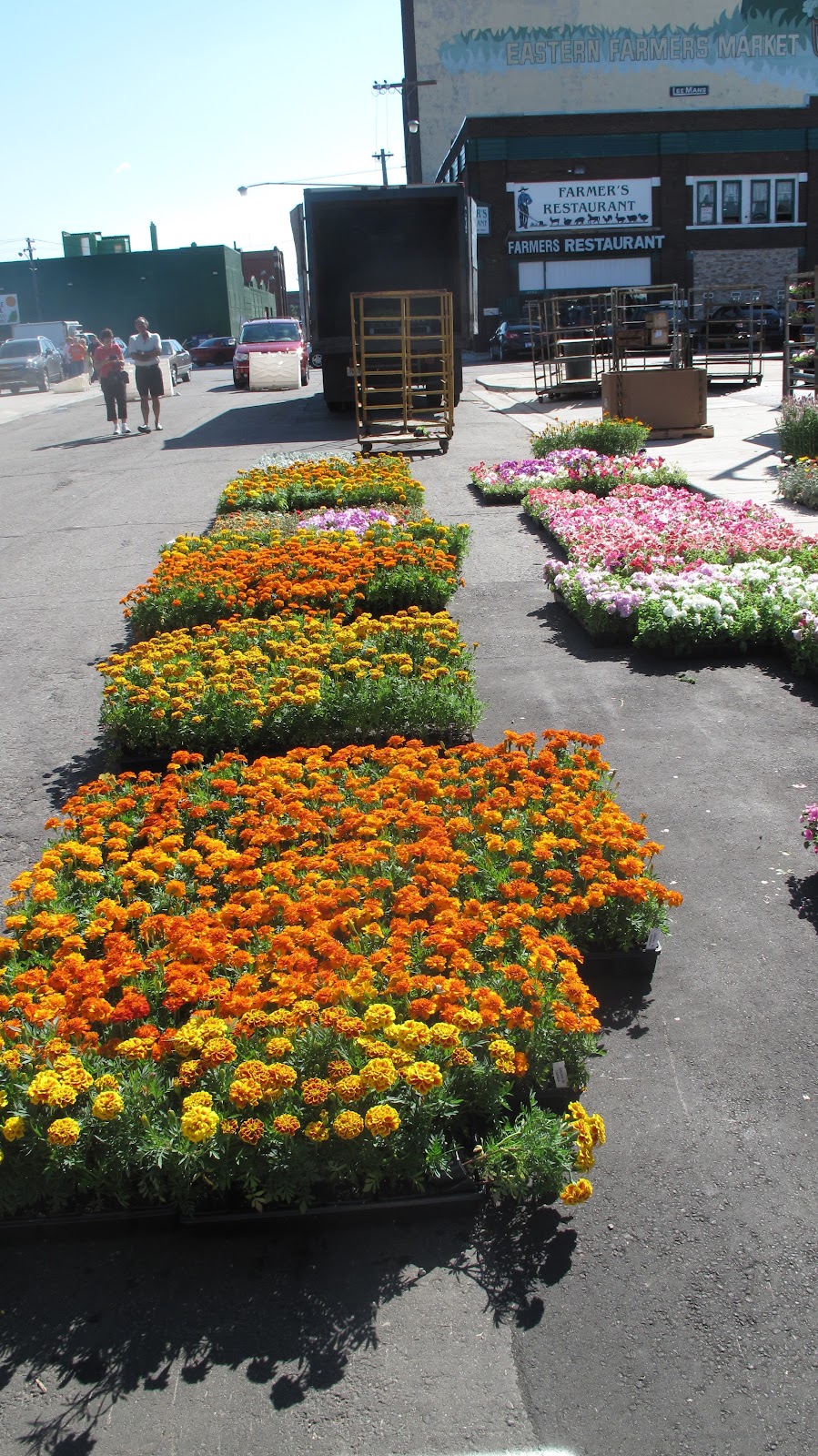
Surfaces are the third condition and they are functional: concrete floors, painted steel, brick end walls, and frequently murals or painted signage, which in a market district are often substantial artworks. A mural behind a couple is a strong background and needs the standard decision — commit deliberately so both read, or subordinate with a long lens at a wide aperture. Half-in fails, and a large saturated mural throws its own colour onto a nearby face.
The evening, the practicalities and the district
After dark a market shed becomes a genuinely different place, because the open sides that were the light source all day now lead to darkness. The ambient collapses: there is no ceiling to bounce from, no walls to speak of, and nothing outside contributing. Everything after sunset is a lighting exercise, and the distances under a large roof are real — so power and modifiers have to assume them rather than a room.
The compensation is that a dark shed gives absolute separation: a couple lit three metres in front of anything reads against black, which is free and dramatic.
The crossing is the one timed frame and under a shed it is unusual and good: for roughly twenty minutes after sunset the sky visible beyond the open sides still holds colour while the shed is lit by whatever has been installed, and one exposure holds both — a lit interior with a coloured band of sky around its edges. That is specific to an open-sided building and it exists once.
Power is the practical question that matters most, because a shed may have limited supply in limited places. Establishing where it is, and what it will run, is the difference between a planned lighting setup and a battery-only evening — and in a space this size a battery-only evening needs planning of its own.
Weather is the second practical question. An open-sided shed is roofed but not enclosed, which means it is dry but not warm: rain is a non-event, wind is not, and in a Michigan winter or a cold spring a shed is effectively outdoors. Whether the sides can be enclosed is worth asking, because the answer changes which months are viable.
That said, rain under a market roof is one of the better frames the building type offers: dry inside, rain visible and falling beyond every open side, and a warm lit space in the middle of it. No enclosed venue produces that.
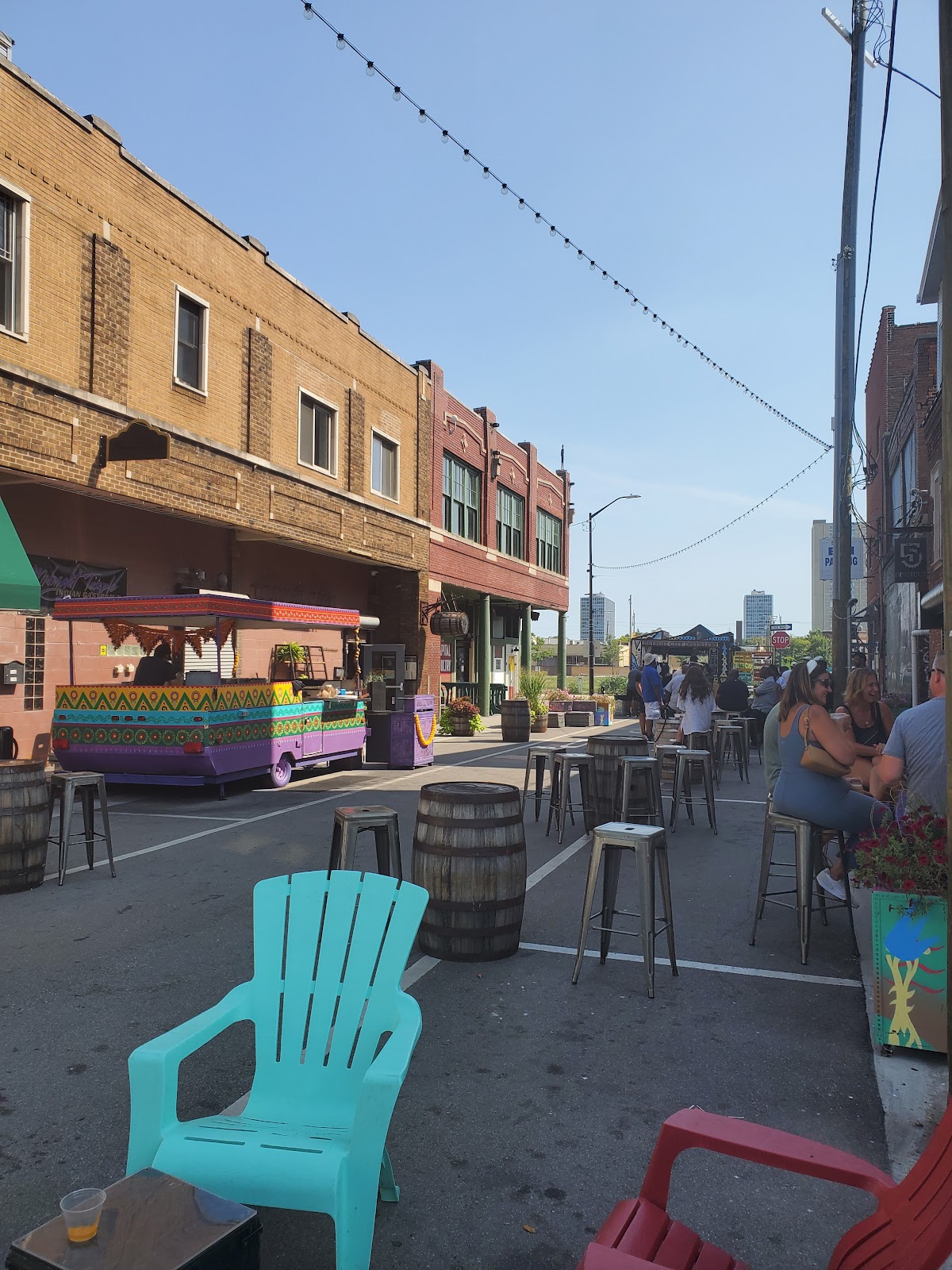
The district is the third element and it is coherent material. A working market quarter gives brick, loading docks, painted signage and alleys — and alleys are the most dependable positions anywhere: walls both sides give directional light, a contained background with nothing distracting, and shelter. Service elevations hold the most texture because nobody tidied them.
- Work two or three metres in from an open side, not at the edge or the centre
- Know where the sunlit patch will be at the ceremony hour
- Level and centre the long axial frame; the structure converges
- Point the camera straight up once — one minute, and nobody does it
- Find out where the power is and what it will run
Detroit, and the year
Detroit gives an outdoor advantage almost no other American city does: there is space to stand back. Downtown and the surrounding districts have a great deal of open ground and surface parking, which means whole buildings can be photographed from across the street in a way a denser city does not allow — and for a market district of low, wide sheds and brick warehouses that is genuinely useful, because those buildings read as shapes rather than as fragments.
That openness also means low sun reaches street level from further away than in a canyon city, so the last ninety minutes give raking light across a wider area. Brick and painted signage show their texture only when light runs along them, so a short walk to find which side is being raked is worth more than any accessory.
Detroit’s plan overlays radiating boulevards on a grid, so some streets run diagonally and take low sun at angles the grid streets do not — worth a look at a map before the day rather than a walk on it.
Michigan’s seasons are four real ones and a market shed feels all of them. Summer is warm and humid with afternoon thunderstorms a real possibility — and under a roof that is an asset rather than a problem, because a shed is the one venue type where rain is genuinely a better frame than dry weather.
Autumn is the best season for a market district: clear stable air, the best raking light of the year on brick, and genuine colour in the street trees in October. It is also when a shed is most comfortable, because it is dry and shaded without being cold.
Winter is the hard season and it is worth being honest about. Days are short, with sunset in the middle of the afternoon in December, and an unenclosed shed is effectively outdoors — which makes a December wedding in one a matter of a few minutes rather than an evening, unless the sides can be closed.
Snow is the compensation and it is the best natural fill there is, lifting exactly the shadows a low sun carves while fooling a meter by about two stops. Snow beyond the open sides of a lit shed, with dry ground inside, is a frame nothing else can produce — and it is worth the cold to take it.
The fogging risk applies in both directions in this climate, and an unheated shed reduces it rather than increasing it: a camera that stays at ambient temperature all evening does not fog at all, which is one of the few advantages of working in a cold building.
More frames from The Eastern Market
The Eastern Market wedding photography: common questions
Why does a market shed light so well?
Because it is a roof on columns. The sky overhead is blocked, so nothing arrives from directly above, and light enters horizontally from the open sides — soft, directional and at head height.
Where exactly should a subject stand?
Two or three metres in from an open side. At the edge the background is very bright; in the centre the light is flat and dim. Two or three metres in is soft, directional and has depth behind.
What is the defining frame?
The long axial view down the shed, with the structure converging overhead and the couple placed into the depth. A clear-span floor makes the view genuinely unbroken.
What happens after dark?
The ambient collapses, because the open sides now lead to darkness and there is no ceiling to bounce from. Everything becomes a lighting exercise, with real distances to cover.
What is the practical question that matters most?
Where the power is and what it will run. A shed may have limited supply in limited places, and that decides whether the evening is a planned setup or battery-only.
Is rain a problem?
No — it is one of the better frames the type offers. Dry inside, rain falling beyond every open side, and a warm lit space in the middle of it. No enclosed venue produces that.
More Detroit, MI venue guides
We are writing a photographer’s guide to every venue we would happily shoot in Detroit, MI. Here are three more, plus the full index:
- The Fillmore Detroit: The One Decision That Governs Everything
- The Foundation Hotel, Detroit: Field Notes on a Civic Conversion
- The Fox Theatre, Detroit: One Frame and How It Is Made
All Detroit, MI Wedding Venues →
Planning a wedding at The Eastern Market?
Find the power and the open side. Tell us your date and we will plan both.