 The Somerset Club on Beacon Street: Is It Right for You?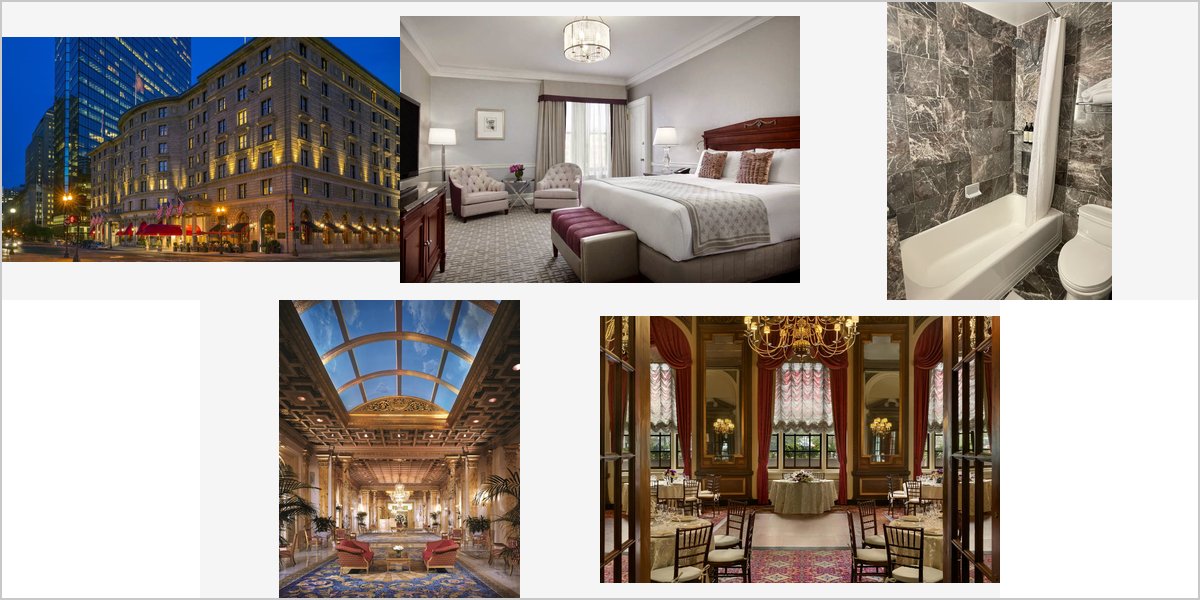
May 19, 2026
Fairmont Copley Plaza: The Technical Side of a Grand Ballroom
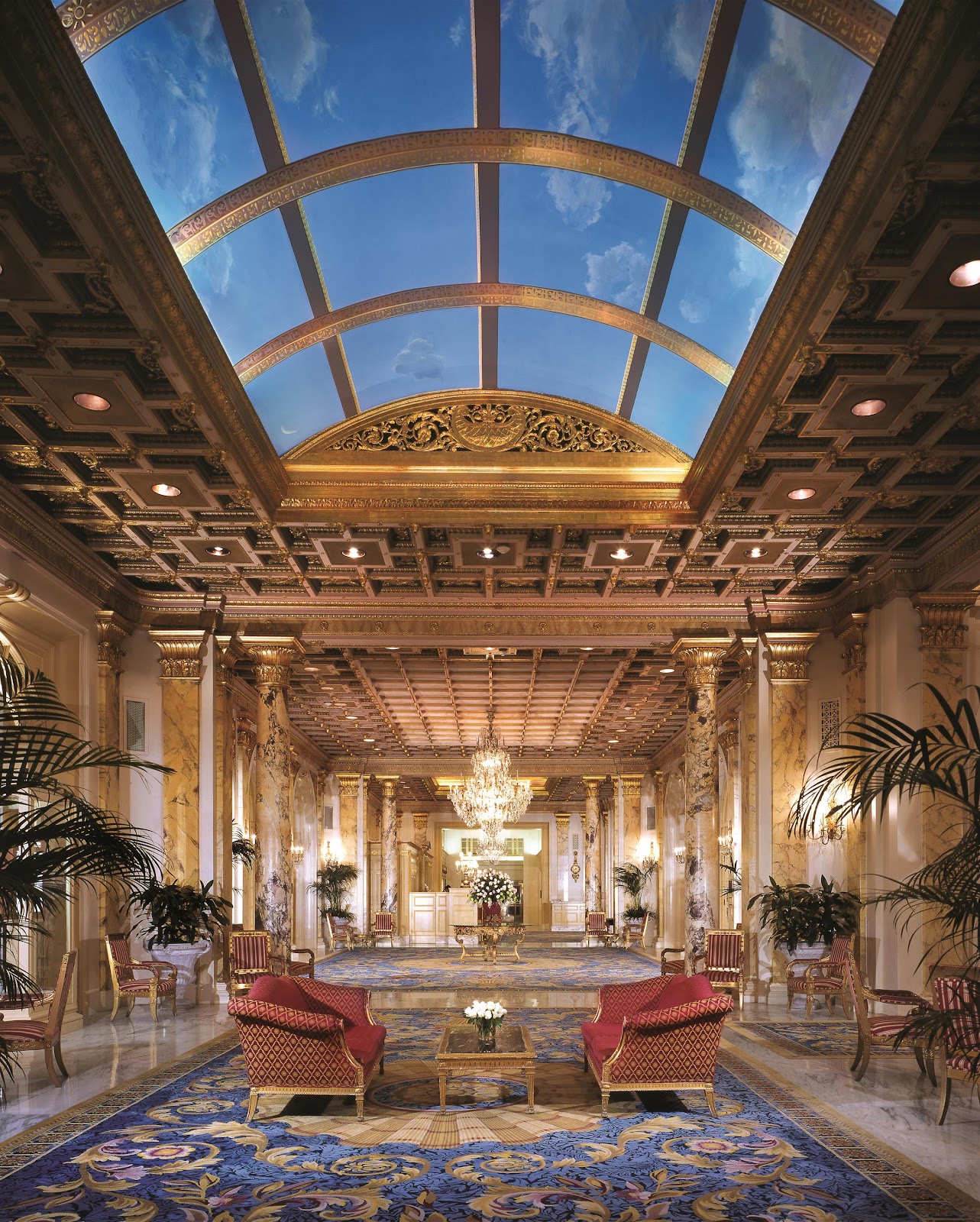
Gilt is the technical problem here. Gold surfaces bounce warm light everywhere, and chandeliers blow out before anything else in the frame. Both are solvable with decisions, not gear.
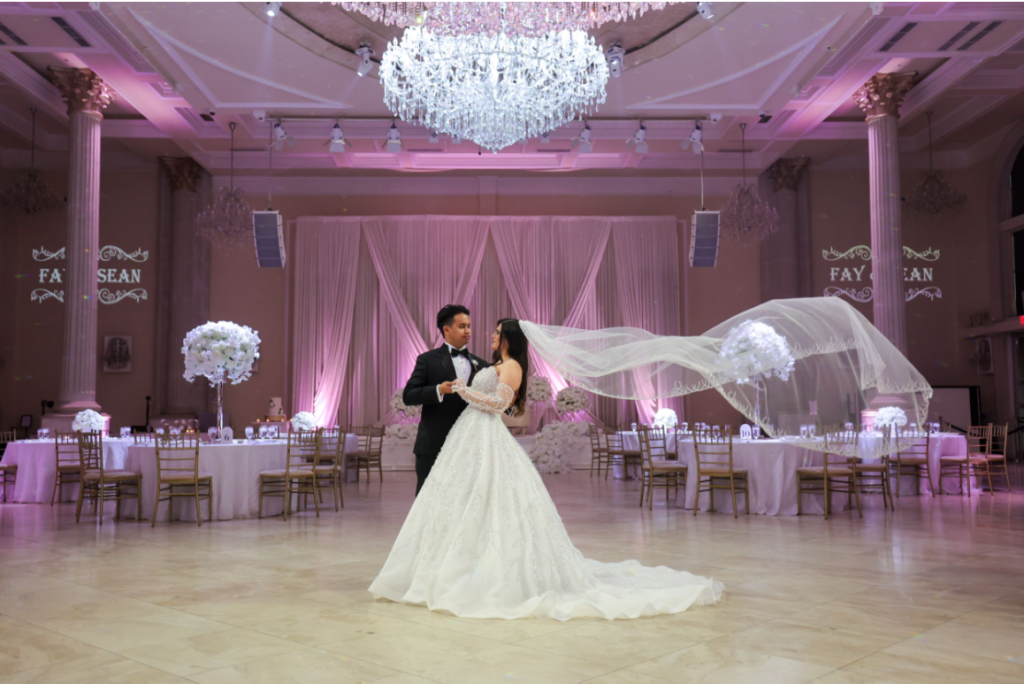
The Fairmont Copley Plaza opened in 1912 on Copley Square, designed by Henry Janeway Hardenbergh — the architect of the original Waldorf-Astoria and the Plaza in New York. It is a grand hotel in the full sense: a painted and gilded lobby, large ornate ballrooms, heavy plasterwork, crystal chandeliers, and a facade that faces Trinity Church across the square.
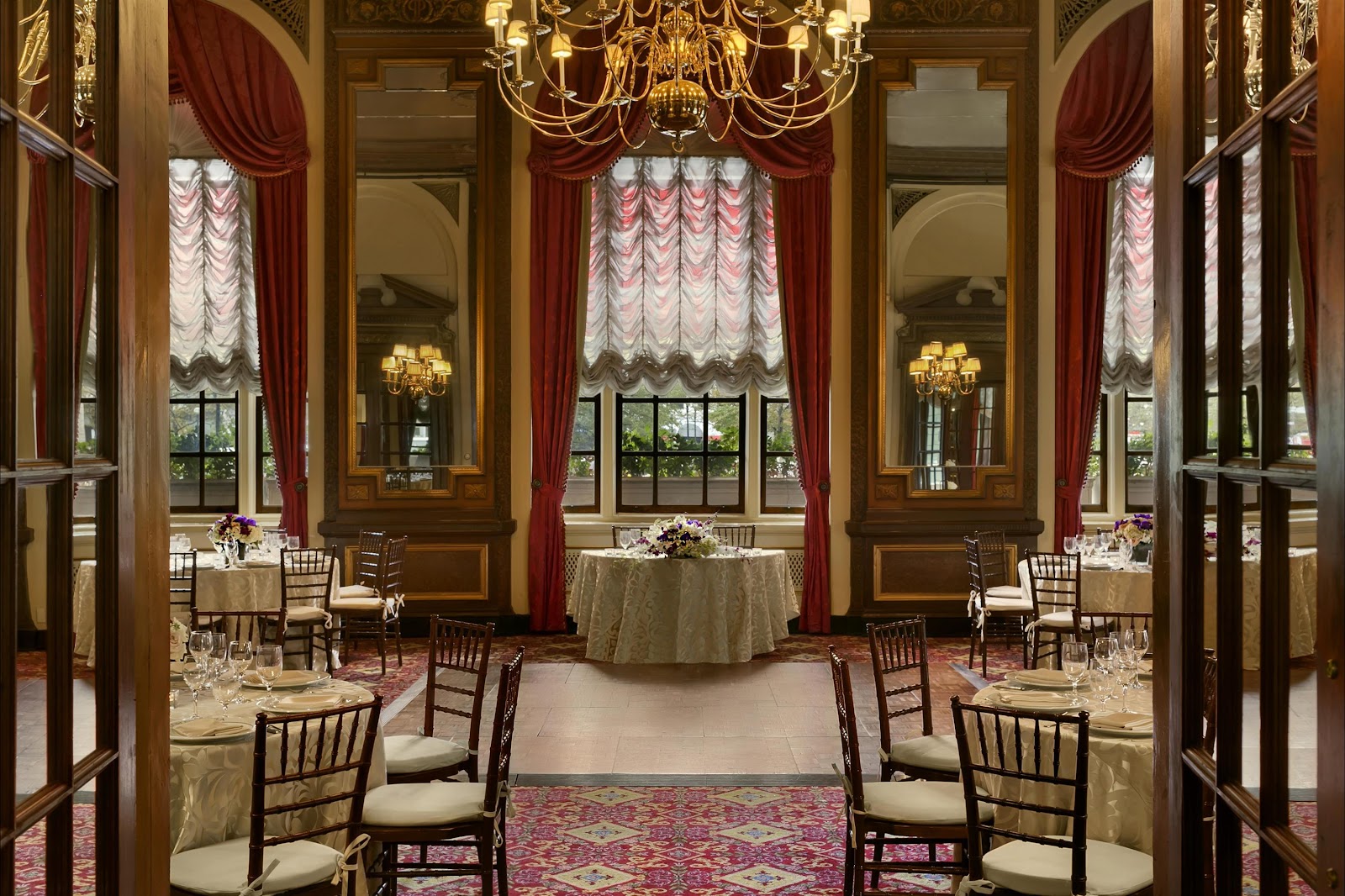
Photographically it belongs to a well-defined category — the early twentieth-century grand hotel — and that category has a consistent set of technical problems. There is very little daylight in the event spaces. The decorative scheme is gold, which behaves unusually. The chandeliers are the brightest things in any frame by a wide margin. And the ceilings are high enough that the usual flash shortcuts stop working.
This guide addresses each of those directly. We have not photographed a wedding here, and room configurations, availability and hotel policy are for their events team. The optics of gilt and chandeliers, however, are the same in every grand hotel, and entirely predictable.
Fairmont Copley Plaza at a glance
| Where | Copley Square, Back Bay, Boston, Massachusetts |
| Opened | 1912, designed by Henry Janeway Hardenbergh |
| Character | Grand hotel: gilded ballrooms, painted lobby ceiling, crystal chandeliers |
| Light | Warm artificial throughout the event spaces; daylight only in guest rooms |
| Technical headline | Gilt bounces warm light onto skin; chandeliers clip long before anything else |
Gilt: why gold rooms need a white balance decision
Gold leaf and gilded plaster are efficient reflectors, and what they reflect is warm. In a room where the walls, cornices and ceiling details are gilded and lit by tungsten, every surface bouncing light onto a face is adding amber. The result, uncorrected, is skin that reads orange — and, more subtly, skin that has no cool tones anywhere in it, which is what makes a portrait look artificial.
Correcting the whole frame to neutral is the wrong answer, because a gilded ballroom is supposed to look warm and correcting it grey makes an expensive room look like a conference centre. The right answer is differential: set white balance so the room keeps its warmth, then light the faces with a source that is slightly cooler than the ambient. A bare or lightly gelled flash against a tungsten room gives you faces with some neutrality in them, sitting inside a warm space.
That small temperature separation is what distinguishes competent grand-hotel photography from the orange, flat frames these rooms usually produce. It is a decision, not equipment.
Chandeliers: expose for them, not for the room
A crystal chandelier is several stops brighter than everything around it. Meter for the room and the chandelier becomes a white blob with no structure; meter for the chandelier and the room is black. Since the chandelier is usually the visual centre of the frame and the reason the room looks grand, losing its detail is the worse outcome.
The working method is to expose so the chandelier retains shape — the individual crystals and the filaments visible rather than fused into a highlight — and then bring the rest of the room up with your own light. That means the ambient exposure is deliberately darker than instinct suggests, and the faces are lit by flash rather than by the room.
For wide establishing frames of an empty ballroom, bracket and be prepared to blend, or shoot at a moment when the chandeliers are dimmed for service. Many hotels dim them for dinner, and that is the easiest frame of the night: the crystals still read, the room still glows, and the range collapses to something a single exposure can hold.
High ceilings mean you cannot bounce
The standard reception technique — flash pointed up, light bounced off the ceiling — depends on the ceiling being close and pale. In a grand ballroom it is neither: it is high, and often dark, painted or gilded, so it both absorbs the light and returns it warm. Photographers who rely on bounce in these rooms produce underexposed, amber frames and often conclude the venue is difficult.
The alternative is direct modified light. One flash on a stand with a softbox or umbrella, placed off to one side and feathered, gives directional light with shape. A second unit behind the dancefloor as a rim light separates people from a dark background and is the single highest-value addition in any large dark room.
For moving coverage during dinner and speeches, on-camera flash pointed forward through a small diffuser, deliberately dialled down so it fills rather than dominates, keeps faces clean while the room’s own warmth still carries the frame.
Where the daylight is, and what is outside
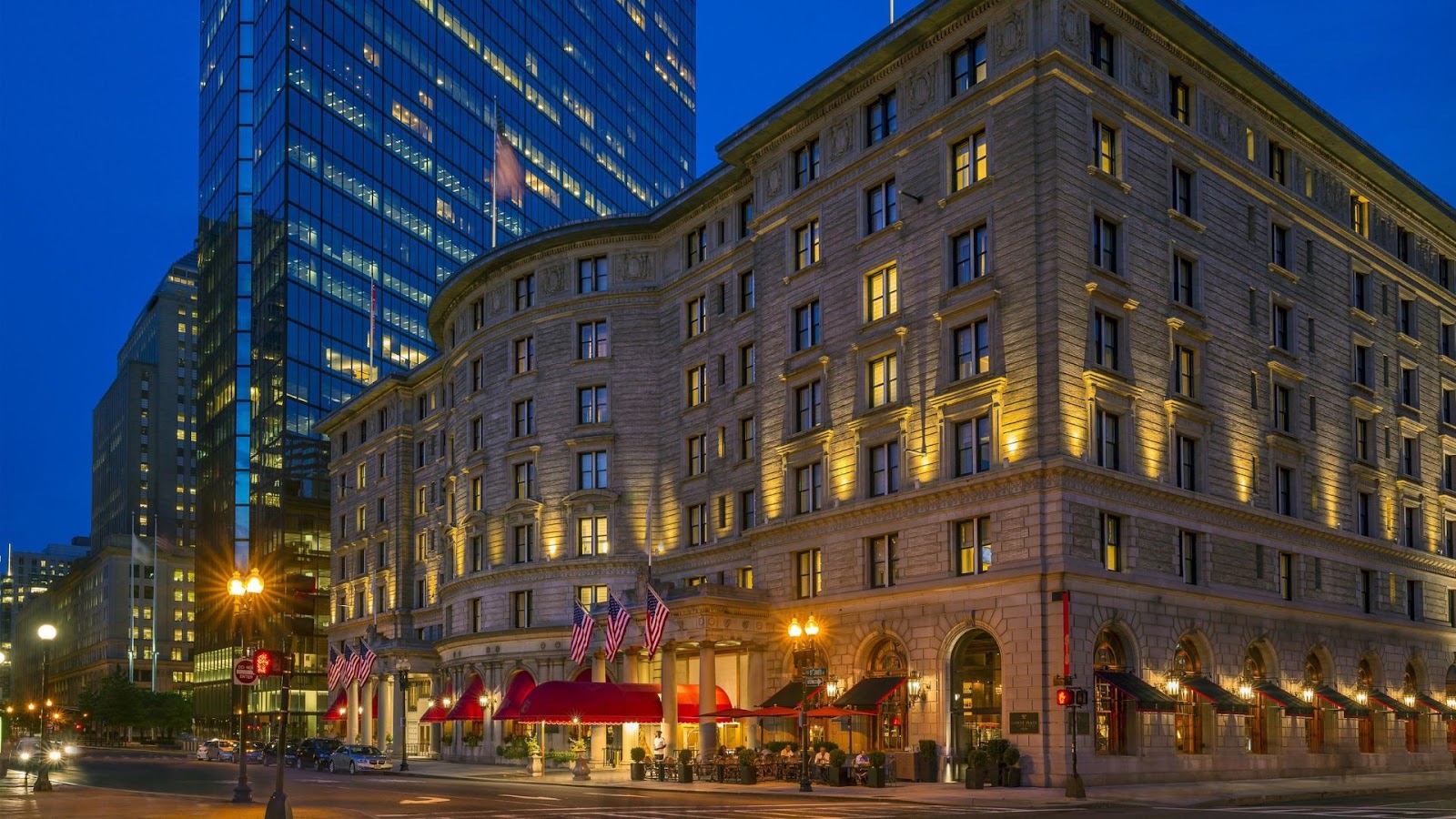
As in every grand hotel, the guest rooms hold the only usable daylight, which makes them the right place for preparation photographs. Request a higher floor facing the square if possible, turn off all room lighting to avoid mixing tungsten with daylight, and work close to the window.
Outside is exceptional, and it is the reason this venue scores so well overall. Copley Square puts Trinity Church directly opposite, the Boston Public Library beside it, and Back Bay’s brownstone streets and Newbury Street a short walk away. The library’s interior courtyard in particular is one of the best portrait locations in Boston — architectural shade, symmetry and no colour problems.
The best exterior window is the twenty minutes after sunset, when the square’s lighting balances the sky and the stonework holds colour. Put it in the schedule as a fixed item; it is short and it does not wait.
What works in your favour
- Genuine 1912 grand-hotel interiors — gilded ballrooms and a painted lobby ceiling
- Copley Square outside, with Trinity Church and the Public Library courtyard opposite
- Accommodation on site, so preparation coverage is straightforward and daylight-lit
- Entirely weather-independent for ceremony and reception
- Dimmed chandeliers at dinner give a wide frame that a single exposure can hold
What to plan around
- Gilt bounces warm light onto skin; needs a deliberate differential white balance approach
- Chandeliers clip several stops before the room, so ambient must be exposed darker than instinct
- High dark ceilings make bounce flash ineffective — direct modified light is required
- No daylight in the event spaces; the reception is entirely a lighting assignment
- A busy operating hotel; exclusive access to public areas is unlikely
More frames from Fairmont Copley Plaza
Fairmont Copley Plaza wedding photography: common questions
Why do gilded ballrooms make skin look orange?
Because every gilded surface reflecting light onto a face adds amber, and tungsten fixtures compound it, leaving no cool tones in the skin at all. The fix is differential rather than global: keep the room warm in your white balance, then light faces with a slightly cooler source so they sit inside the warmth rather than being consumed by it.
How should chandeliers be exposed?
So the crystals keep their structure rather than fusing into a white blob, which means exposing the ambient darker than instinct suggests and bringing faces up with your own light. If the hotel dims the chandeliers for dinner, that is the easiest wide frame of the night — the range collapses to something one exposure can hold.
Can you bounce flash off the ballroom ceiling?
No, and relying on it is the most common mistake in grand hotels. The ceiling is high and often dark, painted or gilded, so it absorbs the light and returns what little comes back as amber. Use direct modified light on a stand instead, plus a rim light behind the dancefloor.
Where are the getting-ready photographs taken?
In a guest room, which holds the only usable daylight in the building. Ask for a higher floor facing the square, switch off every room light so daylight and tungsten are not mixing, and work within a metre or two of the window.
What are the best outdoor locations?
Copley Square itself, with Trinity Church opposite, and the Boston Public Library courtyard — which is one of the finest portrait spots in the city, offering architectural shade and symmetry with no colour problems. Schedule ten minutes for the twenty-minute window after sunset; it is the best exterior light of the day.
More Boston venue guides
We are writing a photographer’s guide to every venue we would happily shoot in Boston. Here are three more, plus the full index:
- The Harvard Club of Boston: A Season-by-Season Guide
- The Isabella Stewart Gardner Museum: Light, Timing and the Courtyard
- The Liberty Hotel: Who This Venue Suits
Planning a wedding at Fairmont Copley Plaza?
Grand hotels reward a photographer who has decided in advance how to handle gilt and chandeliers. Tell us your date and we will send a lighting plan for the ballroom plus the exact dusk window for Copley Square.