 The Redd on Salmon Street: Building the Shot List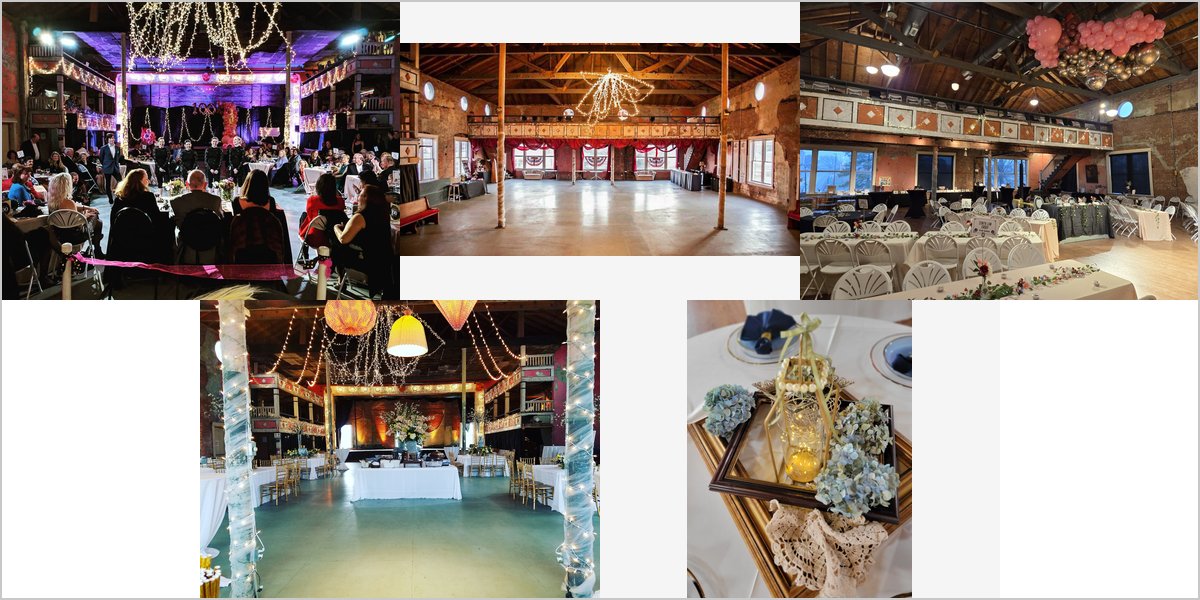
May 24, 2026
Shooting a Wedding at the Crystal Ballroom: The Technical Side
A dark room, coloured stage light and a floor that literally moves. Three technical decisions — shutter speed, flash gel, and whether you fight the room’s colour or use it — determine whether this venue photographs brilliantly or badly.
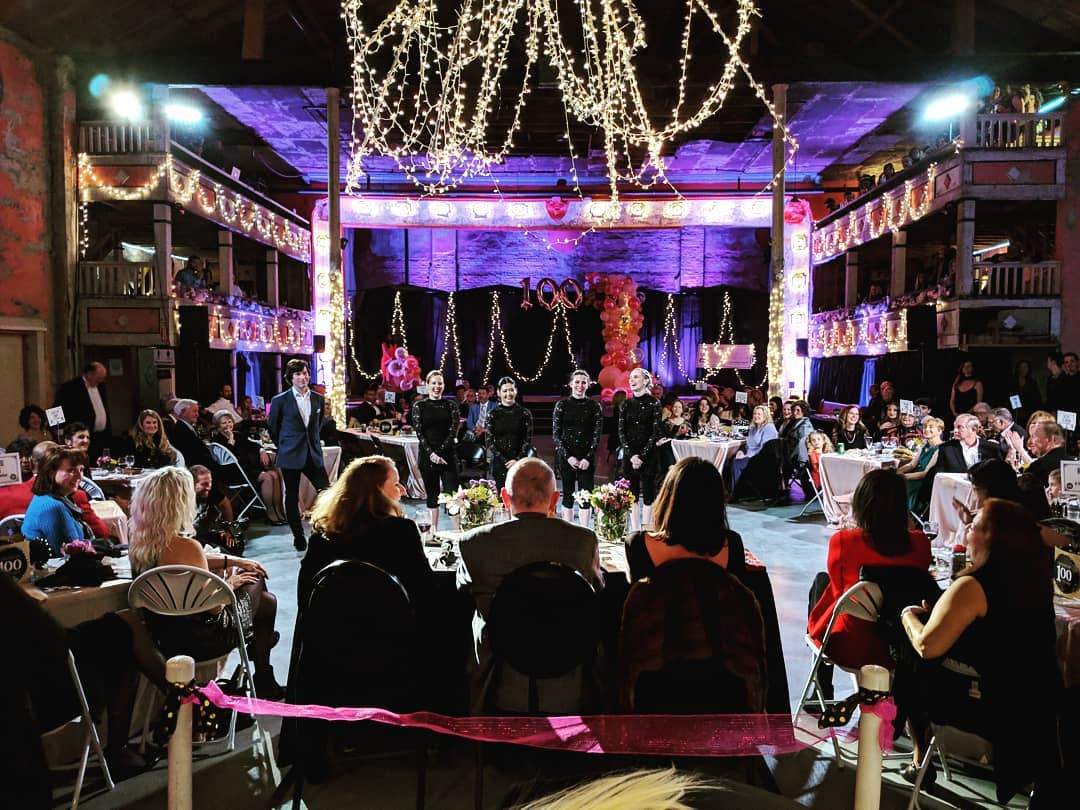
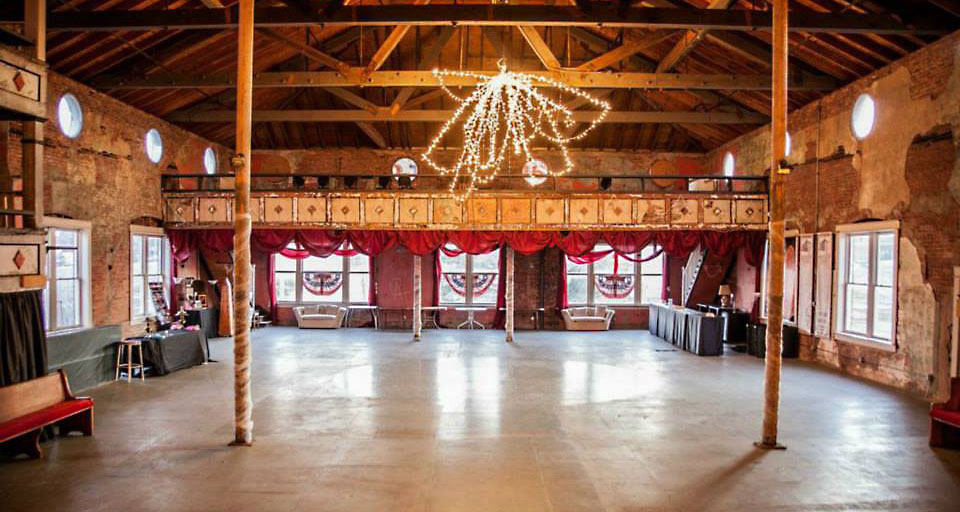
The Crystal Ballroom opened in 1914 and sits on the top floor of its building on West Burnside in downtown Portland. Its defining feature is genuinely unusual: the dancefloor is mounted on a mechanical system of rockers, so it flexes and moves as people dance on it. McMenamins restored the room in the mid-1990s and it operates as a music venue, which is the key fact for anyone photographing there.
Music venues are built to make a lit stage look good in a dark room. That is close to the opposite of what a wedding photographer usually wants. The ambient level is low, the fixtures are coloured and directional, and the walls and ceiling are painted rather than reflective — so there is very little to bounce light off.
This guide is the technical one: what to set, what to bring, and which of the room’s characteristics to embrace rather than correct. We have not shot a wedding here; what follows comes from the room’s documented nature as a 1914 ballroom-turned-music-venue and from the physics of photographing in exactly those conditions. Configuration on your date and what the venue permits are questions for their events team.
Crystal Ballroom at a glance
| Where | West Burnside, downtown Portland, Oregon — top floor of a 1914 building |
| Opened | 1914; restored by McMenamins in the mid-1990s |
| Signature feature | A floating sprung dancefloor on mechanical rockers that flexes as people dance |
| Light | Low ambient, coloured directional stage fixtures, dark painted surfaces |
| Technical headline | Nothing to bounce off — plan to bring and shape your own light |
Shutter speed, because the floor actually moves
Most reception photography problems are about light level. Here there is a second variable: the floor flexes under a crowd, which means your subjects have a vertical component of motion that they would not have on a concrete slab. In a dark room at a slow shutter speed, that shows up as a soft, slightly swimming blur that is not motion blur from dancing but from the floor itself.
The practical floor is 1/200 second for dancing coverage, and we would rather be at 1/250. That is a fast shutter for a dark room, which forces the other two variables: a wide aperture and an ISO high enough to be uncomfortable, or flash. Realistically, flash.
For the deliberately atmospheric frames — a wide shot of the room with the crowd as a mass — dropping to 1/60 and letting everything smear is a legitimate choice, and the moving floor makes that smear more interesting here than elsewhere. Just make it a decision rather than an accident.
Flash in a room with nothing to bounce off
The standard reception technique is to bounce a flash off a white ceiling and get soft, broad light for free. In a dark painted ballroom with a high ceiling, that returns almost nothing — the light goes up and does not come back. Photographers who rely on ceiling bounce produce dark, muddy frames here and often blame the venue.
The answer is direct light that has been modified, and it means accepting some equipment. A flash on a stand with a small softbox or a bounce card, positioned off to one side, gives you directional light with shape. On-camera, a small modifier pointed forward and slightly up, with the understanding that you are the light source rather than the ceiling. Two off-camera units — one as key, one behind the dancefloor as a rim light through the crowd — is where this room starts looking genuinely good.
That backlight is the single highest-value setup in a venue like this. A bare flash on a low stand behind the dancers, firing through them toward the camera, separates the crowd from the dark background and turns any haze in the air into visible beams. It is the difference between a snapshot of a dark room and a photograph of a party.
Colour: fight it or use it
Stage fixtures are coloured, and often saturated — deep blues, reds, magentas washing across the room and changing through the evening. There are two coherent approaches and one incoherent one.
Coherent approach one: own the colour. Let the stage wash light the room, gel your key to roughly match the dominant tone, and produce frames that look like the concert-lit space it actually is. This suits the venue and it looks intentional. Coherent approach two: overpower it on the faces. Use a neutral or warm-gelled key bright enough that skin renders naturally, and let the coloured wash live in the background. Both work.
The incoherent approach is auto white balance and no added light, which averages a magenta wash and a warm practical into something that is wrong on every face in the frame. Pick a lane, set white balance manually, and shoot raw so you retain room to move.
What to shoot, and where the frames are
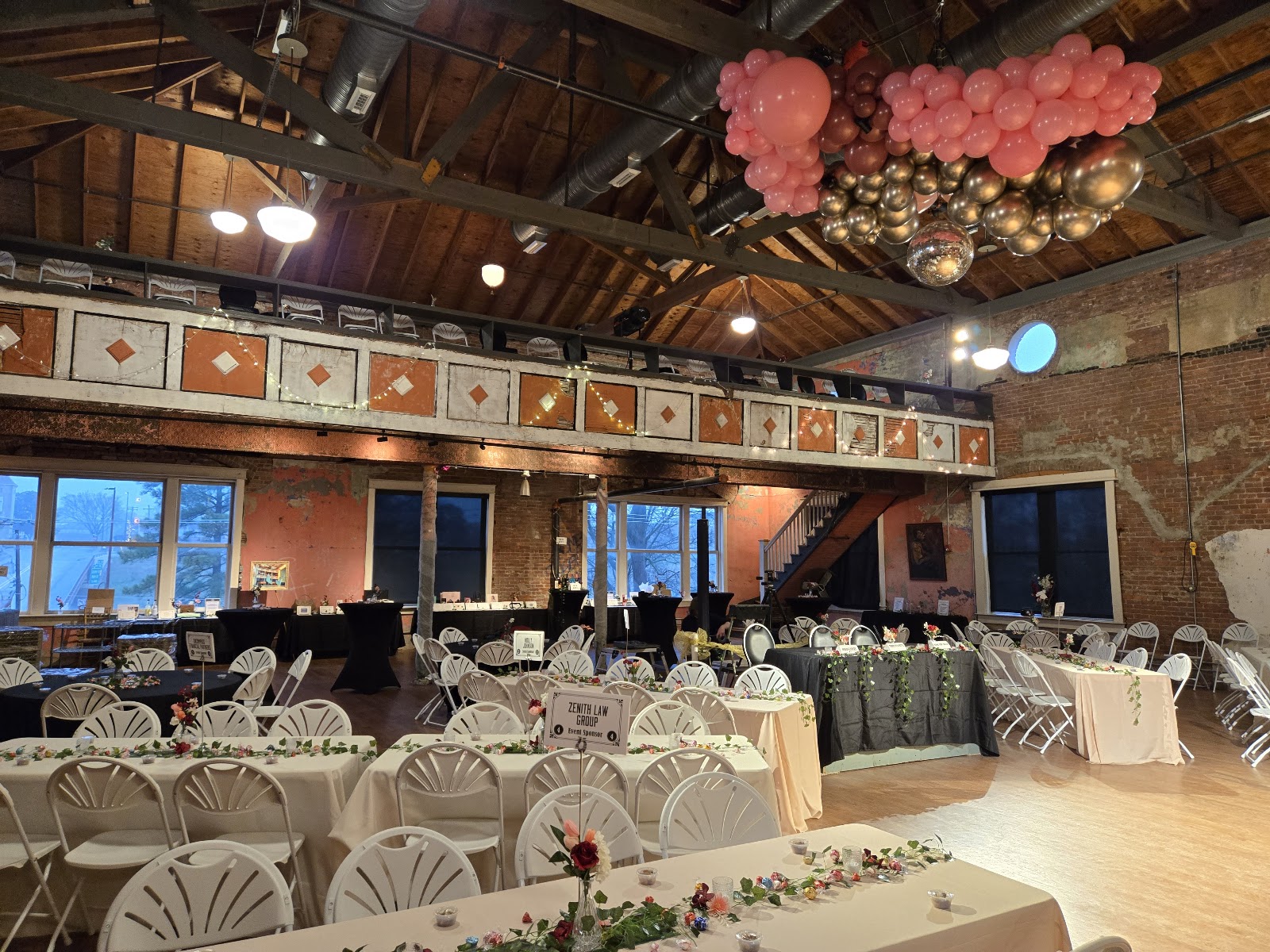
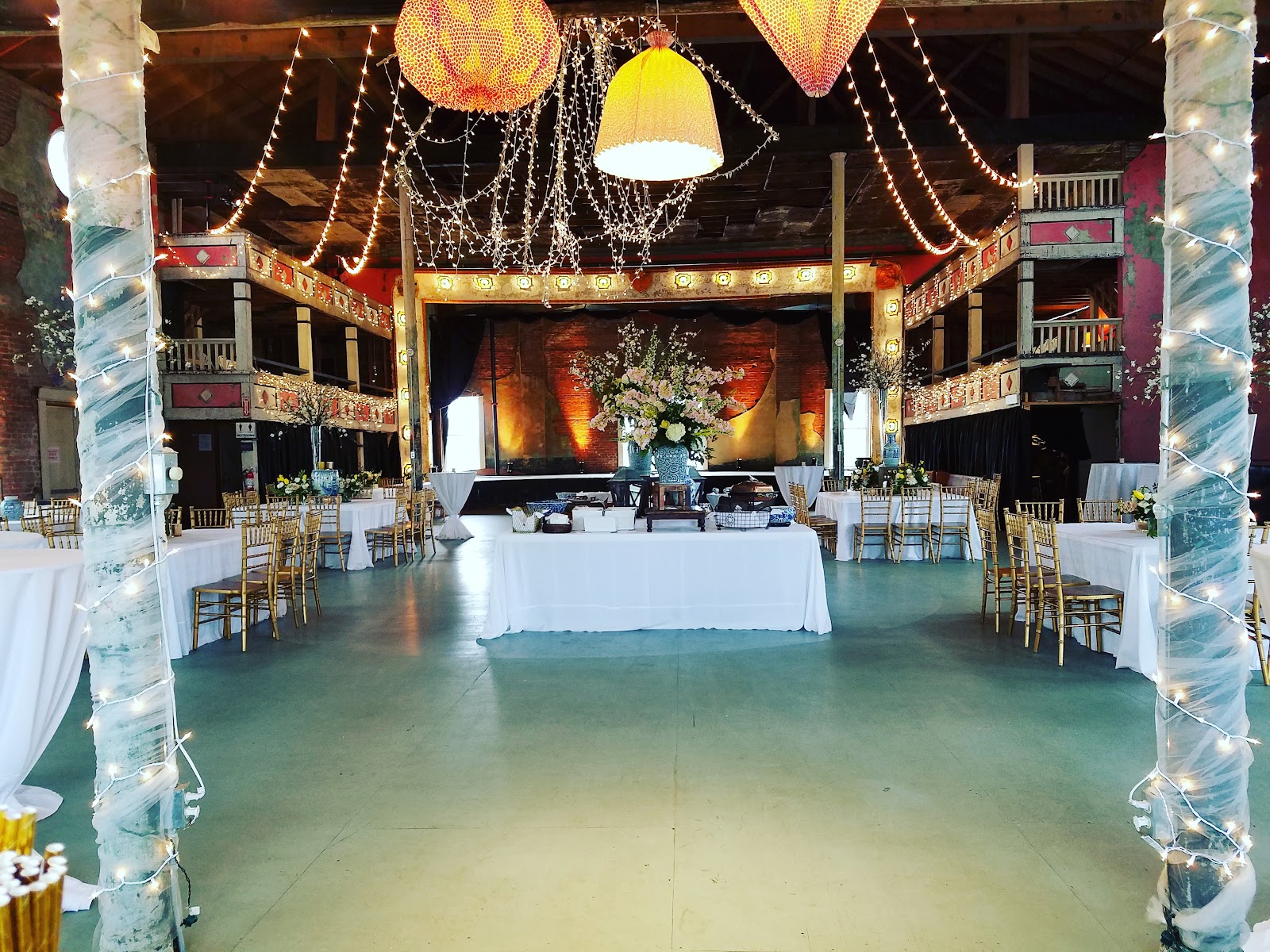
The room itself is the subject in a way most reception venues are not. A wide frame that includes the ceiling, the scale of the space and the crowd is worth getting properly — ideally early, before the floor fills and while the room still reads as architecture.
Then work the specifics. The floor’s movement is invisible in a still photograph, so the way to convey it is through people: bent knees, hands out for balance, a crowd moving as one mass. A slightly elevated position, if the venue allows one, turns that into a frame that explains the room better than any caption.
Finally, plan the portraits elsewhere or early. A dark music venue is a great reception room and a poor portrait studio. If the building or the surrounding downtown blocks offer better light — a stairwell with a window, the street outside at dusk — use them, and keep the ballroom for what it is genuinely excellent at, which is the party.
What works in your favour
- A genuine 1914 ballroom with a mechanical floating dancefloor found almost nowhere else
- Concert-grade lighting and scale give reception photographs real drama
- Completely weather-independent and time-of-day independent
- Downtown location puts street and architectural portrait options within a short walk
- The room photographs as a subject in itself, not just as a container
What to plan around
- Low ambient light and dark painted surfaces — ceiling bounce is effectively useless
- Coloured stage fixtures wreck auto white balance; manual setting per lighting state is required
- The flexing floor demands a faster shutter than the light level comfortably allows
- Poor portrait light; plan portraits early or in another location
- An operating music venue — confirm access times and what can be rigged or positioned
More frames from Crystal Ballroom

Crystal Ballroom wedding photography: common questions
What shutter speed do you need at the Crystal Ballroom?
We would hold 1/200 and prefer 1/250 for dancing. The floor is mounted on mechanical rockers and flexes under a crowd, so subjects have vertical movement they would not have on a solid floor, and slower speeds add a swimming softness on top of ordinary motion blur. In a room that dark, holding that shutter realistically means flash.
Can you bounce flash off the ceiling there?
Not usefully. The ceiling is high and the surfaces are dark and painted, so light sent upward largely does not come back. Plan on being the light source yourself: a modified flash on a stand as key, and ideally a second unit behind the dancefloor as a rim light through the crowd.
How do you handle the coloured stage lighting?
Pick one approach and commit. Either lean in — gel your key to roughly match the dominant wash so the frames look like the concert-lit room it is — or overpower it, keying faces with neutral light and leaving the colour in the background. What fails is auto white balance with no added light, which renders skin wrong in every frame.
Is it a good venue for couple portraits?
Not really, and that is fine. It is a dark music venue — excellent for the party, poor for portraits. Shoot portraits early before the room goes dark, or use the building’s stairwells and the surrounding downtown blocks at dusk, and keep the ballroom for the reception coverage.
What makes the dancefloor unusual?
It sits on a mechanical system of rockers, so it genuinely flexes and moves as people dance. It is invisible in a still frame, so you convey it through people — bent knees, hands out for balance, the crowd moving as a single mass. A slightly elevated angle, if permitted, communicates it best.
More Portland, OR venue guides
We are writing a photographer’s guide to every venue we would happily shoot in Portland, OR. Here are three more, plus the full index:
- Hoyt Arboretum: A Season-by-Season Photography Guide
- Leftbank Annex: Field Notes on an Industrial Venue
- McMenamins Kennedy School: Field Notes for a Wedding Photographer
All Portland, OR Wedding Venues →
Planning a wedding at Crystal Ballroom?
A dark 1914 ballroom is a lighting assignment, and it is the kind we enjoy most. Tell us your date and we will come back with a lighting plan for the room, plus where we would take you for portraits before the doors open.