 The Audubon Aquarium: Field Notes on Photographing Through Glass
The Audubon Butterfly Garden, New Orleans: Four Ways Out of the Glasshouse Problem
A tropical glasshouse is the most hostile environment a camera will meet in this city, and the most distinctive.
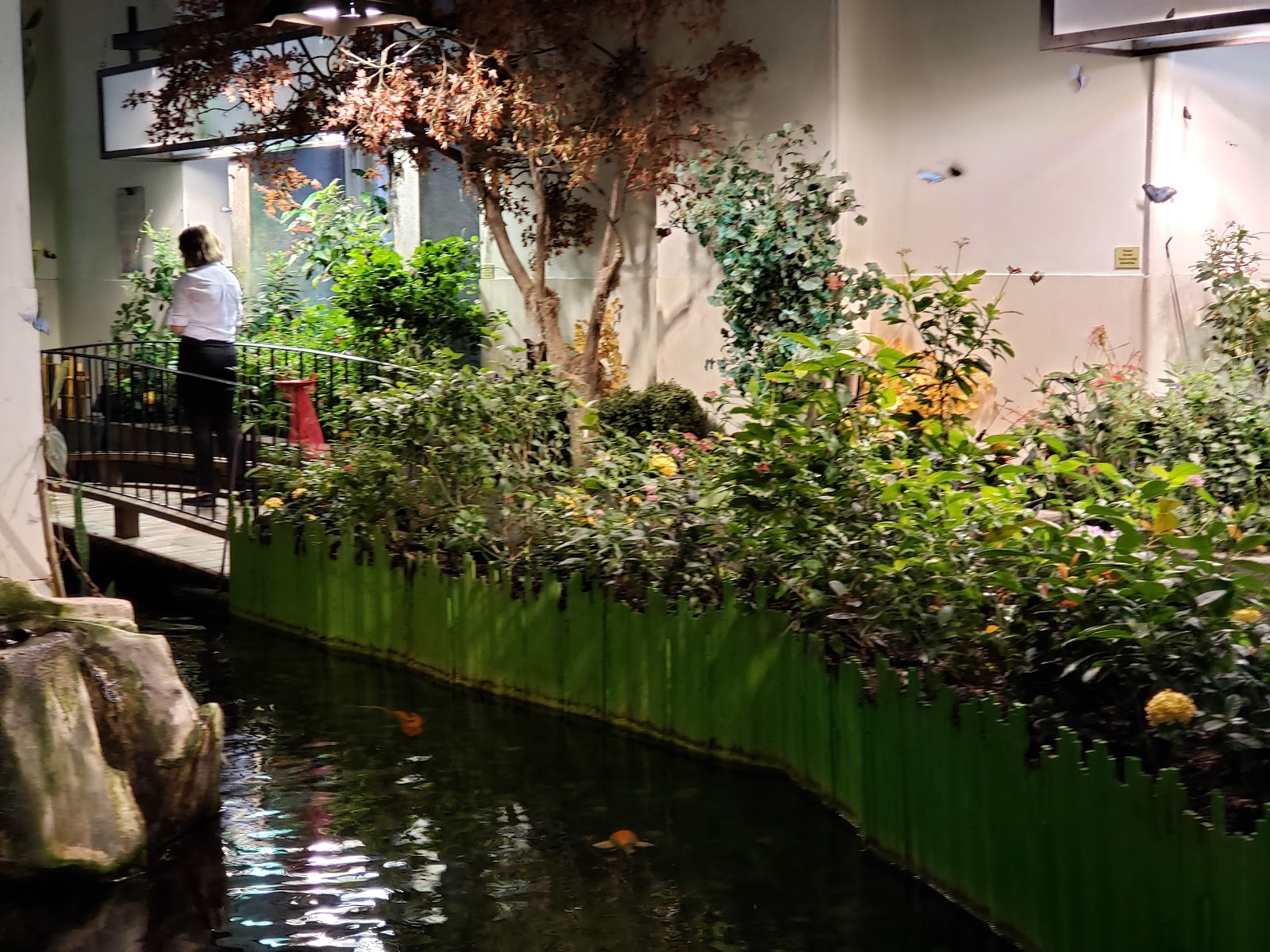
The Audubon Butterfly Garden offers both indoor and outdoor spaces, which its own description calls extremely versatile — and the indoor half of that is a tropical glasshouse, which needs treating as its own particular problem.
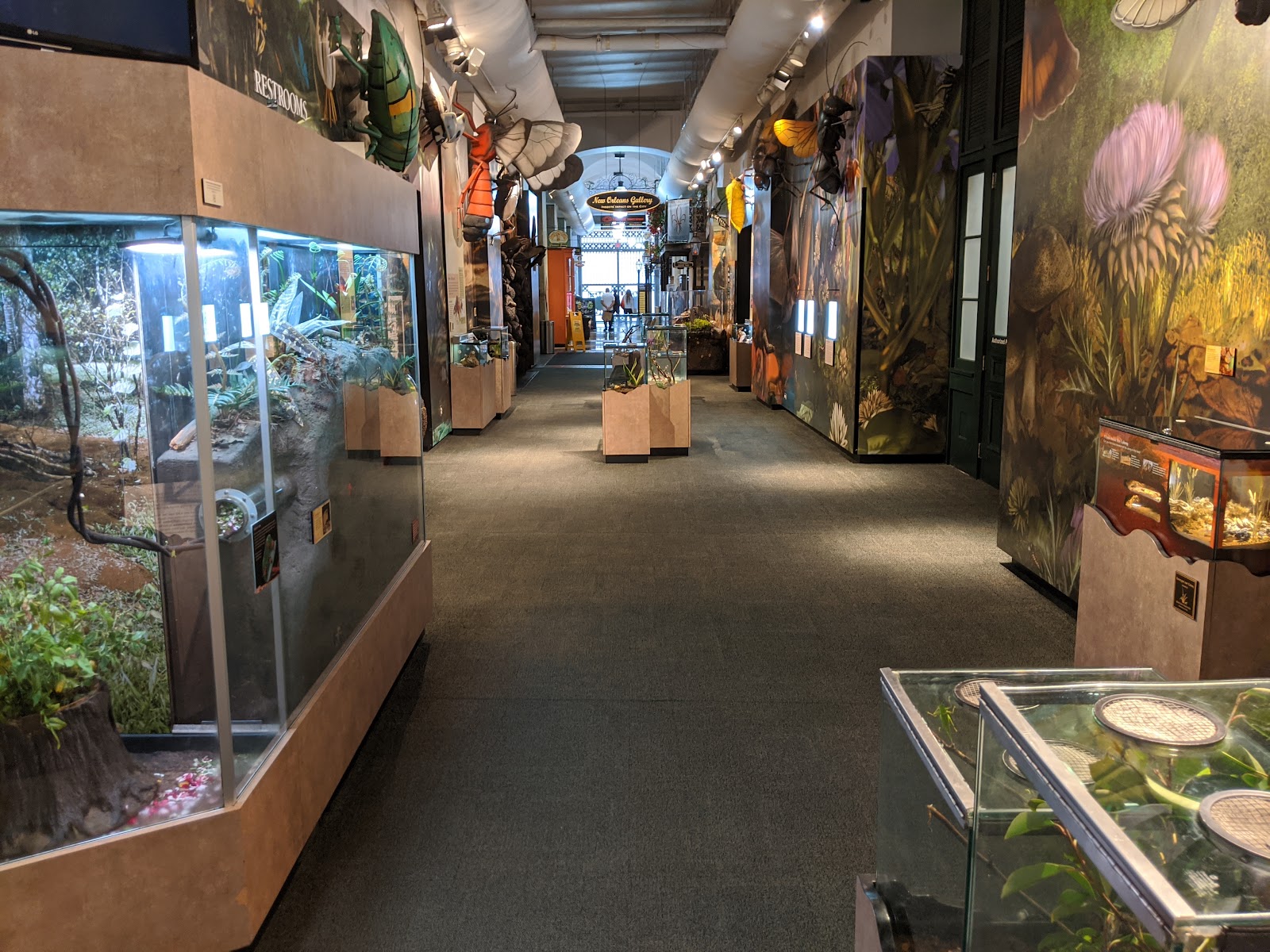
A butterfly house is built for the animals in it, and everything difficult about photographing there follows from that. It is deliberately hot and very humid, because tropical species need it. It is glazed, because the plants need light, which means hard glazing-bar shadows in sun and reflections everywhere at night. The planting is dense, which is what the butterflies need and which throws green onto every nearby face. And the display areas around it are dim, because dim exhibits read brighter and glass reflects less.
None of that makes it a bad venue. It makes it a venue with a specific technical problem and a genuinely unusual payoff. This is written as that problem and four ways out of it. We have not photographed a wedding here; tropical glasshouses behave consistently. Which spaces a wedding includes, whether flash is permitted near the animals, and what the outdoor fallback is are the first questions.
The Audubon Butterfly Garden at a glance
| Where | New Orleans, Louisiana |
| Character | A butterfly garden and insectarium with indoor and outdoor event space |
| The problem | Hot, very humid, glazed, densely planted and dim by design |
| The payoff | A setting nothing else in the city can offer |
| Ask first | Spaces included, whether flash is permitted, the outdoor fallback |
Why a tropical glasshouse is hard
Heat and humidity first, because they are the problems that stop a camera rather than merely complicate a frame. A tropical house is kept warmer and much more humid than even a New Orleans summer afternoon, which means equipment brought in from anywhere cooler will fog immediately and comprehensively — and inside that environment it may not clear at all while you remain in it. This is the single most likely cause of a lost sequence here, and it is entirely preventable by letting the kit acclimatise before it is needed.
Glazing is the second problem and it has two modes. In direct sun, the roof structure prints a lattice of hard shadow across everything below including faces — bands a stop or two apart, running across skin, which cannot be corrected in editing because it is a genuine exposure difference across the subject, and cannot be posed around because it covers everything. Under cloud, the same roof becomes an enormous diffuser and the light is superb.
Dense planting is the third. Foliage overhead and on all sides blocks light, so the level inside a planted glasshouse is much lower than the bright roof suggests; and it reflects green onto any nearby skin, which is unflattering in a way warm bounce never is. Because that cast is localised rather than global, auto white balance cannot correct it.
Dim exhibit areas are the fourth. Insectarium-style display spaces are kept dark so that lit cases read brightly and glass reflects less, which gives low ambient, small pools of hard light from above, and glass everywhere. That is the standard museum problem with the additional constraint that flash may be prohibited entirely for the animals’ sake.
And there is a practical constraint that matters more here than in most venues: narrow paths. A planted house has walkways sized for single-file visitor movement, which limits where a group can stand, where anything can be set down and how far back a camera can get.
Four ways out
The first way out is timing, and it is the most effective. A glasshouse under overcast is one of the best photographic environments that exists — light arrives through the whole roof and both flanks, diffused twice, from everywhere at once with no hard edge, and position stops mattering. A glasshouse in direct sun is a lattice of hard shadows. So the check is the forecast, and on a clear day the answer is to work in the house early or late, when the sun comes through the flanks rather than the roof, and to put the middle of the day outside or in the dim spaces.
The second way out is to find the pockets. In any densely planted house there are places where foliage overhead blocks the sun the way cloud does, producing an area of soft even light inside a hard-lit building. Those pockets exist, they are findable in five minutes, and on a sunny day they are the only workable portrait positions in the house.
The third way out is to use the lattice on something other than a face. A pattern of glazing-bar shadow across a path, a leaf mass, a stone edge or a wall is genuinely beautiful, and a frame with the couple in a clear patch and the pattern behind and beside them uses the building’s signature instead of fighting it. Similarly, green bounce handled deliberately — a custom white balance set on a face in position, plus any pale path used as a neutral bounce surface — turns a defect into a non-issue.
The fourth way out is the outdoor half, which is the reason this venue describes itself as versatile. Outdoors there is no glazing, no fogging while you stay there, no lattice, and after the sun drops, no direction problem either. The last ninety minutes belong outside, and everything indoors should be scheduled around protecting that window.
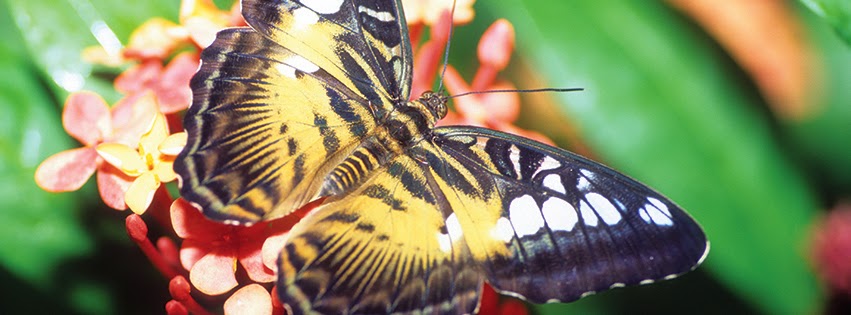
Butterflies themselves deserve one note of technique. They are small, fast and land unpredictably, and a butterfly on a hand or a dress is a frame worth having — but it is a macro or short-telephoto frame at a wide aperture, taken in whatever light exists, and it will not wait. Have a lens on a second body ready rather than changing when it happens.
- Check the forecast — overcast is superb, sun is a lattice
- On a clear day work the house early or late, not at midday
- Find the pockets where foliage blocks the sun like cloud does
- Set white balance on a face among planting; green bounce is local
- Let the kit acclimatise before entering; it may not clear inside
Outside, the park, and New Orleans weather
The outdoor space is where the flattering frames live and it follows the ordinary rules, with one New Orleans amplification: continuous shade is not an aesthetic preference here but the condition that makes a long outdoor block possible at all in formal clothes. Find the largest unbroken area of it on arrival and treat it as the default position.
Where mature live oaks are available they are the best shade there is. The canopy is very broad relative to its height and the limbs dip low, which gives an enormous shaded area, a ceiling that can be included in frame, and arching lines at head height that no other species offers. Dapple is the corresponding hazard — hot spots several stops above the surrounding shadow, moving with every breeze — so full shade, open light, or wait for the sun to drop.
Open lawn is the counterweight and rewards a low camera, because dropping close to the grass pushes the horizon down and lets trees or the glasshouse occupy the upper frame. It is also where a group photograph can happen, which narrow glasshouse paths cannot host — worth deciding in advance rather than improvising.
The last ninety minutes do two things at once. Outside, low sun comes in under any canopy and backlights foliage so it glows. And inside, the sun is low enough to come through the glasshouse flanks rather than the roof, which moves the lattice off faces and onto vertical surfaces — so the house and the garden both improve at the same hour.
New Orleans weather governs everything. Heat and humidity make long blocks genuinely difficult; afternoon thunderstorms are close to a daily feature of a Gulf Coast summer rather than an occasional event, which means an outdoor ceremony needs a stated fallback with a capacity and an agreed decision time.
The glasshouse is a partial answer to that, and it is better than a partial answer in one respect: a glass building in rain is spectacular rather than compromised. The light goes soft and even, water runs down the panes as texture, and the frames are better than on a clear day. Where most outdoor venues need a fallback, a glasshouse offers an upgrade — which in this city is worth a great deal, provided the humidity and fogging are planned for rather than discovered.
More frames from The Audubon Butterfly Garden

The Audubon Butterfly Garden wedding photography: common questions
What is the biggest practical risk here?
Fogging. A tropical house is warmer and much more humid than the outside, so equipment brought in from anywhere cooler fogs immediately and may not clear while you stay inside. Let the kit acclimatise before it is needed.
What does direct sun do to a glasshouse?
It prints a lattice of hard shadow from the roof structure across everything, including faces — a real exposure difference across the subject that cannot be edited out or posed around.
When is a glasshouse at its best?
Under overcast. Light arrives through the whole roof and both flanks, diffused twice, from everywhere with no hard edge — and position stops mattering entirely.
What do you do on a clear day?
Work the house early or late, when the sun comes through the flanks rather than the roof, and find the pockets where dense foliage blocks the sun the way cloud does.
How do you handle green bounce?
Set a custom white balance on a face in the position being used and bounce a neutral tone off any pale path. The cast is localised, so auto white balance cannot correct it.
Is rain a problem?
In the glasshouse it is an upgrade — soft even light, water on the panes as texture, better frames than a clear day. Outdoors it needs a stated fallback, because Gulf Coast afternoon storms are near-daily in summer.
More Louisiana venue guides
We are writing a photographer’s guide to every venue we would happily shoot in Louisiana. Here are three more, plus the full index:
- The Audubon Tea Room, New Orleans: Photographing a Park Pavilion
- The Beauregard-Keyes House, New Orleans: A Walk Through the Site
- The Bourbon Orleans Hotel, New Orleans: One Frame and How It Is Made
Planning a wedding at The Audubon Butterfly Garden?
Let the kit acclimatise, then check the sky. Tell us your date and we will plan both halves.