 The Omaha Children’s Museum: A Photographer Answers Your Questions
The Sheldon Museum of Art: A Travertine Box and What It Suits
Pale stone, a top-lit hall and almost no ornament. It is austere by design, and that decides what it suits.
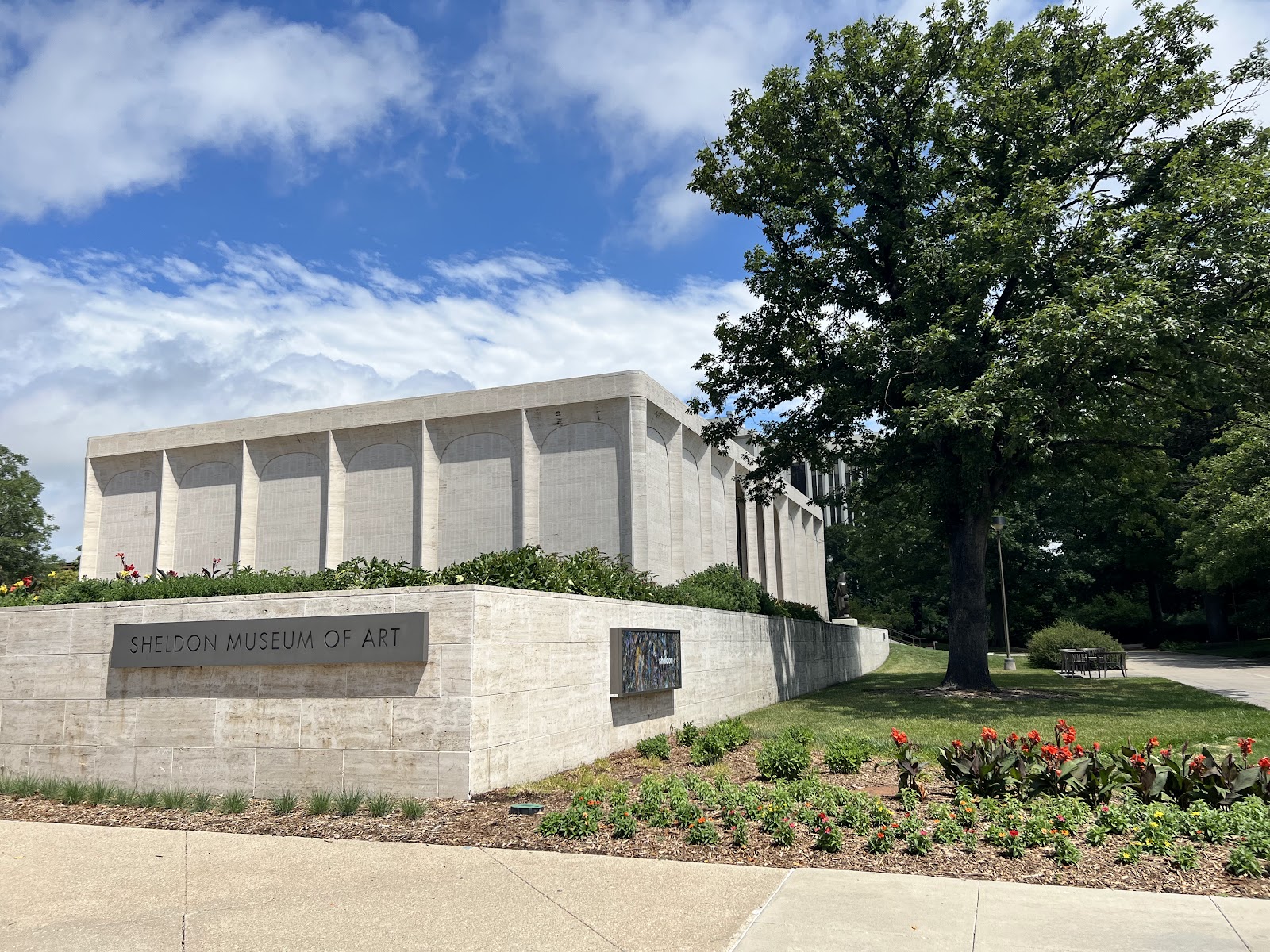
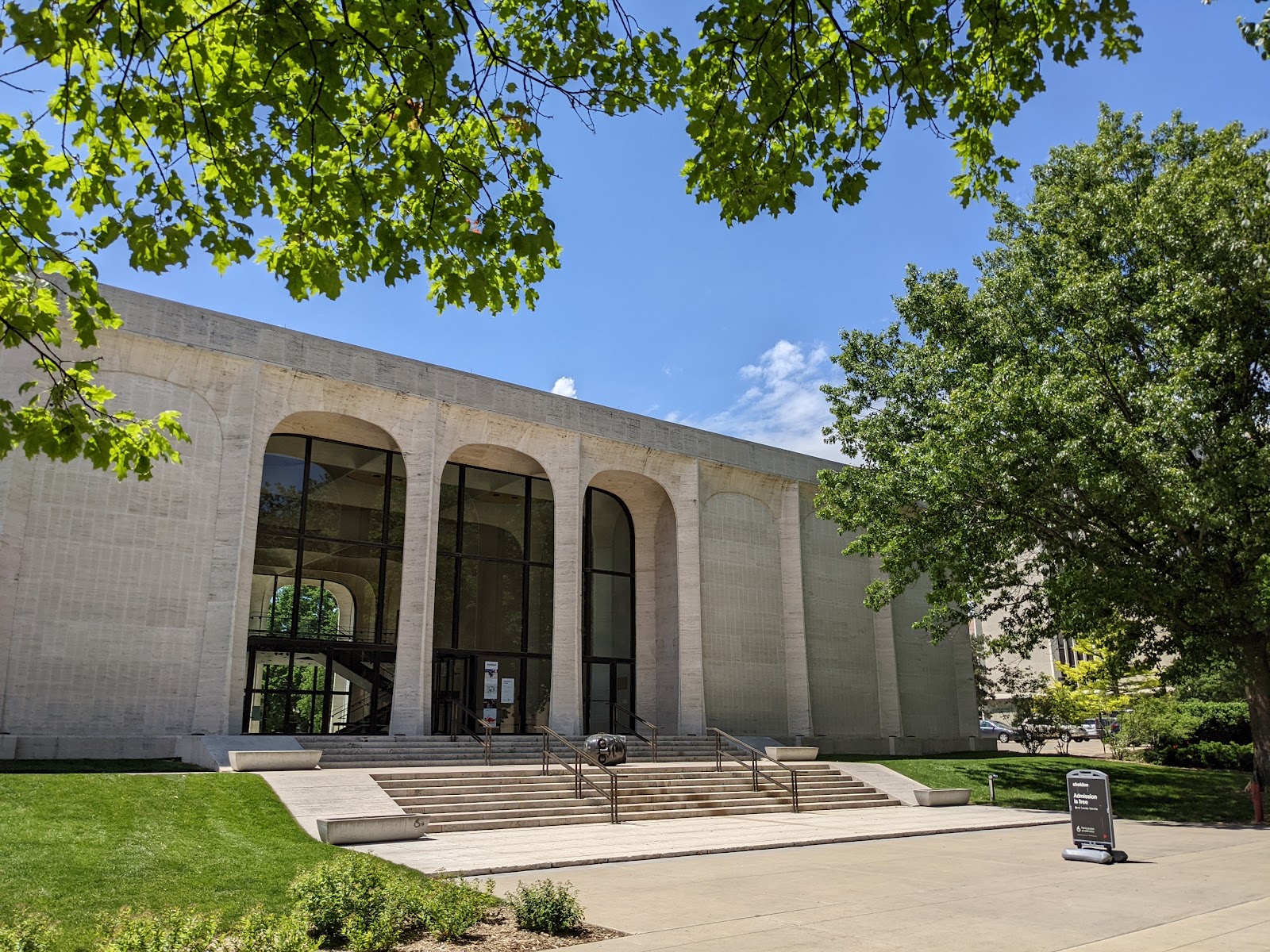
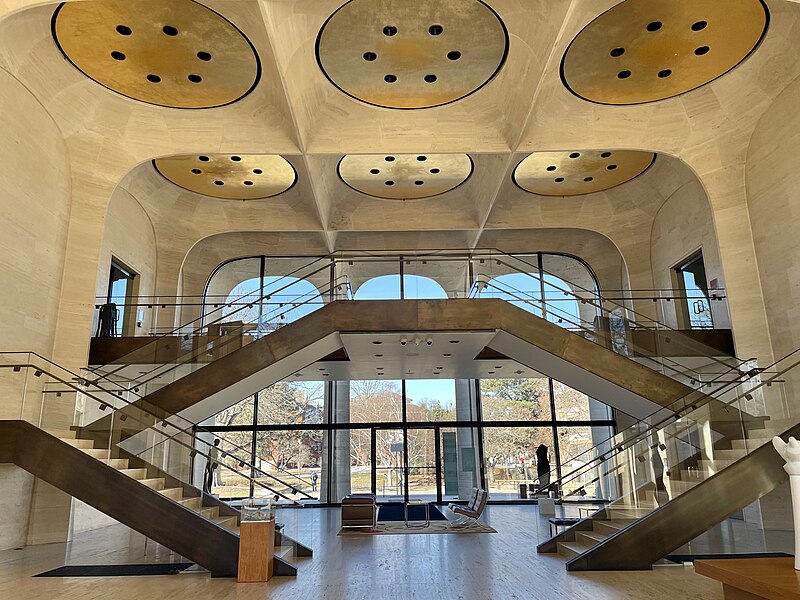
The Sheldon Museum of Art stands on the university campus in Lincoln, Nebraska, a modernist building clad in pale travertine with a tall top-lit central hall, gallery floors and a sculpture garden on its grounds.
Mid-century monumental modernism is a specific register and it is worth naming rather than treating as generic contemporary architecture. The building is spare: no applied ornament, no pattern, no colour, and a limited palette of materials used at scale. Travertine is pale, slightly textured and warm-neutral; the hall is lit from above; the proportions are formal and symmetrical. Everything is deliberate and nothing is decorative.
That is austere, and austere suits some weddings precisely and fights others. This is an honest account of which. We have not photographed a wedding at the Sheldon; travertine and top-lit halls behave the same wherever they meet. Which spaces host events and what the collection photography rules are are questions for their events team — and the collection rules constrain the plan more than the architecture does.
The Sheldon Museum of Art at a glance
| Where | University campus, Lincoln, Nebraska |
| Character | Mid-century modernist museum in pale travertine with a top-lit hall |
| The register | Spare and formal — no ornament, no pattern, no colour |
| The light | From above, which is soft, even, and unflattering without a bounce |
| Ask first | Collection rules on flash, tripods and publication |
What travertine and top light actually do
Travertine is a pale stone with a fine pitted texture, and it behaves as a reasonably efficient reflector — not to the degree that polished marble does, but enough that a hall clad in it has a higher ambient than the window area alone would explain, with soft filled shadows. Its texture reads only in raking light, though: flat overhead illumination erases the pitting and the stone becomes a plain cream field.
Top light is the second condition and it is the dominant one. A hall lit from above gives soft, even illumination that is the same everywhere in the space, which makes groups easy and position unimportant — but it comes from directly overhead, so it shadows the eye sockets and marks the line under the nose and chin. That is the characteristic flaw of every top-lit space and it is easy to miss on a small screen and glaring in a finished gallery.
The fixes are cheap and should be ready every time: a reflector held low bouncing light back up into the face, a pose with the chin lifted and the face turned upward, or a small source at face height that overrides the geometry entirely.
Exposure needs a deliberate adjustment. Pale stone and a lit ceiling make the whole space bright, so a meter will want to darken the frame — add a stop or more, exactly as for snow, and check that the travertine still holds its texture rather than clipping to blank cream.
Who this venue suits
Austerity is a strong flavour even though it looks like an absence of one, so the match between building and brief needs stating plainly. This is not a neutral container that will take on whatever a couple brings — it is a considered piece of mid-century modernism that will impose calm, pallor and formality on everything photographed inside it, which is wonderful for some intentions and quietly wrong for others.
The register fits a clear set of intentions:
- Couples who want a spare, formal, architectural gallery rather than a decorative one
- Anyone drawn to mid-century modernism, which is genuinely rare among wedding venues
- Briefs centred on the couple rather than the setting, since nothing competes with faces
- Larger formal groups, because top light makes a big group easy to arrange and light
- Weddings wanting a pale, calm, low-contrast look that the building genuinely delivers
Who should look elsewhere
None of the following is a fault in the architecture. A building designed to be spare is succeeding when it is spare; the only question is whether spare is what the day is meant to look like.
And several reasonable briefs fight the building from the first frame:
- Couples wanting warmth, ornament, pattern or period texture — none of it exists here
- Anyone after dramatic, high-contrast, moody imagery, which austerity resists
- Briefs relying on colour, since the palette is deliberately almost absent
- Photographers unwilling to bring directional light, because top light will not model a face
- Anyone needing the venue to be recognisable, since spare modernism reads similarly worldwide
Working it: precision, artworks and the sculpture garden
Spare architecture punishes imprecision. Flat planes, formal symmetry and repeated modules mean a crooked horizon or an ambiguous near-symmetry is immediately obvious, because there is nothing else in the frame to distract from it. Level with the electronic level and either centre exactly on an axis or offset clearly — in a building this formal, near-centre reads as an error rather than as a choice.
The building also gives very little separation between subject and background, since everything is pale and evenly lit. The tools are the low-contrast toolkit: a long lens at a wide aperture for sharpness separation, one directional source to create a shadow side, framing against a darker element such as a doorway or an open gallery beyond, and negative fill — something dark on the shadow side, which subtracts light where the architecture insists on adding it. Subtracting is more effective than adding here, and almost nobody does it.
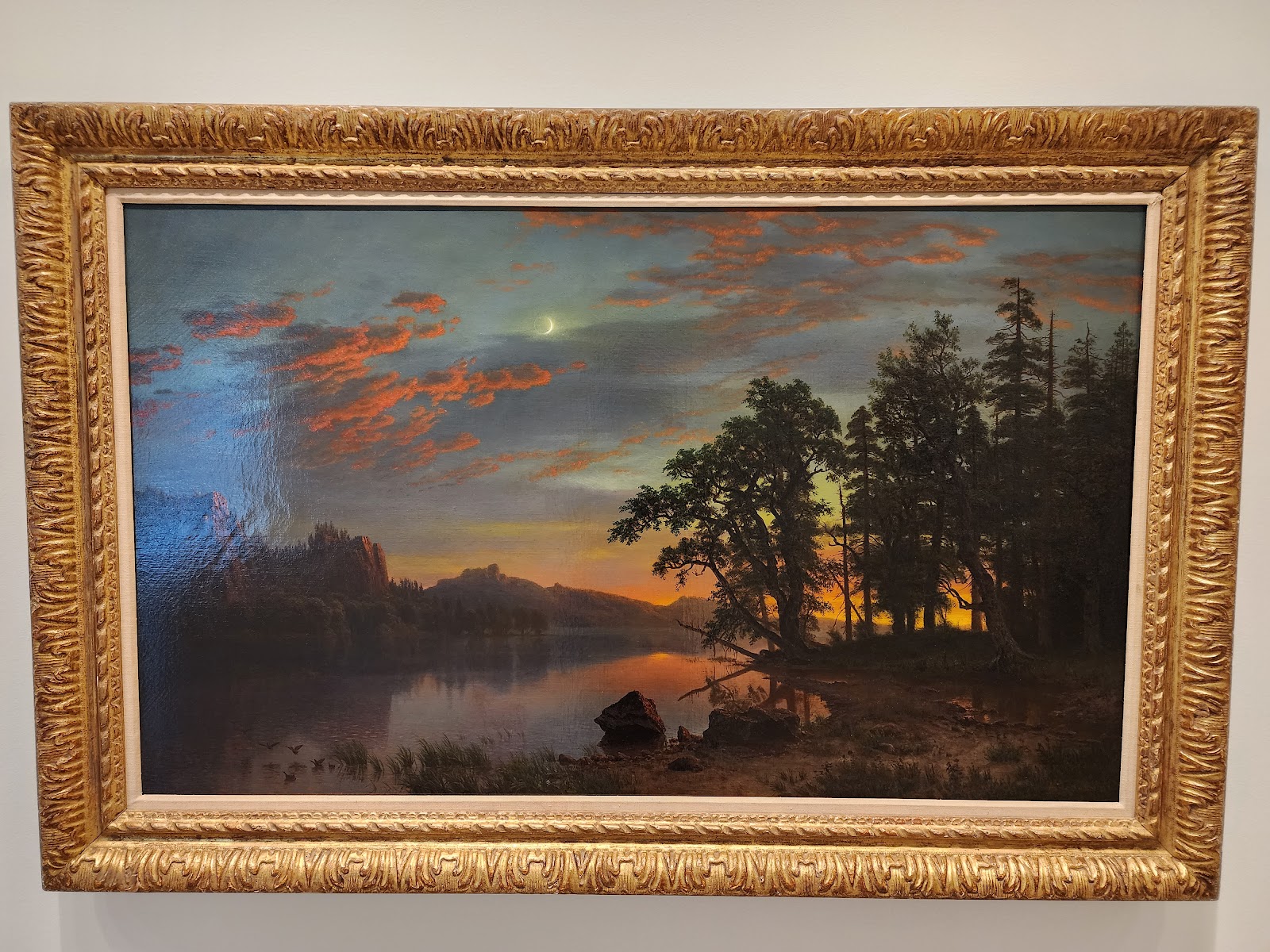
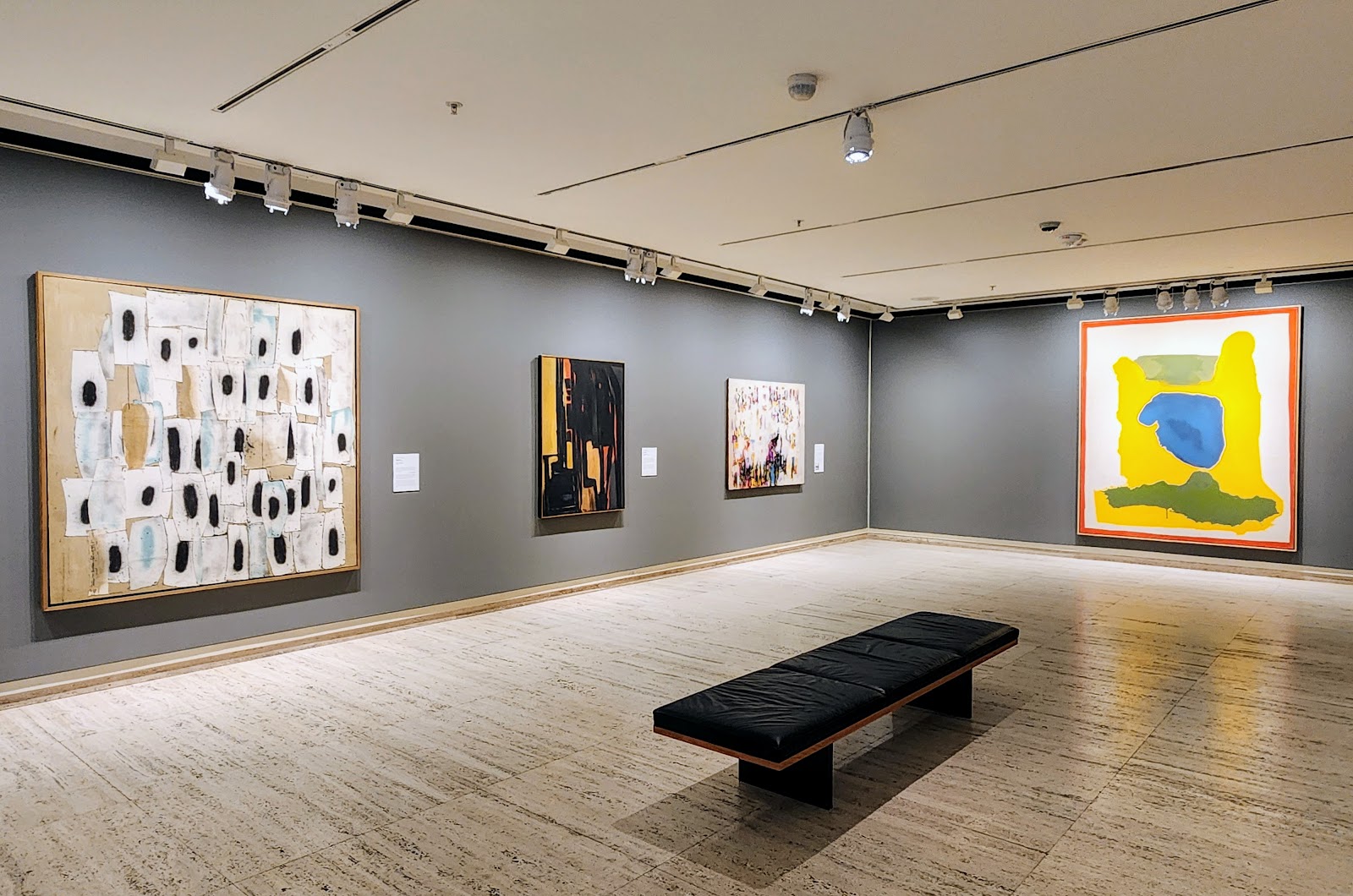
Artworks are assertive backgrounds and need the standard decision: commit deliberately or subordinate with a long lens. Half-in fails. And collection rules should be settled in writing, because tripods, flash and sometimes photography are commonly restricted in rooms holding loaned works, varying room to room and changing with exhibitions. Ask separately which works may appear in published photographs.
The sculpture garden is the outdoor counterweight and it gives what the interior withholds: direction, shadow and weather. Large works cast hard-edged dependable shadows, which is the only reliable shade on open campus ground, and standing a couple two metres inside that line facing out gives a soft key with a dark surround.
Nebraska’s plains conditions apply outdoors. Wind is a constant, so a veil is a held-or-removed decision and any stand needs weight. There is very little natural shade beyond the sculpture and the building. But the sun stays visible almost to the horizon, so the golden hour is genuinely long rather than brief — and low raking light does two things the interior cannot: it lifts the travertine’s texture into relief, and it models the sculpture properly. That last ninety minutes is the only block where the building’s exterior is at its best, and it is worth protecting.
One scheduling consequence follows from all of this. Because the interior gives soft even light that barely changes through the day, there is no interior golden hour to chase and no reason to reserve a particular indoor hour — which frees the schedule to put the outdoor block exactly where the light is best, in the last ninety minutes, and to treat everything inside as available at any time. Very few venues allow that, and it is worth exploiting rather than ignoring.
More frames from The Sheldon Museum of Art
The Sheldon Museum of Art wedding photography: common questions
What does top light do?
It gives soft even illumination that is the same everywhere in the space, which makes groups easy and position unimportant — but it comes from directly overhead, so it shadows the eye sockets and marks under the nose and chin.
How do you fix that?
A reflector held low, a pose with the chin lifted and the face turned upward, or a small source at face height. One of those, every time, or the frames come back with dark eyes — and it is easy to miss on a small screen.
Is there an exposure trap?
Yes. Pale stone and a lit ceiling make the whole space bright, so a meter wants to darken it. Add a stop or more as you would for snow, and check the travertine still holds its pitted texture rather than clipping to blank cream.
Why does the stone look flat sometimes?
Because travertine’s texture reads only in raking light. Flat overhead illumination erases the pitting and the stone becomes a plain cream field — which is why the exterior wants the last ninety minutes.
What works in such a spare building?
The low-contrast toolkit: a long lens wide open for sharpness separation, one directional source for a shadow side, framing against a darker element, and negative fill. And precision, because near-symmetry reads as an error here.
What does the sculpture garden give?
What the interior withholds — direction, shadow and weather. Large works cast the only reliable hard-edged shade on open campus ground, and low evening light models both the sculpture and the travertine properly.
More Lincoln, NE venue guides
We are writing a photographer’s guide to every venue we would happily shoot in Lincoln, NE. Here are three more, plus the full index:
- The Bourbon Theatre: Reading a Working Music Venue Through the Day
- The Creamery Building: One Decision About Which Level You Use
- The Graduate Lincoln: A Themed Hotel and the District Beside It
All Lincoln, NE Wedding Venues →
Planning a wedding at The Sheldon Museum of Art?
Austerity by design, which suits some briefs exactly. Tell us your references and we will be honest about the fit.