 The Hilton Garden Inn Fargo: Field Notes on a Standardised Hotel
The Fargo Civic Center: Reading a Municipal Hall Through the Day
A municipal hall is large, neutral and lit from overhead, which means every photographic decision is one you bring with you.
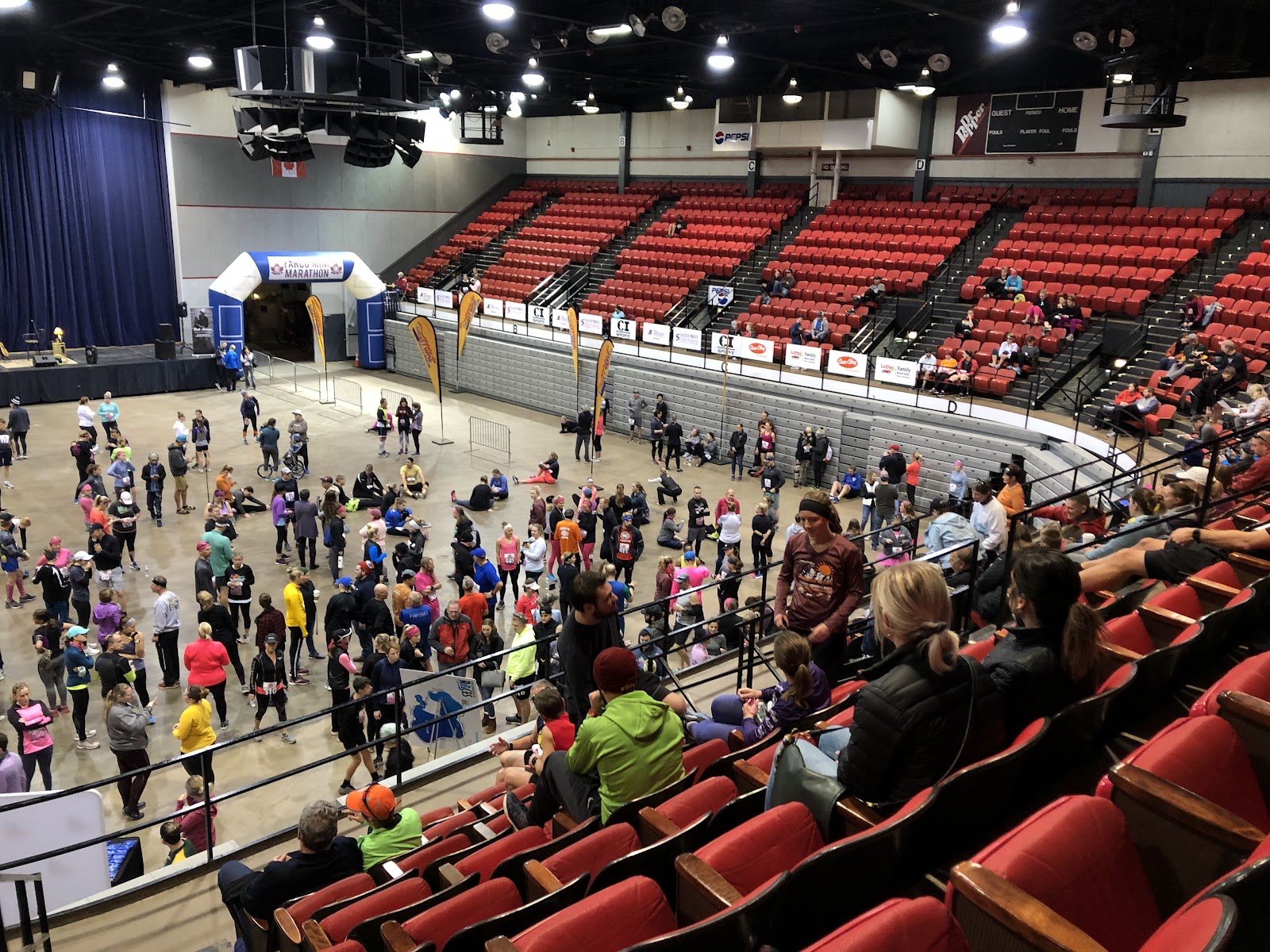
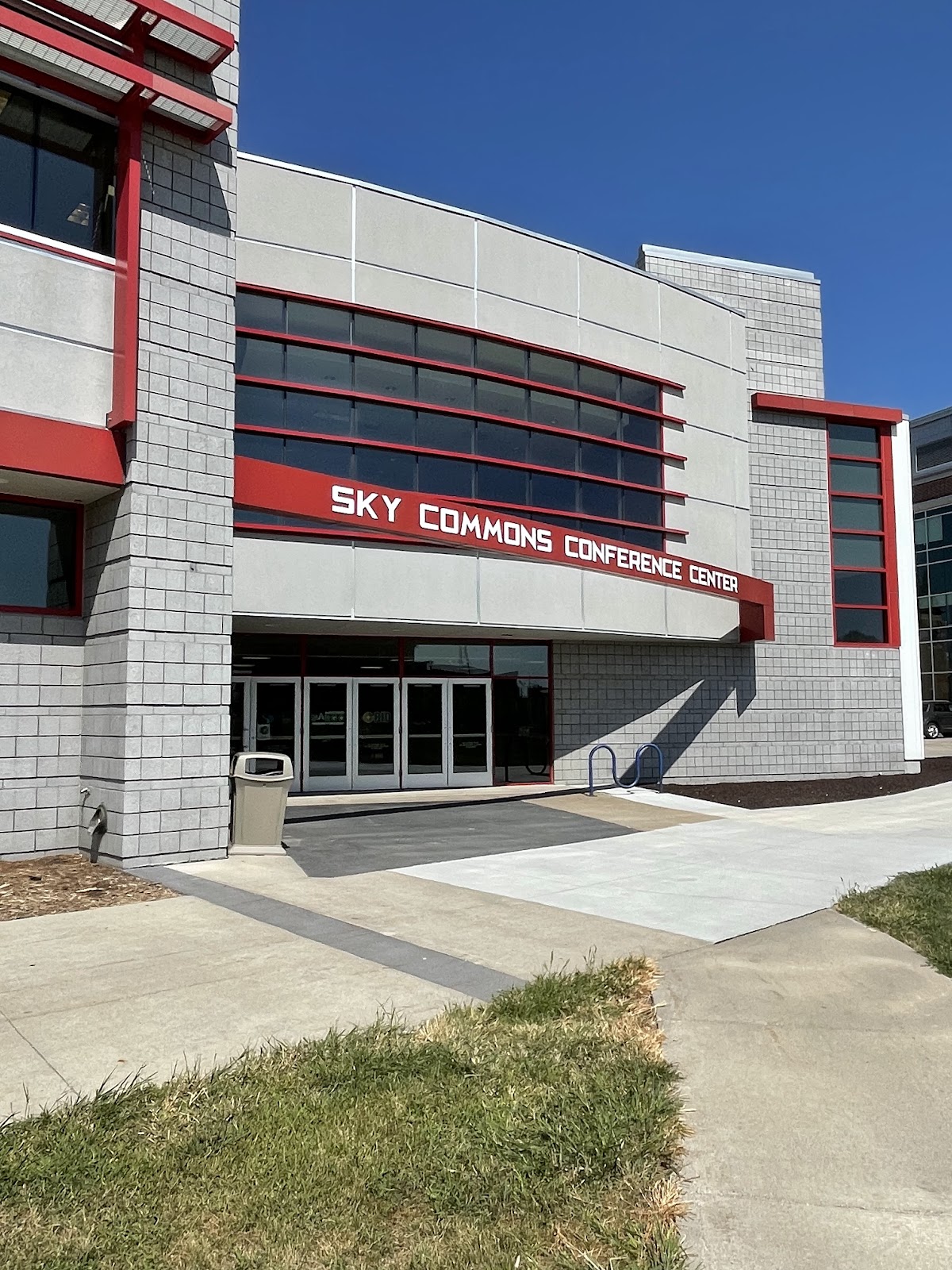
The Fargo Civic Center is a municipal events hall in downtown Fargo, North Dakota, with a large main room, meeting spaces and a central location in the city’s grid.
Civic halls are built to be useful rather than beautiful, and it is worth being straightforward about that. The room will be large, the palette neutral, the ceiling high, the floor uniform and the lighting overhead and functional. There is no daylight to speak of, no patina, and nothing in the architecture that rewards being photographed for its own sake.
What that produces is a venue where the entire photographic character comes from three things brought in: light, the couple’s styling, and the people in the room. This walks the day through on that basis, which is an honest reading rather than a dismissive one — a hall like this hosts a great many weddings well. We have not photographed a wedding at the Fargo Civic Center; large municipal halls behave the same wherever they are. What rigging is permitted and how the room can be divided are the useful questions for their team.
The Fargo Civic Center at a glance
| Where | Downtown Fargo, North Dakota |
| Character | A municipal events hall with a large main room and meeting spaces |
| The conditions | Large, neutral, high-ceilinged and artificially lit |
| Where character comes from | Light, styling and people — all brought in |
| Ask first | How the room divides, and what rigging is allowed |
Daytime: the preparation problem, and the division question
A municipal hall usually has no daylight worth using and frequently no dedicated preparation room, which makes the morning the first thing to settle rather than an afterthought. If there is no suitable space on site, preparation happens elsewhere and that is a transfer to budget into the timeline — worth establishing early, because discovering it on the day costs an hour.
Where a meeting room is available, treat it as a small artificially lit space: switch off what you can, and bounce a bare flash off a pale wall or a normal-height ceiling, which turns the room into a soft source larger than any modifier that would fit. Check what you are bouncing off first, because a dark or acoustic-tiled ceiling absorbs rather than returning.
The division question is the single most useful thing to ask. Large municipal rooms are built to be partitioned, and a smaller partition is a materially better photographic room — the walls come closer, bounce becomes possible again, and the space stops swallowing light. Requesting the smallest configuration that fits the guest count improves the photographs more than any equipment decision and costs nothing.
It also helps the couple: a smaller room feels fuller and warmer to guests as well as photographing better, so the interests align and the conversation is easy.
Evening: lighting a large neutral room
The lighting problem is the standard one at its largest scale. House lighting is overhead and functional, which shadows the eye sockets and flatters nobody, and the ceiling is high enough that bounce returns very little — the flash travels up, spreads, and comes back as a weak wash.
So the room needs direct light with a modifier rather than bounce. One warm-gelled source at face height at about forty-five degrees restores modelling and catchlights; a second behind the couple as a rim separates them from a large neutral space and finishes the dance floor. Because the ambient never changes, that setup holds all evening — light it once, confirm it, and it is done.
Neutral rooms give no separation, so the low-contrast toolkit applies alongside: a long lens at a wide aperture so the background goes soft, framing against a darker element where one exists, and negative fill — something dark on the shadow side, which subtracts light where the room insists on adding it. In a large pale hall, subtracting is more effective than adding and almost nobody does it.
Density is the other answer and the most reliable. A neutral room photographs badly empty and well full, because people supply the texture, colour and incident the architecture lacks — so the frames that work are tight and populated, and wide frames showing the room are the ones to avoid rather than attempt. That has a scheduling consequence worth noting: the busiest parts of the day photograph best here, which is the reverse of most venues.
- Ask for the smallest partition that fits the guest count
- Settle the preparation question early; there may be no suitable room
- Direct light with a modifier, not bounce — the ceiling is too high
- Shoot tight and populated; avoid wide frames of the room
- Treat the couple’s styling as the set and shoot it before doors open
The styling, the street, and a Dakota year
In a blank hall the couple’s styling is the only visual content, and it deserves treating as the set rather than as decoration. Whatever has been brought — lighting design, drapes, florals, a feature wall, a dance floor — is what the room is, and it should be photographed properly while pristine. That means the twenty minutes before guests enter, ideally from a tripod with a couple of bracketed exposures since nothing is moving.
Uplighting is near-universal in municipal halls and it is doing more work here than in a decorated venue, because there is nothing else to look at. Let it be background and let your own key own the faces, so skin stays neutral while the walls carry the colour the couple chose — which is usually exactly the effect they were picturing.
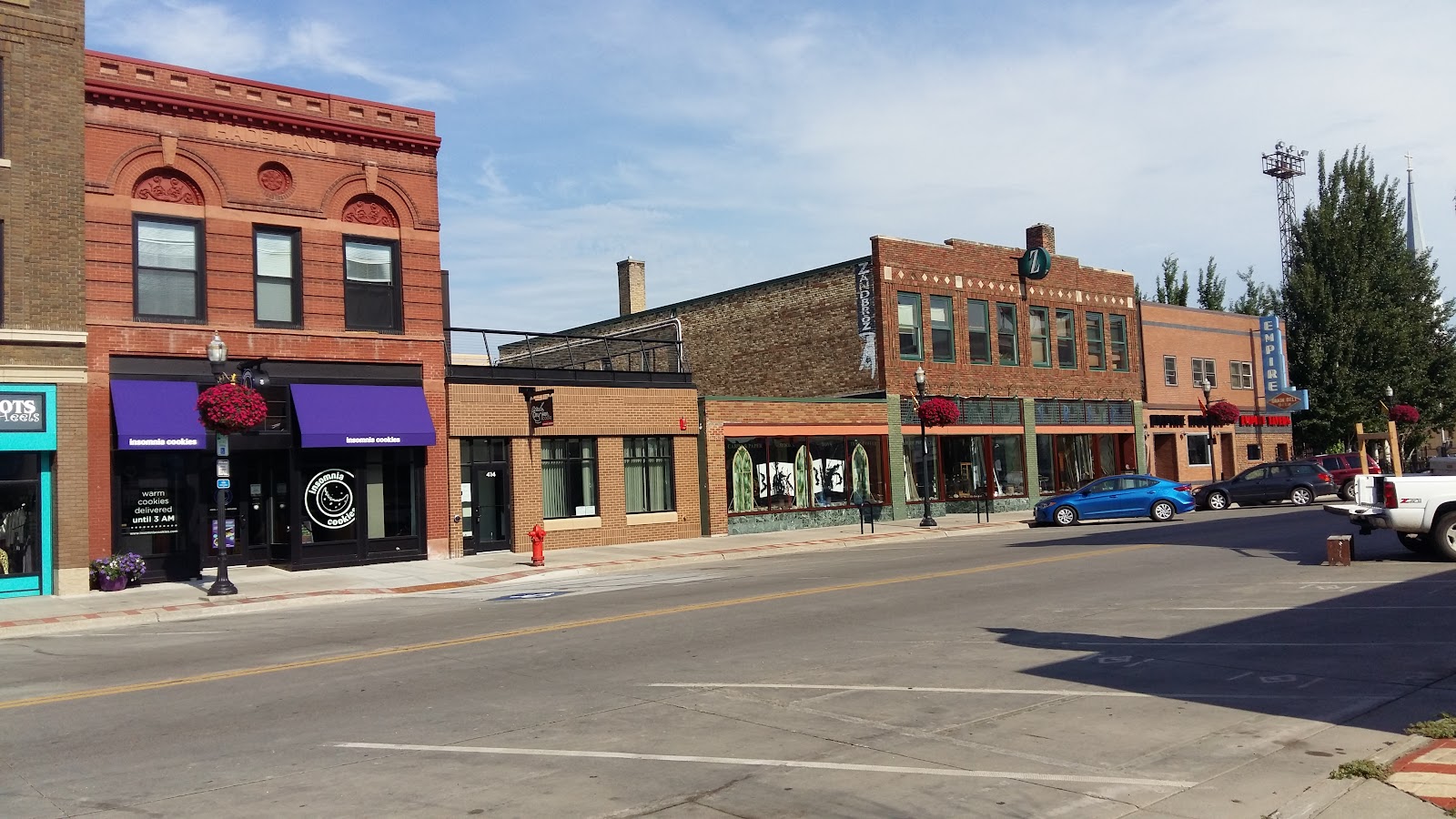
Outside, downtown Fargo gives brick commercial frontages at low-rise scale on a regular grid, and because the buildings are low, evening sun reaches street level and runs the full length of a street. That is the block that locates the gallery, because a municipal hall interior could be anywhere on earth, and it is the only part of the day with a clock attached. Finding which streets run roughly east-west is a ten-minute site visit.
Alleys are the most reliable outdoor positions: walls on both sides give directional light, a contained background with no sky to blow out, and shelter from the wind — which on the northern plains is a constant rather than an occasional event, and enough to make a veil a held-or-removed decision.
Winter makes the hall’s reliability its strongest argument. Days are very short, so the street block belongs early in the afternoon and lasts minutes; snow is the best natural fill there is and fools a meter by about two stops, so overexpose deliberately; and a camera moved between a heated hall and deep cold fogs comprehensively coming in, so acclimatise rather than cycling it and carry extra batteries kept warm. The compensation is low sun raking brick all day through a short afternoon.

More frames from The Fargo Civic Center
The Fargo Civic Center wedding photography: common questions
What is the most useful thing to ask?
How the room divides. Municipal halls are built to be partitioned, and a smaller partition brings the walls closer, makes bounce possible again and stops the space swallowing light — it improves the photographs more than any equipment.
What should be settled early?
Preparation. A municipal hall often has no daylight and no dedicated getting-ready room, so it may happen elsewhere — a transfer to budget into the timeline rather than discover on the day.
Why does bounce fail here?
The ceiling is too high. The flash travels up, spreads, and returns as a weak wash. Use direct light with a modifier instead, and because the ambient never changes, that setup holds all evening.
How do you photograph a blank hall?
You do not. Photograph what is in it — tight populated frames where people supply the texture the architecture lacks. Wide frames showing the room are the ones to avoid rather than attempt.
What about the couple's styling?
It is the set, because in a blank room it is the only visual content. Photograph it pristine in the twenty minutes before guests enter, from a tripod with bracketed exposures since nothing is moving.
What locates the gallery?
The street. A municipal interior could be anywhere, but downtown Fargo is low-rise enough that evening sun reaches street level and runs the length of a street — and that is the only block with a clock attached.
More Fargo, ND venue guides
We are writing a photographer’s guide to every venue we would happily shoot in Fargo, ND. Here are three more, plus the full index:
- The Fargo Theatre: How the Marquee Frame Is Actually Made
- The Hilton Garden Inn Fargo: Field Notes on a Standardised Hotel
- Island Park: Reading a Mature City Park Through the Day
All Fargo, ND Wedding Venues →
Planning a wedding at The Fargo Civic Center?
Everything here is brought in. Tell us your guest count and we will ask for the smallest room that fits.