 The Sheraton Portsmouth: What a Conventional Hotel Actually Buys You
The Hotel Portsmouth: Working a Venue at Domestic Scale
This is a house that takes guests, not a hotel that looks like a house. The difference decides the whole day.
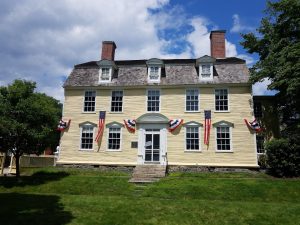
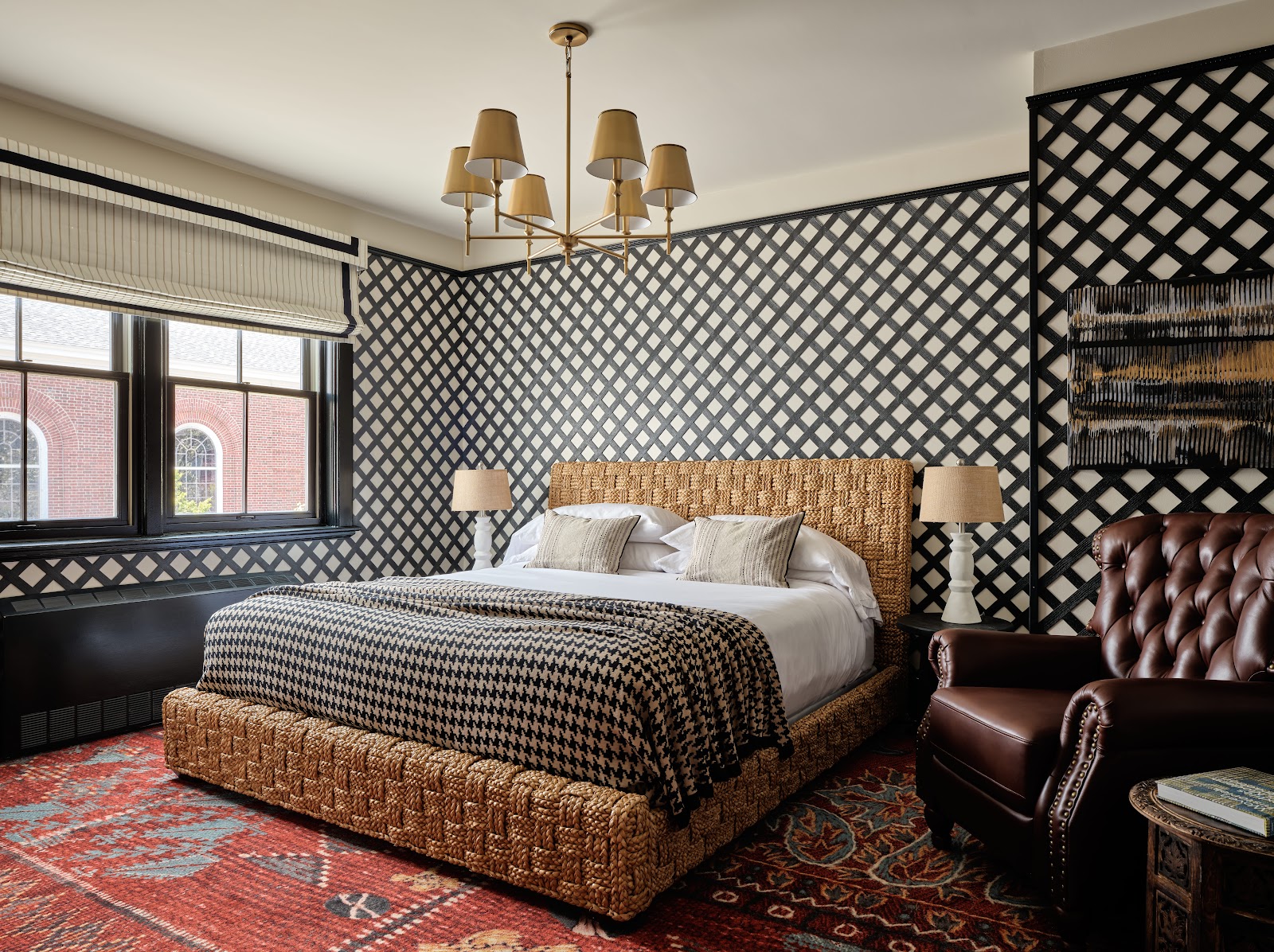
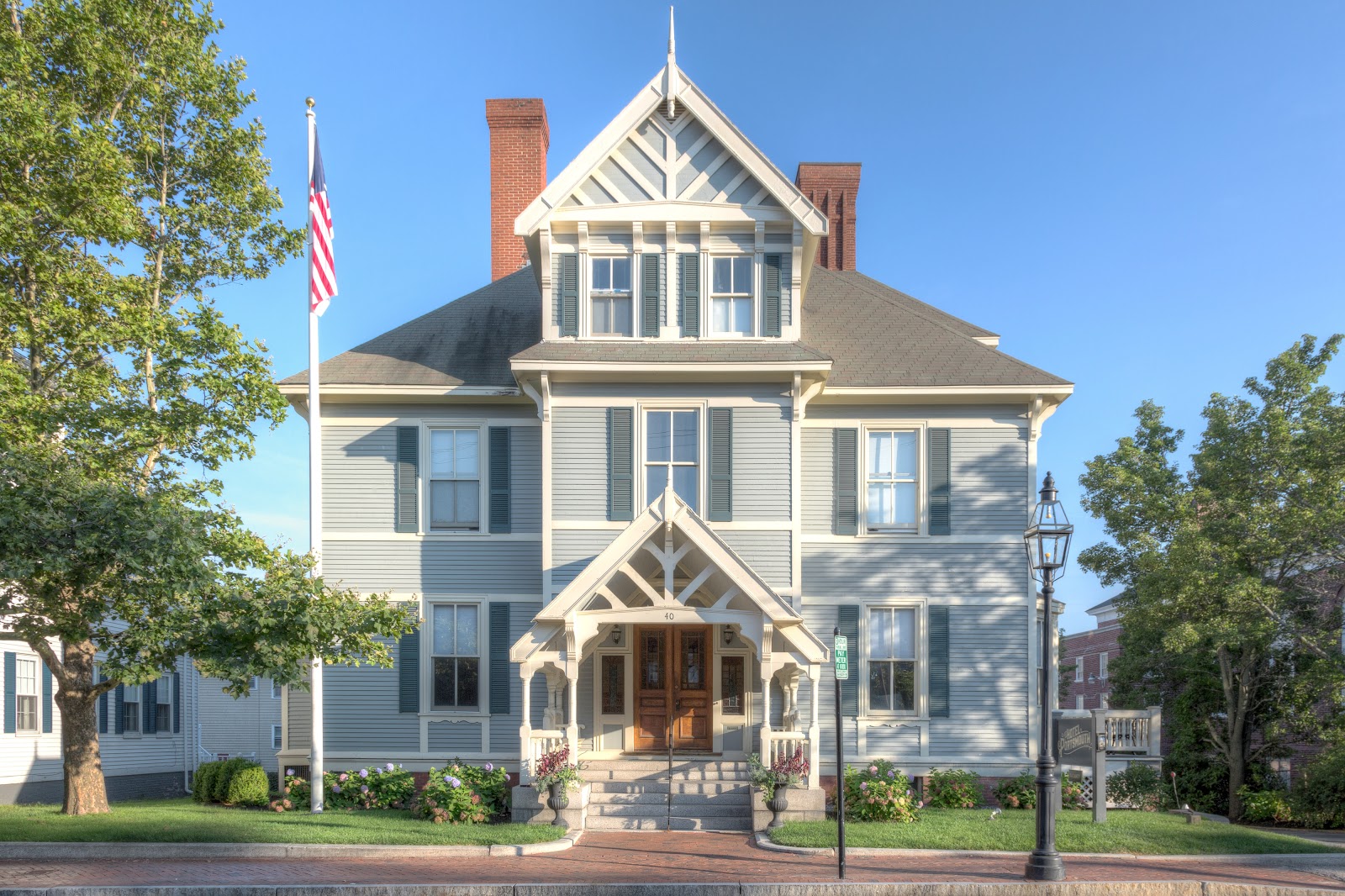
The Hotel Portsmouth occupies a restored historic house in downtown Portsmouth, New Hampshire — a small property at domestic scale, with the room sizes, ceiling heights and window proportions of a nineteenth-century home rather than of a commercial hotel.
That is the venue’s logic and it is worth taking seriously, because a domestic-scale venue is a different assignment rather than a smaller version of a large one. In a hotel you choose where to stand and therefore choose your focal length. In a room twelve feet across, the wall chooses for you. Group photographs have to happen somewhere else. Lighting equipment that needs distance to work does not fit. And the compensation — which is substantial — is that everything is close, so every frame contains people near each other whether you planned it or not.
So this follows that logic through the day. We have not photographed a wedding at the Hotel Portsmouth; period houses at domestic scale behave the same wherever they are. Real capacity, which rooms may be used and whether the whole house can be taken are questions for their team, and capacity is the first one.
The Hotel Portsmouth at a glance
| Where | Downtown Portsmouth, New Hampshire |
| Character | A restored historic house at domestic rather than commercial scale |
| The constraint | The wall picks your focal length; there is one camera position |
| The gift | Proximity — every frame is close and legible by default |
| Ask first | Real capacity, and whether the whole house can be taken |
What domestic scale does to the photography
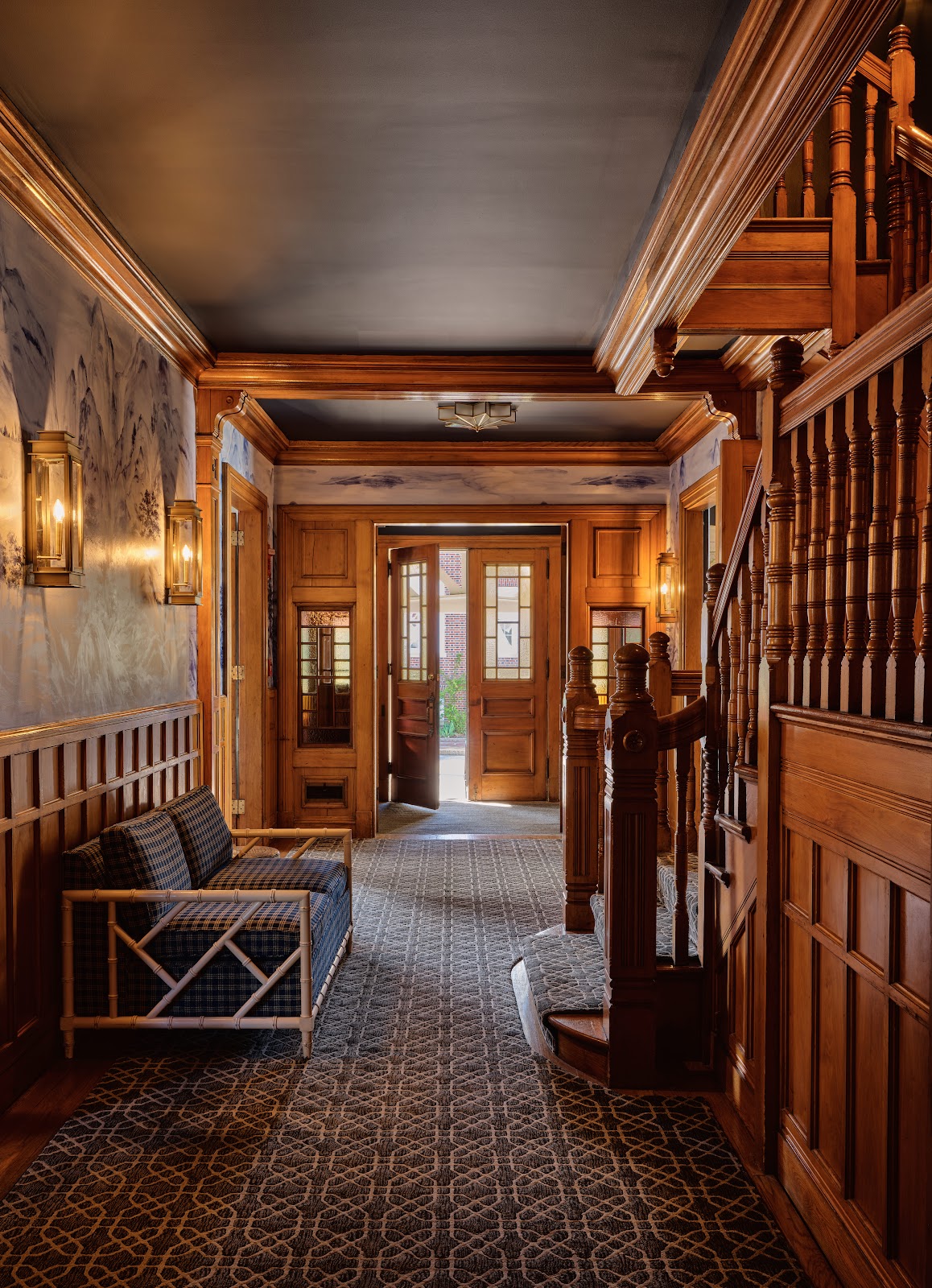
Three consequences follow from rooms you cannot back up in. Focal length is decided for you — a 28mm or 35mm covers anything with more than two people in it, and wide lenses at close range stretch whatever sits near the frame edge. The compositional answers are to keep faces towards the centre and arrange any group in a shallow arc rather than a line.
Lighting equipment stops working as intended. A softbox needs distance to be soft; pressed two feet from a subject it becomes a hard source with harsh fall-off. In a small room the walls and ceiling are the modifier — a bare flash bounced off a pale wall turns the whole room into a source larger than anything that would fit through the door. This is the one context where bounce beats a modifier outright, and it means the kit needed here is very small.
And everything is in frame. There is nowhere to hide a bag, a case or a coat, so tidying the corner you are shooting into is part of the work. Two minutes of it improves a photograph more than any camera setting.
The proximity is the real argument for the venue. Every frame contains people close together because there is no alternative, so reactions are legible, hands and glances are visible, and the camera is inside the event rather than observing it from the back of a hall. For a documentary-leaning gallery that is an advantage, not a constraint.
Windows, and why period houses light well
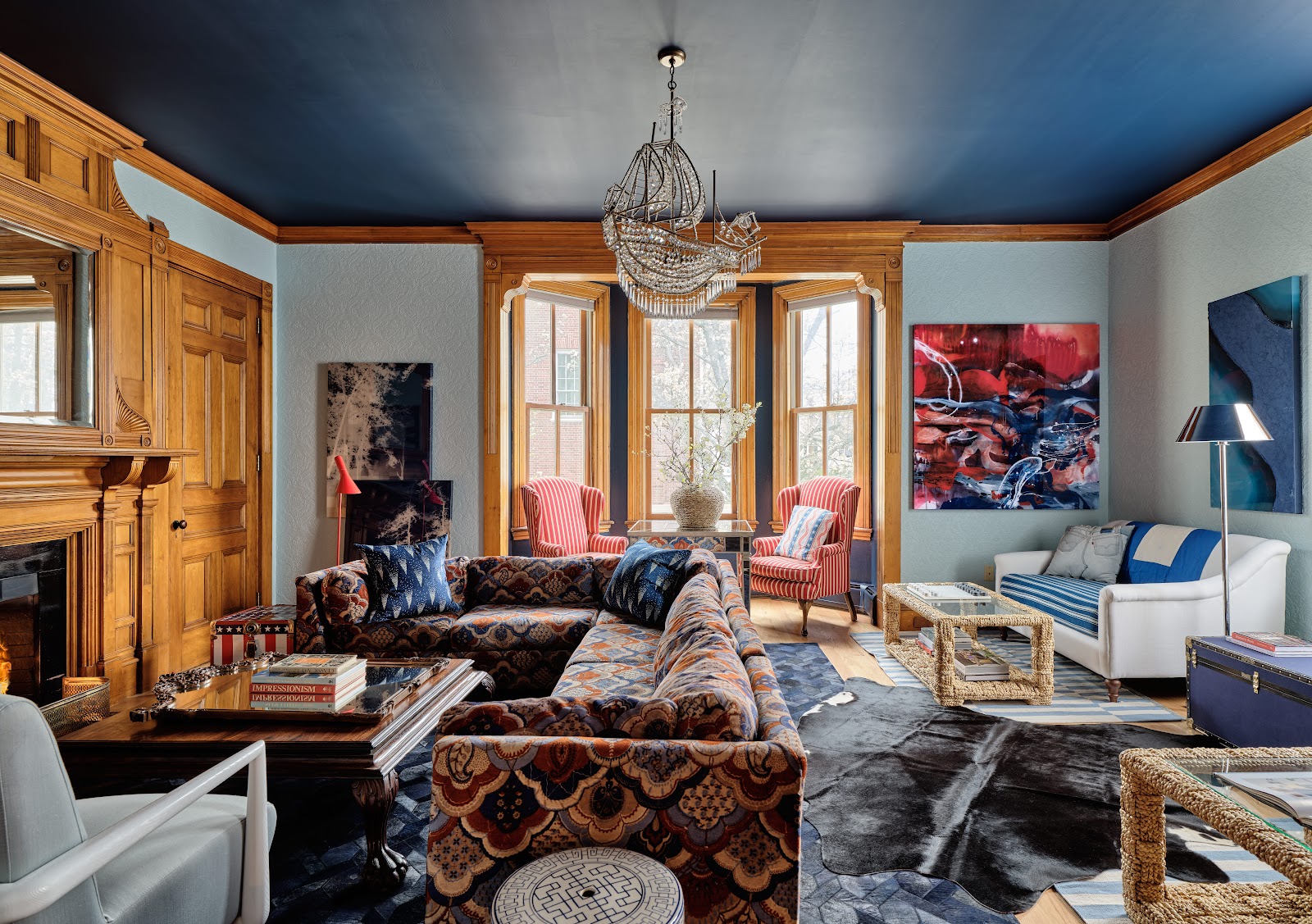
Houses of this period were built before reliable artificial light, so the windows are generous relative to the rooms — tall, often reaching close to the ceiling, and positioned to throw light deep into the plan. In lighting terms that is a very large source at a very short distance, which is both soft and steeply falling.
That fall-off is the useful part. A subject a metre from the glass is well lit and the room three metres behind them is markedly darker, which separates them from the background with no equipment at all. In a large hall with small windows you would have to manufacture that; here the architecture supplies it.
One window gives three lighting setups and it costs only a change of stance. Facing the window: a broad soft key with catchlights. Side-on: strong modelling with a shadow side. Back to it: a rim and a silhouette. That is more variety than most photographers get from a lighting kit, and it needs nothing carried.
Two cautions common to period houses. Shutters and blinds throw hard slatted stripes across a face in direct sun, which cannot be corrected — open them fully or close them enough to diffuse. And direct sun through a window is a small hard source rather than a soft one; a sheer curtain drawn across converts it instantly and is the most useful object in any period room.
- 28mm or 35mm for groups; keep faces off the frame edge, arrange in an arc
- Bounce off a pale wall rather than using a modifier that will not fit
- Work a metre from a window and let fall-off separate the subject
- One window, three setups, just by changing which way they face
- Draw a sheer curtain to turn hard sun into a large soft source
Groups, the town outside and the shape of the day
Group photographs are the binding constraint and they need deciding before the day rather than during it. Formal groups need floor area and ceiling height, and a domestic-scale house has neither in quantity. Past about a dozen people, groups belong outside — on the front steps, in a garden if there is one, or in the street — and establishing exactly where turns a twenty-minute problem into a five-minute exercise.
Front steps are the best of those options for a reason worth knowing: steps arrange people at different heights automatically, which solves the back-row problem that ruins most group photographs, and a period doorway gives a frame around the group. It is the single most useful exterior feature a town house has.
Downtown Portsmouth does the rest of the work, and it is unusually good material. Narrow streets lined with brick and painted clapboard behave like large soft boxes — light comes from the strip of sky above and bounces between facing elevations, so the light is soft and even and the background is a mid-toned building rather than a blown sky. That makes street portraits easy here in a way they are not in most cities.
Because the centre is low-rise, low evening sun reaches street level and runs the length of a street, lighting one side and shading the other. Finding which streets run roughly east-west is a ten-minute site visit and it is the most useful preparation available. And the Piscataqua waterfront is a few minutes away for water, boats and an open horizon — worth checking the tide for, since high and low water look nothing alike.
The shape of the day follows: interiors for preparation, detail and the close documentary frames, since the windows are the best light in the building and the rooms are intimate by default; the steps or the street for any group; and an east-west street or the waterfront in the last ninety minutes, which is the only block with a clock attached. Everything indoors can move.
The end of the night is worth mentioning because a small house does it better than a large venue. In a hall the last hour disperses; in a house it concentrates — everyone in one warm room, close together, lit by whatever lamps are there. Shoot it wide open at high ISO and keep the grain. Those frames are usually the ones the couple keeps, and they only exist at this scale.
What works in your favour
- Proximity makes every frame close, legible and unavoidably intimate
- Generous period windows give a large soft source with useful fall-off
- Pale walls in small rooms out-perform any modifier that would fit
- Front steps solve group composition and frame it with a doorway
- Low-rise Portsmouth outside, with street-level golden hour
What to plan around
- The wall picks your focal length; wide lenses distort the frame edges
- Formal groups of any size must happen outside the building
- Everything is in frame, so tidying is part of the job
- Shutters print hard stripes across faces in direct sun
- Over capacity it photographs as a crowded room, and nothing fixes that
More frames from The Hotel Portsmouth
The Hotel Portsmouth wedding photography: common questions
Is a small venue harder to photograph?
Different rather than harder. Camera position is fixed by the walls, modifiers will not fit and everything is in frame — but proximity does the emotional work for you, because every frame contains people close together whether you planned it or not.
How do you light a room you cannot back up in?
Bounce off a pale wall. A modifier needs distance to be soft and becomes a hard source two feet from a subject, whereas a bounced bare flash turns the whole room into a source larger than anything that would fit through the door.
Why do period houses light so well?
Because they were built before reliable artificial light, so the windows are generous relative to the rooms. That is a very large source at a very short distance — soft, and with steep fall-off that separates the subject from the background for free.
How many setups can one window give?
Three, by changing stance alone. Facing it gives a broad soft key with catchlights; side-on gives strong modelling with a shadow side; back to it gives a rim and a silhouette. That is more variety than most lighting kits provide.
Where do group photographs happen?
Outside, past about a dozen people. The front steps are the best option — steps arrange people at different heights automatically and a period doorway frames the group. Decide exactly where before the day, not during it.
What does a small venue do better than a large one?
The end of the night. In a hall the last hour disperses; in a house it concentrates — everyone in one warm room lit by whatever lamps are there. Shoot wide open, keep the grain. Those frames only exist at this scale.
More New Hampshire venue guides
We are writing a photographer’s guide to every venue we would happily shoot in New Hampshire. Here are three more, plus the full index:
- The Loft at The Press Room: Field Notes on a Small Upper Room
- The Portsmouth Brewery: Reading a Brewpub Hour by Hour
- The Sheraton Portsmouth: What a Conventional Hotel Actually Buys You
Planning a wedding at The Hotel Portsmouth?
A domestic-scale venue is a different job, not a smaller one. Tell us your guest count and we will tell you where the groups go.